


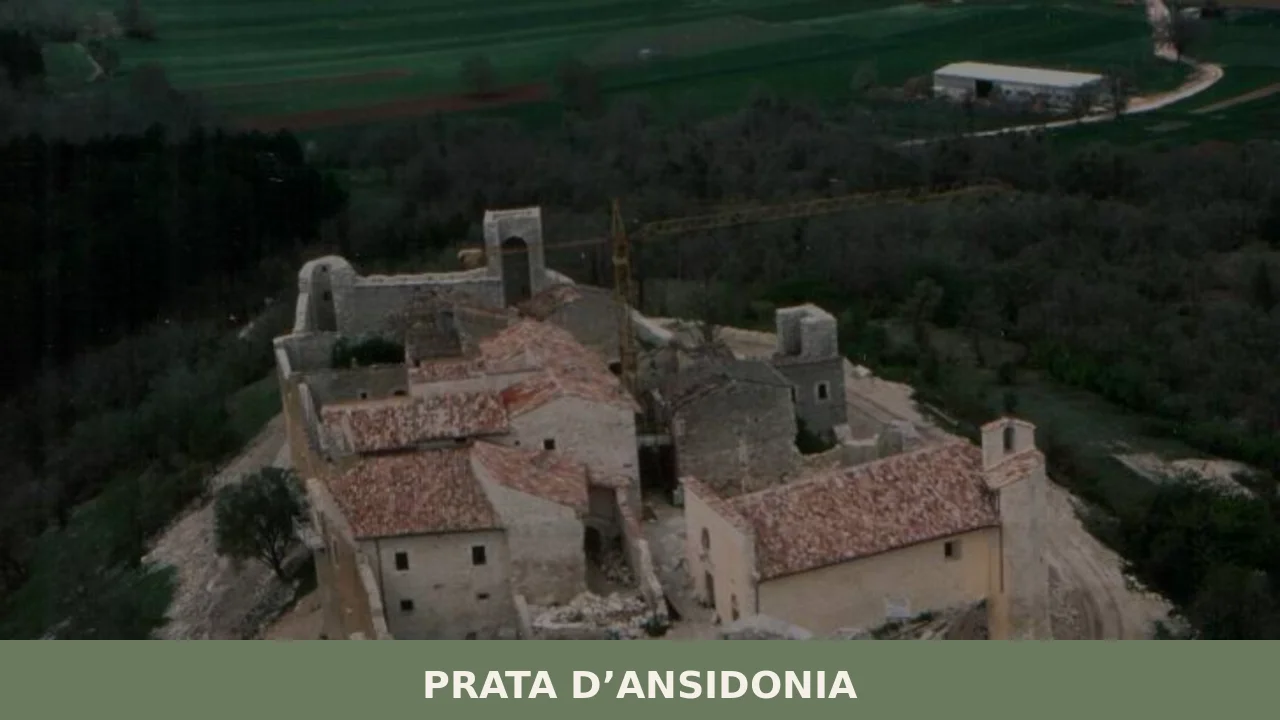
Prata d’Ansidonia
 Mountain
What to see in Prata d’Ansidonia? Discover the 5 must-see historic attractions of this village in Abruzzo. Plan your visit and immerse yourself in local history.
Discover Prata d’Ansidonia
In the 13th century, several towns in Abruzzo contributed to the birth of the city of L’Aquila, and among them was Prata d’Ansidonia, a village that still today preserves the echo of that significant past.
Located in the province of L’Aquila, this municipality extends over a territory that also includes the hamlets of Tussio and San Nicandro, nestled within the evocative setting of the Campo Imperatore-Piana di Navelli Mountain Community.
Its geographical position makes it a privileged vantage point over the surrounding landscape, characterized by gentle slopes and mountain peaks.
For those wondering about what to see in Prata d’Ansidonia, the village offers an experience that combines history and nature, with its stone architecture narrating centuries of events.
With a population of 425 inhabitants, the town features a well-preserved historic core and a series of panoramic views over the Piana di Navelli. Visitors to Prata d’Ansidonia can explore the streets of the center, witnesses to a medieval era, and enjoy the tranquility of a mountain environment still connected to its roots.
The main attractions include the remains of its ancient walls and the charm of the religious architectures that dot the municipal territory.
History and Origins of Prata d’Ansidonia
The history of Prata d’Ansidonia is deeply rooted in a period of great ferment for Abruzzo, particularly in the 13th century, when the village was among the protagonists in the founding of the city of L’Aquila. This event, which saw the union of numerous castles and villas to create a new urban center, testifies to the strategic and demographic importance that Prata d’Ansidonia held at the time.
Its participation was not merely a formal act but represented a concrete contribution to the construction of one of central Italy’s most significant cities, influencing the urban and social development of the entire region.
The name itself, d’Ansidonia, suggests a link to an even more remote past, perhaps with pre-Roman or Roman settlements, whose traces have merged over the centuries with successive medieval stratifications.
The evolution of the village has been shaped by its location within a mountainous area, a characteristic that has influenced its economic activities and its architecture.
Its stone buildings, narrow alleys, and intimate squares reflect a settlement model typical of Abruzzese mountain communities, developed for defensive and climatic reasons.
Today, Prata d’Ansidonia is a municipality in the province of L’Aquila, an integral part of the Campo Imperatore-Piana di Navelli Mountain Community, with its 425 inhabitants who keep alive the traditions and historical memory of the place.
Its identity is inextricably linked to the surrounding territory, characterized by its proximity to Campo Imperatore and the Piana di Navelli, known for saffron cultivation.
This historical and geographical continuity makes the village an eloquent example of how Abruzzese communities have managed to preserve their cultural heritage through the centuries, despite challenges and changes, as also happens in nearby villages like Roccascalegna, famous for its imposing medieval fortress.
What to see in Prata d’Ansidonia: main attractions
The Historic Core of Prata d’Ansidonia
The heart of Prata d’Ansidonia beats in its historic core, a weave of streets and squares that tell of its long existence, which began with an active role in the founding of L’Aquila in the 13th century. The stone houses, often built with local materials, overlook alleys that suddenly open onto panoramic views, offering a perspective on the Navelli Plain.
Walking these streets means immersing oneself in an atmosphere where time seems to have slowed its pace, allowing one to observe architectural details that bear witness to medieval and Renaissance building techniques.
The arrangement of the buildings follows an urban plan that responded to the defensive and social needs of the era, with compact structures and a clear distinction between public and private spaces.
The Religious and Civil Architecture of the Village
The architecture of Prata d’Ansidonia is distinguished by its simplicity and the solidity of its constructions, typical characteristics of Abruzzese mountain building, with particular reference to the styles that emerged from the 13th century onwards.
The exposed stone facades, often enriched with carved stone portals or windows with essential frames, define the identity of the village.
Among the places of worship, even without being able to name specific complexes, one can imagine the presence of parish churches which, over the centuries, have undergone transformations and enlargements, but which retain original elements such as Romanesque apses or bell-gables.
These places, in addition to their religious function, often represented the hub of community life and visual reference points within the urban fabric, an aspect also found in other villages in the region like Torrebruna, where sacred architecture is perfectly integrated into the landscape.
The Landscape of the Campo Imperatore-Piana di Navelli Mountain Community
The village of Prata d’Ansidonia is part of the Campo Imperatore-Piana di Navelli Mountain Community, a clear indication of the landscape context in which it is situated. This area is characterized by an alternation of plateaus, mountains, and valleys, offering visually striking scenery in every season of the year.
The Navelli Plain, in particular, is renowned for saffron cultivation, which in autumn dyes the fields purple, creating a unique chromatic contrast with the golden hues of the dry grass and the green of the surrounding forests.
From Prata d’Ansidonia, one can admire panoramas that stretch towards the peaks of Gran Sasso and the expanses of Campo Imperatore, a karstic plateau located over 1,800 meters in altitude.
These views are not just a pleasure for the eyes but also invite exploration through hiking trails and nature paths, ideal for those seeking an authentic connection with Abruzzese nature.
The Hamlets of Tussio and San Nicandro
The municipal territory of Prata d’Ansidonia also extends to include the hamlets of Tussio and San Nicandro, small settlements that contribute to defining the rural and authentic character of the area. These hamlets, often consisting of a few dozen houses clustered around a small church or a square, represent examples of micro-communities that have maintained their unique characteristics over time.
Their existence is an integral part of the history and daily life of the municipality, offering visitors an opportunity to discover lesser-known and more intimate corners of Abruzzo.
Walking through their narrow streets can reveal unexpected details, such as ancient washhouses, small votive shrines, or simple rural architectures that speak of a life connected to the land and its resources.
These smaller centers, while not major tourist hubs, enrich the overall offering for those wondering what to see in Prata d’Ansidonia, proposing a more widespread and less conventional travel experience.
The Historical and Cultural Heritage
The historical heritage of Prata d’Ansidonia is deeply rooted in its past and manifests itself through the signs left by different eras, starting from its participation in the founding of L’Aquila in the 13th century.
The name “d’Ansidonia” itself evokes suggestions of an ancient origin, perhaps linked to a previous settlement or a toponym of Roman or Italic origin, which has been handed down to the present day.
This layer of history, while not always visible in specific and documented monumental findings, is perceptible in the urban layout, in the choice of building materials, and in the continuity of local traditions.
The village, as a whole, can be considered a true open-air museum, where every stone and every corner outlines a fragment of a millennial story. The awareness of this long history enriches the experience of those who c
Search what to see in Prata d’Ansidonia, transforming a simple walk into a path of cultural discovery.
Typical Cuisine and Products of Prata d’Ansidonia
The cuisine of Prata d’Ansidonia, like that of much of the Abruzzo hinterland, is deeply rooted in peasant and pastoral traditions, characterized by robust flavors and genuine local ingredients.
Mountain influences are evident in the preference for lamb and pork, legumes, and cereals, which form the basis of many typical dishes.
The proximity to the Navelli Plain, famous for saffron production, has also introduced this precious spice into local recipes, lending a distinctive aromatic touch to first courses and condiments.
The gastronomy here is an expression of the place’s history and culture, where every preparation is the result of ancient knowledge, handed down from generation to generation.
Among the dishes that can be savored, preparations based on homemade pasta often feature, such as the sagne a pezze or maccheroni alla chitarra, seasoned with rich lamb or castrated lamb sauces.
Legume soups, like those made with lentils or beans, often enriched with wild herbs gathered nearby, represent traditional comfort food, especially in the colder months. Grilled meats are also popular, particularly lamb, which best expresses the quality of local farming.
Each dish is a tribute to the simplicity and richness of Abruzzo’s agro-food heritage, offering an authentic culinary experience.
Although no products with DOP, IGP, or PAT certifications have been registered for Prata d’Ansidonia, the area offers a variety of agricultural and artisanal excellences that deserve to be discovered. Navelli saffron, while not exclusive to the municipality, is a very high-quality product that characterizes the entire geographical area and is widely used in local cuisine.
In addition, there are pecorino and goat cheeses produced by small farms, artisanal cured meats made from locally raised pigs, and legumes such as lentils, appreciated for their flavor and nutritional properties.
These products, despite not having specific certification labels for the municipality, represent the authenticity and richness of the food basket of the Campo Imperatore-Piana di Navelli mountain community, similar to what can also be found in Furci, where gastronomic traditions are equally deeply rooted.
Festivals, Events, and Traditions of Prata d’Ansidonia
Regarding specific festivals, events, and traditions in Prata d’Ansidonia, available sources do not provide precise details on particular manifestations with specific dates or names.
However, it is customary in small Abruzzese villages for community life to be punctuated by religious holidays linked to the patron saint or other liturgical calendar observances.
These celebrations, despite their simplicity, represent moments of gathering and tradition preservation, often characterized by processions, solemn masses, and, at times, small civil festivities with music and stalls.
The absence of detailed information does not mean that the village lacks its own cultural and social life, but rather that its expressions may be more intimate and tied to local customs, not always widely documented.
Visitors to Prata d’Ansidonia can still perceive a strong sense of community, where traditions manifest in daily life, in relationships between people, and in respect for the place’s past.
These aspects contribute to creating an authentic atmosphere, typical of smaller centers in Abruzzo, where intangible heritage is as important as architectural heritage.
When to visit Prata d’Ansidonia and how to get there
The best time to visit Prata d’Ansidonia depends on the traveler’s preferences and the type of experience they seek, offering diverse opportunities to discover what to see in Prata d’Ansidonia. Spring and autumn offer mild temperatures, ideal for exploring the historic core and the surrounding natural trails, with landscapes painted in vibrant or warm colors, respectively.
In autumn, you can also witness the saffron blooming in the nearby Piana di Navelli, a chromatic spectacle of great charm.
Summer is perfect for those seeking the cool mountain air and wanting to participate in any local festivals or events, even if less documented. Winter, with its snow, transforms the landscape into an evocative setting, suitable for those who love tranquility and more intimate atmospheres, although some outdoor activities may be limited by climatic conditions.
To reach Prata d’Ansidonia, the most convenient means is by car.
The village is accessible via the Abruzzo motorway network. Coming from Rome or the Adriatic coast, you can take the A24 motorway (Rome-L’Aquila-Teramo) or the A25 (Pescara-Torano). The recommended exit is L’Aquila Est, from which you then continue on provincial roads towards Piana di Navelli. The distance from the provincial capital L’Aquila is about 20-25 kilometers.
For those who prefer public transport, the nearest train station is L’Aquila, connected by regional services from Trenitalia.
From L’Aquila, you can then use local bus services, albeit with limited frequencies, or taxis.
The nearest airport is Abruzzo Airport in Pescara (PSR), located approximately 80-90 kilometers away, from which you can rent a car or take a bus to L’Aquila and then proceed as indicated.
| Starting Point | Distance | Estimated Time |
|---|---|---|
| L’Aquila | ~22 km | ~25 min |
| Pescara (Airport) | ~85 km | ~1 h 10 min |
| Rome | ~130 km | ~1 h 40 min |
Those wishing to extend their itinerary to discover Abruzzo can consider a visit to Castilenti, another village in the region that offers an interesting perspective on the historical and scenic richness of the Abruzzese territory, located at a reasonable distance for a day trip.
Frequently asked questions about Prata d’Ansidonia
What is the best time to visit Prata d’Ansidonia?
The best time to visit Prata d’Ansidonia largely depends on your interests. Spring and summer offer ideal conditions for exploring the historic core, enjoying nature walks, and hiking the scenic trails in the Campo Imperatore-Piana di Navelli area, with pleasant mountain temperatures. Autumn is particularly evocative, as the nearby Navelli Plain transforms with the purple hues of saffron cultivation, offering unique photographic opportunities and a chance to experience the harvest. Winter, while colder, provides a tranquil mountain atmosphere, and on December 6th, visitors can experience the local celebrations for the patron saint, San Nicola di Bari.
What are the historical origins of Prata d’Ansidonia?
Prata d’Ansidonia boasts a rich history, deeply rooted in the 13th century when it played a significant role in the founding of the city of L'Aquila, contributing to its urban and social development. The name 'd'Ansidonia' itself suggests an even more ancient past, possibly linked to pre-Roman or Roman settlements that merged with subsequent medieval stratifications. Its evolution has been shaped by its mountainous location, influencing its economy and the distinctive stone architecture, narrow alleys, and intimate squares that characterize its well-preserved historic core today.
What to see in Prata d’Ansidonia? Main monuments and landmarks
In Prata d’Ansidonia, the primary attraction is its well-preserved historic core, a labyrinth of stone houses and alleys that narrate centuries of history, offering panoramic views over the Navelli Plain. Visitors can explore the remains of its ancient walls, testaments to its medieval past, and admire the charm of the religious architectures scattered throughout the municipal territory. While specific church names are not detailed, their Romanesque elements and bell-gables reflect the village's enduring heritage. Don't miss the picturesque hamlets of Tussio and San Nicandro, which offer a glimpse into authentic rural Abruzzo life.
What are the main natural or scenic attractions of Prata d’Ansidonia?
Prata d’Ansidonia is nestled within the stunning Campo Imperatore-Piana di Navelli Mountain Community, offering breathtaking natural scenery. From its elevated position at 846 meters, the village provides privileged panoramic views stretching towards the majestic peaks of Gran Sasso and the vast expanses of Campo Imperatore. The nearby Navelli Plain is famous for its saffron cultivation, which creates a spectacular purple landscape in autumn. The area invites exploration through hiking trails and nature paths, perfect for those seeking an authentic connection with the diverse Abruzzese mountain environment.
Where to take the best photos in Prata d’Ansidonia?
For captivating photos in Prata d’Ansidonia, focus on the historic core, where the narrow stone alleys and ancient buildings offer timeless backdrops, especially during the golden hours. Seek out the various panoramic viewpoints within the village that open onto sweeping vistas of the Navelli Plain, particularly in autumn when saffron fields turn purple. The distant peaks of Gran Sasso and the expanses of Campo Imperatore provide dramatic mountain scenery, ideal for wide-angle landscape shots. The hamlets of Tussio and San Nicandro also offer charming, rustic photo opportunities.
Are there museums, churches or historic buildings to visit in Prata d’Ansidonia?
Prata d’Ansidonia itself functions as an open-air museum, with its entire historic core being a testament to centuries of history. Visitors can explore the well-preserved stone architecture, including the remains of its ancient walls, which speak of its medieval origins. The village is dotted with various religious architectures, including parish churches that, while transformed over time, retain original elements such as Romanesque apses or bell-gables. These structures, along with the traditional stone houses and narrow alleys, offer a deep dive into the historical and cultural heritage of this Abruzzese community.
What can you do in Prata d’Ansidonia? Activities and experiences
In Prata d’Ansidonia, you can immerse yourself in history and nature. Explore the tranquil historic core, wandering through its ancient stone alleys and enjoying the panoramic views over the Piana di Navelli. The surrounding mountain environment, part of the Campo Imperatore-Piana di Navelli Mountain Community, is ideal for hiking and nature walks, offering an authentic connection with Abruzzese landscapes. Don't miss the opportunity to savor the local gastronomy, which includes homemade pasta dishes with lamb sauces, hearty legume soups, and grilled meats, often enriched with the precious Navelli saffron.
Who is Prata d’Ansidonia suitable for? Families, couples, hikers, solo travelers?
Prata d’Ansidonia is perfectly suited for travelers seeking tranquility, history, and authentic mountain experiences. It appeals to couples looking for a romantic and serene escape, solo travelers desiring peace and cultural immersion, and hikers eager to explore the scenic trails of the Campo Imperatore-Piana di Navelli area. Families can also enjoy the quiet environment and the opportunity to connect with nature and history away from crowded tourist spots. It's ideal for those who appreciate genuine Abruzzese culture, traditional cuisine, and breathtaking landscapes.
What to eat in Prata d’Ansidonia? Local products and specialties
The cuisine of Prata d’Ansidonia is deeply rooted in Abruzzese peasant and pastoral traditions, offering robust and genuine flavors. A highlight is the precious Navelli saffron, widely used in local recipes, from first courses to condiments. Specialties include homemade pasta dishes like 'sagne a pezze' or 'maccheroni alla chitarra,' often seasoned with rich lamb or castrated lamb sauces. Traditional comfort foods feature hearty legume soups, while grilled meats, especially lamb, showcase the quality of local farming. You can also discover local pecorino and goat cheeses, embodying the area's authentic agro-food heritage.
📷 Photo Gallery — Prata d’Ansidonia
Nearby Villages near Prata d’Ansidonia
In Abruzzo More villages to discover
Castelvecchio Subequo
 Hills
Hills
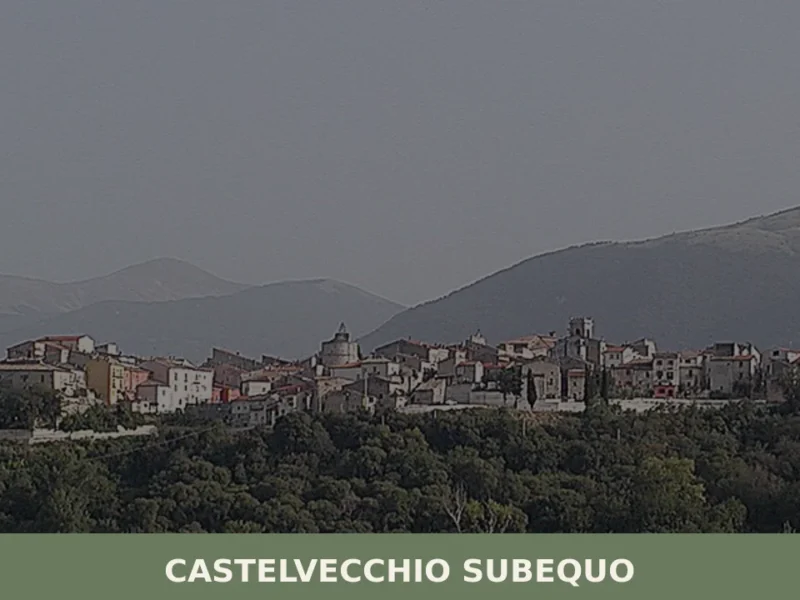
The convent of San Francesco in Castelvecchio Subequo preserves a cycle of fourteenth-century frescoes attributed to painters of the Giottesque school, among the few surviving examples in the central Apennine area. This fact alone is enough to justify a detour from the nearby A25 motorway towards a town of 832 inhabitants, at 490 metres above […]
Cansano
Mountain
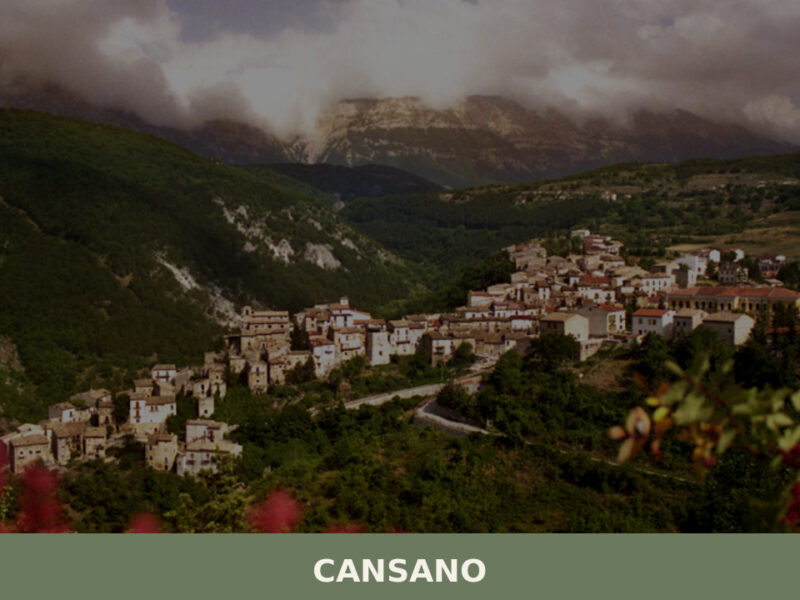
A guide to Cansano in Abruzzo — its Roman archaeological site of Ocriticum, medieval stone centre, Majella trails, and pastoral food traditions at 835 metres.
Ortucchio
Mountain
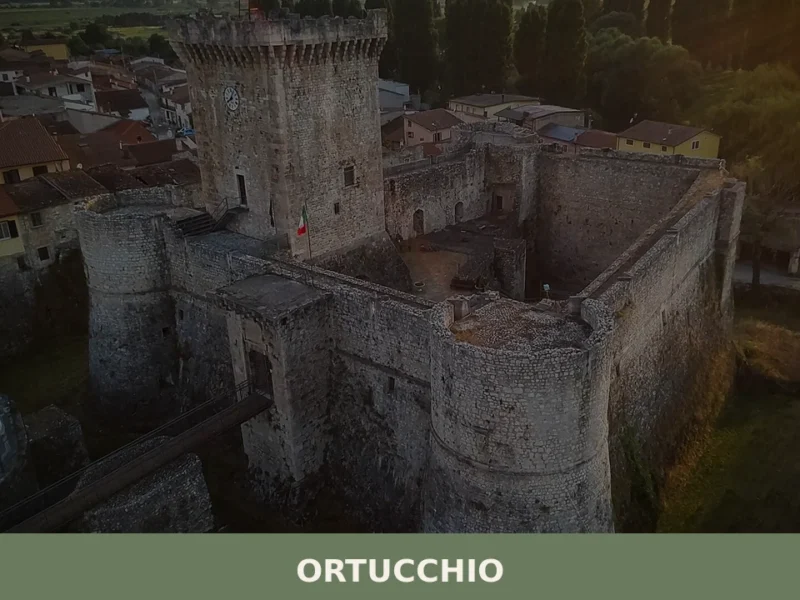
What to see in Ortucchio? Explore Piccolomini Castle and the historic center. Discover the natural beauty of this Marsican village in Abruzzo. Plan your visit!
Bucchianico
Hills
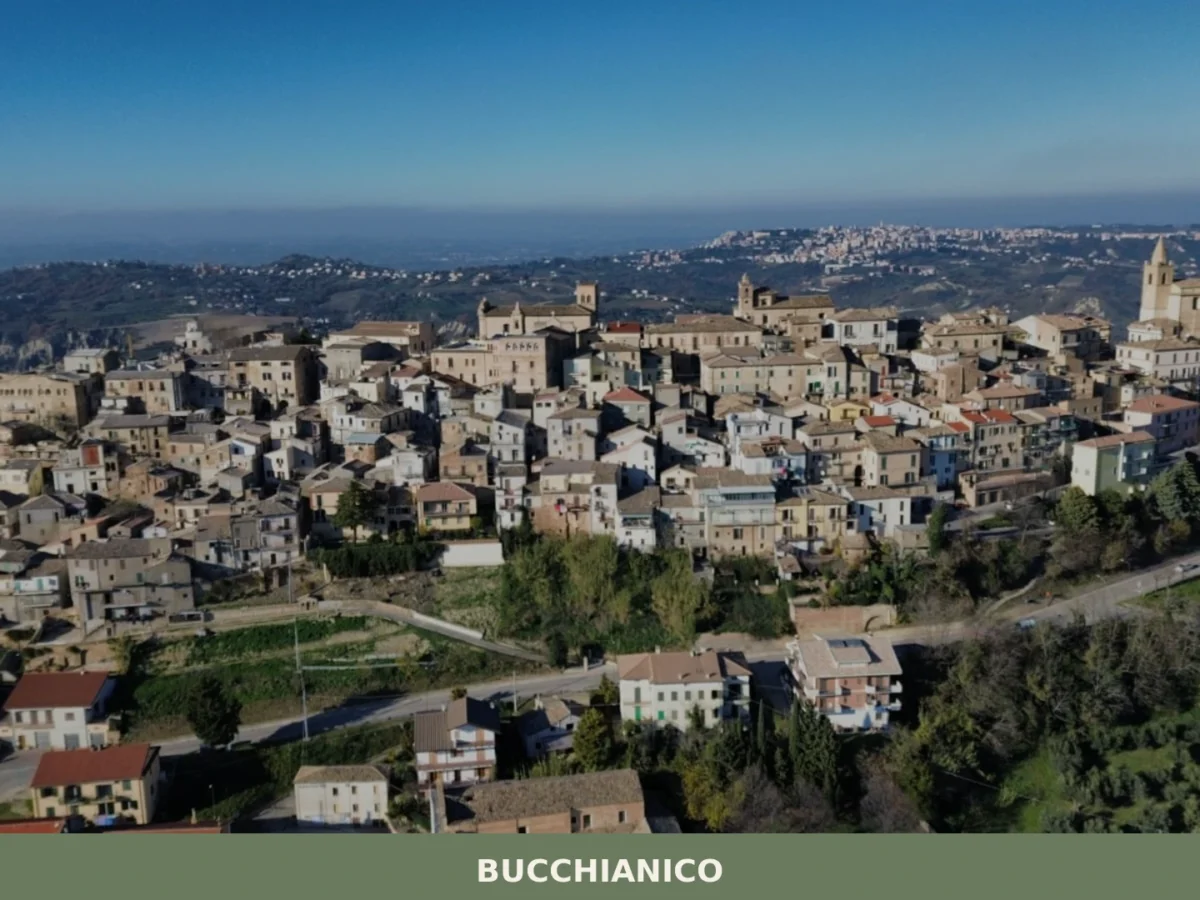
What to see in Bucchianico, Abruzzo, Italy: explore 5 top attractions, local olive groves, the legacy of Saint Camillus de Lellis. Discover the best of this Chieti hill town.
Villalago
 Lake
Mountain
Lake
Mountain
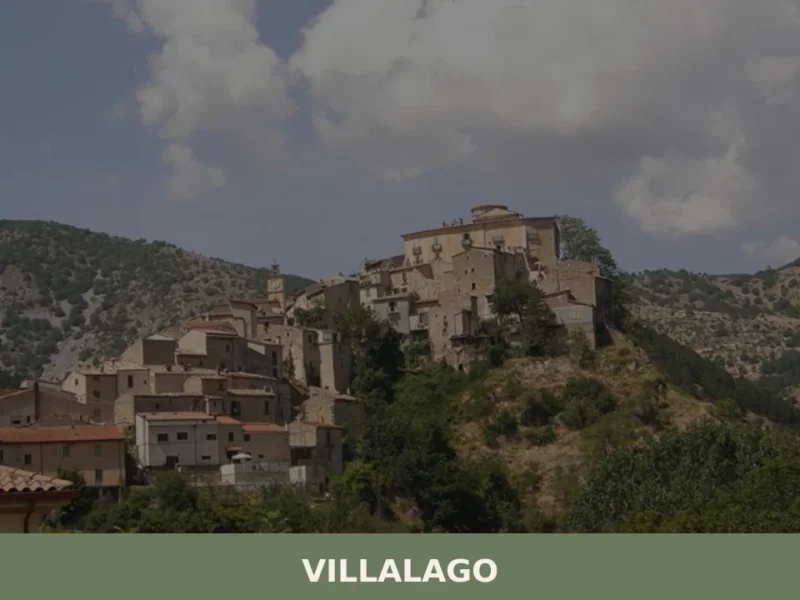
What to see in Villalago, Italy: Discover this Abruzzo village of 579 inhabitants. Explore the Rocca and Hermitage of San Domenico. Read our guide for your trip to Abruzzo.
Valle Castellana
Mountain
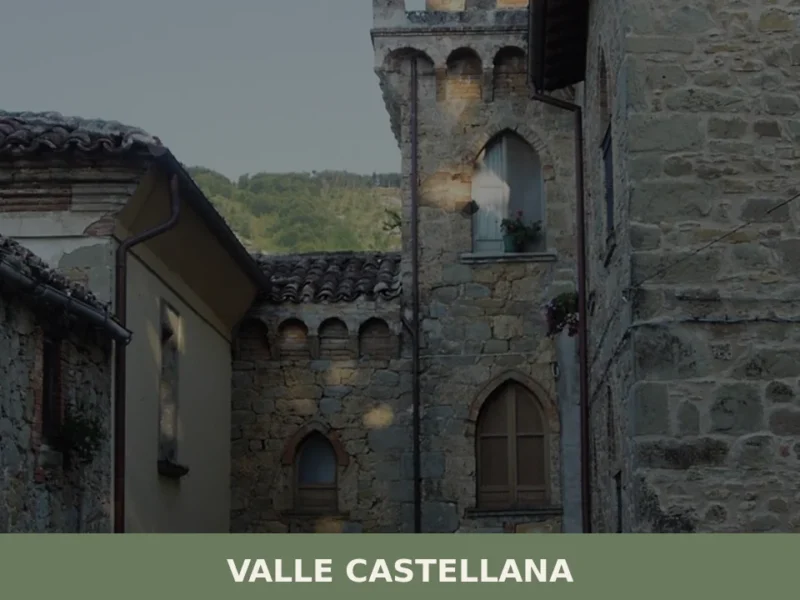
The municipality of Valle Castellana has 872 inhabitants spread across a territory fragmented into more than seventy hamlets, scattered between 300 and 1800 metres above sea level along the slopes of the Monti della Laga, in the province of Teramo. Anyone wondering what to see in Valle Castellana should be prepared for a rugged landscape, […]
Civitaluparella
Mountain
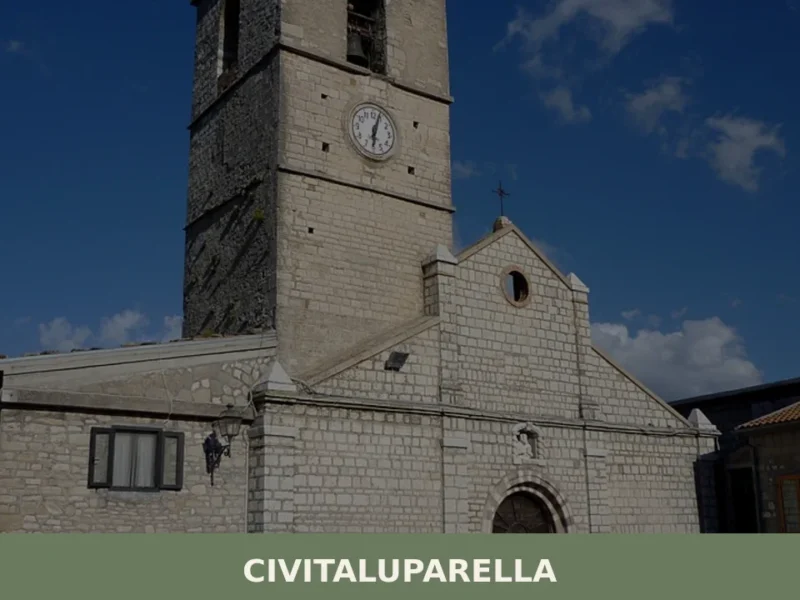
At 903 metres above sea level, on the eastern slope of the Majella descending towards the Aventino river, Civitaluparella has 281 inhabitants spread across a compact urban core of medieval origin. The place name most likely derives from “Civitas Luparella”, a direct reference to the historical presence of wolves in the dense surrounding woodlands. Anyone […]
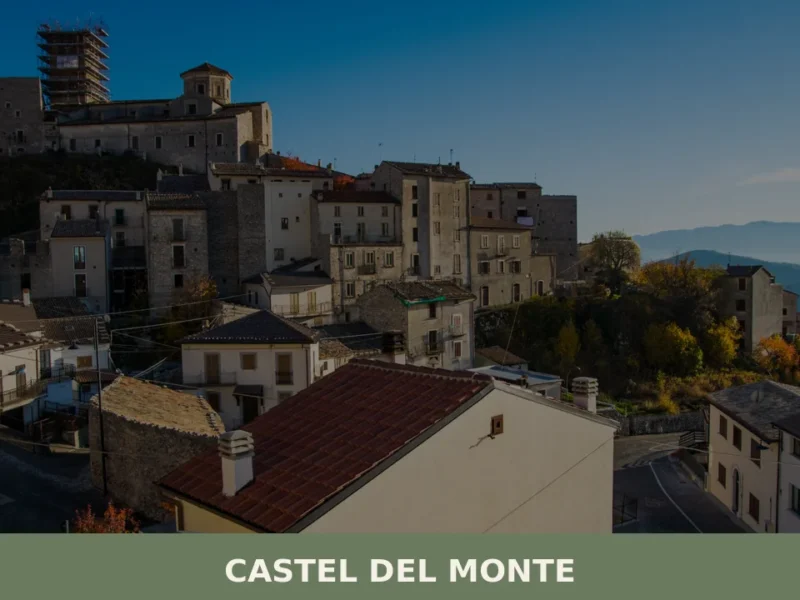
Castel del Monte
Mountain
what to see in Castel del Monte? Discover this Abruzzo village at 1346m altitude. Explore historic churches, medieval walls, and taste traditional canestrato cheese in Italy.
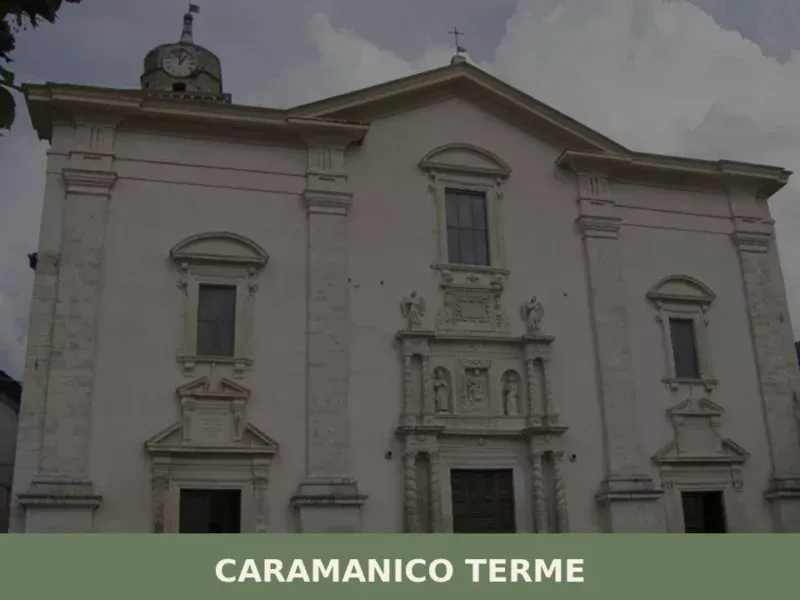
Caramanico Terme
Mountain
The sulphurous waters of Caramanico have been documented since the 16th century, when the earliest medical treatises recorded their therapeutic properties. Today the village has 1,779 inhabitants and sits at 600 metres above sea level in the Orfento valley, a canyon carved into the eastern side of the Majella massif, in the province of Pescara. […]
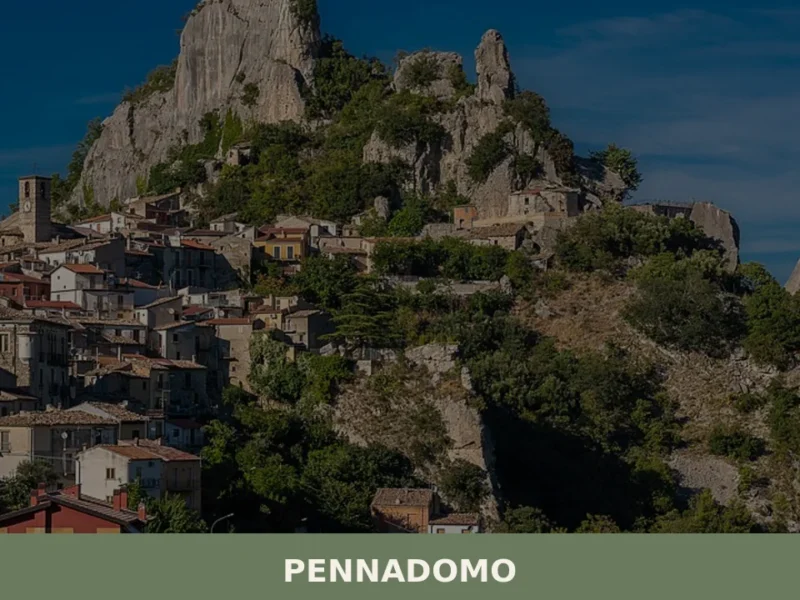
Pennadomo
Hills
What to see in Pennadomo, Italy: 5 attractions at 460 m in Chieti province. Discover the feast of San Lorenzo, local food traditions and how to get there.
🧀 Italian traditional products



🏡 Know Prata d’Ansidonia better than we do?
If you’re a local or have been there, your knowledge matters: add what’s missing or fix a detail on this page.