


Cadelbosco di Sopra
 Plains
What to see in Cadelbosco di Sopra, Italy: Baroque churches, WWII memorials and Po Valley food. Population 10,713. Discover the complete travel guide.
Discover Cadelbosco di Sopra
The right bank of the Crostolo Stream runs flat and unbroken across the Po Valley floor, 33 metres (108 feet) above sea level, where the land was still marsh and dense woodland when the first settlers arrived sometime around 900 AD.
A notary named Guidone drew up a deed of gift on 6 April 1032 inside the castle of Vicozoaro — the oldest documented record of this territory — and the parchment has survived long enough to anchor the village’s origins to a precise date.
Four churches still stand in the town centre and its hamlets, two of them retaining structural fabric from the fifteenth and sixteenth centuries.
Deciding what to see in Cadelbosco di Sopra is easier with a clear map of the town’s verified assets: the comune sits 8 km (5 mi) north of Reggio Emilia and about 72 km (45 mi) west of Bologna, in the province of Reggio Emilia, Emilia-Romagna, Italy, with a population of 10,713 as of March 2024.
Visitors to Cadelbosco di Sopra find a late Baroque parish church containing altar-pieces by a documented sixteenth-century painter, a World War II memorial by a named sculptor, and a layered agricultural landscape shaped by Benedictine land reclamation that began before the year 1000.
History of Cadelbosco di Sopra
The name Vicozoaro combines the Latin words vicus (village) and zearius (a place abundant in zea, an ancient variety of spelt wheat used for bread-making).
The settlement emerged from the marshes and the woodland of the Po Valley between 900 and 950 AD, growing under the partial control of the Lords Della Palude, who were vassals of Marquess Boniface of Canossa, father of Countess Matilda of Canossa.
The Benedictine monks of the Abbey of Canossa were the first colonisers of the Roarolo district, arriving before the year 1000.
They deforested, levelled and drained the land alongside local laymen, cultivating legumes, millet, barley, vineyards and fruit trees. In 1215 Gherardo del Bosco transferred his properties to the St. Prospero’s Monastery of Reggio, and by 1219 the Roarolo colony had passed to the Benedictines of the St.
John’s Monastery of Parma, who held it until the French Revolution era.
Towards the end of the fourteenth century, the population of Vicozoaro relocated eastward to where the current town centre stands. By the middle of the fifteenth century the name Vicozoaro had disappeared from maps, replaced by Cadelbosco, meaning roughly “the houses in the wood.” The first church dedicated to St. Celestine was built in the early fifteenth century and expanded with a tower in 1442, with a further extension added to the façade in 1506.
The sixteenth century brought violence: in 1557, Spanish troops burned and looted Cadelbosco and surrounding villages in retaliation for Duke Ercole II d’Este’s alliance with France during the war between Spain and France.
Between 1570 and 1575, major hydraulic works were carried out on the Crostolo Stream to manage water flow from the mountain tributaries. The plague of 1630, the same outbreak described in Alessandro Manzoni’s novel I Promessi Sposi (The Betrothed), killed 60 people in Cadelbosco.
Construction of the current parish church began in 1740 and was completed in 1769.
The political upheavals of the Napoleonic era reached Cadelbosco when Duke Ercole III d’Este fled on 8 May 1796, alarmed by Bonaparte’s advance into northern Italy. Cadelbosco gained the formal status of comune (municipality) in 1802 during the short-lived Italian Republic, only to be downgraded to hamlet status after Napoleon’s fall and the Congress of Vienna. Full municipal status was restored by decree of Governor Luigi Carlo Farini, on the initiative of Patriot Dr.
Enrico Terrachini, who became the town’s first mayor and immediately founded public primary schools in the four hamlets.
The twentieth century brought heavy losses: 150 Cadelbosco citizens died in World War I battles, and from 1943 to April 1945 the area endured bombing raids and armed conflict between partisan forces and the Nazi-Fascist occupation.
A memorial to the World War II fallen was inaugurated in Freedom Square on 26 September 1965, sculpted by Marino Mazzacurati, whose work can also be found in other Emilian towns such as Bobbio.
What to see in Cadelbosco di Sopra, Emilia-Romagna: top attractions
Church of San Celestino
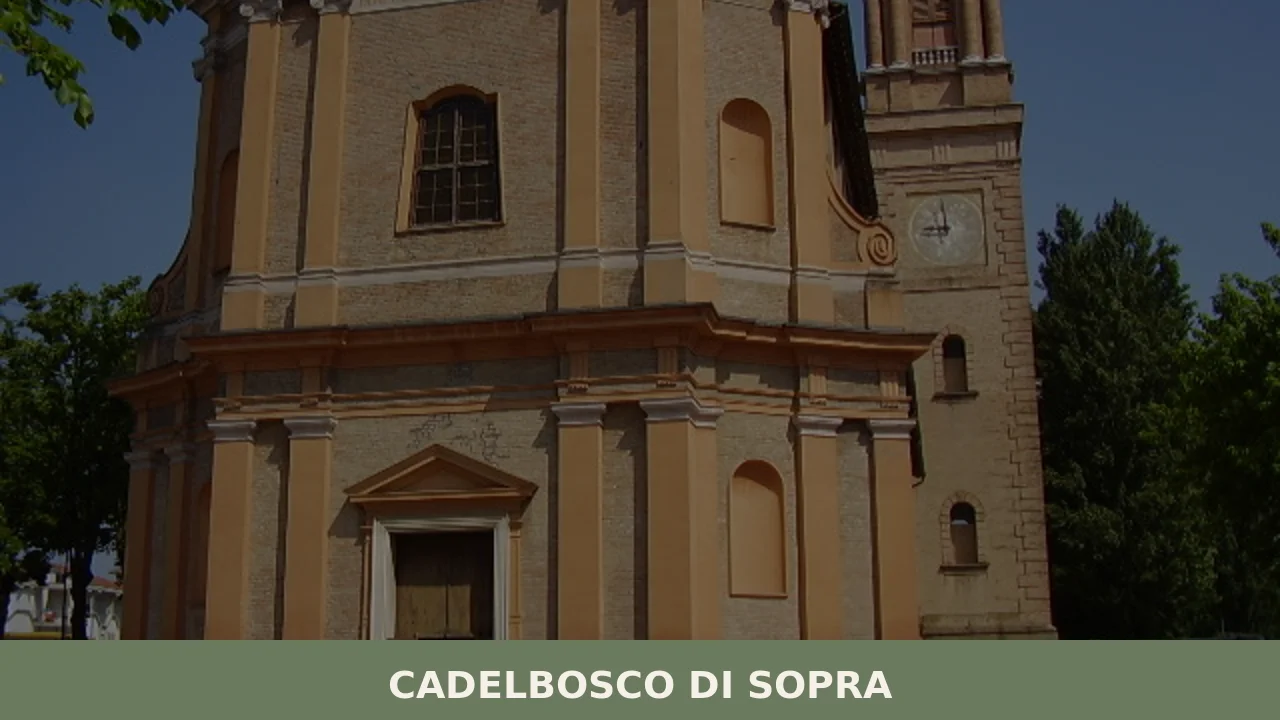
The late Baroque façade of San Celestino rises above the town centre in rendered masonry, fronting a three-nave interior covered by a vaulted ceiling and organised around five altars. The building’s roots go back to the early fifteenth century, though the current structure was built between 1740 and 1769. Three of the side altar-pieces were painted by Lorenzo Franchi (1565–1632) and represent St.
Anne, Our Lady of the Rosary, and the Blessed Virgin Mary of Loreto respectively.
The fourth side altar is dedicated to Our Lady of Life and preserves a sixteenth-century fresco. Inside the sacristy, a wooden icon of the same period — originally from the oratory of the Traghettino court — stands on a separate altar.
The church is the seat of the patronal feast on 6 April each year and remains the most architecturally complete religious building in the municipality.
Church of the Annunciation
Built in 1513 by Prince Ercole II d’Este, the Church of the Annunciation retains its original sixteenth-century structural layout, making it one of the more historically intact buildings in the area. A small number of later modifications have been introduced, and a new rectory has been constructed with contributions from the town council and local parishioners, replacing the original one.
The building’s Este patronage places it within the broader network of Este-sponsored religious architecture that spread across the province of Reggio Emilia during the sixteenth century.
Visitors interested in Renaissance ecclesiastical construction will find the proportions and the surviving original fabric worth examining closely, particularly the relationship between the nave and the lateral walls, which remain largely as built over five centuries ago.
Church of Villa Argine
The Church of Villa Argine stands in the hamlet of the same name, with origins dating to the late fifteenth century and a substantial rebuilding programme carried out between the seventeenth and eighteenth centuries under the design of architect Pietro Ferretti.
Two works inside the building stand out for their age and condition: a fifteenth-century fresco that scholars associate with representations of St.
Cyprian and St.
Giustina, and a seventeenth-century painting of Our Lady of the Mount Carmel. An earthquake in 1996 caused significant structural damage to the apse and the bell tower; both were subsequently consolidated and restored. The restoration work is visible on close inspection, particularly where new masonry bonds with older material in the apse.
The hamlet of Villa Argine lies within the 44 square km (17 sq mi) municipal territory, reachable by local road from the town centre.
Church of Villa Seta
The Church of Villa Seta is the fourth documented religious building within the municipality and was constructed after 1450, placing its origins in the latter half of the fifteenth century. It occupies the hamlet of Villa Seta, one of four hamlets — along with Cadelbosco di Sotto, Villa Argine and Zurco — that make up the full territorial extent of the comune.
The building represents a further layer of the sustained wave of ecclesiastical construction that the territory underwent from the early 1400s onward, a period during which the population was consolidating in the new town centre following the abandonment of the original Vicozoaro settlement.
For visitors touring what to see in Cadelbosco di Sopra, the sequence of four churches across the hamlets provides a clear chronological arc of local religious building from the fifteenth through the eighteenth century.
World War II Memorial in Freedom Square
The memorial to Cadelbosco’s World War II fallen stands in Freedom Square (Piazza della Libertà), inaugurated on 26 September 1965.
It was created by sculptor Marino Mazzacurati, a documented figure in mid-twentieth-century Italian monumental sculpture.
The monument records the human cost of a conflict that affected the town from Italy’s declaration of war on 10 June 1940 through the liberation in April 1945, a period during which Cadelbosco experienced bombing raids, partisan activity and the consequences of the Nazi-Fascist occupation.
The square itself provides a point of civic orientation within the town layout.
The 150 casualties recorded in World War I — also commemorated in local memory — give added weight to what the piazza represents as a place of collective historical reckoning for a community of just over 10,000 inhabitants.
Local food and typical products of Cadelbosco di Sopra
Cadelbosco di Sopra’s agricultural economy has always been the foundation of its food culture. The Po Valley terrain — flat, fertile and irrigated since the Benedictine land reclamations of the early medieval period — supports crops of grain, wheat, vegetables, fruit trees and vineyards. Pig farming, cattle farming and poultry are all documented parts of the local economy, and their products feed directly into the wider food-processing industry that characterises the province of Reggio Emilia.
The municipality sits within a zone where several of Italy’s most regulated food designations are produced, and the culinary traditions of the area reflect that agricultural density.
The table in this corner of Emilia-Romagna is organised around a few fundamental preparations.
Erbazzone, a flat savoury tart made with Swiss chard, spinach, lard, onion, garlic and Parmigiano-Reggiano enclosed in a thin unleavened pastry, is the most characteristic preparation of the Reggio Emilia plain and is found in bakeries and salumerie (cured-meat shops) throughout the area.
Cappelletti in brodo — small pasta parcels filled with a mixture of meats and aged cheese, served in a long-cooked capon or beef broth — follow the same filling logic as tortellini but with a different fold, and the distinction is taken seriously by local cooks.
Pork features in multiple forms: cotechino, a cooked sausage of pork rind, fat and meat seasoned with spices and slow-boiled, appears at winter tables alongside lenticchie (lentils) in a combination that the region regards as both seasonal and practical.
Vineyards across the province produce Lambrusco, the lightly sparkling, dry-to-semi-dry red wine that cuts through the fat of cured meats and braised dishes and has been produced in this valley since at least Roman times.
The province of Reggio Emilia is the production zone for Parmigiano-Reggiano PDO, one of Italy’s most closely regulated dairy products, aged for a minimum of 12 months and up to 36 months or more. Each wheel weighs approximately 40 kg (88 lb) and is produced from raw cow’s milk with no additives beyond natural whey starter and salt.
The Reggio Emilia area is also within the zone for Prosciutto di Parma PDO and Prosciutto di Modena PDO, two distinct dry-cured ham traditions that differ in breed selection, curing duration and final flavour profile.
Markets in Reggio Emilia, 8 km (5 mi) south of Cadelbosco, are the most practical access point for buying these products directly from producers and licensed retailers.
Visitors travelling to Parma, located approximately 50 km (31 mi) west of Cadelbosco di Sopra, will find an even larger concentration of PDO food producers and specialist food markets, making the city a logical extension for anyone interested in the regional food economy.
In Cadelbosco itself, the agricultural fairs that historically accompanied the autumn harvest season provided the main commercial moments for local producers, and the town’s food-processing industry — documented as one of the main economic sectors — continues to operate across multiple factory units within the municipal area.
Festivals, events and traditions of Cadelbosco di Sopra
The patronal feast of San Celestino I Papa falls on 6 April each year, a date that carries particular resonance in Cadelbosco because the oldest documentary record of the settlement — the deed of gift drawn up by notary Guidone in 1032 — was itself dated 6 April, inside the castle of Vicozoaro.
The feast day is the central civic and religious event of the local calendar, organised around the parish church of San Celestino, which bears the saint’s name and has anchored the town’s religious life since the first church dedicated to him was built in the early fifteenth century.
The day typically involves a liturgical celebration in the church, with the three-nave interior and its five altars providing the architectural frame for the ceremony.
Beyond the patronal feast, Cadelbosco di Sopra’s calendar reflects the agricultural rhythms of the Po Valley.
The town’s documented economy includes pig farming, cattle and poultry, and the processing of these products has historically generated seasonal commercial activity that intersects with local food fairs.
The sagra format — a traditional festival centred on a specific local food or agricultural product — is common across the province of Reggio Emilia, though specific named events in Cadelbosco are not independently verified in the available sources beyond the general agricultural context.
The autumn period, when the harvest is completed and the pig-slaughtering season begins in November and December, has traditionally been the most active time for food-related communal gatherings in villages of this type across the Emilian plain.
When to visit Cadelbosco di Sopra, Italy and how to get there
The climate of Cadelbosco di Sopra follows a humid subtropical pattern (Köppen classification Cfa), with summers that regularly reach 29 to 30°C (84 to 86°F) and occasionally exceed 35°C (95°F), accompanied by high humidity and the possibility of severe thunderstorms with large hail. Winter high temperatures average only 4 to 5°C (39 to 41°F), with nights frequently dropping to 0°C (32°F) or below and moderate snowfall.
Spring and autumn offer the most workable conditions for visiting: temperatures are moderate, the agricultural landscape is active, and the risk of extreme heat or cold is low.
April — coinciding with the patronal feast on the 6th — and October are the two months that combine reasonable weather with local calendar interest. Those asking about the best time to visit Emilia-Romagna will find that the shoulder seasons of April to June and September to October apply equally well to the Po Valley plain as to the Apennine foothills.
Getting to Cadelbosco di Sopra from outside Italy is straightforward via two airports.
Bologna Guglielmo Marconi Airport (BLQ) is located approximately 64 km (40 mi) east of Cadelbosco and handles the largest volume of international traffic in the region.
Parma Giuseppe Verdi Airport (PMF) is 32 km (20 mi) to the west and offers a smaller number of routes. From Bologna Airport, the most efficient route is by taxi or hire car to Reggio Emilia, then north on local roads to Cadelbosco, a total journey of roughly 75 to 80 km (47 to 50 mi). If you arrive by car from the motorway, the A1 autostrada — Italy’s main north-south artery linking Milan to Naples — passes approximately 7 km (4.5 mi) south of the town.
The nearest rail access point is the Reggio Emilia Mediopadana AV Station, situated about 7 km (4.5 mi) southeast of Cadelbosco, designed by architect Santiago Calatrava and opened on 8 June 2013. It serves high-speed trains connecting to Bologna (approximately 17 minutes) and Milan (approximately 50 minutes). From the station, frequent bus routes provide onward service to Cadelbosco di Sopra and surrounding towns.
The Reggio Emilia Central Station, closer to the city centre, lies about 10 km (6 mi) south of Cadelbosco and is served by regional rail.
For travellers making a day trip from a major hub, Bologna at 72 km (45 mi) is the most practical base, with Milan reachable in under an hour by high-speed train to Reggio Emilia and then by local transport north. International visitors should note that English is not widely spoken in smaller local shops and service points; carrying a supply of euros in cash remains useful for markets, small bars and salumerie.
Visitors extending their trip eastward toward the Adriatic coast may consider continuing to Rimini, which lies roughly 130 km (81 mi) east of Cadelbosco di Sopra and sits on the Via Emilia corridor that connects the entire region.
Those drawn instead to the Apennine valleys north of Piacenza can reach Ottone, a village in the Trebbia Valley, as an alternative day excursion that trades the flat Po plain for a mountain river landscape with a markedly different character.
Both destinations are reachable by car without requiring an overnight stop from Cadelbosco di Sopra, provided the visit to Cadelbosco is planned as a morning itinerary.
Frequently asked questions about Cadelbosco di Sopra
What is the best time to visit Cadelbosco di Sopra?
Spring is the most rewarding season, particularly around 6 April when the town celebrates its patronal feast of San Celestino I Papa — the same date as the oldest documented record of the territory, a deed drawn up in 1032. The Po Valley climate is mild in April and May, making it comfortable to explore the town centre on foot. Summer is warm and humid, typical of the Pianura Padana. Autumn brings cooler temperatures and harvest-season food traditions linked to the province of Reggio Emilia's renowned agricultural economy.
What are the historical origins of Cadelbosco di Sopra?
The settlement emerged between 900 and 950 AD from the marshes of the Po Valley, initially called Vicozoaro — from the Latin vicus (village) and zearius (a place rich in spelt wheat). The earliest surviving document is a notarial deed of 6 April 1032. Benedictine monks from the Abbey of Canossa began land reclamation before the year 1000. By the mid-fifteenth century the population had relocated eastward to the current town centre, and the name Vicozoaro was replaced by Cadelbosco, meaning roughly 'the houses in the wood'.
What to see in Cadelbosco di Sopra? Main monuments and landmarks
The main landmark is the late Baroque Church of San Celestino (built 1740–1769), with three altar-pieces by Lorenzo Franchi (1565–1632) and a sixteenth-century fresco. The Renaissance Church of the Annunciation (1513), built under Este patronage, retains its original structural layout. In the hamlets, the Church of Villa Argine holds a fifteenth-century fresco and a seventeenth-century painting, while the Church of Villa Seta dates to after 1450. Freedom Square (Piazza della Libertà) hosts a 1965 World War II memorial sculpted by Marino Mazzacurati.
Are there museums, churches or historic buildings to visit in Cadelbosco di Sopra?
Four documented churches span the municipality. The parish Church of San Celestino in the town centre is the most architecturally complete and houses verified sixteenth-century artworks, including paintings by Lorenzo Franchi and a wooden icon from the Traghettino court. The Church of the Annunciation retains sixteenth-century Este-era fabric. The Church of Villa Argine, restored after 1996 earthquake damage, preserves a fifteenth-century fresco. All four churches are active places of worship; visiting hours are not centrally published and it is advisable to check locally before visiting.
What to eat in Cadelbosco di Sopra? Local products and specialties
Cadelbosco di Sopra sits within the province of Reggio Emilia, one of Italy's most regulated food production zones. The area is part of the territory producing Parmigiano Reggiano DOP, Prosciutto di Parma DOP and Lambrusco Reggiano DOC wine. The local agricultural economy, rooted in Benedictine-era land reclamation, supports pig farming, cattle farming and grain cultivation — the direct foundations of these protected designations. Markets and local food shops in the municipality and nearby Reggio Emilia city offer the full range of these products.
What can you do in Cadelbosco di Sopra? Activities and experiences
The town offers a compact cultural itinerary: visiting the four churches across the municipal hamlets (Cadelbosco di Sotto, Villa Argine, Villa Seta and Zurco) provides a clear chronological arc of local religious architecture from the fifteenth to the eighteenth century. The flat Po Valley terrain is well suited to cycling along local rural roads. The patronal feast of San Celestino on 6 April is the main annual community event. The proximity to Reggio Emilia city (8 km / 5 mi) extends the range of cultural and food-and-wine experiences available to visitors.
Who is Cadelbosco di Sopra suitable for? Families, couples, hikers, solo travelers?
Cadelbosco di Sopra suits visitors with a genuine interest in Po Valley history, Emilian food culture and Renaissance and Baroque religious architecture. The flat terrain and easy road access make it practical for families and older travellers. Cyclists will find the surrounding agricultural plain ideal for low-difficulty routes. It is not a destination for mountain hiking or beach tourism. Those combining it with a visit to Reggio Emilia city — just 8 km away — will get the most out of a trip, using Cadelbosco as an authentic, uncrowded complement to the provincial capital.
Where to take the best photos in Cadelbosco di Sopra?
The late Baroque façade of the Church of San Celestino in the town centre is the most photogenic single element in the municipality, best photographed in morning light. Freedom Square (Piazza della Libertà) frames both the civic space and the 1965 Mazzacurati memorial in a single composition. The Renaissance exterior of the Church of the Annunciation, retaining its original sixteenth-century proportions, offers a quieter architectural subject. The flat, open agricultural landscape surrounding the hamlets — characteristic of the Pianura Padana — provides wide-angle shots typical of the Po Valley countryside.
Nearby Villages near Cadelbosco di Sopra
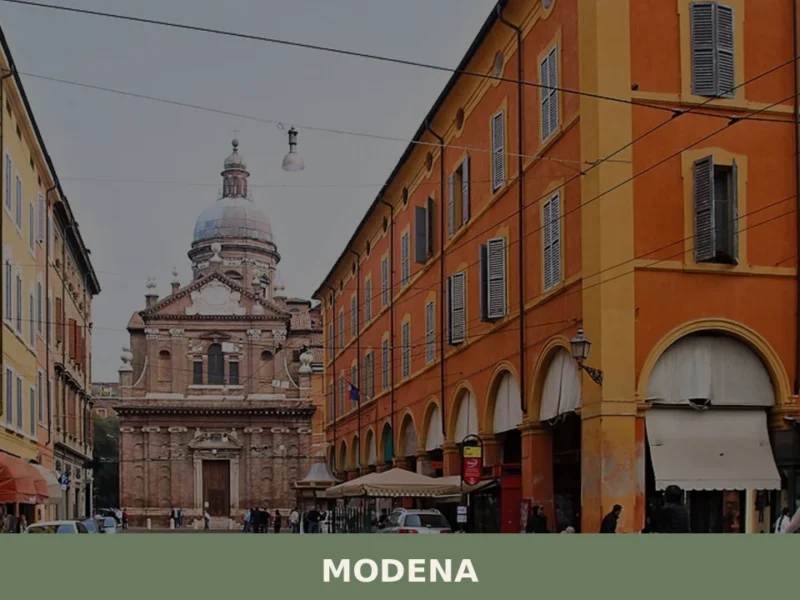
In Emilia-Romagna More villages to discover
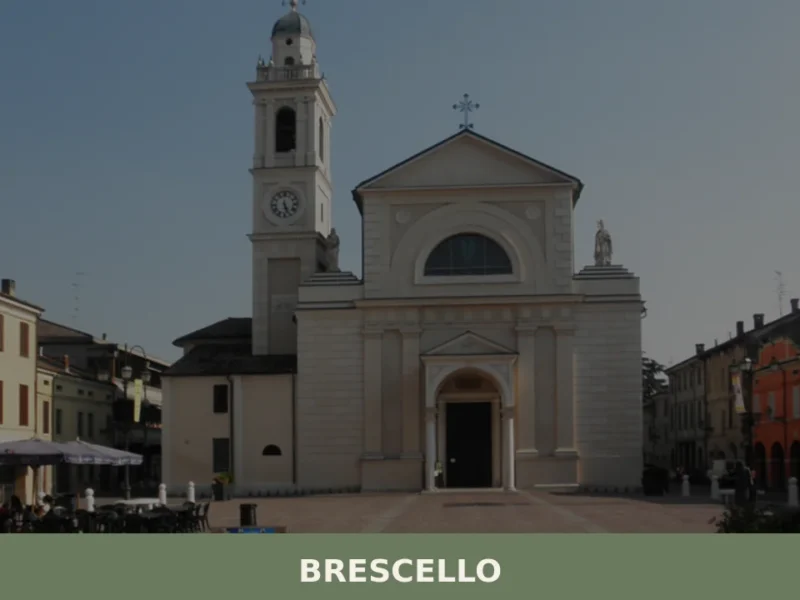
Brescello
Plains
What to see in Brescello, Emilia-Romagna, Italy: explore the Don Camillo Museum, Roman ruins and local Po Valley cuisine. 5,554 inhabitants. Discover it now.
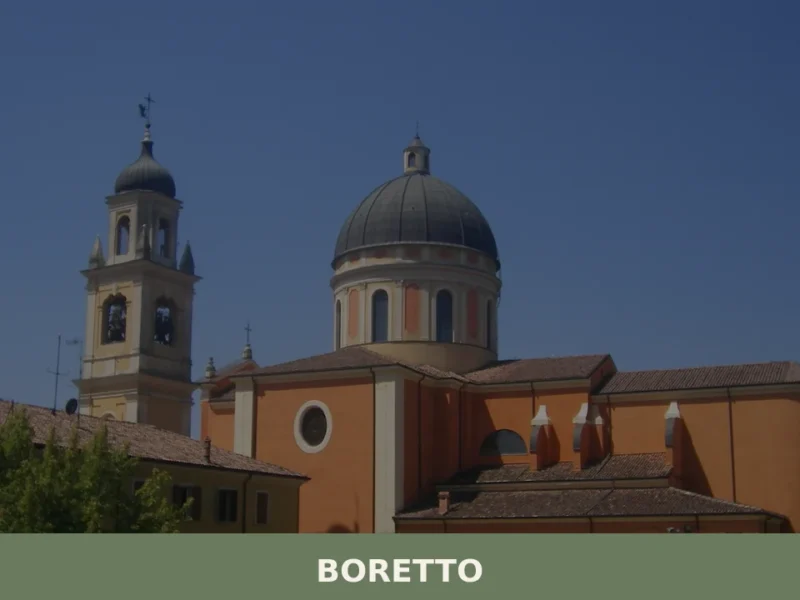
Boretto
Plains
What to see in Boretto, Italy: explore the Basilica Minore of San Marco, the Po riverfront, and local food traditions. Population 5,402. Discover Emilia-Romagna.
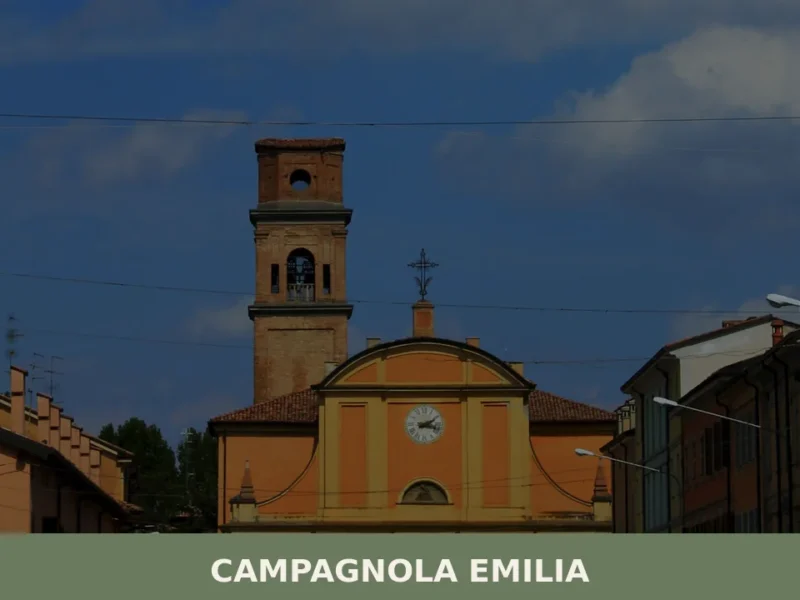
Campagnola Emilia
Plains
What to see in Campagnola Emilia, Italy: explore a Po Plain comune at 22 m altitude, 25 km from Reggio Emilia. Discover local festivals and food. Read the guide.
Castell’Arquato
 Hills
Hills
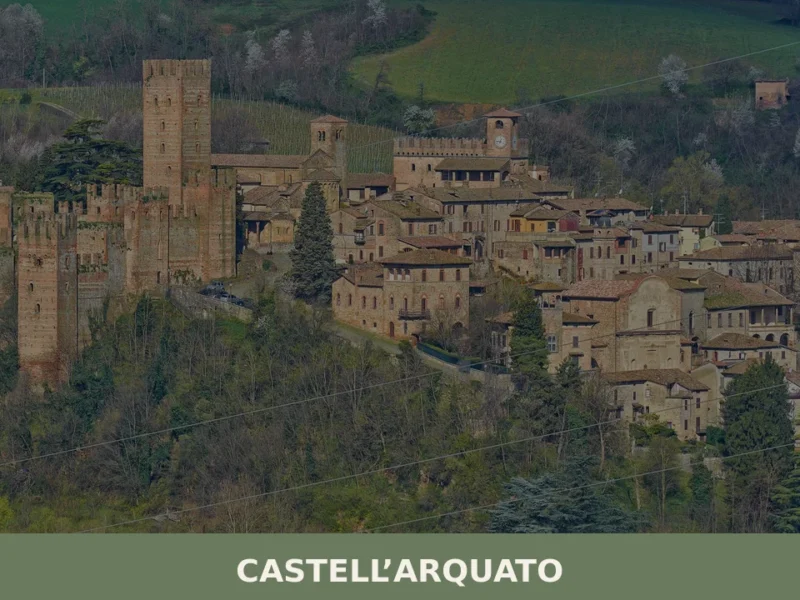
In the upper Val d’Arda valley, at around 150 metres above sea level, Castell’Arquato is one of the best-preserved medieval villages in the province of Piacenza. In this article History and Origins of Castell'Arquato What to See in Castell'Arquato: Main Attractions Local Cuisine and Products of Castell'Arquato Festivals, Events and Traditions of Castell'Arquato When to […]
Bibbiano
Plains
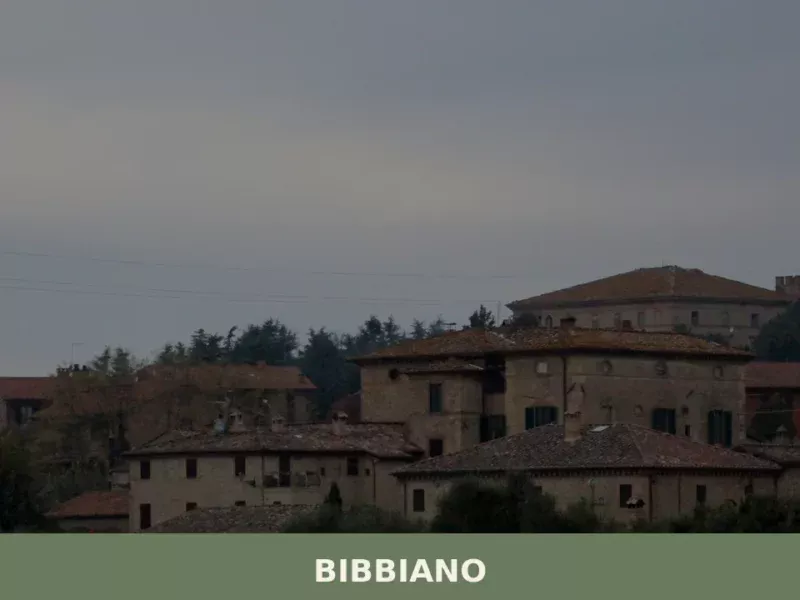
What to see in Bibbiano, Emilia-Romagna, Italy: explore the birthplace of Parmigiano Reggiano, 14 km from Reggio Emilia. Discover history, food and how to get there.

Tizzano Val Parma
 Mountain
2,198 residents and over a thousand years of documented history: Tizzano Val Parma draws visitors with its Romanesque pieve, medieval ruins and ski slopes on Monte Caio.
Baiso
Hills
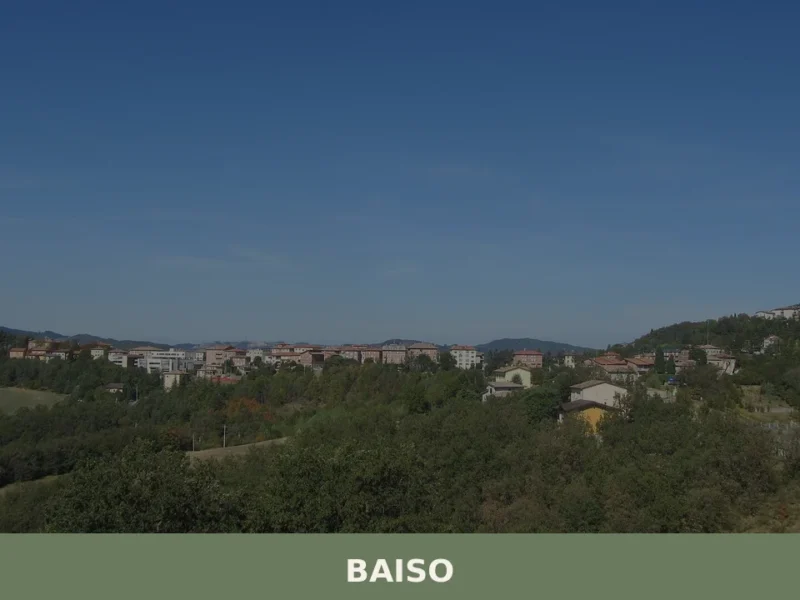
The ridge road into Baiso levels out at 542 m (1,778 ft) above the Po Plain and delivers a view across the Apennine foothills that is measurable rather than vague: the valley floors of the Secchia drainage basin lie several hundred metres below, and the profiles of Carpineti and Castellarano mark the horizon to the […]
Castel d’Aiano
Mountain
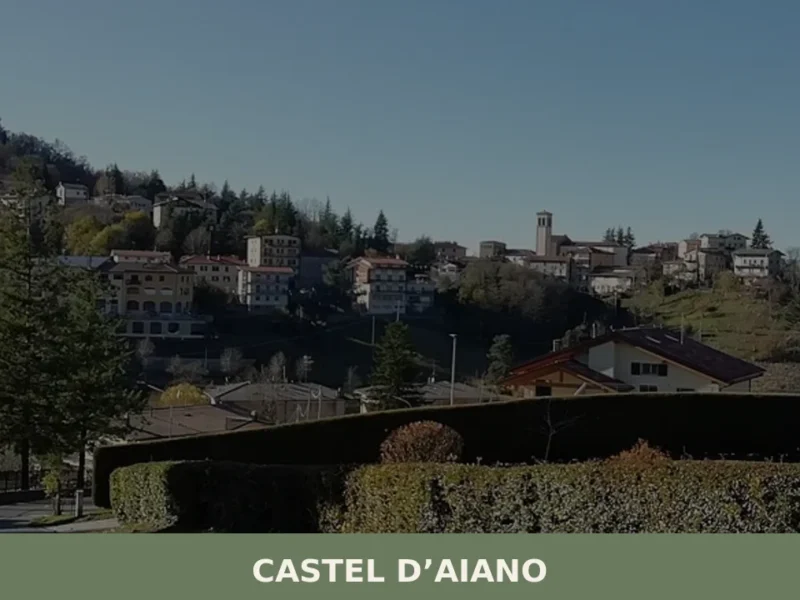
In 1944 the Gothic Line cut through these mountains, and Castel d’Aiano found itself at the centre of the clash between Allied forces and German troops: the hamlets of Villa d’Aiano, Sassomolare and Rocca di Roffeno still bear the marks of that period. Today the municipality has 1,916 inhabitants spread across a vast, hilly territory […]
Villanova sull’Arda
Plains
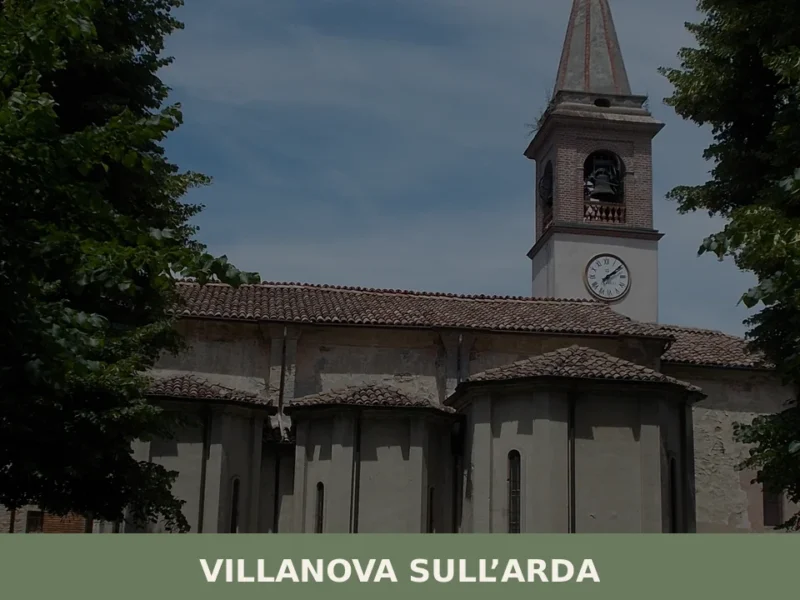
In 1813, in the hamlet of Sant’Agata, Giuseppe Verdi was born — the composer who would rewrite the history of European melodrama. Villanova sull’Arda, home to 1,894 inhabitants in the Bassa Piacentina lowlands, still bears the marks of that bond: the villa where Verdi lived for over half a century with soprano Giuseppina Strepponi stands […]
Bagnara di Romagna
Plains
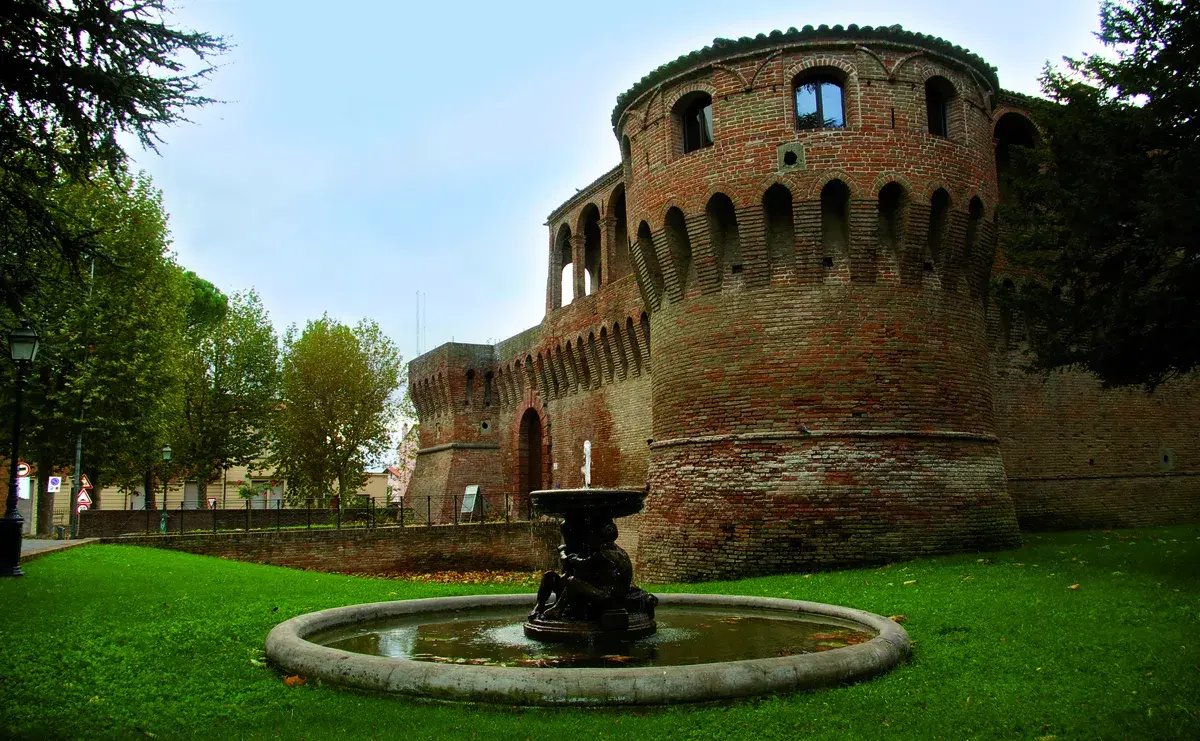
What to see in Bagnara di Romagna, Italy? Explore this 'Borgo più bello' at 22 m (72 ft) altitude. Discover its historical charm and annual Patron Saint's Feast.
🏡 Know Cadelbosco di Sopra better than we do?
If you’re a local or have been there, your knowledge matters: add what’s missing or fix a detail on this page.