


Campiglione Fenile
 Plains
Fifteen kilometres separate Campiglione Fenile from Pinerolo, and that distance is enough to create a perceptible shift: the noise of the city gives way to the compact silhouette of Piedmontese farmsteads, to the double-pitched roofs that cut across the Po Valley sky towards the Cottian Alps. In this article History and origins of Campiglione Fenile […]
Discover Campiglione Fenile
Fifteen kilometres separate Campiglione Fenile from Pinerolo, and that distance is enough to create a perceptible shift: the noise of the city gives way to the compact silhouette of Piedmontese farmsteads, to the double-pitched roofs that cut across the Po Valley sky towards the Cottian Alps.
The municipality has 1,293 inhabitants, belongs to the metropolitan city of Turin, and sits within that stretch of land filtering between the foothills and the open plain, where the agricultural landscape retains a rare legibility.
Those looking for what to see in Campiglione Fenile will find a village structured around its parish church, the historic farmsteads dotting the municipal territory, and the rural built fabric that reflects centuries of Piedmontese agricultural economy.
The municipality is approximately 40 km from Turin, the metropolitan capital of reference for anyone planning an itinerary in the area. The main attractions include historic religious buildings and the hilly-flat landscape accessible on foot or by bicycle.
History and origins of Campiglione Fenile
The name Campiglione Fenile reflects two distinct elements of the local landscape and historical economy. The component “Campiglione” harks back to the Piedmontese toponymic tradition designating areas of open cultivated field, land reclaimed and brought under cultivation as part of the medieval agricultural colonisation of the Po Valley. “Fenile,” on the other hand, indicates the presence of structures used for storing fodder, a central element in the livestock economy that characterised this portion of southern Piedmont for centuries.
Together, the two terms paint a precise picture of what this settlement was in its origins: a place of organised agricultural production, not an urban centre but a functional node within the rural territory.
The area in which Campiglione Fenile stands historically fell within the sphere of influence of the Marquisate of Saluzzo and subsequently that of the Duchy of Savoy, which during the sixteenth and seventeenth centuries consolidated control over the whole of southern Piedmont.
This geographical position, close to the route connecting Pinerolo with the Alpine valleys, gave the territory a logistical role that was far from negligible. Pinerolo, just 15 km away, was a stronghold of primary strategic importance, and its hinterland — of which Campiglione Fenile is a part — was directly affected by the military and administrative events that struck the city between the seventeenth and eighteenth centuries, including the periods of French occupation and the subsequent phases of Savoyard reorganisation.
During the nineteenth century, with Italian unification and the administrative reorganisation first of the Kingdom of Sardinia and then of the Kingdom of Italy, Campiglione Fenile took shape as an autonomous municipality within the province of Turin. The local economy remained centred on agriculture and livestock farming, with the enclosed courtyard farmsteads — the dominant architectural type on the Piedmontese plain — defining the settlement character of the territory.
This productive model persisted largely unchanged until the second half of the twentieth century, when agricultural modernisation and rural depopulation altered the demographic and productive structure of the municipality, bringing it to its current population of 1,293 inhabitants.
What to see in Campiglione Fenile: main attractions
Parish church of Campiglione
The main religious building in the municipality stands at the centre of the historic settlement and represents the most visible architectural landmark of the village. The structure, as is the case for the vast majority of Piedmontese lowland parish churches, is the result of a succession of building works carried out between the 17th and 19th centuries, with a façade that reflects the Piedmontese Baroque taste in its vertical articulation and use of pilasters and cornices in local stone.
The interior preserves decorative elements and paintings connected to local devotion, typical of the widespread heritage that characterises the municipalities of the Turin metropolitan area. Those visiting Campiglione Fenile and approaching the church during the morning hours will find the raking light enhancing the façade details in a particularly legible way.
Access is directly from the central square, the civic and religious heart of the village.
Rural architecture and historic farmsteads
The enclosed-courtyard farmsteads scattered across the municipal territory constitute one of the most significant elements of the landscape of Campiglione Fenile. This building type, which became established between the 16th and 18th centuries in the Piedmontese Po plain, features a quadrangular layout with residential buildings, stables, haylofts and storehouses arranged around an inner courtyard accessible through a carriage gate.
The traditional building materials — exposed brick, local stone for foundations and thresholds, wood for the hayloft structures — give these buildings a material coherence that can still be clearly read when travelling along the municipal roads. Some farmsteads are documentably traceable to the 18th century and preserve inscriptions or coats of arms on their gateways.
Those who travel the rural roads of the municipality at a slow pace — by bicycle or on foot — can observe these complexes up close in their original plan layout.
The agricultural territory and the landscape between the plain and the foothills
The municipality is situated in a geographical transition zone between the Po plain and the first pre-Alpine ridge, with the Cottian Alps closing the horizon to the west. This position, approximately 15 km from Pinerolo and 40 km from the metropolitan capital, ensures the presence of an open landscape where cultivated fields alternate with meadow areas and rows of trees marking the boundaries of agricultural properties.
The mountain profile is constantly visible on days of good visibility, with peaks exceeding 3,000 m above sea level in the nearest Alpine valleys. For those arriving from Turin or Pinerolo, this landscape offers a perceptible change of scale: the built-up density of the metropolitan belt quickly gives way to a territory still retaining agricultural characteristics and low settlement pressure.
The spring months, between March and May, offer the greatest chromatic legibility of the territory.
The central square and the historic urban fabric of the village
The historic core of Campiglione Fenile is organised around the main square, a public space that brings together the parish church, the town hall and the most important civic buildings. The historic building fabric displays homogeneous characteristics traceable to Piedmontese rural lowland architecture: plastered façades, ground-floor porticoes on some corner buildings, openings with brick or stone surrounds.
This type of small centre, with fewer than 1,300 inhabitants, preserves an urban scale that allows the entire historic core to be walked in just a few minutes, reading the sequence of public and private spaces without interruptions caused by vehicular traffic. The morning on weekdays, when local activities are open, gives the most authentic sense of the life of the village. Those visiting Campiglione Fenile at this time will notice the substantial difference compared to more heavily visited tourist centres.
Cycling and walking routes in the Pinerolo area
The position of Campiglione Fenile, set within the Pinerolo area 15 km from the main town, makes it accessible via the network of cycling routes and low-traffic secondary roads that cross the southern Turin plain.
The flat or gently undulating terrain allows bicycle excursions without significant elevation changes, with distances coverable in half a day linking the municipality to Pinerolo and the surrounding villages. The network of secondary provincial roads, with narrow carriageways and reduced traffic, is also comfortably walkable on foot, with stretches passing through cultivated fields and wooded areas connecting the various settlements. For those planning a cycle tourism itinerary in the Turin metropolitan area, Campiglione Fenile represents a logical stop on a route that can extend towards , another municipality of the la città metropolitana torinese con caratteri rurali analoghi.
Traditional cuisine and products of Campiglione Fenile
The cuisine of Campiglione Fenile is part of the gastronomic tradition of southern Piedmont, the one that connects the Turin plain to the Pinerolo area and the nearest alpine valleys. This area has historically produced cereals, fodder, milk, and beef and pork, and the local cuisine reflects this productive base with preparations that enhance locally produced ingredients without resorting to complex elaborations. The influence of the Piedmontese culinary tradition is recognisable in the main dishes, which share techniques and raw materials with the entire western Po Valley area.
Among the most representative dishes of the local tradition are those common to the entire Piedmontese plain cuisine.
Bagna cauda, a hot sauce made from garlic, anchovies and oil, traditionally consumed in autumn and winter as a convivial dish with raw and cooked vegetables, represents a strong identity reference for the entire Turin area.
Finanziera, a historic preparation based on chicken giblets and offal in a sweet-and-sour sauce with Marsala, belongs to the repertoire of historic Piedmontese cuisine and is documented in the trattorias of the Pinerolo area. Tajarin, thinly cut fresh egg pasta, dressed with roast meat sauce or with butter and truffle in the appropriate seasons, complete the landscape of first courses. The local confectionery tradition includes biscotti di Novara and hazelnut-based preparations widespread throughout Piedmont.
For this geographical area, the current database does not list any products with DOP, IGP or PAT certification specifically attributed to the municipality of Campiglione Fenile. Local agricultural production falls within the broader supply chains of the Turin metropolitan area, with reference to maize, soft wheat and livestock production that supply the dairies and cured meat producers of the zone.
Those looking for local products can head to the weekly markets in Pinerolo, 15 km away, where producers from the area sell fresh cheeses, cured meats and seasonal vegetables directly.
The local agricultural calendar still conditions the availability of certain products.
In autumn, between September and November, production of hazelnuts and chestnuts in the nearby foothill areas is concentrated, with direct sales at farms. The mushroom season, tied to the woodland of the nearby alpine valleys, brings local producers to the Pinerolo markets between September and October. Those planning what to see in Campiglione Fenile during this period will find a greater availability of seasonal products compared to other months of the year.
Festivals, events and traditions of Campiglione Fenile
Available sources do not provide detailed and verifiable data on specific patron saint festivals with precise dates or on documented food fairs for Campiglione Fenile. The municipality, like the vast majority of Piedmontese plain municipalities, follows the Catholic liturgical calendar with celebrations tied to the local parish.
For up-to-date information on events, activities and religious festivals planned, the correct reference is the institutional website of the Municipality of Campiglione Fenile, which publishes the calendar of local activities.
The Pinerolo area, of which Campiglione Fenile forms part both geographically and culturally, hosts several events every year connected to agricultural tradition and alpine culture.
Pinerolo, 15 km away, organises equestrian events — the city is home to a historic equestrian tradition and the Cavalry School — as well as seasonal markets and fairs that also involve producers from neighbouring municipalities. Those visiting Campiglione Fenile on the occasion of these Pinerolo events can combine a visit to the village with participation in the events of the local main town, building a more varied itinerary over the course of a day.
When to Visit Campiglione Fenile and How to Get There
The most favourable period to visit Campiglione Fenile falls between April and June, when the Piedmontese plain offers lush, fully active vegetation, the Cottian Alps still bear snow on their highest peaks, and temperatures remain between 15 and 25 degrees Celsius.
September and October represent a second optimal window: the autumn light enhances the colours of the agricultural landscape, the days are still long enough for cycling excursions, and the availability of seasonal produce at local markets is at its peak. The summer months, between July and August, bring high temperatures that make visiting the flat countryside less comfortable during the middle hours of the day.
If you are arriving by car from the motorway, the most direct connection runs along the A6 Turin–Savona motorway with the exit at Carmagnola, or along the A55 Turin Ring Road with a link towards Pinerolo via the SS23 state road.
From Pinerolo, Campiglione Fenile is approximately 15 km away along provincial roads. Those coming from Turin cover around 40 km in total.
The nearest railway station is Pinerolo, served by the Trenitalia Turin Porta Nuova–Pinerolo line, with regular frequency on weekdays; from Pinerolo, Campiglione Fenile can be reached by car or taxi in about 20 minutes. The reference airport is Turin Caselle, approximately 60 km away, connected to the centre of Turin by train and from there to Pinerolo by regional railway. Public transport timetables and fares are subject to change: always check the official Trenitalia website before you travel.
| Departure point | Distance | Estimated time |
|---|---|---|
| Pinerolo (town centre) | 15 km | 20 minutes by car |
| Turin (city centre) | 40 km | 45–50 minutes by car |
| Turin Caselle Airport | 60 km | 60–70 minutes by car |
Those planning a broader itinerary through north-western Piedmont can combine what to see in Campiglione Fenile with a stop at Alice Superiore, a municipality within the same Turin metropolitan area that shares comparable geographical and historical characteristics. For those heading instead towards the alpine valleys of northern Turin province, Ala di Stura, in the Lanzo Valley, offers a completely different mountain setting yet one that is reachable within the same regional itinerary.
📷 Photo Gallery — Campiglione Fenile
Getting there
Piazza Marchese di San Germano, 10060 Campiglione Fenile (TO)
Nearby Villages near Campiglione Fenile
In Piedmont More villages to discover

Castelletto Molina
 Hills
Hills
137 residents, one patron saint and a golden civic banner: Castelletto Molina rewards slow travellers with genuine Monferrato countryside and Piedmontese village life.
Cafasse
Hills
What to see in Cafasse, Italy: 25 km from Turin, explore the Valli di Lanzo gateway, local cuisine and festivals. Discover the best of this Piemonte village.
Almese
Hills
In 1029, a document from the Abbey of Novalesa recorded the name Almese for the first time, linked to a series of land holdings in the lower Val di Susa. That place name — probably derived from a Celtic or pre-Latin word connected to alpine pastures — appears in a territory that already served as […]
Alpette
 Mountain
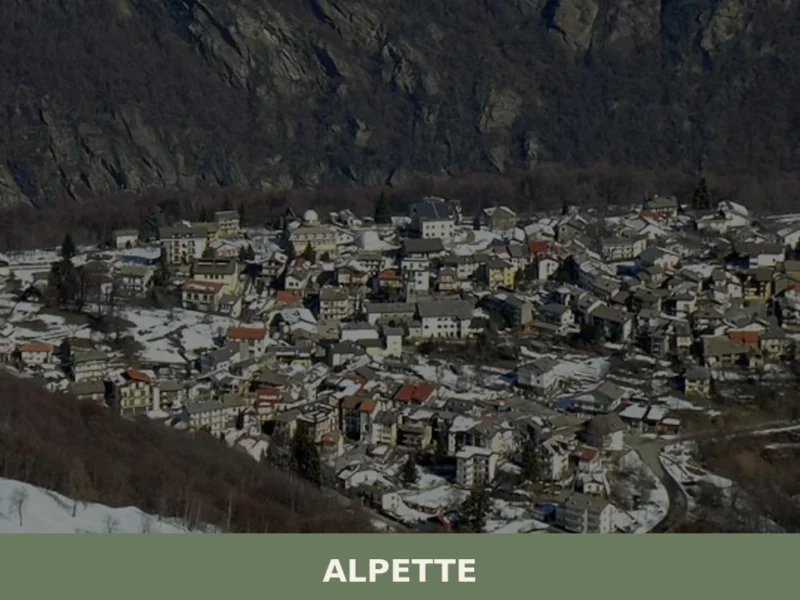
At 957 metres above sea level, on the eastern slope of Gran Paradiso, Alpette has 251 inhabitants spread between the central settlement and a handful of hamlets scattered along the pastures that climb towards Cima Quinzeina. Those looking into what to see in Alpette will find a village built almost entirely from local stone and […]
Sant’Antonino di Susa
Mountain
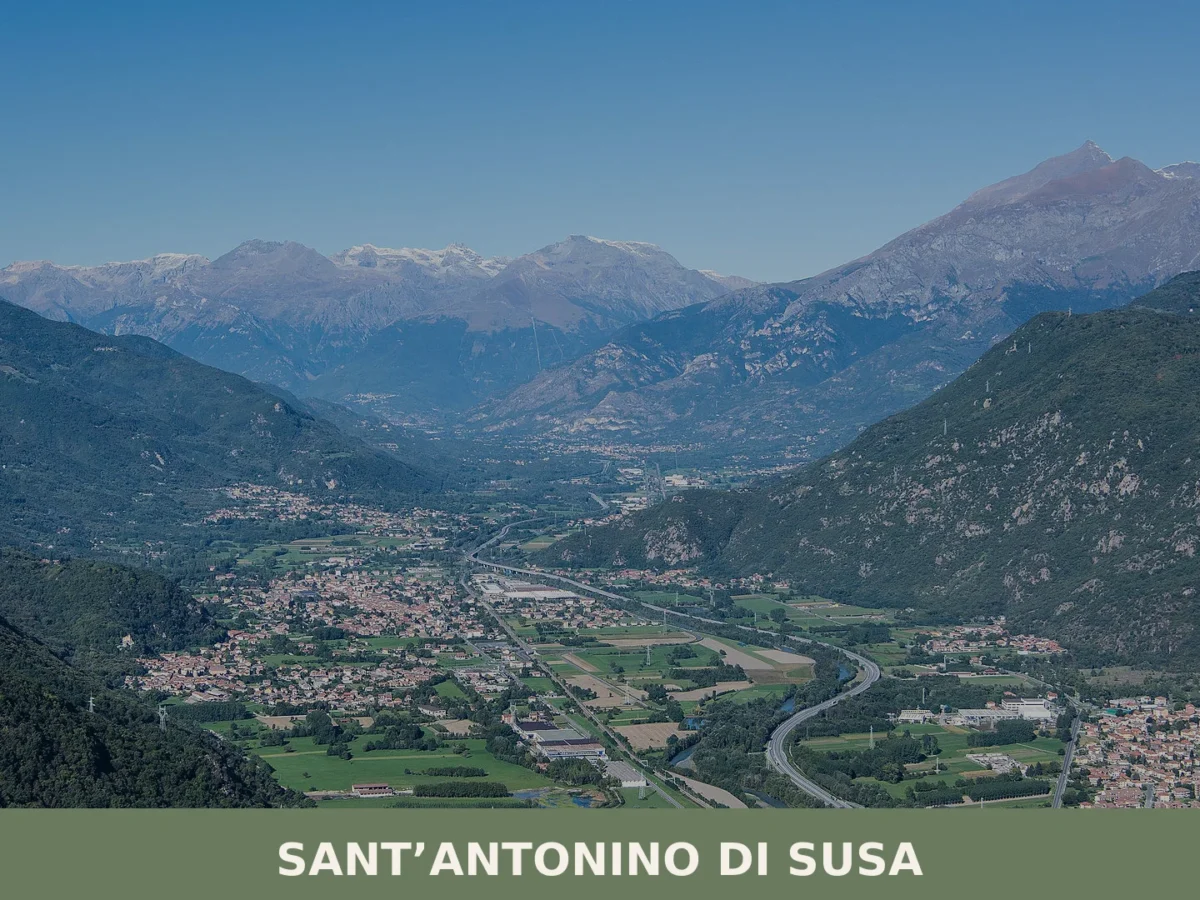
Sant'Antonino di Susa (population 4,074) occupies the right bank of the Dora Riparia at 380 metres. Medieval churches, partisan memory and the echoes of early industrial labour define this Piedmontese comune.

Pont-Canavese
Hills
A village of 3,020 people where two rivers meet and medieval towers dominate the skyline. Ancient churches, ethnographic collections and industrial heritage reveal centuries of mountain life.
Sant’Ambrogio di Torino
Mountain
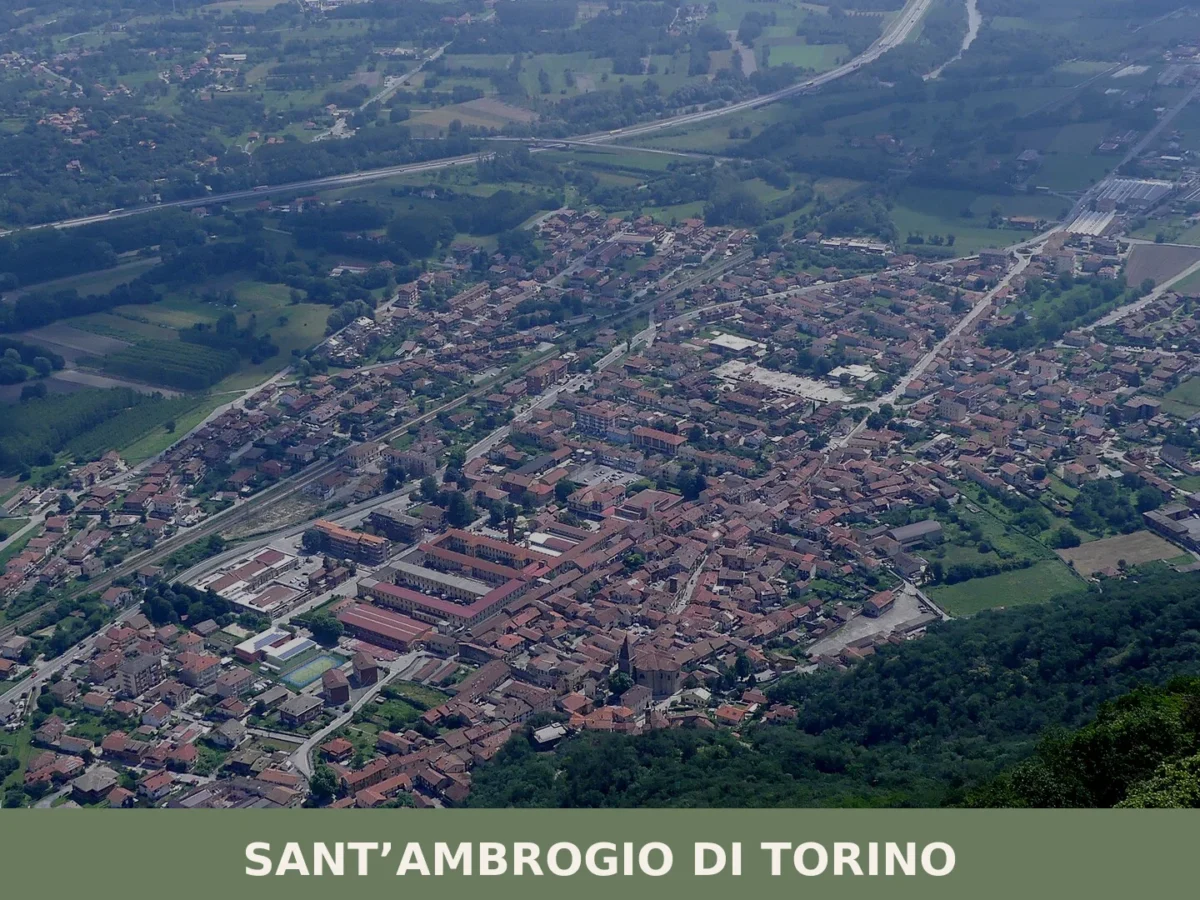
A village of 4,518 inhabitants at the threshold of the Turin foothills. Sant'Ambrogio di Torino stands on two major pilgrimage routes: the Via Francigena and the Cammino di San Michele.
Bardonecchia
Mountain
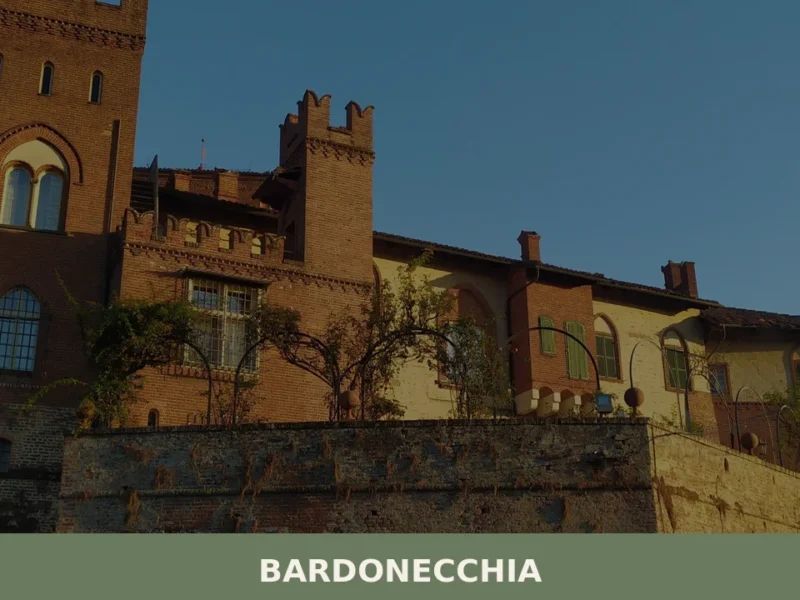
Bardonecchia is the westernmost municipality in Piedmont and one of the historic Alpine crossing points into France, via the Colle della Scala and the Fréjus pass. Located in the upper Val di Susa at an altitude of over 1,300 metres, the town can be reached from Turin in around an hour and a half by […]
Bobbio Pellice
Mountain
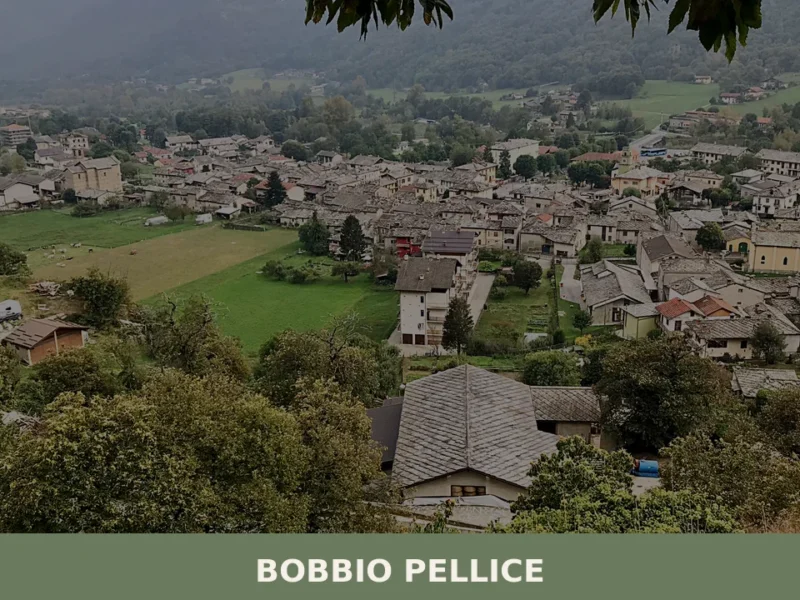
Bobbio Pellice has 536 inhabitants and lies in the Val Pellice, one of the Occitan and Waldensian valleys of southern Piedmont, in the Province of Turin. It is the highest municipality in the valley and the starting point for trails leading to the Colle Giulian and the Colle delle Traversette. Anyone looking to understand what […]
Asti
Plains
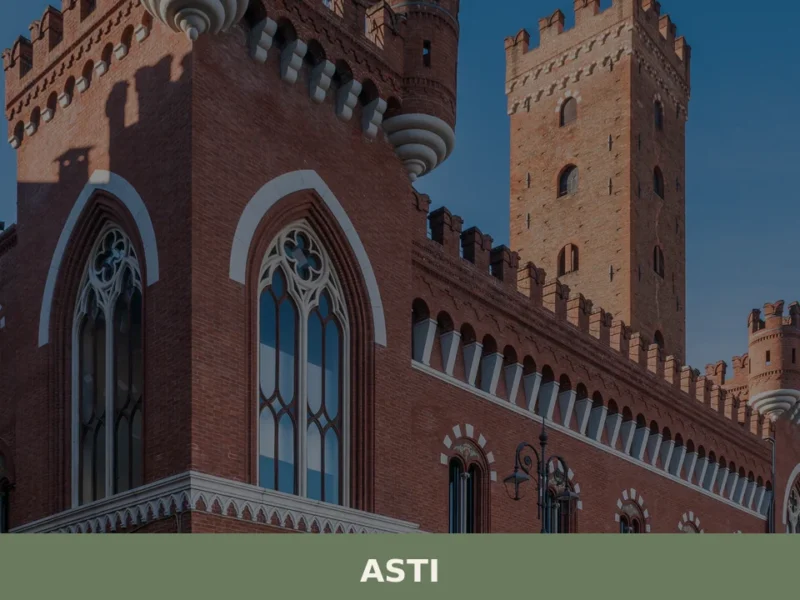
What to see in Asti: a city of 73,421 residents at 123m. Explore the Gothic Cathedral, Torre Rossa, Palazzo Alfieri and Barbera d'Asti DOCG. Plan your visit now.



🏡 Know Campiglione Fenile better than we do?
If you’re a local or have been there, your knowledge matters: add what’s missing or fix a detail on this page.