


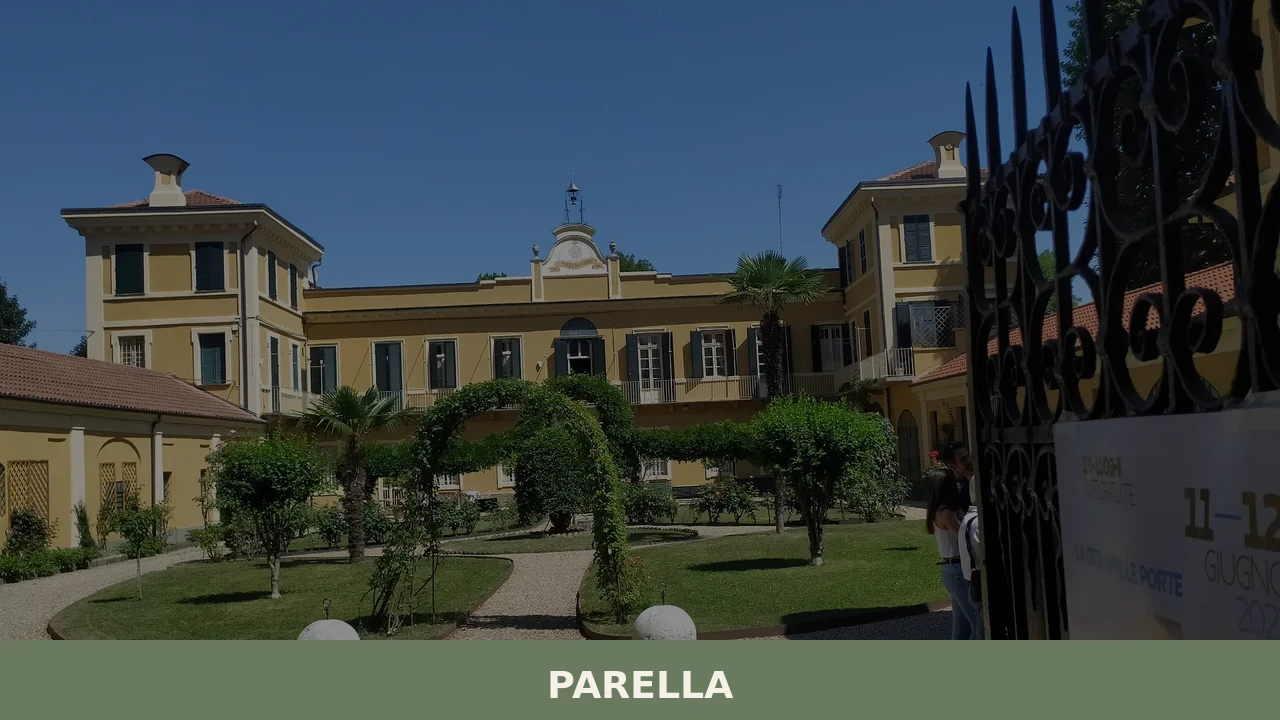
Parella
 Hills
Hills
Scopri Parella borgo Piemonte: un affascinante villaggio storico tra castelli, natura e tradizioni antiche. Visita uno dei gioielli nascosti del Canavese!
Discover Parella
Parella is a comune of 398 inhabitants in the Metropolitan City of Turin, positioned within the Canavese, a broad historical territory that stretches across the foothills north of the Po plain. The village belongs to the circuit of Canavesean castles, a network of fortified structures distributed across this part of Piedmont that together document over a millennium of feudal and aristocratic presence. For anyone researching what to see in Parella, that castle is the logical starting point — a single building that concentrates most of the village’s historical weight.
History of Parella
The Canavese, the sub-regional territory in which Parella sits, was controlled during the medieval period by the powerful House of Valperga, one of the most significant feudal dynasties of the area north of Turin. The castle that still stands in Parella is directly connected to this context of aristocratic competition and territorial consolidation that characterised the region between the twelfth and fifteenth centuries. Unlike many Canavesean fortifications that were demolished or converted beyond recognition, the castle at Parella survived substantially intact as a built record of that feudal organisation.
The Canavese as a whole passed progressively under Savoyard control from the late medieval period, and local communities like Parella were absorbed into the administrative structure of the Duchy of Savoy and, later, the Kingdom of Sardinia. This process was not a single event but a gradual political realignment that reshaped land ownership, tax obligations and local governance across dozens of small communes. Parella’s inclusion within the Metropolitan City of Turin — the modern administrative successor to a long tradition of centralised Savoyard governance — is the direct institutional result of those centuries of consolidation.
The name Parella, rendered as Parela in Piedmontese, follows a pattern common to many Canavesean place names whose origins are disputed between Latin and pre-Roman roots. Piemontese, the regional language still spoken across rural communities of this area, retains traces of Gallo-Romance linguistic layers that predate the standardisation of Italian, and the local toponym is a small but concrete marker of that layered linguistic history. Today, with a population of 398, Parella belongs to the category of piccoli comuni — small municipalities under 5,000 inhabitants — a classification that carries specific implications under Italian law regarding funding, services and territorial planning.
What to see in Parella: the castle and key sites
The principal answer to what to see in Parella centres on its castle, but the broader Canavese context rewards visitors who approach the village as part of a wider itinerary across the area’s fortified heritage. The official Piedmont tourism platform documents the Canavesean castle circuit as one of the region’s structured heritage routes, offering practical orientation for planning.
The Castle of Parella
The village’s most significant structure is its medieval castle, formally included in the circuit of Canavesean castles. The building retains its defensive profile, with the massing and proportions typical of fortified residences built to serve both military and residential functions for local feudal lords. Its inclusion in an officially recognised heritage network confirms ongoing institutional interest in its preservation.
The Parish Church
Parella’s parish church, as is typical of Canavesean villages of comparable size, represents the primary example of religious architecture within the commune. Churches of this type in the area frequently contain Baroque-period furnishings, votive canvases and carved wooden altarpieces accumulated over several centuries of continuous liturgical use, forming a documentary record of local devotional practice.
The Historic Village Fabric
The built fabric of the village centre reflects the compact settlement pattern common to Canavesean borghi: stone construction, narrow connecting passages between dwellings, and a layout that evolved incrementally around the castle and church as dual poles of medieval community organisation. Walking the central streets gives a direct sense of that original spatial logic.
The Canavese Foothills Landscape
Parella occupies a position within the hill and foothill band that separates the flat agricultural plain of the Po from the higher ranges of the Graian and Pennine Alps. The landscape composition from the village — layered terrain moving from managed agricultural plots through wooded slopes to distant snowfields — is a characteristic view of this part of Piedmont that changes register dramatically between seasons.
The Canavesean Castle Circuit
Parella’s castle is one node in a formally structured itinerary connecting multiple fortified sites across the Canavese. The circuit, recognised by regional and provincial tourism authorities, links villages at varying altitudes and of different historical periods, making it possible to cross-reference architectural types — from round-towered medieval keeps to Renaissance-period manor houses — across a single day’s driving route.
Local food and typical products
The Canavese sits at a productive intersection of Piedmontese culinary traditions. The area is historically associated with dishes built around locally grown rice — the paddy fields of the Vercelli and Novara plains are not far to the west — combined with the freshwater fish, game and foraged fungi of the foothill zones. Risotto al Canavese prepared with local white wine and aged cheese, and braised meat dishes using cuts from Piedmontese cattle, represent the backbone of trattoria menus in the wider area. The Metropolitan City of Turin provides institutional documentation of local agricultural and food traditions across its territory, including the Canavese.
Piedmont as a region holds a significant concentration of DOP and IGP designations, and products accessible within a short radius of Parella include Toma Piemontese DOP — a semi-soft cow’s-milk cheese with a long production history in mountain and foothill communities — as well as locally pressed hazelnuts from the Langhe and Monferrato zones and Piedmontese wines under various DOC and DOCG classifications. For dining, visitors are best served by looking to the surrounding Canavese towns, where family-run restaurants (trattorie) maintain menus grounded in seasonal and local sourcing rather than standardised tourism menus.
Best time to visit Parella
The Canavese has a sub-continental climate moderated by proximity to the Alps: winters are cold and frequently foggy in the lower areas, while spring and early autumn bring clear conditions and moderate temperatures that make outdoor movement between villages comfortable. Late April through June offers the best combination of mild weather, green hillsides and low visitor density. September and October are equally productive months, with harvests underway in surrounding agricultural zones and a visual quality to the landscape — the transition from green to amber and rust — that is particular to this time of year in Piedmont.
July and August are warm and can be humid, particularly in lower valley positions. Those months also see the highest internal Italian tourism traffic in the region. Visitors interested in the castle circuit specifically are advised to check access and opening periods in advance through local municipal contacts or the Piedmont tourism authority, as heritage sites of this scale in small comuni often operate seasonally or by appointment.
How to get to Parella
Parella is located in the Metropolitan City of Turin, placing it within the broad commuter and tourism catchment of the regional capital. Turin’s Caselle Airport (Torino Airport — TRN) is the nearest international gateway, handling connections to major European hubs. From Turin city centre, the Canavese is reached via the A5 motorway (Turin–Aosta) with exits toward the Canavese plain, or via the SS565 and SS26 state roads that serve the hill communities north of the city.
- By car from Turin: approximately 35–45 minutes depending on the specific exit and local road conditions
- By car from Milan: approximately 1 hour 40 minutes via the A4 motorway to Turin, then north toward Canavese
- By train: the Canavese is served by the Ferrovia Canavesana regional rail line connecting Turin (Stazione di Torino Ceres, in Piazza Repubblica) to Pont Canavese; the nearest stations to Parella are in the surrounding Canavese towns, from which local road transport is required
- Nearest airport: Torino Airport (TRN), approximately 30–40 minutes by car
A private vehicle is effectively necessary for reaching Parella directly and for moving between the castle circuit villages, as public transport connections at the village level are limited. The Canavese road network is well maintained and the routes between castle sites are manageable as half-day or full-day driving circuits from Turin.
Where to stay in Parella
Parella, at 398 inhabitants, does not sustain a commercial accommodation sector of its own. Visitors planning to explore the village and the surrounding castle circuit are best based in one of the larger Canavese towns — Ivrea being the most substantial urban centre in the area, with a wider range of hotels, guesthouses and B&B options — or in the Turin metropolitan area itself, from which day trips into the Canavese are entirely feasible. Ivrea, in particular, is well-positioned as a base: it has its own UNESCO-recognised historical centre, a functioning railway connection to Turin, and a concentration of accommodation options ranging from three-star hotels to family-run guesthouses.
Agriturismo accommodation is available across the Canavese countryside and represents the most practical option for those wanting to stay close to the smaller villages. These farm-stay properties typically offer rooms and often meals based on seasonal local produce, and their rural locations place guests directly within the foothill landscape. Booking in advance is advisable for the spring and autumn shoulder seasons when both Italian domestic tourists and international visitors are most active in the region. Standard booking platforms cover the area adequately, and the Metropolitan City of Turin’s tourism resources can point toward officially registered accommodation providers.
More villages to discover in Piemonte
The Canavese sits within a Piedmont that rewards lateral exploration — moving between hill zones, plain communities and Alpine approaches reveals how dramatically the landscape and built heritage shift across relatively short distances. Visitors who have covered the Canavese castle circuit might consider extending their Piedmontese itinerary toward Andrate, a small comune in the Aosta Valley border zone east of Ivrea, where the terrain rises more steeply and the relationship between village settlement and mountain geography becomes more pronounced. In a different register entirely, Biella — to the east of the Canavese — offers a complementary lens on Piedmontese history through its identity as a historic textile manufacturing centre, with a prealpine landscape and a well-preserved upper town, the Piazzo, connected to the lower city by a historic funicular.
Further afield within Piedmont, the regional variety extends to quite different geographical and cultural registers. Bobbio Pellice, positioned in the Pellice Valley south of Turin, introduces the Waldensian cultural heritage — a documented Protestant minority tradition of the western Alpine valleys — that gives those communities a distinct historical profile from the Catholic Canavese. To the south of Turin, Airasca represents the quieter agricultural plain south of the city, where the pace and scale of settlement differ markedly from the foothill villages of the north. Together, these destinations sketch out the breadth of a region that is far more internally varied than its reputation as a single entity might suggest.
Nearby Villages near Parella
In Piedmont More villages to discover
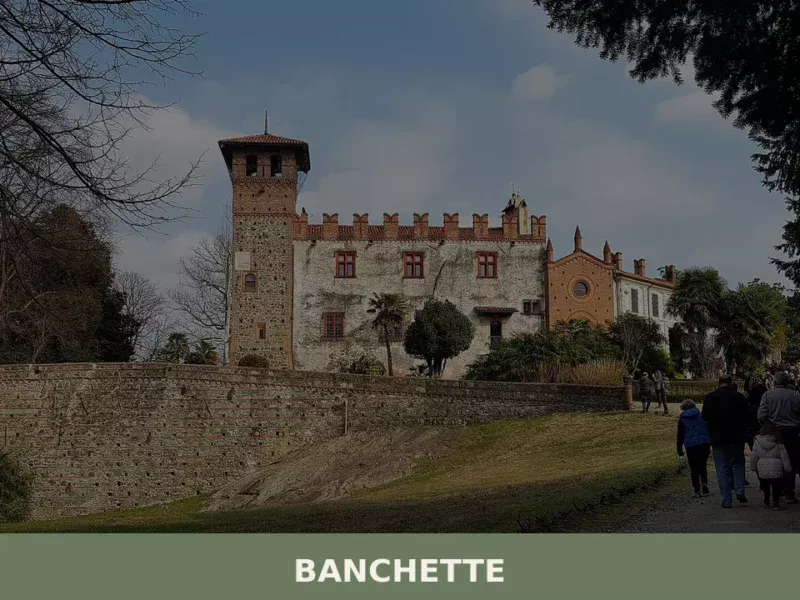
Banchette
Hills
Banchette is a municipality of 3,087 inhabitants in the province of Turin, situated at 266 metres above sea level on the Canavese plain, a few kilometres from Ivrea. Those wondering what to see in Banchette will find a settlement whose modern identity owes more to industry than to the Middle Ages: the area underwent significant […]
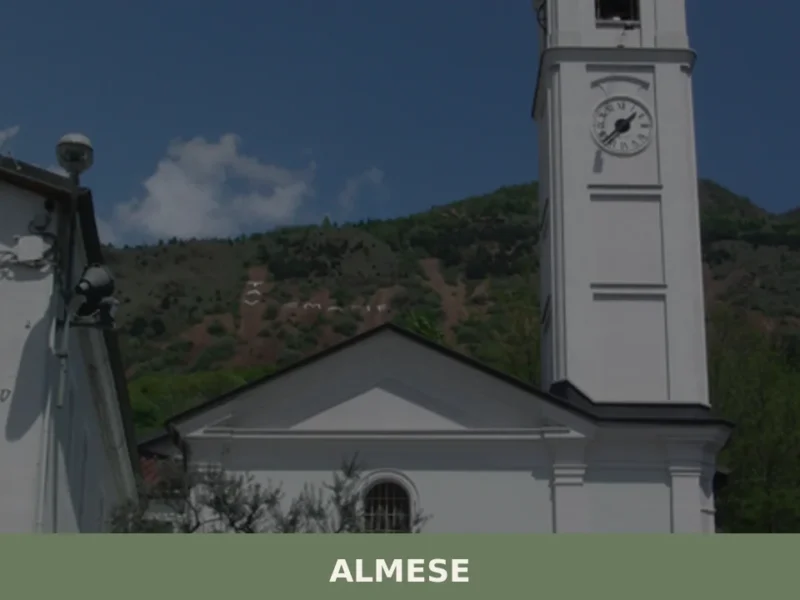
Almese
Hills
In 1029, a document from the Abbey of Novalesa recorded the name Almese for the first time, linked to a series of land holdings in the lower Val di Susa. That place name — probably derived from a Celtic or pre-Latin word connected to alpine pastures — appears in a territory that already served as […]
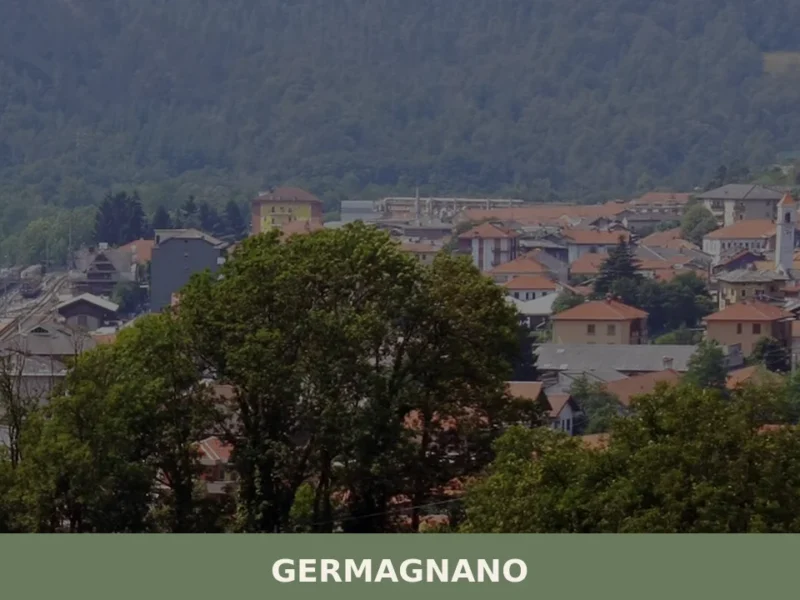
Germagnano
 Mountain
What to see in Germagnano, Italy: 30 km from Turin in the Valli di Lanzo. Discover the railway village, local cuisine and best times to visit. Read the guide.

Salerano Canavese
 Plains
Population 462. A rural comune in Turin province with two documented religious landmarks and a civic identity affirmed through its heraldic symbols.
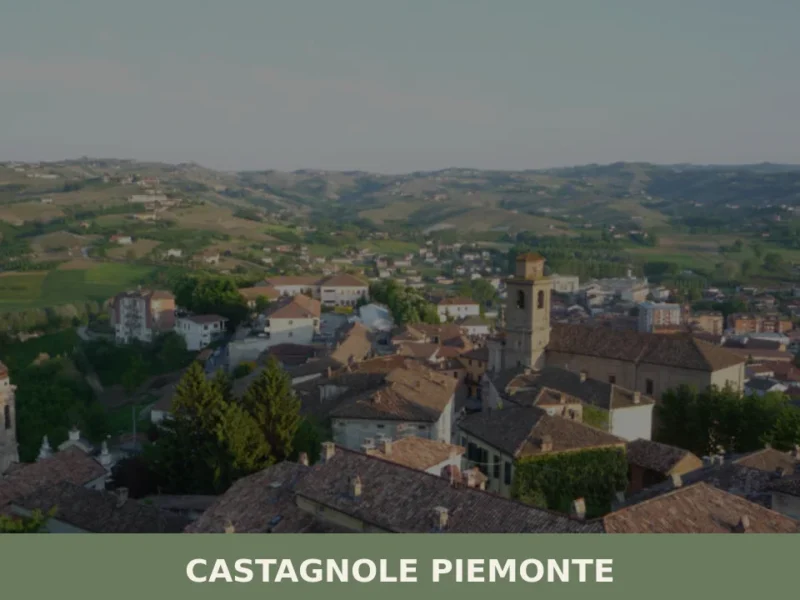
Castagnole Piemonte
Plains
What to see in Castagnole Piemonte, Italy — 20 km from Turin. Explore 5 top attractions, local food traditions and practical travel tips. Discover Piemonte.
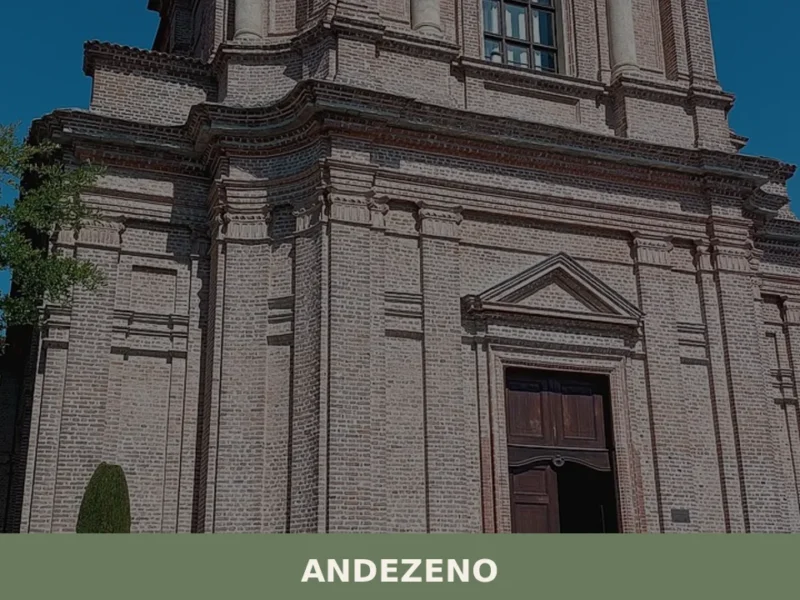
Andezeno
Hills
At 306 metres above sea level, on the eastern Turin hills, Andezeno has 2,012 inhabitants spread between the historic centre and its rural hamlets. The municipality appears in medieval documents as early as the 10th century, linked to the affairs of local lords and the Diocese of Turin. Today, anyone wondering what to see in […]

Salbertrand
Mountain
A 627-soul mountain village at 1,032 metres, rooted in Occitan tradition and medieval pilgrimage routes. Stone fountains, frescoed churches and views of the Ambin peaks define its character.
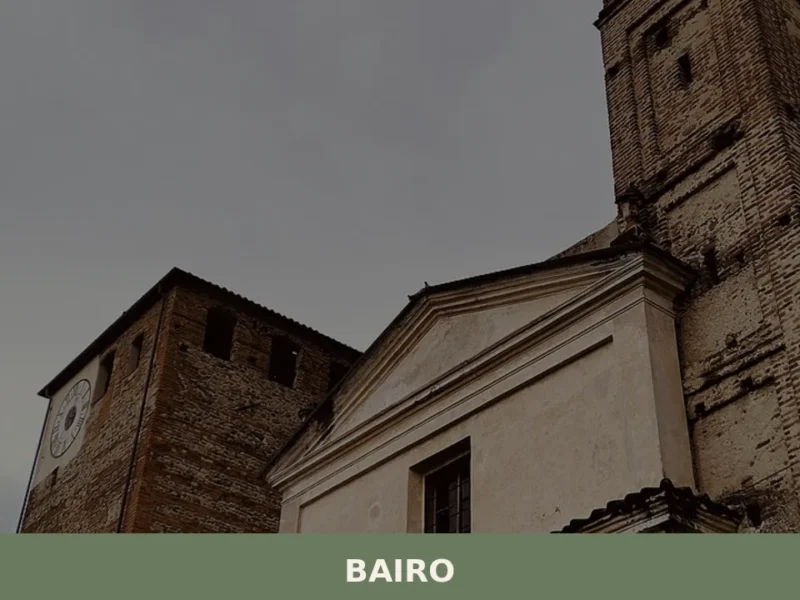
Bairo
Hills
The earliest confirmed record of Bairo dates to a document from 1003, when Marquess Arduino of Ivrea — who would shortly become King of Italy — confirmed landholdings in this portion of the Canavese between the moraine ridge and the foothills of the Graian Alps. Today the municipality has 806 inhabitants, spread across the historic […]

Strambino
Plains
6,000 residents, one castle on a hill, and a church whose floor plan mirrors a frog. Strambino offers a layered Canavese identity few visitors expect.
Angrogna
Mountain
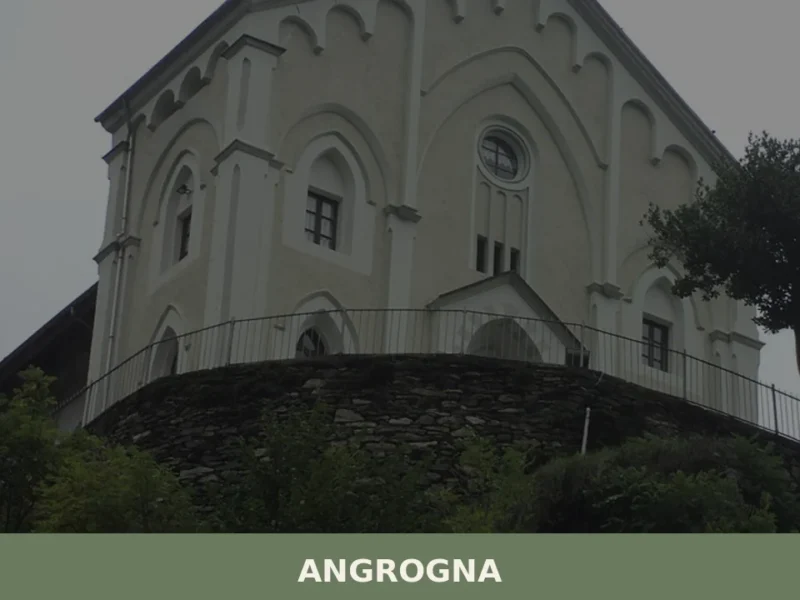
What to see in Angrogna: Chanforan, the Ghieisa d'la Tana, Waldensian trails, historic hamlets and mountain cuisine. A complete guide to the village.

🏡 Know Parella better than we do?
If you’re a local or have been there, your knowledge matters: add what’s missing or fix a detail on this page.