


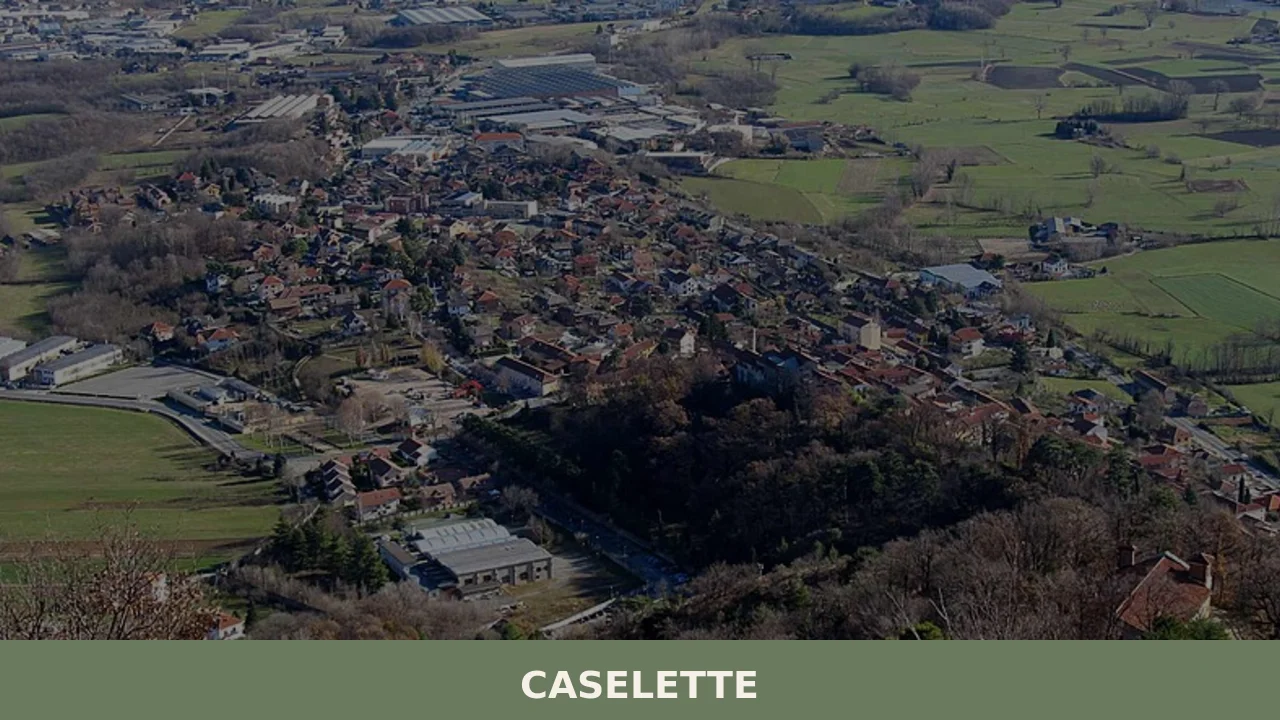
Caselette
 Hills
Hills
At the foot of Monte Musinè, where the plain of Turin gives way to the first folds of the Val di Susa, a mass of rock the size of a house sits in open ground. The Pietra Alta, one of the largest glacial erratics in the whole of Piedmont, was deposited here by glacial movement […]
Discover Caselette
At the foot of Monte Musinè, where the plain of Turin gives way to the first folds of the Val di Susa, a mass of rock the size of a house sits in open ground. The Pietra Alta, one of the largest glacial erratics in the whole of Piedmont, was deposited here by glacial movement and has remained ever since, drawing geologists, walkers, and the simply curious. A few hundred metres away, cut into the same mountain, ancient carvings mark surfaces whose makers left no written record, while below, the foundations of a Roman villa have surfaced from the earth.
Knowing what to see in Caselette means understanding a place that concentrates several distinct layers of history within a compact area.
The comune lies 18 km (11 mi) from Turin, in the Metropolitan City of Turin, Piemonte, Italy, at the opening of one of the region’s most historically significant alpine valleys. Visitors to Caselette find a Salesian-owned medieval castle, pre-Roman rock carvings on Monte Musinè, the remains of a Roman villa on the same mountain, and the dramatic presence of the Pietra Alta glacial erratic just outside the village. The range of things to do here is modest in scale but precise in character.
History of Caselette
The name Caselette derives from the Latin caseola, a diminutive form related to small houses or farm buildings, suggesting that the earliest settled presence here was agricultural rather than military or ecclesiastical. The terrain at the entrance of the Val di Susa made it a natural stopping point along the main route connecting the Po plain to the alpine passes, a function it held across multiple centuries of use. Control of this corridor was strategically significant for every power that moved through northern Italy, from Rome to the medieval lordships of Piedmont.
The Roman period left the most durable physical traces.
Remains of a Roman villa discovered on the slopes of Monte Musinè confirm that the area was not merely a transit corridor but a site of permanent settlement during antiquity. The villa’s position on the mountain — rather than on the valley floor — points to a residential function, possibly tied to the exploitation of local resources. The rock carvings found in the same vicinity are older still, their exact origin and meaning remaining unresolved by current research, though their presence on Musinè establishes human activity on the mountain well before the Roman period.
In the medieval and early modern period, Caselette came under the influence of the noble family known as the Conti dei Cays, who built and occupied the castle that still defines the village’s skyline. The castle subsequently passed out of aristocratic hands and is today owned and managed by the Salesians, the Catholic religious congregation founded in the nineteenth century by Don Bosco in nearby Piedmont.
In 2004, Caselette formalised a twin-town relationship with Ricse, a municipality in northeastern Hungary, a partnership that reflects the broader European civic networks that many small Italian comuni have developed since the post-war decades. The village’s proximity to Turin, the regional capital just 18 km (11 mi) to the east, has shaped its modern development, making it part of the wider metropolitan hinterland while retaining a distinct identity rooted in its position at the valley entrance.
What to See in Caselette, Piemonte: Top Attractions
Castle of the Cays Count
The castle rises above the village with the compact, thick-walled profile typical of Piedmontese noble residences built to serve both residential and defensive functions. It was originally the seat of the Conti dei Cays, one of the aristocratic families whose landholdings extended across the Turin hinterland during the medieval and early modern centuries. Ownership eventually transferred to the Salesians, the religious congregation that now administers the property. Visitors approaching Caselette from the main road encounter the castle as the dominant architectural presence in the settlement.
Access and visiting arrangements are subject to the Salesians’ management, so it is advisable to verify opening conditions before planning a visit.
Monte Musinè and Its Rock Carvings
Monte Musinè rises directly above Caselette and its southern slopes carry carvings cut into the rock surface at a date that researchers have not yet precisely established. The carvings are among the most discussed prehistoric or proto-historic marks in the province of Turin, and their presence on the same mountain that later yielded Roman villa remains makes Musinè an unusually layered archaeological landscape. The ascent from the village is achievable on foot along marked paths and offers progressively wider views over the Val di Susa and the Turin plain. Those with an interest in pre-Roman material culture will find the carved surfaces worth the climb, though the markings require some patience to interpret without a guide.
Remains of the Roman Villa on Monte Musinè
Excavations and surveys on Monte Musinè have identified the structural remains of a Roman villa, placing the site firmly within the documented settlement pattern of the Roman Po plain and its alpine approaches. The villa’s elevated position, several dozen metres above the valley floor, distinguishes it from the typical lowland Roman agricultural estate and raises questions about the precise economic or social role its inhabitants played in the local Roman landscape. The remains are located in the same area as the rock carvings, making it practical to combine both on a single visit to the mountain.
The site rewards visitors who come prepared with a map and an awareness of what they are looking for on the ground.
Pietra Alta
The Pietra Alta stands near Caselette as one of the largest and most documented glacial erratics in Piedmont, a block of rock transported from its original geological formation by glacial movement during the Pleistocene and left in place as the ice retreated. Its sheer mass — considerably larger than the surrounding field stones and clearly out of geological context with the local bedrock — makes it immediately identifiable. Glacial erratics of this scale are relatively rare in the Piedmontese lowland fringe and this particular example has attracted scientific attention as well as popular interest. The site requires no specific preparation to visit and can be reached on foot from the village centre in a short walk.
Val di Susa Gateway
Caselette stands precisely at the entrance of the Val di Susa, the long alpine valley that connects Turin to the Fréjus pass and the French border, a corridor used continuously since prehistoric times by traders, armies, and pilgrims heading toward Mont Cenis. Standing at this threshold, the visitor can read the geography directly: the plain closes behind, the valley walls rise ahead, and Monte Musinè marks the southern edge of the opening. The Val di Susa stretches approximately 70 km (43 mi) from this point to the French border, passing through a series of historically significant towns and fortifications.
For those planning a longer itinerary in the area, Caselette makes a logical first stop before heading further into the valley.
Local Food and Typical Products of Caselette
Caselette sits within the gastronomic zone of the Turin metropolitan hinterland, where the cooking traditions of the Piedmontese plain meet the more robust, mountain-influenced preparations of the Val di Susa. This position at a geographical boundary has historically meant that the tables of the area drew from both lowland and upland supply chains: the rice paddies and cattle pastures of the plain on one side, the chestnuts, game, and aged cheeses of the alpine valleys on the other. The cuisine that results is not a separate regional tradition with its own name but a locally inflected version of broader Piedmontese cooking, shaped by what was grown, raised, and traded within a few kilometres of the village.
Among the preparations common to this stretch of Piedmont, tajarin — a fine egg-yolk pasta cut into narrow ribbons and typically dressed with butter and white truffle or a meat ragù — appears regularly on menus in the Turin province. Bagna càuda, the communal hot dip made from anchovies dissolved in olive oil and garlic, traditionally served with raw or cooked seasonal vegetables for dipping, is one of the most documented dishes of the Piedmontese table and appears in households and restaurants across the province throughout the autumn and winter months.
Brasato al Barolo, beef slow-cooked in Barolo wine for several hours until the connective tissue breaks down and the sauce reduces to a dense, wine-dark glaze, represents the more formal register of local cooking. These are not dishes invented in Caselette specifically, but they are the food landscape within which the village sits.
The cheeses of the broader Piedmontese tradition are well represented in local markets and shops near the Val di Susa entrance. Toma Piemontese (DOP), a semi-cooked cow’s milk cheese produced across a large zone of Piedmont including the Turin province, has a firm, pale paste with a thin natural rind and a flavour that ranges from mild in younger forms to more pronounced after extended aging. Bra (DOP), produced in the Cuneo area, is another Piedmontese cow’s milk cheese regularly available in the province’s delicatessens and markets.
Both carry EU protected designation of origin status, confirming that their production methods and geographic origins are formally regulated.
For those interested in local markets and seasonal produce, the Turin metropolitan area supports a dense network of weekly markets where valley and plain products are sold side by side. Autumn is the season most associated with truffle, mushroom, and chestnut products in this part of Piedmont, and markets in the wider Turin province during October and November tend to reflect this. Carrying cash in euros is practical in smaller shops and market stalls in the area, where card payment is not always available. English is spoken in the main city but may be limited in smaller village shops around Caselette.
Festivals, Events and Traditions of Caselette
The sources available for Caselette do not document specific festival dates, patron saint celebrations, or named local events with confirmed annual schedules. What the village shares with the broader Piedmontese calendar is the tradition of the sagra, a community food fair typically organised by local associations around a specific seasonal product, common across the Turin province during summer and autumn. These events tend to be informal, announced locally rather than through regional tourism portals, and their dates shift from year to year.
Checking with the municipal administration before travel is the most reliable way to establish whether any local celebration falls within a planned visit.
The Val di Susa, within which Caselette sits at the entrance, has a longer festival calendar associated with alpine traditions: the blessing of livestock, mountain-related celebrations tied to the opening and closing of upland pastures, and civic events linked to the valley’s long history as a crossing point. Caselette’s own civic life includes its twin-town connection with Ricse in Hungary, formalised in 2004, which generates occasional cultural exchange events, though the scheduling of these is not documented in the sources available for this guide. Visitors arriving in late spring or early autumn are most likely to encounter local outdoor activities and community events in the area.
When to Visit Caselette, Italy and How to Get There
The best time to visit Caselette and the surrounding Val di Susa entrance area falls between late April and early June, and again in September and October. Spring brings clear visibility across the Turin plain and the lower mountain slopes while avoiding the summer heat that can make uphill walks on Monte Musinè uncomfortable. Autumn offers the practical advantage of lower visitor numbers in the Turin metropolitan area, cooler temperatures suitable for walking, and the seasonal produce markets of the Piedmontese tradition.
Winter visits are feasible for those focused on the castle and the Pietra Alta, both of which are accessible without specific mountain preparation, though the shorter daylight hours reduce the time available for Monte Musinè. Those planning a day trip from Turin will find any weekday visit significantly quieter than a weekend, particularly in spring.
Getting to Caselette by car from Turin is direct: take the A32 motorway in the direction of Fréjus and exit at the Caselette-Sant’Ambrogio exit, which places the village approximately 18 km (11 mi) — around 20 minutes in normal traffic — from the Turin ring road. By rail, the closest station on the Turin-Modane line serves the Val di Susa corridor; regional trains operated by Trenitalia connect Turin Porta Susa and Turin Porta Nuova to stations along this line, with journey times from Turin under 30 minutes to the nearest stop.
Turin Airport (Torino Caselle), located approximately 30 km (18.6 mi) from Caselette, serves as the most practical international arrival point, with connections to major European hubs. From Milan, the drive to Caselette covers roughly 140 km (87 mi) via the A4 and A32 motorways, making it feasible as a day excursion from the Lombard capital. International visitors should carry euros in cash for smaller purchases in the village and surrounding area.
Travellers combining Caselette with a broader Piedmontese itinerary may find it worth pairing the visit with a stop in Angrogna, a valley comune in the Turin province with its own distinct historical character, particularly for those interested in the Waldensian heritage of the western Piedmontese valleys. The road network connecting the Val di Susa with the Val Pellice, where Angrogna lies, passes through Turin and takes approximately one hour by car.
Frequently asked questions about Caselette
What is the best time to visit Caselette?
The ideal time to visit Caselette is during spring (April-June) and autumn (September-October) for pleasant weather, perfect for exploring Monte Musinè's marked paths and enjoying the scenic views. Spring offers the patronal feast of San Giorgio on April 23rd. Autumn and winter are excellent for experiencing local gastronomy, including the traditional Bagna Càuda. Another patronal feast, dedicated to Santi Mario, Marta, Audiface e Abaco, occurs on January 19th, offering a unique winter atmosphere and a different charm for visitors.
What to see in Caselette? Main monuments and landmarks
In Caselette, explore the historic Castle of the Cays Count, a medieval residence now managed by the Salesians; it's advisable to verify access conditions before your visit. On Monte Musinè, discover ancient pre-Roman rock carvings and the intriguing remains of a Roman villa; visitors should bring a map for the villa site. Don't miss the Pietra Alta, an enormous glacial erratic easily reachable by a short walk from the village centre, making it a unique geological attraction. Caselette also serves as the scenic gateway to the Val di Susa.
What are the main natural or scenic attractions of Caselette?
Caselette's primary natural attractions revolve around Monte Musinè, which offers marked paths leading to progressively wider views over the Val di Susa and the Turin plain. The impressive Pietra Alta stands out as one of Piedmont's largest and most documented glacial erratics, a unique geological marvel easily accessible on foot from the village. Additionally, Caselette's strategic position as the entrance to the long Val di Susa provides a distinct geographical panorama, marking the beautiful transition from plain to mountain landscapes.
Where to take the best photos in Caselette?
For memorable photos, capture the panoramic vistas from the marked paths on Monte Musinè, offering sweeping views of the Val di Susa and the Turin plain. The imposing Castle of the Cays Count, dominating the village skyline, provides a classic architectural subject. Don't overlook the dramatic presence of the Pietra Alta glacial erratic, a striking geological formation in the open landscape, perfect for unique shots. These spots offer varied perspectives of Caselette's historical and natural beauty.
Are there museums, churches or historic buildings to visit in Caselette?
Yes, Caselette features the historic Castle of the Cays Count, a prominent medieval building that once belonged to the Conti dei Cays and is now administered by the Salesians. While there are no documented museums, this castle stands as a key historic building. Visitors interested in touring the property should contact the Salesian management beforehand to confirm current access and visiting arrangements, as these are subject to their specific management policies.
What can you do in Caselette? Activities and experiences
In Caselette, you can delve into history by visiting the medieval Castle of the Cays Count (check access with Salesian management), explore ancient rock carvings, and discover the remains of a Roman villa on Monte Musinè. The mountain also offers hiking opportunities on marked paths, providing scenic views. Caselette is an ideal starting point for exploring the wider Val di Susa. Additionally, savor the local Piedmontese cuisine, including specialties like tajarin, bagna càuda, and brasato al Barolo, reflecting the region's rich gastronomic traditions.
Who is Caselette suitable for? Families, couples, hikers, solo travelers?
Caselette is particularly well-suited for history buffs and archaeology enthusiasts, especially those keen on Roman and pre-Roman sites like the rock carvings and villa remains on Monte Musinè. Geologists and curious travelers will appreciate the unique Pietra Alta glacial erratic. Hikers will find rewarding paths on Monte Musinè with panoramic views. It's an excellent destination for solo travelers or couples seeking a quiet, culturally rich village, and a strategic base for exploring the Val di Susa and the Turin hinterland, offering a modest yet precise range of activities.
What to eat in Caselette? Local products and specialties
In Caselette, you can savor authentic Piedmontese cuisine, reflecting its position between plain and mountain traditions. Local specialties include tajarin, a delicate egg-yolk pasta often served with white truffle or a rich meat ragù. During autumn and winter, don't miss bagna càuda, a warm anchovy, olive oil, and garlic dip, traditionally served with fresh vegetables. Another highlight is brasato al Barolo, beef slow-cooked in the renowned Barolo wine. Local markets also feature DOP cheeses like Toma Piemontese and Bra.
📷 Photo Gallery — Caselette
Nearby Villages near Caselette
In Piedmont More villages to discover
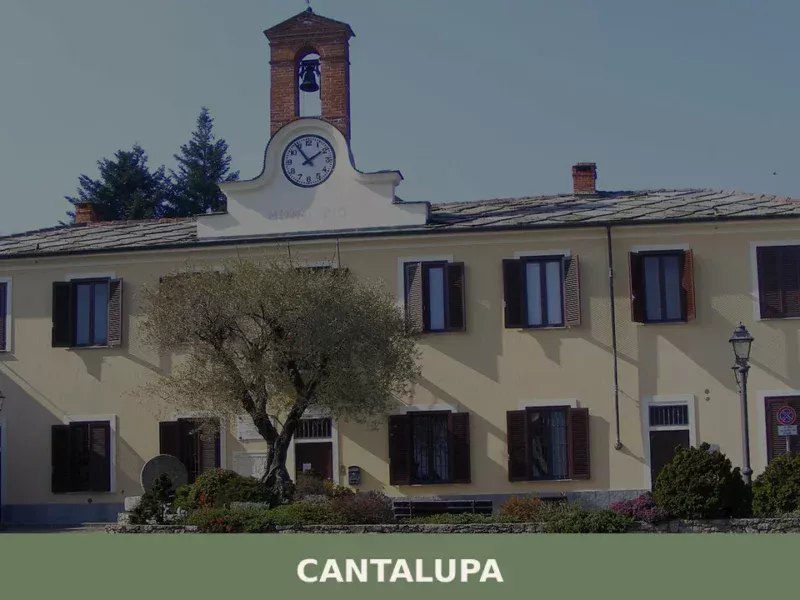
Cantalupa
Hills
Scopri Cantalupa borgo Piemonte: storia, tradizioni e attrazioni di uno dei gioielli nascosti delle colline piemontesi. Visita questo angolo autentico d'Italia!
Alice Superiore
 Mountain
Alice Superiore sits at 610 metres above sea level in the Chiusella Valley, a lateral branch of the Canavese district within the Metropolitan City of Torino. Home to 711 inhabitants, the village occupies a stretch of sloping terrain where chestnut woods give way to Alpine pasture. For anyone researching what to see in Alice Superiore, […]
Buriasco
Hills
What to see in Buriasco, Italy: 5 top attractions, local food, festivals and how to get to this 301 m village near Turin. Discover Buriasco, Piemonte.

Beinasco
 Plains
Beinasco traces its roots to a Roman frontier post. Discover how this small town survived plague, warfare and transformation to anchor modern metropolitan Turin.
Campiglione Fenile
Plains
Fifteen kilometres separate Campiglione Fenile from Pinerolo, and that distance is enough to create a perceptible shift: the noise of the city gives way to the compact silhouette of Piedmontese farmsteads, to the double-pitched roofs that cut across the Po Valley sky towards the Cottian Alps. In this article History and origins of Campiglione Fenile […]
Osasco
Plains
Osasco is a comune of 1,161 inhabitants in the Metropolitan City of Turin, sitting in the Piemonte region of northwestern Italy. Known in the local Piedmontese language as Osasch, the village occupies a modest position in the hills and plains south of Turin, one of dozens of small agricultural and residential communes that form the […]
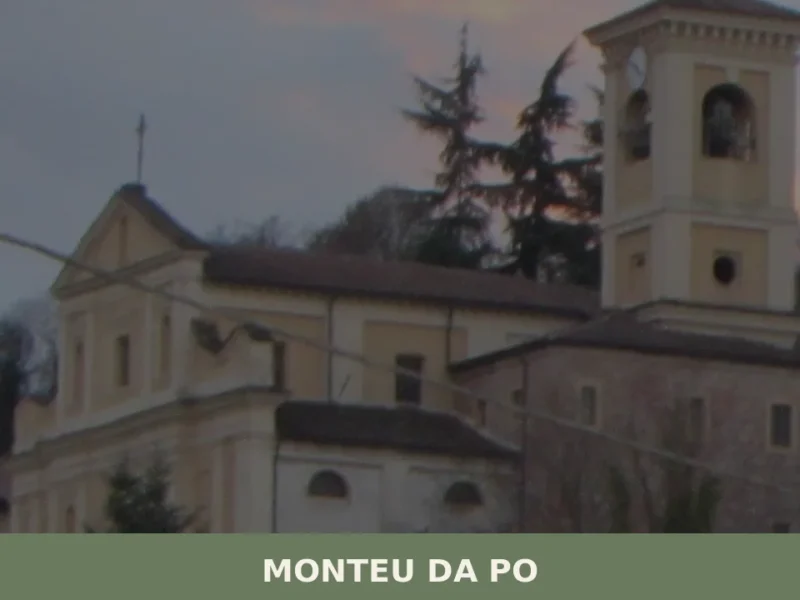
Monteu da Po
Hills
Scopri Monteu da Po, affascinante borgo piemontese sulle rive del Po. Storia, natura e tradizioni in un angolo autentico del Piemonte da non perdere.
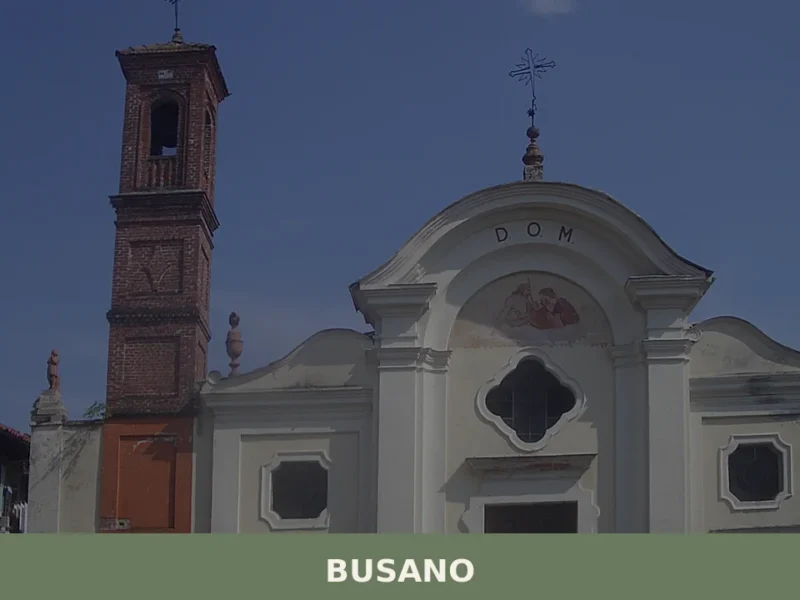
Busano
Plains
What to see in Busano, Piemonte, Italy: 30 km from Turin, explore the Canavese landscape, local cuisine, and festivals. Discover how to get there and when to visit.
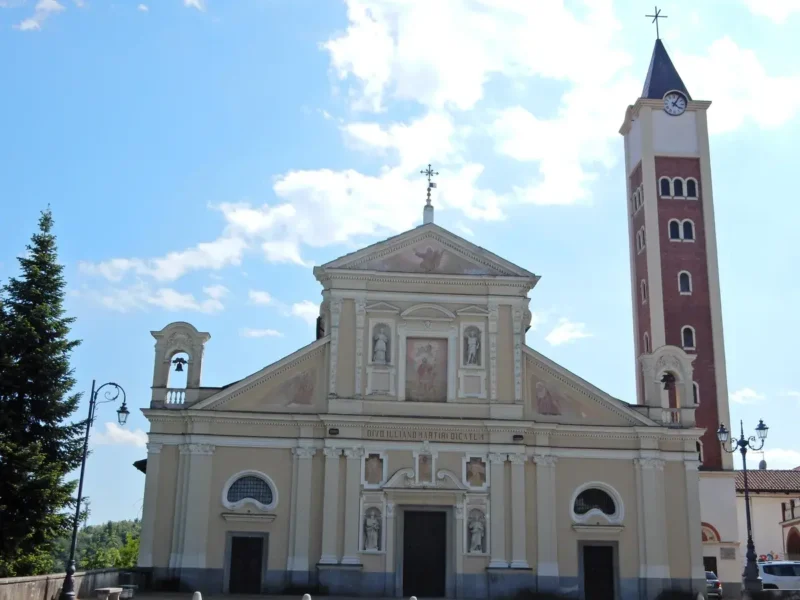
Barbania
Hills
What to see in Barbania: 5 attractions in this Piedmontese village, from the parish church to the castle. Discover the complete guide to plan your visit.
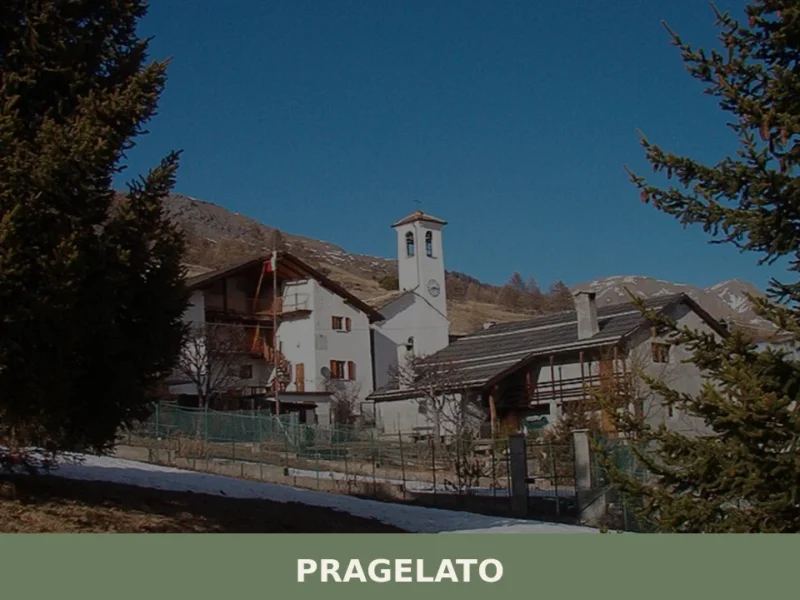
Pragelato
Mountain
Pragelato sits at around 1,524 metres above sea level in Val Chisone, approximately 82 kilometres west of Turin, and its Occitan name — Pradzalà or Prajalats — translates directly as “frozen meadow”, a reference to the high-altitude pastures that define the landscape here. With a resident population of 692, this is a compact Alpine commune […]



🏡 Know Caselette better than we do?
If you’re a local or have been there, your knowledge matters: add what’s missing or fix a detail on this page.