


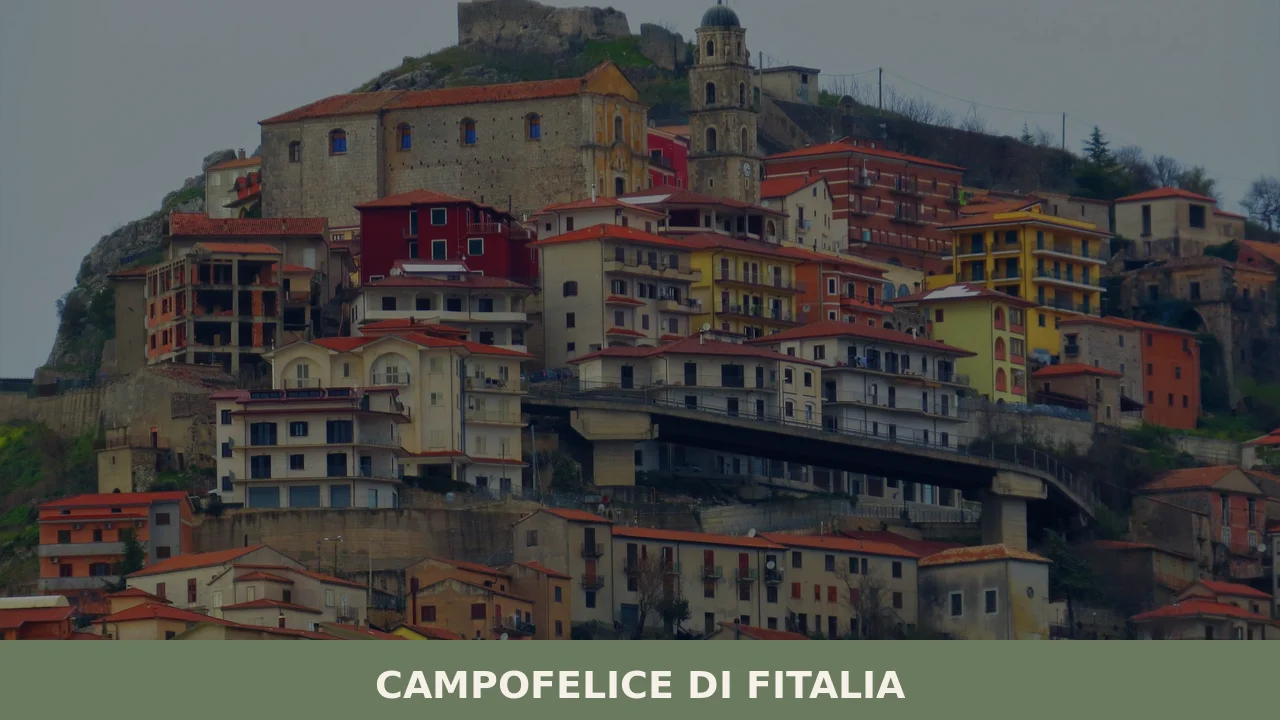
Campofelice di Fitalia
 Mountain
Discover what to see in Campofelice di Fitalia: history, rural architecture, local food, and the quiet beauty of inland Sicily at 734m altitude.
Discover Campofelice di Fitalia
Morning light reaches Campofelice di Fitalia in slow degrees, catching the limestone facades along its single main street before spilling into the silence of surrounding wheat fields. At 734 metres above sea level, the air carries a sharpness absent from the Sicilian coast below. Fewer than five hundred people live here, in a settlement where the rhythm of seasons still dictates daily life. For anyone asking what to see in Campofelice di Fitalia, the answer begins with this quietness itself — a village that has outlasted centuries without ever rushing toward modernity.
History of Campofelice di Fitalia
The name divides neatly into two inheritances.
“Campofelice” derives from the Latin campus felix — “fertile field” — a reference to the agricultural flatlands that made the area valuable to successive rulers. “Fitalia” traces its roots to an older toponym, likely Arabic in origin, reflecting the profound influence of Muslim settlers who shaped inland Sicily’s landscape, irrigation systems, and place-names during the 9th through 11th centuries. The village’s dual name encodes the layered history of this territory.
Campofelice di Fitalia emerged as a feudal settlement during the late medieval period, part of the broader pattern of rural colonisation across the Province of Palermo. Like many villages in Sicily’s mountainous interior, it was established under the authority of local barons who sought to cultivate grain on elevated plains.
The feudal system persisted here well into the 18th century, shaping the village’s compact layout: a church at the centre, a modest cluster of stone houses radiating outward, and agricultural land beyond.
Through the 19th and 20th centuries, emigration hollowed out much of inland Sicily, and Campofelice di Fitalia was no exception. Its population, once larger, has contracted to its current 452 residents. Yet the physical fabric of the village — its church, its piazza, its stone walls darkened by centuries of weather — remains largely intact, a document in masonry of how rural Sicilian life was organised for generations.
What to see in Campofelice di Fitalia: 5 must-visit attractions
1. Chiesa Madre (Mother Church)
The village’s principal church stands at the centre of Campofelice di Fitalia, as it has for centuries. Its simple façade, characteristic of rural Sicilian ecclesiastical architecture, conceals an interior with traditional altarpieces and devotional statuary. The building serves not only as a place of worship but as the gravitational centre of village social life, particularly during feast days and religious processions.
2.
Piazza Principale
The main square is less a grand civic space than a functional gathering point — a few stone benches, older residents in conversation, a bar with outdoor seating. In the evenings, it fills modestly with the village’s social life. Its proportions are human-scaled, designed for a community that has never exceeded a few hundred families, and it offers unobstructed views toward the surrounding hills.
3. The Surrounding Wheat Fields and Pastoral Landscape
Walking beyond the village’s edge reveals the campus felix that gave the settlement its name. Rolling fields of grain — durum wheat, primarily — stretch across the elevated plateau. In late spring, before the harvest, the landscape turns a uniform gold broken only by solitary carob and olive trees. This is working countryside, not curated scenery, and it rewards those willing to walk its unpaved tracks.
4.
Historic Rural Architecture
Scattered through and around the village, older stone buildings — some still in use, others slowly returning to the earth — testify to centuries of agricultural life. Look for traditional features: external stone staircases, arched doorways, small courtyards designed for livestock. These structures, built from locally quarried limestone, represent a vernacular architecture increasingly rare in Sicily’s modernising interior.
5. Panoramic Views of the Madonie Foothills
At 734 metres, Campofelice di Fitalia sits high enough to command views across the rolling terrain toward the western edges of the Madonie mountain range. On clear days, the layered ridgelines recede in progressively paler shades of blue-grey. The best vantage points lie along the roads exiting the village to the east, particularly in the golden hour before sunset.
Local food and typical products
Campofelice di Fitalia sits within one of Sicily’s most productive grain-growing zones, and bread — baked in traditional wood-fired ovens where they survive — remains a point of local pride.
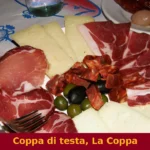
Durum wheat is the foundation: shaped into dense, sesame-crusted loaves with a thick crust and a close, golden crumb. Pasta made from local semolina, often served with a simple sauce of tomatoes, wild fennel, or sardines, reflects the cucina povera tradition of Sicily’s interior. Sheep farming contributes ricotta and aged pecorino, both produced in small quantities by local shepherds.
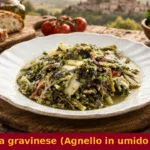
Wild foods still play a role in the local diet. Depending on the season, foragers gather wild asparagus, borage, chicory, and mushrooms from the surrounding hillsides. Olive oil produced in the broader Palermo province accompanies nearly every meal. Visitors should not expect restaurants in the conventional sense; rather, local hospitality — an agriturismo, a family-run trattoria — provides the most authentic encounters with this food tradition.
The flavours are direct, unadorned, and rooted in what the land produces.
Best time to visit Campofelice di Fitalia
Spring — from late April through June — is the most rewarding season. The wheat fields are green and rising, wildflowers carpet the roadsides, and daytime temperatures at this altitude hover between 18°C and 25°C, comfortable for walking. Summer brings intense heat even at 734 metres, and the landscape turns dry and blonde. Autumn, particularly October, offers mild weather and the start of the olive harvest, bringing renewed activity to the countryside.
Winter can be surprisingly cold and occasionally brings frost or light snow to these elevations, lending the village a stark, solitary beauty that few visitors witness. The village’s patron saint feast, a common feature of Sicilian community life, typically draws the entire population to the piazza for processions, music, and communal meals — an event worth timing a visit around if dates can be confirmed locally.
On ordinary days, expect a profound quiet, particularly in the early afternoon hours when even the dogs retreat into shade.
How to get to Campofelice di Fitalia
The nearest major airport is Falcone-Borsellino Airport (Palermo), approximately 70 kilometres to the northwest. From Palermo, the drive takes roughly one hour and fifteen minutes via the SS121 and provincial roads that wind through increasingly elevated terrain. There is no direct rail connection; the nearest train station with regular service is in the town of Villafrati or Alia, from which a car is necessary to cover the remaining distance.
Public bus services connect some inland villages in the Province of Palermo, but frequencies are limited and schedules change seasonally. A rental car is effectively essential for reaching Campofelice di Fitalia and for exploring the surrounding countryside. Roads are paved but narrow, with occasional sharp bends — drive attentively, particularly after dark. From Catania, the journey covers approximately 180 kilometres and takes around two and a half hours via the A19 motorway toward Enna, then branching northwest on provincial roads.
More villages to discover in Sicilia
Campofelice di Fitalia belongs to a constellation of small inland settlements, each preserving its own variant of rural Sicilian life.
A short drive south leads to the village of Alia, another hilltop community in the Province of Palermo where similar agricultural traditions persist and the built environment retains its historical character. Together, these villages form an itinerary through a Sicily that most visitors — focused on coastal resorts and major cities — never encounter.
To the east, the territory transitions toward the Madonie uplands, where slightly larger towns offer additional historical and natural interest. Exploring Sclafani Bagni, with its ancient thermal springs and Norman-era ruins, provides a complementary perspective on how mountain communities in this part of Sicily developed over centuries. Travelling between these villages — on roads that pass through open farmland and scattered groves — is itself part of the experience, a slow immersion in a landscape that resists hurry.
Frequently asked questions about Campofelice di Fitalia
What is the best time to visit Campofelice di Fitalia?
Late April through June is the ideal window: wheat fields are green, wildflowers line the roads, and temperatures at 734 metres hover between 18°C and 25°C — comfortable for walking and exploring. October offers mild autumn weather and the olive harvest season. If you want to experience village life at its most communal, plan around the feast of San Giuseppe on 23 August, when the entire population gathers in the piazza for the patron saint procession, music, and shared meals. Winter occasionally brings frost and light snow, creating a stark, photogenic solitude.
What are the historical origins of Campofelice di Fitalia?
The village name encodes two historical layers. 'Campofelice' derives from the Latin campus felix, meaning 'fertile field', referencing the productive agricultural plateau. 'Fitalia' reflects an older toponym of likely Arabic origin, a legacy of Muslim settlers who shaped inland Sicily's landscape and irrigation systems between the 9th and 11th centuries. The settlement developed as a feudal community during the late medieval period within the Province of Palermo, organised around grain cultivation under local baronial authority — a pattern common across Sicily's mountainous interior.
What to see in Campofelice di Fitalia? Main monuments and landmarks
The Chiesa Madre at the village centre is the principal landmark, featuring traditional altarpieces and devotional statuary typical of rural Sicilian ecclesiastical architecture. The Piazza Principale offers a genuinely lived-in gathering space with views toward the surrounding hills. Beyond the village edge, the historic wheat fields of the campus felix reward exploration on foot. Look also for vernacular stone buildings with external staircases, arched doorways, and small courtyards — a disappearing form of rural Sicilian architecture built from locally quarried limestone.
What are the main natural or scenic attractions of Campofelice di Fitalia?
Campofelice di Fitalia sits at 734 metres on an elevated plateau overlooking the foothills of the Madonie mountain range. The surrounding terrain combines rolling durum wheat fields, carob and olive trees, and open countryside typical of Sicily's interior highlands. In late spring the landscape turns gold before harvest. The village is positioned near the western edge of the broader Madonie natural area, making it a practical base for exploring the upland scenery that extends east toward larger mountain communities.
Where to take the best photos in Campofelice di Fitalia?
The most rewarding vantage points lie along the roads exiting the village to the east, where the elevated position reveals layered ridgelines of the Madonie foothills receding in progressively paler shades of blue-grey — best captured in the golden hour before sunset. In late spring, the wheat fields stretching beyond the village edge provide sweeping agricultural panoramas. The Piazza Principale and the limestone facade of the Chiesa Madre catch the morning light well, particularly in the early hours before traffic and movement disturb the stillness.
What can you do in Campofelice di Fitalia? Activities and experiences
Walking the unpaved tracks through the surrounding wheat fields and countryside is the primary outdoor activity, especially rewarding from April through June. The 23 August feast of San Giuseppe draws the whole village into the piazza for processions and communal celebration — a rare window into authentic inland Sicilian traditions. Seasonal foraging — wild asparagus, borage, chicory, mushrooms — remains part of local culture. The village also serves as a quiet base for exploring nearby communities including Alia and Sclafani Bagni, with its ancient thermal springs and Norman-era ruins.
Who is Campofelice di Fitalia suitable for? Families, couples, hikers, solo travelers?
Campofelice di Fitalia suits slow travellers who value silence, authenticity, and landscape over organised tourism. Couples and solo visitors seeking a genuine off-the-beaten-path Sicilian experience will find it especially rewarding. Walkers and nature lovers benefit from the elevated plateau terrain and proximity to the Madonie foothills. It is less suited to families expecting structured attractions or facilities for children. Anyone drawn to vernacular architecture, rural food traditions, and the unhurried rhythm of a 452-person mountain village will feel at home here.
What to eat in Campofelice di Fitalia? Local products and specialties
The village sits in one of Sicily's principal durum wheat zones; traditional sesame-crusted bread baked in wood-fired ovens is a local staple. Pasta made from local semolina appears with sauces of tomatoes, wild fennel, or sardines — expressions of cucina povera. Sheep farming supplies small-batch ricotta and aged pecorino. Wild foods gathered from surrounding hillsides — asparagus, borage, chicory, mushrooms — feature seasonally. Olive oil from the broader Palermo province accompanies everything. Seek out an agriturismo or family-run trattoria rather than expecting a conventional restaurant.
Nearby Villages near Campofelice di Fitalia
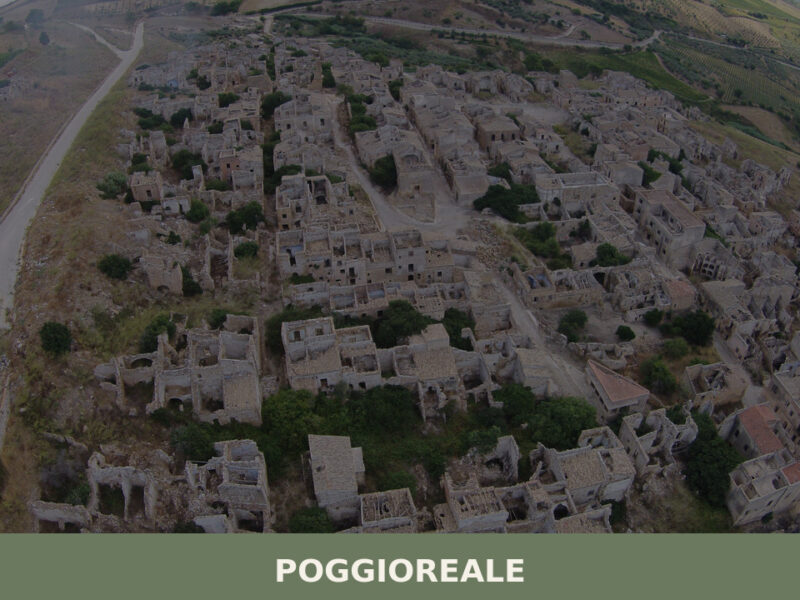
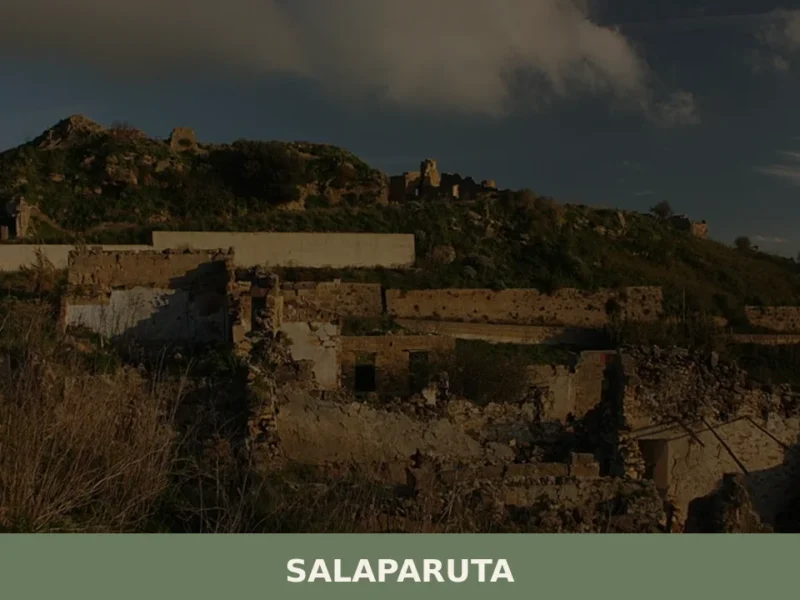
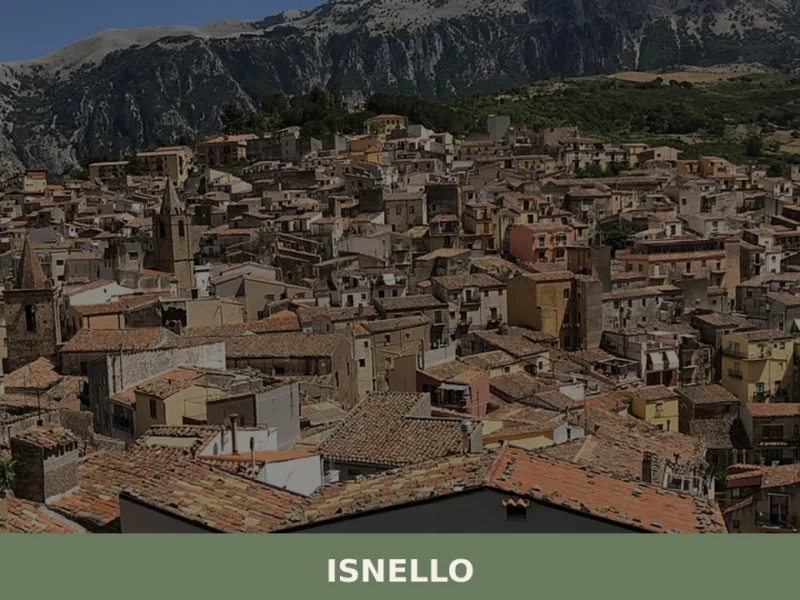
In Sicily More villages to discover
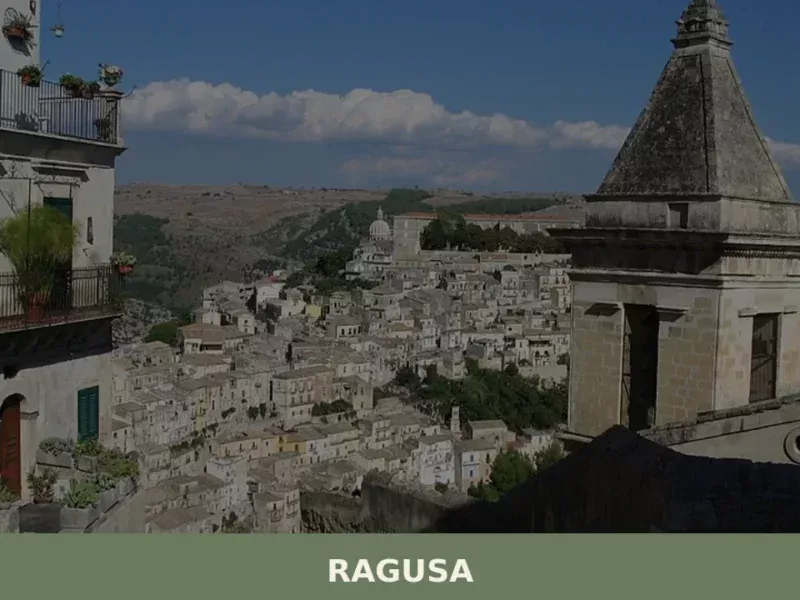
Ragusa
 Sea
Sea
What to see in Ragusa, a UNESCO city at 520m with 70,000 residents: explore Ibla, San Giorgio, Giardino Ibleo and Cotognata PAT. Plan your visit now.
Acquaviva Platani
 Hills
Hills
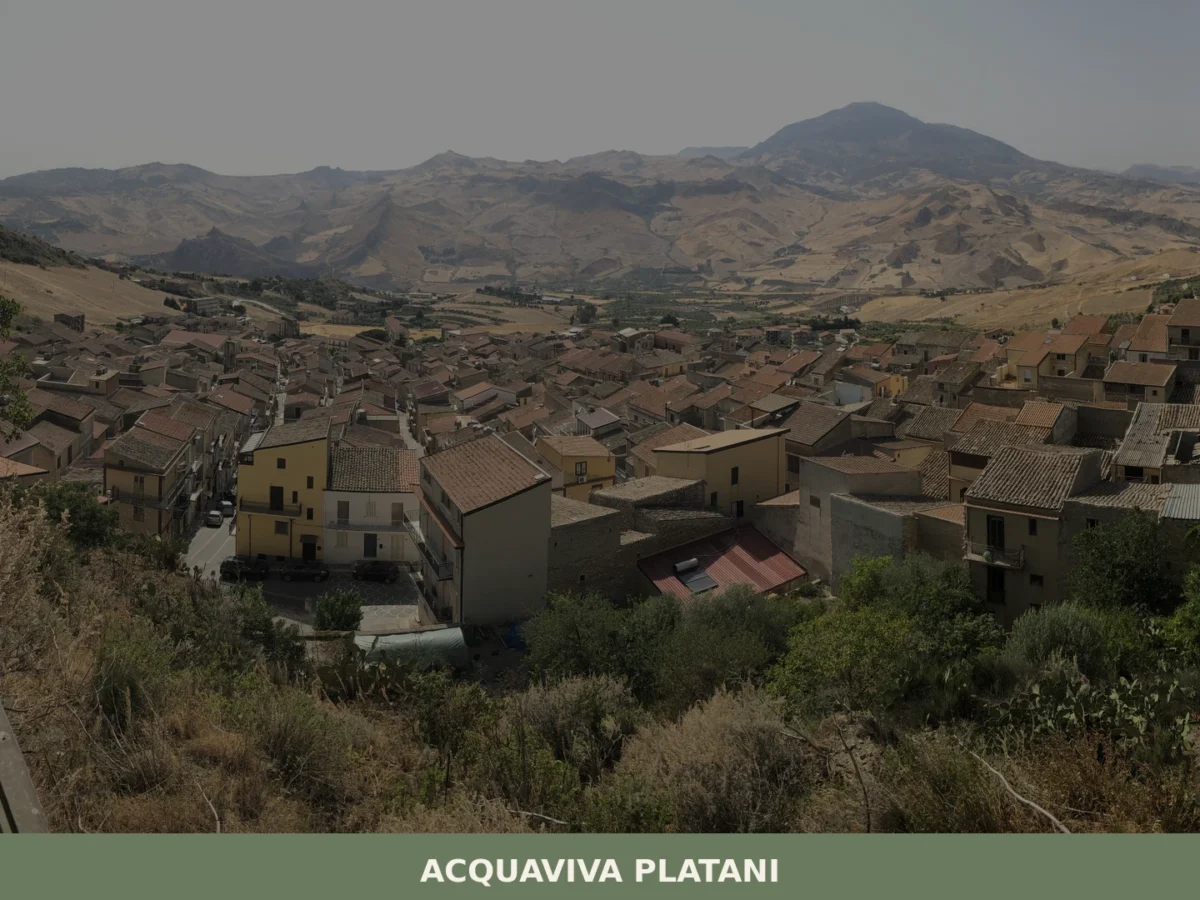
A clock tower built in 1894 rises above the roofline of a compact hill town in the province of Caltanissetta, its stone face marking hours in a landscape where the Platani river moves through the valley below. The name of the place translates directly from Italian as “Living Water,” a reference to the natural springs […]
Valderice
Sea
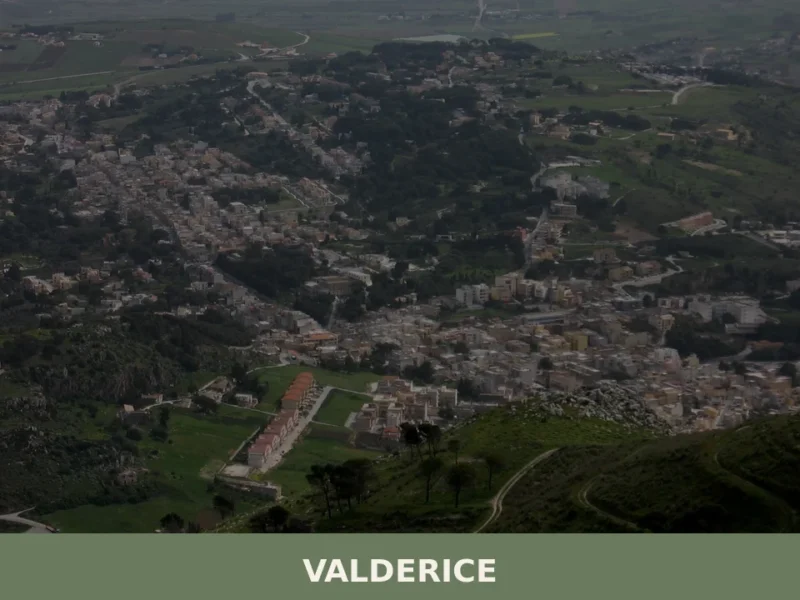
What to see in Valderice, Italy: Explore this Sicilian comune, located 240 m above sea level, known for its historic settlements and scenic beaches. Discover its unique history.
Enna
Mountain
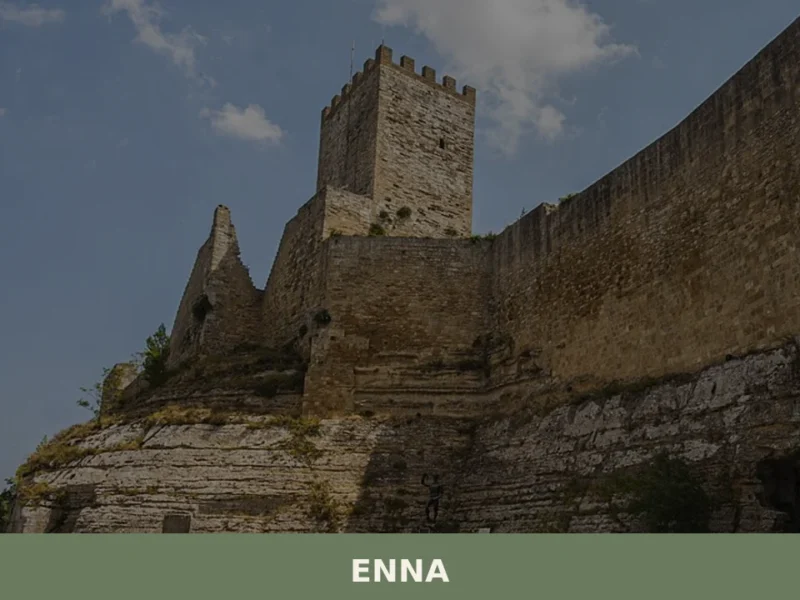
Discover Enna, a breathtaking village perched in the heart of Sicily, Italy. Explore its rich history, stunning landscapes, and timeless charm.
Aliminusa
Hills
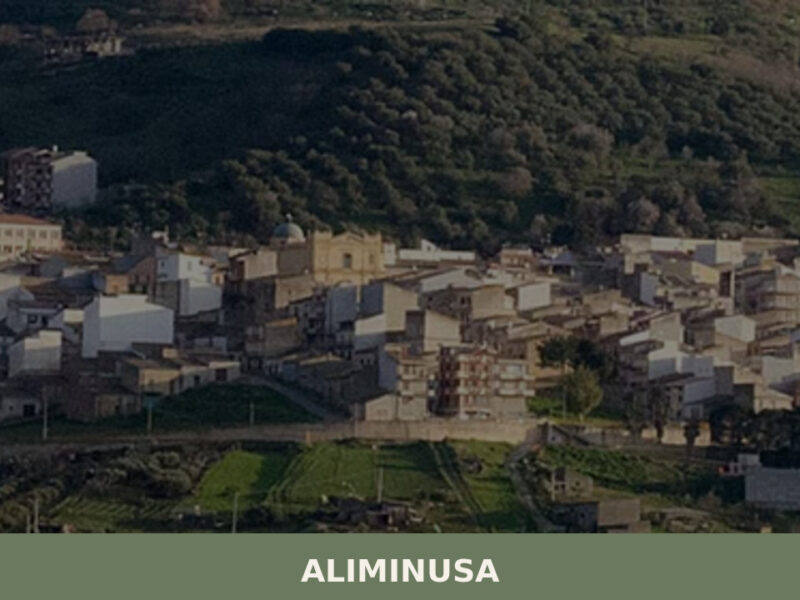
Morning light hits the limestone facades along Corso Umberto at a low angle, turning the walls the colour of raw honey. A few voices carry across the piazza — unhurried, familiar. Aliminusa is a village of just over a thousand people, set at 450 metres above sea level in the hills of the Palermo province, […]
Contessa Entellina
Hills
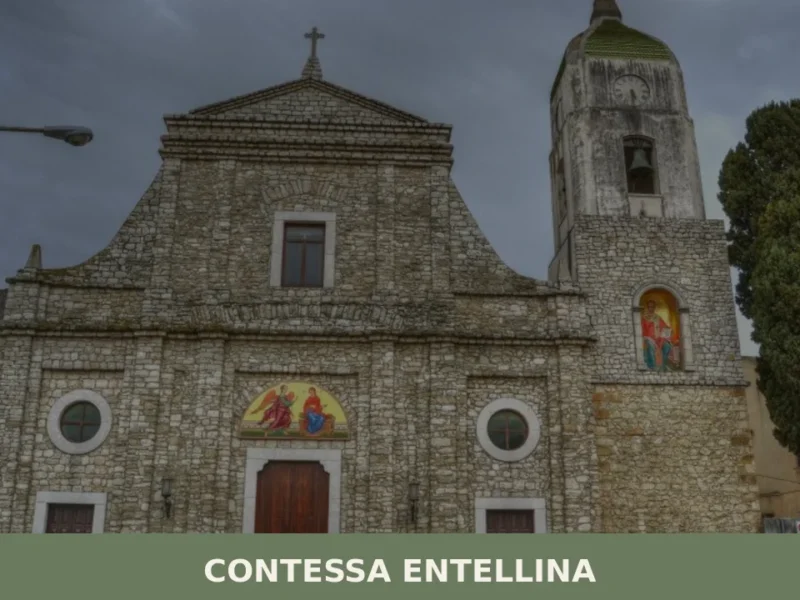
Discover what to see in Contessa Entellina: Arbëreshë heritage, Rocca d'Entella ruins, Byzantine-rite churches, local food, and practical travel tips.

Licata
Mountain
34,000 residents, Greek foundations and a coastline of alternating cliffs and sandy coves make Licata one of the most layered towns on Sicily's southern shore.

San Cataldo
Hills
With over 400 years of documented history and a remarkable archaeological zone, San Cataldo offers cultural depth that rewards curious visitors.
Geraci Siculo
Mountain
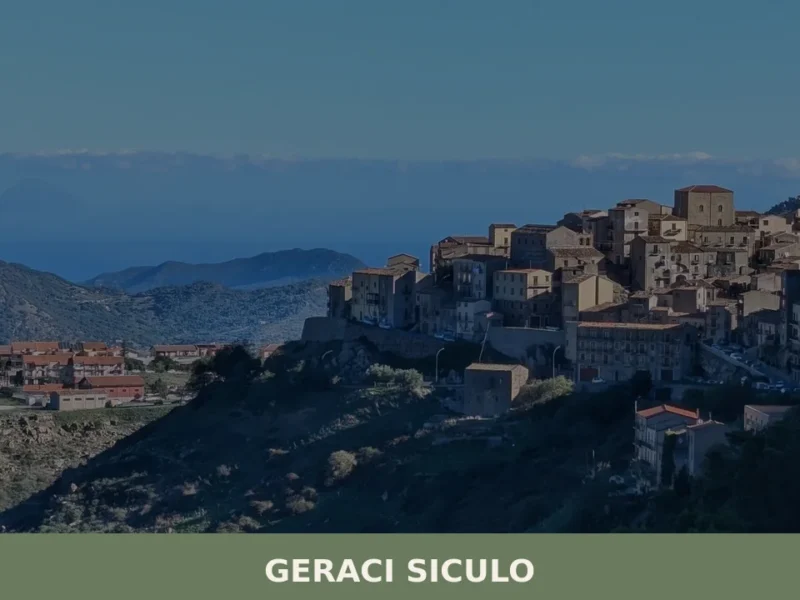
What to see in Geraci Siculo, Italy? Discover this mountain village at 1077 m, an I Borghi più belli d'Italia member, and its San Bartolomeo feast. Explore its historic core and Madonie views.
Caltanissetta
Hills
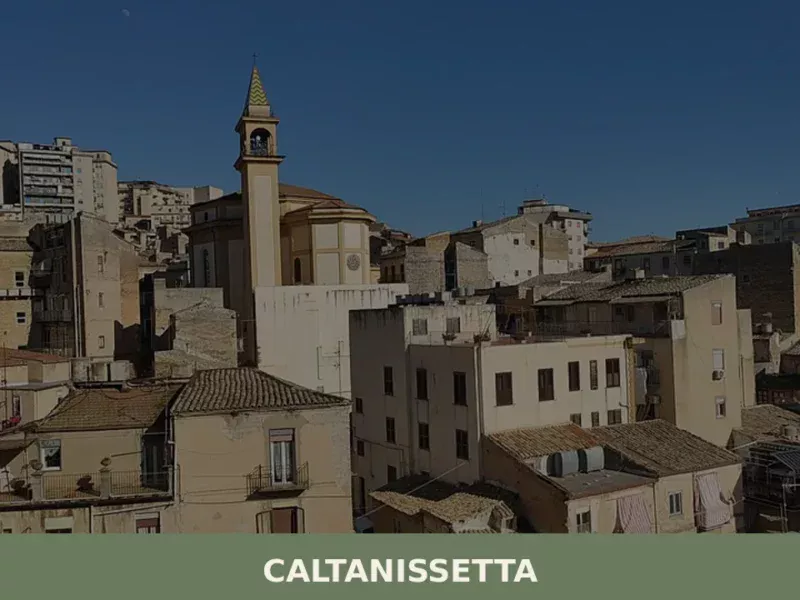
What to see in Caltanissetta: 61,000 residents at 568m, from Castello di Pietrarossa to Baroque churches and Holy Week. Plan your visit with this complete guide.
🏡 Know Campofelice di Fitalia better than we do?
If you’re a local or have been there, your knowledge matters: add what’s missing or fix a detail on this page.