


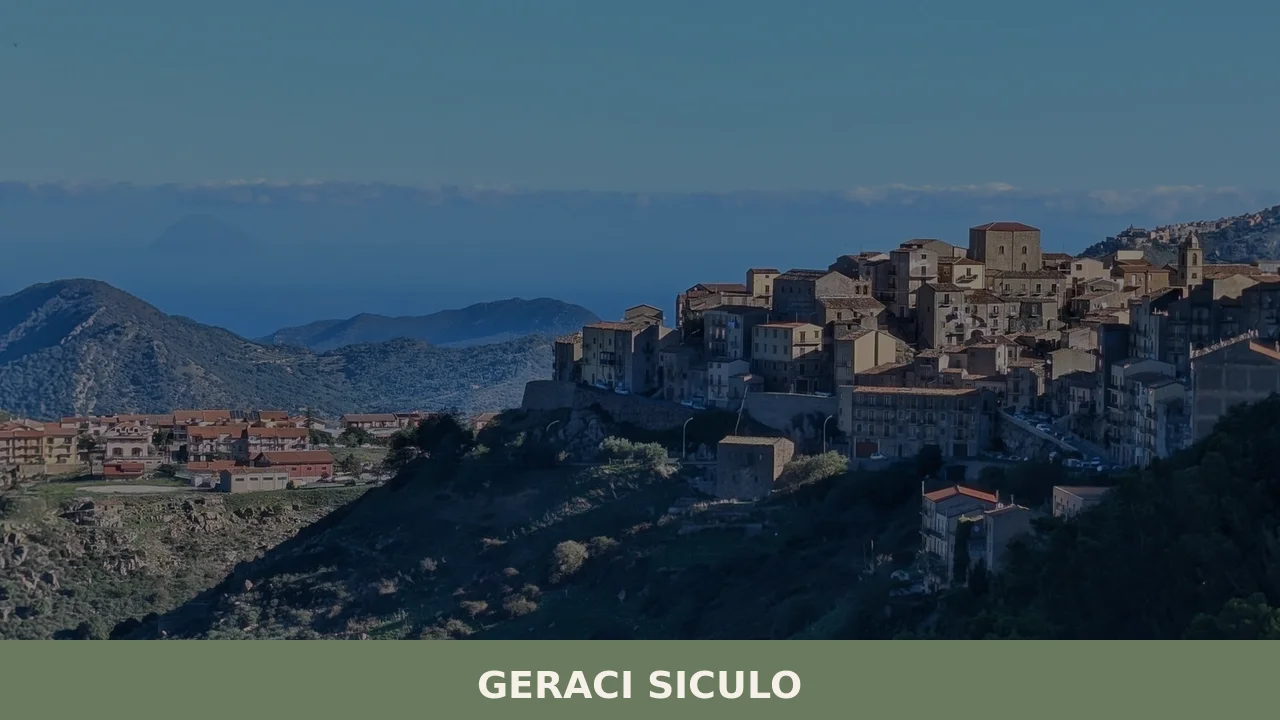
Geraci Siculo
 Mountain
What to see in Geraci Siculo, Italy? Discover this mountain village at 1077 m, an I Borghi più belli d’Italia member, and its San Bartolomeo feast. Explore its historic core and Madonie views.
Discover Geraci Siculo
At an elevation of 1077 m (3,533 ft) above sea level, the air in Geraci Siculo carries the scent of mountain herbs and distant pastures. This small community, with a population of 1,702 inhabitants, stands as a testament to enduring life in the rugged heart of the Madonie mountains. Its designation as one of I Borghi più belli d’Italia recognizes its preserved historical character and the quality of its environment.
For those wondering what to see in Geraci Siculo, this village, located 70 km (43 mi) southeast of in Sicilia, Italy, offers a genuine experience of mountain life.
The Geraci Siculo highlights include its well-preserved historic core, the stunning panoramic views from its high altitude, and the traditional celebrations centered around its patron saint. Visitors to Geraci Siculo will find a place where the rhythms of nature and community define daily existence.
History of Geraci Siculo
The origins of Geraci Siculo are deeply rooted in the strategic importance of its elevated position within the Madonie range, a characteristic shared with many ancient settlements across Sicilia. Its name, suffixed with “Siculo” to distinguish it from other places, underscores its strong connection to the island’s unique cultural and historical identity. While specific founding dates are not documented, the presence of settlements in such defensible locations often dates back to ancient times, serving as watchpoints or refuges.
Throughout centuries, the area around Geraci Siculo would have witnessed the ebb and flow of various civilizations that shaped Sicilia, from Greek and Roman influences to Arab and Norman dominations.
The village’s existence at 1077 m (3,533 ft) above sea level suggests a community that has adapted to and thrived within its mountainous environment, relying on local resources and a strong communal spirit. These historical layers, though not always marked by specific events in Geraci itself, form the backdrop against which its present-day character has evolved.
By modern times, Geraci Siculo has maintained its identity as a distinct mountain comune (municipality) within the Metropolitan City of Palermo. Its inclusion among I Borghi più belli d’Italia highlights a commitment to preserving its historical and architectural heritage, celebrating its long-standing presence in the Sicilian landscape.
This designation acknowledges the village’s success in retaining its traditional charm and authenticity for contemporary visitors.
What to see in Geraci Siculo, Sicilia: top attractions
The Historic Core and I Borghi più belli d’Italia Designation
The designation of Geraci Siculo as one of I Borghi più belli d’Italia immediately draws attention to its exceptionally preserved historic center. Walking through the village reveals a harmonious collection of stone buildings, narrow alleys, and small squares that reflect centuries of architectural tradition. This careful preservation ensures that the visual integrity and historical narrative of the village remain intact, offering visitors a direct connection to its past.
Panoramic Vistas from 1077 m
Standing at 1077 m (3,533 ft) above sea level, Geraci Siculo provides expansive panoramic views that are a key part of what to see in Geraci Siculo. From various vantage points within the village, visitors can gaze across the undulating peaks and valleys of the Madonie mountains, often stretching to the distant horizon. The clear mountain air enhances visibility, making these high-altitude perspectives particularly striking, especially during sunrise or sunset, and showcasing the vastness of the Sicilian interior.
The Madonie Mountain Landscape
Geraci Siculo is situated within the broader context of the Madonie mountains, an area characterized by significant natural beauty and biodiversity, a fact highlighted by the village’s “Montagna” theme.
The surrounding landscape, bordering municipalities like Petralia Soprana and Petralia Sottana, offers opportunities to explore a rich environment of forests, meadows, and unique rock formations. This natural setting provides a backdrop for outdoor activities and a chance to experience the rugged beauty of inland Sicilia.
The Church of San Bartolomeo
Central to the community life of Geraci Siculo is its main church, dedicated to San Bartolomeo, the village’s patron saint. While specific architectural details are not provided, such a church typically serves as a spiritual and social anchor, often featuring historical artwork and a distinct architectural style that reflects local traditions and historical periods.
Its presence underscores the deep-rooted religious and cultural traditions that continue to thrive in this mountain village, particularly evident during its annual feast day on August 24.
The Traditional Urban Fabric
The layout and structure of Geraci Siculo’s historic core represent a traditional urban fabric common to ancient mountain villages. Its winding streets and closely clustered houses were designed both for defense and to adapt to the steep terrain, a pattern that has persisted for centuries. Exploring these pathways allows visitors to observe the ingenious ways past inhabitants constructed their community, utilizing local stone and materials to create a coherent and resilient settlement that remains largely unchanged.
Local food and typical products of Geraci Siculo
The culinary traditions of Geraci Siculo are deeply intertwined with its mountain environment and the agricultural practices of the Madonie region. The altitude and climate naturally favor specific types of farming and animal husbandry, influencing the ingredients available and the dishes prepared. This results in a cuisine that is hearty, seasonal, and reliant on local produce, reflecting a history of self-sufficiency and resourcefulness within the community.
Typical dishes often feature ingredients sourced directly from the surrounding land, including various legumes, wild herbs, and vegetables grown in small plots.
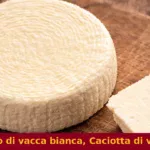
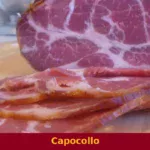
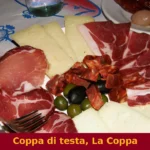
Given the prevalence of sheep and goat farming in mountain areas, local cheeses and cured meats are fundamental components of the diet. Traditional recipes emphasize simple, robust flavors, often involving slow cooking methods to bring out the depth of these ingredients, such as rich stews or freshly baked bread from local grains.
While specific certified products from Geraci Siculo are not detailed in the provided sources, the region is broadly known for high-quality dairy products, including different types of pecorino cheese, which is a staple across much of Sicilia. Locally produced olive oil and artisanal honey are also common products from similar mountain villages.
Visitors might find these items available in small local shops, representing the authentic flavors of the Madonie.
The absence of specific data on food fairs or markets means precise events cannot be listed. However, in many Sicilian villages, local produce and traditional crafts are often sold directly from producers or at small, informal markets, especially during community festivals or seasonal harvests. This offers an opportunity to discover genuine local products and support the village’s artisanal economy.
Festivals, events and traditions of Geraci Siculo
The spiritual and communal life of Geraci Siculo revolves significantly around its patron saint, San Bartolomeo. The annual feast in his honor is celebrated on August 24, a date that marks a key moment in the village calendar. This celebration typically involves a blend of religious solemnity and lively popular festivities, reflecting centuries of tradition in Sicilian mountain communities.
During the Festa di San Bartolomeo, the village comes alive with processions carrying the statue of the saint through the streets, accompanied by local bands and devoted parishioners.
These events often include musical performances, traditional dances, and the sharing of local foods, culminating in spectacular fireworks displays that illuminate the mountain sky. This annual tradition provides a vibrant insight into the cultural heritage and close-knit community spirit of Geraci Siculo, drawing both residents and visitors alike.
When to visit Geraci Siculo, Italy and how to get there
The best time to visit Sicilia, and particularly a mountain village like Geraci Siculo, largely depends on your preferred activities and tolerance for heat. Spring (April-May) and autumn (September-October) offer the most pleasant weather, with mild temperatures ideal for exploring the historic center and enjoying the Madonie landscape without the intense summer heat. These seasons also present lush greenery in spring and vibrant foliage in autumn, enhancing the visual appeal of the region.
Summer (June-August) brings warmer temperatures but also a lively atmosphere, especially around the San Bartolomeo feast on August 24.
The altitude of Geraci Siculo, at 1077 m (3,533 ft), often provides a welcome respite from the higher temperatures found in coastal areas, making it a good option for those seeking cooler air. Winter (November-March) can be cold and sometimes snowy, offering a quieter, more austere experience, suitable for visitors who appreciate solitude and dramatic mountain scenery.
To reach Geraci Siculo, most visitors arrive by car, as public transport options can be limited in mountain regions. The village is located approximately 70 km (43 mi) southeast of . For international travelers, the nearest major airports are Palermo Falcone Borsellino Airport (PMO) and Catania Fontanarossa Airport (CTA).
From these airports, renting a car is the most practical way to navigate the region, allowing flexibility to explore the Madonie. When visiting smaller villages like Geraci Siculo, it is advisable to carry some Euros cash, as card payments may not be universally accepted in all local establishments, and English proficiency might be limited in smaller shops.
Frequently asked questions about Geraci Siculo
What is the best time to visit Geraci Siculo?
Geraci Siculo is best visited in spring (April to June) for ideal hiking conditions on the Madonie trails and pleasant village exploration without coastal heat. Autumn is perfect for mushroom foraging in the surrounding forests and enjoying vibrant fall colours. Summers are cool, with highs rarely exceeding 28°C, making it a refreshing escape. Winters (December to February) are harsh with frequent snowfall. Don't miss the main event, the feast of San Bartolomeo, the patron saint, celebrated on August 24th with a traditional procession, and other local food festivals held during the summer months.
What to see in Geraci Siculo? Main monuments and landmarks
Explore the evocative Ruins of the Ventimiglia Castle, perched on a rocky outcrop, offering panoramic views of the Northern Imera valley and the Tyrrhenian coast. Descend to the Chiesa Madre di Santa Maria Maggiore, a 14th-century church housing a Renaissance polyptych. Visit the Church of Santo Stefano, a Norman-era gem with original 12th-13th century elements and ancient stonemasons' marks. Stroll through the old town to discover medieval watering troughs and historic stone fountains, testaments to the village's ancient water system. Don't miss the Ethno-Anthropological Museum, showcasing local traditions and tools. Check local information for specific opening hours.
What are the main natural or scenic attractions of Geraci Siculo?
Geraci Siculo is nestled within the stunning Madonie mountains, offering a wealth of natural beauty. The most prominent scenic attraction is the panoramic view from the castle ruins, extending across the Northern Imera river valley to the distant Tyrrhenian coastline. The surrounding oak and beech forests provide excellent opportunities for nature walks and, in autumn, mushroom foraging. Spring is ideal for exploring the numerous Madonie trails that crisscross the mountainous landscape, allowing visitors to immerse themselves in the pristine mountain environment.
Where to take the best photos in Geraci Siculo?
For breathtaking panoramic shots, head to the Ruins of the Ventimiglia Castle. From this elevated position, you can capture sweeping views of the entire village, the Madonie mountains, and the distant Tyrrhenian Sea. The unique medieval urban layout, visible from the castle, provides excellent photo opportunities of the coherent old town plan. Within the village, the square bell tower of the Chiesa Madre offers a striking subject from various viewpoints. The historic stone fountains and narrow, winding streets also provide picturesque scenes for capturing the authentic charm of Geraci Siculo.
Are there museums, churches or historic buildings to visit in Geraci Siculo?
Yes, Geraci Siculo offers several significant cultural sites. You can visit the Chiesa Madre di Santa Maria Maggiore, a 14th-century church featuring a Renaissance marble polyptych and Baroque details. The Church of Santo Stefano, dating back to the Norman period, preserves original 12th-13th century architectural elements. For a glimpse into local heritage, explore the Ethno-Anthropological Museum, which houses agricultural tools and items from Madonie communities. Don't miss the atmospheric Ruins of the Ventimiglia Castle and the historic medieval watering troughs and fountains scattered throughout the village. It's advisable to check locally for current opening hours of these sites.
What can you do in Geraci Siculo? Activities and experiences
In Geraci Siculo, you can immerse yourself in history by exploring the Norman castle ruins and ancient churches. Nature lovers can enjoy hiking on the Madonie trails, especially in spring, or go mushroom foraging in the surrounding oak and beech forests during autumn. Experience local culture by attending the patron saint's feast of San Bartolomeo on August 24th, or other summer food festivals. Savor the authentic local cuisine, from maccheroni al ferro with mutton ragù to Provola delle Madonie cheese, at the village's dining establishments. The village offers a tranquil retreat for exploring history, nature, and gastronomy.
Who is Geraci Siculo suitable for? Families, couples, hikers, solo travelers?
Geraci Siculo is ideal for travelers seeking an authentic, off-the-beaten-path experience in Sicily's mountains. It appeals strongly to history buffs, eager to explore its layered past from Greek to Aragonese dominations, visible in the castle and churches. Hikers and nature enthusiasts will appreciate its location in the Madonie mountains, with ample trails and cool summer temperatures. Foodies will love the traditional mountain cuisine and local products. It's perfect for couples and solo travelers looking for cultural immersion, tranquility, and a refreshing escape from coastal crowds. While accessible, having a car is recommended for exploring the wider Madonie region.
What to eat in Geraci Siculo? Local products and specialties
Geraci Siculo's cuisine is deeply rooted in its pastoral traditions. Must-try local products include Provola delle Madonie cheese and fresh sheep's-milk ricotta. Signature dishes feature maccheroni al ferro served with a rich mutton ragù, hearty legume soups often enhanced with wild fennel, and succulent lamb baked in the oven with potatoes. Homemade bread, still baked in wood-fired ovens, complements local cured meats and aged cheeses. In autumn, don't miss the opportunity to taste foraged mushrooms like porcini and ovoli. For dessert, indulge in ricotta-based sweets, sfince, and traditional almond biscuits.
Nearby Villages near Geraci Siculo
In Sicily More villages to discover
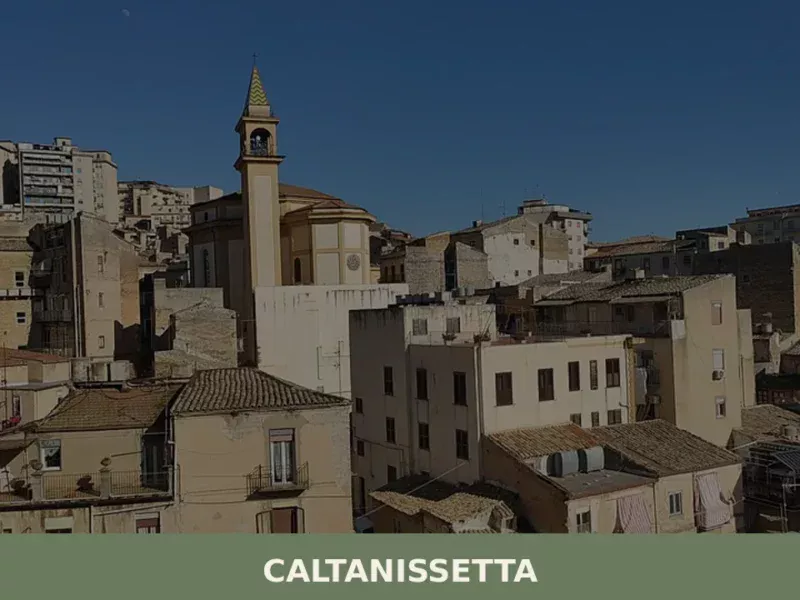
Caltanissetta
 Hills
Hills
What to see in Caltanissetta: 61,000 residents at 568m, from Castello di Pietrarossa to Baroque churches and Holy Week. Plan your visit with this complete guide.
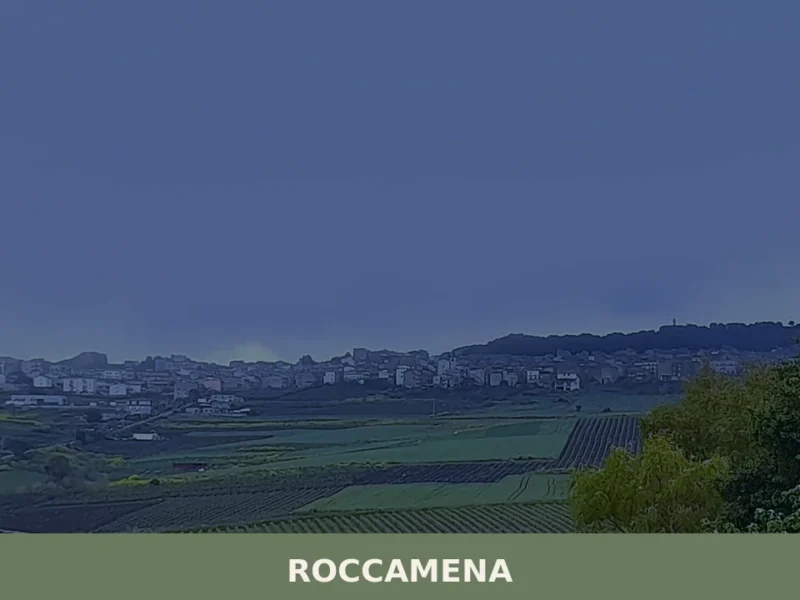
Roccamena
Hills
What to see in Roccamena, a village at 480 m in the province of Palermo: main church, Monte Genuardo reserve, rural farmsteads, local food and practical info.
Poggioreale
Hills
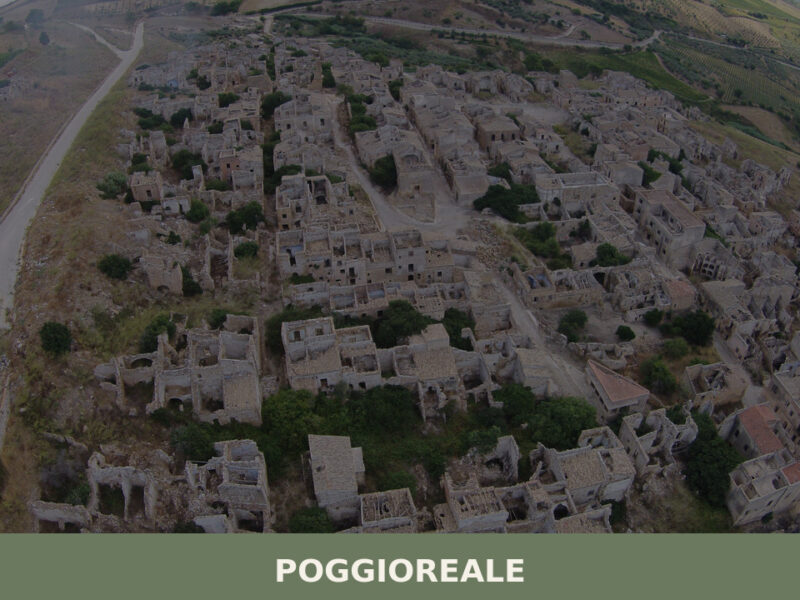
Morning light falls across cracked stone walls and doorways that open onto nothing but sky. In Poggioreale, silence is the dominant sound — the kind that presses against your ears and demands attention. This small community of roughly 1,505 inhabitants sits in the western interior of Sicily, within the province of Trapani, where the Belìce […]
Cefalà Diana
Hills
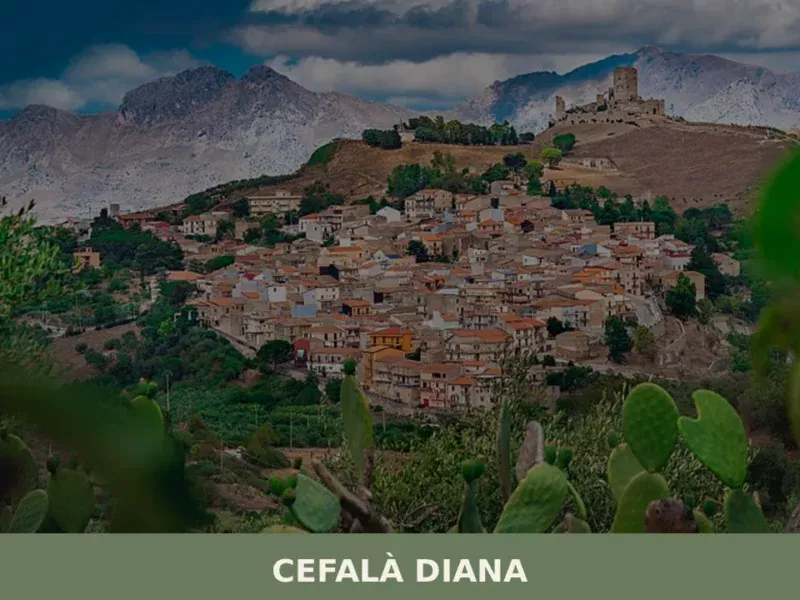
Discover what to see in Cefalà Diana, Sicily: Arab-Norman baths, castle ruins, local food, best season to visit, and how to get there from Palermo.
Messina
 Sea
Sea
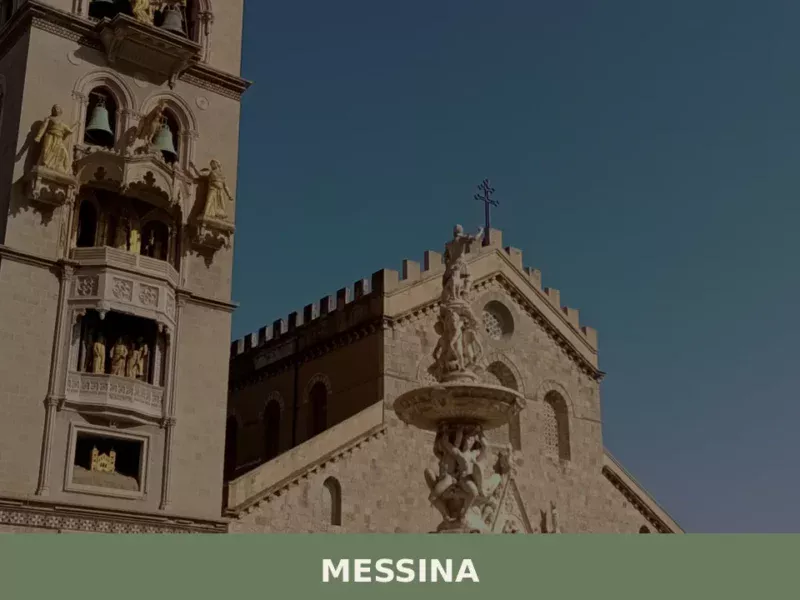
What to see in Messina: 242,267 inhabitants, the astronomical clock tower, two Caravaggios and the Norman Cathedral. Plan your visit and discover how to get there.
Gratteri
Mountain
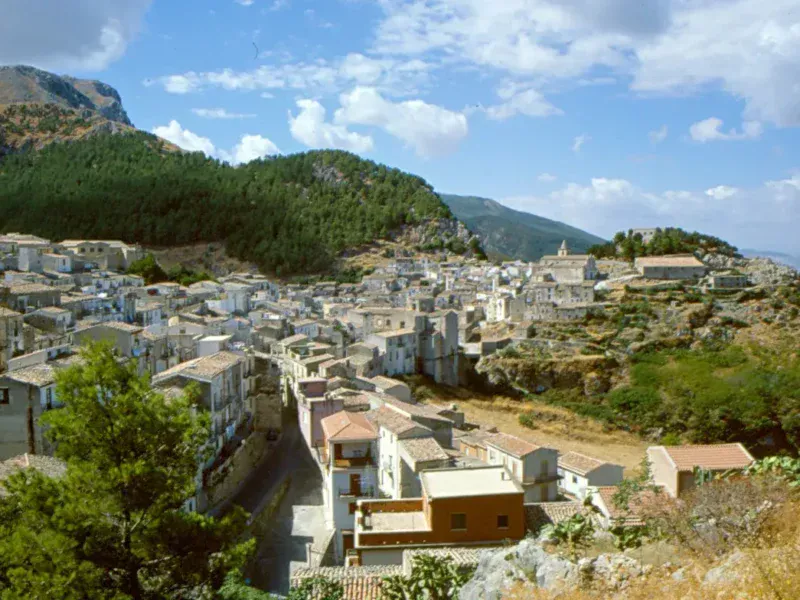
Gratteri, a medieval village in the province of Palermo: history, mother church and stone streets. Discover how to visit it and how to get there from the Madonie.
Campofiorito
Mountain
Campofiorito sits at 660 metres above sea level in the province of Palermo, a small agricultural commune of 1,321 inhabitants whose name translates literally as “field of flowers.” Founded as a feudal settlement in the early eighteenth century, the village occupies a limestone ridge in the upper Belìce valley, surrounded by wheat fields and grazing […]
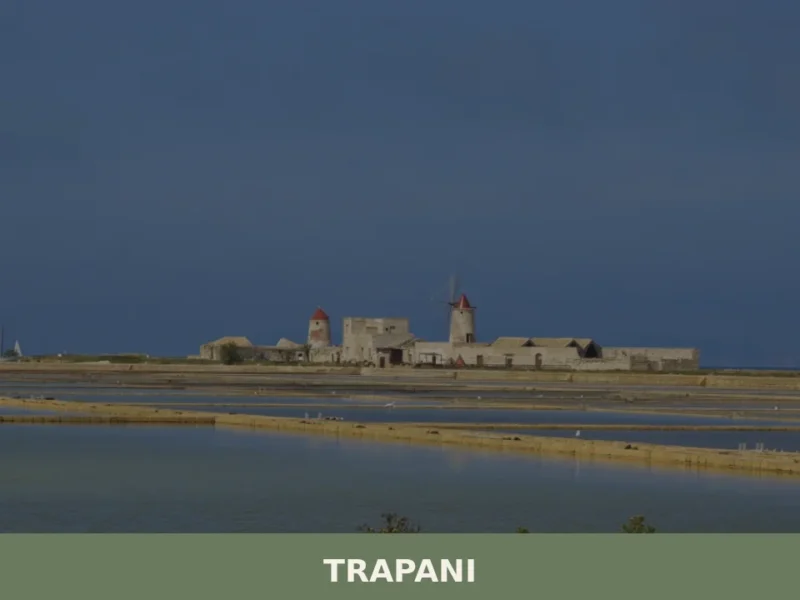
Trapani
Sea
What to see in Trapani: salt pans, Pepoli Museum, Procession of the Misteri and Trapanese pesto. City of 68,967 inhabitants. Plan your visit now.
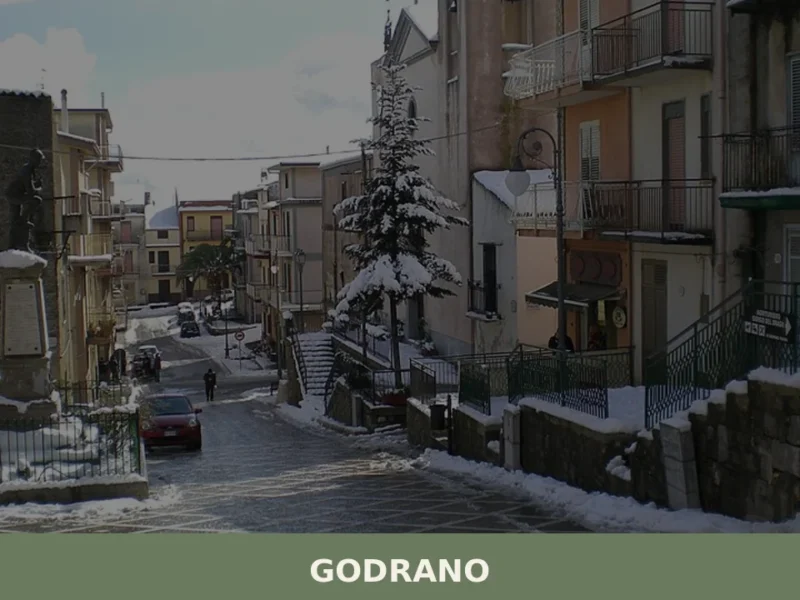
Godrano
Mountain
What to see in Godrano: from the Bosco della Ficuzza Reserve to the Palazzina Reale, churches and cuisine of the Sicani hinterland at 693 m above sea level.
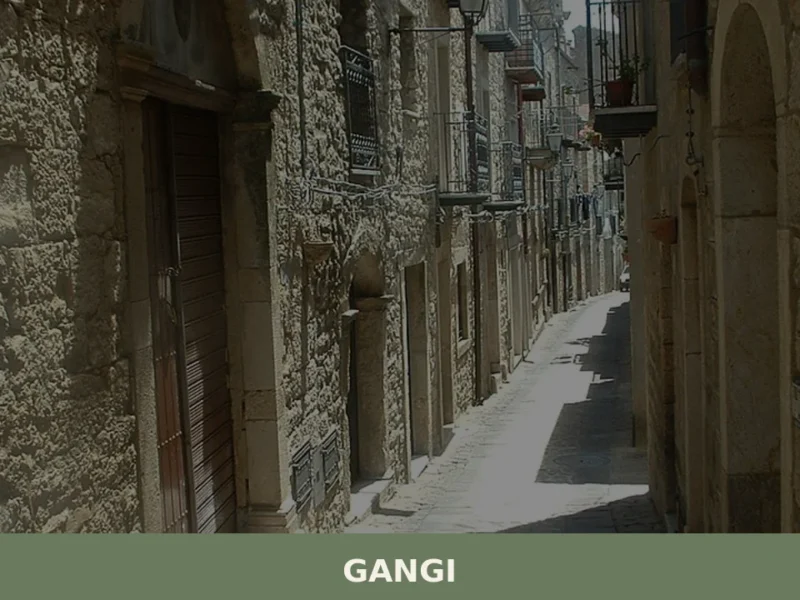
Gangi
Mountain
What to see in Gangi: Explore this Sicilian village at 1011m. Discover its rich history, typical cuisine, and the vibrant Sagra della Spiga. Plan your visit today!
🏡 Know Geraci Siculo better than we do?
If you’re a local or have been there, your knowledge matters: add what’s missing or fix a detail on this page.