


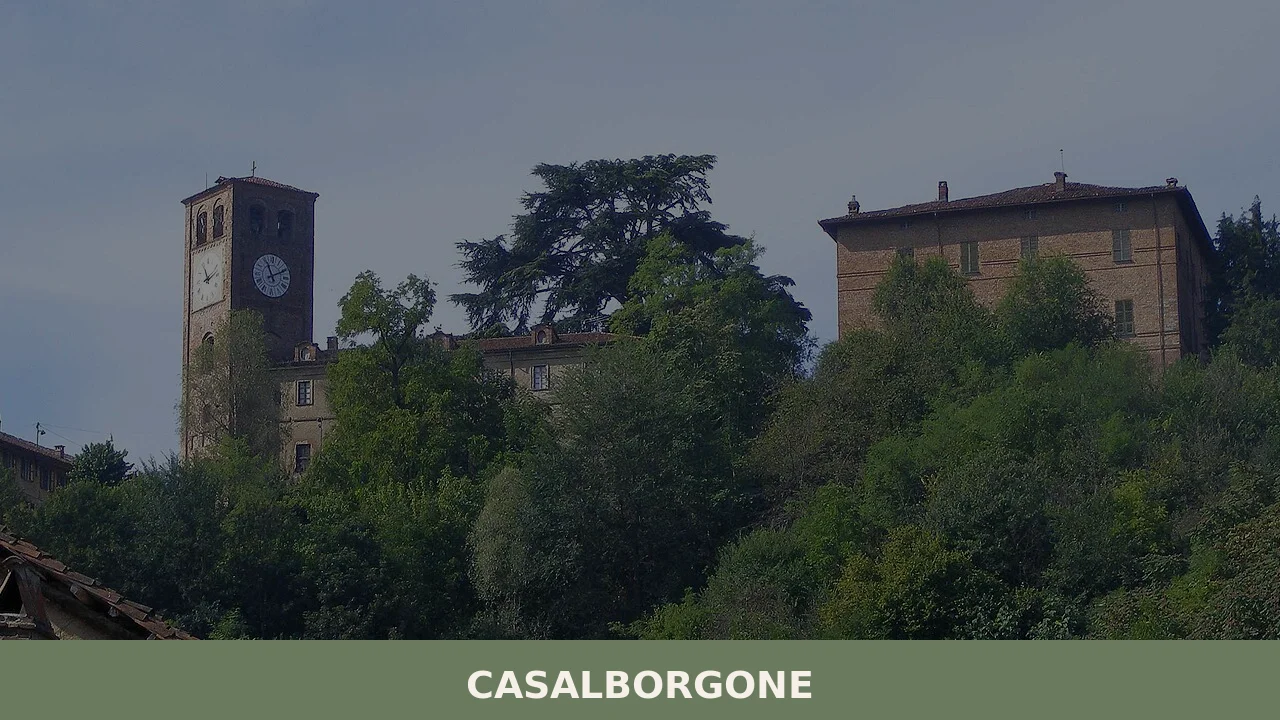
Casalborgone
 Hills
Hills
Scopri Casalborgone, affascinante borgo storico del Piemonte: storia, tradizioni e paesaggi mozzafiato nel cuore del Monferrato.
Discover Casalborgone
The hills northeast of Turin shift from flat agricultural plain into a sequence of low ridges where the Po tributaries cut shallow valleys between vine rows and cereal fields. Casalborgone stands in this transitional zone, roughly 20 kilometres (12 mi) from the Piedmontese capital, where the landscape thickens and road signs begin to list the names of smaller comuni branching off the provincial routes. The eight municipalities that border the town — among them San Sebastiano da Po, Lauriano, Castagneto Po, Rivalba, Tonengo, Aramengo, Berzano di San Pietro, and Cinzano — mark a cluster of communities that share the same gently rolling terrain of the Chivassese and Monferrato margins.
Knowing what to see in Casalborgone means understanding a compact Piedmontese comune within the Metropolitan City of Turin, positioned at a practical distance for a day trip from Turin and from broader Piemonte.
Visitors to Casalborgone find a medieval village core, a parish church with documented historical fabric, agricultural traditions rooted in the Po hill belt, and a series of neighbouring territories that extend the itinerary naturally into the surrounding landscape. The Casalborgone area sits approximately 20 km (12 mi) northeast of Turin, making it a realistic half-day or full-day excursion from the regional capital.
History of Casalborgone
The name Casalborgone combines two elements common in northern Italian topography. Casal, derived from the Latin casalis, denotes a small rural settlement or a group of agricultural dwellings attached to a larger estate — a pattern of land organisation that spread across the Po plain during the early medieval period as Lombard and Frankish systems reorganised rural territories.
The second element, borgone, appears to function as an augmentative of borgo, meaning a substantial village or fortified settlement, suggesting that the site had achieved a degree of size or defensibility that distinguished it from purely dispersed farmsteads. This combination points to a foundation rooted in early medieval agrarian organisation, when the hills between the Po and the Monferrato ridge were divided among ecclesiastical and secular lords.
The Metropolitan City of Turin, within whose boundaries Casalborgone falls today, corresponds historically to the territories once controlled by the House of Savoy, which expanded its influence across Piedmont from the eleventh century onward. Communities in this northeastern sector of the Turinese hills were subject to a layered system of feudal authority, with local lords, monastic houses, and the broader Savoyard administration each holding stakes in agricultural production, road control, and military defence.
The positioning of Casalborgone along the routes connecting Turin to the Monferrato and Asti areas would have given it strategic relevance as a waypoint, a market settlement, and a node in the network of hilltop villages that characterised medieval Piedmontese settlement patterns. Over subsequent centuries, control of such communities passed through inheritance, war, and treaty, gradually consolidating under unified Savoyard governance by the early modern period.
By the nineteenth century, with the formation of the Kingdom of Sardinia and eventually the unified Kingdom of Italy in 1861, Casalborgone was incorporated into the administrative structure of the Province of Turin, a designation that persisted through Italy’s various administrative reforms. The creation of Metropolitan Cities in 2015, under Law 56/2014, replaced the former provincial structure with the Metropolitan City of Turin, giving Casalborgone its current administrative identity.
The village retains its status as an independent comune, a municipality with its own elected administration, within this wider metropolitan framework. Its population has remained modest, consistent with the demographic pattern of small hill communities in the Po belt that experienced gradual rural depopulation across the twentieth century as residents moved toward the industrial centres of Turin and the surrounding plain.
What to see in Casalborgone, Piemonte: top attractions
The Historic Village Core and Medieval Street Plan
The oldest part of Casalborgone preserves the compact footprint typical of fortified hilltop settlements in the Chivassese: narrow lanes running parallel to the ridge contour, stone and brick construction in the local tradition of the Piedmontese hills, and a spatial logic determined by defence and agricultural storage rather than later urban planning.
Walking the central streets, visitors can identify the original medieval cadastral units in the irregular plot boundaries and the thickness of load-bearing walls that pre-date modern construction techniques. The village sits within a wider cluster of eight bordering municipalities, so the urban edge is abrupt — fields begin where the last house ends. Early morning, before vehicle traffic increases on the provincial road, is the most practical time to observe the street plan without obstruction.
Parish Church of Casalborgone
The parish church forms the ecclesiastical core of the settlement and its fabric reflects successive phases of construction and modification common to rural Piedmontese religious buildings, where Romanesque foundations were extended and redecorated through the Baroque period of the seventeenth and eighteenth centuries. The exterior presents the characteristic local use of brick, a material dictated by the scarcity of quality stone in the Po hill belt and the availability of clay from the valley floors.
Inside, the nave proportions and the altar arrangements follow the post-Tridentine layout that became standard across Piedmont after the Council of Trent concluded in 1563. Visitors should check local opening hours before arrival, as rural parish churches in this part of Piemonte are typically accessible during morning services and on Sunday.
Panoramic Views Toward the Po Valley and the Alps
From the higher ground of the Casalborgone ridge, the view north and west opens across the Po plain toward the Alpine arc, with peaks including Monte Rosa and the Gran Paradiso massif visible on clear days between autumn and spring when atmospheric haze is reduced. The village sits at an elevation that places it above the morning fog layer — the nebbia padana, or Po Valley fog — which settles on the flat agricultural land below during the colder months, creating a visual separation between the hill settlements and the obscured plain.
This fog-inversion phenomenon, well documented in Piedmontese meteorology, means that clear views from the village are most reliable between October and March, precisely when the plain below is least visible from ground level. The panoramic points are accessible on foot from the village centre within a few minutes.
The Surrounding Countryside and Agricultural Landscape
The land immediately around Casalborgone belongs to the viticultural and cereal belt that stretches across the Monferrato foothills into the Chivassese, a territory where Grignolino, Freisa, and Barbera grape varieties are cultivated alongside wheat and maize in the field rotations characteristic of mixed Piedmontese farming. Several of the eight bordering municipalities — including Lauriano and San Sebastiano da Po — sit along or near the Po river, approximately 5 to 8 km (3 to 5 mi) from Casalborgone, accessible by provincial road.
Walking routes through the vineyards and along the ridge connect the village to this agricultural context directly. The grape harvest, which typically runs from mid-September through October in this elevation range, brings visible activity to the landscape and is the most practical season to observe the working agricultural character of the area.
Day-Trip Circuit Through the Bordering Municipalities
Casalborgone functions as a natural starting point for a circuit through the eight adjacent municipalities, each within 5 to 12 km (3 to 7.5 mi) by road. Cinzano, directly to the south, gives its name to a territory historically associated with wine production in the broader Piedmontese tradition. Rivalba and Castagneto Po lie to the west along routes that descend toward the Po plain, while Aramengo and Berzano di San Pietro extend the circuit eastward into the lower Monferrato margins.
A full circuit by car covers roughly 40 to 50 km (25 to 31 mi) and takes two to three hours excluding stops. Those interested in exploring similar hill settlements further south in Piemonte can also visit Almese, which occupies a comparable position in the foothills west of Turin.
Local food and typical products of Casalborgone
The food culture of Casalborgone belongs to the culinary geography of the Turinese hill belt, a zone where Piedmontese cooking traditions from the Monferrato and the Po plain overlap. This area has historically produced wine, cereal crops, and livestock on smallholdings, and the kitchen that developed from this productive base is direct and ingredient-led, relying on slow cooking techniques, animal fats, and the seasonal availability of vegetables and fungi from the surrounding woods and fields. The influence of Turin as the nearest large city — 20 km (12 mi) to the southwest — introduced court-derived preparations alongside the rural base, a duality visible in Piedmontese cooking across the metropolitan hinterland.
Among the preparations most closely associated with this part of Piemonte, tajarin al ragù occupies a central position: these are egg-rich pasta ribbons, cut thinner than standard tagliatelle, dressed with a slow-cooked meat sauce built from local beef or mixed offal depending on the household tradition.
Brasato al Barolo — beef braised over several hours in red wine — represents the broader Piedmontese canonical technique applied to locally available cuts, though in the Chivassese the Barolo may be substituted with local Grignolino or Freisa. Bagna càuda, the warm dipping sauce of anchovies, garlic, and olive oil into which raw and cooked vegetables are dipped communally, is the most socially embedded preparation of the Piedmontese autumn table, traditionally eaten between October and February when the cardoon — cardo gobbo — is harvested from the Nizza Monferrato area to the southeast.
The Piedmontese hills around Turin also produce Grignolino d’Asti and Freisa di Chieri, two DOC red wines whose production zones extend close to the Casalborgone area. Freisa di Chieri DOC covers municipalities in the Chieri district, approximately 15 km (9.3 mi) southwest of Casalborgone, and produces a lightly tannic, sometimes sparkling red from the Freisa grape that pairs with the cured meats and first courses of the Piedmontese table.
Local agricultural producers and cantinas in the surrounding comuni typically sell directly from the cellar, particularly during and after the October harvest period. The Astigiano wine tradition extends further southeast, connecting this area to the broader Monferrato designation that encompasses producers from Asti to Casale Monferrato.
For visitors interested in tasting the full range of local products, the autumn months between September and November concentrate the most activity: grape harvests, truffle markets in Alba (approximately 60 km / 37 mi to the south), and the seasonal slaughter and cured meat production that marks the colder weeks. Local markets in the surrounding comuni typically operate on fixed weekly days, and purchasing directly at farm gates remains a common practice in this part of the Turinese hill belt.
Carrying cash is practical, as smaller producers and market stalls in rural Piemonte may not accept card payment.
Festivals, events and traditions of Casalborgone
Rural communities in the Turinese hills organise their festive calendar around the patron saint’s day, the agricultural seasons, and the broader Piedmontese tradition of the sagra, a food and wine festival tied to a specific local product or harvest period. In comuni of Casalborgone’s size across this part of Piemonte, the patron saint celebration typically involves a votive Mass, a street procession through the village, and an evening of communal eating, often outdoors in summer. The precise date of the patron feast for Casalborgone follows the liturgical calendar assigned to the church’s dedication, and local residents gather for both the religious and civic dimensions of the event.
The autumn season brings the most concentrated cycle of local events across the Chivassese and Monferrato margins, with harvest festivals in neighbouring municipalities drawing visitors from the broader Turinese area. The Piedmontese tradition of the fiera — a periodic market fair with commercial and social functions — has roots in the medieval grant of market rights to individual comuni, and several villages in the Casalborgone orbit maintain these periodic markets into the present. The colder months also see the preparation of cured meats and the communal activities associated with cellar work, which in wine-producing areas like this one function as informal social occasions as much as practical tasks.
When to visit Casalborgone, Italy and how to get there
The best time to visit Casalborgone and its surrounding area falls between late September and early November, when the grape harvest is active, the alpine views are sharpest, and the local food calendar reaches its peak with truffles, cured meats, and new wine.
Spring — April through June — offers a second viable window, when the fields carry early crops, temperatures are moderate, and the fog of the Po winter has lifted. July and August bring higher temperatures and reduced agricultural activity; the landscape is dry and some local businesses reduce hours. Winter visits between December and February are feasible and offer the fog-inversion views from the ridge, but shorter daylight hours limit the circuit of bordering municipalities to a single day.
Casalborgone is located approximately 20 km (12 mi) northeast of Turin, making it a straightforward day trip from the city. By car, the most direct route leaves Turin via the Casale Monferrato direction on the SS590 or equivalent provincial roads, reaching Casalborgone in approximately 30 to 40 minutes depending on traffic. The nearest motorway access is the A4 Turin–Milan autostrada, with the Chivasso Est exit approximately 10 km (6.2 mi) from Casalborgone by provincial road.
The nearest major railway station is Chivasso, served by Trenitalia regional services from Turin Porta Nuova, with journey times of approximately 20 minutes; from Chivasso, Casalborgone requires onward transport by car or local bus. Turin Airport (Torino Caselle) lies approximately 25 km (15.5 mi) to the northwest, reachable in around 30 to 40 minutes by car. From Milan, the driving distance is approximately 130 km (81 mi) via the A4 motorway, making it viable as a half-day extension of a Turin visit. International visitors should note that English is not widely spoken in smaller shops and restaurants in rural Piemonte, and carrying Euro cash is advisable for markets and farm purchases.
Those arriving from the direction of Vercelli — approximately 40 km (25 mi) to the north — can combine a visit to Casalborgone with the broader Piedmontese itinerary that takes in the rice-producing Vercellese plain and the hill communities of the Chivassese. Travellers with time for a longer regional circuit might also extend south toward Angrogna in the Pellice Valley, or west to Vercelli, which anchors the northern end of a Piemonte tour and provides mainline rail connections.
The village of Cuneo, approximately 90 km (56 mi) to the southwest, sits at the edge of the same broad regional circuit for visitors planning a longer stay across southern Piemonte.
📷 Photo Gallery — Casalborgone
Nearby Villages near Casalborgone
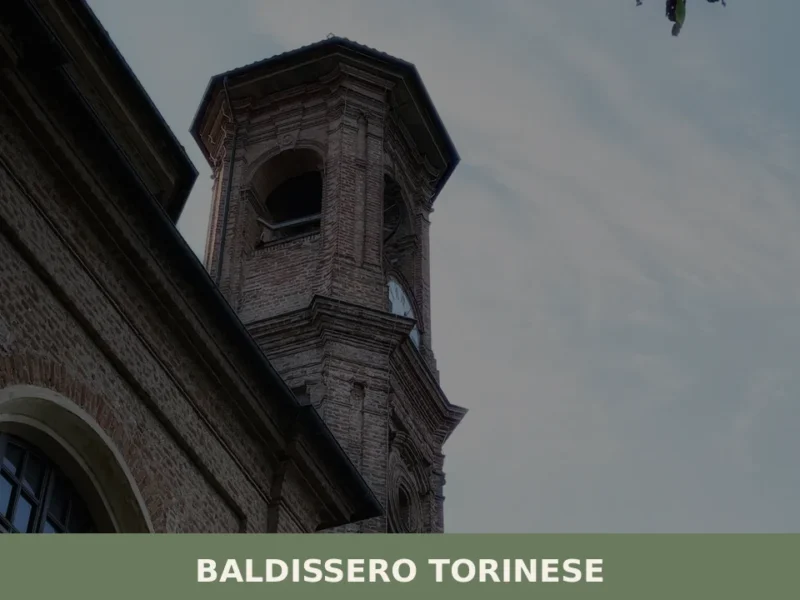
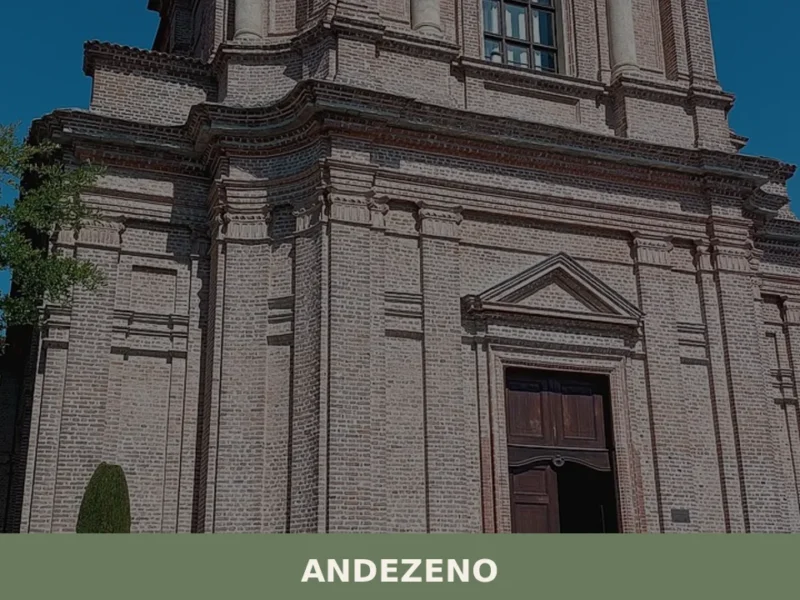
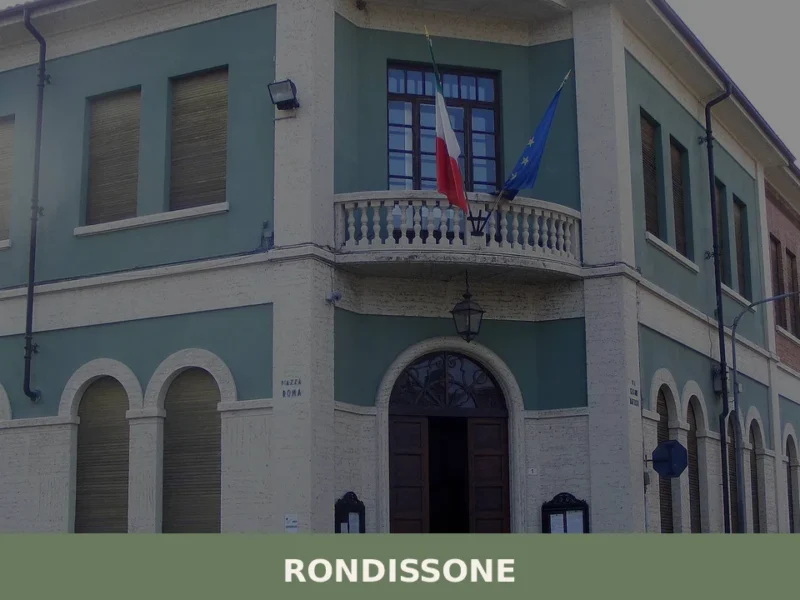
In Piedmont More villages to discover
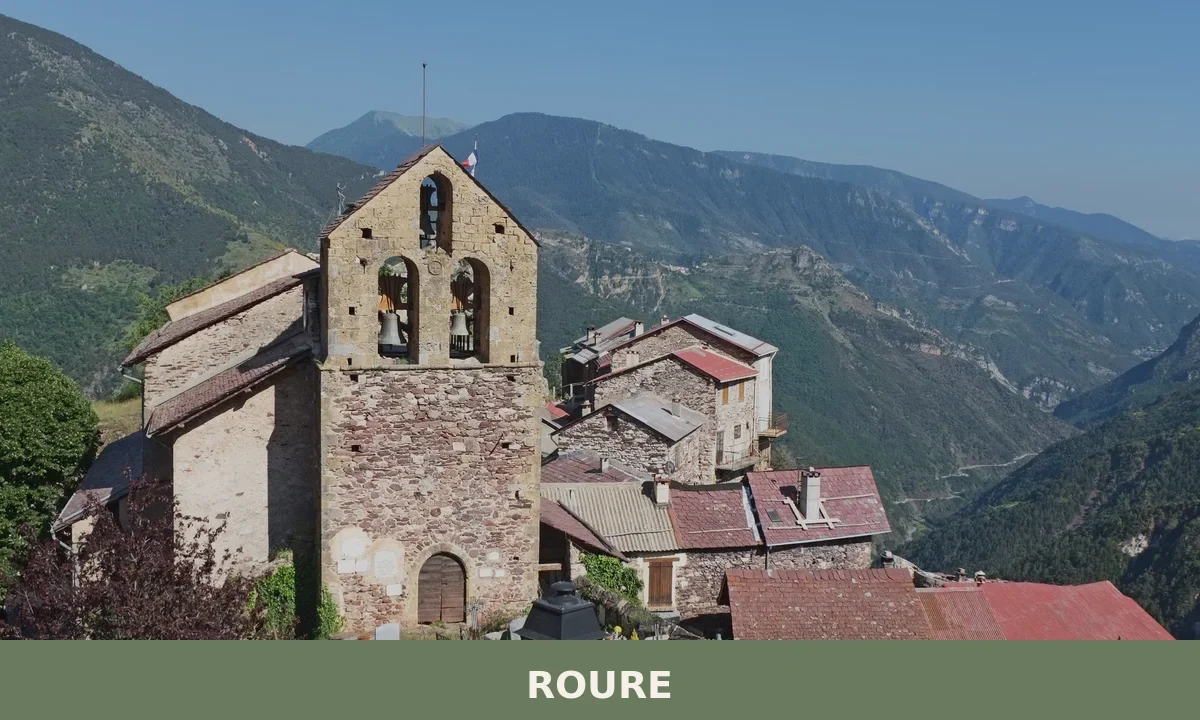
Roure
 Mountain
A dispersed mountain commune of 752 residents in Turin province. Stone hamlets linked by valley pathways, climbing crags and 2000-metre drops into wilderness.
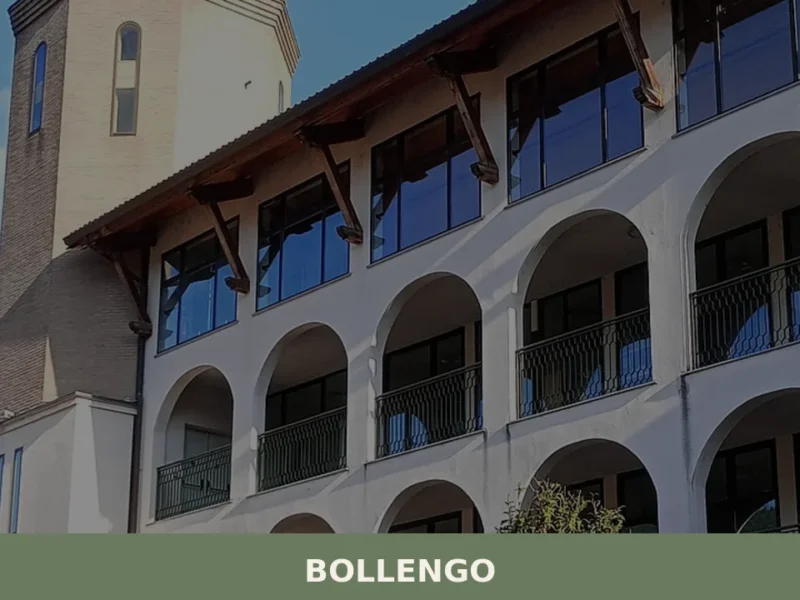
Bollengo
Hills
Discover what to see in Bollengo, a 2,089-resident comune in the Canavese area of Piemonte: morainic landscapes, Erbaluce DOCG wines, and rural architecture.
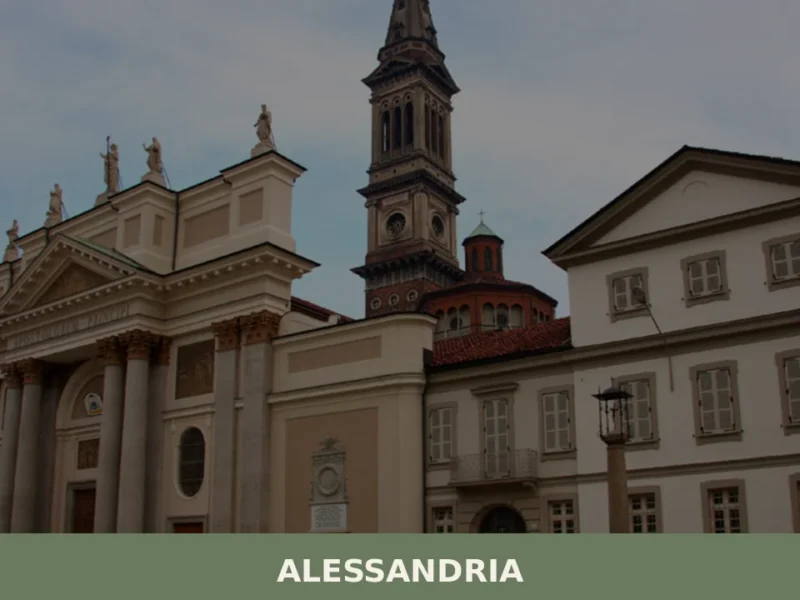
Alessandria
 Plains
What to see in Alessandria: city at 95m in Piemonte with a military Citadel and Borsalino Museum. Explore 5 attractions, rabaton and Gavi DOCG wines.
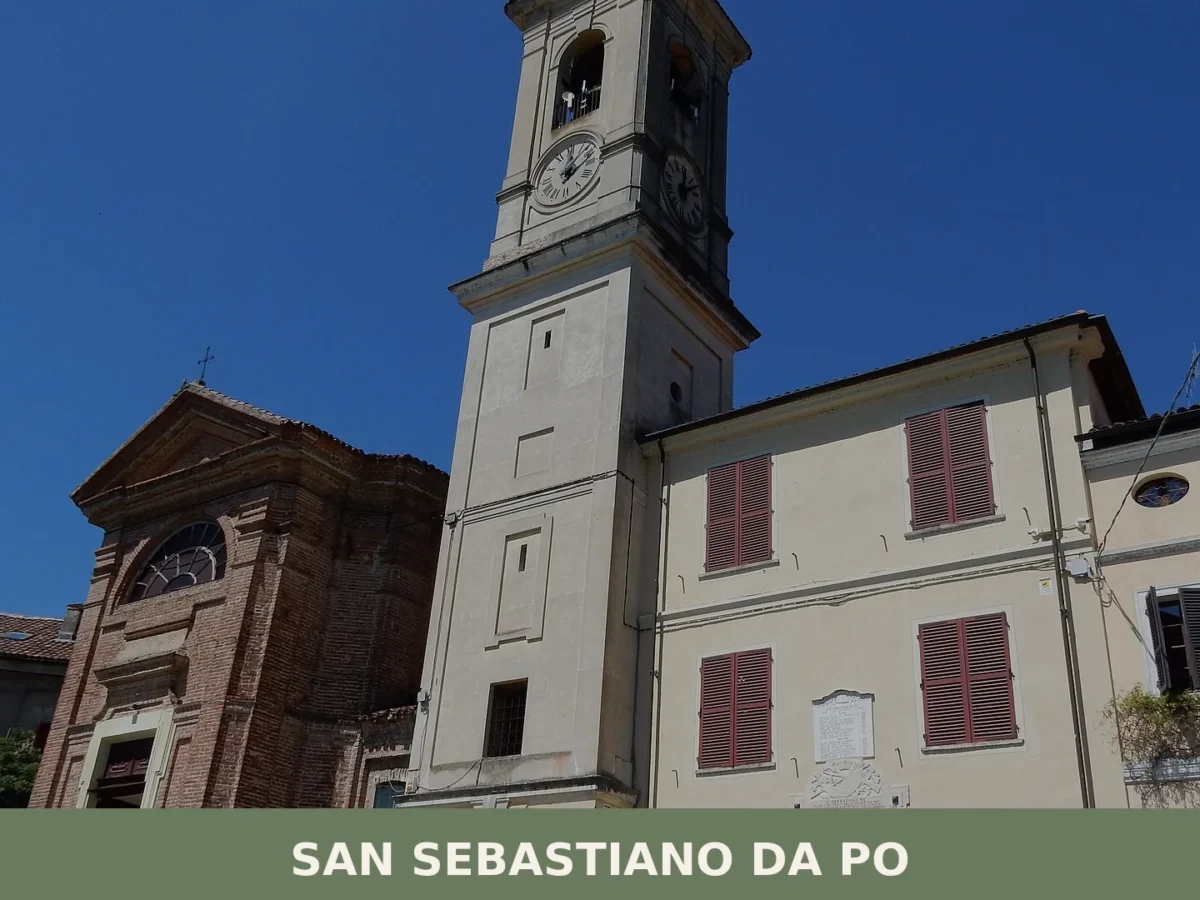
San Sebastiano da Po
Hills
1,883 residents, 175 metres altitude. A small commons caught between two dynasties, where medieval councils gathered in parish chapels and barges crossed the Po.
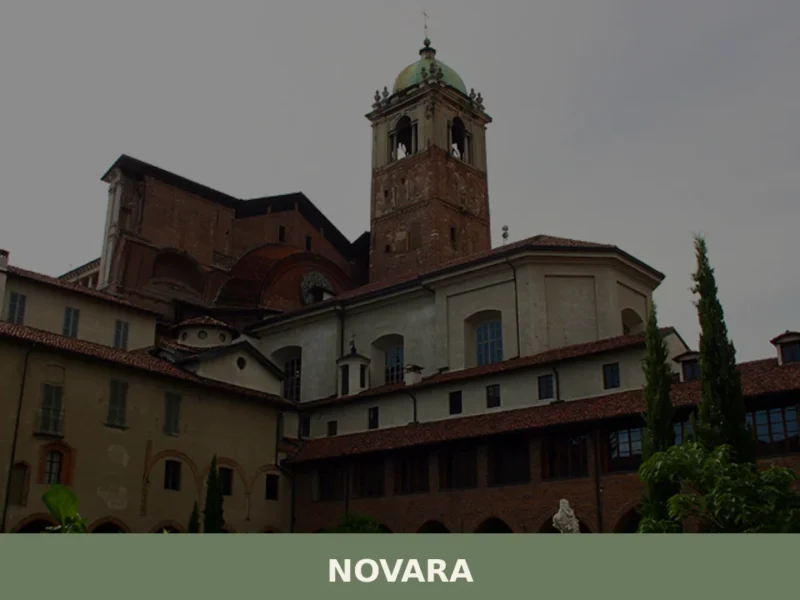
Novara
Plains
What to see in Novara: city at 162 m with 101,000 residents. Explore the Antonelli dome, 4th-century baptistery, paniscia and Colline Novaresi DOC wines.
Bardonecchia
Mountain
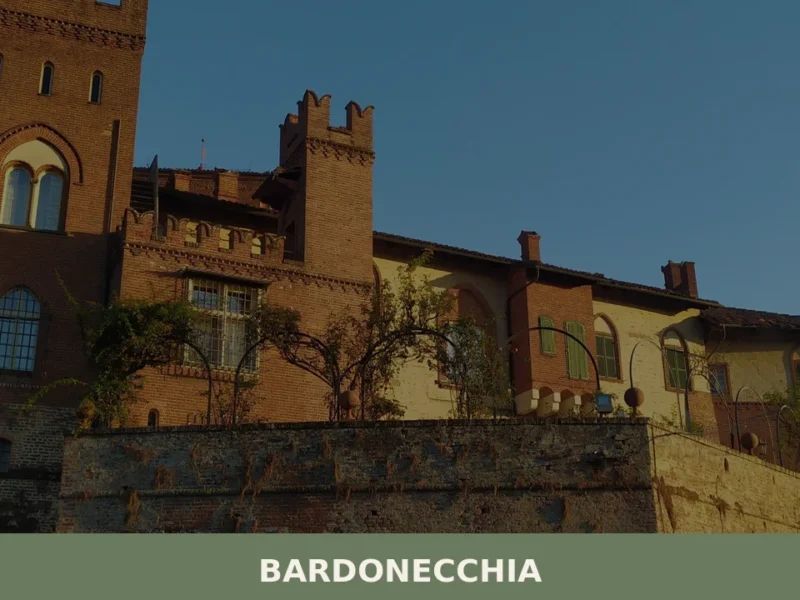
Bardonecchia is the westernmost municipality in Piedmont and one of the historic Alpine crossing points into France, via the Colle della Scala and the Fréjus pass. Located in the upper Val di Susa at an altitude of over 1,300 metres, the town can be reached from Turin in around an hour and a half by […]

Prarostino
Mountain
Population 1,230. A foothill comune where partisan memory and valley crossroads define the landscape and village rhythm.
Banchette
Hills
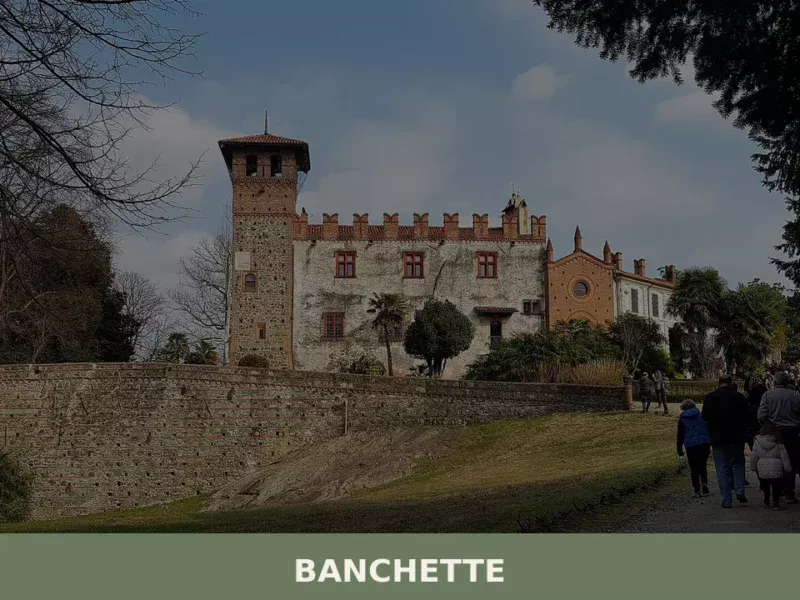
Banchette is a municipality of 3,087 inhabitants in the province of Turin, situated at 266 metres above sea level on the Canavese plain, a few kilometres from Ivrea. Those wondering what to see in Banchette will find a settlement whose modern identity owes more to industry than to the Middle Ages: the area underwent significant […]
Caselette
Hills
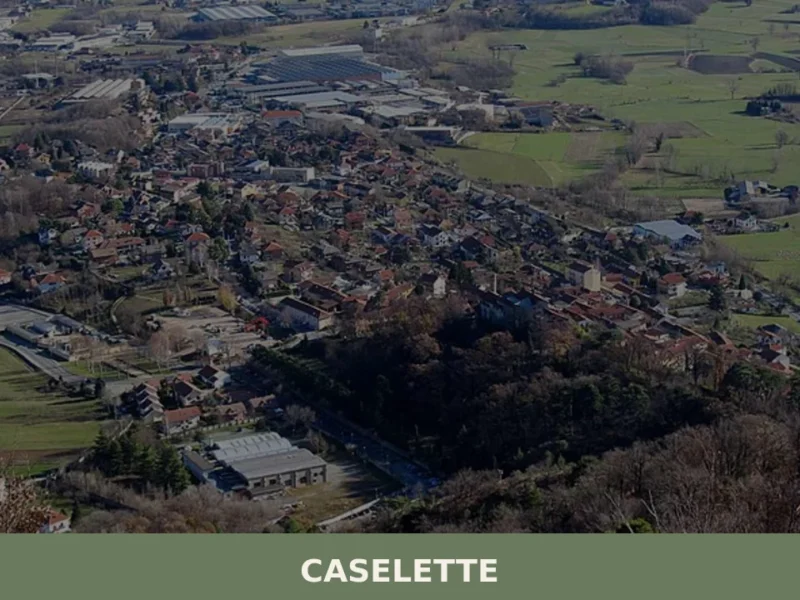
At the foot of Monte Musinè, where the plain of Turin gives way to the first folds of the Val di Susa, a mass of rock the size of a house sits in open ground. The Pietra Alta, one of the largest glacial erratics in the whole of Piedmont, was deposited here by glacial movement […]
Biella
Hills
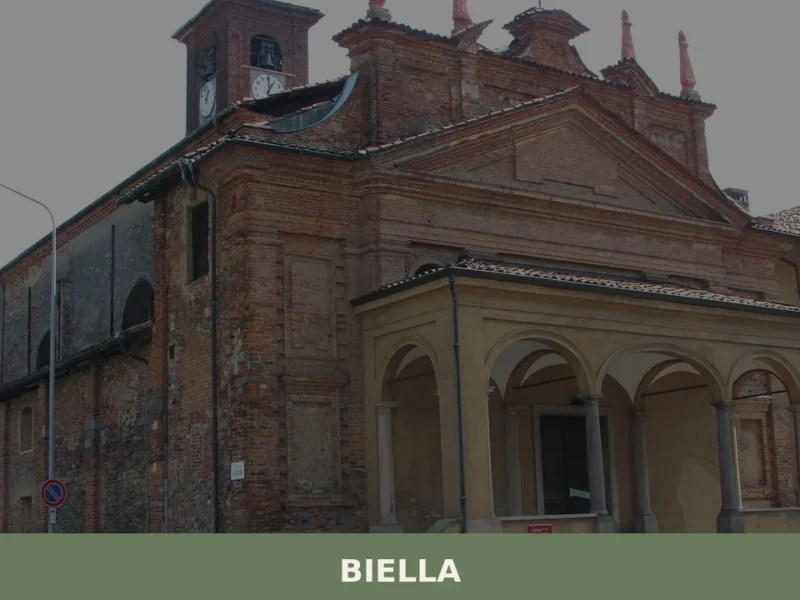
what to see in biella, Italy? Explore the UNESCO Sanctuary of Oropa and Biella's historic 420m altitude Piazzo quarter. Read our guide for top attractions.

🏡 Know Casalborgone better than we do?
If you’re a local or have been there, your knowledge matters: add what’s missing or fix a detail on this page.