


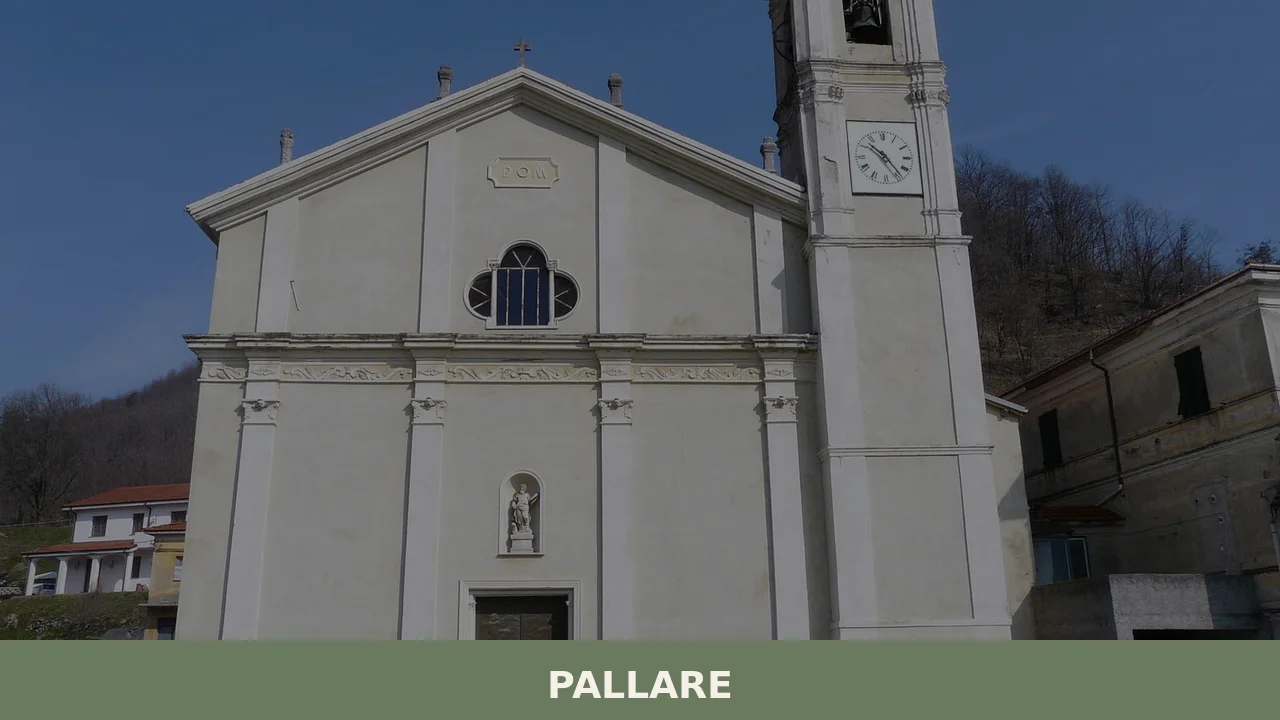
Pallare
 Mountain
what to see in pallare: Explore this Ligurian comune, 15 km from Savona, Italy. Discover its geographical context and accessibility. Read our guide.
Discover Pallare
Located about 50 kilometres (31 mi) west of Genoa, in the Province of Savona, the Italian comune of Pallare offers a glimpse into inland Ligurian life.
This small municipality, situated approximately 15 kilometres (9 mi) west of Savona, serves as a gateway to the less-traveled valleys and hills of the region.
Its position within Liguria’s varied landscape highlights a contrast to the well-known coastal areas, presenting a different facet of the Italian Riviera’s hinterland.
For those wondering what to see in pallare, this guide provides insights into its geographical setting and what makes this locale, about 15 km (9 mi) from the major port city of Savona, distinct. Visitors to Pallare find a quiet environment, defined by its administrative boundaries with neighbouring municipalities such as Bormida and Millesimo, which delineate its specific place within the Ligurian landscape.
This introduction focuses on the verifiable aspects that contribute to understanding Pallare, Italy.
History of Pallare
The administrative history of Pallare, like many smaller localities in Italy, is primarily defined by its status as a comune, which is the basic administrative division in the country. Situated within the Province of Savona in the Liguria region, Pallare functions as a self-governing entity responsible for local services and governance. Its geographical placement, approximately 50 kilometres (31 mi) west of the major port city of Genoa and 15 kilometres (9 mi) west of Savona, has historically positioned it within the broader Ligurian context.
Liguria itself has a long history, influenced by maritime trade and its strategic position between France and central Italy, though specific records for Pallare are not detailed in the provided sources.
The geographical boundaries of Pallare delineate its specific place within the Ligurian interior, bordering municipalities such as Bormida, Carcare, Mallare, Millesimo, Osiglia, and Plodio.
These adjacent communities suggest a shared regional history, common to many settlements in the Savona hinterland, where daily life and development were often intertwined with agricultural cycles and local trade routes. The interaction between these small administrative units would have shaped local governance and community life over centuries. The region, generally characterized by its rugged terrain and proximity to the Apennine mountains, has fostered a resilient local culture.
Despite its established administrative status, detailed accounts of Pallare’s ancient origins, key historical events, or prominent historical figures are not readily available in the primary sources consulted for this guide. The broader Ligurian region, however, has witnessed significant historical periods, from Roman colonization and medieval city-states like Genoa to various foreign dominations and eventual unification with Italy in the 19th century.
Pallare’s evolution through these epochs must be understood within this wider narrative, reflecting the general trends of inland Ligurian development rather than unique, documented village-specific events.
This regional character is also evident in villages like Bibbiano in Emilia-Romagna, which similarly derive their identity from their specific provincial settings, maintaining local identity within a larger regional context.
What to see in Pallare, : top attractions
Visitors exploring what to see in pallare will find that the village’s primary appeal lies in its authentic Ligurian inland setting rather than specific, named historical monuments or grand attractions detailed in available records. The experience of Pallare, Italy, centers on its quiet environment, typical of many smaller communities within the Province of Savona.
One can observe the traditional architecture that defines the local landscape, with buildings constructed from regional materials that reflect centuries of local craftsmanship.
The surrounding natural landscape, characterized by the hills and valleys of Liguria, invites exploration through gentle walks or drives, offering views of the local flora and fauna. While specific sites are not enumerated, the village itself, with its general layout and local structures, offers a sense of place for those interested in the daily life of an Italian comune away from the more frequented tourist paths.
Local food and typical products of Pallare
Information regarding specific local food traditions or typical certified products unique to Pallare is not available in the provided sources. However, as a comune in Liguria, Pallare naturally falls within the broader gastronomic traditions of the region. Ligurian cuisine is generally characterized by its emphasis on fresh, local ingredients, particularly those from the sea and the fertile hillsides.
The region’s culinary identity is deeply rooted in its geography, combining the bounty of the Mediterranean with produce from its terraced inland areas.
Olive oil, often of excellent quality, forms the base of many dishes, alongside aromatic herbs like basil, rosemary, and marjoram. Fresh vegetables, especially artichokes, zucchini, and tomatoes, are prominently featured, reflecting a healthy, seasonal approach to cooking. Such regional culinary distinctiveness is a hallmark across Italy, from the seafood specialties of Cagnano Varano in Puglia to the mountain fare of the Apennines.
While no specific dishes are documented as originating solely from Pallare, visitors can expect to encounter traditional Ligurian preparations. These often include pasta dishes such as trofie or trenette served with pesto alla genovese, a fragrant sauce made from basil, pine nuts, garlic, Parmesan, Pecorino, and olive oil.
Another staple is focaccia, a versatile flatbread that can be enjoyed plain, with onions, or with olives.
Inland areas, like that surrounding Pallare, also feature dishes incorporating game, mushrooms, and hearty vegetable stews, reflecting the resources available from the local environment. These preparations showcase a culinary heritage that values simplicity and the natural flavors of high-quality ingredients.
The absence of specific certified products (like PDO or PGI) explicitly tied to Pallare in the available data means that any culinary exploration would focus on the regional specialties common to inland Liguria. However, the wider Province of Savona is known for certain products, including various types of olive oil and particular wines, though not directly attributed to Pallare itself.
Local markets in larger towns nearby, such as Savona, would offer the best opportunity to discover these regional flavors and potentially find local producers selling seasonal goods.
These markets are central to maintaining the culinary traditions of the area, providing a direct link between producers and consumers.
Festivals, events and traditions of Pallare
Specific details regarding annual festivals, local events, or unique traditions held within Pallare are not provided in the available sources. Across Italy, many small villages like Pallare celebrate a patron saint’s day, often with a local procession, religious ceremonies, and community gatherings. These events typically take place on a fixed date each year, honoring the village’s patron saint and providing an occasion for residents to come together, fostering a sense of community and preserving local customs.
Furthermore, regional food festivals, known as sagre, are common throughout Liguria, celebrating seasonal produce or traditional dishes. While Pallare’s specific calendar of events is not documented, visitors exploring the surrounding Province of Savona might find such celebrations in nearby towns, particularly during the summer months or harvest seasons.
These regional events offer a deeper understanding of local culture and community life, even if specific to neighboring areas rather than Pallare itself.
When to visit Pallare, Italy and how to get there
The best time to visit Pallare, Italy, largely depends on a visitor’s preference for climate and activities. The Ligurian inland experiences mild winters and warm summers, making the shoulder seasons of spring (April-May) and early autumn (September-October) particularly pleasant, with comfortable temperatures for exploring the local environment.
During these months, the landscape is vibrant, and the weather is generally conducive to walks or drives through the hills surrounding the village. The terrain around Pallare, being part of the Ligurian interior, may feature uneven paths and inclines, typical of rural Italian villages, so comfortable footwear is advisable for those wishing to explore on foot. Summer months can be warm, drawing visitors who appreciate the quiet escape, while winter offers a tranquil, often cooler experience. Travelers seeking similar seasonal appeal in different Italian landscapes might consider Barga in Tuscany, known for its mild climate and cultural events during these periods.
To reach Pallare, visitors typically travel via the A10 motorway, also known as the Autostrada dei Fiori, which runs along the Ligurian coast.
The village is situated approximately 15 km (9 mi) west of Savona and about 50 km (31 mi) west of Genoa. For those arriving by car, the most convenient exit would be Savona or Spotorno, from which local roads lead inland towards Pallare. The nearest major train station is in Savona, which is well-connected to regional and national rail networks, including services from major Italian cities like Turin, Milan, and Genoa. From Savona station, local bus services or taxis can complete the journey to Pallare, though schedules may be less frequent in smaller rural areas.
The closest international airport is Genoa Cristoforo Colombo Airport (GOA), located approximately 50 km (31 mi) east of Pallare.
From the airport, visitors can rent a car or take public transport to Genoa’s main train station and then proceed towards Savona.
For international travelers, while major cities are accustomed to English speakers, in smaller villages like Pallare, English may be limited in local shops and eateries, so carrying some basic Italian phrases or a translation app can be helpful. It is also wise to have some Euros cash on hand, as not all smaller establishments may accept credit cards. Considering these factors helps in planning what to see in Pallare and its surroundings efficiently.
For those wishing to extend their exploration of Italy beyond the Ligurian coast and seeking a different perspective on what to see in Pallare‘s wider region, other destinations like Civitella Roveto in Abruzzo offer diverse landscapes and cultural experiences, showcasing the varied beauty of the Italian peninsula.
Frequently asked questions about Pallare
What is the best time to visit Pallare?
The best time to visit Pallare is during spring (April–May) and early autumn (September–October), when temperatures are mild and the Ligurian hills are at their most scenic. A particularly meaningful occasion is 25 April, the feast day of the village's patron saint San Marco, when the local community gathers for religious ceremonies and traditional celebrations. Summer offers a quiet retreat from the busy coastal resorts, while winter is peaceful and cool — ideal for those seeking an authentic, uncrowded inland Ligurian experience.
What to see in Pallare? Main monuments and landmarks
Pallare's appeal lies in its authentic inland Ligurian character rather than grand monuments. The village itself rewards slow exploration: traditional stone architecture built from regional materials reflects centuries of local craftsmanship typical of the Savona hinterland. The surrounding hills and valleys offer gentle walks with views over the Ligurian interior. Neighbouring villages such as Millesimo and Carcare, both within a short drive, add further historical and architectural interest to any visit to this quiet corner of the Province of Savona.
What are the main natural or scenic attractions of Pallare?
Situated at 404 metres above sea level, Pallare is surrounded by the rolling hills and valleys of the Ligurian Apennines. The countryside invites walks and drives through typical inland Ligurian landscapes, with seasonal flora and rural scenery quite different from the famous coastline. The territory borders several municipalities — including Osiglia, home to Lago di Osiglia, a scenic reservoir popular for nature walks — making the broader area a rewarding destination for those who enjoy quiet mountain and hill environments.
Who is Pallare suitable for? Families, couples, hikers, solo travelers?
Pallare is best suited to travellers seeking an off-the-beaten-path experience in authentic rural Italy. It appeals to couples looking for a peaceful retreat, hikers and nature lovers drawn to the Ligurian Apennine hills, and culturally curious visitors who prefer village life over coastal crowds. Families who enjoy slow travel and local food traditions will also find it rewarding. With a population of under 900, it offers genuine tranquillity — a strong contrast to the busy resorts of the Ligurian Riviera just 15 km away.
What to eat in Pallare? Local products and specialties
As part of inland Liguria in the Province of Savona, Pallare sits within a rich gastronomic tradition. Visitors can expect classic Ligurian dishes: trofie or trenette al pesto genovese, freshly baked focaccia, and hearty inland preparations featuring mushrooms, game, and seasonal vegetables. The Savona hinterland is associated with quality local olive oil and wines. For the best selection of regional products, the markets in nearby Savona or the town of Millesimo offer direct access to local producers and seasonal specialties of the area.
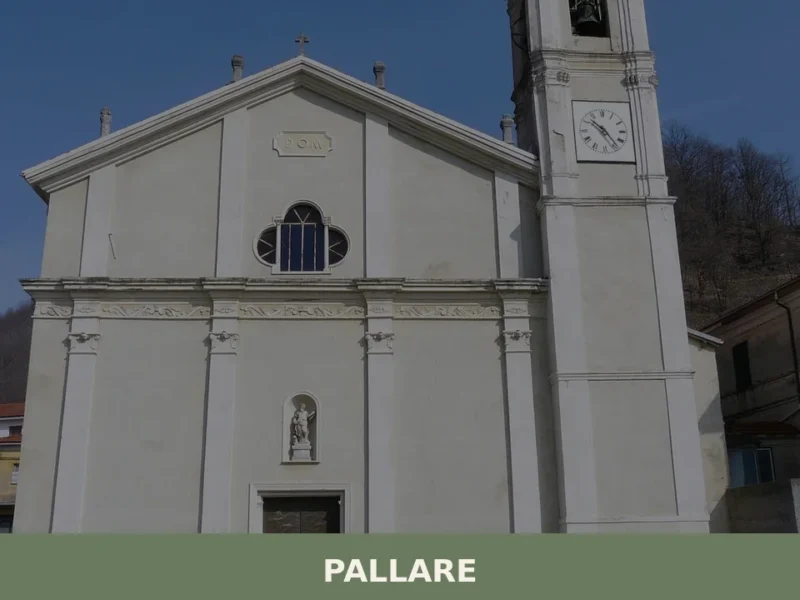
📷 Photo Gallery — Pallare
Nearby Villages near Pallare
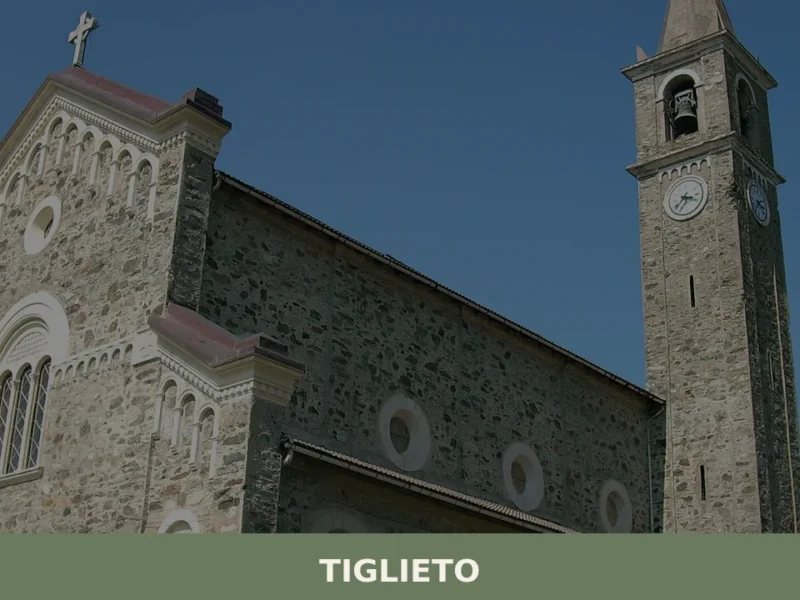
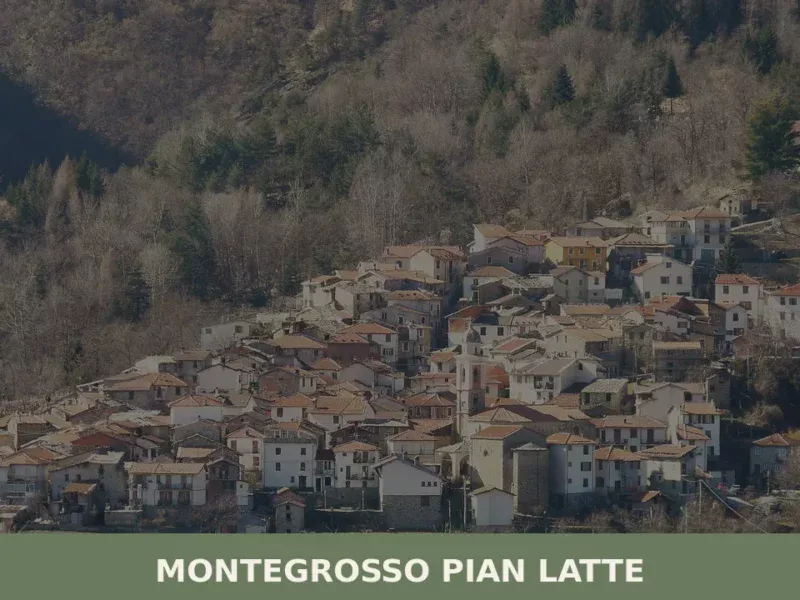
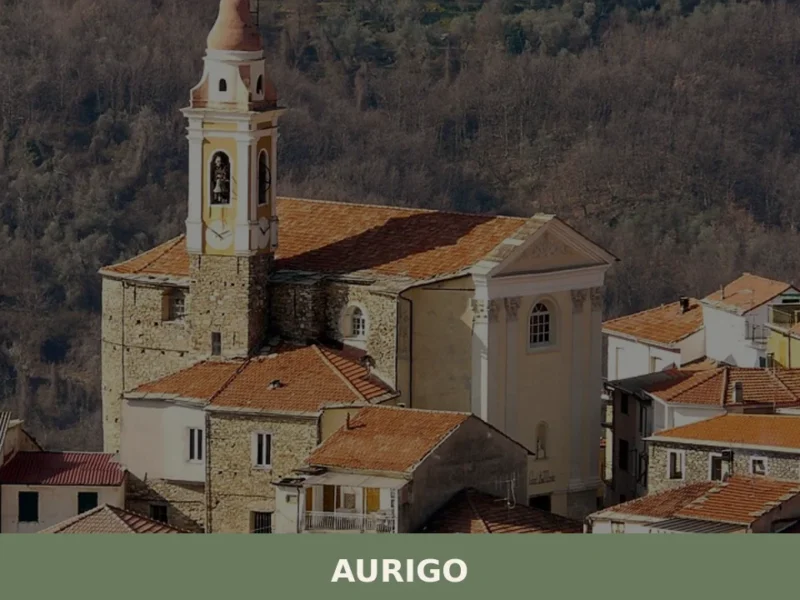
In Liguria More villages to discover
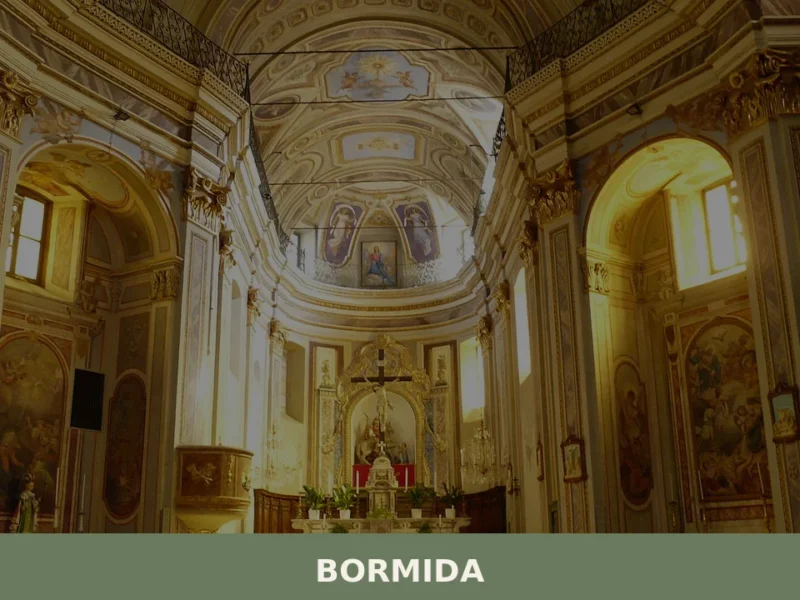
Bormida
 Hills
Hills
The Bormida di Pallare runs cold through the upper valley, cutting between the flanks of Monte Settepani at 1,386 m (4,547 ft) and Ronco di Maglio at 1,108 m (3,635 ft). Iron was worked here for centuries, and the name of at least one surviving building still carries that industrial memory. The village covers 22.4 […]
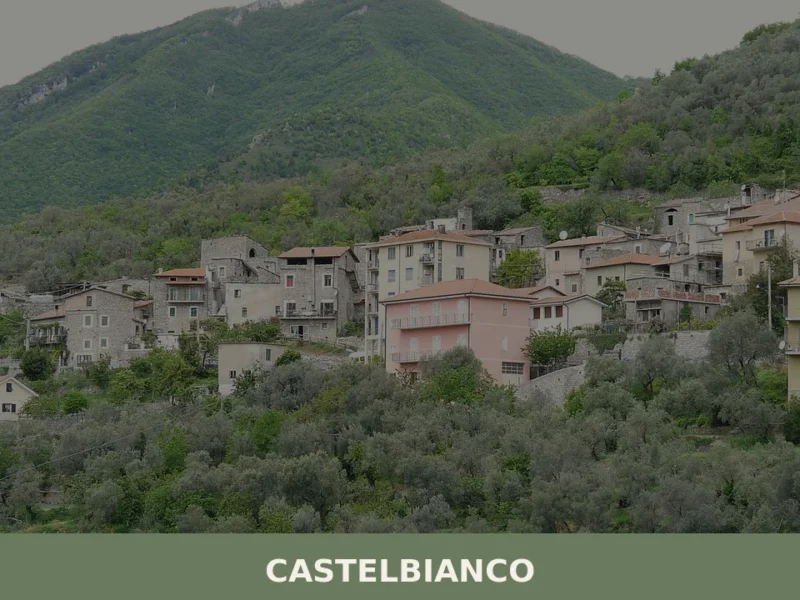
Castelbianco
Hills
What to see in Castelbianco, Italy: a village of 326 people, 80 km from Genoa. Discover top attractions, local food, and how to get there. Explore now.
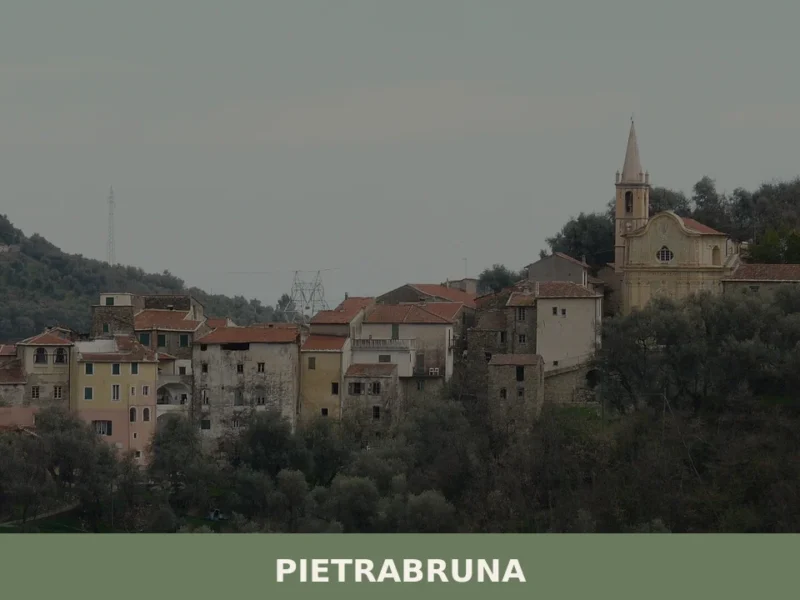
Pietrabruna
 Sea
Sea
What to see in Pietrabruna, Italy: 546 inhabitants, 100 km from Genoa. Discover medieval architecture, Ligurian olive oil and local festivals. Full travel guide.
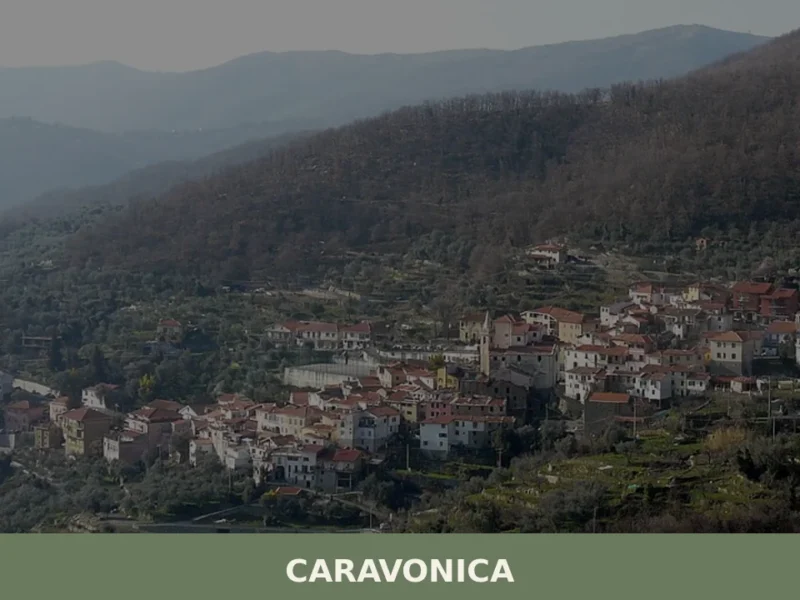
Caravonica
Hills
The scent of wild rosemary drifts on the morning air, carried by a breeze that has travelled from the Ligurian Sea and across the terraced olive groves. Morning light, still soft, begins to illuminate the ochre and terracotta facades of Caravonica “”, a village clinging to a hillside in the Imperia province. At 360 meters […]
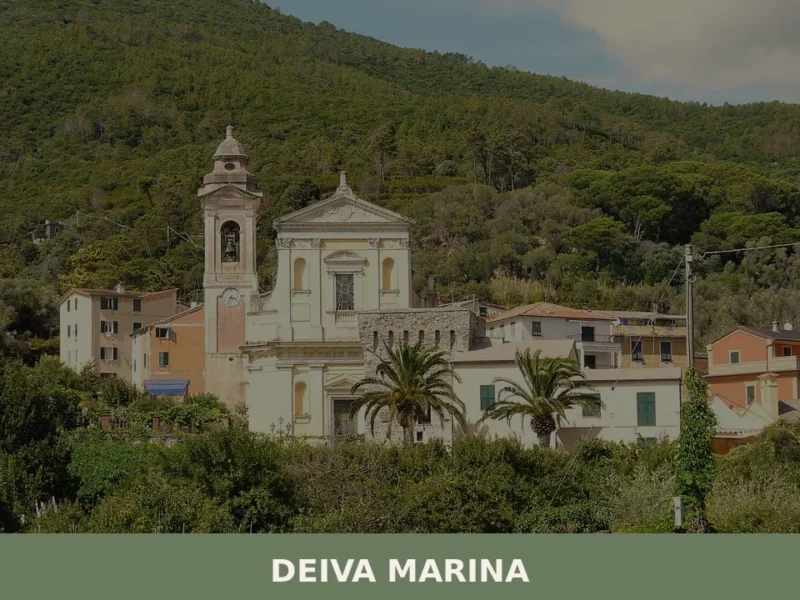
Deiva Marina
Sea
What to see in Deiva Marina, Italy: 5 top attractions, hiking trails, Cinque Terre day trips, and travel tips for this Ligurian village of 1,409 inhabitants. Discover now.
Fontanigorda
Mountain
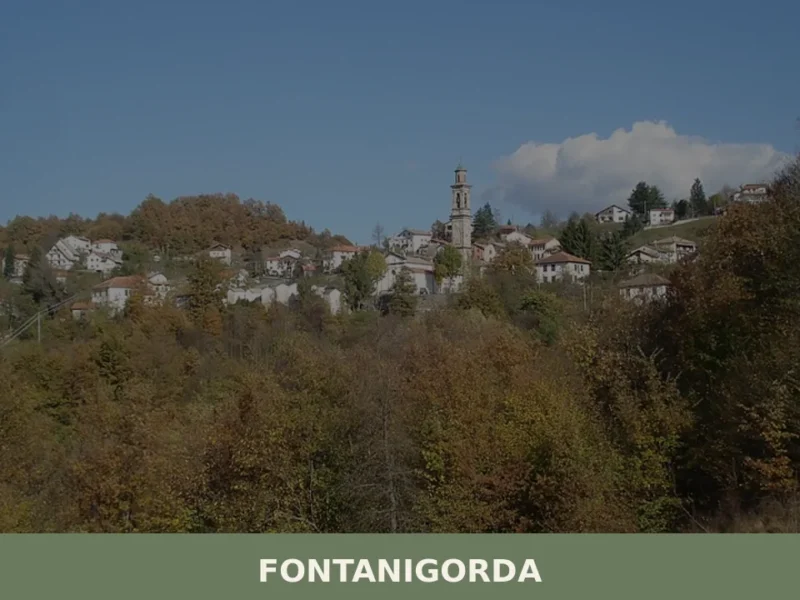
At 819 meters above sea level, in the heart of the upper Trebbia Valley, Fontanigorda appears as an alpine settlement in the province of Genoa. Its documented origin dates back to 1153, when it appears in annals as “Fontana Gordana,” a reference to the abundance of water in its territory. This village, with a population […]
Arnasco
Hills
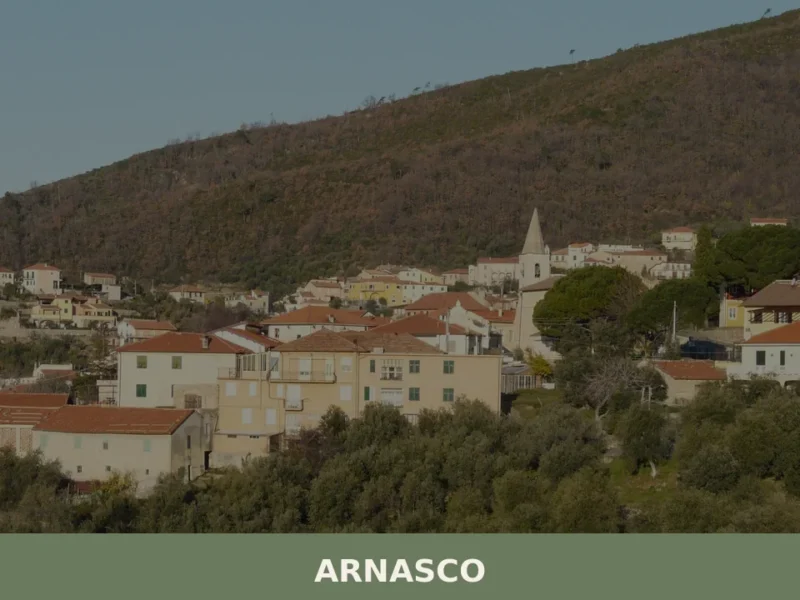
What to see in Arnasco, Liguria, Italy: discover this 552-inhabitant village 80 km from Genoa. Explore its historic centre, local festivals and Ligurian cuisine.
Borghetto di Vara
 Plains
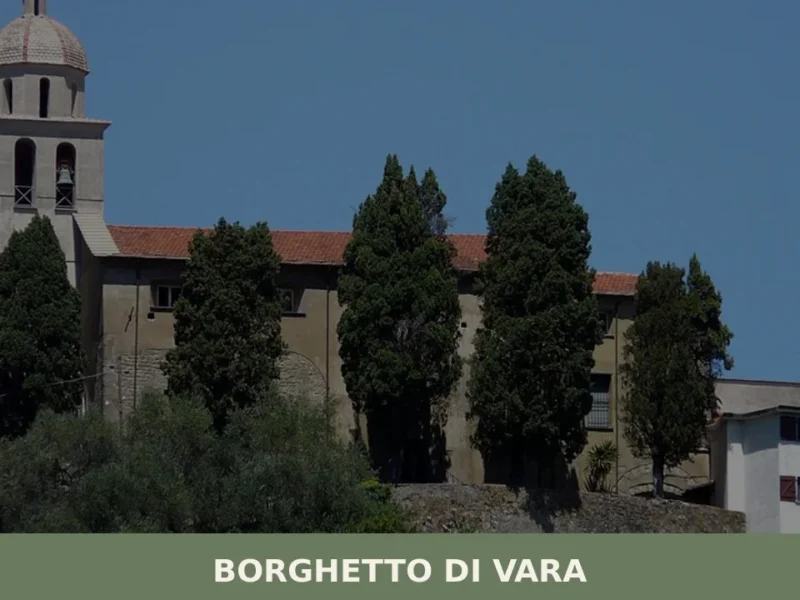
What to see in Borghetto di Vara, Italy: Discover a village of 870 inhabitants at 104 m altitude. Explore its plain landscape and the Parish Church of San Carlo Borromeo.
Calice Ligure
Plains
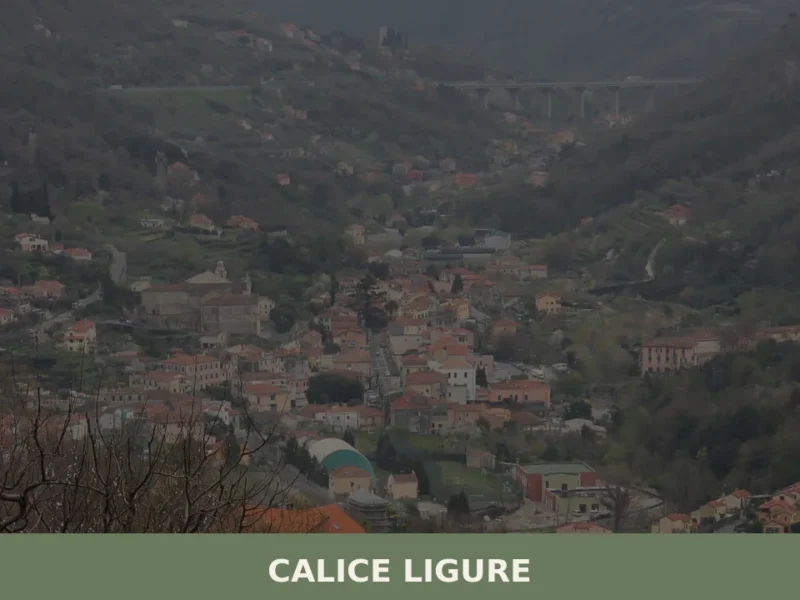
What to see in Calice Ligure, Italy: explore top attractions, local food and how to reach this Savona village of 1,727 people. Discover Liguria's inland.
Pornassio
Mountain
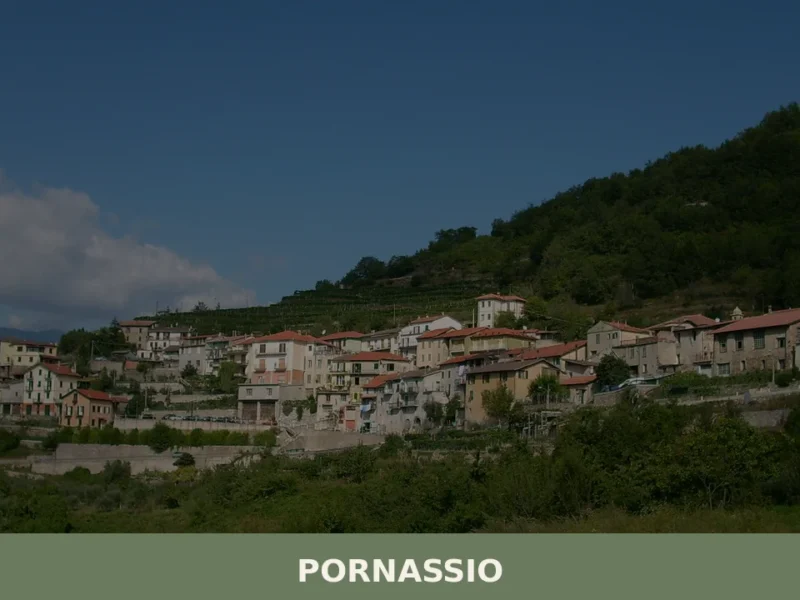
What to see in Pornassio, Liguria, Italy: 5 top attractions, local food, and how to get to this 629-inhabitant village 90 km from Genoa. Discover it now.
🏡 Know Pallare better than we do?
If you’re a local or have been there, your knowledge matters: add what’s missing or fix a detail on this page.