


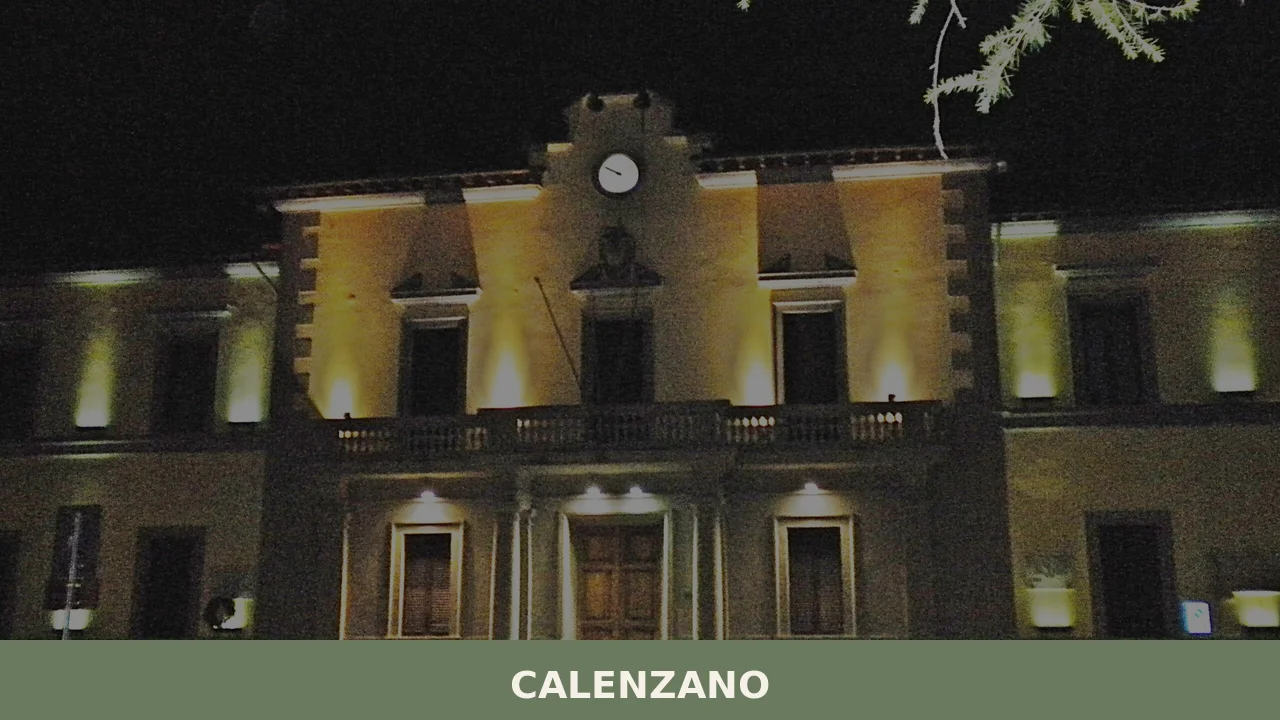
Calenzano
 Plains
What to see in Calenzano, Italy: 5 top attractions, medieval churches, Renaissance art, and practical tips. 11 km from Florence. Discover Calenzano, Toscana.
Discover Calenzano
Olive groves run along the lower slopes of Monte Morello above the plain, and the bell towers of half a dozen churches mark the scattered settlements of a comune that covers 76.9 square kilometres (29.7 sq mi).
The oldest of those towers belongs to a pieve — a rural parish church — whose foundation stones were laid before the ninth century.
At 68 m (223 ft) above sea level, the terrain is flat enough to cross on foot, but the history layered into the stone walls here reaches back well over a thousand years and involves names that run through the entire canon of Florentine Renaissance art.
Deciding what to see in Calenzano is easier when you know that the comune sits just 11 km (6.8 mi) northwest of Florence in the Metropolitan City of Florence, Toscana, Italy, and holds a concentrated set of medieval and Renaissance monuments accessible in a single day.
Visitors to Calenzano find frescoed churches, a patrician villa, a Medici-linked cloister, and a park at the foot of Monte Morello, all within a municipality of roughly 16,918 inhabitants.
The rail and motorway connections make it a practical stop rather than a detour, and the range of documented art inside its churches — from Jacopo di Cione to Ridolfo del Ghirlandaio — gives the visit real depth.
History of Calenzano
The earliest documented ecclesiastical structures in the territory date from before the ninth century, placing the first organised settlements here firmly in the early medieval period.
The pieve of San Donato, whose construction is traced to the ninth through eleventh centuries, served as the religious and administrative centre for the surrounding rural community long before Florence absorbed the area into its orbit.
That absorption was not merely political: it brought Florentine capital, Florentine artistic commissions, and — most concretely — the involvement of the Medici family in reshaping the buildings that still stand today.
The fifteenth century marks the most visible layer of transformation.
In 1460, Carlo de’ Medici financed the construction of a Renaissance cloister attached to the Pieve di San Donato, inserting the proportions and vocabulary of the new architectural language directly into a structure that had served the community for at least four centuries.
The same period saw frescoes commissioned in multiple churches across the territory, with artists from the workshops of Nardo di Cione and later Ridolfo del Ghirlandaio leaving documented work in Calenzano’s ecclesiastical buildings.
The Church of San Niccolò, rebuilt before 1386, already carried frescoes by both Jacopo and Nardo di Cione, placing it among the documented sites of Florentine Gothic painting outside the city walls.
The city of Lucca, connected to Calenzano by the same regional rail line that runs through Florence and Pistoia, shares a comparable pattern of medieval churches transformed by Renaissance patronage across northern Tuscany.
In the modern period, Calenzano developed as an industrial and residential commune within the orbit of Florence’s metropolitan economy.
The railway station, which connects the town to Prato, Florence, Pistoia, and Lucca, was part of the regional network that restructured settlement patterns across the Florentine plain in the nineteenth and twentieth centuries.
By 31 December 2004, the recorded population stood at 15,557, rising to the current figure of approximately 16,918 — a trajectory consistent with suburban growth driven by proximity to Florence’s labour market.
The A1 motorway passes within reach of the commune, cementing its role as a transit node as much as a destination in its own right.
What to see in Calenzano, Toscana: top attractions
Pieve di San Donato
The stone walls of this rural parish church carry visible evidence of construction phases spanning the ninth through eleventh centuries, making it the oldest surviving ecclesiastical structure in the comune.
What elevates it beyond a simple medieval building is the Renaissance cloister added in 1460 at the expense of Carlo de’ Medici — a colonnaded courtyard whose proportions sit in deliberate contrast to the age of the nave beside it.
Standing inside the cloister, the relationship between Florentine patronage and rural Tuscan infrastructure becomes immediately legible.
The church is located in the Calenzano territory and is best visited during spring or early autumn when the light on the stonework is clear and the site is not crowded with day visitors from Florence.
Church of San Niccolò e Oratorio della Compagnia del Santissimo Sacramento
This church was rebuilt before 1386, which places its current structure in the late Florentine Gothic period, and its interior holds two layers of documented art. The frescoes by Jacopo and Nardo di Cione belong to a generation of Florentine painters working in the decades immediately following the Black Death, a period when commissions outside the city walls were common.
A panel by Domenico Cresti adds a later accent.
For visitors deciding what to see in Calenzano, this is the site where the concentration of verified artistic material is highest: two named painters of the Florentine Gothic tradition in a single building, accessible without reservation.
Look closely at the fresco surfaces for the characteristic linear drapery that identifies the di Cione workshop.
Pieve di Santa Maria
Built before the eleventh century, this pieve holds two specific documented works that account for its art-historical interest.
The first is a Madonna with St.
Thomas attributed to the workshop of Lorenzo di Credi, a Florentine painter who trained under Verrocchio alongside Leonardo da Vinci.
The second is a St.
Anthony the Abbot from the school of Ridolfo del Ghirlandaio, son of the more famous Domenico. Neither work is large-scale, but both are verifiable products of identifiable Florentine studios, which makes this church a useful cross-reference point for anyone touring the art of the Florentine Renaissance across its provincial extensions.
The building itself predates the art it now houses by several centuries.
Church of Santa Lucia a Settimello
The original foundation of this church predates the tenth century, which makes its current Baroque appearance — the result of a complete rebuild in the early eighteenth century — a striking overlay on a very old site.
Inside, two objects demand attention: a terracotta by Benedetto Buglioni dated 1507, and a wooden crucifix attributed to Baccio da Montelupo from the early sixteenth century.
Buglioni was a Florentine sculptor working in the glazed terracotta tradition associated with the della Robbia workshop, and his 1507 date here is precisely documented.
The Baccio da Montelupo crucifix belongs to the same early Cinquecento moment.
The Baroque shell contains, in effect, two late-Renaissance objects separated from their original context by a century of architectural change.
Parco del Neto
This park sits at the foot of Monte Morello, the hill mass that rises immediately north of the Florentine plain, and it provides the main outdoor space for walking within the comune.
The terrain at Calenzano’s altitude of 68 m (223 ft) is largely flat, but Monte Morello’s slopes begin here and the park marks the transition between the agricultural plain and the wooded hill.
It is a documented public green area rather than a managed nature reserve, and its proximity to the medieval and Renaissance church circuit means it functions as a natural extension of a walking itinerary through the commune.
Those who arrive in summer will find shade on the lower slopes; the spring months between March and May bring the clearest views across the plain toward Florence, 11 km (6.8 mi) to the southeast.
Local food and typical products of Calenzano
Calenzano sits within the broader gastronomic territory of the Florentine plain, where the cooking tradition draws on the agricultural output of the Arno basin and the hill farms of the Apennine foothills.
The comune’s position between Florence and Prato places it at the intersection of two distinct urban food cultures: the Florentine tradition of simple, meat-based cucina povera — peasant cooking built on offal, legumes, and unsalted bread — and the Pratese textile-town tradition, which developed its own distinct sweets and preserved meats.
Neither tradition is exclusive to Calenzano, but both are present in the local restaurants and food markets that serve the residential population of nearly 17,000.
The dishes most consistently found in this part of Tuscany include ribollita, a thick soup built from stale unsalted Tuscan bread, cannellini beans, cavolo nero, and seasonal vegetables, cooked once and then literally “reboiled” the following day to intensify the flavour and break down the bread into a dense, almost solid texture.
Bistecca alla Fiorentina, a T-bone cut from Chianina cattle, grilled over charcoal and served rare with only olive oil and salt, is the meat dish that defines the Florentine culinary reference frame within which Calenzano sits.
Pappa al pomodoro, a cooked mixture of ripe tomatoes, olive oil, garlic, basil, and day-old unsalted bread reduced to a thick consistency, is another preparation common to this stretch of the Florentine plain.
All three dishes rely on the structural role of Tuscan pane sciocco — the unsalted bread whose dense crumb holds its shape in liquid — as the ingredient that distinguishes this cooking from the bread-based traditions of other Italian regions.
The surrounding area of Tuscany produces several certified agricultural products that appear regularly in local markets and restaurants.
Extra-virgin olive oil from the Florentine hills, produced under the Olio Extravergine di Oliva Toscano IGP designation, is the fat base for almost every preparation in this territory.
The olives are harvested in November, cold-pressed within hours of picking, and the resulting oil carries a grassy, slightly bitter flavour profile that is distinctly different from the rounder oils of southern Tuscany.
While no certified product is documented as exclusive to Calenzano itself, the commune’s markets and food shops stock the full range of Florentine-area products: aged pecorino, cured meats from the Mugello valley to the north, and seasonal fungi from Monte Morello’s wooded slopes.
The weekly market in Calenzano provides the most direct access to locally sourced produce, and the autumn months — specifically October and November — bring the overlap of olive harvest, mushroom season, and the arrival of the new wine from the Chianti production zone to the south.
For visitors oriented toward food as much as monuments, this seasonal window offers the broadest range of fresh and preserved products available in the area.
Those exploring the wider region might also consider passing through Siena, whose surrounding territory produces some of Tuscany’s most recognised certified food products, from Pecorino di Pienza to Cinta Senese pork.
Festivals, events and traditions of Calenzano
The patron saint of Calenzano is San Nicola di Bari, whose feast day falls on 6 December.
The celebration follows the pattern common to Florentine-area communes: a morning religious service in the main church, a formal procession through the town centre, and communal gatherings in the evening.
The December date places the festival in the early winter period, when the harvest season has ended and the agricultural calendar allows for a pause in field work.
In a comune of nearly 17,000 inhabitants with an active residential community, the patron saint’s day retains a civic dimension alongside its religious function, with local associations and the municipal administration typically involved in the organisation of public events tied to the feast.
Beyond the patron saint’s celebration, the calendar of Calenzano reflects the broader Tuscan pattern of seasonal sagre — local food festivals tied to a specific product or harvest — and civic events organised by the municipal cultural offices.
The autumn period, which coincides with the olive harvest on the lower slopes of Monte Morello and the funghi season in the surrounding hills, tends to generate the most activity at the local level.
The official website of the Comune di Calenzano publishes the updated calendar of public events and local celebrations for each year, and international visitors planning a trip around a specific festival are advised to consult it directly before booking travel.
When to visit Calenzano, Italy and how to get there
The most practical months to visit Calenzano are April through June and September through October.
Spring brings mild temperatures across the Florentine plain — daytime highs typically in the 18–24°C (64–75°F) range — and the vegetation on Monte Morello is at its most varied.
Early autumn combines lower tourist pressure from Florence’s peak summer season with the active local calendar tied to harvests.
July and August are workable but warm, with daytime temperatures regularly exceeding 32°C (90°F) on the plain, and the town functions primarily as a residential commune rather than a tourist destination, meaning facilities remain open rather than shutting for a summer pause.
December is worth noting specifically for the San Nicola di Bari celebrations on the 6th, though visitors should plan for short daylight hours and occasional fog across the low-lying plain.
Getting to Calenzano from Florence is direct and requires no special planning.
By car, the A1 motorway connects Florence to the broader Calenzano area, and the commune is 11 km (6.8 mi) northwest of the city centre.
Calenzano has its own railway station on the regional line operated by Trenitalia, connecting it to Prato to the northwest, and to Florence, Pistoia, and Lucca along the same corridor.
Journey time from Florence by regional train is typically under twenty minutes, making Calenzano a practical day trip from the city.
Bus services also connect the comune to Prato, Campi Bisenzio, and Barberino di Mugello.
For international visitors arriving by air, Florence Airport (Amerigo Vespucci) is the nearest international gateway, approximately 12 km (7.5 mi) from Calenzano; a connecting train or taxi from the airport to the commune takes roughly thirty minutes depending on the route.
Visitors arriving from further afield — Rome is approximately 280 km (174 mi) to the south by the A1 — can reach Florence by high-speed rail in 1.5 hours and then transfer to the regional service for Calenzano.
English is not widely spoken in smaller local shops and cafés; carrying euro cash is advisable, as card payment terminals are not universal in the smaller establishments of the comune.
Those who combine Calenzano with a wider Tuscan itinerary will find the transport links north and south equally convenient.
The regional rail line runs through Prato — itself a city with a documented medieval textile history — and continues toward Pistoia and , whose intact Renaissance walls and cathedral complex make it a natural extension of a day that begins in Calenzano.
To the south, visitors interested in the contrasts of Tuscan landscape and history might plan a separate day toward Grosseto, the provincial capital of the Maremma coast, which sits approximately 170 km (106 mi) southwest of Calenzano and represents an entirely different geographic and architectural register within the same region.
Visitors extending their Tuscany trip beyond the Florentine plain may find it useful to consider Livorno, the port city approximately 95 km (59 mi) west of Calenzano, which offers a coastal counterpoint to the inland hill churches and Renaissance cloisters of the Florentine municipality — and remains directly reachable by regional rail from the same Florence connection used to reach Calenzano itself.
Frequently asked questions about Calenzano
What is the best time to visit Calenzano?
Spring (March to May) offers the clearest views across the Florentine plain and pleasant temperatures for walking between the medieval churches and Parco del Neto. Early autumn (September to October) is equally good: the light on the stonework of the Pieve di San Donato is at its best and visitor numbers from Florence are lower. Summer is workable but warm on the flat terrain. The patron saint of Calenzano is San Nicola di Bari; check with the local municipality for the current date of the patronal feast.
What are the historical origins of Calenzano?
Calenzano's earliest documented ecclesiastical structures predate the ninth century, placing organised settlement here firmly in the early medieval period. The Pieve di San Donato, built between the ninth and eleventh centuries, served as the religious and administrative hub of the rural community. Florentine influence intensified in the fifteenth century: in 1460, Carlo de' Medici financed a Renaissance cloister attached to the pieve. Frescoes by Jacopo and Nardo di Cione in the Church of San Niccolò, dateable to before 1386, confirm the territory's integration into Florentine Gothic artistic networks well before that.
What to see in Calenzano? Main monuments and landmarks
The top sites are: the Pieve di San Donato (9th–11th century, with a Medici-funded Renaissance cloister of 1460); the Church of San Niccolò e Oratorio della Compagnia del Santissimo Sacramento (rebuilt before 1386, frescoes by Jacopo and Nardo di Cione); the Pieve di Santa Maria (pre-11th century, works by the Lorenzo di Credi workshop and the school of Ridolfo del Ghirlandaio); and the Church of Santa Lucia a Settimello (Baroque exterior, terracotta by Benedetto Buglioni 1507, crucifix attributed to Baccio da Montelupo). Check opening times locally, as rural churches in Tuscany often have limited hours.
What are the main natural or scenic attractions of Calenzano?
Parco del Neto sits at the foot of Monte Morello, the hill mass rising immediately north of the Florentine plain, and marks the transition from the flat agricultural plain to wooded slopes. It is a public green area suitable for walking and offers shade in summer. Monte Morello itself, which forms the backdrop to the entire comune, is accessible from Calenzano and is covered by CAI trail networks connecting it to the broader Florentine Apennine foothills. The combination of flat plain and rising hill makes the area appealing for both easy walks and longer excursions.
Are there museums, churches or historic buildings to visit in Calenzano?
Calenzano has four documented churches of art-historical significance: the Pieve di San Donato with its 1460 Medici cloister; the Church of San Niccolò with Florentine Gothic frescoes by Jacopo and Nardo di Cione; the Pieve di Santa Maria with works from the workshops of Lorenzo di Credi and Ridolfo del Ghirlandaio; and the Church of Santa Lucia a Settimello with a 1507 Buglioni terracotta and a Baccio da Montelupo crucifix. Rural Tuscan churches frequently open for limited hours on mornings and around Mass times; contacting the local parish or the Comune di Calenzano before visiting is advisable.
What can you do in Calenzano? Activities and experiences
A structured itinerary visiting the four main churches — San Donato, San Niccolò, Santa Maria, and Santa Lucia a Settimello — can be completed in a single day. Walking in Parco del Neto and on the lower slopes of Monte Morello extends the visit outdoors. The comune's position 11 km northwest of Florence and its direct rail connections to Prato and Pistoia make it practical to combine Calenzano with broader Tuscan itineraries. Local restaurants serve the classic Florentine plain dishes — ribollita, bistecca alla Fiorentina, pappa al pomodoro — using produce from the surrounding agricultural territory.
Who is Calenzano suitable for?
Calenzano suits independent travellers and art enthusiasts who want documented Florentine Gothic and Renaissance art in an uncrowded setting outside the city. The flat terrain at 68 m altitude makes it accessible for all mobility levels. Families travelling from Florence with children will find the Parco del Neto a practical outdoor stop. Hikers can use Calenzano as a base for Monte Morello. It is less suited to visitors seeking a classic hilltop Tuscan village aesthetic, as the comune sits on the plain and has a predominantly residential and light-industrial character alongside its historic core.
What to eat in Calenzano? Local products and specialties
Calenzano sits within the gastronomic zone of the Florentine plain, so local restaurants draw on the same tradition as Florence and Prato. Core dishes to look for are ribollita (a dense soup of unsalted Tuscan bread, cannellini beans, and cavolo nero, reheated the following day), bistecca alla Fiorentina (Chianina T-bone grilled over charcoal, served rare), and pappa al pomodoro (cooked tomatoes and day-old bread reduced to a thick consistency). All three rely on Tuscan pane sciocco, the region's unsalted bread. Extra-virgin olive oil from the Florentine hills, a recognised DOP product, is used throughout.
Nearby Villages near Calenzano
In Tuscany More villages to discover
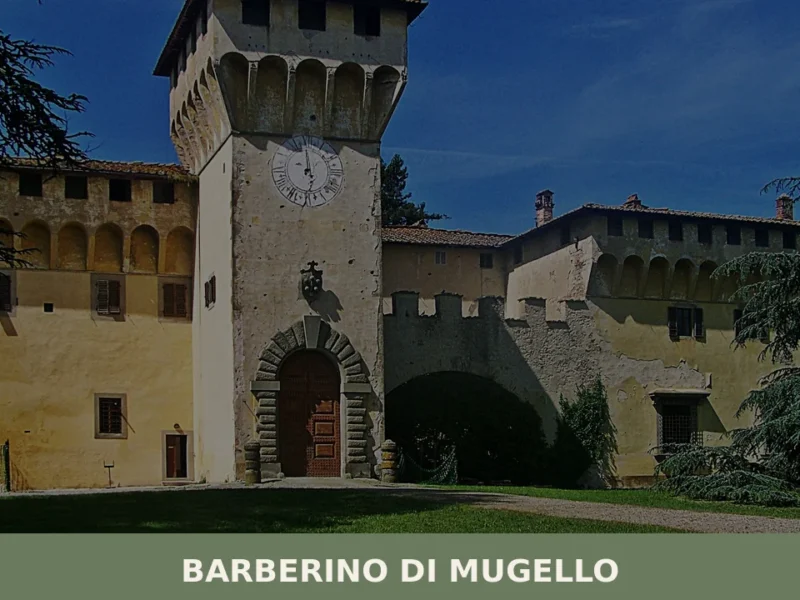
Barberino di Mugello
 Hills
Hills
What to see in Barberino di Mugello, Italy: explore the Villa Medici of Cafaggiolo, local food traditions, and a town of 10,751 inhabitants. Discover the full guide.
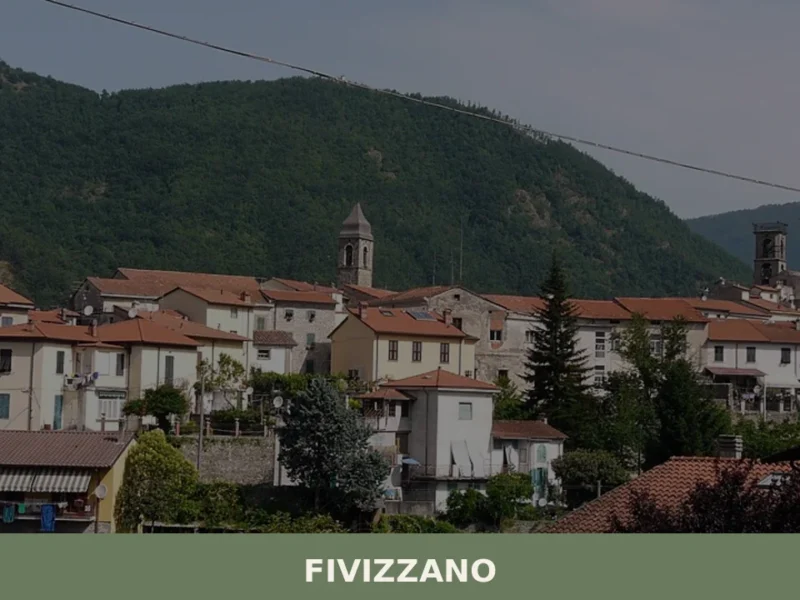
Fivizzano
Hills
In 1477 a printing press active in Fivizzano produced an edition of Cicero’s Epistolae ad familiares, making this Lunigiana town one of the first places in Italy — and in Europe — to host the art of movable-type printing. The village stands at 326 metres above sea level in the province of Massa and Carrara, […]
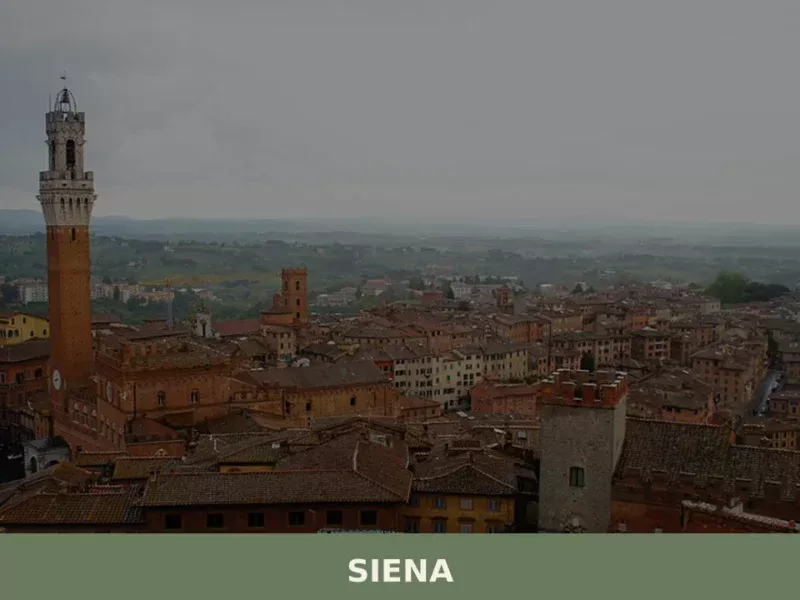
Siena
Hills
What to see in Siena: UNESCO centre at 322 m, population 52,883. Explore Piazza del Campo, the Cathedral, the Palio, and local foods like panforte and pici. Plan your visit.
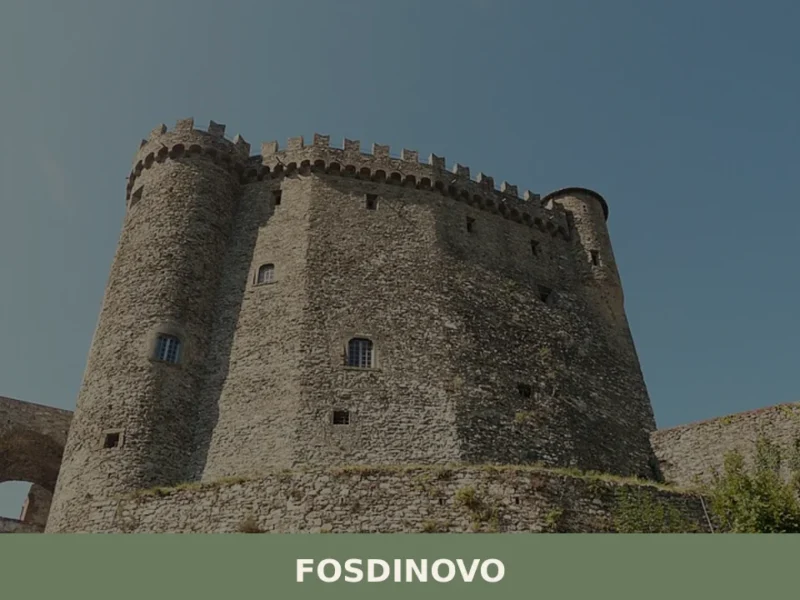
Fosdinovo
Hills
The Malaspina Castle of Fosdinovo has dominated the ridge separating the Val di Magra from the Apuan coast for over seven hundred years, with its four circular towers and a sentry walkway that can still be traversed. At 500 metres above sea level, this town in the province of Massa and Carrara has 4,982 inhabitants […]
Podenzana
Hills
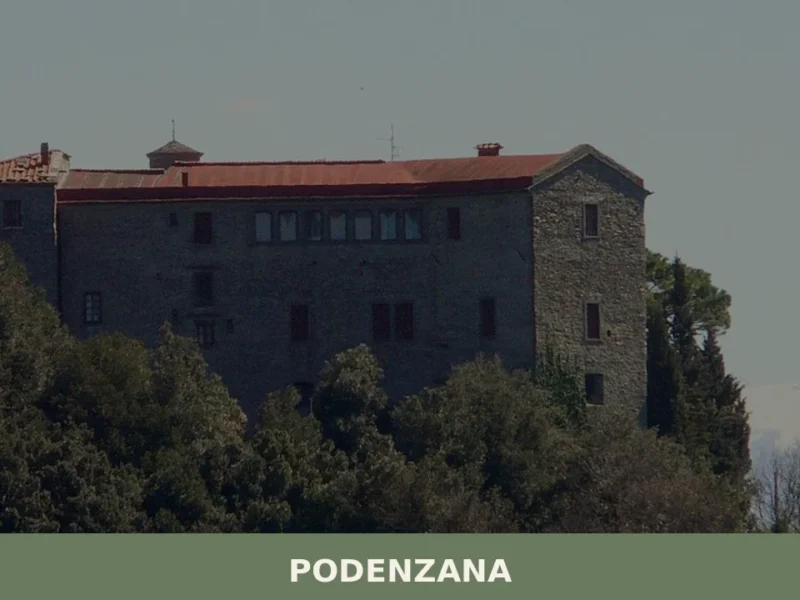
The panigaccio — a disc of unleavened dough cooked between red-hot terracotta moulds — is listed as a Traditional Agri-Food Product of Tuscany and bears the name of Podenzana in the regional specification. Anyone looking into what to see in Podenzana will find a scattered municipality at 350 metres above sea level in eastern Lunigiana, […]
Capraia e Limite
Plains
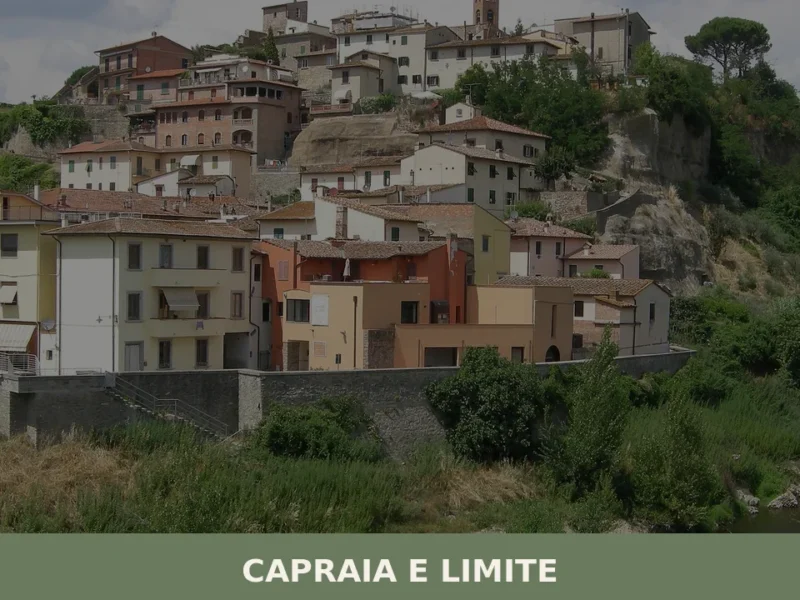
The Arno moves slowly past the low embankment at Limite sull’Arno, its surface carrying the same grey-green light it has carried for centuries. The riverbank here is not decorative: from the 18th century onward, this stretch of the river functioned as a working yard where timber hulls took shape for the Grand Duchy of Tuscany. […]
Comano
Hills
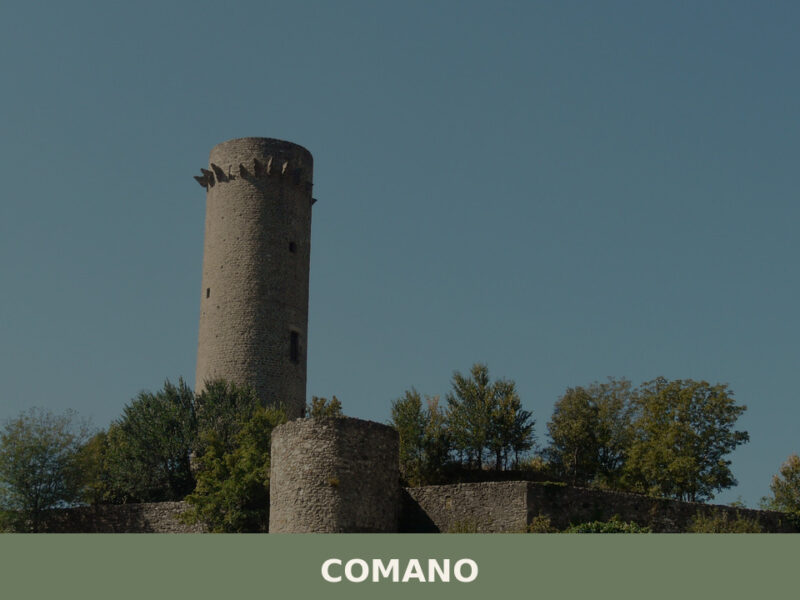
Morning fog lifts slowly from the Taverone valley, revealing stone walls the colour of weathered bone. A church bell marks the hour — its echo rolls across chestnut groves before dissolving into silence. Comano sits in the upper Lunigiana, a commune of scattered hamlets across the hills of Massa e Carrara province, home to just […]
Aulla
Plains
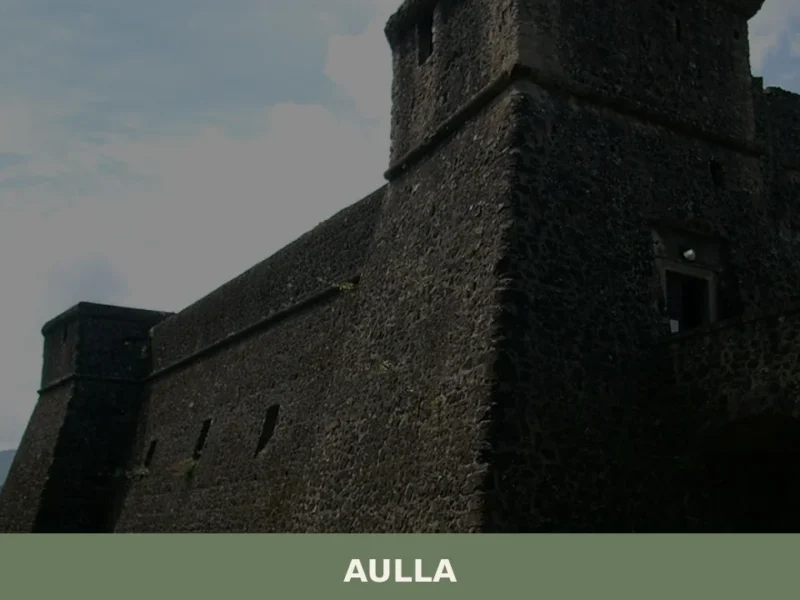
In 884 AD, Marquis Adalbert of Tuscany founded an abbey dedicated to Saint Caprasius at the confluence of the Magra and Aulella rivers, transforming a modest valley-floor settlement into an obligatory stopping point on the Via Francigena. Today, anyone wondering what to see in Aulla will find a lowland town at 64 metres above sea […]
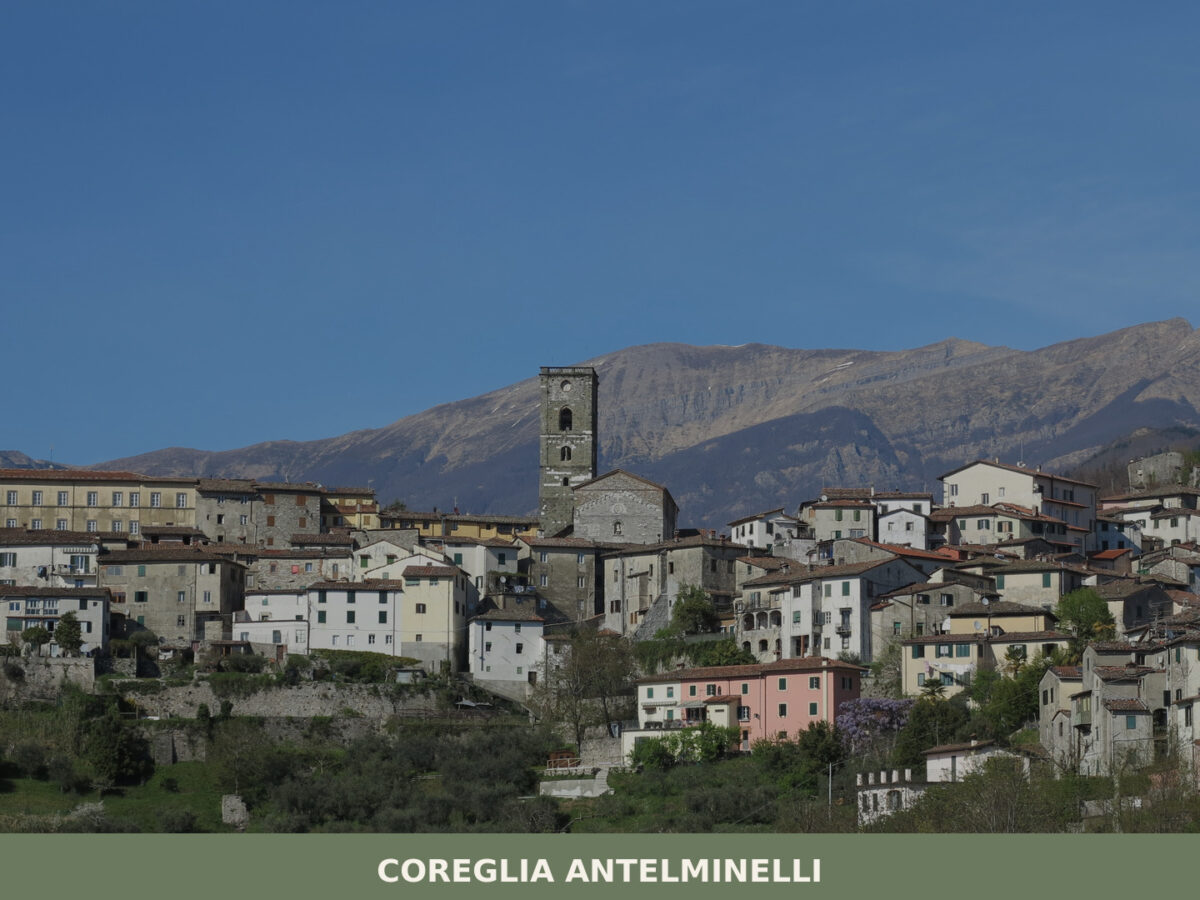
Coreglia Antelminelli
Hills
What to see in Coreglia Antelminelli, Italy: 3 Romanesque churches, a painted crucifix by Berlinghieri, and a village at 595 m. Explore the full guide.
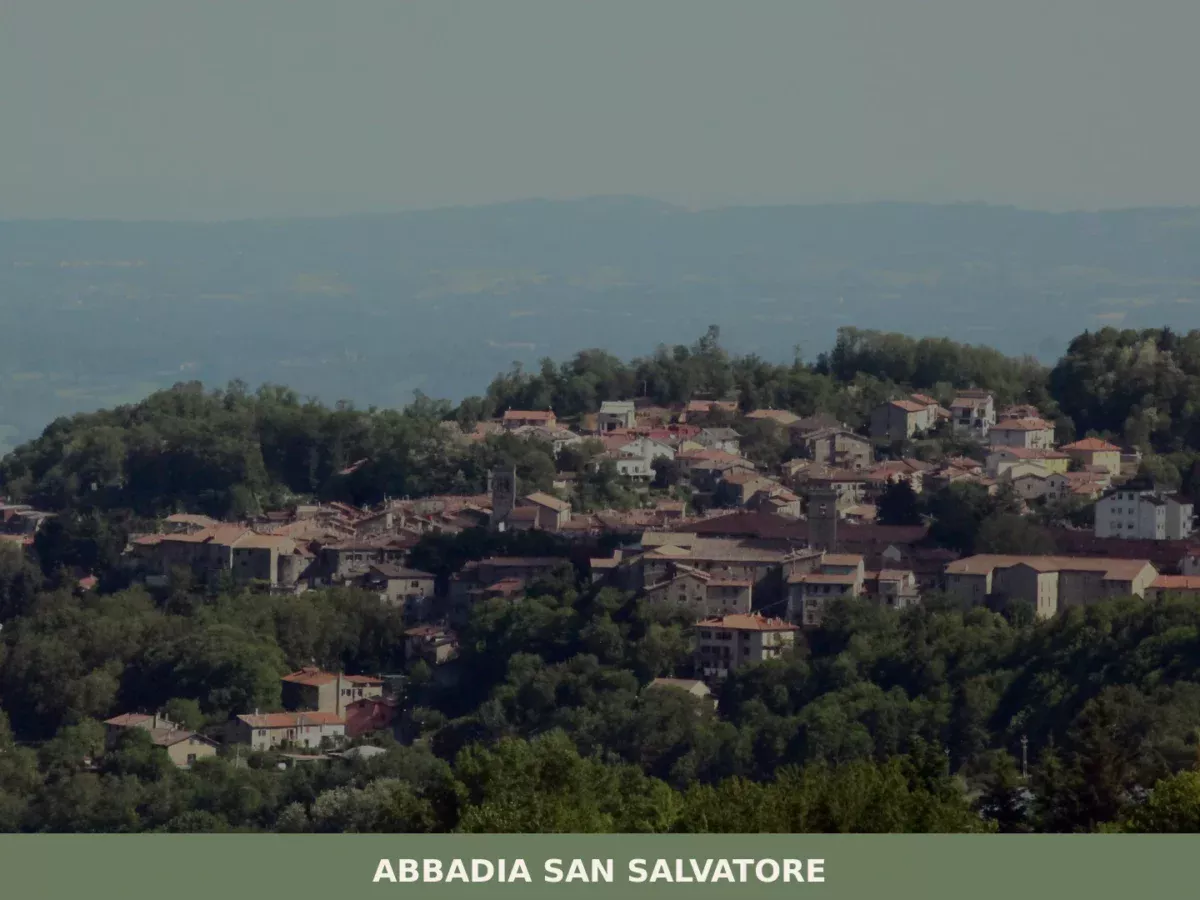
Abbadia San Salvatore
 Mountain
Discover what to see in Abbadia San Salvatore: the Lombard abbey, medieval borgo, mercury mining museum and Monte Amiata. Practical travel guide for Siena province.


🏡 Know Calenzano better than we do?
If you’re a local or have been there, your knowledge matters: add what’s missing or fix a detail on this page.