


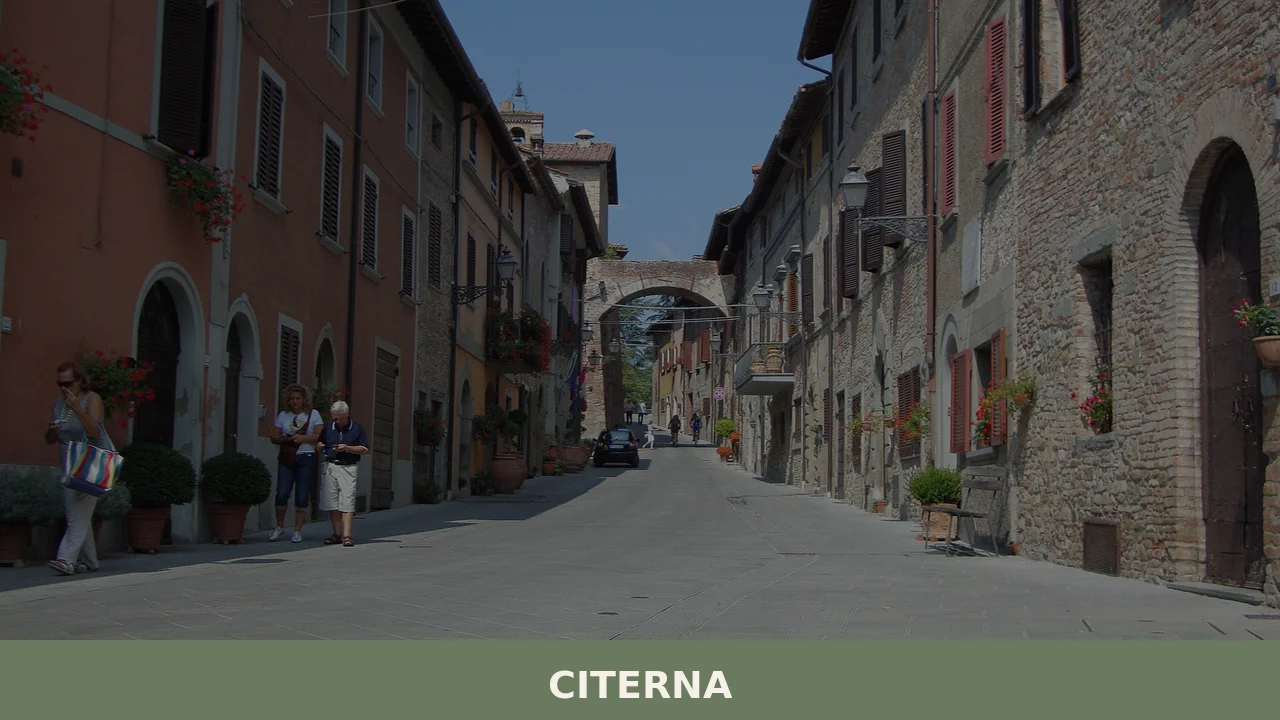
Citerna
 Hills
Hills
What to see in Citerna, Umbria, Italy: explore 5 top attractions, a Donatello terracotta, and the medieval walls at 480 m. Discover the full travel guide.
Discover Citerna
The clock inside the Torre civica still runs on wooden gearing cut in the sixteenth century. From the central square, Piazza Scipione Scipioni, the mechanism’s tick is the only mechanical sound in a town of 3,460 people sitting at 480 m (1,575 ft) on a hill between the Cerfone and Sovara streams.
To the north the hill drops sharply into a natural amphitheatre; to the south the Tiber valley opens flat and wide, with the profiles of La Verna and the mountains above Gubbio visible on clear days.
Knowing what to see in Citerna means tracing a route through three medieval churches, two intact town gates, a circular tower that survived the 1917 earthquake, and a terracotta Madonna attributed to the young Donatello.
Citerna, Umbria, Italy is listed among I Borghi più belli d’Italia — the national register of Italy’s most beautiful villages — and stands 50 km (31 mi) northwest of Perugia. Visitors to Citerna find a self-contained hilltop settlement where the density of documented artworks is disproportionate to its size.
History of Citerna
The earliest recorded name of the settlement was Civitas Sobarie, a Latin toponym derived from the nearby river Sovara. Local tradition holds that the founders were populations who fled enemies, first settling along the Sovara before choosing the higher defensive position that became Citerna.
By the eleventh and twelfth centuries a castle here was already documented, held by the Marquises del Colle — later known as the Marquises of Monte Santa Maria — whose lords included Guidone and Uguccione da Citerna, who controlled numerous fiefs and castles across the territory of Perugia.
From 1215 onward the town was drawn into the political conflicts of central Italy. It was compelled to submit repeatedly to Città di Castello, seized in the early thirteenth century by the forces of Monteauto, and then absorbed in the late thirteenth and early fourteenth centuries by the Tarlati di Pietramala of Arezzo.
Control shifted again in the early fifteenth century to the Malatesta family of Rimini: by 1447, Sigismondo Malatesta — former commander of the papal army — held the territory. By mid-century he had relinquished it, and Citerna was incorporated into the Papal State. From 1464 it fell under the Governor of Città di Castello through a locally appointed commissioner. The Vitelli family took control in 1482 following their exile from Città di Castello; in 1519 Pope Leo X formally granted the territory to the Vitelli as a marquisate, a status their family maintained until 1584.
The community statutes were revised in the late sixteenth century on the basis of a 1518 model and received formal approval from Pope Clement VIII on 6 February 1603.
The First War of Castro, fought between 1643 and 1644, caused severe damage to both the population and the surrounding territory. Under French administration in the late eighteenth century, Citerna was established as an autonomous municipality within the Department of Trasimeno; papal authority returned in 1814. In July 1849 Giuseppe Garibaldi and his wife Anita were received in the town, and Garibaldi remained for three days on the hill known as Colle delle Felcaie after departing Rome. The inhabitants erected a stone spire there in 1883 to mark the event. In September 1860 the territory was incorporated into the Kingdom of Italy, and by 1895 the population stood at 2,589.
What to see in Citerna, Umbria: top attractions
Church of San Francesco
The Church of San Francesco presents a Renaissance façade built over the lower courses of an earlier structure, the older stonework still visible at the base of the front wall.
Construction of the present building began in the second half of the fifteenth century on a Latin-cross plan, and the interior holds four sandstone-and-wood altars, painted and gilded.
The most documented work is a polychrome terracotta Madonna and Child dated to around 1415, attributed to the young Donatello — a specific attribution that makes this church central to any account of what to see in Citerna. Further paintings by Raffaellino del Colle, a Deposition by Niccolò Circignani dated 1570, and a fresco attributed to the school of Luca Signorelli complete the interior. The wooden choir dates to 1550 and retains its original form. The church stands on the main street and is accessible on foot from Piazza Scipione Scipioni in under two minutes.
Torrione Circolare
The Torrione circolare — a circular medieval tower — is the only major structure in Citerna that survived the 1917 earthquake intact, while much of the town’s built heritage was damaged or lost. Its cylindrical masonry rises above the roofline of the surrounding streets and serves as the clearest visual reference point for the settlement’s former defensive perimeter.
The tower functions today as the architectural symbol of Citerna and appears on local municipal signage.
Standing at its base, the scale of the original fortification system becomes apparent: the town walls form an irregular ellipse around the hilltop, with Porta Romana to the east and Porta Fiorentina to the west still structurally intact. The stretch of medieval walkway running along the inside of the walls, accessible through a small arch near Palazzo Prosperi-Vitelli, connects the tower to the broader circuit of the old defences.
Piazza Scipione Scipioni and the Torre Civica
The central square of Citerna, Piazza Scipione Scipioni, organises the social geography of the upper town. The Torre civica that rises from it contains a clock mechanism with mechanical wooden gearing that dates to the sixteenth century — one of the few surviving examples of its kind in the region, and a detail that anchors the square’s character far more precisely than its proportions alone.
The view from the square over the Tiber valley, reaching on clear days to the mountains above Gubbio and Assisi, covers a horizontal distance of several tens of kilometres.
The medieval walkway accessed near Palazzo Prosperi-Vitelli begins close to the square, leading along the perimeter walls through a sequence of arched loggias. Outside the walls along this route stands the Pozzo Vecchio, an ancient well positioned above the larger Grande Cisterna below.
Church of San Michele Arcangelo
The Church of San Michele Arcangelo, dedicated to the patron saint of the town, presents a gabled façade with a central rose window and organises its interior around a single nave with six lateral chapels. The choir terminates in a square plan covered by a barrel vault. Inside, the primary documented works are a painted panel of the Crucifixion by Niccolò Circignani, dated 1570, and a terracotta sculpture of the Madonna and Child from the school of Giovanni della Robbia.
The patronal feast of San Michele Arcangelo falls on 8 May, and the church is the focal point of the annual celebrations.
For visitors planning what to see in Citerna over a single day, this church complements San Francesco in terms of dated, attributed works — both contain pieces by Circignani from the same year, 1570, which allows a direct comparison across two sites within a few hundred metres of each other.
Church of the Crocifisso and its Cloister
The Church of the Crocifisso is distinguished by its entrance portal, a piece of architectural sculpture bearing the carved date 1532. The presbytery contains a fresco depicting the Virgin with Jesus, Saint Francis, and Saint Bernardino, attributed to the school of Perugino. The cloister attached to the building dates to the thirteenth century and represents one of the oldest surviving structural elements in the municipality.
Among the works formerly recorded here were a Crucifixion attributed to Spinello Aretino and an oil painting at the high altar described as a composition by Pomarancio.
The combination of the dated portal, the Perugino-school fresco, and the age of the cloister makes this building the third anchor of Citerna’s documented artistic heritage alongside San Francesco and San Michele. The nearby Umbrian village of Montone, roughly 20 km (12.4 mi) to the southeast, similarly holds a concentration of Umbrian Renaissance panel painting in a compact hilltop setting, making it a natural second stop if time allows.
Local food and typical products of Citerna
The territory of Citerna sits within the upper Tiber valley, a zone where the agricultural economy historically revolved around cereals, wine, tobacco, and olives. Mid-nineteenth-century accounts describe the surrounding hills as densely planted with olive trees and fruit varieties, with vineyards producing table wines consumed locally and traded in regional markets. Livestock breeding was well developed, and sericulture — the production of raw silk — formed a secondary industry alongside arable farming.
This combination of hill agriculture and small-scale animal husbandry shaped a cooking tradition built on preserved meats, legumes, bread made from locally milled grain, and dishes that used every part of slaughtered animals without waste.
The vegetable most specifically documented in historical sources is the large turnip, grown in rotation after the grain and hemp harvests.
These turnips served a dual function: as a food for the local population during winter months and as fodder for livestock through the cold season. Hemp cultivation also left its mark on local cooking in the form of hemp-seed preparations, a practice common across upper Umbria and the Tiber valley. The broader Umbrian tradition of torta al testo — a flatbread cooked on a hot stone disc, typically filled with cured meats or cooked greens — appears throughout this part of the province of Perugia.
Stringozzi, a thick hand-cut pasta made from flour and water without eggs, is the standard first course across the Perugia province and is served here with truffle-based sauces or slow-cooked meat ragù. Porchetta, whole pig roasted with wild fennel, garlic, and rosemary, remains the most consistent street-food presence at local fairs and markets throughout the calendar year.
The hills around Citerna fall within production zones for Olio Extravergine di Oliva Umbria (PDO), the protected designation of origin covering Umbrian extra-virgin olive oil. The oil from this sub-zone of the upper Tiber valley tends toward a low acidity profile with a grassy, slightly bitter finish typical of Frantoio and Moraiolo olive varieties.
Local producers press the harvest between October and November; oil from this period retains the highest polyphenol content.
The Colli Altotiberini DOC wine designation covers red, white, and rosé wines produced in this part of the province of Perugia, with Sangiovese as the dominant red variety.
Small local markets and the occasional sagra — a traditional food fair centred on a single product or dish — take place in Citerna and the surrounding frazioni (hamlets) during late spring and summer. The hamlet of Pistrino, which in 2021 held the largest share of the municipal population at 1,609 residents, hosts its own seasonal events tied to the agricultural calendar. Visitors looking for locally produced oil and wine are best served by visiting between October and December, when new-harvest products are available directly from producers.
Festivals, events and traditions of Citerna
The principal annual event in Citerna is the feast of the patron saint, San Michele Arcangelo, celebrated on 8 May. The day centres on the Church of San Michele Arcangelo, where a formal religious ceremony marks the morning, followed by a procession through the streets of the historic centre. The route passes through the two town gates — Porta Romana and Porta Fiorentina — and returns to the church for the closing liturgy.
The feast draws residents from the outlying localities of the municipality, including Pistrino, Fighille, and Canciolo, and functions as one of the few occasions when the dispersed population of the municipal territory gathers in the hilltop centre.
The memory of Giuseppe Garibaldi’s three-day stay on Colle delle Felcaie in July 1849 retains a place in local civic identity.
The spire erected by the inhabitants in 1883 on that hill remains a reference point for the town’s historical self-presentation. Beyond the patronal feast and the Garibaldi commemoration, the summer months bring smaller community gatherings tied to the agricultural calendar, consistent with the broader Umbrian tradition of outdoor evening markets and food-centred events in July and August. The village of Cerreto di Spoleto in the Valnerina similarly maintains a strong patronal feast tradition, offering a comparison point for visitors interested in Umbrian civic and religious calendar events.
When to visit Citerna, Italy and how to get there
The best time to visit Citerna falls between late April and early June, and again in September and October.
Spring brings mild temperatures at 480 m (1,575 ft) and clear visibility over the Tiber valley, making the panoramic views from the town walls and Piazza Scipione Scipioni most rewarding. The patronal feast on 8 May adds a specific reason to target that week. September and October combine comfortable walking conditions with the olive and grape harvests in the surrounding countryside. July and August are warm and dry; the town itself is compact enough that heat is manageable, but the wider Umbrian region sees its highest visitor numbers in this period. Winter is quiet, with reduced services in smaller establishments.
Citerna is located approximately 50 km (31 mi) northwest of Perugia and 29 km (18 mi) from Arezzo, placing it within straightforward day-trip range of both cities. From Florence the distance is roughly 110 km (68.4 mi), achievable in about 90 minutes by car via the E45 motorway.
If you arrive by car, the most practical approach is via the E45 (Superstrada Orte–Ravenna), exiting at Città di Castello Sud and continuing west for approximately 6.7 km (4.2 mi). Parking is available at the foot of the hill, with the historic centre accessible on foot from the lower car parks.
The nearest train station with regular connections is Città di Castello, served by Trenitalia on the Perugia–Sansepolcro regional line; from the station, Citerna is a 10–15 minute drive. The nearest international airport is Perugia San Francesco d’Assisi, approximately 55 km (34.2 mi) to the southeast; Florence Amerigo Vespucci airport lies roughly 130 km (80.8 mi) to the northwest. For those who prefer public transport, bus connections link Città di Castello with the surrounding municipalities, though frequency is limited on weekends. International visitors should note that English is not widely spoken in smaller local shops, and carrying euro cash is practical for markets, church entrance fees, and rural establishments.
Visitors extending their trip through the upper Tiber valley may find it worth stopping at Sant’Anatolia di Narco further south in Umbria, which shares the region’s pattern of small hilltop municipalities with concentrated medieval heritage. The official municipal website for Citerna is maintained at citerna.net, where updated information on events and access is published.
Frequently asked questions about Citerna
What is the best time to visit Citerna?
Spring and early autumn offer the most comfortable conditions for exploring Citerna on foot. May is especially rewarding: the patronal feast of San Michele Arcangelo falls on 8 May, bringing celebrations centred on the church dedicated to the patron saint, and the hill setting at 480 m keeps temperatures mild. Summer evenings are pleasant given the altitude, though July and August draw more visitors to the Umbrian region generally. Autumn brings clear days when the panorama over the Tiber valley — stretching to La Verna and the mountains above Gubbio — is at its sharpest.
What are the historical origins of Citerna?
Citerna's earliest documented name was Civitas Sobarie, derived from the nearby river Sovara. A castle on the hill was already recorded in the eleventh and twelfth centuries, held by the Marquises del Colle. The town passed through the hands of Città di Castello, the Tarlati di Pietramala of Arezzo, the Malatesta family of Rimini, and finally the Vitelli — who held it as a formal marquisate from 1519 to 1584 — before its permanent incorporation into the Papal State. In July 1849, Giuseppe Garibaldi spent three days on the hill known as Colle delle Felcaie; a stone spire erected in 1883 marks the event.
What to see in Citerna? Main monuments and landmarks
The essential circuit covers four sites reachable on foot within the walled hilltop. The Church of San Francesco houses a polychrome terracotta Madonna and Child attributed to the young Donatello (c. 1415), works by Raffaellino del Colle, and a Deposition by Circignani (1570). The Church of San Michele Arcangelo contains a Crucifixion also by Circignani (1570) and a della Robbia-school terracotta. The Church of the Crocifisso features a portal dated 1532 and a thirteenth-century cloister. The Torrione Circolare — the only structure to survive the 1917 earthquake intact — and the Torre Civica with its sixteenth-century wooden clock mechanism complete the main landmarks.
What are the main natural or scenic attractions of Citerna?
Citerna sits at 480 m on a hill between the Cerfone and Sovara streams, with the Tiber valley spreading to the south. On clear days the panorama from the town extends to La Verna and the mountains above Gubbio and Assisi, covering several tens of kilometres. To the north, the hill drops sharply into a natural amphitheatre. The medieval walkway running along the inside of the town walls — accessible through an arch near Palazzo Prosperi-Vitelli — connects the Torrione Circolare to the Porta Romana and Porta Fiorentina, offering elevated views over the surrounding countryside throughout its length.
Where to take the best photos in Citerna?
The most documented viewpoint is Piazza Scipione Scipioni, where the Torre Civica frames the southern panorama over the Tiber valley toward Gubbio and Assisi. The medieval walkway along the inner face of the town walls, reached through a small arch near Palazzo Prosperi-Vitelli, provides elevated angles over the rooftops and the countryside below. The base of the Torrione Circolare gives the clearest sense of the original defensive ellipse and the tower's cylindrical profile against the sky. Early morning and late afternoon light is particularly effective at these hilltop positions given the 480 m altitude and open southern exposure.
Are there museums, churches or historic buildings to visit in Citerna?
Three documented churches concentrate the village's artistic heritage. San Francesco (second half of the fifteenth century) holds the Donatello-attributed terracotta and a wooden choir dated 1550. San Michele Arcangelo, the patronal church, contains dated works by Circignani (1570) and a della Robbia-school sculpture. The Church of the Crocifisso preserves a portal carved in 1532 and a cloister from the thirteenth century. Civil architecture includes Palazzo Prosperi-Vitelli and the Torre Civica with its functioning sixteenth-century wooden clock mechanism. Both Porta Romana (east) and Porta Fiorentina (west) remain structurally intact. Visitors should verify current opening hours locally, as schedules vary seasonally.
What can you do in Citerna? Activities and experiences
Citerna is primarily a walking destination. The medieval wall circuit — linking the Torrione Circolare, Porta Romana, and Porta Fiorentina through the inner walkway — can be completed in a relaxed half-day. The three main churches reward a systematic art itinerary: both San Francesco and San Michele Arcangelo contain dated works by Circignani from 1570, enabling a direct comparison within a few hundred metres. The nearby village of Montone, roughly 20 km to the southeast, holds a comparable concentration of Umbrian Renaissance painting and makes a natural second stop. The patronal feast on 8 May adds a local event to itineraries planned for early spring.
Who is Citerna suitable for?
Citerna suits visitors who prioritise documented medieval and Renaissance art in an uncrowded setting. Couples and culturally focused travellers will find the density of attributed works — Donatello, Circignani, della Robbia school, Perugino school — exceptional for a village of 3,460 inhabitants. The compact walled perimeter and flat central piazza make the historic centre accessible for visitors with limited mobility. The hilltop setting and panoramic walkway along the walls appeal to walkers and photographers. Families with children interested in history will find the clock mechanism in the Torre Civica and the intact medieval gates engaging. It is not oriented toward beach, spa, or adventure tourism.
What to eat in Citerna? Local products and specialties
Citerna sits within the upper Tiber valley, a zone historically shaped by cereals, olives, wine, and livestock. The local cooking tradition centres on preserved meats, legumes, and bread from locally milled grain, using all parts of slaughtered animals. Historical sources specifically document large turnips grown in rotation after grain and hemp harvests, used both as a winter food for the population and as livestock fodder. The area falls within the broader Umbrian production zone for extra-virgin olive oil. Visitors will find the wider Umbrian repertoire — including cured meats and pulse-based dishes — represented in local restaurants and agriturismi in the surrounding territory.
Nearby Villages near Citerna
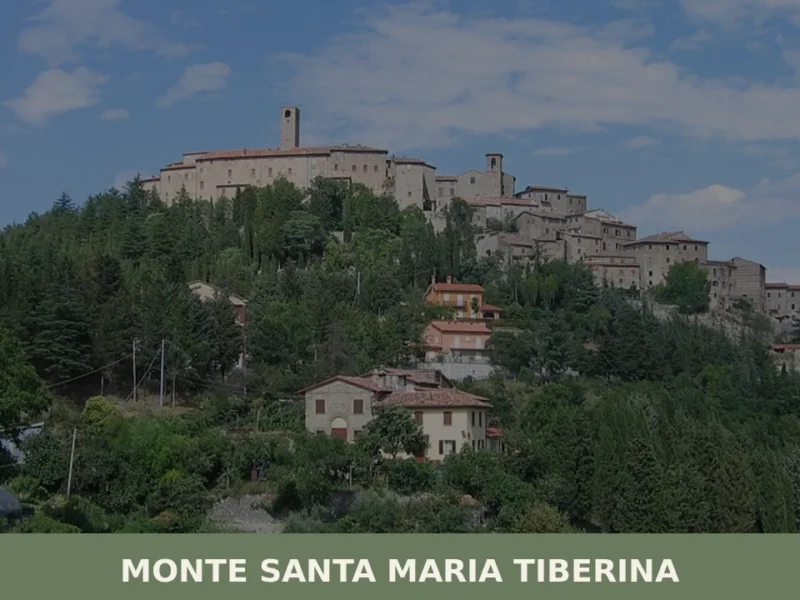
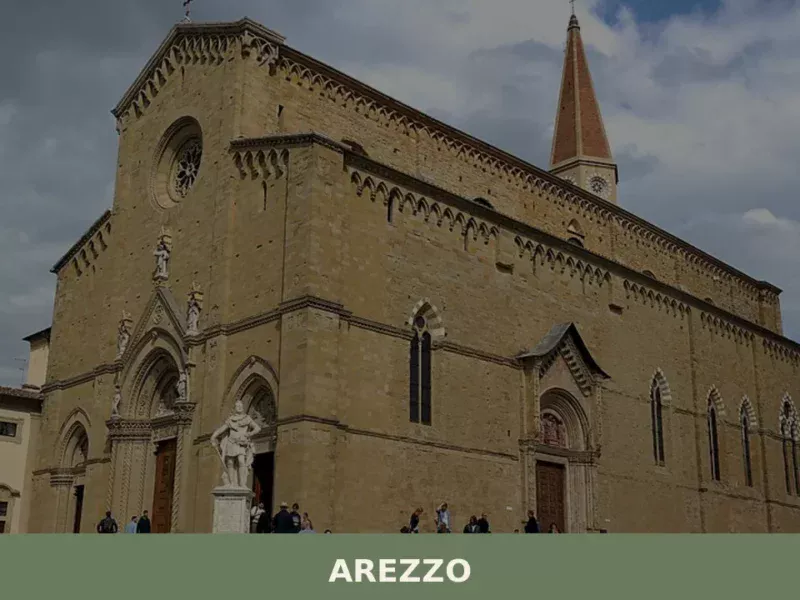
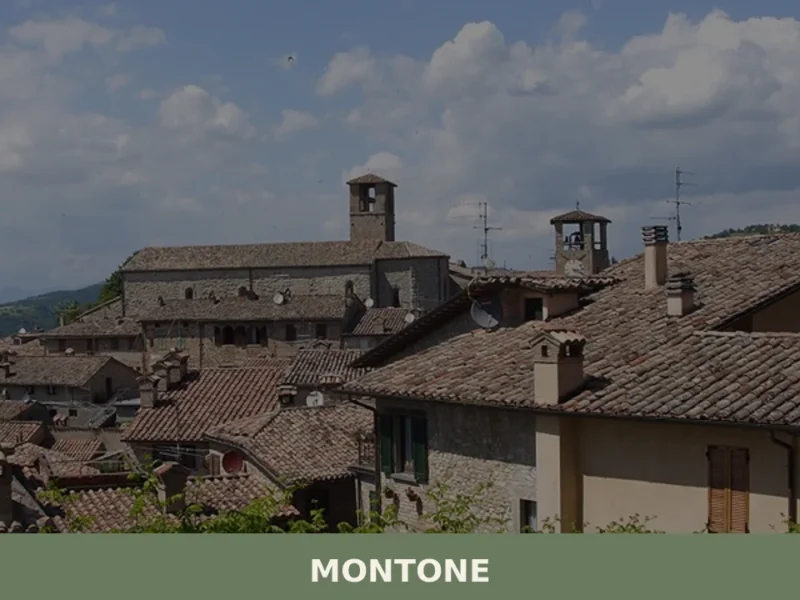
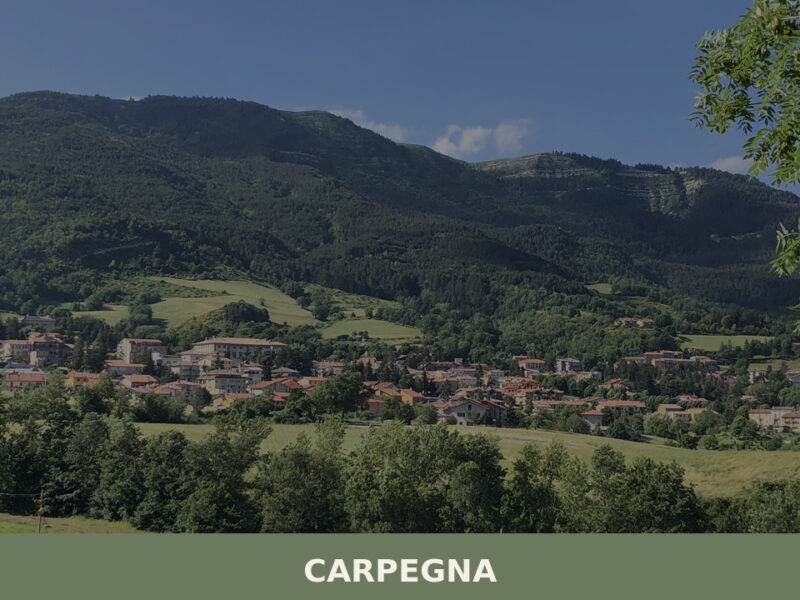
In Umbria More villages to discover
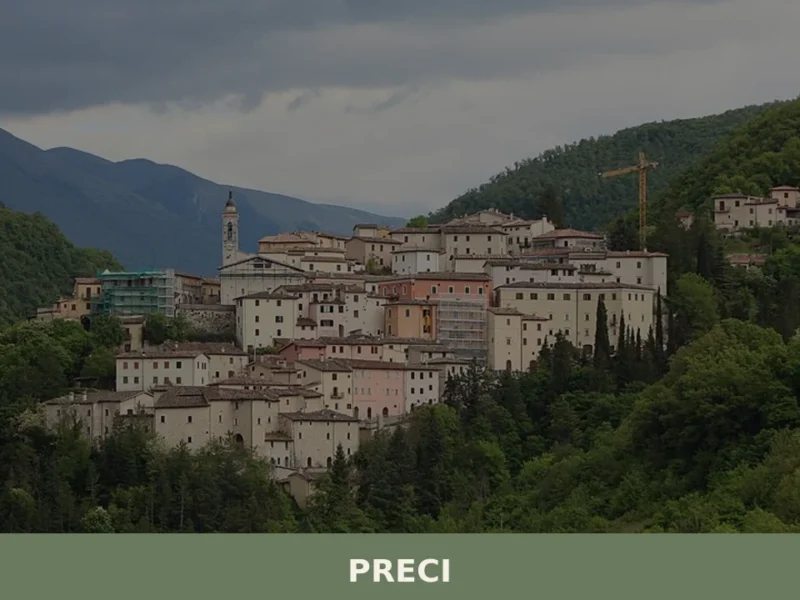
Preci
Hills
With a recorded population of 681 inhabitants, Preci stands at an elevation of 596 metres above sea level in the heart of Umbria, a region often referred to as Italy’s ‘green heart’. This small village, historically shaped by its monastic tradition and a renowned surgical school (see English Wikipedia), offers a distinct window into a […]
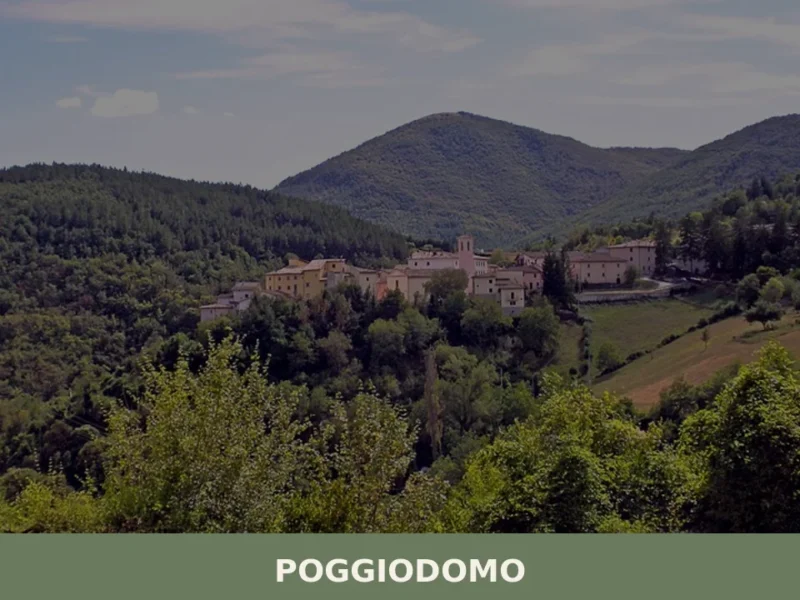
Poggiodomo
 Mountain
What to see in Poggiodomo, Italy? Explore this Umbrian village, situated at 974 m, and discover the historic Church of San Carlo Borromeo and the Hermitage of Madonna della Stella.
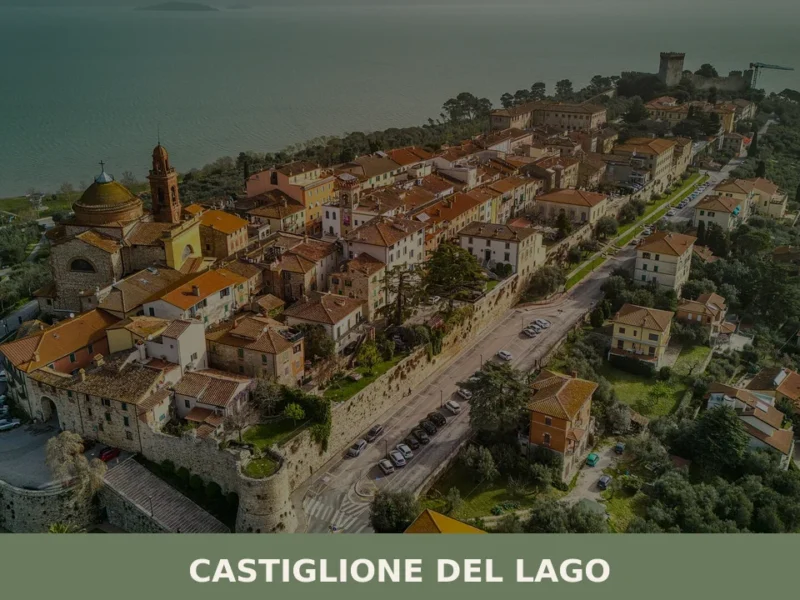
Castiglione del Lago
Hills
 Lake
Lake
What to see in Castiglione del Lago, Umbria, Italy: explore a fortress, a frescoed palace, and Lake Trasimeno from 304 m altitude. Discover top things to do.
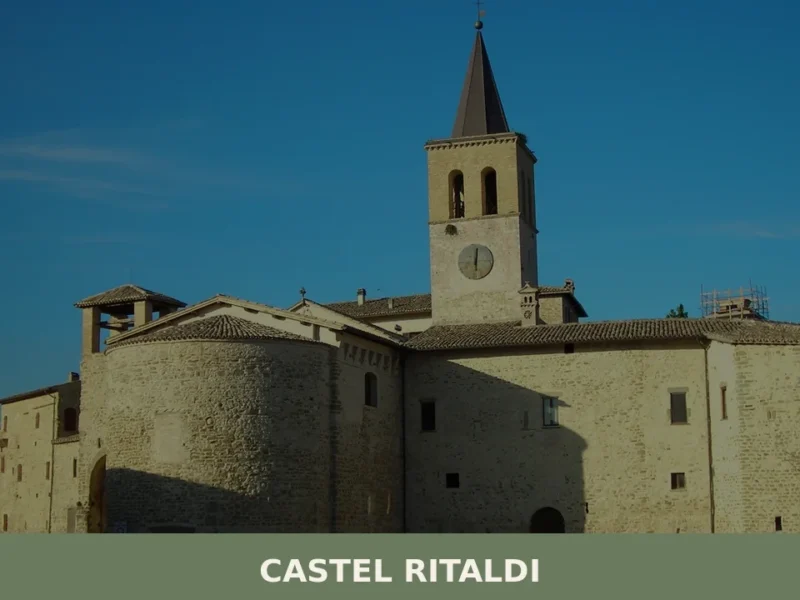
Castel Ritaldi
Hills
What to see in Castel Ritaldi, Italy: 5 top attractions, local food, and travel tips for this Umbrian village at 297 m. Discover frescoes, medieval churches & more.
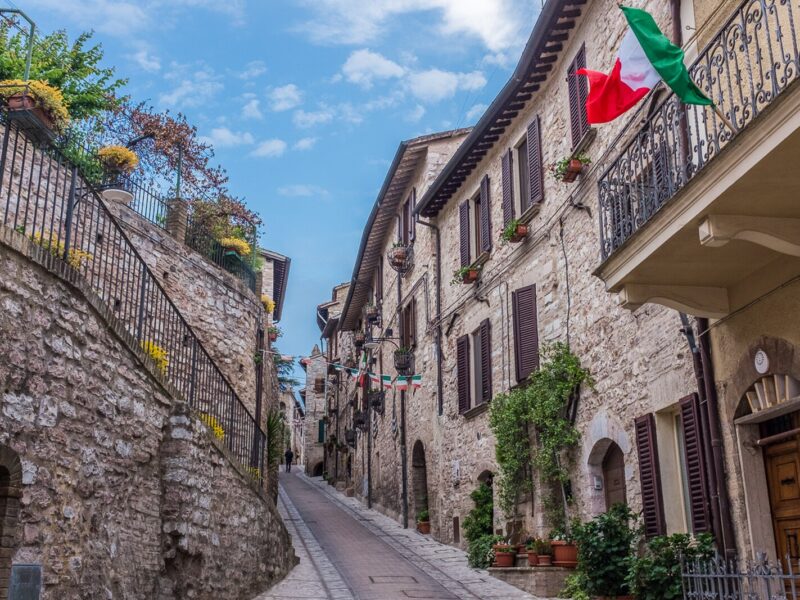
Spello
 Sea
Sea
What to see in Spello, Umbria, Italy: Roman gates, mosaic villa, medieval walls at 314 m. Discover top attractions, local food and how to get there.
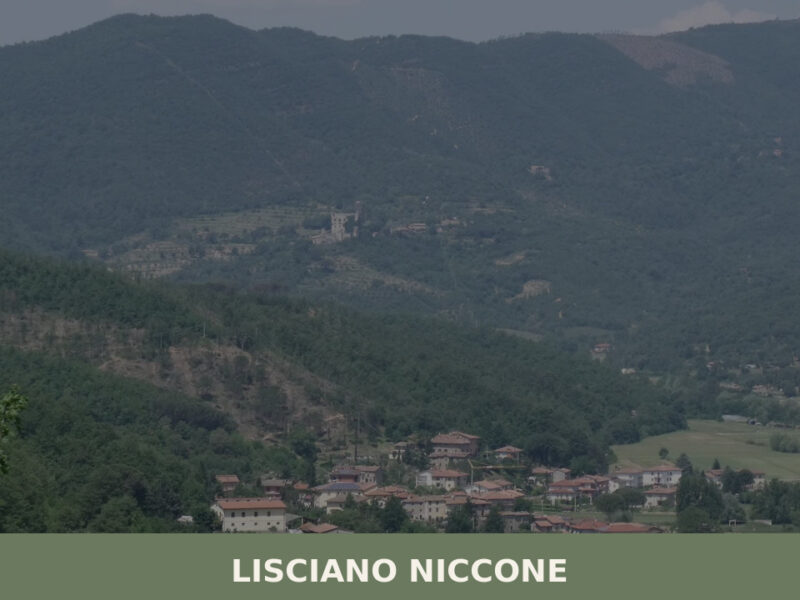
Lisciano Niccone
Hills
A 601-inhabitant village on the Umbria-Tuscany border. Discover what to see in Lisciano Niccone: its medieval core, valley trails, and traditional food.
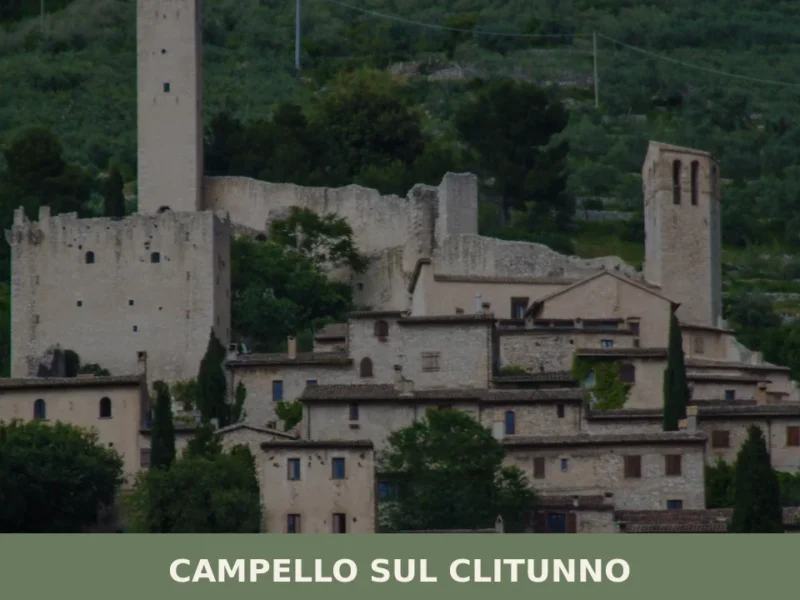
Campello sul Clitunno
Hills
What to see in Campello sul Clitunno, Umbria, Italy: a UNESCO temple, medieval castle, and springs producing 1,500 l/s. Discover the complete travel guide.
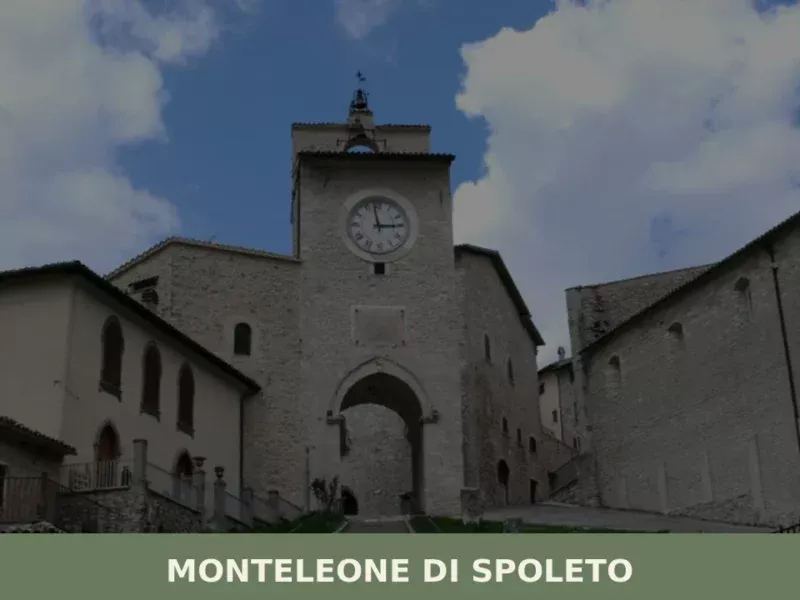
Monteleone di Spoleto
Mountain
Monteleone di Spoleto: discover the history and art of this Umbrian village. Visit the museum and the Church of San Francesco. Plan your visit now!
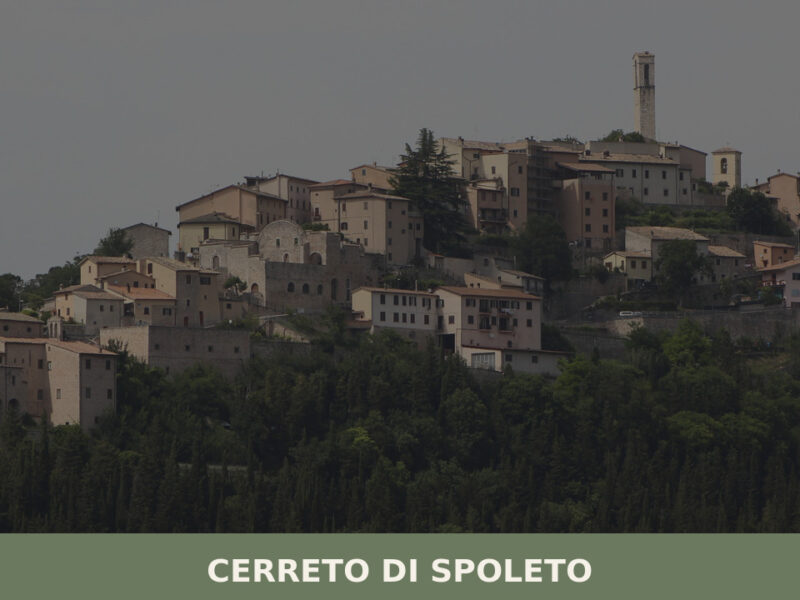
Cerreto di Spoleto
Hills
A ridge-top village of 975 inhabitants in the Valnerina, Cerreto di Spoleto holds medieval streets, scattered hamlets, and a centuries-old tradition of itinerant herbalists.
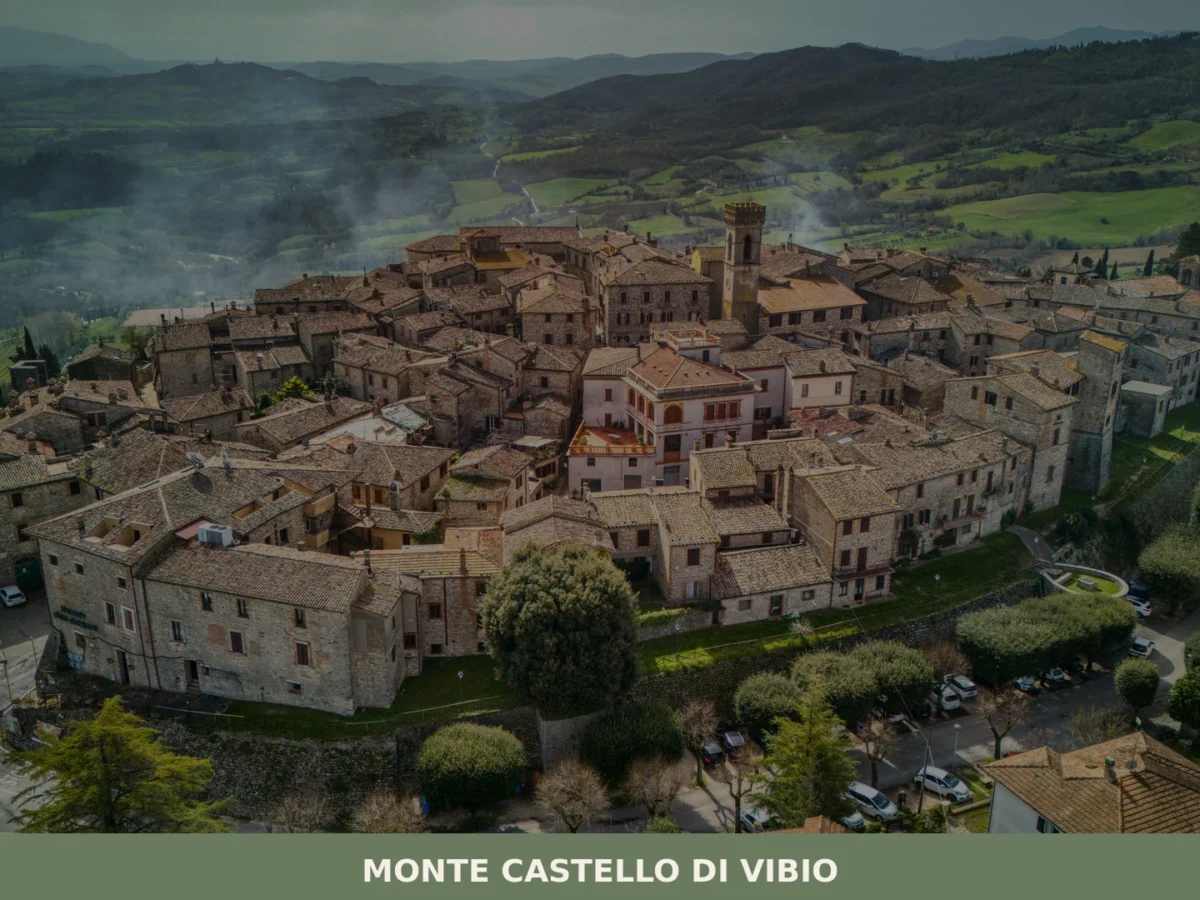
Monte Castello di Vibio
Hills
Monte Castello di Vibio holds the world's smallest theatre and an intact medieval centre above the Tiber valley. A complete guide to its history, attractions, and local food.





🏡 Know Citerna better than we do?
If you’re a local or have been there, your knowledge matters: add what’s missing or fix a detail on this page.