


Pacentro
 Mountain
What to see in Pacentro, Abruzzo, Italy: a medieval village at 650 m, one castle, five key attractions. Discover the Cantelmo castle, churches and local food.
Discover Pacentro
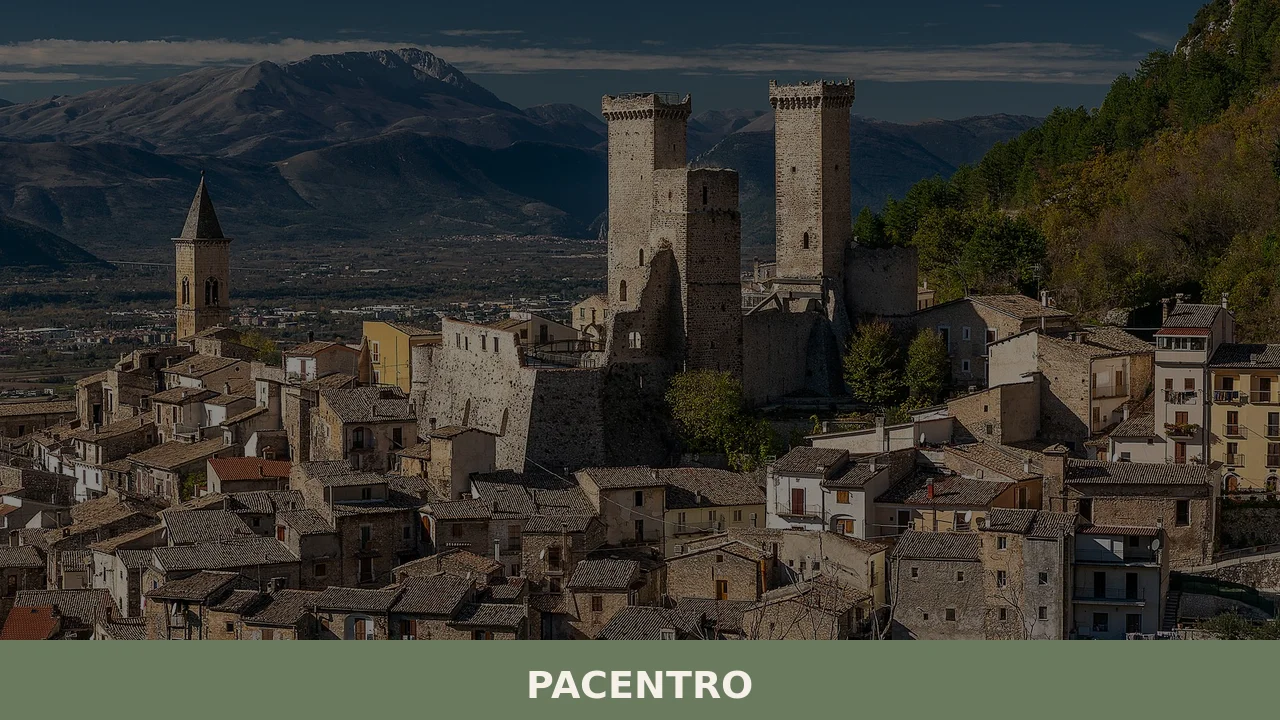
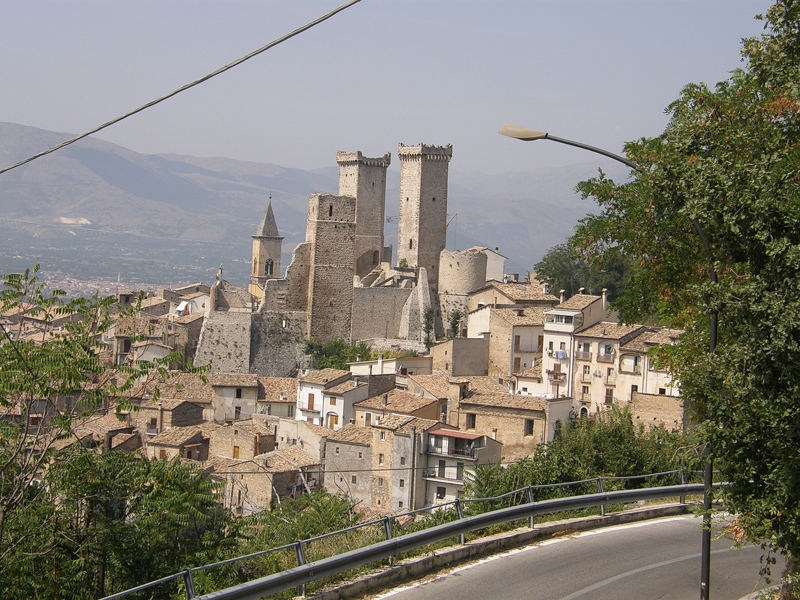
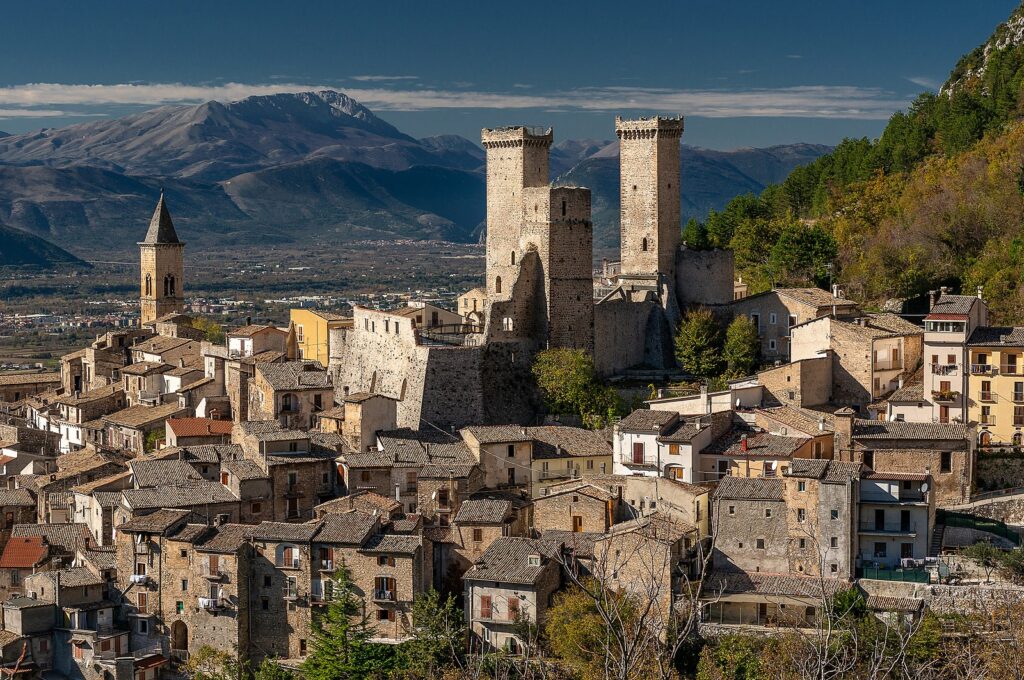
Three towers of the Cantelmo castle break the ridgeline above the Peligna Valley, two of them largely intact after more than a thousand years of sieges, feudal transfers and one world war. The stone of Pacentro rises on a plateau at 650 m (2,133 ft) above sea level, with spring water running from the snowfields of the Majella down through the village’s fountains. The medieval mill that once harnessed that water was deliberately destroyed by retreating German troops in 1944 — the single most significant structural loss the town recorded during the entire Italian Campaign.
Deciding what to see in Pacentro means working through five centuries of contested ownership, a Benedictine hermit who became pope and then resigned, and a main church with the second tallest bell tower in the surrounding area.
The village sits roughly 170 km (106 mi) east of Rome and a few kilometres above Sulmona in the province of L’Aquila, Abruzzo, Italy. Visitors to Pacentro find a compact medieval layout — two main piazzas connected by a pedestrian-only street, several churches with documented artwork, and direct access into the Majella National Park. The village is formally listed among I Borghi più belli d’Italia, the national register of Italy’s most well-preserved historic villages.
History of Pacentro
Documented references to settlement in the area reach back to the 8th or 9th century, though the site served as a mountain retreat in Roman times long before any medieval fortification appeared. Pacentro’s strategic value derived from its position at the entrance to the San Leonardo mountain pass, the main route connecting the interior valleys to Pescara on the Adriatic coast. The original fortification was in the hands of the Counts of Valva; a surviving document from 1130 names one Gualterio, son of Manerio, Count of Valva, as a resident of the castle. The Cantelmo lords subsequently rebuilt the structure in the form visible today, dating the current castle fabric to the 10th century.
Feudal control of Pacentro passed through a succession of powerful families over the following centuries. Jacopo Caldora and his son Antonio held the town from the late 13th century until the defeat of the Angevin Kings of Naples in the mid-15th century.
The Neapolitan branch of the Orsini family took possession in 1483, and their alliance with the Aragonese Kings gave them the resources to remodel the castle and expand the town significantly. In 1626 the Colonna family purchased the fief, and in 1664 Maffeo Barberini bought Pacentro from the Colonna — the family of his own mother, Anna Colonna. When Maffeo’s granddaughter Cornelia married Giulio Cesare Colonna di Sciarra in 1728, the two houses merged as the Barberini Colonna di Sciara family. By the mid-18th century, financial pressures forced the Barberini to sell the fief to the marquis Francesco Recupito di Raiano, whose family lost their feudal rights when King Joseph Bonaparte abolished feudalism in 1806. During much of the 18th and early 19th century, Pacentro was administered jointly with the nearby towns of Cansano and Campo di Giove under the same feudal lord.
The 20th century brought the sharpest disruption in the village’s recorded history. Pacentro reached its peak population and prosperity just before World War I. When the Allied and German armies fought their way up the Italian peninsula after September 1943, the German Wehrmacht occupied the town for several months. Just before Christmas 1943, German forces evacuated the entire population, forcing thousands of residents into hardship and deportation.
British troops and Italian partisans liberated Pacentro on 9 June 1944. Returning inhabitants found crops destroyed, livestock slaughtered and personal property taken. The depopulation that followed — driven by post-war emigration to the United States, South America, Australia and other parts of Italy — reduced the town to roughly 1,186 inhabitants by the time the trend bottomed out in the 1970s. The castle was sold by the Cipriani-Avolio family to the municipal government in 1957 and has since been partially restored.
What to see in Pacentro, Abruzzo: top attractions
Castello Cantelmo
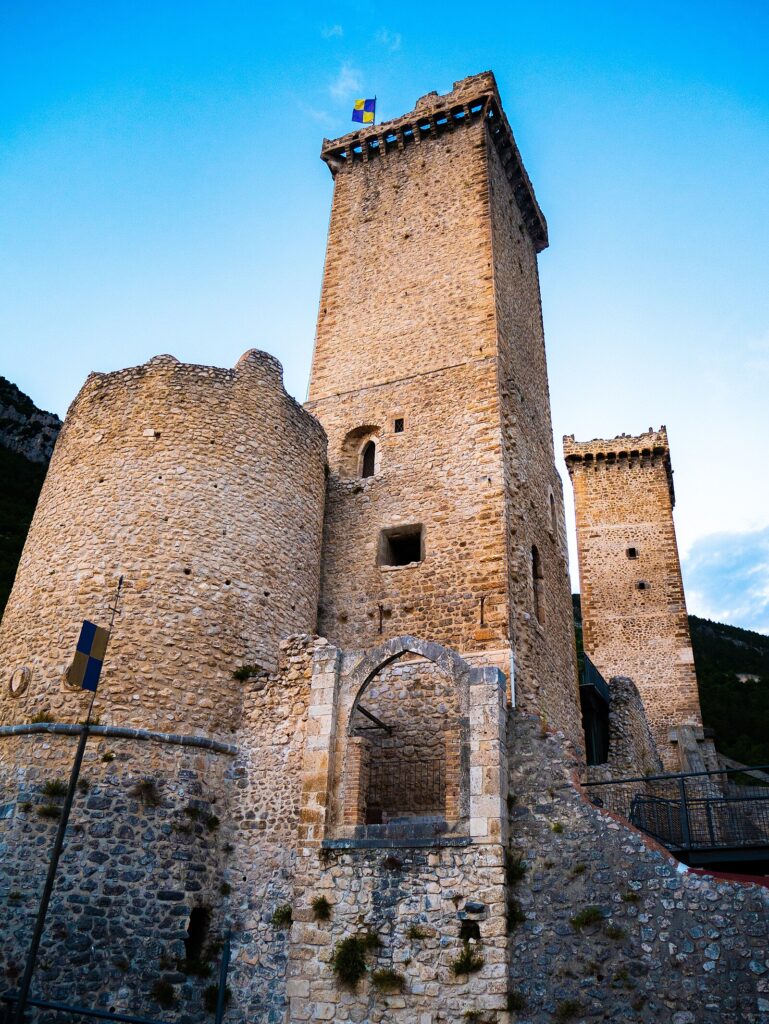
The castle occupies the summit of Colle Castello, one of the two hills on which Pacentro is built. Three of its original four towers remain largely standing, their masonry dating in its current form to the 10th century, though the site held earlier fortifications connected to the Counts of Valva from at least 1130. The Orsini family carried out significant remodelling after 1483, and the structure reflects that layered construction clearly in its surviving walls. After the municipal government purchased it from the Cipriani-Avolio family in 1957, a restoration programme was carried out and limited public visits are now permitted. It is worth climbing to the castle not only for the architecture but for the direct view it provides over the Peligna Valley and the city of Sulmona below.
Chiesa Madre di Santa Maria della Misericordia
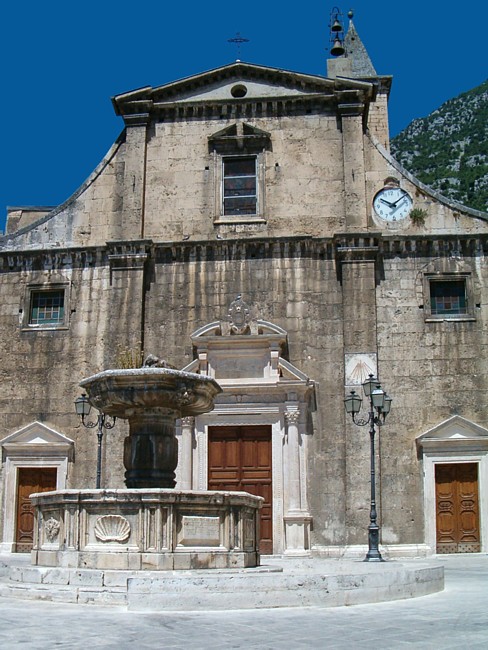
The main parish church, completed in 1603, stands on the Piazza del Popolo — originally called Piazza Botteghe because it served as the market square.
Its façade follows the Mannerist style characteristic of late-16th-century architecture, with a classical triangular pediment above the central section and Renaissance-influenced portal framing the main entrance. The bell tower is the second tallest in the surrounding area, after that of the SS. Annunziata in Sulmona, and is visible across a considerable distance. Inside, a three-aisled nave rests on Tuscan-style octagonal columns; the main aisle ceiling is flat in the manner of a Roman basilica while the side aisles are groin-vaulted. The original 17th-century carved wooden door has been moved indoors for conservation. The church holds the relics of San Crescenzo, a Roman legionary convert, brought from the Catacomb of Priscilla in Rome in 1753 at the request of the Barberini family.
Church of San Marcello
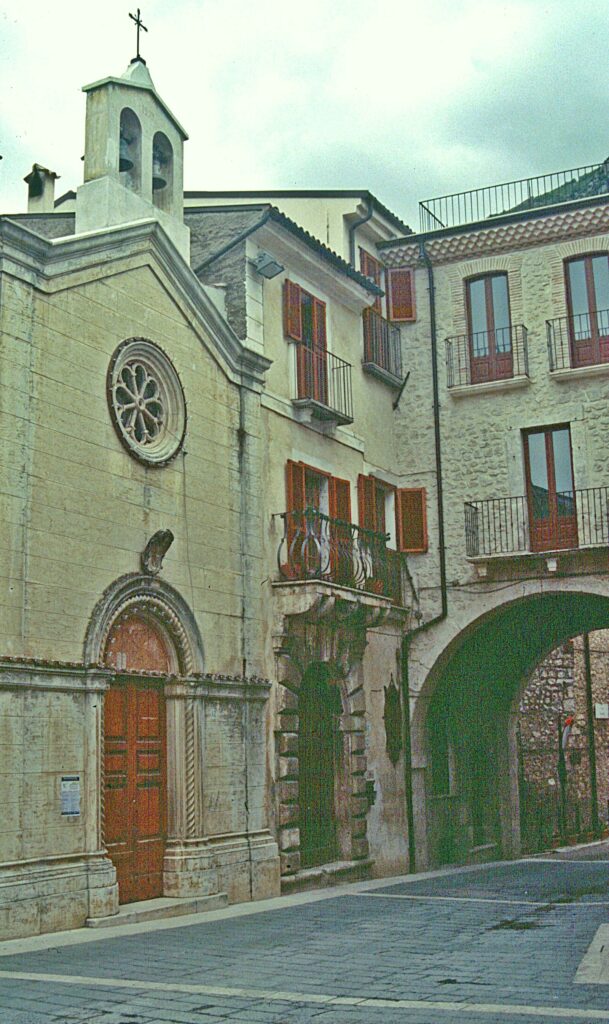
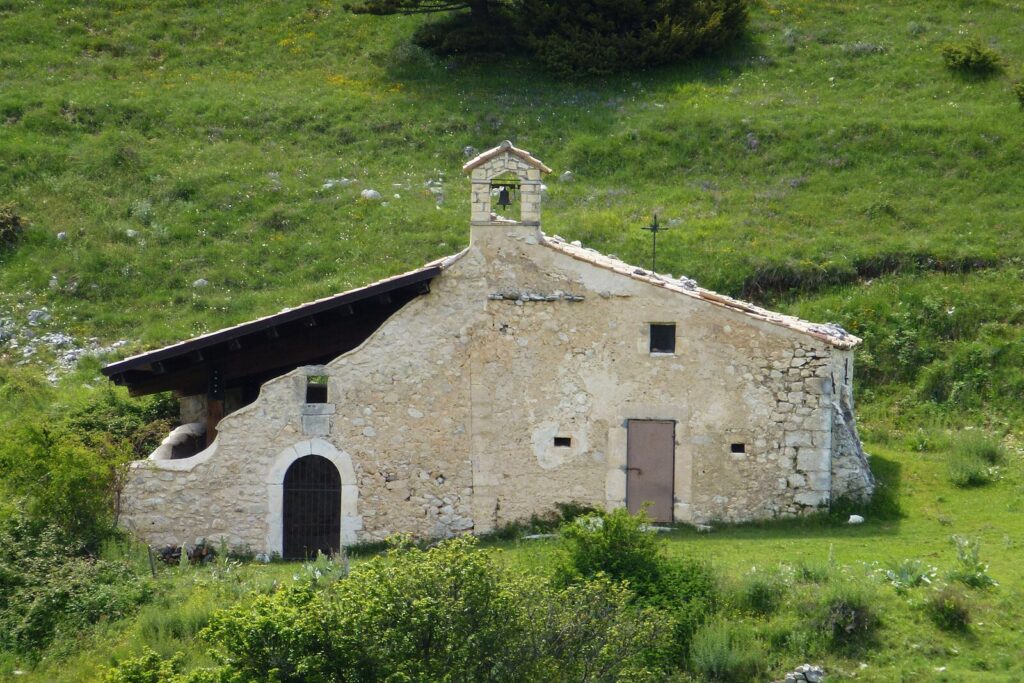
Dating to the 12th century, San Marcello is the oldest surviving church in Pacentro and holds a specific piece of documented iconography: a medieval fresco in a lunette on the façade depicting Pope Celestine V, the 13th-century Benedictine monk-hermit Pietro da Morrone who lived in a cave in the mountains near Pacentro before being elected pope by acclamation in L’Aquila in 1294. His pontificate lasted only a few months, making him the only pope in recorded history to resign the office. The fresco’s survival on the exterior lunette means it is visible without entering the building, though the interior retains further 12th-century fabric. The church connects the village directly to one of the most documented figures in medieval Abruzzo’s religious history.
Piazza del Popolo and Via S.
Maria Maggiore
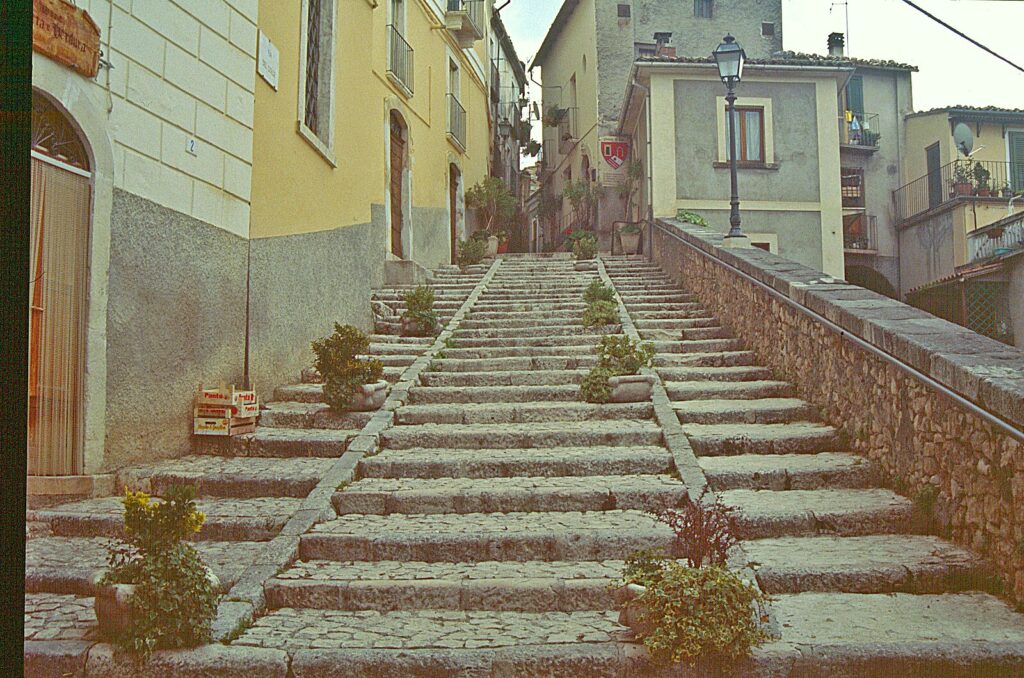
The two main squares of Pacentro — Piazza del Popolo and Piazza Umberto I, historically known as Piazza Jaringhi — define the urban structure of the medieval town. The name Jaringhi derives from a Lombard Germanic word meaning assembly or meeting ring, referring to the location where Lombard lords convened outside the town walls. During the Renaissance, the square was surrounded by a fountain and noble residences. Connecting the two piazzas is the Via S. Maria Maggiore, also known as Vico Dritto, a straight and narrow lane wide enough only for foot traffic. Walking this route gives a clear sense of how the town expanded outward from the castle hill in successive phases, with the medieval walls ending precisely at Piazza Jaringhi.
Majella National Park access and mountain springs
Pacentro sits within the boundaries of the , directly below Mount Morrone and above the Peligna Valley. The village is documented as a source point for mountain spring water fed by snowmelt from the Majella massif, and the springs have been part of the town’s identity since its earliest recorded history. The park’s terrain begins immediately at the edge of the built area, making Pacentro one of the more direct access points from a historic village into the protected mountain zone.
Those who want to understand why this site was chosen for settlement in the first place — fresh water, defensible high ground, control of a mountain pass — can read the geography directly from the village’s edges.
Local food and typical products of Pacentro
The agricultural structure of Pacentro, documented in detail in the 1753 Catasto Onciario (the Bourbon-era tax census), shows that roughly 75 percent of the population worked the land, divided between free landowners, animal husbandry specialists and sharecropping peasants. That demographic reality shaped the food culture of the area: practical, mountain-adapted dishes built around preserved ingredients, pulses, locally raised animals and the spring water that the village has always had in reliable supply. The Peligna Valley below, centred on Sulmona, has historically been the market and distribution hub for the surrounding highland villages, including Pacentro.
The wider Abruzzo mountain tradition informs the table in Pacentro. Pasta alla chitarra, square-section egg pasta cut on a wire-strung wooden frame called a chitarra, is the foundational pasta form in this part of the province of L’Aquila. It is typically served with a slow-cooked lamb ragù or, in a more austere preparation, with a sauce of tomato, guanciale and chilli.
Arrosticini, small skewers of castrated sheep meat grilled over a long narrow charcoal brazier called a fornacella, represent the pastoral economy of the mountains made edible: each skewer holds roughly equal parts fat and lean, cut in cubes of about 1 cm (0.4 in). Zuppa di legumi, pulse soup incorporating chickpeas, lentils or cicerchie (grass peas) with mountain herbs, reflects the subsistence diet that sustained the majority of the population through the 18th and 19th centuries.
The area around Sulmona and the Peligna Valley is historically associated with confetti di Sulmona, sugar-coated almonds produced in Sulmona since at least the 15th century, available in the markets that Pacentro residents have traditionally accessed in the city below. While no specific certified product (DOP, IGP or STG designation) is recorded in the available sources as unique to Pacentro itself, the village falls within the broader Abruzzo production zones for saffron (Zafferano dell’Aquila DOP), grown in the high plains of the province, and for local sheep’s-milk cheeses produced across the mountain comuni of L’Aquila province.
The village cemetery and its surroundings near the former Franciscan convento (monastery) of SS.
Concezione mark the southern edge of the historic town, and the weekly markets in Sulmona — reachable in under fifteen minutes by car — remain the most practical point of purchase for regional products. Local agri-food items including mountain honey, dried pulses and cured meats are typically available at periodic markets in Sulmona and at roadside points along the Peligna Valley floor.
Festivals, events and traditions of Pacentro
The village’s two main religious confraternities — SS. Rosario and S. Carlo Borromeo — maintain a documented presence in local ceremonial life, each operating a chapel in the town cemetery. The Chiesa Madre holds the relics of San Crescenzo, the patron, which were installed in the main altar following their transfer from Rome in 1753. Religious feast days connected to San Crescenzo are observed with the formal liturgical and procession protocols typical of Abruzzo’s mountain parishes.
The church itself, completed in 1603, has served as the site of major civic and religious gatherings for over four hundred years, and its baroque interior with carved walnut pulpit and confessionals provides the physical setting for the main annual celebrations.
The broader calendar of Abruzzo mountain villages in the province of L’Aquila includes a network of sagre — traditional local food festivals tied to specific harvests or saints’ days — held across the summer and early autumn months. Pacentro’s position within the Majella National Park and its proximity to Sulmona (which hosts its own established calendar of cultural events) means that visitors in late July or August will find activity both in the village and in the valley below. The exact dates of individual village events are best confirmed locally or through the municipal office, as scheduling can vary year to year.
When to visit Pacentro, Italy and how to get there
The most practical window for visiting falls between late May and late September. At 650 m (2,133 ft) elevation, the village avoids the worst of the summer heat that settles on the lower Adriatic coast and in Rome, while the mountain roads remain fully accessible. Spring brings snowmelt from the Majella, which feeds the springs the village is known for, and the park trails above the town are clear of ice by late April.
Winter visits are possible but the castle and some churches operate on reduced or suspended visiting hours, and the narrow streets of the historic centre can be difficult on foot after snowfall. For those asking about the best time to visit Abruzzo more generally, the shoulder months of May, June and September offer the most reliable combination of open sites, passable mountain terrain and manageable visitor numbers.
Pacentro lies a few kilometres above Sulmona, which is the most useful reference point for arrivals. By car from Rome, the most direct route follows the A25 motorway to the Sulmona exit, a distance of approximately 170 km (106 mi); from the motorway exit, Pacentro is roughly 8 km (5 mi) by local road. From L’Aquila the drive covers approximately 75 km (47 mi) via the SS17. Sulmona has a railway station served by Trenitalia with connections from Rome Tiburtina and Pescara; a day trip from Rome is achievable, with journey times of approximately 2 to 2.5 hours by regional train to Sulmona, followed by a short road transfer to the village.
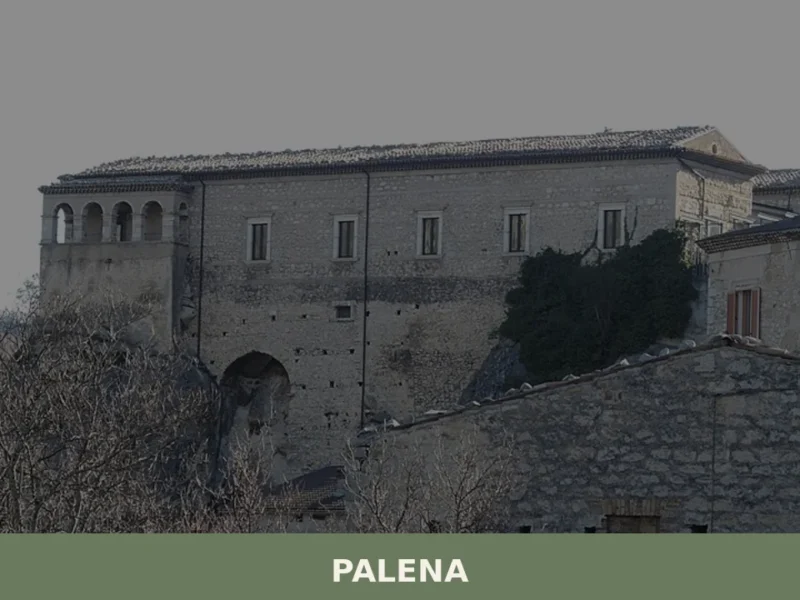
The nearest major airport is Rome Fiumicino (FCO), approximately 190 km (118 mi) by road. International visitors should note that English is not widely spoken in smaller shops and local bars in the village; carrying cash in euros is advisable, as card payment terminals are not universal in the historic centre. Those combining the visit with other villages in the L’Aquila province might consider Palena, a medieval village on the southern slopes of the Majella that shares the same national park boundary and offers a comparable mountain approach.
Where to stay near Pacentro
Accommodation close to Pacentro is most reliably found in and around Sulmona, which functions as the service hub for the upper Peligna Valley and offers a range of hotels, agriturismi (farm-stay establishments) and B&Bs within a short drive. The village itself and the surrounding Majella National Park territory include rural farm-stay properties that operate seasonally, typically from spring through early autumn.
Visitors planning an extended stay in the area who want to explore the wider province of L’Aquila might also use Pacentro as a base for day access into the park, combining it with other villages in the region such as Castelli, known for its documented ceramic production tradition, located further north in the province of Teramo.
Visitors to Pacentro who wish to extend their itinerary westward within the province of L’Aquila can reach Cagnano Amiterno, a village in the Aterno Valley that shares the broader historical context of the L’Aquila area’s medieval comuni, in approximately one hour by car via the SS17 and connecting roads.
Frequently asked questions about Pacentro
What is the best time to visit Pacentro?
The best time to visit Pacentro is during spring, summer, and early autumn. These seasons offer ideal weather for exploring the village's medieval charm, hiking in the adjacent Majella National Park, and enjoying the breathtaking views of the Peligna Valley. Spring brings fresh mountain water from snowmelt, while summer and early autumn provide pleasant temperatures for outdoor activities and cultural discovery. The village, nestled at 690 meters, offers a refreshing escape during warmer months.
What are the historical origins of Pacentro?
Pacentro boasts a rich history dating back to Roman times, serving initially as a mountain retreat. Documented settlements appear from the 8th or 9th century, with the original fortifications held by the Counts of Valva by 1130. The Cantelmo lords rebuilt the castle in the 10th century, shaping its current form. Over centuries, feudal control passed through powerful families like the Orsini, Colonna, and Barberini, each leaving their mark on the village's architecture and development until feudalism's abolition in 1806.
What to see in Pacentro? Main monuments and landmarks
Pacentro offers several captivating sights. The majestic Castello Cantelmo, with its three surviving towers, provides panoramic views over the Peligna Valley and Sulmona; limited public visits are permitted. Explore the Chiesa Madre di Santa Maria della Misericordia, completed in 1603, renowned for its Mannerist façade and the second tallest bell tower in the area. Don't miss the 12th-century Church of San Marcello, featuring a medieval fresco of Pope Celestine V on its façade. Wander through Piazza del Popolo, Piazza Umberto I, and the pedestrian Via S. Maria Maggiore for a true sense of the medieval urban layout, and enjoy direct access to the Majella National Park.
What are the main natural or scenic attractions of Pacentro?
Pacentro is a gateway to the stunning natural beauty of the Majella National Park. Situated directly below Mount Morrone and overlooking the Peligna Valley, the village offers immediate access to diverse mountain terrain. Its identity is deeply tied to the pure mountain spring water, fed by snowmelt from the Majella massif, which flows through the village's fountains. The strategic location provides magnificent scenic viewpoints, allowing visitors to appreciate the geography that shaped its ancient settlement.
Where to take the best photos in Pacentro?
For unforgettable photos in Pacentro, ascend to the Castello Cantelmo. From its historic walls, you'll capture sweeping panoramic views of the Peligna Valley, the city of Sulmona, and the surrounding Majella mountains. The three prominent castle towers against the ridgeline also make for iconic shots. Wander along the narrow, pedestrian-only Via S. Maria Maggiore (Vico Dritto) and through the main squares, Piazza del Popolo and Piazza Umberto I, to capture the authentic medieval architecture and charming village atmosphere.
Are there museums, churches or historic buildings to visit in Pacentro?
Yes, Pacentro is rich in historical sites. The impressive Castello Cantelmo, a 10th-century fortification with subsequent remodelling, is open for limited public visits. You can explore two significant churches: the Chiesa Madre di Santa Maria della Misericordia, completed in 1603, with its grand bell tower and 17th-century artwork, and the older 12th-century Church of San Marcello, notable for its exterior fresco of Pope Celestine V. The village itself, listed among 'I Borghi più belli d'Italia,' is an open-air museum of medieval urban planning.
What can you do in Pacentro? Activities and experiences
In Pacentro, you can immerse yourself in history and nature. Explore the well-preserved medieval village by walking its ancient streets, visiting the Castello Cantelmo, and admiring the historic churches like Santa Maria della Misericordia and San Marcello. Being a direct access point to the Majella National Park, it’s ideal for hiking and nature excursions. Additionally, indulge in the local gastronomy, savoring mountain-adapted dishes and specialties rooted in the region's agricultural traditions.
Who is Pacentro suitable for? Families, couples, hikers, solo travelers?
Pacentro is ideal for a diverse range of visitors. Hikers and nature lovers will appreciate its direct access to the Majella National Park and the stunning mountain scenery. History and culture enthusiasts, including couples and solo travelers, will be captivated by its well-preserved medieval layout, historic castle, ancient churches, and the stories of feudal lords and a pope. Families who enjoy exploring historic villages and light hiking will also find it charming. It’s perfect for those seeking an authentic, tranquil Abruzzese experience.
What to eat in Pacentro? Local products and specialties
Pacentro's cuisine reflects its mountain heritage, featuring practical, hearty dishes. A must-try is 'pasta alla chitarra,' square-section egg pasta typically served with a rich slow-cooked lamb ragù or a sauce of tomato, guanciale, and chilli. Another regional specialty you'll find here are 'arrosticini,' delicious grilled lamb skewers. The local diet is built around preserved ingredients, pulses, and locally raised animals, showcasing the authentic flavors of the Abruzzo mountains.
📷 Photo Gallery — Pacentro
Nearby Villages near Pacentro
In Abruzzo More villages to discover
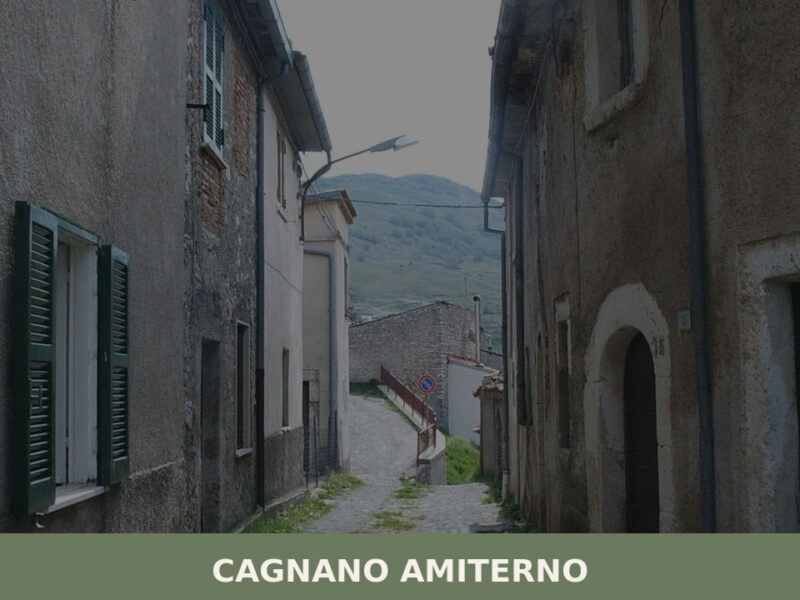
Cagnano Amiterno
Mountain
Morning light falls flat across the high plateau west of L’Aquila, catching the stone walls of a settlement that has survived earthquakes, depopulation, and the slow erosion of memory. The air carries woodsmoke and the cold mineral scent of mountain water. Cagnano Amiterno, home to just over 1,400 residents, sits in a landscape shaped by […]
Montefino
 Hills
Hills
What to see in Montefino, Abruzzo, Italy: the Castello di Corte, the Chiesa di San Giacomo and the olive oil festival. Village at 375 m. Discover the full guide.
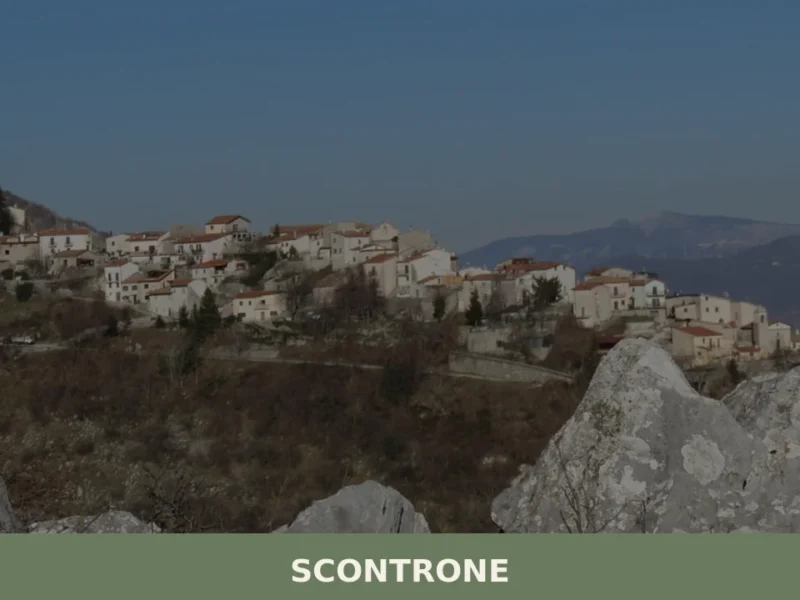
Scontrone
Mountain
What to See in Scontrone: explore the 5 top attractions in this Abruzzo village, featuring history and nature. Read the guide and plan your visit!
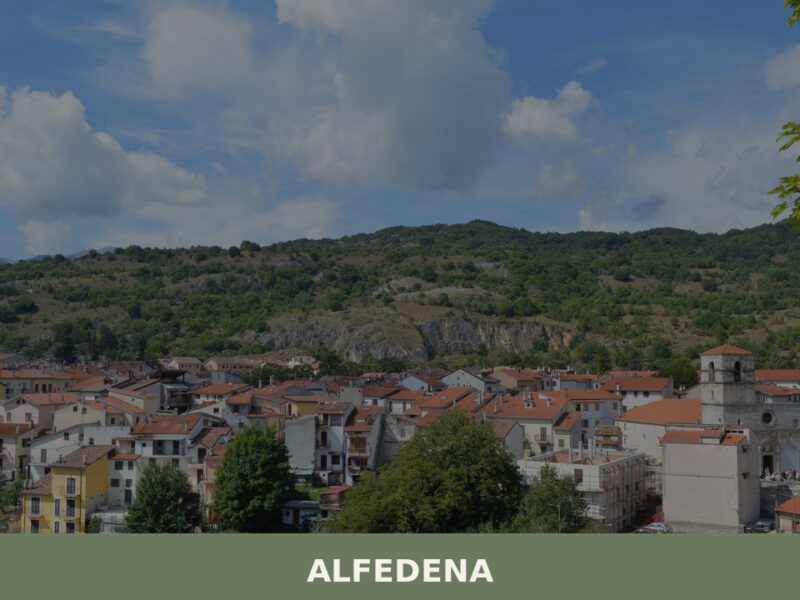
Alfedena
Mountain
Morning light falls across a line of limestone rooftops, turning them the colour of raw honey. A church bell marks the hour — its sound rolls downhill, across empty streets still cool from the night, and fades into the forested slopes of the upper Sangro valley. Alfedena sits at roughly 914 metres above sea level […]
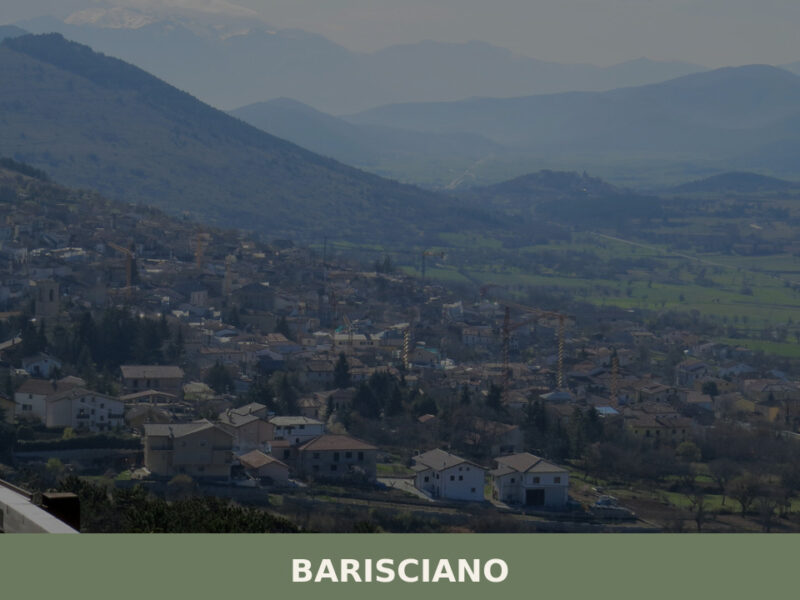
Barisciano
Mountain
A high-altitude village on the Piana di Navelli, Barisciano holds Roman ruins, Franciscan cloisters, and centuries of Abruzzo history written in stone.
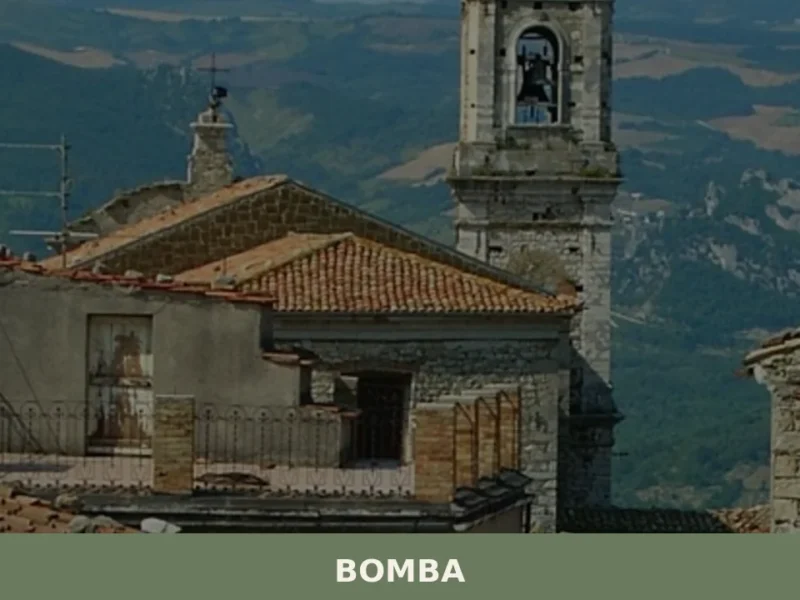
Bomba
Hills
The artificial lake that bears its name, created in 1958 by damming the River Sangro, redefined the geography and economy of Bomba, a municipality of 719 inhabitants in the province of Chieti, at 424 metres above sea level. The reservoir occupies the valley below and today represents one of the key points of interest for […]
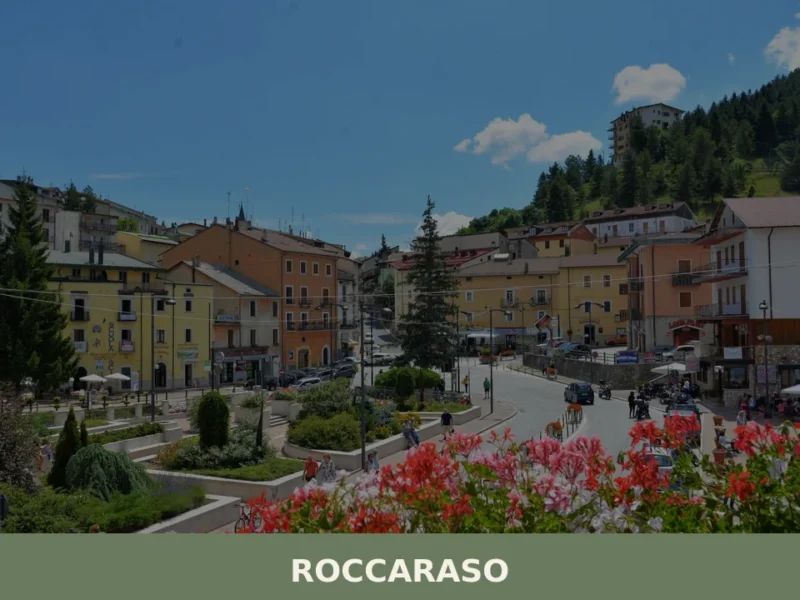
Roccaraso
Mountain
What to see in Roccaraso, Abruzzo, Italy: ski slopes at 1,236 m, the Church of Santa Maria Assunta, and the Alto Sangro ski area. Discover top attractions now.
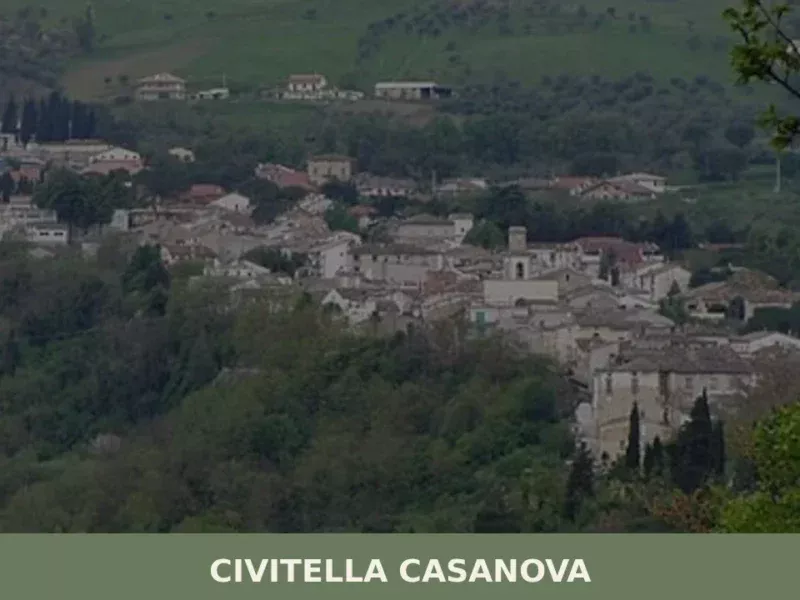
Civitella Casanova
Hills
At 400 meters above sea level, in the hilly heart of the province of Pescara, lies Civitella Casanova. This village, whose historical presence is attested since Roman times, offers a territorial context where geology and human activity have shaped a distinctive landscape. For those wondering about what to see in civitella casanova, the journey through […]
Prezza
Mountain
What to see in Prezza, Italy: explore a medieval hilltop comune at 480 m, the Praesidium Winery, and the Church of Santa Lucia. Discover Abruzzo's Valle Peligna.
L’Aquila
 Lake
Mountain
Lake
Mountain
what to see all'Aquila: 5 attractions storiche, prodotti PAT e consigli pratici per visitare la città abruzzese a 714 m s.l.m. Pianifica il tuo itinerario.
🧀 Italian traditional products




🏡 Know Pacentro better than we do?
If you’re a local or have been there, your knowledge matters: add what’s missing or fix a detail on this page.