


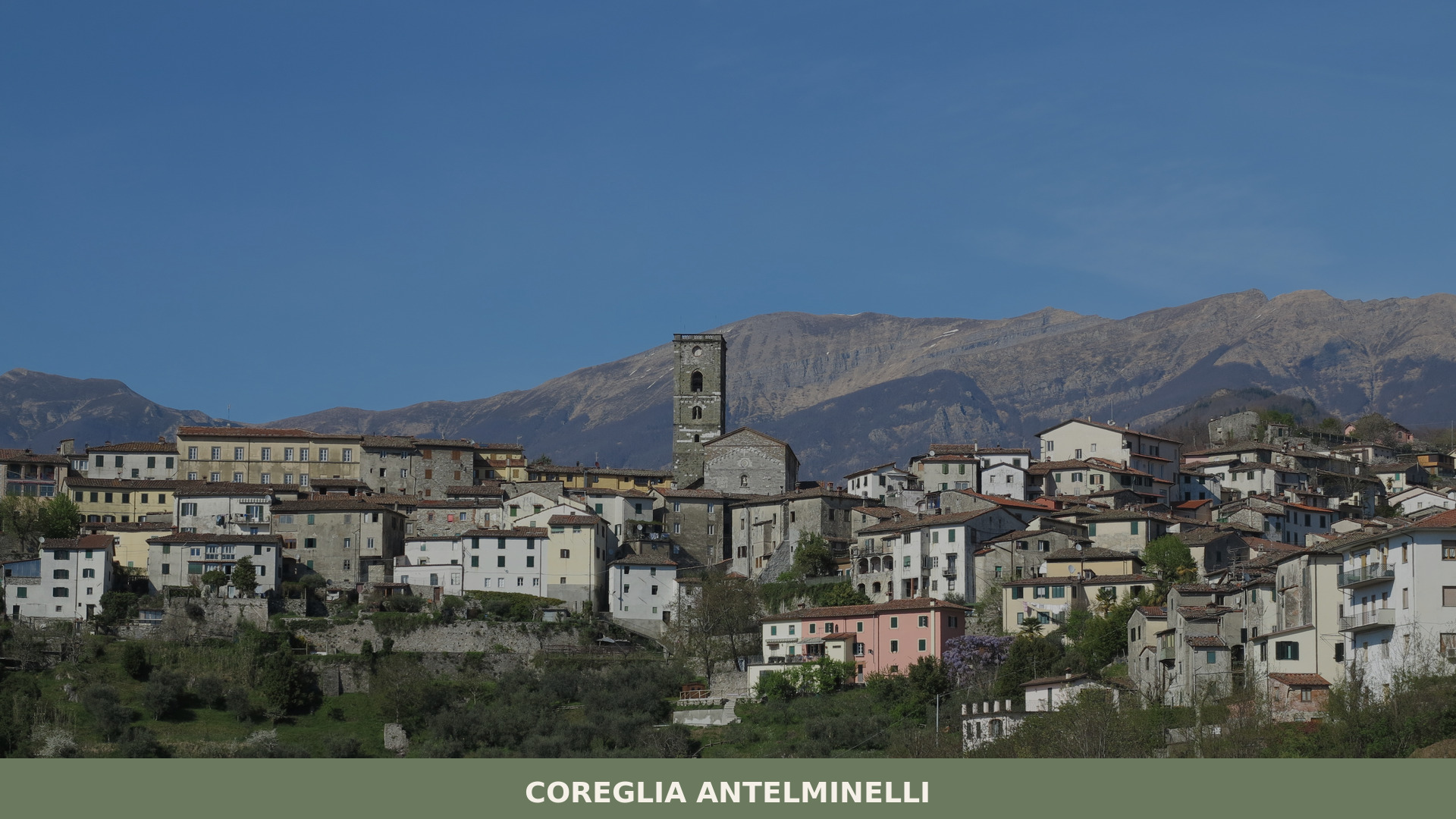
Coreglia Antelminelli
 Hills
Hills
What to see in Coreglia Antelminelli, Italy: 3 Romanesque churches, a painted crucifix by Berlinghieri, and a village at 595 m. Explore the full guide.
Discover Coreglia Antelminelli
A painted crucifix fills the interior of Santa Maria Assunta, its surface attributed by art historians to Berlinghiero Berlinghieri, the 13th-century Lucchese master whose workshop defined the Byzantine-influenced panel painting of medieval Tuscany.
The church stands in the upper part of the village at 595 m (1,952 ft) above sea level, where the Serchio valley opens northward toward the Apuan Alps and the air carries the resin smell of the surrounding chestnut and pine forest.
Two other Romanesque buildings occupy the same tight cluster of streets, each recording a different layer of the religious and civic life that accumulated here over twelve centuries.
Deciding what to see in Coreglia Antelminelli is straightforward for a visitor with half a day: the three historic churches, the Romanesque fabric of the old centre, and the wide views across the Serchio valley toward Barga are the primary draws.
The village sits about 70 km (43 mi) northwest of Florence and 25 km (16 mi) north of Lucca, making it accessible as a day trip from either city. With a resident population of 5,225, Coreglia Antelminelli is large enough to have basic services but compact enough to explore on foot.
It holds official recognition as one of I Borghi più belli d’Italia — the most beautiful villages of Italy — a national quality certification awarded to fewer than 350 comuni.
History of Coreglia Antelminelli
The double name of the village encodes two distinct historical layers. Coreglia derives from the Latin corilius, a reference to the hazel trees that once covered the surrounding hillsides. Antelminelli records the medieval lordship of the Antelminelli family, the Ghibelline dynasty of Lucca whose most famous member, Castruccio Castracani, rose to control much of western Tuscany in the early 14th century.
The association of the family name with this settlement reflects the territorial control the Antelminelli exercised over the middle Serchio valley during the communal and signorial period of Lucchese politics.
The church of San Martino, whose Romanesque structure dates to the 9th or 10th century, predates that lordship and points to an organised settlement already present in the Carolingian or early medieval period.
Through the later medieval centuries, Coreglia functioned as a fortified hilltop centre overseeing the route along the Serchio, a corridor of commercial and military importance connecting the Ligurian coast with the Po plain.
The Lucchese Republic extended its administrative reach into this valley, and the village remained within the gravitational pull of Lucca rather than Florence, a distinction that shaped its architectural and artistic patronage.
The church of Santi Pietro e Paolo preserves a Romanesque structure beneath its 19th-century interior refurbishment, a common pattern in this part of Tuscany where Counter-Reformation and Neoclassical interventions overlaid medieval fabric.
Nearby, the hill town of Fivizzano, further north in the Lunigiana, followed a broadly comparable trajectory under different lordships, illustrating how the mountain corridors between Tuscany and Liguria produced a series of strategically placed settlements during the same centuries.
In the modern period, Coreglia Antelminelli consolidated its identity as a comune within the Province of Lucca, a administrative structure formalised under Napoleonic reorganisation and maintained through Italian unification and into the Republic.
The village borders seven other municipalities — Abetone Cutigliano, Bagni di Lucca, Barga, Borgo a Mozzano, Fiumalbo, Gallicano, and Pievepelago — a network of contacts that shaped its economic and cultural exchanges over the past two centuries.
Its population of 5,225 is distributed across the main centre and several frazioni, the satellite hamlets that are a standard feature of Tuscan hill comuni.
What to see in Coreglia Antelminelli, Toscana: top attractions
Church of San Martino
The walls of San Martino are among the oldest standing fabric in the village, their Romanesque construction dated to the 9th or 10th century on the basis of architectural typology.
The building represents the earliest layer of Christian worship organised at this altitude in the middle Serchio valley, predating the civic and commercial expansion of the medieval comune by several generations.
Standing in front of it, a visitor reads the characteristic features of Tuscan Romanesque: the proportional facade, the use of local stone in regular courses, the restrained ornament around the portal.
The church is worth visiting in the morning when the light strikes the facade directly from the east.
Church of Santi Pietro e Paolo
The structural shell of Santi Pietro e Paolo is Romanesque in origin, but its interior was refurbished and frescoed during the 19th century, a transformation that created an unusual layering of medieval architecture and Neoclassical decorative programme.
The frescoes cover walls and ceiling and represent the kind of 19th-century ecclesiastical decoration common in Tuscan parishes that lacked the resources for major Baroque interventions but still sought a complete pictorial environment. The contrast between the exterior stonework and the painted interior gives the building a dual character that rewards a slow visit.
Access is typically possible during morning and late afternoon hours on days without liturgical functions.
Church of Santa Maria Assunta and the Berlinghieri Crucifix
Santa Maria Assunta holds the most significant individual artwork documented in Coreglia Antelminelli: a painted crucifix attributed to Berlinghiero Berlinghieri, the founder of a Lucchese workshop active in the first half of the 13th century.
Berlinghieri’s production, which includes the signed cross in the Lucca Pinacoteca, represents the transition between Byzantine iconographic conventions and the emerging Italian figurative tradition.
The crucifix in this church belongs to a category of devotional objects that were produced in considerable numbers across Tuscany and Umbria between 1200 and 1280, though relatively few retain a secure attribution. The attribution makes this the primary art-historical reason to include what to see in Coreglia Antelminelli on any itinerary focused on medieval Tuscan painting.
The Historic Village Centre
The old centre of Coreglia Antelminelli occupies the upper part of the hill at 595 m (1,952 ft), where the street pattern retains a medieval logic of narrow lanes converging on the principal churches and a small central space. The stone construction, the scale of the buildings, and the visibility of the surrounding landscape at every opening between houses give the centre a physical coherence that distinguishes it from lowland towns of comparable size.
The recognition by I Borghi più belli d’Italia is based on precisely this kind of integrity — the absence of large-scale modern insertions within the historic perimeter.
Visitors on foot can cover the full extent of the old centre in under an hour, though the uneven stone paving requires sturdy footwear.
Views toward the Serchio Valley and Barga
From the upper edges of the village, the view drops northward across the Serchio valley toward the hill town of Barga, one of Coreglia Antelminelli’s direct neighbours.
The elevation difference between the valley floor and the village is substantial — the Serchio flows at roughly 200 m (656 ft), placing the viewpoint some 395 m (1,296 ft) above the river. On clear days between October and April, when atmospheric haze is minimal, the Apuan Alps form a defined ridge to the west, with the higher peaks carrying snow.
This orientation and elevation made the site strategically legible in the medieval period; today it gives the visitor an immediate sense of the topographic logic that determined where the settlement was built.
Local food and typical products of Coreglia Antelminelli
The culinary tradition of Coreglia Antelminelli belongs to the broader gastronomic culture of the Garfagnana and the middle Serchio valley, a highland zone whose agriculture was historically shaped by altitude, chestnut woodland, and limited arable land. The Province of Lucca contributed its own distinct influences — olive oil, emmer wheat, pulses — while the mountain context introduced preserved meats, foraged ingredients, and chestnut-based preparations that remain central to the local diet.
This combination of lowland Lucchese and highland Garfagnana elements gives the area’s cooking a specific character that differs from coastal Tuscan cuisine or the richer traditions of the Arno valley.
Among the preparations associated with this zone, farro della Garfagnana — emmer wheat grown in the surrounding mountain territory — appears in thick soups cooked with local legumes, particularly borlotti beans, and finished with extra virgin olive oil from Lucca.
The grain has a firm, nutty texture after cooking and holds its structure in long-simmered preparations.
Necci, thin chestnut-flour pancakes cooked on flat cast-iron plates called testi, are a traditional street food and household preparation in the autumn and winter months, typically eaten with ricotta or cured meat.
Chestnut flour also enters bread and pastry production, giving baked goods a slightly sweet, earthy flavour profile that distinguishes them from wheat-only preparations.
The Farro della Garfagnana IGP (Indicazione Geografica Protetta) is the most formally recognised certified product associated with this area.
The IGP designation covers emmer wheat grown within a defined mountain zone that includes the municipalities of the Garfagnana and the upper Serchio valley, of which Coreglia Antelminelli forms a part. The certification establishes minimum standards for variety, cultivation altitude, and processing method.
Local shops and weekly markets in the area sell both the raw grain and processed products derived from it.
The autumn period — roughly September through November — brings the chestnut harvest, which remains a practical and cultural event in the villages of this zone. Several comuni in the Serchio valley organise sagre, traditional local food festivals, dedicated to the chestnut during October and early November, offering necci, chestnut polenta (polenta di farina di castagne), and roasted chestnuts alongside local wines and cured meats.
Visitors planning to focus on the food culture of the area will find the autumn months the most productive season.
Festivals, events and traditions of Coreglia Antelminelli
The patron saint of Coreglia Antelminelli is Arcangelo Michele — the Archangel Michael — whose feast day falls on 8 May.
The celebration on this date is the principal civic and religious event in the village calendar, organised around a Mass in the main church followed by a procession through the historic centre. The procession follows the traditional form common to Tuscan hilltop comuni: the statue of the patron saint is carried through the streets, accompanied by local confraternities, clergy, and residents.
The May date places the feast in a period of mild weather, which supports outdoor participation and the informal gatherings that extend the celebration into the afternoon and evening.
Beyond the patron saint feast, the village participates in the seasonal cycle of events characteristic of the Garfagnana and the Serchio valley.
The autumn months bring the chestnut-related festivities described in the food section, which function as both agricultural celebrations and occasions for community gathering.
The medieval and Romanesque heritage of the three churches gives the village a potential role in the broader circuit of religious and artistic events organised at the provincial level by the Municipality of Coreglia Antelminelli and by Lucca-area cultural associations, though the specific calendar of such events is confirmed on the municipal website and varies from year to year.
When to visit Coreglia Antelminelli, Italy and how to get there
The best period to visit Coreglia Antelminelli, Italy depends on the visitor’s priorities.
For clear views across the Serchio valley and toward the Apuan Alps, the months from October to April offer the most reliable atmospheric conditions, with low haze and the possibility of snow on the higher ridges in winter. For the chestnut harvest and related food events, October and November are the most active months.
Spring — particularly April and May — brings the patron saint feast on 8 May and mild temperatures suitable for walking the uneven stone streets of the old centre.
July and August are the warmest months at this altitude, with daytime temperatures typically 5-7°C (9-13°F) lower than in Florence or the Arno plain, which makes summer visits more physically comfortable than in the lowland cities.
Coreglia Antelminelli sits about 70 km (43 mi) northwest of Florence and 25 km (16 mi) north of Lucca, making it a viable day trip from either city.
From Florence, the most direct route by car uses the A11 motorway toward Lucca, then continues north along the SS12 following the Serchio valley to reach the village, a journey of approximately 1 hour 15 minutes under normal traffic conditions. From Lucca, the SS12 runs directly north along the river for about 30 minutes by car.
The nearest train station serving the valley is in Barga-Gallicano, on the Lucca-Aulla railway line operated by Trenitalia; from the station, a local road climbs the remaining distance to Coreglia Antelminelli, requiring either a taxi or a private vehicle.
The nearest major airport is Florence Peretola (Amerigo Vespucci Airport), approximately 75 km (47 mi) from the village.
International visitors should carry Euros in cash, as smaller shops and services in this area may not accept card payments, and English-language assistance is limited outside the main tourist centres.
Those arriving from the north via the A15 motorway — the Autocamionale della Cisa connecting Parma to La Spezia — can exit at Aulla and travel south through the Lunigiana, passing through villages such as Filattiera, which occupies a comparable position in the Magra valley to the north, before descending into the Serchio basin.
This approach adds distance but offers a mountain itinerary that combines several hilltop settlements into a single route.
For those based in Pisa, the drive northeast via Lucca takes roughly 1 hour 30 minutes and can be combined with a visit to the Lucca historic centre en route.
Visitors to Coreglia Antelminelli who wish to extend their stay in the Serchio valley can include the nearby town of Barga — one of the village’s direct municipal neighbours — or explore the broader Garfagnana territory to the north.
The hilltop settlement of Aulla, further along the valley system toward the Ligurian border, offers a different topographic and historical context and makes a logical extension for travellers already in this part of Tuscany.
Frequently asked questions about Coreglia Antelminelli
What is the best time to visit Coreglia Antelminelli?
The ideal periods are spring (April–June) and autumn (September–November). In spring, the surrounding chestnut and pine forests are lush and the feast of the patron saint Arcangelo Michele is celebrated on 8 May, offering a glimpse of local tradition. Autumn brings the chestnut harvest season, when typical products like necci and chestnut flour preparations are at their most authentic. For the clearest panoramic views across the Serchio valley toward the Apuan Alps, visit between October and April, when atmospheric haze is minimal and the higher peaks may carry snow.
What are the historical origins of Coreglia Antelminelli?
The village name encodes two historical layers: Coreglia derives from the Latin corilius, referencing the hazel trees that once covered the hillsides, while Antelminelli records the medieval Ghibelline lordship of the Antelminelli family of Lucca, whose most famous member was Castruccio Castracani, who controlled much of western Tuscany in the early 14th century. The church of San Martino, dated to the 9th or 10th century, confirms an organised settlement already present in the Carolingian period. The village historically functioned as a fortified hilltop centre controlling the strategic Serchio valley corridor.
What to see in Coreglia Antelminelli? Main monuments and landmarks
The three main attractions are the Church of Santa Maria Assunta, which houses a painted crucifix attributed to 13th-century Lucchese master Berlinghiero Berlinghieri — the most significant artwork in the village; the Church of San Martino, whose Romanesque walls date to the 9th–10th century; and the Church of Santi Pietro e Paolo, with its medieval structure and 19th-century frescoed interior. The medieval old centre itself, recognised among I Borghi più belli d'Italia, can be explored on foot in under an hour. Sturdy footwear is recommended for the uneven stone paving.
What are the main natural or scenic attractions of Coreglia Antelminelli?
The village sits at 595 m above sea level surrounded by chestnut and pine forest, within the middle Serchio valley. From the upper edges of the village, the terrain drops approximately 395 m to the Serchio river below, with views extending toward the Apuan Alps to the west and the neighbouring hill town of Barga to the north. The surrounding woodland and valley landscape are characteristic of the Garfagnana mountain zone, making the area well suited to walking and nature exploration in the hills of the Province of Lucca.
Where to take the best photos in Coreglia Antelminelli?
The most rewarding viewpoints are along the upper edges of the historic centre, where the terrain opens northward across the Serchio valley toward Barga and the Apuan Alps. The elevation of 595 m provides an unobstructed perspective over the valley, with the river visible approximately 395 m below. The facade of San Martino is best photographed in the morning when eastern light strikes it directly. The narrow medieval lanes of the old centre, with their stone construction and glimpses of the surrounding landscape between buildings, offer strong compositional material at any time of day.
Are there museums, churches or historic buildings to visit in Coreglia Antelminelli?
Three churches form the core of the historic heritage. Santa Maria Assunta houses the Berlinghieri-attributed painted crucifix, the primary art-historical monument in the village. San Martino preserves Romanesque fabric from the 9th–10th century. Santi Pietro e Paolo combines a medieval structural shell with a fully frescoed 19th-century interior, accessible during morning and late afternoon hours on non-liturgical days. The entire historic centre is recognised by I Borghi più belli d'Italia for its architectural integrity, with no large-scale modern insertions within the medieval perimeter.
What can you do in Coreglia Antelminelli? Activities and experiences
Visitors can explore the medieval old centre on foot, visit the three historic churches — including Santa Maria Assunta with its Berlinghieri crucifix — and take in the panoramic views over the Serchio valley toward Barga and the Apuan Alps. The autumn season (September–November) is the best time to experience local food culture centred on the chestnut harvest. The village makes an excellent base for exploring neighbouring Garfagnana towns such as Barga and Bagni di Lucca, and is reachable as a day trip from both Lucca (25 km) and Florence (70 km).
Who is Coreglia Antelminelli suitable for? Families, couples, hikers, solo travelers?
Coreglia Antelminelli suits travellers interested in medieval art and architecture, particularly those following the trail of Romanesque and early Italian painting — the Berlinghieri crucifix is a rare, documented attribution. Couples and cultural travellers will appreciate the compact, coherent historic centre and valley panoramas. The village is manageable for families with older children, though uneven stone paving requires care. It is an excellent choice for visitors combining it with nearby Barga or Bagni di Lucca. Those seeking a quiet, uncrowded alternative to busier Tuscan hill towns will find it especially rewarding.
What to eat in Coreglia Antelminelli? Local products and specialties
The local table draws on both Lucchese and Garfagnana traditions. The most formally recognised product is Farro della Garfagnana IGP, an emmer wheat grown in the surrounding mountain zone and used in thick soups with borlotti beans and local olive oil. Necci — thin chestnut-flour pancakes cooked on cast-iron testi plates — are a traditional autumn and winter preparation, typically served with ricotta or cured meat. Chestnut flour also appears in local bread and pastries. Local shops and weekly markets in the area sell raw farro and products derived from it.
Nearby Villages near Coreglia Antelminelli
 Mountain
In Tuscany More villages to discover
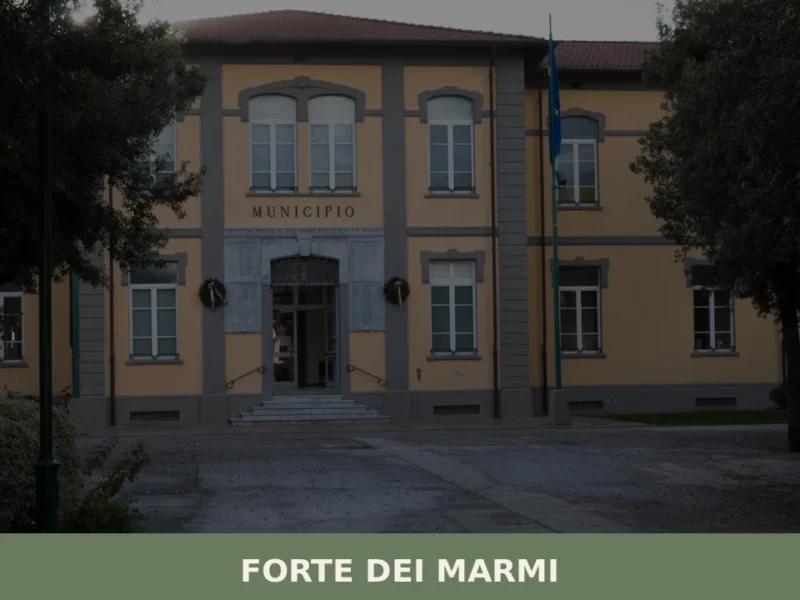
Forte dei Marmi
 Sea
Sea
What to see in Forte dei Marmi, Italy: the 1788 fortress, sandy beaches, satirical art museum and weekly market. Population 7,619. Explore the full guide.
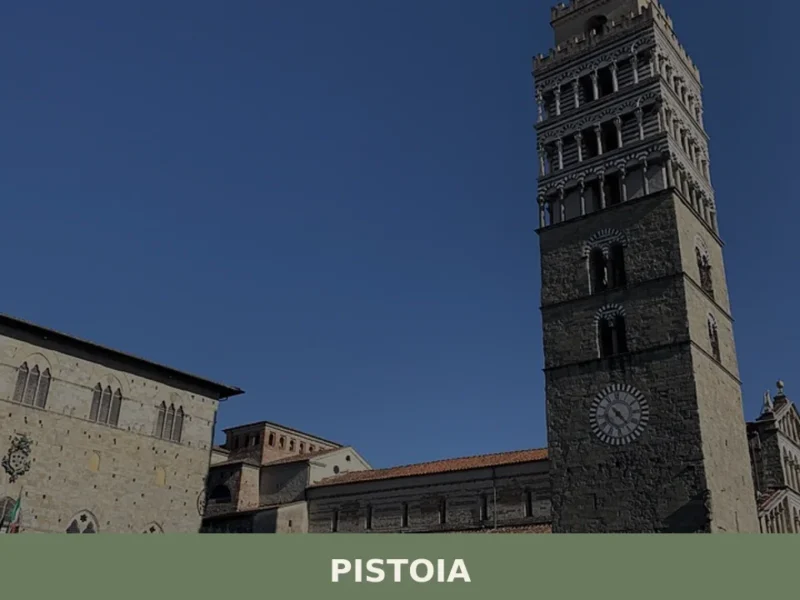
Pistoia
 Plains
Discover Pistoia, a charming village in Tuscany, Italy. Explore its rich history, stunning architecture, and authentic Italian culture off the beaten path.
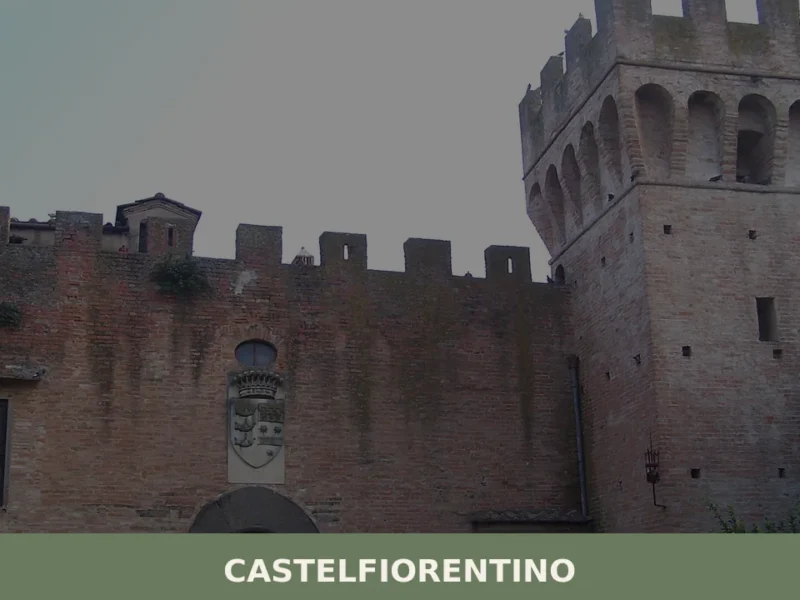
Castelfiorentino
Plains
What to see in Castelfiorentino, Italy: 6 top attractions, history from 1149, the Sanctuary of Santa Verdiana and a crucifix by Giovanni Pisano. Discover now.
Pitigliano
Sea
What to see in Pitigliano, Italy: a tufa-rock town 80 km from Grosseto with a 1598 synagogue, Etruscan cuts, and Orsini Fortress. Discover the complete guide.
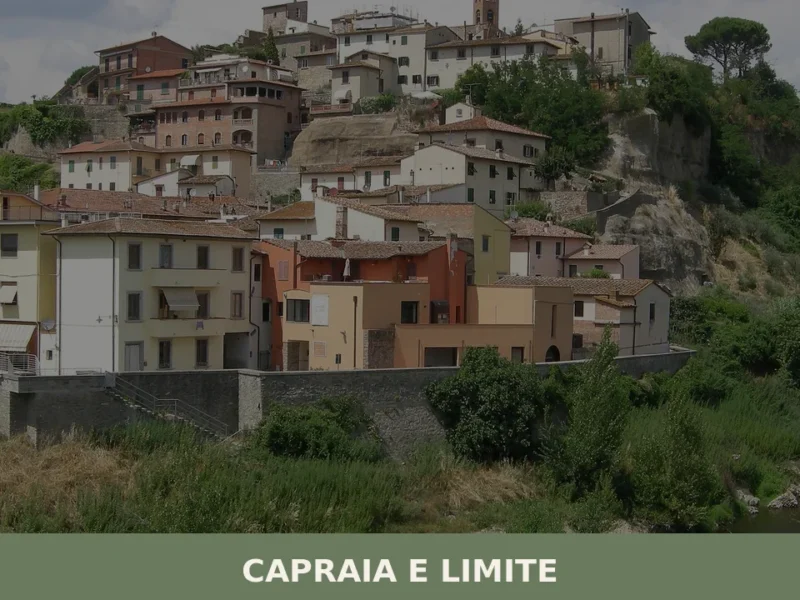
Capraia e Limite
Plains
The Arno moves slowly past the low embankment at Limite sull’Arno, its surface carrying the same grey-green light it has carried for centuries. The riverbank here is not decorative: from the 18th century onward, this stretch of the river functioned as a working yard where timber hulls took shape for the Grand Duchy of Tuscany. […]
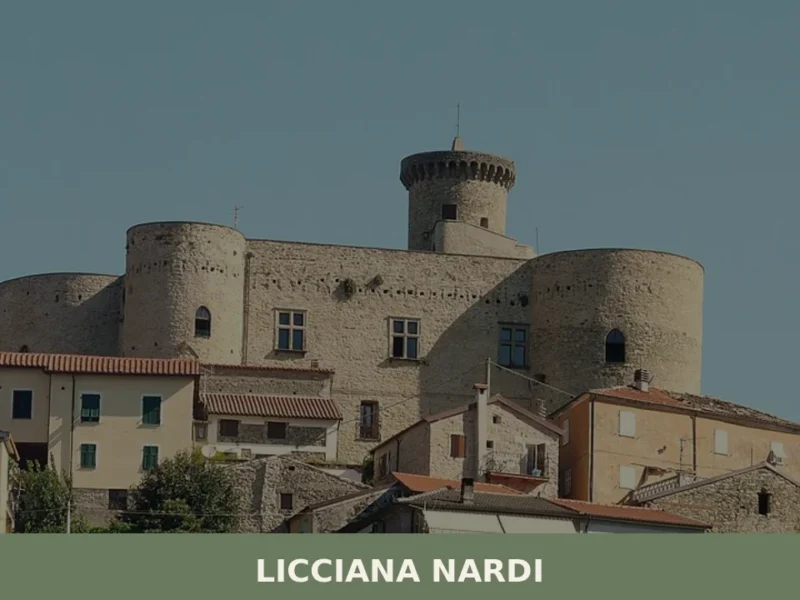
Licciana Nardi
Hills
The territory of Licciana Nardi includes six castles spread between the valley floor and the Apennine slopes, a concentration of defensive structures that documents the strategic role of this stretch of Lunigiana in controlling the routes between the Po Plain and the Tyrrhenian coast. With its 4,894 inhabitants distributed across 55 square kilometres at an […]
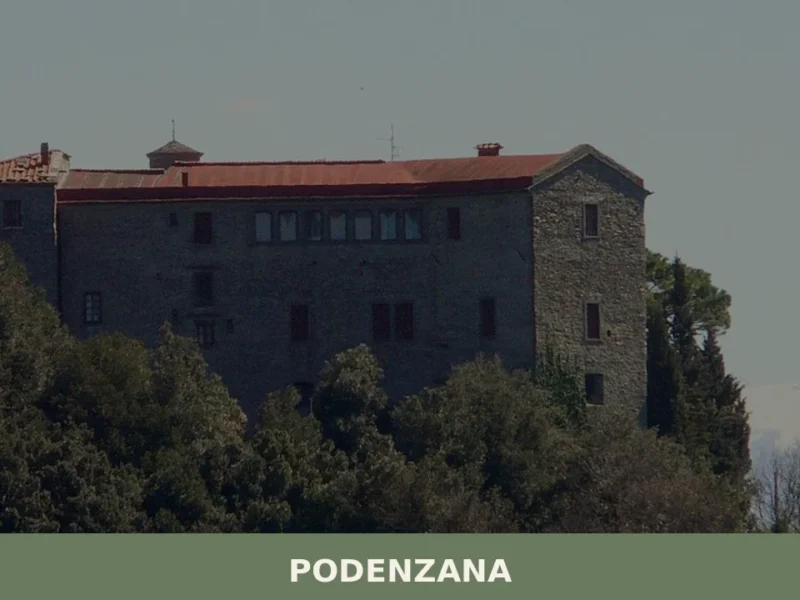
Podenzana
Hills
The panigaccio — a disc of unleavened dough cooked between red-hot terracotta moulds — is listed as a Traditional Agri-Food Product of Tuscany and bears the name of Podenzana in the regional specification. Anyone looking into what to see in Podenzana will find a scattered municipality at 350 metres above sea level in eastern Lunigiana, […]

Vicchio
Hills
A Florentine village of 8,000 souls in the Mugello Valley, Vicchio gave the world two painters who transformed Italian art. Medieval towers, sacred art museums and Etruscan archaeology define its landscape.
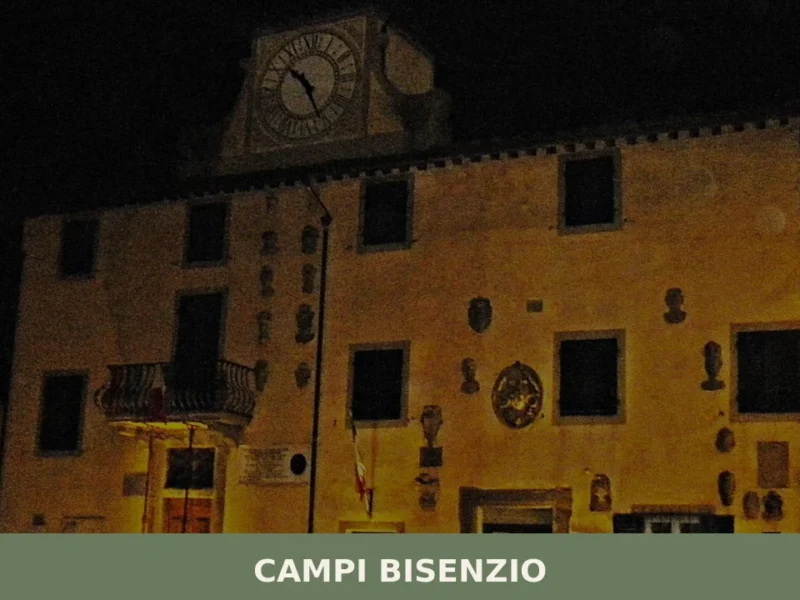
Campi Bisenzio
Plains
What to see in Campi Bisenzio, Italy: 43,580 inhabitants, 10 km from Florence. Discover the birthplace of the internal combustion engine, Renaissance art and more.
Camporgiano
Hills
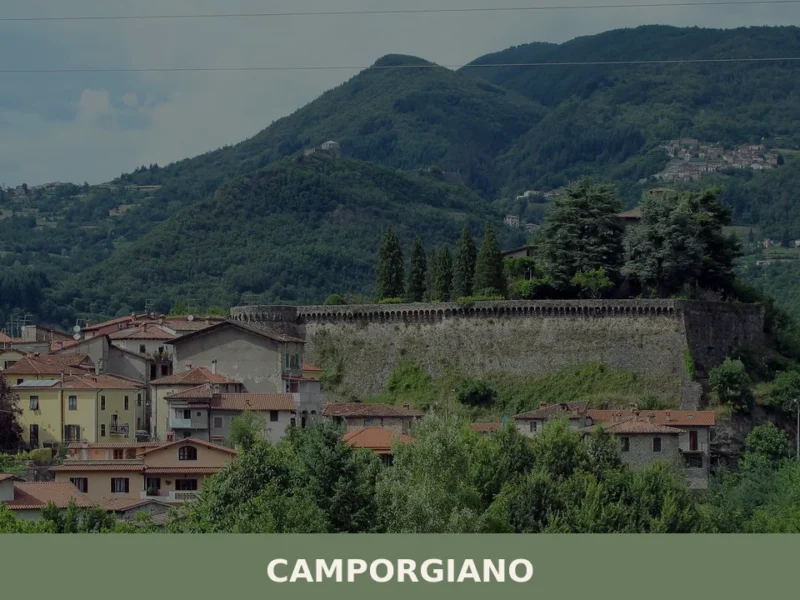
What to see in Camporgiano, Italy: a hilltop comune at 475 m in Garfagnana, Toscana. Discover the fortress, San Iacopo feast and local chestnut traditions.
🏡 Know Coreglia Antelminelli better than we do?
If you’re a local or have been there, your knowledge matters: add what’s missing or fix a detail on this page.