


Borgo a Mozzano
 Plains
Borgo a Mozzano, Tuscany: discover the Devil’s Bridge, historic churches and nearby villages. A practical guide to help you plan your visit.
Discover Borgo a Mozzano
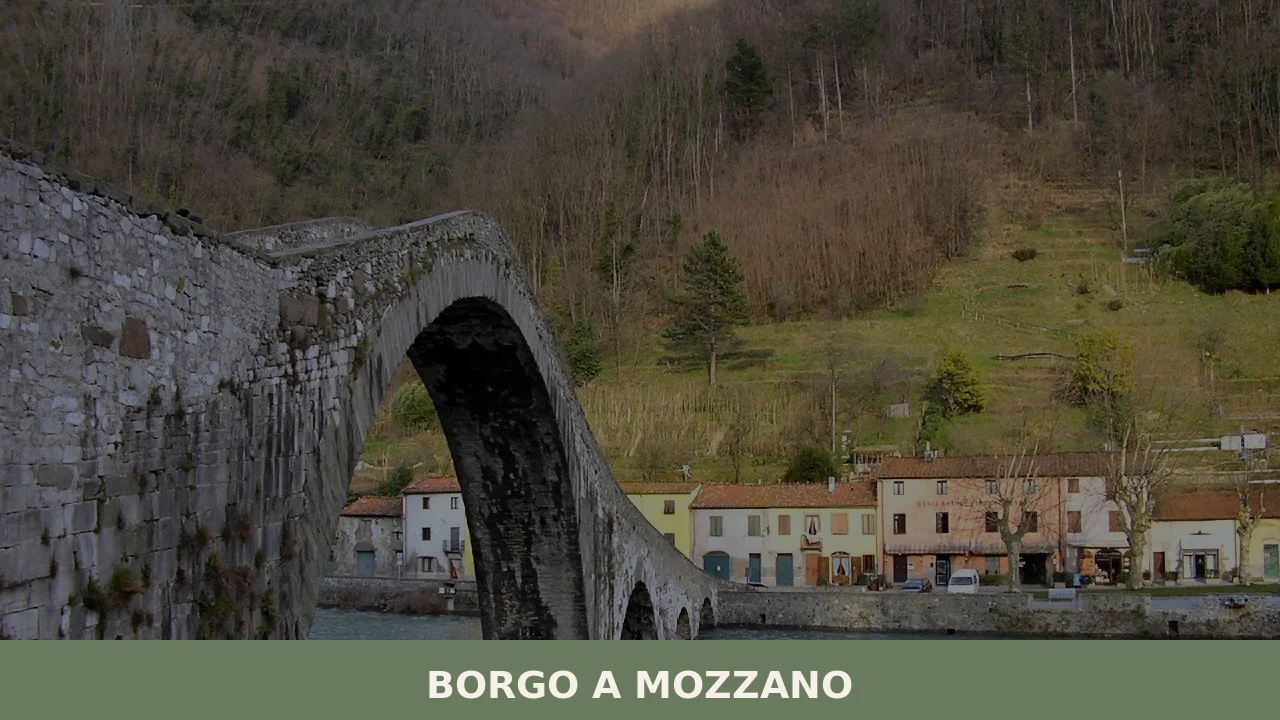
The Serchio River passes under an asymmetric arch that rises sharply above the water line, its highest point clearing the surface by roughly 15 m (49 ft).
This is the Ponte della Maddalena, known across northern Tuscany as the Devil’s Bridge — a medieval structure of uneven spans that local legend long attributed to an infernal pact.
The bridge stands 1 km (0.6 mi) north of the town centre on the SP2, and its silhouette against the river is the image most visitors carry away from this part of the Lucca province.
Deciding what to see in Borgo a Mozzano takes less planning than in a larger destination, but the range of the town’s sites is broader than its population of 7,123 might suggest.
Visitors to Borgo a Mozzano find a medieval bridge associated with Matilda of Tuscany, intact sections of a Second World War German defence line open to guided tours, a 12th-century church in the Diecimo district, and a 19th-century suspension bridge linking the comune to its neighbour.
The town sits at 97 m (318 ft) above sea level in the province of Lucca, in northern Toscana, Italy.
History of Borgo a Mozzano
The earliest written record of the settlement dates to 879, when a document referenced the place as In loco Mozzano prope Decimo — a Latin phrase placing it near Diecimo, the district that still exists today as part of the comune. That document establishes Borgo a Mozzano as one of the older documented settlements along the Serchio valley, predating many of the political structures that would later define northern Tuscany.
The name Mozzano is recorded without further etymological gloss in the sources, though the suffix suggests a place-name of early medieval origin.
During the medieval period, the town passed through the hands of the Soffredinghi, a local noble family whose influence extended across several Serchio valley territories, before coming under the governance of the Republic of Lucca.
It was during this Lucchese period that the Devil’s Bridge took shape: Matilda of Tuscany, the powerful 11th-century countess who played a central role in the politics of northern Italy, is credited with commissioning the original structure.
The bridge was later renovated by Castruccio Castracani, the Lucchese military commander and lord who dominated much of Tuscany in the early 14th century.
His involvement in the bridge’s renovation reflects the town’s position as a crossing point of genuine strategic importance on the road running north toward the Garfagnana. Travellers and armies moving between the Lucchesia and the mountain territories to the north depended on this crossing for centuries.
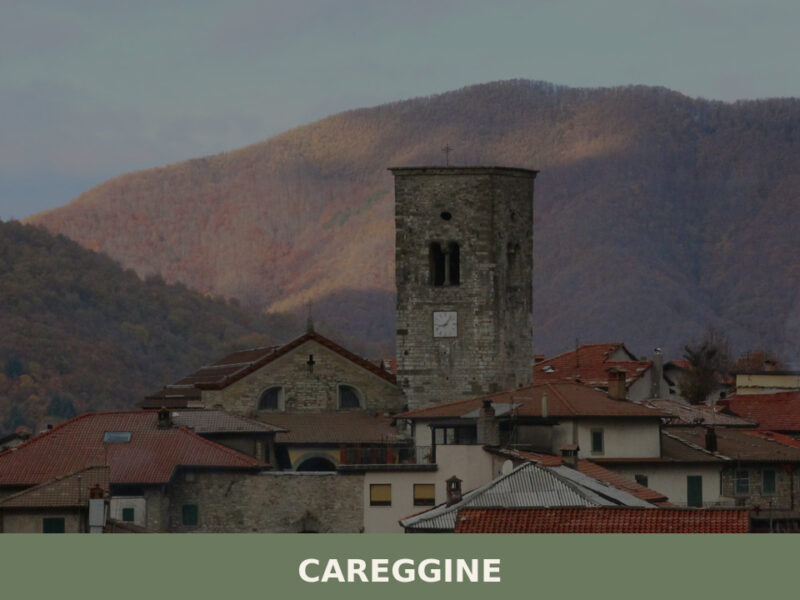
The hill village of Careggine, further up the Garfagnana, sits within the same broader corridor of settlements that historically relied on Serchio valley routes.
After the Republic of Lucca lost its independence, Borgo a Mozzano was incorporated into the Grand Duchy of Tuscany, and from 1860 it became part of unified Italy following the Risorgimento. The Second World War brought the town into a different kind of history: the Linea Gotica, or Gothic Line, the German military defence system constructed across the Italian peninsula, passed directly through the comune.
Sections of this fortification network survive within the municipal boundaries in a state that allows structured visits.
The town also produced notable figures across different centuries: St. John Leonardi, founder of the Clerks Regular of the Mother of God of Lucca, is among the most historically significant.
In 1999, Italian amateur astronomer Sauro Donati discovered an asteroid, subsequently named 44717 Borgoamozzano in honour of the town — a naming confirmed by the Minor Planet Center on 27 August 2019.
What to see in Borgo a Mozzano, Toscana: top attractions
Ponte della Maddalena (Devil’s Bridge)
The bridge’s most immediately visible feature is its pronounced asymmetry: five arches of different heights and widths cross the Serchio, with the tallest arch forming a steep hump that pedestrians climb and descend at a noticeable gradient. The structure is located on the SP2, exactly 1 km (0.6 mi) north of the town centre.
Matilda of Tuscany commissioned the original bridge, which Castruccio Castracani later renovated in the 14th century.
Standing on the bridge gives a direct view up and down the Serchio valley, and the stonework at close range shows courses of local river stone laid in patterns that vary between the different arches — a visible record of the building phases.
The bridge is accessible on foot from the town centre and is best viewed from the riverbank below, where the full profile of the arches reflects in the water when the current is calm.
Gothic Line Fortifications
Concrete bunkers, tunnel systems, and gun emplacements from the Second World War remain visible within the Borgo a Mozzano comune, forming part of the broader German Linea Gotica defence network that stretched across the width of the Italian peninsula. The line was constructed during the latter stages of the war as a defensive barrier, and the sections preserved here are described as well maintained.
Guided tours of the interior can be arranged, making these fortifications accessible beyond a simple exterior viewing.
For visitors interested in 20th-century military history, this is one of the more concrete — in every sense — surviving sections of that defensive system open to the public in northern Tuscany.
Tour availability is worth confirming in advance through the municipal tourism contacts.
Church of San Martino in Greppo
Built in the 12th century, this church stands in the Diecimo district of the comune — the same area referenced in the 879 document that first recorded the town’s existence. The structure therefore occupies ground with over a thousand years of documented continuity. San Martino in Greppo is a Romanesque church typical of rural northern Tuscany, where stone construction and restrained decoration reflect both the available materials and the architectural vocabulary of the period.
Diecimo is reachable within the comune and has its own train station, Diecimo-Pescaglia, served by the Lucca–Aulla railway line, which makes it accessible without a car for visitors arriving by rail.
Ponte delle Catene (Bridge of Chains)
The 19th-century suspension bridge known as Ponte delle Catene — Bridge of Chains — connects Chifenti, in the Borgo a Mozzano comune, to Fornoli in the neighbouring comune of Bagni di Lucca.
Suspension bridges of this type were relatively rare in Italy when this one was built, and its chain-supported deck represents a distinct engineering approach compared to the medieval stone arches of the Devil’s Bridge a few kilometres away.
The bridge crosses the Lima River near its confluence with the Serchio and offers a different scale and material language than the older crossings in the area. It is worth approaching from the Chifenti side to see the full span before crossing.
The nearby village of Comano, set in the hills to the west, shares this part of the Lucca province hinterland and can be reached on a longer day’s circuit from Borgo a Mozzano.
Church and Convent of San Francesco
The former monastery of San Francesco in Borgo a Mozzano represents a building type common across central and northern Italy — a mendicant order foundation that combined church and conventual quarters — though this one has been repurposed as a home for the elderly, which means the interior access may be limited compared to working religious buildings.
The church portion retains its original function and is the part most relevant to visitors interested in the architectural and religious history of the town.
Franciscan foundations of this kind typically date from the 13th or 14th century in Tuscany, placing San Francesco within the broader medieval development of the settlement. Its presence confirms that the town held enough population and civic importance during that period to sustain a mendicant community.
Local food and typical products of Borgo a Mozzano
Borgo a Mozzano sits at the southern edge of the Garfagnana, a mountain territory whose food traditions differ from those of the Lucca plain to the south.
The Serchio valley has historically been a corridor between the coast and the Apennine interior, and this geography has shaped what grows, what gets preserved, and what ends up on local tables.
The cooking in this part of the Lucca province draws on both valley-floor agriculture and mountain pantry staples — chestnuts, dried legumes, freshwater fish from the Serchio, and cured pork products from the hill farms.
Among the dishes associated with this zone of northern Tuscany, farro della Garfagnana — a semi-pearled spelt grain grown in the higher valleys — appears in soups cooked with cannellini beans, lard, and local herbs.
Necci, thin chestnut-flour pancakes cooked between flat heated stones, are a traditional preparation found throughout the Serchio valley; they are eaten plain, with ricotta, or with cured meats.
Biroldo della Garfagnana is a blood sausage made from pig offal, spices including cinnamon and nutmeg, and pig’s blood, then cooked and pressed into a compact form — a product with a flavour profile quite different from standard salumi.
These are preparations built around preservation and economy rather than abundance, which is characteristic of Apennine mountain cooking generally.
The Garfagnana territory immediately north of Borgo a Mozzano produces Farro della Garfagnana IGP, a Protected Geographical Indication product whose cultivation zone covers specific municipalities in the Garfagnana district of the Lucca province. The IGP designation covers the Triticum dicoccum variety grown at altitude, distinguishing it from generic spelt sold elsewhere.
Visitors looking for this product can find it at local food shops and markets in the Serchio valley towns, typically sold as whole grain or flour.
The village of Casola in Lunigiana, in the neighbouring Lunigiana territory across the Apennine divide, sits within the broader zone where similar mountain food traditions — including chestnut-based preparations and preserved meats — have developed in parallel with those of the Garfagnana.
Local markets and fairs in the Lucca province tend to concentrate in autumn, when chestnuts and new-season farro come into supply.
The town’s patron saint festival and other civic events occasionally include food stalls offering local products, though the specific market calendar is best verified through the official municipality of Borgo a Mozzano before travel.
For visitors staying several days in the area, the food shops of Lucca — 20 km (12.4 mi) south — carry a broader selection of certified Garfagnana and Lucchesia products.
Festivals, events and traditions of Borgo a Mozzano
The town’s patron is the Madonna delle Grazie, and the feast dedicated to her is the principal civic and religious event of the annual calendar.
Patron saint festivals in Italian towns of this size typically involve a solemn mass, a procession through the town streets, and evening celebrations that may include music and local food stalls.
The Madonna delle Grazie devotion is rooted in the veneration of a Marian image held within the town, and the festival draws participation from residents across the comune’s various districts, including Diecimo.
Beyond the patron saint feast, the town’s calendar intersects with broader Garfagnana and Lucchesia traditions. The Gothic Line fortifications within the comune have become a focus for commemorative events tied to the Second World War, particularly around Liberation Day in late April. The connection to St.
John Leonardi — born in the Lucca province and founder of a religious order — gives the town a link to a figure whose feast is observed within the wider Catholic calendar on 9 October.
Visitors interested in religious or historical commemorations should check the municipal calendar directly, as event dates and formats can vary year to year.
When to visit Borgo a Mozzano, Italy and how to get there
The Serchio valley has a climate influenced by the surrounding Apennine ranges, which moderate summer heat and bring reliable precipitation in autumn and spring.
For those considering the best time to visit Toscana’s northern inland areas, late spring — from mid-April through June — offers mild temperatures, green hillsides, and lower visitor numbers than the summer peak. September and October bring cooler days and the onset of the chestnut and farro harvest season, which adds a practical reason to visit for food-oriented travellers.
July and August are the warmest months and see higher traffic on the main Serchio valley roads, though Borgo a Mozzano itself is less crowded than the coastal Tuscan destinations. Winter visits are feasible for those focused on the Gothic Line tours and the medieval monuments, as neither requires good weather to appreciate fully.
Getting to Borgo a Mozzano is straightforward from several directions.
If you arrive by car, the SS12 “del Brennero” state road runs directly through the Serchio valley and passes through the comune; the SP2 “Lodovica” provides an alternative route. From Lucca — 20 km (12.4 mi) to the south — the drive along the SS12 takes approximately 25 minutes under normal traffic conditions, making Borgo a Mozzano a practical day trip from that city. Florence is roughly 90 km (56 mi) to the southeast, reachable in under 90 minutes by car, which places Borgo a Mozzano within day-trip range for visitors based in the Tuscan capital.
The nearest major international airport is the Galileo Galilei International Airport of Pisa, approximately 50 minutes by car.
For those travelling by train, the town has two stations — Borgo a Mozzano and Diecimo-Pescaglia — both served by the Lucca–Aulla railway line, which connects to Lucca with onward connections to Pisa and Florence. International visitors should carry some euros in cash, as smaller shops and food vendors in towns of this size may not accept cards reliably, and English is not widely spoken outside the main tourism contacts.
Where to stay near Borgo a Mozzano
Borgo a Mozzano itself is a small comune of 7,123 inhabitants, and accommodation options within the town are limited in number.
The broader area — including the neighbouring comune of Bagni di Lucca, reachable via the Ponte delle Catene — offers agriturismi (farm stays combining rural accommodation with locally produced food) and small hotels suited to visitors who prefer a base in the Serchio valley rather than in Lucca city.
Lucca, 20 km (12.4 mi) south, provides a wider range of hotels and B&Bs for those who prefer to make day trips into the valley.
Visitors planning to spend time exploring both Borgo a Mozzano and the Garfagnana territory to the north may find an agriturismo in the valley the most practical option, as it places them centrally between the two areas.
Visitors to Borgo a Mozzano can extend their time in the area with a stop at Livorno, the Tuscan port city on the Ligurian coast, which is accessible from Pisa and offers a contrasting coastal and urban experience after several days in the Serchio valley interior.
Frequently asked questions about Borgo a Mozzano
What is the best time to visit Borgo a Mozzano?
Spring (April–June) and early autumn (September–October) offer the most pleasant conditions for exploring Borgo a Mozzano: mild temperatures, manageable visitor numbers, and the Serchio River at levels ideal for photographing the Devil's Bridge reflections. Summer is warm and accessible but busier along the valley road. Winter is quiet and atmospheric, with the medieval bridge often shrouded in morning mist. The town's patron is the Madonna delle Grazie; check with the local Pro Loco for the current date of the patronal feast, which draws the local community together.
What are the historical origins of Borgo a Mozzano?
Borgo a Mozzano is first documented in 879 in a Latin record referring to the site as In loco Mozzano prope Decimo, making it one of the oldest attested settlements in the Serchio valley. It passed through the hands of the Soffredinghi noble family before coming under the Republic of Lucca. The Devil's Bridge was commissioned by Matilda of Tuscany in the 11th century and later renovated by Castruccio Castracani in the 14th century. The town also produced St. John Leonardi, founder of the Clerks Regular of the Mother of God of Lucca, and in 2019 an asteroid was officially named 44717 Borgoamozzano in its honour.
What to see in Borgo a Mozzano? Main monuments and landmarks
The centrepiece is the Ponte della Maddalena (Devil's Bridge), 1 km north of the town centre on the SP2: five asymmetric medieval arches over the Serchio, accessible on foot and best viewed from the riverbank below. The Gothic Line bunkers and tunnel systems within the comune offer guided tours of intact Second World War fortifications — confirm availability through the municipality in advance. The Romanesque Church of San Martino in Greppo (12th century) stands in the Diecimo district, reachable by train. The 19th-century Ponte delle Catene suspension bridge at Chifenti crosses the Lima River toward Bagni di Lucca.
Where to take the best photos in Borgo a Mozzano?
The riverbank below the Ponte della Maddalena is the definitive photo spot: position yourself at water level on either bank to capture the full asymmetric arch profile reflected in the Serchio. Early morning light from the east catches the stonework directly, and calm water conditions — most reliable in spring and autumn — produce clean reflections. The bridge's silhouette against the valley hillsides is especially striking at dusk. The Ponte delle Catene at Chifenti, approached from the Chifenti side to see the full chain-supported span, offers a contrasting 19th-century industrial aesthetic over the Lima River.
Are there museums, churches or historic buildings to visit in Borgo a Mozzano?
The Church of San Martino in Greppo in the Diecimo district is a 12th-century Romanesque building on ground documented since 879 — the oldest continuously referenced site in the comune. The Church of San Francesco, part of a former Franciscan monastery now repurposed as a care home, retains its original church function and is accessible to visitors interested in the town's medieval religious history. The Gothic Line fortifications — concrete bunkers and tunnel systems from the Second World War — are among the best-preserved publicly accessible sections of the Linea Gotica in northern Tuscany, with guided interior tours available.
What can you do in Borgo a Mozzano? Activities and experiences
Guided tours of the Gothic Line fortifications are the town's most distinctive active experience, taking visitors inside preserved Second World War bunker and tunnel systems. Walking the Ponte della Maddalena and descending to the Serchio riverbank for views of the medieval arches is a short but rewarding on-foot circuit from the town centre. The Diecimo-Pescaglia train station, served by the Lucca–Aulla line, makes a car-free day combining the Romanesque church at Diecimo and the Devil's Bridge straightforward. The Ponte delle Catene at Chifenti connects to Bagni di Lucca, extending a day trip toward the thermal spa town along the Lima valley.
Who is Borgo a Mozzano suitable for? Families, couples, hikers, solo travelers?
Borgo a Mozzano suits history-focused travellers of all types. Couples and solo visitors drawn to medieval architecture and atmospheric river scenery will find the Devil's Bridge and Serchio valley setting particularly rewarding. Those interested in 20th-century military history have a rare opportunity to tour intact Gothic Line fortifications with guided access to interiors. Families with older children will find the bunker tours engaging. The flat riverbank walk to the bridge is accessible for most mobility levels. Rail access via the Lucca–Aulla line at Diecimo-Pescaglia makes the town realistic without a car, suiting independent travellers.
What to eat in Borgo a Mozzano? Local products and specialties
Borgo a Mozzano sits at the southern gateway to the Garfagnana, and local tables reflect that mountain pantry. Look for farro della Garfagnana IGP — semi-pearled spelt cooked into thick soups with cannellini beans and lard. Necci are thin chestnut-flour pancakes, traditionally cooked between heated stones, eaten with ricotta or cured meats. Biroldo della Garfagnana is a pressed blood sausage seasoned with cinnamon and nutmeg — markedly different from standard Tuscan salumi. These are frugal, preservation-based preparations rooted in the valley's agricultural and mountain economy, found in local agriturismi and restaurants along the Serchio corridor.
Nearby Villages near Borgo a Mozzano
 Mountain
In Tuscany More villages to discover
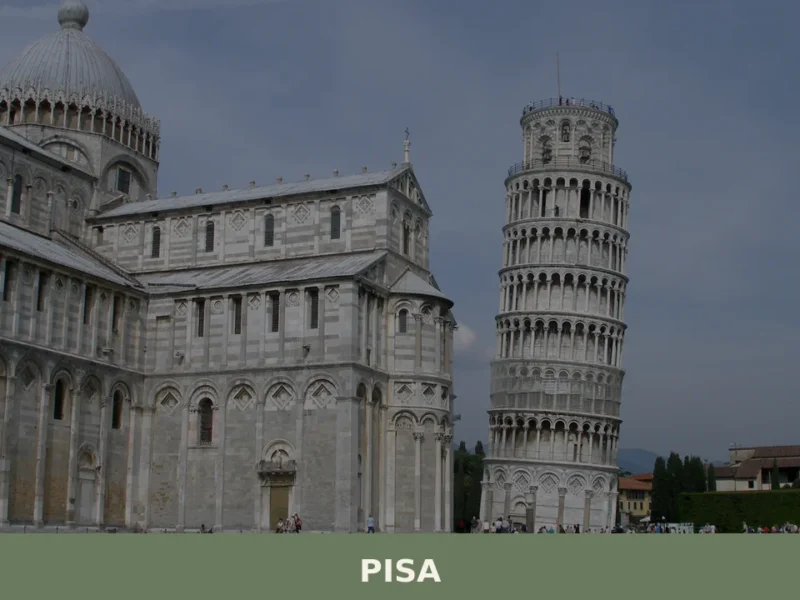
Pisa
 Sea
Sea
What to see in Pisa: Leaning Tower, UNESCO Piazza dei Miracoli, Regata di San Ranieri on 17 June — city of 86,263. Plan your visit with our complete guide.
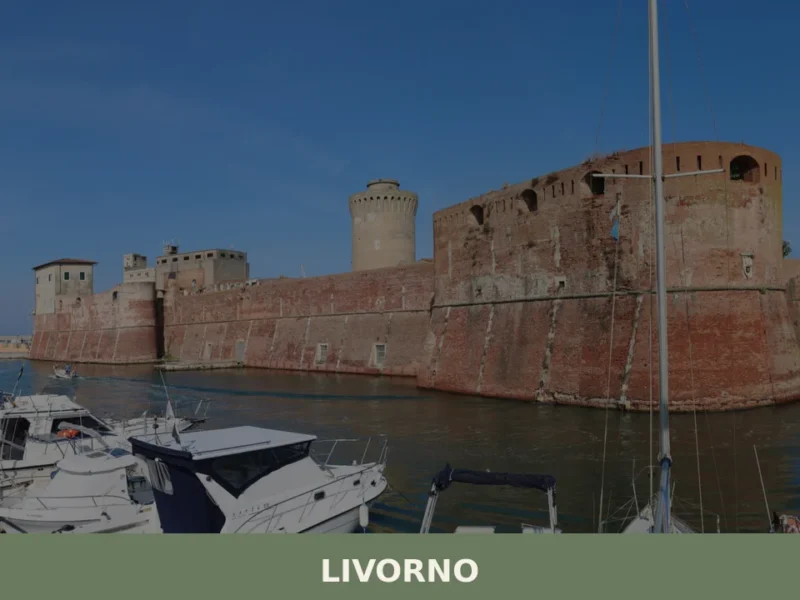
Livorno
Sea
What to see in Livorno, a port city of 157,000 on the Tyrrhenian coast: Fortezza Vecchia, Quartiere Venezia, cacciucco, Terrazza Mascagni. Plan your visit now.
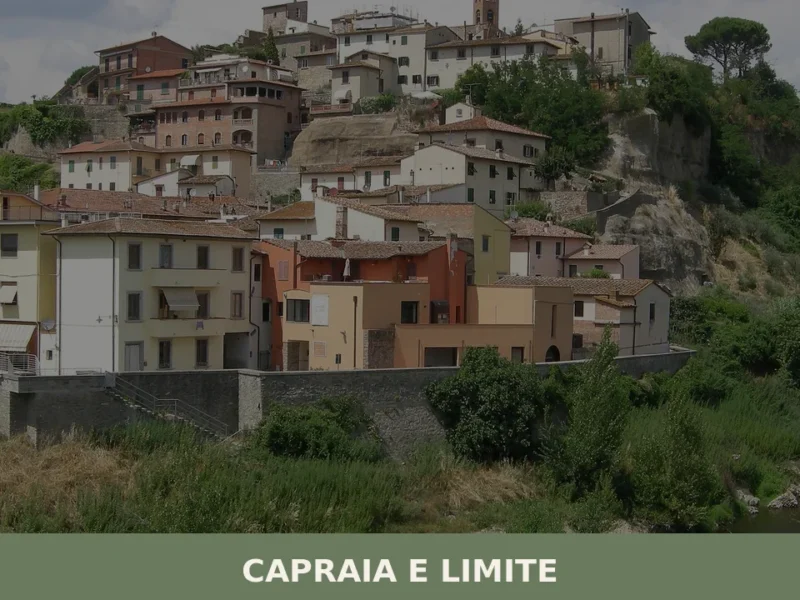
Capraia e Limite
Plains
The Arno moves slowly past the low embankment at Limite sull’Arno, its surface carrying the same grey-green light it has carried for centuries. The riverbank here is not decorative: from the 18th century onward, this stretch of the river functioned as a working yard where timber hulls took shape for the Grand Duchy of Tuscany. […]
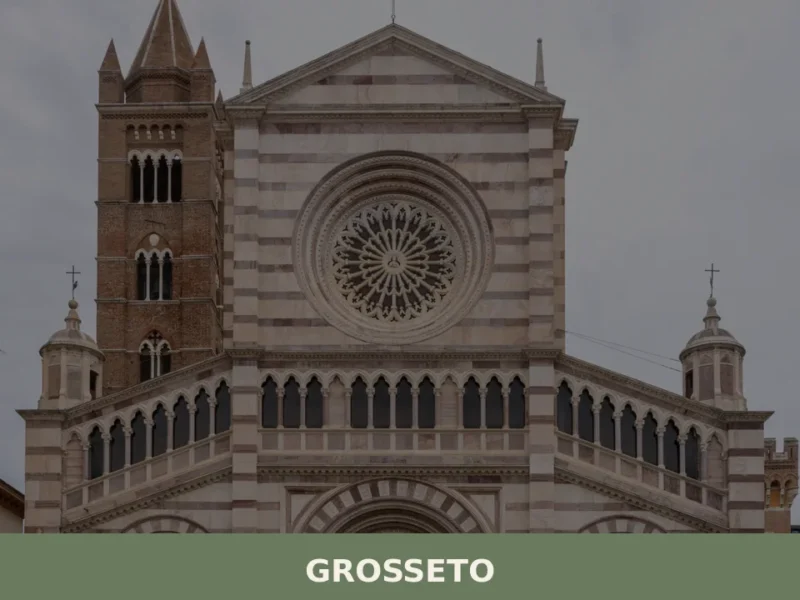
Grosseto
Sea
What to see in Grosseto: Medici walls, San Lorenzo Cathedral and the Maremma Natural Park in a city of 79,216 inhabitants. Plan your visit with our complete guide.
Barberino Val d’Elsa
 Hills
Hills
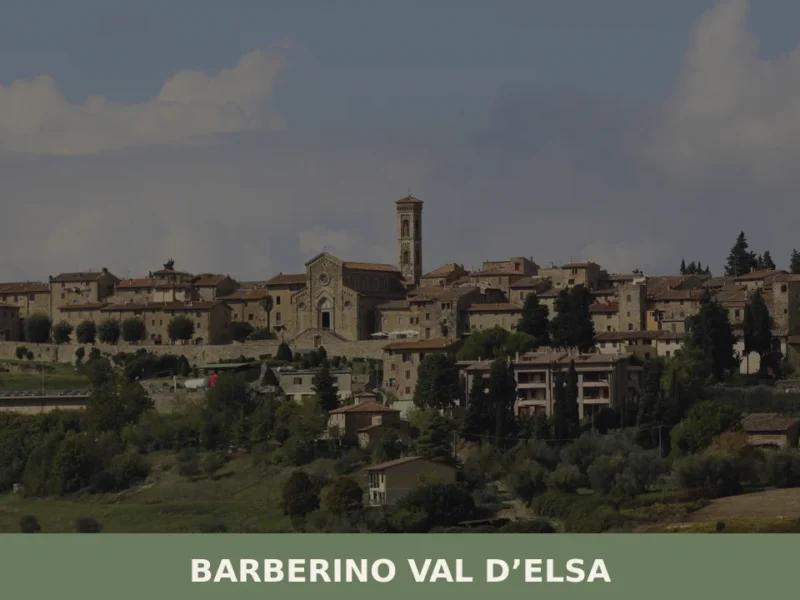
The 14th-century walls still enclose the historic centre of Barberino Val d’Elsa within an almost intact perimeter, with two town gates that filter access to the village just as they did six centuries ago. In this article History and origins of Barberino Val d’Elsa What to see in Barberino Val d’Elsa: main attractions Traditional Cuisine […]
Fosdinovo
Hills
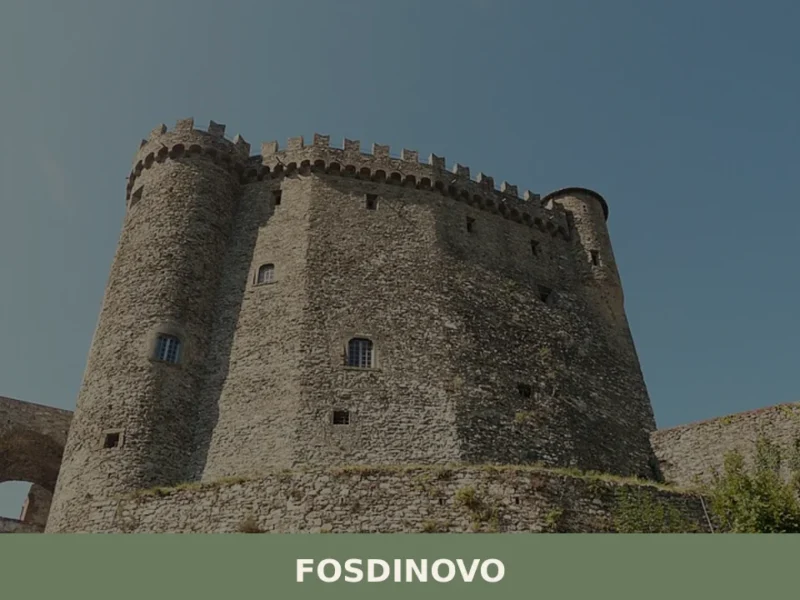
The Malaspina Castle of Fosdinovo has dominated the ridge separating the Val di Magra from the Apuan coast for over seven hundred years, with its four circular towers and a sentry walkway that can still be traversed. At 500 metres above sea level, this town in the province of Massa and Carrara has 4,982 inhabitants […]
Filattiera
Hills
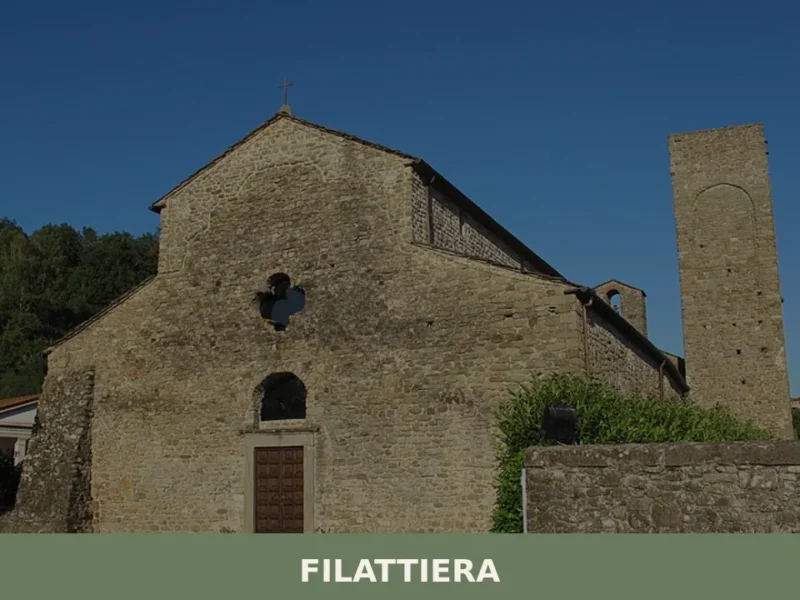
Filattiera first appears in written records in 884, when the name Filacteriae identified a garrison along the Via Francigena in Lunigiana. Sitting at 213 metres above sea level in the province of Massa and Carrara, this village of 2,393 inhabitants preserves prehistoric stelae, Romanesque parish churches, and a defensive layout that reflects centuries of control […]
Villafranca in Lunigiana
Plains
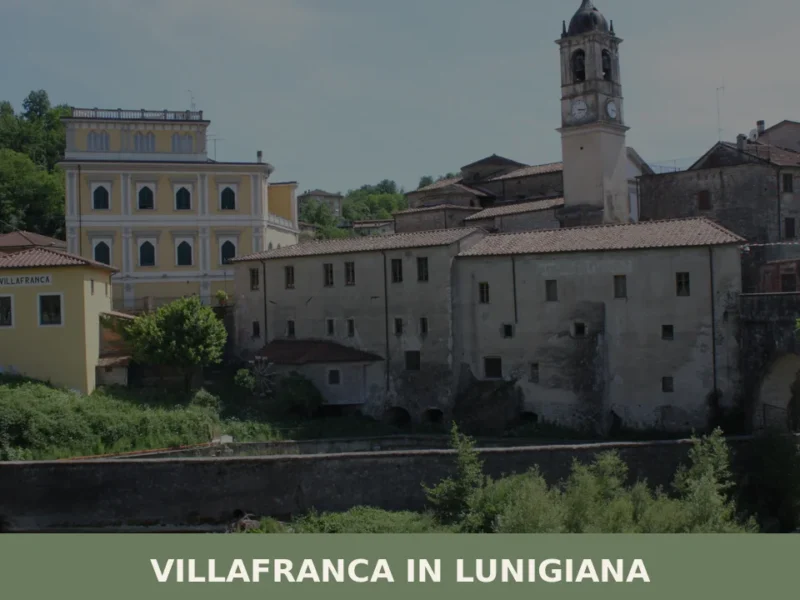
What to see in Villafranca in Lunigiana: explore the Via Francigena, medieval churches and local cuisine in Toscana, Italy. Population 4,803. Discover it now.

San Giovanni Valdarno
Hills
Founded in 1296 as a Florentine frontier town, San Giovanni Valdarno preserves a medieval grid layout, masterpieces by Beato Angelico, and the legendary miracle of Monna Tancia.
Podenzana
Hills
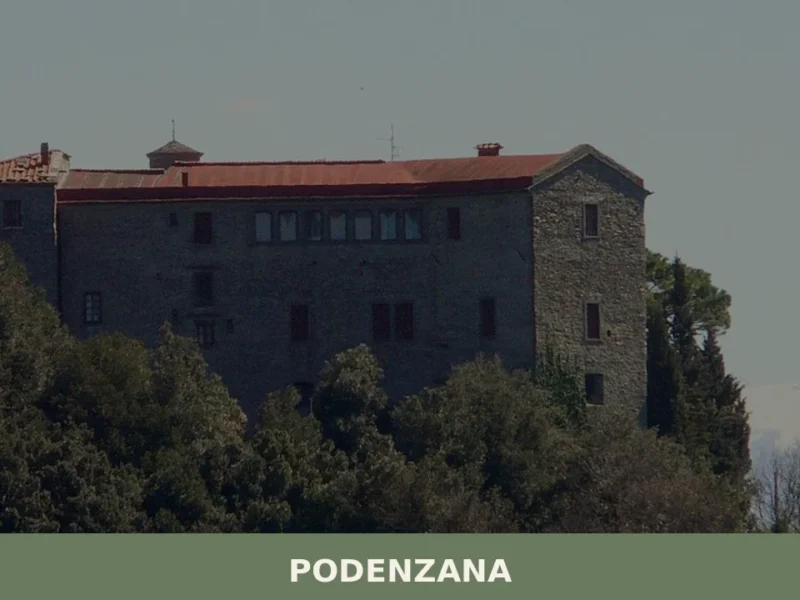
The panigaccio — a disc of unleavened dough cooked between red-hot terracotta moulds — is listed as a Traditional Agri-Food Product of Tuscany and bears the name of Podenzana in the regional specification. Anyone looking into what to see in Podenzana will find a scattered municipality at 350 metres above sea level in eastern Lunigiana, […]


🏡 Know Borgo a Mozzano better than we do?
If you’re a local or have been there, your knowledge matters: add what’s missing or fix a detail on this page.