


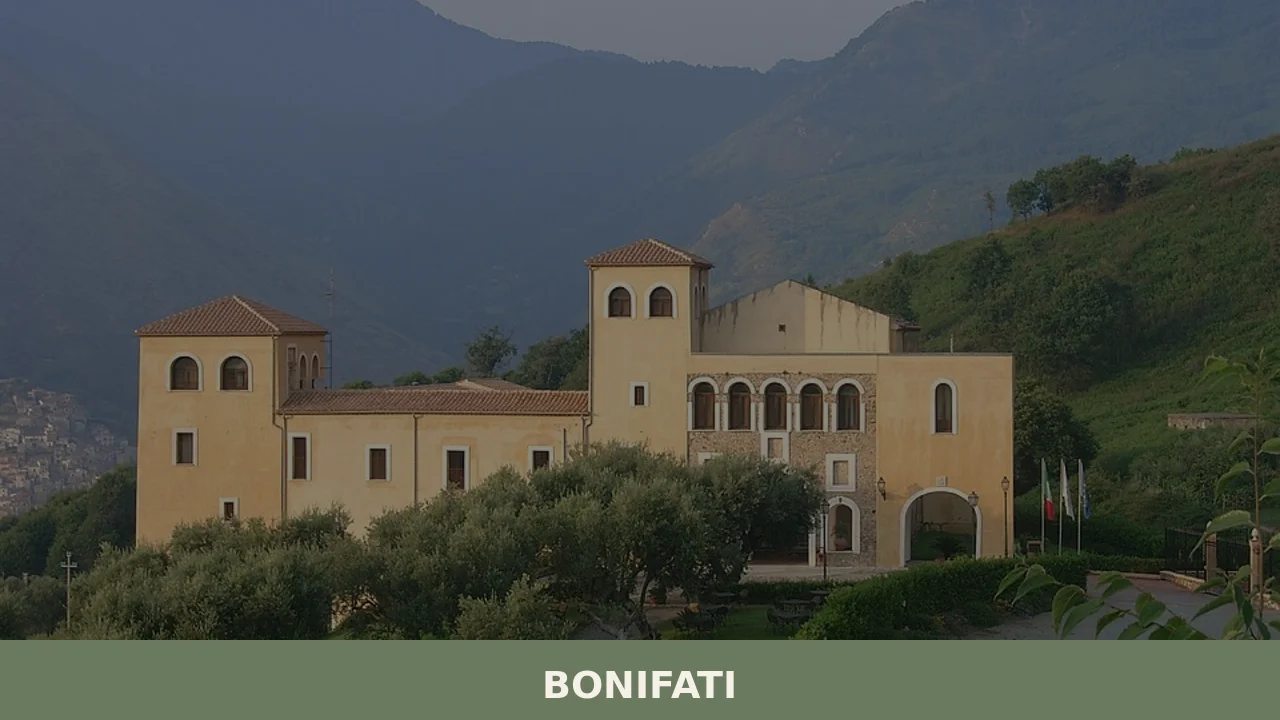
Bonifati
 Sea
Sea
The village of Bonifati, located in the Cosenza hinterland but with a view towards the Tyrrhenian Sea, has historical roots deeply embedded in a past of fortifications and coastal defense. Already in the Middle Ages, this settlement stood out for its strategic position, an element that shaped its urban layout and identity. In this article […]
Discover Bonifati
The village of Bonifati, located in the Cosenza hinterland but with a view towards the Tyrrhenian Sea, has historical roots deeply embedded in a past of fortifications and coastal defense.
Already in the Middle Ages, this settlement stood out for its strategic position, an element that shaped its urban layout and identity.
For those wondering what to see in Bonifati, the town offers a charming hilltop historic center and a lively seaside hamlet, Cittadella del Capo, where the blue of the sea merges with ancient watchtowers.
A visit allows exploration of paved streets leading to highly suggestive panoramic viewpoints, in addition to enjoying the beaches along the coast.
History and origins of Bonifati
The origins of Bonifati are complex and are lost between legend and historical documentation, with some theories suggesting a connection with the ancient Greek city of Clampetia or with Roman settlements.
The name “Bonifati” itself might derive from the Latin “bonum fatum,” meaning “good destiny,” an omen for the prosperity of the place.
However, it is in the medieval period that the village takes on a more defined form, developing as a fortified center necessary for the defense of the territory from Saracen incursions, which for centuries threatened the Calabrian coasts.
During feudalism, Bonifati came under the dominion of various noble families, who influenced its architectural and social development.
The presence of a castle or fortified defensive structures, whose remains are still visible, testifies to the military importance of the site during that period.
The village, situated at 425 m above sea level, maintained its function as a strategic outpost, controlling a wide stretch of coast and the surrounding hinterland.
Its history is therefore a tapestry of resilience and adaptation, with the population having managed to preserve its identity despite the events and dominations that succeeded one another over time.
Over the subsequent centuries, Bonifati continued to evolve, maintaining its original structure in the upper settlement, while the coastal hamlet of Cittadella del Capo grew in importance, especially for activities related to fishing and maritime trade.
The historical events of the Kingdom of Naples and then the Kingdom of the Two Sicilies also affected this territory, with periods of prosperity alternating with moments of difficulty, such as famines or natural events.
Its geographical position, between hill and sea, has always been a determining factor for its economy and local traditions, which still today preserve traces of this rich past.
What to see in Bonifati: main attractions
Historic Center of Bonifati Superiore
Bonifati’s ancient heart reveals itself in its historic center, a labyrinth of narrow streets and stone houses climbing the hillside.
Here, the spontaneous architecture stands out for its use of local materials and the arrangement of its dwellings, which follow the contours of the land, creating a scenic effect. Strolling through these streets allows you to capture the authentic atmosphere of the village, observing ancient doorways, flower-filled balconies, and sudden glimpses of breathtaking panoramas.
From the higher squares, the gaze sweeps over the valley below and the Tyrrhenian Sea, offering visitors the chance to admire the vastness of the Calabrian landscape.
The historic center is a place where time seems to slow down, inviting discovery of every hidden corner.
Mother Church of Santa Maria Maddalena
The Mother Church, dedicated to Santa Maria Maddalena, patron saint of Bonifati, represents the main place of worship in the village and a focal point for the community.
Built in an unspecified period, probably on the foundations of earlier structures, the church has undergone various modifications and restorations over the centuries that have shaped its current appearance.
Its facade, despite its simplicity, features architectural elements that reflect different styles, testifying to the periods of intervention. Inside, the building houses sacred artworks, including wooden statues and paintings, which hold historical and devotional value.
The figure of Santa Maria Maddalena is particularly venerated, and the church becomes the focal point of the patronal celebrations that animate the town every year.
Ruins of Bonifati Castle
On the summit of the hill where Bonifati Superiore stands, lie the remains of the ancient castle, or a fortification that played a crucial role in the defense of the territory during the Middle Ages.
Although they appear as ruins today, the perimeter walls and some towers still retain the grandeur of the original structure, suggesting its strategic importance.
From this elevated position, defenders could control a vast horizon, preventing attacks from both the sea and the hinterland.
A visit to the ruins not only offers the opportunity to imagine life in the village in past eras but also to enjoy a privileged view of the entire surrounding area, including the Tyrrhenian coast.
This site represents a fundamental point of interest for understanding the military and civil history of Bonifati.
Cittadella del Capo and the Coastal Towers
Cittadella del Capo is the coastal hamlet of Bonifati, an area that stretches along the Tyrrhenian coastline and offers a different experience compared to the hillside village.
Here, the focus shifts towards the sea, with pebble beaches and clear waters inviting moments of relaxation and swimming. Cittadella’s history is also linked to maritime defense, as evidenced by its coastal towers, erected to spot and signal corsair ships that once plagued the Mediterranean.
Among these, the Torre di Fiumarella is a significant example of these defensive structures that dot the Calabrian coast.
Strolling along the Cittadella del Capo coastline offers a combination of history and natural beauty, with the possibility of accessing small coves and enjoying the marine landscape.
Cittadella del Capo Promenade
The Cittadella del Capo promenade extends for a significant stretch, offering a pleasant space for walks and outdoor activities, both during the day and on summer evenings.
This area is the hub of social life in the seaside hamlet, with the presence of bars, restaurants, and tourist services.
The walk allows you to admire the Tyrrhenian Sea in all its expanse, with views that stretch to the horizon and, on clearer days, can reach the Aeolian Islands. It is an ideal place for those seeking a combination of relaxation and leisure, with the opportunity to savor local cuisine based on fresh fish.
The promenade is also a starting point for exploring nearby beaches and small coves that characterize this stretch of coast, making a visit to Bonifati complete for both history lovers and sea enthusiasts.
Typical cuisine and products of Bonifati
Bonifati’s cuisine, like much of Calabrian gastronomy, is characterized by its robustness and generous use of local ingredients, many of which are cultivated in the fertile land surrounding the village.
Culinary influences reflect its geographical position, with dishes that combine flavors of the sea and mountains, often enriched by the ever-present chili pepper, available in various varieties and degrees of spiciness.
Locally produced extra virgin olive oil forms the base of many preparations, giving dishes an intense and authentic flavor.
The peasant and seafaring traditions merge, giving rise to simple yet rich-tasting recipes, handed down from generation to generation.
Among the typical dishes you can taste are Lagane e ceci, a homemade fresh pasta cut into wide strips, served with a thick chickpea sauce and herbs.
Another classic is Maccarruni cu sugu e carne di capra, where artisanal pasta is seasoned with a flavorful goat meat ragù, slow-cooked to enhance its taste. Vegetables hold a prominent place on the table, with Melanzane ripiene (stuffed eggplants), prepared with a filling of bread, cheese, and spices, and Frittelle di bianchetto, small fritters made from fish fry, deep-fried and served hot.
These dishes reflect the authenticity of the ingredients and the skill in combining them to create distinct flavors.
Although there are no specific certified products for this area in the database, the region offers a wide range of gastronomic excellences that also influence Bonifati’s table.
These include artisanal cured meats, such as soppressata and salsiccia, made with local pork and aged according to traditional methods.
Cheeses, particularly hard or semi-hard varieties like caciocavallo and pecorino, are produced from local farms and often used to enrich first courses or served as appetizers. Homemade bread, baked in a wood-fired oven, accompanies every meal, and desserts made with dried figs, almonds, and honey conclude the culinary experiences. Visitors to Bonifati will have the opportunity to appreciate a cuisine that speaks of its land and traditions.
Festivals, events, and traditions of Bonifati
Bonifati’s calendar is marked by events that reflect the community’s deep devotion and rooted traditions.
The most significant celebration is undoubtedly the one dedicated to Santa Maria Maddalena (Saint Mary Magdalene), the patron saint of the village, celebrated annually on July 22nd.
This observance takes on a solemn and well-attended character, with a procession where the statue of the Saint is carried on shoulders through the streets of the historic center, accompanied by the faithful, musical bands, and illuminations.
The celebration is not only a religious moment but also an occasion for social gathering, often culminating in musical performances and fireworks that light up the night.
The event attracts not only local residents but also visitors and numerous emigrants who return for the occasion.
In addition to the patron saint’s festival, Bonifati and its coastal hamlet of Cittadella del Capo host other events throughout the year, especially during the summer, which highlight local traditions and products. Although there are no specific certified food festivals, it’s common to find piazza festivals where you can taste typical dishes of Calabrian cuisine, prepared according to ancient recipes.
These occasions represent a way to immerse oneself in the local culture, listen to traditional music, and participate in convivial moments.
Bonifati’s traditions are a strong link to the past, kept alive by the community that passes them down through participation in these events, making every visit an opportunity to discover the soul of the village.
When to visit Bonifati and how to get there
The best time to visit Bonifati depends on the traveler’s preferences, but generally spring and early autumn offer ideal climatic conditions.
In these months, temperatures are mild and pleasant, allowing you to explore the historic center and natural attractions without the intense summer heat. The vegetation is lush and the landscapes are presented with vibrant colors.
Summer, particularly July and August, is the most suitable season for those who wish to enjoy the beaches of Cittadella del Capo and participate in summer events, including the patron saint’s festival. However, during this period, the village and the coast can be more crowded.
Winter, on the other hand, offers a quieter and more contemplative atmosphere, ideal for those seeking tranquility.
To reach Bonifati by car, the most convenient way is to take the A2 Mediterranean Motorway (formerly A3 Salerno-Reggio Calabria).
The recommended exit is Lagonegro Nord or, continuing further south, Falerna, then follow the signs for the SS18 Tirrenica Inferiore northbound.
Those who prefer the train can arrive at the Paola railway station, an important Calabrian railway hub, or the closer Cittadella del Capo station, located in Bonifati’s seaside hamlet.
From there, it is possible to use taxi services or local buses to reach the historic center. The nearest airport is Lamezia Terme (SUF), which is about 90 kilometers away and offers connections to several Italian and European cities.
From the airport, you can rent a car or take a train to the aforementioned stations.
Planning your trip considering the available means allows you to fully enjoy what to see in Bonifati and its surrounding area.
It is advisable to always check public transport timetables and the availability of local services in advance, especially if traveling in low season.
The combination of car and train offers flexibility to explore both the village and the coastal and inland beauties of Calabria.
Those looking for a broader itinerary can consider extending their visit towards Amantea, another charming coastal village to the south, or exploring the hinterland towards Bianchi, which offers a different landscape and historical context.
| Starting point | Distance | Estimated time |
|---|---|---|
| Lamezia Terme Airport | 90 km | 1 hour and 15 minutes |
| Paola Station | 30 km | 30 minutes |
| A2 Lagonegro Nord Exit | 80 km | 1 hour |
Where to stay in Bonifati
For those who decide to extend their stay and calmly discover what to see in Bonifati, the village and its immediate surroundings offer various accommodation solutions, capable of satisfying different needs.
In the historic center of Bonifati Superiore, you can find cozy B&Bs and holiday homes, often converted from ancient renovated dwellings, which retain the charm of traditional stone structures.
These accommodations allow you to have a more intimate experience, immersed in the atmosphere of the village and a few steps from the main attractions.
In the hamlet of Cittadella del Capo, the accommodation offer is more focused on tourist facilities near the sea, such as hotels, residences, and further holiday homes, ideal for those who desire a beach relaxation holiday.
The proximity to the coast makes these options particularly suitable for families or for those seeking comfort and services. It is advisable to book in advance,
Frequently asked questions about Bonifati
What is the best time to visit Bonifati?
The ideal time to visit Bonifati is between June and September, when the Tyrrhenian coast is at its best for swimming and beach walks at Cittadella del Capo. July is particularly special: on July 22nd, the village celebrates its patron saint Santa Maria Maddalena with a solemn procession through the historic center, live music, and fireworks. Spring (April–May) is excellent for exploring the hilltop historic center and castle ruins in cooler temperatures, with the surrounding Calabrian landscape in full bloom.
What are the historical origins of Bonifati?
Bonifati's origins are debated between legend and documented history. Some theories link the area to the ancient Greek city of Clampetia or to Roman settlements. The name may derive from the Latin 'bonum fatum' (good destiny). The village took its definitive form during the Middle Ages, when it developed as a fortified hilltop settlement to defend against Saracen coastal raids. Under feudal rule, various noble families shaped its architecture. Its coastal hamlet Cittadella del Capo later grew as a center for fishing and maritime trade.
What to see in Bonifati? Main monuments and landmarks
Bonifati offers several key sites: the medieval historic center (Bonifati Superiore) with its stone streets and panoramic viewpoints over the Tyrrhenian Sea; the Mother Church of Santa Maria Maddalena, housing historic wooden statues and paintings; the ruins of the hilltop castle, offering sweeping coastal views; and the coastal hamlet of Cittadella del Capo, where the Torre di Fiumarella watchtower stands as a reminder of anti-corsair defenses. The Cittadella del Capo promenade is ideal for seaside walks and fresh-fish dining.
What are the main natural or scenic attractions of Bonifati?
Bonifati's greatest natural draw is the stretch of Tyrrhenian coastline at Cittadella del Capo, featuring pebble beaches, clear waters, and small accessible coves. On clear days, views from the promenade extend as far as the Aeolian Islands. The village itself, perched at 425 m above sea level, is surrounded by the Calabrian hinterland landscape. The elevated position of the castle ruins provides one of the widest panoramic views in the area, encompassing both sea and valley.
Where to take the best photos in Bonifati?
The top photography spots in Bonifati are: the higher squares of the historic center, where the view sweeps over the valley and the Tyrrhenian Sea; the castle ruins at the summit of Bonifati Superiore, offering a 360° panorama; and the Cittadella del Capo promenade at sunset, when the sea light is at its most dramatic. The Torre di Fiumarella coastal tower, set against the sea, provides a striking historical subject. The narrow stone streets of the old town are ideal for architectural and street photography.
Are there museums, churches or historic buildings to visit in Bonifati?
The main religious and historic buildings in Bonifati include the Mother Church of Santa Maria Maddalena in the historic center, which houses sacred artworks including wooden statues and devotional paintings. The ruins of the medieval castle on the hilltop are freely accessible and worth visiting for both historical context and panoramic views. At Cittadella del Capo, the Torre di Fiumarella is a well-preserved example of the coastal watchtower system built to defend against corsair attacks along the Calabrian Tyrrhenian coast.
What can you do in Bonifati? Activities and experiences
Visitors to Bonifati can combine hilltop exploration with seaside relaxation. In the historic center, walking the stone streets, visiting the Mother Church, and reaching the castle ruins for panoramic views are the core experiences. At Cittadella del Capo, swimming, sunbathing on pebble beaches, and evening strolls along the promenade are popular. The seafront area offers fresh-fish restaurants and bars. The July 22nd patronal festival of Santa Maria Maddalena, with its procession, music, and fireworks, is a highlight for those visiting in summer.
Who is Bonifati suitable for? Families, couples, hikers, solo travelers?
Bonifati suits a wide range of visitors. Families will appreciate the safe, calm beaches at Cittadella del Capo and the relaxed pace of village life. Couples will find the panoramic hilltop views, sunset walks along the promenade, and intimate stone-street atmosphere particularly romantic. History enthusiasts will enjoy the castle ruins, coastal towers, and the medieval layout of the upper village. Food lovers can explore authentic Calabrian cuisine rooted in both land and sea traditions. It is less suited to travelers seeking nightlife or large resort facilities.
What to eat in Bonifati? Local products and specialties
Bonifati's table reflects its dual identity of hill and sea. Key dishes include Lagane e ceci (homemade wide pasta with chickpea sauce), Maccarruni cu sugu e carne di capra (artisanal pasta with slow-cooked goat meat ragù), Melanzane ripiene (stuffed eggplants with bread, cheese, and spices), and Frittelle di bianchetto (crispy fish-fry fritters). Local cured meats such as soppressata and salsiccia, aged cheeses like caciocavallo and pecorino, and extra virgin olive oil are staples. Desserts often feature dried figs, almonds, and honey.
📷 Photo Gallery — Bonifati
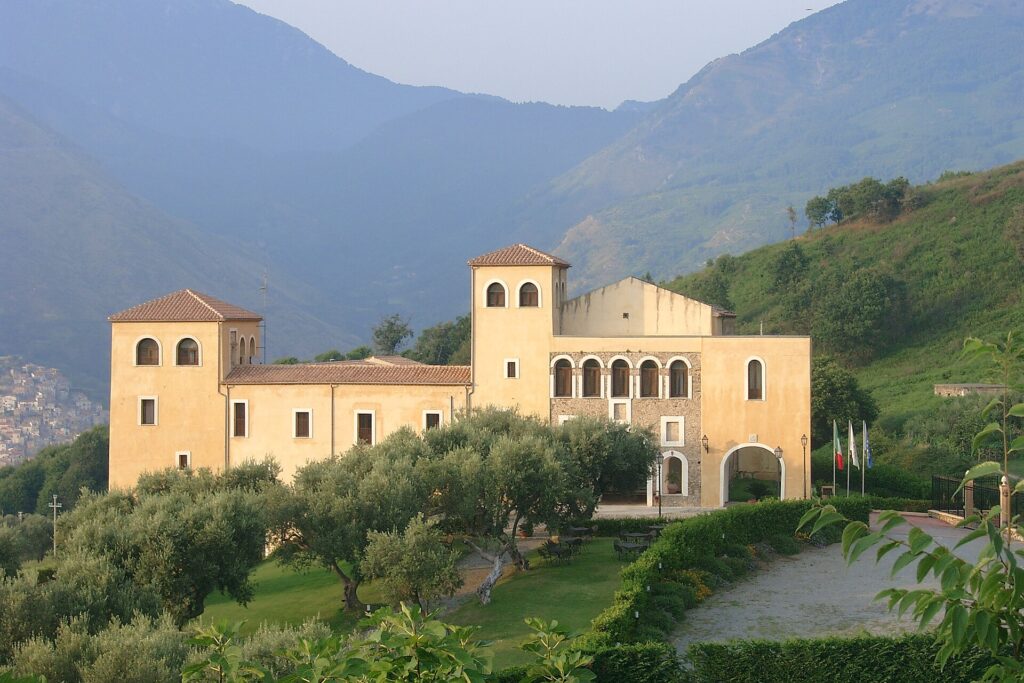
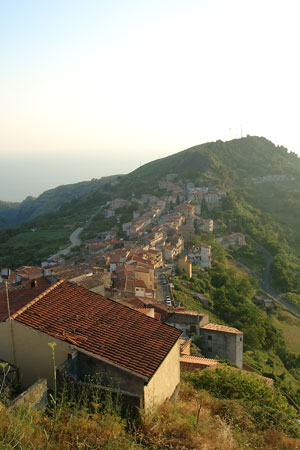
Nearby Villages near Bonifati
In Calabria More villages to discover
Albi
 Mountain
Discover what to see in Albi, a 735-person village at 710m in the Parco Nazionale della Sila, Catanzaro. History, food, access and where to stay.
Bisignano
 Hills
Hills
What to see in Bisignano: Discover 5 top attractions. This village (pop. 9,501) features the Ducal Castle and Sant'Umile Sanctuary for rich history.
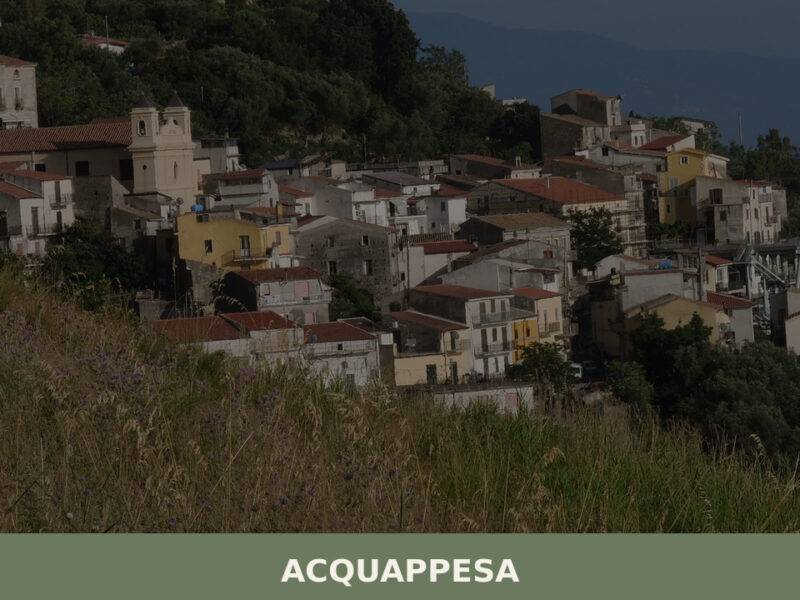
Acquappesa
Sea
A Calabrian hill village of 1,737 inhabitants defined by its sulphurous thermal springs, Tyrrhenian coastline, and quiet stone lanes in the province of Cosenza.
Amaroni
Hills
Discover what to see in Amaroni, a village of 1,587 inhabitants in the province of Catanzaro, Calabria. History, food, travel tips and nearby villages.
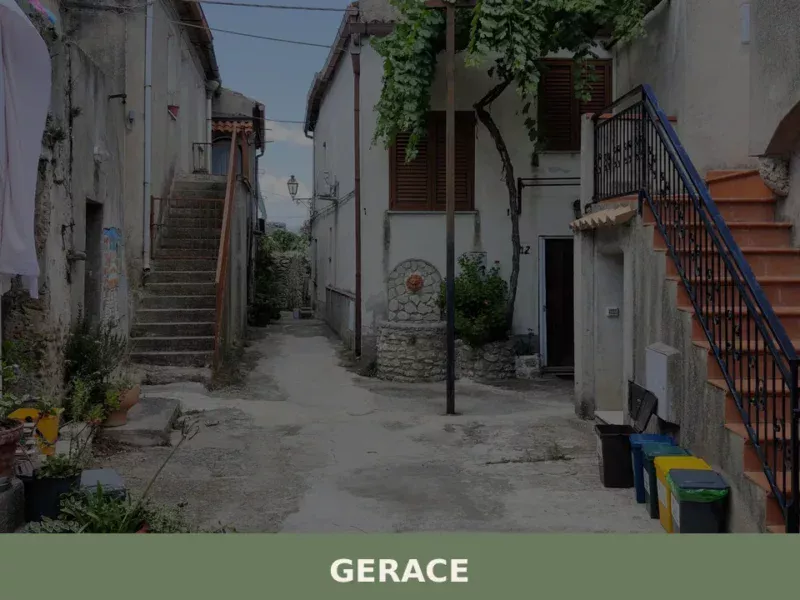
Gerace
Hills
A rock formed from sea fossils laid down 60 million years ago rises 500 metres (1,640 ft) above the Ionian plain. From its summit, on a clear day, the coastal town of Locri and the sea beyond it are visible as distinct horizontal bands of terracotta, grey, and blue. The hill is composed of marine […]
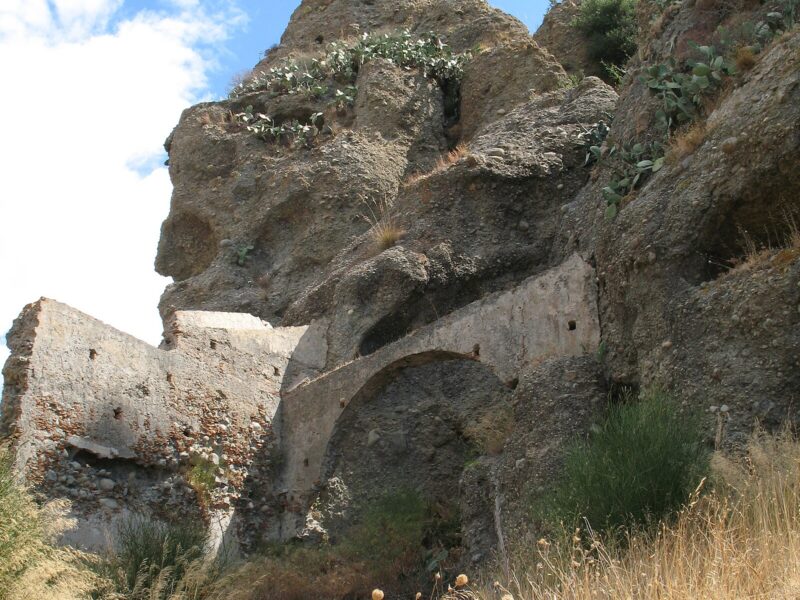
Pentedattilo
Hills
What to see in Pentedattilo, Calabria, Italy: a ghost town founded in 640 BC at 250 m altitude. Discover top attractions, history, and how to get there.
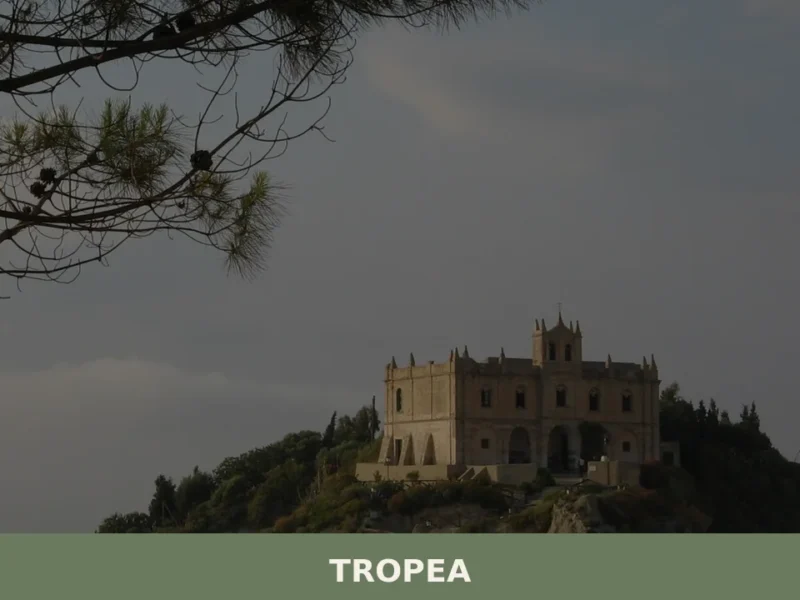
Tropea
Sea
What to see in Tropea, Calabria, Italy: explore 5 top attractions, the famous red onion, sandy beaches on the Tyrrhenian Sea. Discover how to get there.
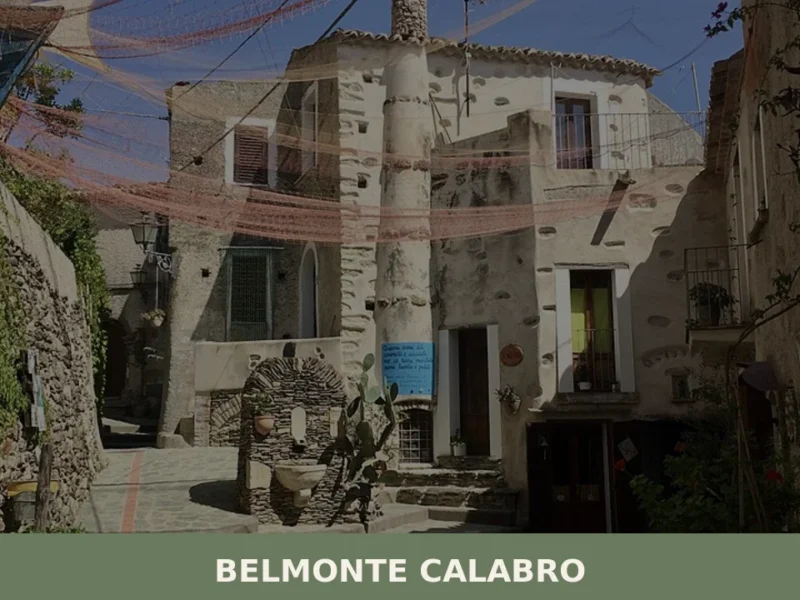
Belmonte Calabro
Sea
In 1270, Charles I of Anjou granted Drogone de Beaumont the fief that would give rise to the name Belmonte — from the French Beaumont, meaning beautiful mountain. Sitting at 262 metres above sea level on the Tyrrhenian side of the Cosenza province, the village today has 1,984 inhabitants and preserves a historic centre layered […]
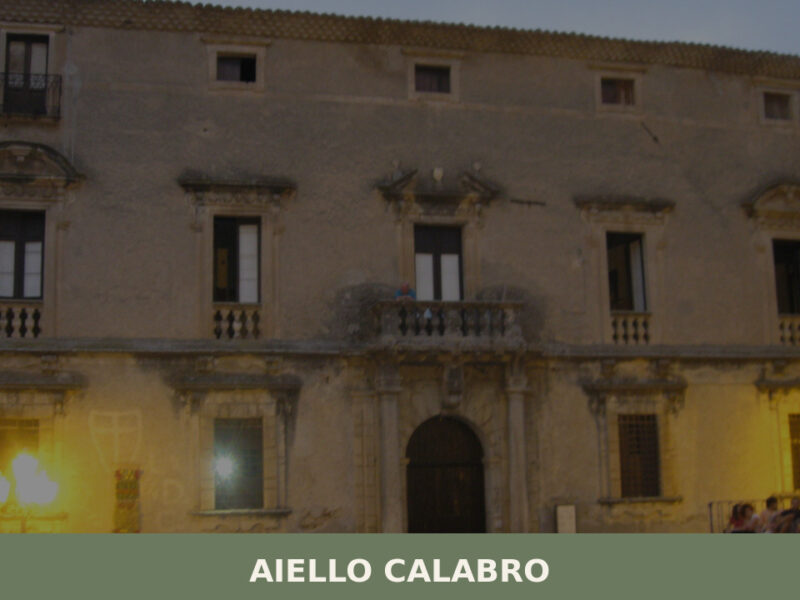
Aiello Calabro
Hills
A hill village in Cosenza province at 502 metres, Aiello Calabro holds medieval ruins, noble palazzi, and a living food culture shaped by centuries of mountain life.
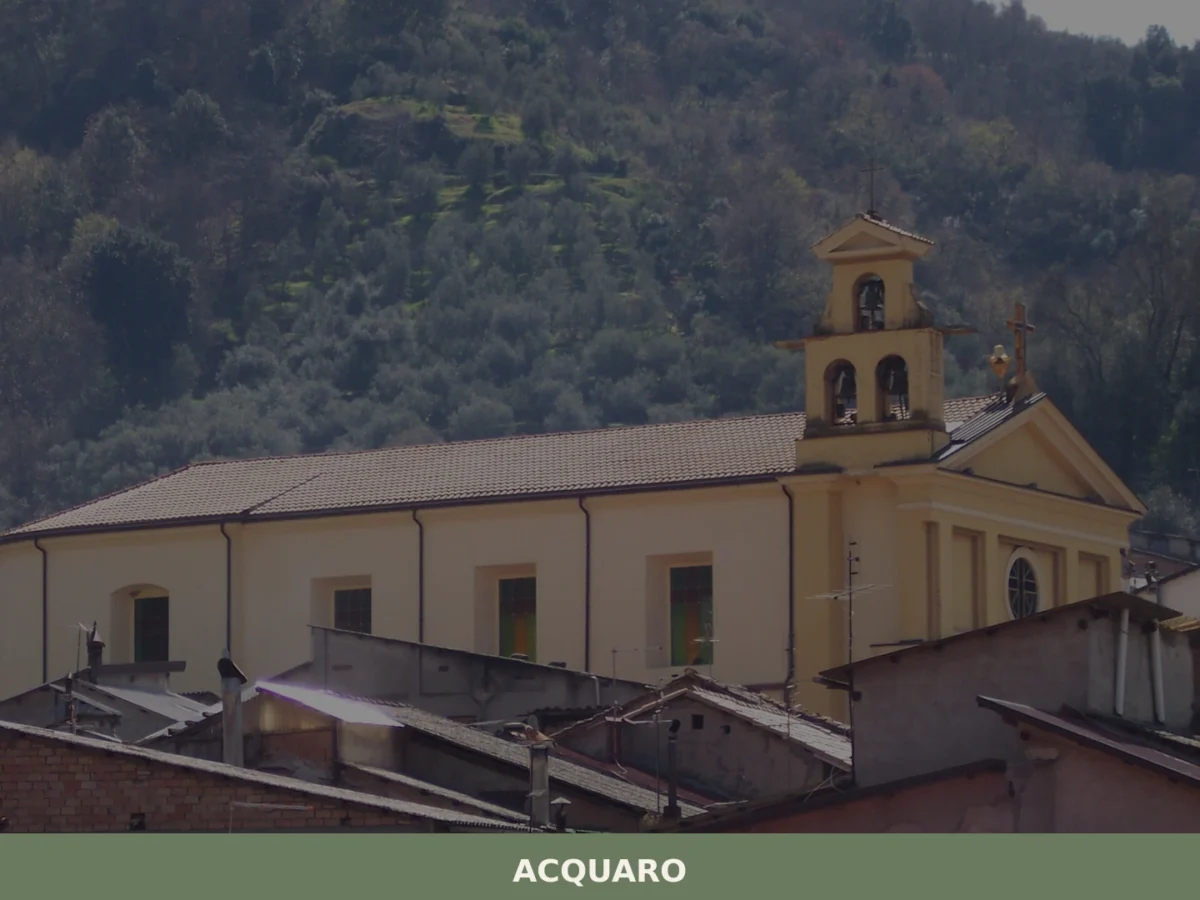
Acquaro
Hills
Discover what to see in Acquaro, a village of 1,778 inhabitants in Vibo Valentia, Calabria. History, food, travel tips and the Alto Mesima valley landscape.




🏡 Know Bonifati better than we do?
If you’re a local or have been there, your knowledge matters: add what’s missing or fix a detail on this page.