


Forte dei Marmi
 Sea
Sea
What to see in Forte dei Marmi, Italy: the 1788 fortress, sandy beaches, satirical art museum and weekly market. Population 7,619. Explore the full guide.
Discover Forte dei Marmi
A square white fortress rises at the centre of the main piazza, its walls completed on 6 February 1788 by order of Grand Duke Peter Leopold of Tuscany.
Around it, a grid of roads cuts through a dense pinewood that runs parallel to the Ligurian Sea, and the scent of salt air and resin reaches as far as the Wednesday market stalls.
The town sits at 2 m (6.5 ft) above sea level, at the southern edge of the Versilia coast in northern Tuscany, between the Apuan Alps and the sea.
Deciding what to see in Forte dei Marmi means engaging with a place that has been shaped by marble quarrying, aristocratic tourism, and a documented history of artistic residency stretching back more than a century.
The comune, in the province of Lucca, records a resident population of 7,619 that nearly triples every summer.
Visitors to Forte dei Marmi find the 1788 fortress — now a museum of satirical art — a wide sandy beach on the Ligurian coast, and a Wednesday designer market that draws buyers from across Europe.
History of Forte dei Marmi
The name translates directly from Italian as “Fort of the Marbles,” and the etymology tracks the town’s entire economic story. Before a fort or a comune existed here, the coastal area was known simply as Magazzino dei Marmi — the marble deposit — because the only building on the shoreline was a warehouse where stone quarried from the Alpi Apuane was staged before loading onto ships at the pier.
The Apuane mountains, which produce the same geological seam as the famous marble of Carrara, provided the raw material that gave the settlement both its name and its reason to exist. The first stable coastal settlement in the area was called Caranna, located near freshwater springs recorded in a document from 794 AD that registers the sale of land then called “Vaiano.”
The Romans had already recognised this stretch of Versilia’s strategic value.
In the 2nd century BC, the proconsuls Publius Cornelius Cethegus and Marcus Baebius Tamphilus led the Roman army against the Ligurian people and incorporated the territory into the Roman system of land centuriation, creating new settlements for colonies arriving from Luni and Lucca.
Silver, lead, and iron mines were exploited across the region, and a road connecting Querceta (Seravezza) to the coast — later called the Via delle mordure — formed one of the axes of that Roman grid. The road still bears that name today.
In 1515, the marble quarries of the Versilian municipalities were donated to the Medici family, who opened new quarries and laid a road to bring marble blocks to a newly built pier. The mid-17th century brought further engineering intervention: the Medici government diverted the course of the river Versilia to prevent the flooding of Pietrasanta, and the new channel crossed a road that had been planned by Michelangelo, requiring the construction of a wooden bridge called Ponte delle Tavole.
The definitive civic form of the town dates to 1788, when Grand Duke Peter Leopold II — who would later become Leopold II, Holy Roman Emperor — commissioned the construction of the Forte Lorense.
The fort was designed to defend marble shipments from pirate raids and to consolidate territorial control along the coast. By the time of Italian Unification in 1861, Forte dei Marmi was administered as part of the municipality of Pietrasanta.
Tourist development at the start of the 20th century generated sufficient population and economic weight for a local committee to petition for independence.
With political backing from Giovanni Montauti of Lucca, and financial support from the Siemens-Schuckert counts who owned much of the land, Forte dei Marmi became an autonomous comune on 26 April 1914.
Those interested in the broader Tuscan context will find that Filattiera, further north in the Lunigiana, shares a comparable history of medieval territorial disputes and later administrative reorganisation under unified Italy.
What to see in Forte dei Marmi, Toscana: top attractions
The Fortress — Museo della Satira e della Caricatura
The square structure at the centre of Piazza Garibaldi was completed on 6 February 1788, built in stone to a design intended for coastal defence rather than residential use. After serving as a postal service office in the 19th century, it now houses the Museo della Satira e della Caricatura, one of the few Italian museums dedicated entirely to satirical and caricature art. The building sustained damage in a recent earthquake, which makes some structural elements visible to an attentive visitor.
The museum’s collection traces the history of political and social satire through drawings, prints, and illustrated publications.
Arrive on a weekday morning for quieter access; the Wednesday market in the surrounding piazza makes midweek afternoons busy.
The Wednesday Market
Every Wednesday, the streets around the fortress fill with stalls selling discounted designer clothing, leather goods, and a range of other products, making it one of the most frequented open-air markets on the Versilia coast.
The market has operated for decades and draws visitors from Lucca, Pisa, and further afield who come specifically to buy branded items at reduced prices. Leather accessories — bags, belts, shoes — are particularly well represented, with goods from Italian manufacturers alongside international labels. The market runs through the morning and into early afternoon; serious buyers tend to arrive by 9:00. It operates year-round, though the summer months bring significantly larger crowds.
The Ligurian Seafront and Pine Forest
The beach at Forte dei Marmi is a wide band of fine sand running along the Ligurian Sea, framed on the landward side by a continuous pinewood that extends through the residential districts.
The pine forest is not incidental to the town’s layout — it is the setting in which the first villas of wealthy Tuscan and northern Italian families were built at the beginning of the 20th century.
The seafront promenade connects the bathing establishments (called stabilimenti balneari, privately managed sections of beach with sun loungers, umbrellas, and café service) that have defined the town’s summer economy since the 1960s.
Walking the length of the promenade gives a clear picture of how the town has stratified socially, with the largest historic villas set back among the pines and the more recent construction closer to the shore.
The Historic Villas of the Pinewood District
The residential grid between the seafront and the inland road holds a concentration of early 20th-century villas that document the town’s long association with Italian and European cultural figures. Henry Moore, the British sculptor, maintained a studio in Forte dei Marmi and took up residence at what is now the Hotel 1908 (formerly Hotel Ritz).
Thomas Mann holidayed here, and his daughter Elisabeth Mann Borgese later owned a villa in the area.
The Agnelli family’s presence centred on Villa Agnelli, now the Hotel Augustus Lido.
Queen Paola of Belgium was born in Forte dei Marmi in 1937, a year when the Grand Hotel Imperiale was already an established point of reference for European high society. The villas are private properties, but the exterior architecture — largely Liberty and rationalist styles from the 1910s to the 1940s — is visible from the public streets running through the pinewood.
The Pier and the Marble Shipping Heritage
The pier at Forte dei Marmi was originally constructed in 1515 under the Medici, who needed a loading point for marble brought down from the Apuane mountains.
The structure was rebuilt and modified over subsequent centuries as shipping technology evolved, but its function as a departure point for Apuan marble remained central to the local economy well into the 19th century.
Today the pier is accessible to the public and offers a direct view along the coastline toward the mountains.
Standing at the end of the pier, the Alpi Apuane are visible to the northeast on clear days, and the scale of the quarrying enterprise — moving stone blocks from those peaks to this loading point — becomes physically legible. The pier is also used for recreational fishing and as a morning gathering point for residents.
Local food and typical products of Forte dei Marmi
Forte dei Marmi sits within the Versilia culinary zone, which draws from both the Ligurian Sea and the agricultural inland of the Lucca province.
The coastal position means that seafood has historically anchored the local diet, while the proximity to Lucca — one of the most productive food territories in Tuscany — brings olive oil, legumes, and cured meats into the local kitchen.
The town’s decades of upmarket tourism have also shaped its restaurant offer, which skews toward refined preparations rather than rustic trattoria cooking, though the underlying ingredients remain regional.
Among the dishes most associated with this stretch of the Versilian coast, cacciucco alla viareggina deserves close attention: a thick fish stew built from a minimum of five species of fish and shellfish (the number five corresponds to the five letters of the word cacciucco in local tradition), cooked in tomato, garlic, chilli, and red wine, then ladled over stale bread.
The result is dense and strongly flavoured, with a cooking technique that calls for each species to be added at timed intervals to prevent overcooking. Tordelli lucchesi — fresh pasta parcels filled with meat, Swiss chard, and spices, dressed with a meat ragù — reflect the Lucchese influence on the inland end of local cooking.
Along the seafront, fritto misto di mare — a mixed fry of small fish, squid rings, and prawns in a light batter — is a fixture on lunch menus through the summer months.
No DOC, DOP, or IGP certified product is registered specifically to the municipality of Forte dei Marmi in the available source data.
The broader Lucca province contributes Olio Extravergine di Oliva Toscano IGP, produced across multiple Tuscan municipalities, to the regional food economy, and this oil appears consistently in local cooking. Visitors looking for certified Tuscan products will find them in the weekly Wednesday market and in specialist food shops along the main commercial streets.
The Wednesday market, beyond its clothing offer, includes food stalls selling local produce, cured meats, and preserves from the Lucca hinterland.
The summer months bring the highest density of market traders and the widest product range.
For those travelling from Pistoia, another Tuscan centre with strong food traditions, the drive to Forte dei Marmi takes roughly one hour and can be combined with a market morning before an afternoon on the coast.
Festivals, events and traditions of Forte dei Marmi
The patron saint of Forte dei Marmi is Ermete Martire — Hermes the Martyr — whose feast falls on 28 August.
The date places the celebration at the height of the summer season, when the town’s population is at its annual peak and the beach establishments are operating at full capacity. The feast of Sant’Ermete is marked by religious ceremonies in the town’s churches, followed by public events in the piazza around the fortress.
The summer timing means the celebration draws not only permanent residents but the full summer population of tourists and seasonal residents, giving the feast a scale considerably larger than the year-round population of 7,619 would suggest on its own.
The summer calendar more broadly is shaped by the tourism economy that has governed the town since the late 19th century.
The group known as Quarto Platano — formed by artists and intellectuals who gathered daily in Forte dei Marmi to discuss art and culture — represents a documented tradition of cultural exchange that predates the more commercial festival circuit.
That intellectual tradition is less visible today in formal programming, but the town’s long association with figures including Aldous Huxley, who lived here for part of the 1920s, and the sculptor Henry Moore, who maintained a studio here, gives the summer cultural calendar a specific historical depth that the museum of satirical art continues to reflect.
When to visit Forte dei Marmi, Italy and how to get there
The summer months from June through August bring the largest crowds and the highest accommodation prices, with the town’s population nearly tripling as tourists arrive primarily from Florence, Milan, Germany, and Russia.
For those who want the beach experience with fewer people, late May and September offer similar weather conditions — the Ligurian coast remains warm and swimmable well into September — with significantly more availability at hotels and stabilimenti balneari.
The Wednesday market operates year-round, making a day trip in spring or autumn a practical option for visitors focused on the cultural and market offer rather than the beach. International visitors should note that English is widely spoken in the main hotels and restaurants due to the town’s long history of foreign tourism, but smaller shops and local bars may have limited English; carrying euros in cash is practical for market purchases.
Forte dei Marmi, Toscana, Italy lies approximately 100 km (62 mi) northwest of Florence, making it a feasible day trip from that city by car or train.
By car from Florence, take the A11 motorway toward Pisa Nord, then join the A12 toward Genova and exit at Versilia; total driving time is approximately 1 hour 15 minutes under normal traffic conditions.
The nearest railway station is Forte dei Marmi-Pietrasanta, served by Trenitalia regional services on the Genova-Pisa line; from Florence Santa Maria Novella, regional trains reach the station in approximately 1 hour 30 minutes.
The nearest major airport is Pisa Galileo Galilei, located approximately 35 km (22 mi) to the south, reachable by road in around 35 minutes. From Milan by car, the A1 motorway connects to the A11 at Florence, with a total distance of approximately 290 km (180 mi) and a journey time of roughly 3 hours.
Those arriving from Pisa can combine a visit to the city with a short northward drive along the coast to reach Forte dei Marmi in under 40 minutes.
Where to stay near Forte dei Marmi
In 1991 the town counted 101 hotels; by 2010 that number had fallen to 58, as many properties were converted into private apartments, holiday rentals, or upgraded into three- and four-star facilities.
The 58 hotels operating as of the most recent available data hold a combined total of 1,965 rooms, the majority open seasonally from May through September. A number of hotels operate as family-run businesses that have held the same management for multiple generations. The official municipality website of Forte dei Marmi maintains updated listings of registered accommodation. Demand during July and August is high enough that advance booking of several months is standard practice among repeat visitors.
Frequently asked questions about Forte dei Marmi
What is the best time to visit Forte dei Marmi?
June and September offer the ideal balance: warm sea temperatures, open beach establishments, and smaller crowds than the peak weeks of July and August, when the resident population of around 7,600 nearly triples. For the Wednesday designer market without summer congestion, April, May, or October are preferable. The feast of the patron saint Ermete Martire falls on 28 August, coinciding with the height of the summer season. Visitors seeking cultural attractions such as the Museo della Satira can visit year-round; the museum is accessible even outside the bathing season.
What are the historical origins of Forte dei Marmi?
The settlement originated as a coastal marble depot — called Magazzino dei Marmi — where stone quarried from the Alpi Apuane was stored before shipment. In 1515 the Medici family, who controlled the Versilian quarries, built a pier for loading. The defensive fortress at the centre of today's town was completed on 6 February 1788 by order of Grand Duke Peter Leopold of Tuscany. Forte dei Marmi was administered as part of Pietrasanta until 26 April 1914, when it became an autonomous comune with backing from Giovanni Montauti and financial support from the Siemens-Schuckert counts.
What to see in Forte dei Marmi? Main monuments and landmarks
The 1788 Forte Lorense in Piazza Garibaldi now houses the Museo della Satira e della Caricatura, one of Italy's few museums dedicated entirely to satirical and caricature art — visit on a weekday morning for quieter access. The historic Medici pier (originally 1515) offers views of the Apuane Alps and is open to the public year-round. The pinewood residential district contains early 20th-century Liberty and rationalist villas associated with figures including Henry Moore, Thomas Mann, the Agnelli family, and Queen Paola of Belgium; exteriors are visible from public streets.
What are the main natural or scenic attractions of Forte dei Marmi?
The town's defining natural feature is a continuous pinewood running parallel to the Ligurian Sea, which forms the green backdrop of the residential district and moderates the summer heat. The beach is a wide band of fine sand stretching along the Versilia coast. On clear days, the Alpi Apuane are visible to the northeast from the pier, where the visual connection between the mountain quarries and the historic shipping point becomes immediately apparent. The coast here marks the southern boundary of the Versilia riviera, between the Apuan Alps and the sea.
Where to take the best photos in Forte dei Marmi?
The end of the historic pier provides the clearest view along the Versilian coastline with the Alpi Apuane in the background — best light in the early morning. Piazza Garibaldi frames the white 1788 fortress against the surrounding pines and is particularly photogenic on Wednesday mornings when the market stalls are set up. The seafront promenade at dusk, with the pinewood silhouette behind the stabilimenti balneari, offers a classic Versilia coastal composition. The Liberty-style villas visible from the pinewood streets also make for distinctive architectural photography.
Are there museums, churches or historic buildings to visit in Forte dei Marmi?
The Museo della Satira e della Caricatura is housed inside the 1788 Forte Lorense in Piazza Garibaldi. It is one of Italy's only museums dedicated to satirical art, with a collection of drawings, prints, and illustrated publications tracing the history of political and social caricature. The fortress building itself sustained damage in a recent earthquake, and some structural elements remain visible. For current opening hours and admission prices, check the official municipality website or the museum's own listings, as seasonal schedules apply.
What can you do in Forte dei Marmi? Activities and experiences
Swimming and sunbathing at the privately managed stabilimenti balneari define the summer experience; establishments offer sun loungers, umbrellas, and café service. The Wednesday open-air market — operating year-round around the fortress — is one of the leading designer and leather goods markets on the Versilia coast; arrive by 9:00 for the best selection. Walking or cycling through the pinewood residential district to view the historic villas is a year-round activity. The pier is a public space used for recreational fishing and morning walks, with mountain views on clear days.
Who is Forte dei Marmi suitable for? Families, couples, hikers, solo travelers?
Forte dei Marmi is best suited to couples and affluent leisure travellers seeking a refined beach experience combined with cultural depth — the villa heritage, satirical art museum, and upmarket restaurant scene reinforce this profile. Families will find the wide, calm sandy beach and the pine-shaded streets manageable and pleasant. Design and fashion enthusiasts will value the Wednesday market specifically. It is less oriented toward backpackers or hiking-focused visitors; those seeking mountain trails should combine the town with excursions into the nearby Alpi Apuane. The summer peak is intense; quieter visits suit independent travellers in shoulder season.
What to eat in Forte dei Marmi? Local products and specialties
The dominant specialty of the Versilian coast is cacciucco alla viareggina, a thick fish and shellfish stew built from a minimum of five species, cooked with tomato, garlic, chilli, and red wine, served over stale bread. The town's culinary offer draws from the broader Lucca province — notable for DOP extra-virgin olive oil, legumes, and cured meats — and from the Ligurian Sea for fresh catch. The restaurant scene skews toward refined preparations rather than rustic trattoria cooking, reflecting decades of upmarket tourism, though the underlying ingredients remain firmly Versilian and Lucchese.
Nearby Villages near Forte dei Marmi
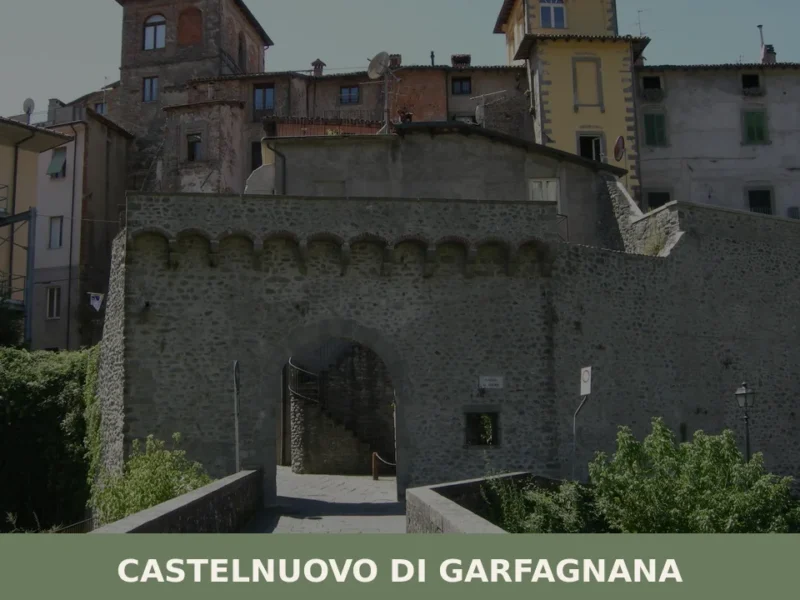
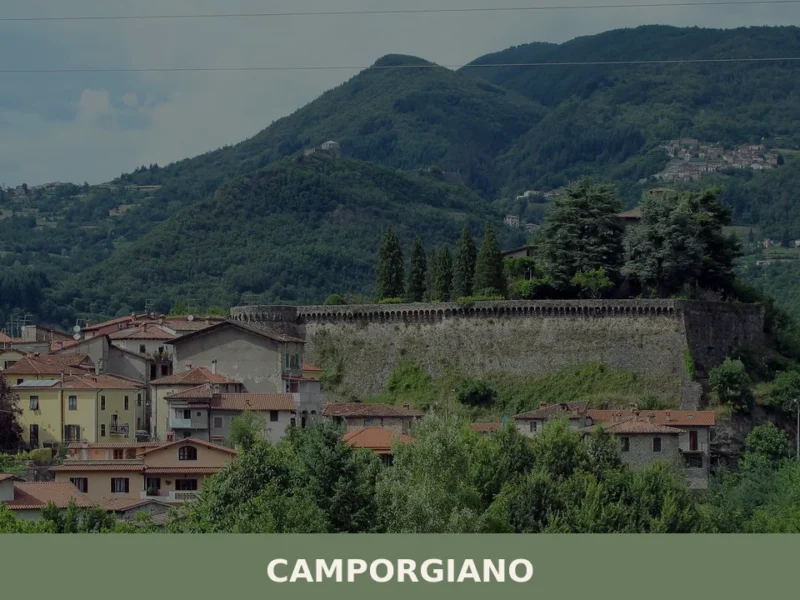
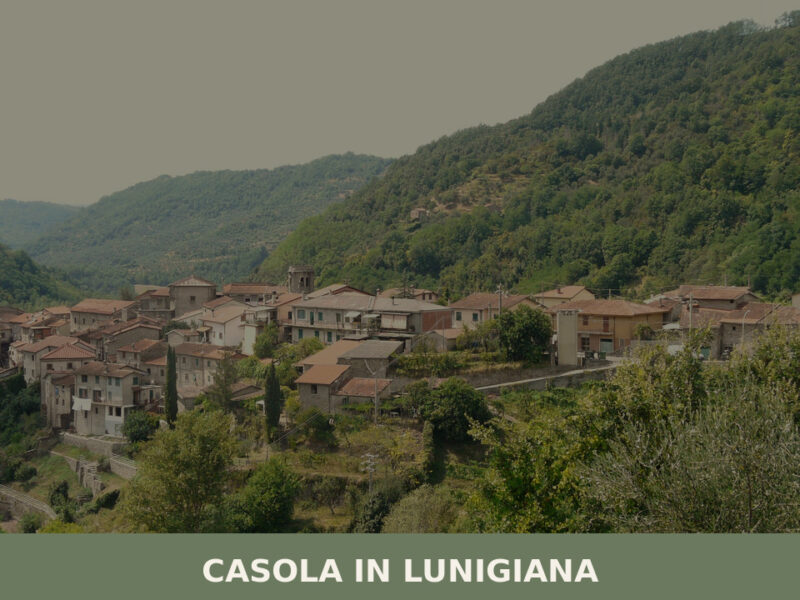
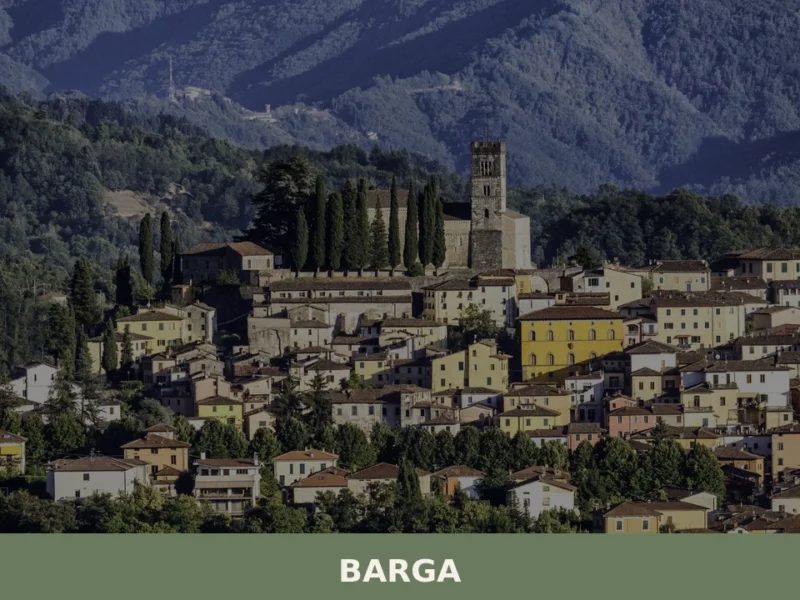
In Tuscany More villages to discover
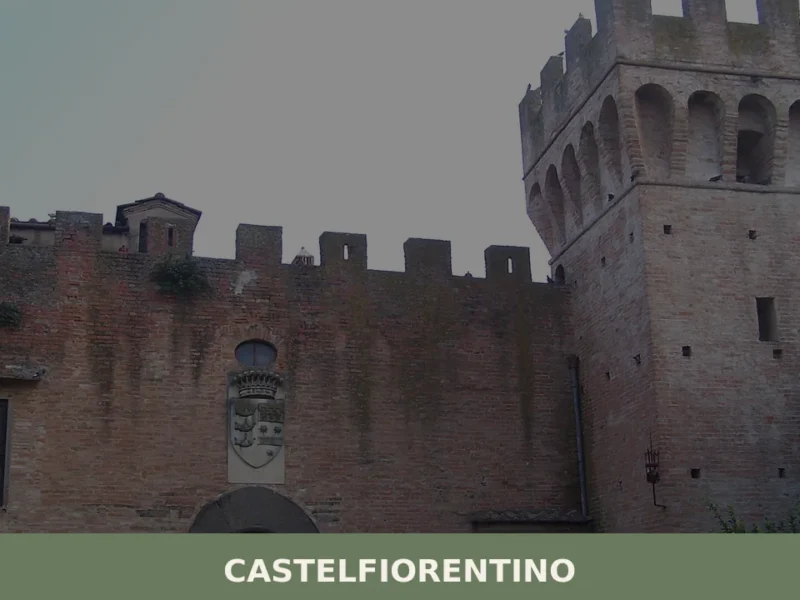
Castelfiorentino
 Plains
What to see in Castelfiorentino, Italy: 6 top attractions, history from 1149, the Sanctuary of Santa Verdiana and a crucifix by Giovanni Pisano. Discover now.

Vicchio
 Hills
Hills
A Florentine village of 8,000 souls in the Mugello Valley, Vicchio gave the world two painters who transformed Italian art. Medieval towers, sacred art museums and Etruscan archaeology define its landscape.
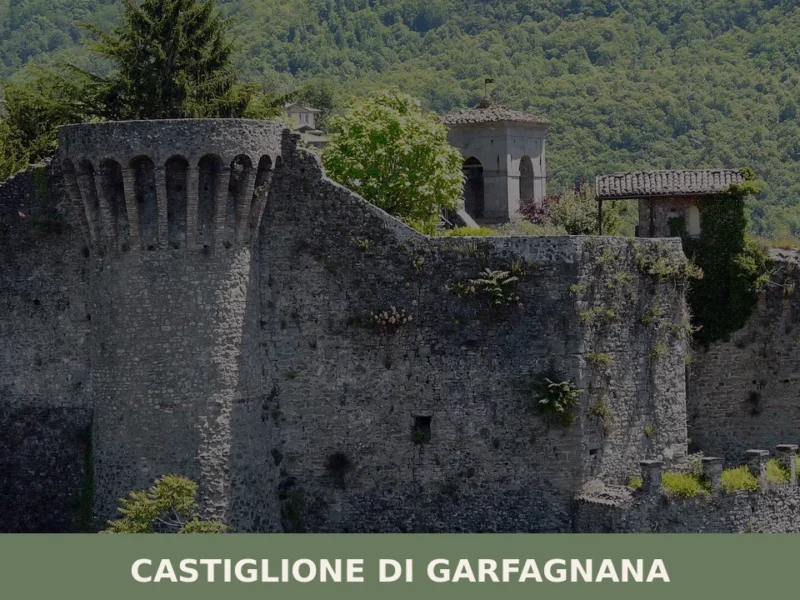
Castiglione di Garfagnana
Hills
What to see in Castiglione di Garfagnana, Italy: medieval walls, a 13th-century bridge, and the Rocca fortress at 545 m. Discover the full travel guide.
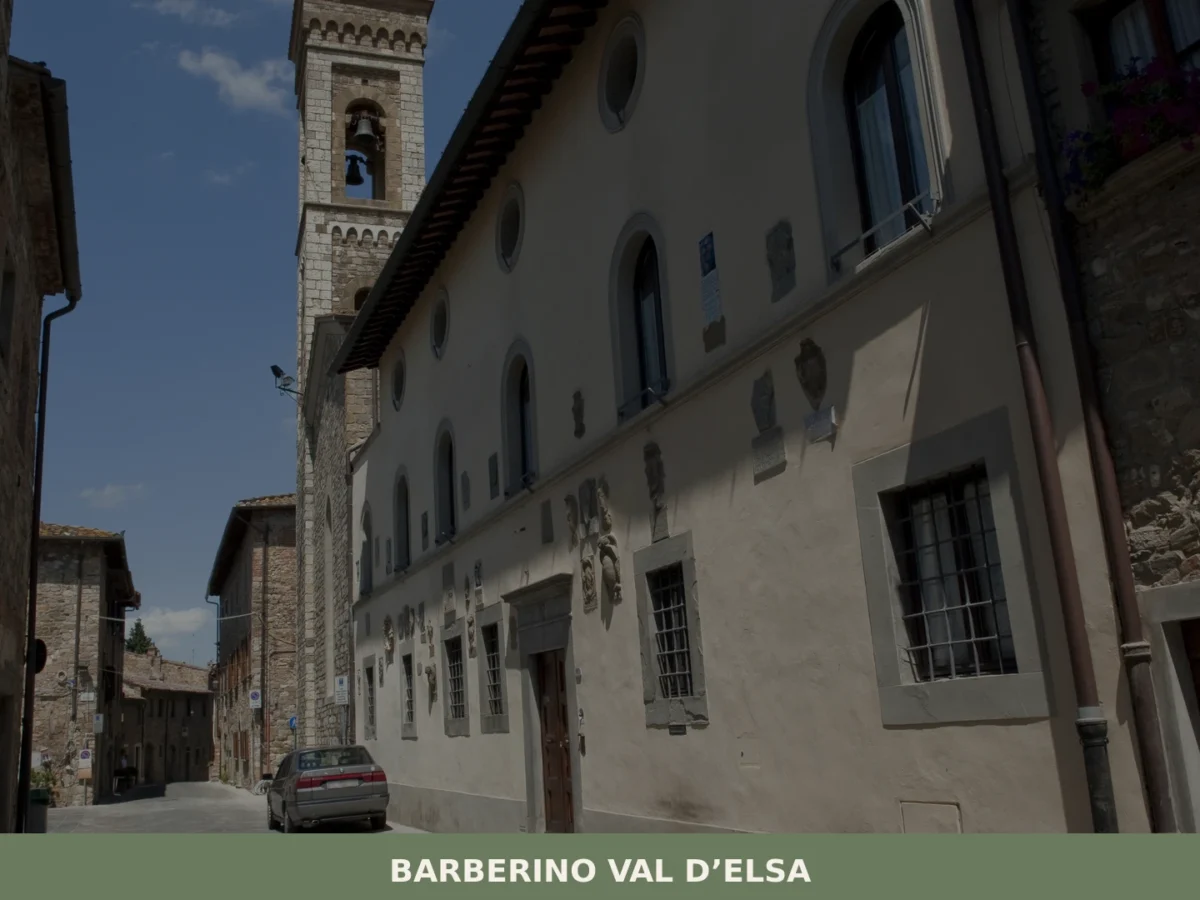
Barberino Val d’Elsa
Plains
The grey sandstone stones of the Palazzo Pretorio still bear the coats of arms of the Florentine families entrusted with governing this medieval outpost: a register carved in stone that tells six centuries of political domination without the need to open a single archive. In this article History and origins of Barberino Val d’Elsa What […]
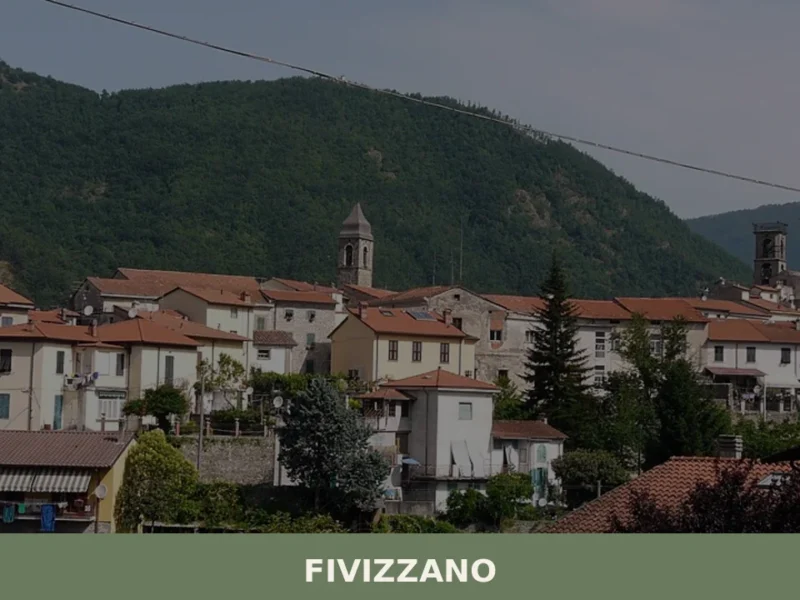
Fivizzano
Hills
In 1477 a printing press active in Fivizzano produced an edition of Cicero’s Epistolae ad familiares, making this Lunigiana town one of the first places in Italy — and in Europe — to host the art of movable-type printing. The village stands at 326 metres above sea level in the province of Massa and Carrara, […]
Licciana Nardi
Hills
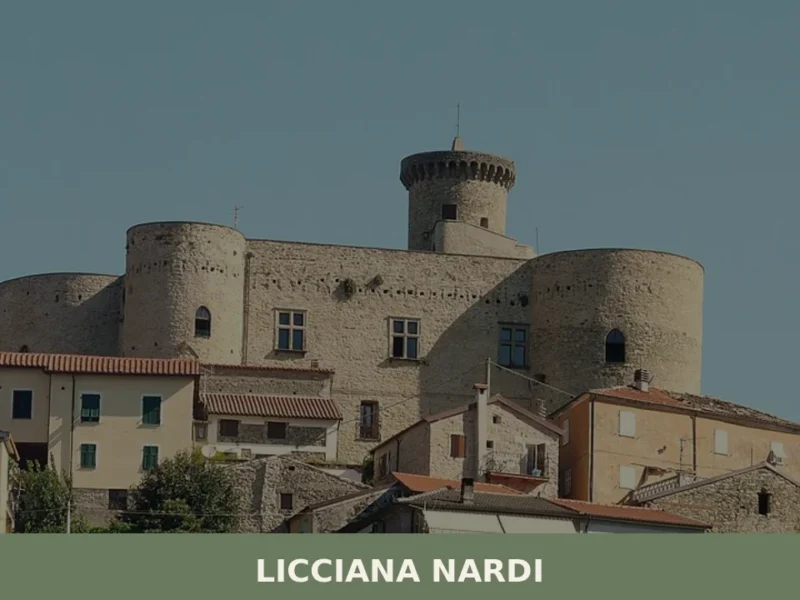
The territory of Licciana Nardi includes six castles spread between the valley floor and the Apennine slopes, a concentration of defensive structures that documents the strategic role of this stretch of Lunigiana in controlling the routes between the Po Plain and the Tyrrhenian coast. With its 4,894 inhabitants distributed across 55 square kilometres at an […]
Villafranca in Lunigiana
Plains
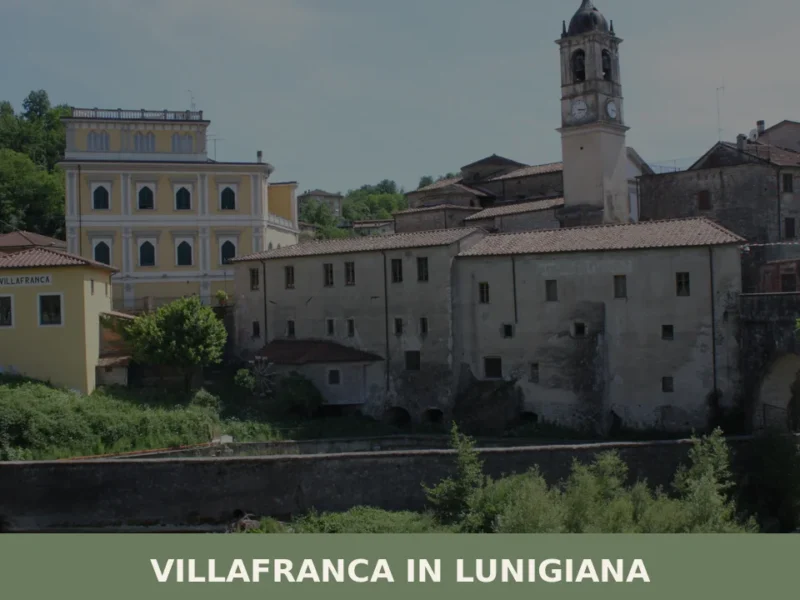
What to see in Villafranca in Lunigiana: explore the Via Francigena, medieval churches and local cuisine in Toscana, Italy. Population 4,803. Discover it now.
Bagni di Lucca
Plains
A comune of 5,560 residents in Lucca province, Bagni di Lucca centres on warm springs and the Serchio river corridor. Its identity rests on water and geology.
Zeri
 Mountain
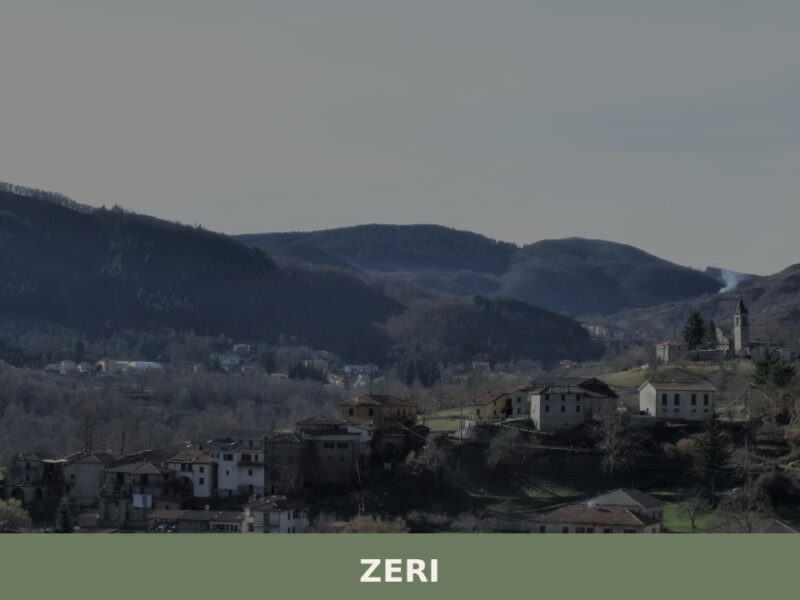
Morning mist lifts slowly from the Lunigiana valley floor, revealing a scattering of stone hamlets across green ridgelines that roll toward the Ligurian border. The air carries wood smoke and the distant sound of cowbells — the famed Zerasca breed still grazes these highlands. Zeri, a municipality of 1,166 inhabitants in the province of Massa […]
Calenzano
Plains
What to see in Calenzano, Italy: 5 top attractions, medieval churches, Renaissance art, and practical tips. 11 km from Florence. Discover Calenzano, Toscana.
🧀 Italian traditional products
🏡 Know Forte dei Marmi better than we do?
If you’re a local or have been there, your knowledge matters: add what’s missing or fix a detail on this page.