


Aquileia
 Plains
What to see in Aquileia: early Christian basilica, UNESCO mosaics, Roman forum, archaeological museum. Guide with history, cuisine and how to get there.
Discover Aquileia
In 181 BC, three thousand Roman families led by the triumvirs Publius Scipio Nasica, Gaius Flaminius and Lucius Manlius Acidinus planted the first boundary stones on an alluvial plain close to the lagoon, founding what would become the fourth most populous city in the Empire. Today Aquileia has 3,398 inhabitants and sits just 5 metres above sea level, in the province of Udine, but beneath its cultivated fields and roads lie entire neighbourhoods, forums, ports and necropolises. Understanding what to see in Aquileia means preparing to walk across one of the most extensive archaeological sites in Europe, where every ploughing turns up mosaic fragments, coins and amphorae. Not a rhetorical open-air exhibition, but an active excavation site, with dig campaigns continuing every summer.
History and origins of Aquileia
The very name of the colony has fuelled a debate lasting centuries. The most widely accepted hypothesis links it to the river Aquilis, a watercourse now identified as the Natissa, which ran through the settlement and provided a navigable connection to the sea. Other theories associate it with the Latin word aquila (eagle), recalling the favourable omen that, according to the tradition reported by Livy, accompanied the founding. Rome chose that location with clear strategic intent: the Friulian plain was the natural corridor for controlling incursions by transalpine peoples — Histri, Carni, Taurisci — and at the same time establishing a commercial outpost towards the East. The Latin colony received ius Latii in 181 BC and full Roman citizenship around 90 BC, under the Lex Iulia. In less than two centuries, Aquileia transformed from a military garrison into one of the most profitable trading hubs in the Mediterranean: amber from the Baltic, iron from Noricum, glass, oil, wine and garum passed through its river port, whose Istrian stone quays have been brought to light during excavations along the Natissa.
The imperial age marked the city’s zenith. Augustus stayed here on several occasions, and it was here that he received Herod the Great, King of Judea. In 238 AD Aquileia withstood the siege of Maximinus Thrax, an episode that the historians Herodian and the Historia Augusta recount in great detail: civilians took part in the defence, women cut their hair to make bowstrings, and the emperor was eventually murdered by his own soldiers beneath the walls. Under Diocletian and then Constantine, the city became the seat of one of the imperial mints — coins bearing the abbreviation AQ are common in numismatic collections across Europe — and the centre of an increasingly influential Christian community. The Patriarchate of Aquileia, formally established in the 6th century but with roots in the 3rd, exercised ecclesiastical jurisdiction for over a millennium across a territory stretching from Bavaria to Istria.
The rupture came in 452 AD, when Attila devastated the city. Tradition holds that part of the population fled to the lagoon islands, contributing to the birth of Grado and, indirectly, of Venice. Aquileia never fully recovered as an urban centre: the patriarchate continued to function, but its seat shifted between Aquileia and Grado, generating a schism that lasted centuries. In 1420 the Serenissima took control of Friuli, and in 1751 Pope Benedict XIV suppressed the patriarchate, dividing its responsibilities between the archdioceses of Udine and Gorizia. From then on Aquileia became an agricultural village. The archaeological rediscovery began in the 19th century and continued with Giovanni Battista Brusin in the 20th, leading to UNESCO recognition in 1998, which placed the archaeological area and the patriarchal basilica on the World Heritage List.
What to see in Aquileia: 5 key attractions
1. Patriarchal Basilica of Santa Maria Assunta
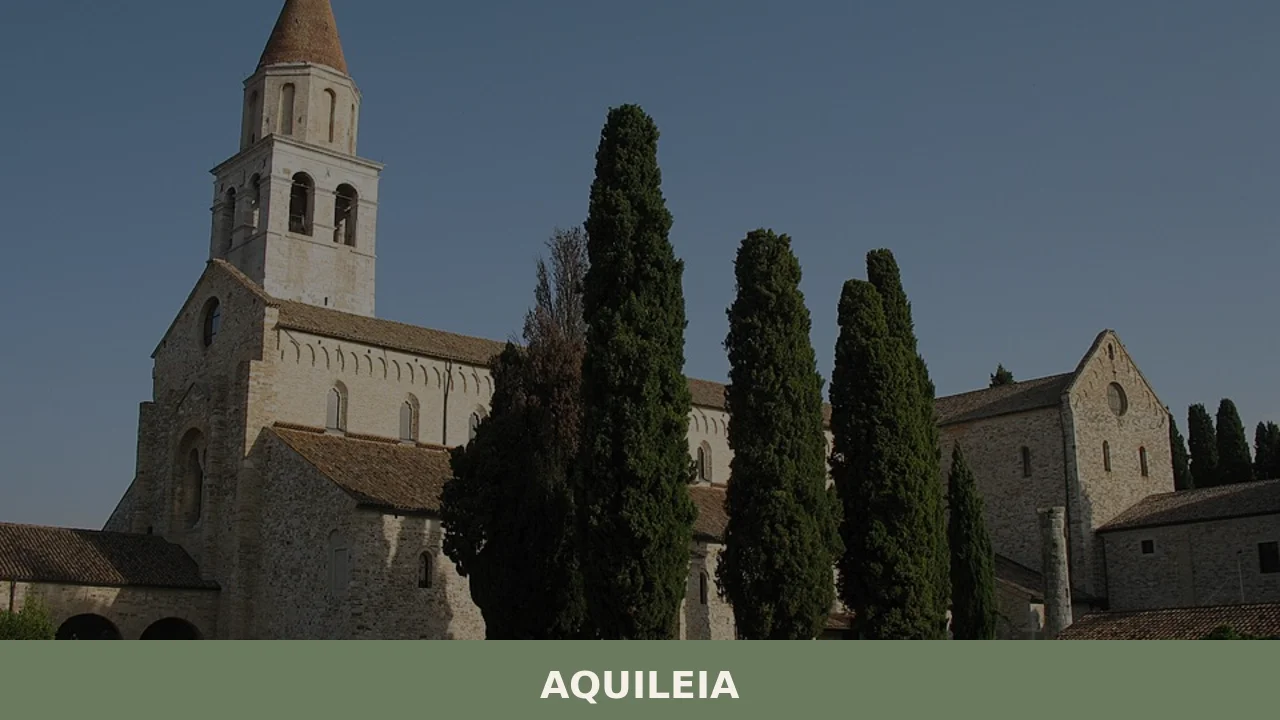
Built from the 4th century onwards at the behest of Bishop Theodore and remodelled in Romanesque forms in the 11th century by Patriarch Poppo, the basilica dominates the village’s main square with its 73-metre-high bell tower. The principal reason to visit is the Theodorean mosaic floor: over 760 square metres of polychrome mosaics depicting biblical scenes, allegories, marine creatures and the famous episode of Jonah swallowed by the whale. It is the largest early Christian mosaic in the Western world. The crypt of frescoes, beneath the presbytery, preserves 12th-century pictorial cycles dedicated to the lives of the patron saints Hermagoras and Fortunatus. Admission to the basilica and mosaics requires a ticket, and the site is open every day, with hours varying by season.
2. National Archaeological Museum
Located along Via Roma, a short walk from the basilica, the museum was founded in 1882 and reorganised during the 20th century. The collections include carved gemstones, worked amber, imperial marble portraits, blown glass and one of the richest assemblages of Latin epigraphy in northern Italy. Of particular interest is the section devoted to daily life: scales, surgical needles, oil lamps, children’s toys. The outdoor lapidary garden gathers funerary stelae, votive altars and architectural fragments recovered from urban excavations. The museum is managed by the Ministry of Culture and is part of the Friuli Venezia Giulia Museum Network. A visit of at least two hours is recommended to fully explore the materials on display.
3. Roman forum and river port
Of the forum, the foundations of the civil basilica and part of the colonnade that bordered the public square — the colony’s commercial and administrative hub — remain visible. About 500 metres away, along the course of the Natissa, you reach the river port: a quay of Istrian stone blocks extending over 300 metres, flanked by warehouses and customs buildings. The riverside walkway, shaded by cypresses, allows close-up observation of the structures. This sector of the ancient city makes Aquileia’s mercantile dimension tangible — its relationship with the sea and with the routes linking Rome to the Danubian provinces. Access to the area is free of charge.
4. Excavation crypt and Südhalle
Beneath the north nave of the basilica, an underground route inaugurated in 1998 reveals the superimposed remains of four building phases, from the pre-existing Roman domus to medieval floor surfaces. Visitors walk on transparent walkways that allow them to look down on the stratifications from above. The so-called Südhalle, or southern hall, is an early Christian space adjacent to the basilica that preserves an additional mosaic floor featuring pastoral scenes and Christological symbols. Together, these spaces offer a stratigraphic reading of the site’s building history that few other places in Italy make equally legible. Access is included in the basilica ticket.
5. Roman burial ground along the Via Annia
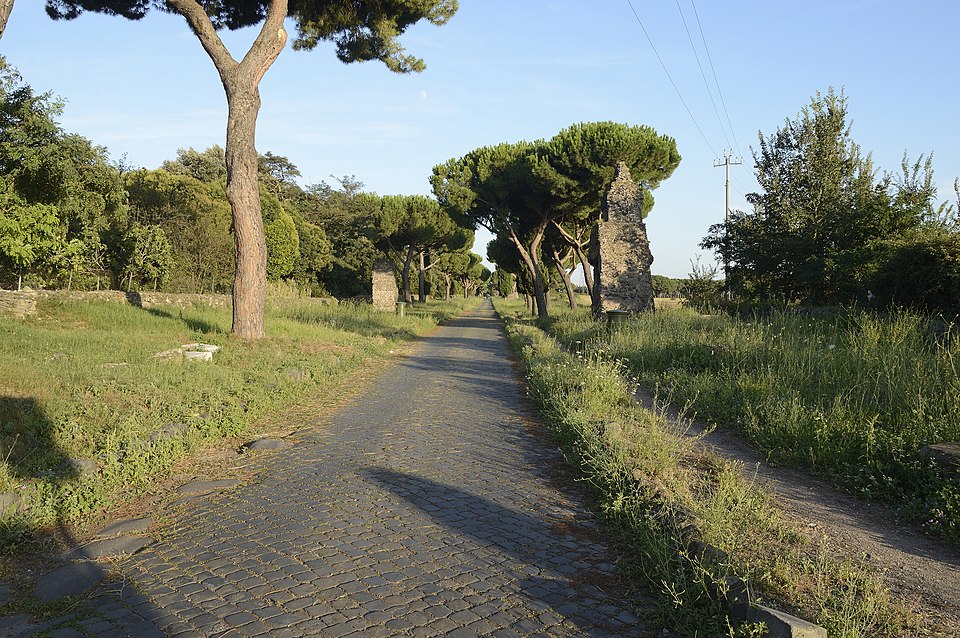
Southeast of the centre, along the route of the ancient Via Annia that connected Aquileia to Adria and Padua, five Roman funerary enclosures dating from the 1st century BC to the 1st century AD can be found. The tombs, enclosed by low brick walls, preserve stelae with Latin inscriptions, figured reliefs and cinerary urns. The site is significant because it documents the funerary rites of different social classes: freedmen, veterans, merchants. The area is fenced but freely accessible, with explanatory panels. The walk from the historic centre to the burial ground crosses open fields and gives a sense of the sheer scale of the original urban layout.
Local cuisine and regional products
Aquileia’s cuisine is that of the lower Friulian plain, a tradition that balances lagoon products with those of the cereal-growing lowlands. The most representative dish of the area is boreto alla graisana, a fish soup of Grado origin closely linked to the Aquileian table, prepared with eel, grey mullet or turbot, white wine vinegar, garlic and no tomato — a rule that sets this recipe apart from every other Adriatic fish soup. Alongside the boreto, biscotti di Aquileia, dry almond-and-citrus biscuits whose recipe is passed down in certain village families, appear on festive occasions. Frico, a cheese fritter made with aged Montasio mixed with potatoes and onion, is served in every trattoria in the area: crisp at the edges, soft in the centre, accompanied by steaming polenta.
Among officially recognised products, Montasio DOP — a cooked-paste cheese made with cow’s milk from Friulian mountain dairies — is the most widespread within a radius of a few kilometres. Rosa di Gorizia IGP, a winter radicchio with a crimson colour and a delicate flavour, grows in the surrounding fields and appears in local markets from December to February. The territory falls within the production area of Prosciutto di San Daniele DOP, whose production regulations require ageing in the municipality of San Daniele del Friuli but permit pig farming throughout the region. The wine also deserves attention: Aquileia lends its name to the DOC Friuli Aquileia appellation, which includes whites such as Friulano, Pinot Grigio and Sauvignon, and reds such as Refosco dal Peduncolo Rosso and Cabernet Franc, grown on clay-sandy soils with significant temperature variation.
Local festivals punctuate the gastronomic calendar. The feast of the patron saints Hermagoras and Fortunatus, on 12 July, features a programme of events including market stalls and open-air dining with traditional dishes. Throughout summer and autumn, festivals devoted to viticulture and lagoon fishing follow one another. Trattorias along the main road and in the historic centre offer menus featuring jota — a thick soup of beans, sauerkraut and pork — and gubana, a rolled pastry filled with walnuts, raisins, pine nuts, grappa and lemon zest, which originates in the Natisone Valleys but has spread across the entire Friulian plain.
When to visit Aquileia: the best time of year
Spring — from mid-April to the end of June — is the ideal season for those who want to explore the open-air archaeological areas without suffering the humid heat of the Friulian plain, which between July and August can reach 34–35 °C with high humidity levels. In spring the days are long, the fields around the forum bloom with poppies, and the light is favourable for photographing the ruins. September and October offer similar conditions, with the added advantage of the grape harvest in the DOC Friuli Aquileia vineyards and lower tourist numbers. On 12 July the feast day of the saints Hermagoras and Fortunatus falls: it is worth timing your visit to coincide with it, if you wish to attend religious celebrations and civic events in the village.
Winter is cold and often foggy, with temperatures dropping below zero on January nights. However, the basilica and the museum are open all year round, and the low season offers the chance to admire the Theodorean mosaics in near-total solitude — a rare privilege for a UNESCO site. Archaeological dig campaigns generally take place between June and September: during those months it is possible to watch archaeologists at work in the open excavation areas, an experience that adds a living dimension to the visit. It is advisable to dedicate a full day to Aquileia, combining the basilica-crypt-museum circuit in the morning and the outdoor areas — forum, river port, burial ground — in the afternoon.
How to reach Aquileia
By car, the reference motorway is the A4 Venice–Trieste: the recommended exit is Palmanova, from which you drive approximately 17 kilometres south on regional road 352 to Aquileia. Those coming from Trieste can exit at Villesse-Gorizia and follow signs for Grado, passing through Aquileia. The distance from Udine is about 42 kilometres (40 minutes), from Trieste 40 kilometres (45 minutes), and from Venice 130 kilometres (roughly an hour and a half). Parking in the village is straightforward: free areas are available near the museum and the basilica.
The nearest railway station is Cervignano del Friuli-Aquileia, on the Venice–Trieste line, approximately 8 kilometres from Aquileia’s centre: from there a local bus service connects the station to the village. The closest airport is Trieste Airport at Ronchi dei Legionari, just 20 kilometres away (about 20 minutes by car), served by domestic and international flights. Venice Marco Polo Airport is approximately 120 kilometres away. For those arriving by bicycle, Aquileia is crossed by the Alpe-Adria cycle route, which links Salzburg to Grado through Friuli: a flat and well-signposted route in its final stretch.
Other villages to discover in Friuli Venezia Giulia
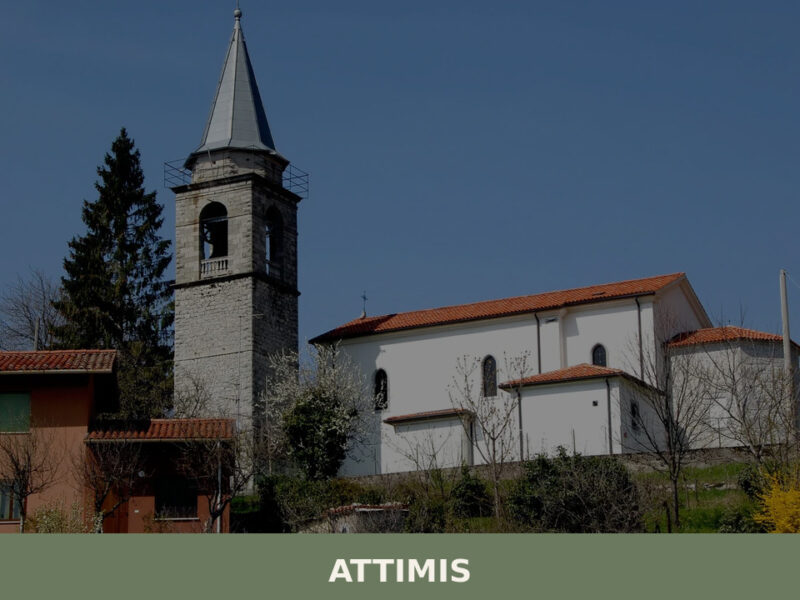
Friuli Venezia Giulia is a region where landscapes change dramatically within a few kilometres, and visiting Aquileia can become the starting point for itineraries heading towards the mountains. About an hour and a half’s drive to the northeast, the village of Attimis marks the transition between the plain and the first morainic hills. Here stand the ruins of two medieval castles — the upper and the lower — which document the defensive system of Friulian feudal lords between the 12th and 14th centuries. The visit provides a stark contrast with Aquileia’s Roman archaeology: you move from the civilisation of the forum and port to the vertical logic of towers and fortified settlements, set against a landscape of hornbeam and beech woods.
Further north still, pushing towards Carnia, you reach Ampezzo, a mountain settlement in the Tagliamento valley. Here the context is Alpine: a forestry-based economy, stone-and-timber architecture, and a strategic position along the road connecting Friuli to Cadore. Combining Aquileia and Ampezzo in a single trip of three or four days allows you to traverse the region’s entire cross-section — from the lagoon to the Carnic Alps — encountering radically different environments, food traditions and historical layers. For further reading on Aquileia’s historical and archaeological context, the official website of the Municipality and the dedicated Wikipedia page are both recommended, as they are updated with information on opening hours, events and ongoing excavation campaigns.
Frequently asked questions about Aquileia
What is the best time to visit Aquileia?
The ideal period is from April to October, when the weather on the Friulian plain is mild and outdoor archaeological areas are fully enjoyable. Summer brings the most active dig campaigns and outdoor events. The feast of the patron saints Hermagoras and Fortunatus on 12 July animates the village with market stalls and open-air dining. September and October are excellent for combining archaeology with the wine harvest in the Friuli Aquileia DOC area. Avoid August midday heat when visiting open-air sites such as the river port and the Via Annia burial ground.
What to see in Aquileia? Main monuments and landmarks
The five unmissable sites are: the Patriarchal Basilica of Santa Maria Assunta (over 760 sq m of early Christian mosaics, paid entry, open daily with seasonal hours); the National Archaeological Museum on Via Roma (minimum two-hour visit recommended, managed by the Ministry of Culture); the Roman forum and river port along the Natissa (free access); the excavation crypt and Südhalle beneath the basilica (included in basilica ticket); and the Roman burial ground along the Via Annia (fenced but freely accessible, explanatory panels on site).
Are there museums or historic buildings to visit in Aquileia?
Yes. The National Archaeological Museum, founded in 1882 and located on Via Roma, houses carved gemstones, worked amber, imperial marble portraits, blown glass and one of the richest collections of Latin epigraphy in northern Italy. Its outdoor lapidary garden displays funerary stelae and votive altars. The Patriarchal Basilica contains a 12th-century fresco crypt dedicated to saints Hermagoras and Fortunatus. Both sites are managed nationally and belong to the Friuli Venezia Giulia Museum Network. For current opening hours and ticket prices, check the official Polo Museale del Friuli Venezia Giulia website.
Where to take the best photos in Aquileia?
The most photogenic spots are: the interior of the basilica with the Theodorean mosaic floor lit by natural light through the Romanesque windows; the 73-metre bell tower framed from the main square; the Natissa riverside walkway at the Roman port, where Istrian stone quays flanked by cypresses create a striking perspective; and the Via Annia burial ground at dawn, when low mist over the fields enhances the funerary enclosures. The transparent walkways inside the excavation crypt also offer unusual architectural photography opportunities.
What can you do in Aquileia? Activities and experiences
Beyond guided archaeological visits, Aquileia offers active summer excavation campaigns that visitors can observe. Wine enthusiasts can explore the Friuli Aquileia DOC production area, tasting Friulano, Refosco dal Peduncolo Rosso and Pinot Grigio at local estates. The feast of saints Hermagoras and Fortunatus on 12 July includes outdoor markets and traditional dining. The nearby lagoon of Grado, just a few kilometres away, extends the visit with boat trips and seafood restaurants serving boreto alla graisana. Cycling routes across the flat Friulian plain connect Aquileia to Grado and surrounding villages.
Who is Aquileia suitable for? Families, couples, hikers, solo travelers?
Aquileia suits history enthusiasts and cultural travellers of all ages. Families with older children benefit from the stratified, legible archaeology and the museum's everyday-life section with Roman toys and tools. Couples find a quiet, unhurried atmosphere ideal for slow cultural exploration. Food and wine lovers are well served by the Friuli Aquileia DOC appellation and regional specialities. The flat terrain at 5 metres above sea level makes the village fully accessible for visitors with limited mobility. It is less suited to hikers seeking mountain trails, but cyclists enjoy the level roads connecting it to the Grado lagoon.
What to eat in Aquileia? Local products and specialties
The signature dish is boreto alla graisana, a fish soup from nearby Grado made with eel, grey mullet or turbot, white wine vinegar and garlic — no tomato. Frico, a Montasio DOP cheese fritter with potatoes and onion, is served in local trattorias with polenta. Biscotti di Aquileia are dry almond-and-citrus biscuits tied to village festive traditions. Cheese lovers should seek out Montasio DOP, produced from cow's milk in Friulian mountain dairies. Rosa di Gorizia IGP radicchio appears in winter markets. The territory falls within the Friuli Aquileia DOC wine appellation, notable for Refosco dal Peduncolo Rosso and Friulano.
📷 Photo Gallery — Aquileia
Nearby Villages near Aquileia
In Friuli-Venezia Giulia More villages to discover
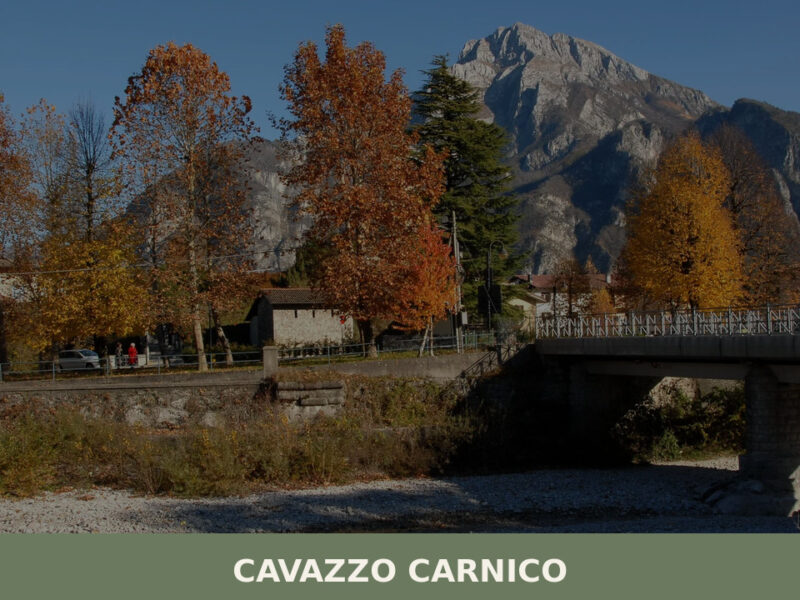
Cavazzo Carnico
 Mountain
Cavazzo Carnico sits beside Friuli Venezia Giulia's largest natural lake, where Romanesque parish churches and Alpine trails converge in Carnia's quiet middle valleys.
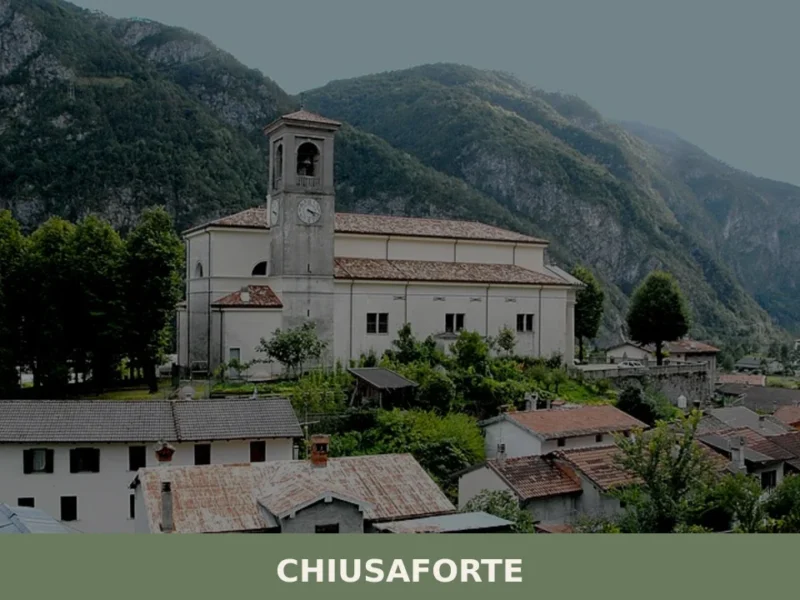
Chiusaforte
 Hills
Hills
Anyone travelling along the A23 motorway towards the Austrian border will notice, quite suddenly, the Fella valley narrowing between sheer rock walls. Right at that point stands Chiusaforte, a settlement of 684 inhabitants at 391 metres above sea level, whose name — from “chiusa forte,” meaning “strong barrier” — declares without ambiguity the military and […]
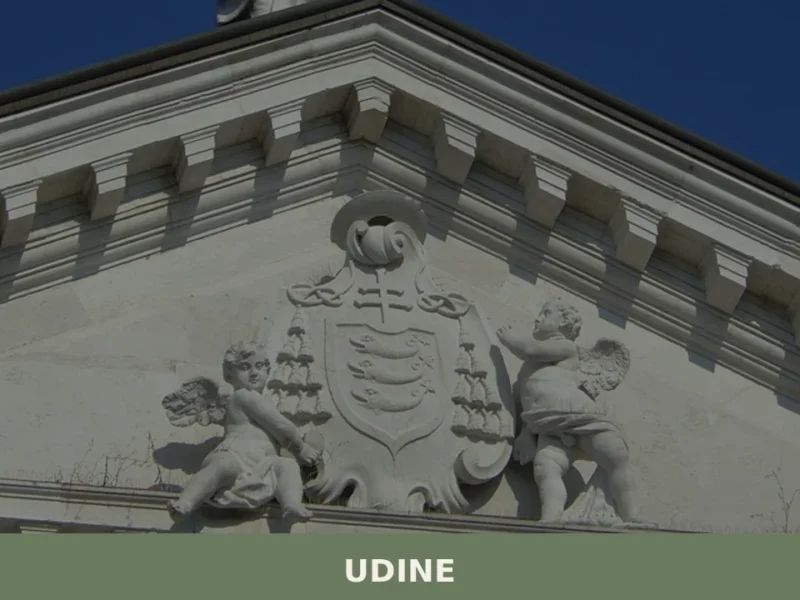
Udine
Plains
what to see in udine, home to 98,780 residents. Discover the historic Castle, Piazza della Libertu00e0, and Tiepolo Galleries. Explore its rich heritage.
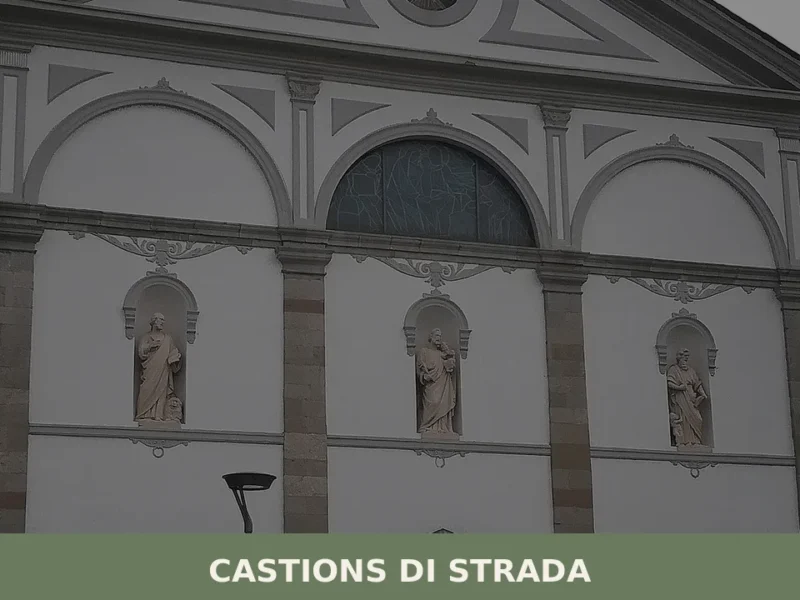
Castions di Strada
Plains
A straight road cuts across the Friulian plain at twenty-three metres above sea level, and along that route — the ancient road that connected Aquileia to Concordia Sagittaria — a settlement grew whose very name declares its reason for being. Castions di Strada owes its identity to that Roman road, to a network of drainage […]
Ampezzo
Hills
A documentary-style guide to Ampezzo in Carnia, covering its history, key attractions, Carnic cuisine, and how to reach this quiet alpine village in Friuli Venezia Giulia.
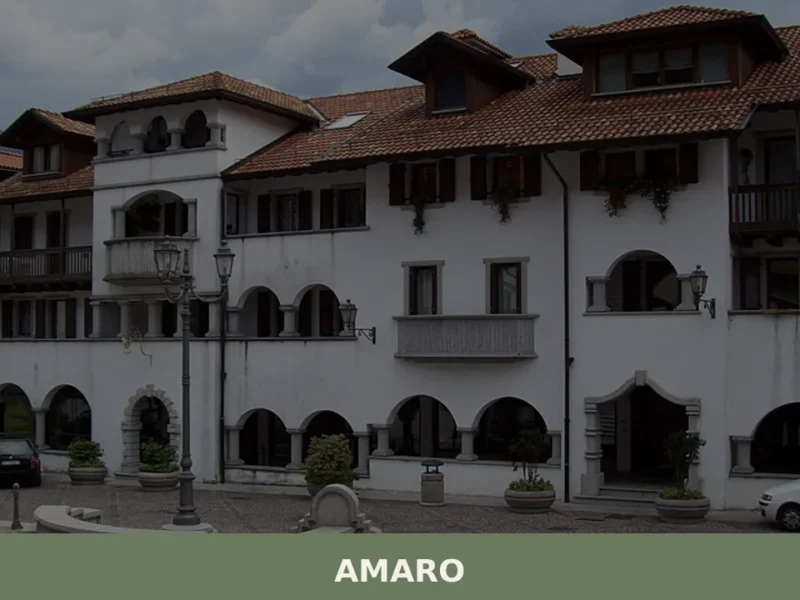
Amaro
Hills
What to see in Amaro, Italy: Discover this Friuli-Venezia Giulia village at 296 m (971 ft) altitude. Explore local traditions and planning your visit.
Bordano
Hills
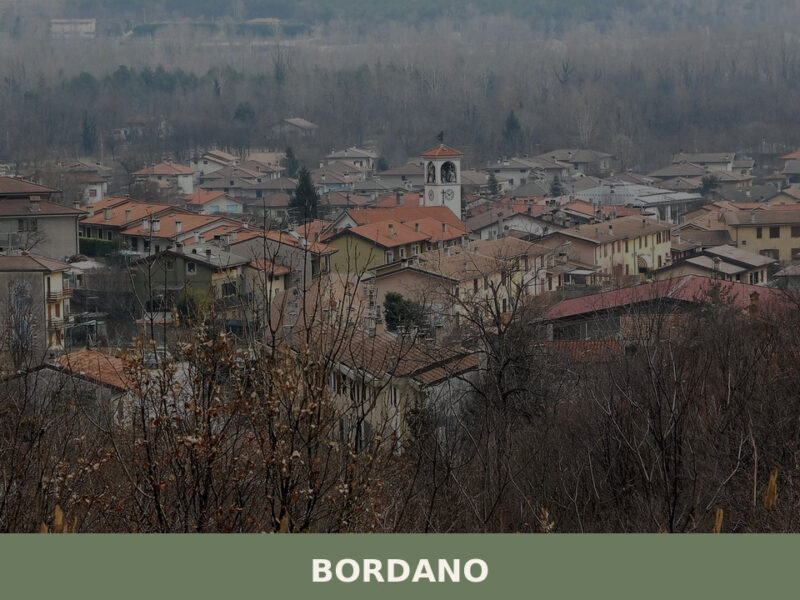
Bordano, the Village of Butterflies in Friuli Venezia Giulia, pairs over 100 painted murals with genuine alpine biodiversity. A guide to its trails, lake, food, and art.
Attimis
Plains
Twin castle ruins, a medieval archaeological museum, and the secluded mountain hamlet of Porzûs — Attimis reveals Friuli's layered history in a quiet valley near Udine.
Cercivento
Mountain
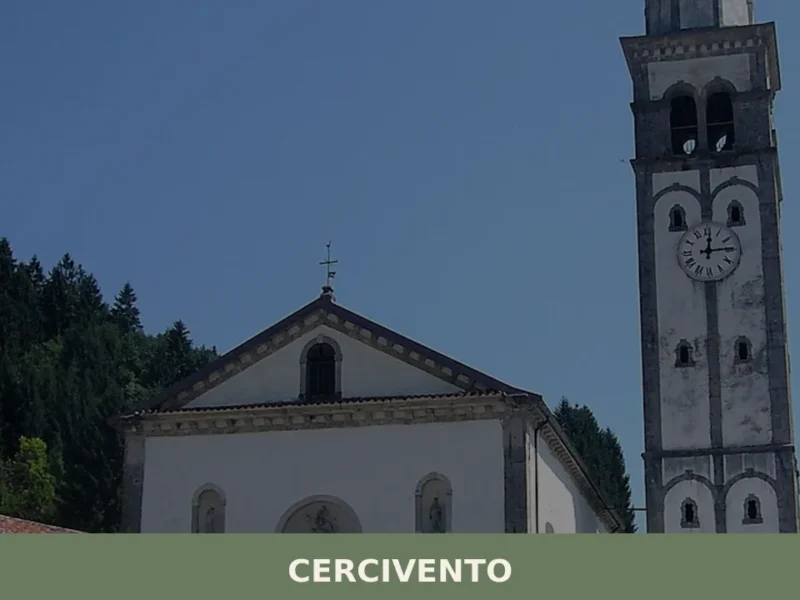
Discover what to see in Cercivento: a 635-soul village in the Carnic Alps of Friuli Venezia Giulia, with historic churches, mosaics, and alpine trails.
Caneva
Plains
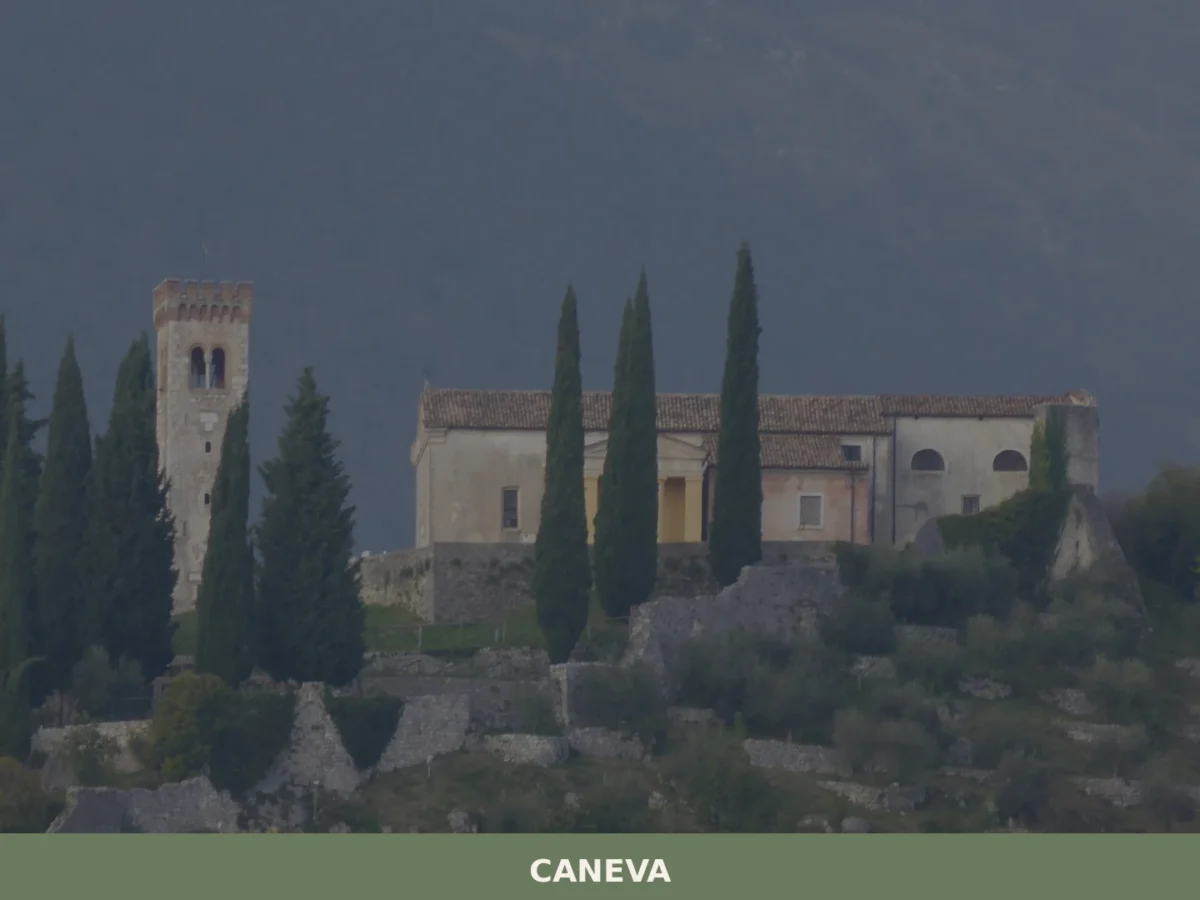
What to see in Caneva, Italy: explore a 42 km² comune near Pordenone. Discover top attractions, local food and travel tips. Read the complete guide.


🏡 Know Aquileia better than we do?
If you’re a local or have been there, your knowledge matters: add what’s missing or fix a detail on this page.