


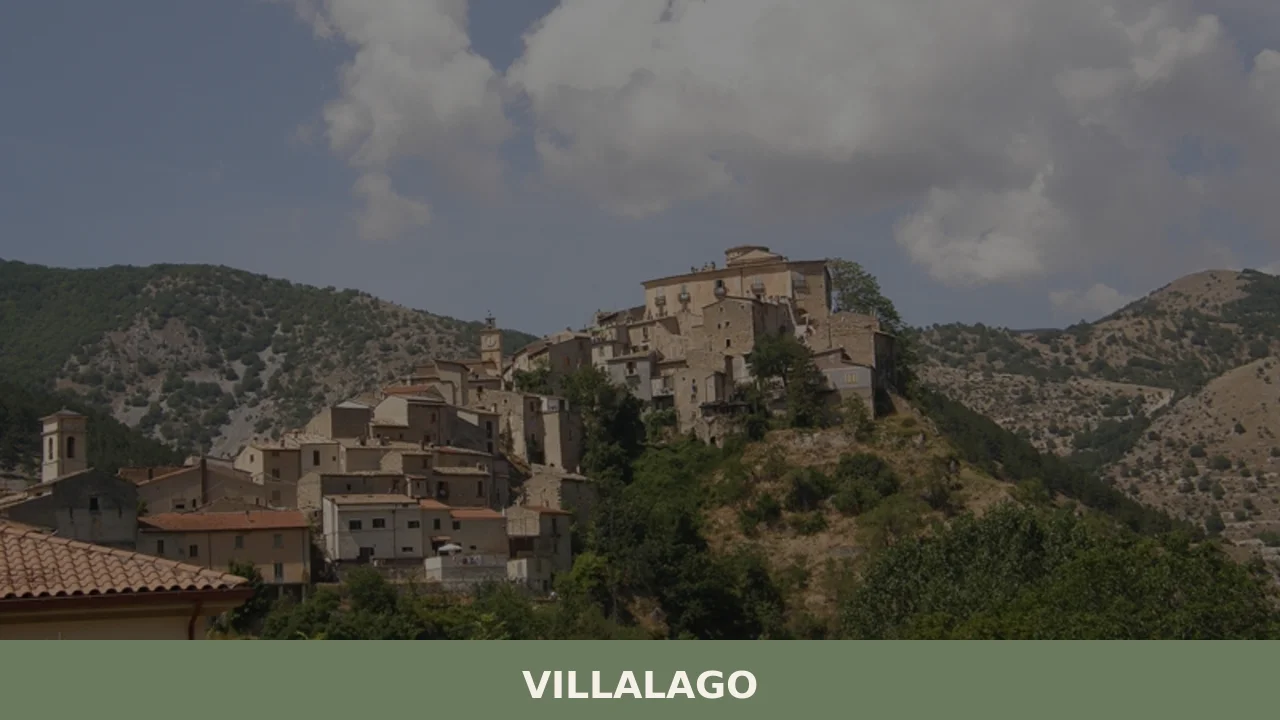
Villalago
 Lake
Lake
 Mountain
What to see in Villalago, Italy: Discover this Abruzzo village of 579 inhabitants. Explore the Rocca and Hermitage of San Domenico. Read our guide for your trip to Abruzzo.
Discover Villalago
With a population of just 579 inhabitants, Villalago in the province of L’Aquila, Abruzzo, stands as a testament to the enduring character of Italy’s smaller communities.
This village is officially recognized as one of “I Borghi più belli d’Italia,” a designation reserved for settlements that preserve significant historical, artistic, and cultural heritage.
Its location within the mountainous Abruzzo region provides a striking backdrop, defining much of its identity and charm.
For those wondering what to see in Villalago, the village offers a compelling glimpse into traditional Italian life and natural beauty. Visitors to Villalago find the historic Rocca, a medieval fortress, and the tranquil Hermitage of San Domenico among its primary points of interest.
This guide will detail key attractions and practical information for exploring this distinctive corner of Abruzzo, Italy.
History of Villalago
The origins of Villalago are rooted in the historical development of small settlements throughout the Abruzzo region, often shaped by their geographical isolation and strategic positions. While specific founding dates for Villalago are not detailed in available records, its location suggests a history influenced by both defensive needs and the pastoral economy typical of the central Apennines.
Such villages frequently evolved from fortified centers during the medieval period, gradually expanding around a central defensive structure or religious site.
Villalago, like many communities in the province of L’Aquila, has experienced the ebb and flow of regional power dynamics and natural challenges over centuries. The presence of structures like a Rocca (fortress) indicates a past where protection from various threats was paramount, reflecting the broader historical narrative of central Italy.
The village’s continued existence and preservation of its architectural integrity speak to the resilience of its inhabitants throughout different historical epochs, from feudal times to modern Italy.
Today, Villalago’s recognition as one of “I Borghi più belli d’Italia” highlights its contemporary value as a custodian of Italian heritage. This designation, established in 2003, acknowledges the efforts of small Italian communities to maintain their historical centers and traditions.
It positions Villalago alongside other noteworthy Abruzzese villages such as Palena, which also share a commitment to preserving their unique character for future generations and visitors alike.
What to see in Villalago, Abruzzo: top attractions
bruzzo: top attractionsExploring Villalago reveals a series of sights that reflect its rich history and natural setting, offering visitors a clear understanding of what to see in Villalago during their visit.
Rocca di Villalago
The Rocca di Villalago, a fortress structure characteristic of medieval Abruzzo, stands as a prominent historical landmark.
These defensive strongholds were typically constructed on elevated points to offer strategic oversight of the surrounding valleys and approaches. While specific details of Villalago’s Rocca are not extensively documented in available sources, such structures often featured stone walls, watchtowers, and internal courtyards, serving as both a residence for local lords and a refuge for the populace during times of conflict.
A visit allows one to appreciate the strategic thinking behind medieval fortifications in the region.
Hermitage of San Domenico
The Hermitage of San Domenico offers a serene spiritual retreat, representative of the religious architectural traditions found throughout Abruzzo.
Hermitages in this region are frequently located in secluded, often dramatic natural settings, fostering an atmosphere of contemplation and peace. This particular hermitage, dedicated to Saint Dominic, would typically feature a small church, living quarters for hermits, and possibly a grotto or a spring, often associated with miraculous events. Visitors can experience the tranquility and historical devotion that define these unique religious sites.
The Historic Center of Villalago
The historic center of Villalago is a compelling attraction in itself, characterized by its narrow, winding streets and traditional stone houses. These architectural elements are common in the villages of Abruzzo, where building materials like local stone were readily available and construction techniques were passed down through generations. Walking through the village, visitors observe the compact urban fabric, designed to adapt to the terrain and provide shelter.
The preservation of this core area reflects the village’s commitment to maintaining its historical identity, offering a tangible connection to its past.
Panoramic Views of the Lakes
From various vantage points within Villalago, visitors can appreciate expansive panoramic views of the surrounding natural landscape, including the nearby lakes.
The Abruzzo region is renowned for its stunning mountain scenery and pristine water bodies, which are often integral to the identity of its settlements. While specific names of viewpoints are not detailed, the elevated position of many Abruzzese villages inherently offers broad vistas of valleys, forests, and the distinct blue-green hues of mountain lakes. These views provide a profound sense of the region’s untouched beauty and are a key part of what to see in Villalago.
Nature Trails and Surroundings
The natural surroundings of Villalago provide numerous opportunities for outdoor activities, including walks along well-maintained nature trails. The mountainous terrain of Abruzzo is crisscrossed with paths suitable for various levels of hiking, allowing visitors to explore the local flora and fauna. These trails often lead through forests, past streams, and to scenic overlooks, showcasing the biodiversity of the Apennine ecosystem.
Engaging with the natural environment around Villalago offers a refreshing contrast to exploring its historical structures, providing a complete experience of the area.
Local food and typical products of Villalago
The culinary traditions of Villalago are deeply intertwined with the broader gastronomic heritage of Abruzzo, a region celebrated for its hearty, authentic flavors derived from its mountainous terrain and pastoral economy.
The local diet historically relied on ingredients readily available from farming, shepherding, and foraging, resulting in dishes that are both simple and profoundly flavorful. This emphasis on fresh, seasonal produce and high-quality animal products forms the foundation of the village’s shared culinary identity.
Meals in Villalago, much like in Montebello sul Sangro or other Abruzzese villages, often feature pasta dishes made with eggs and durum wheat flour, such as Maccheroni alla Chitarra, served with rich lamb or pork ragù. Another regional specialty is Arrosticini, skewers of tender lamb meat, typically grilled over charcoal and seasoned simply with salt.
These dishes represent the essence of Abruzzese cooking, showcasing robust flavors and traditional preparation methods that have been perfected over generations.
While specific certified products uniquely attributed to Villalago are not detailed in the provided sources, the village shares in Abruzzo’s reputation for producing excellent sheep’s milk cheeses, cured meats, and olive oil.
Local producers often craft cheeses such as pecorino, a firm, salty cheese ideal for grating, or softer varieties used as table cheeses. The region’s olive groves yield robust extra virgin olive oil, a staple in every kitchen, while traditional cured meats like salsicce and ventricina are also widely enjoyed, reflecting the importance of charcuterie in the regional diet.
Festivals, events and traditions of Villalago
The community life of Villalago, while not extensively detailed in specific records regarding its festivals, typically follows the rhythms of traditional Italian village life, marked by religious observances and seasonal celebrations. Throughout Italy, patron saint festivals, known as sagre, are fundamental to local culture, offering occasions for communal gathering, processions, and shared meals.
These events often combine solemn religious rites with lively secular festivities, including music, traditional dances, and local culinary offerings, strengthening community bonds.
While specific dates for Villalago’s patron saint festival or other unique events are not explicitly provided, it is common for such celebrations to occur during the summer months or around specific religious holidays.
Visitors to Abruzzo during these periods can often encounter a range of local fairs and gatherings, highlighting regional produce or traditional crafts. These traditions, shared across many Abruzzese communities like Pietraferrazzana, offer a vibrant insight into the cultural continuity and strong community spirit that defines these areas.
When to visit Villalago, Italy and how to get there
The best time to visit Abruzzo and, by extension, Villalago, largely depends on the activities you plan.
Spring (April to June) and autumn (September to October) offer pleasant temperatures, ideal for hiking and exploring the village’s historic center without the intense summer heat. The landscape during these seasons is particularly vibrant, with blooming wildflowers in spring and rich autumnal colors. Summer (July to August) is popular for those wishing to enjoy the nearby lakes and cooler mountain air, though it can be busier. Winters can be cold and snowy, appealing to visitors interested in winter sports in the wider Abruzzo region, but some services in smaller villages may be limited.
Villalago is accessible, though a car is highly recommended for exploring the Abruzzo region effectively.
For those arriving by car, Villalago is approximately 150 km (93 mi) east of Rome. Take the A25 motorway, exiting at Sulmona or Cocullo, then follow regional roads to the village. The nearest major train station is Sulmona, which connects to larger Italian cities.
From Sulmona, local bus services or taxis can complete the journey to Villalago. The closest major airport is Abruzzo Airport (PSR) in Pescara, approximately 90 km (56 mi) away, while Rome Fiumicino Airport (FCO) is about 180 km (112 mi) distant, offering more international connections. It is advisable to check local transport schedules as they can be infrequent in rural areas.
International visitors should note that English may be limited in smaller shops and eateries in Villalago, so learning a few basic Italian phrases can enhance the experience. Carrying some Euros cash is also useful, as not all establishments may accept credit cards. For train travel information, consult the official Trenitalia website for schedules and bookings, ensuring a smooth journey to the heart of Abruzzo.
📷 Photo Gallery — Villalago
Nearby Villages near Villalago

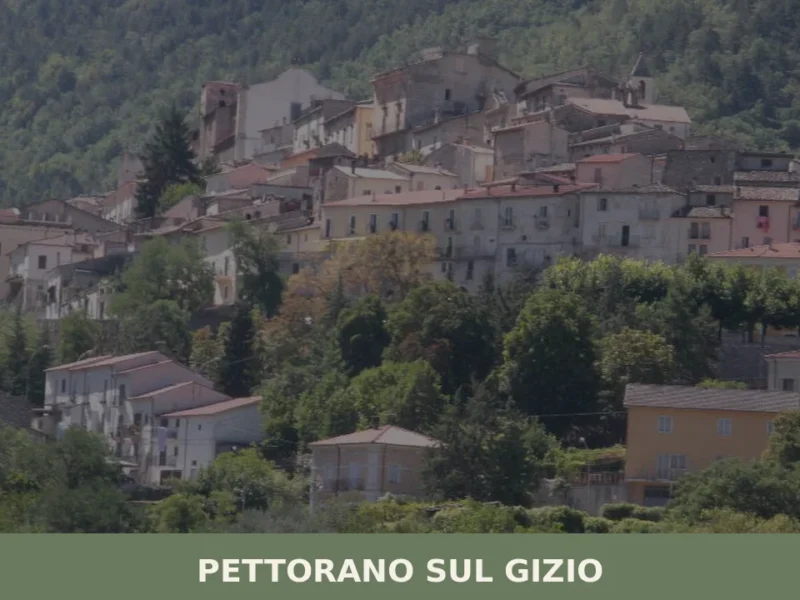
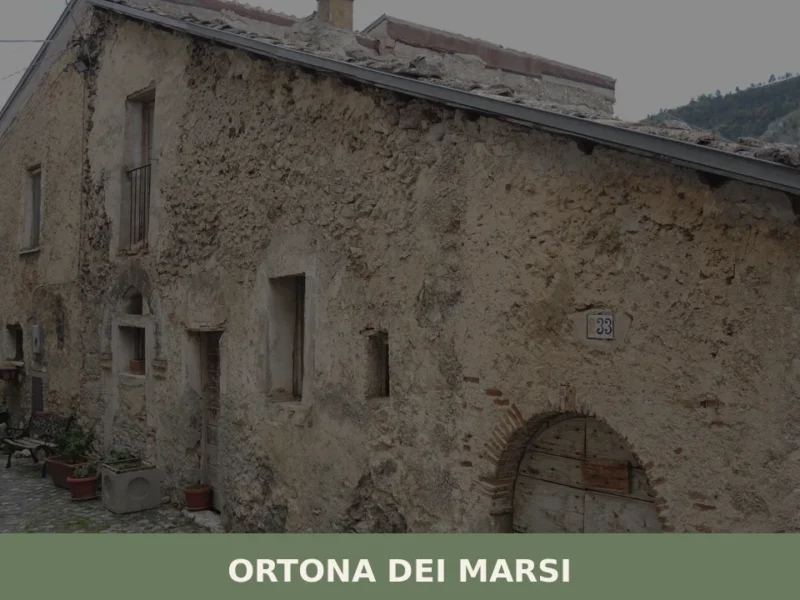
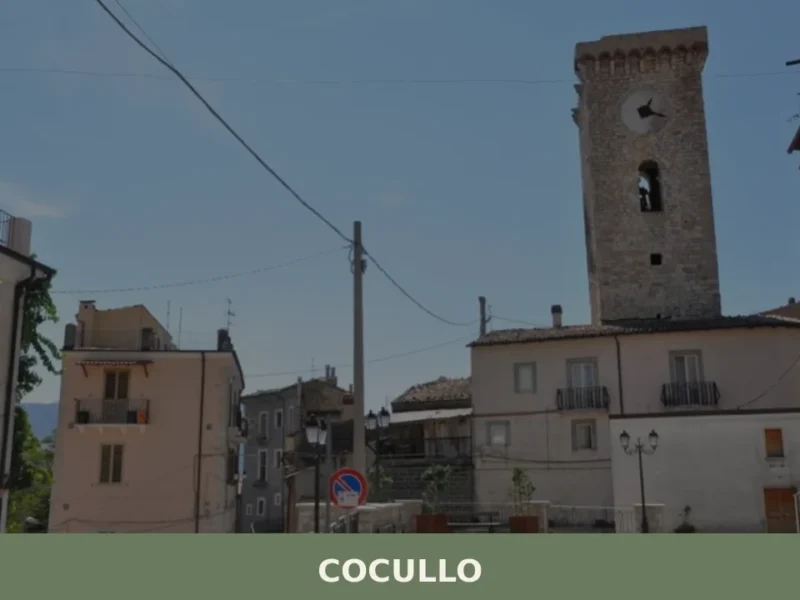
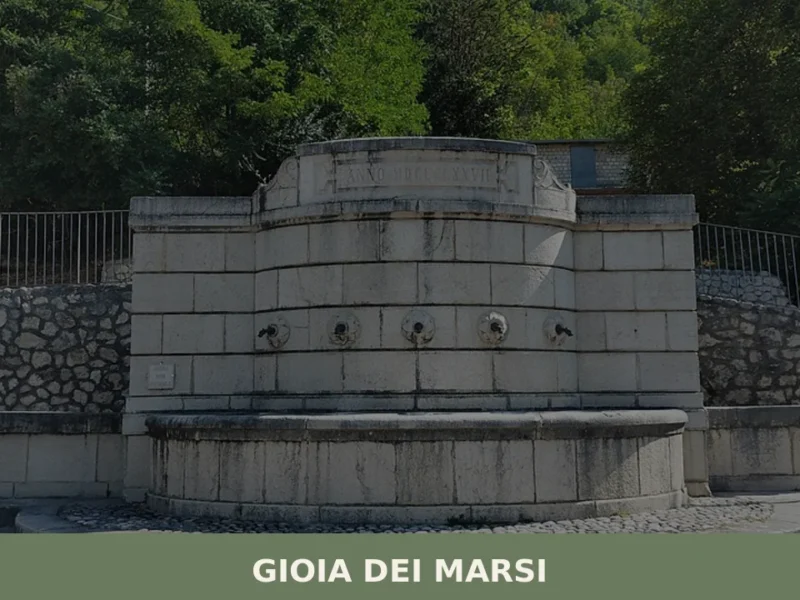
In Abruzzo More villages to discover
Arsita
 Hills
Hills
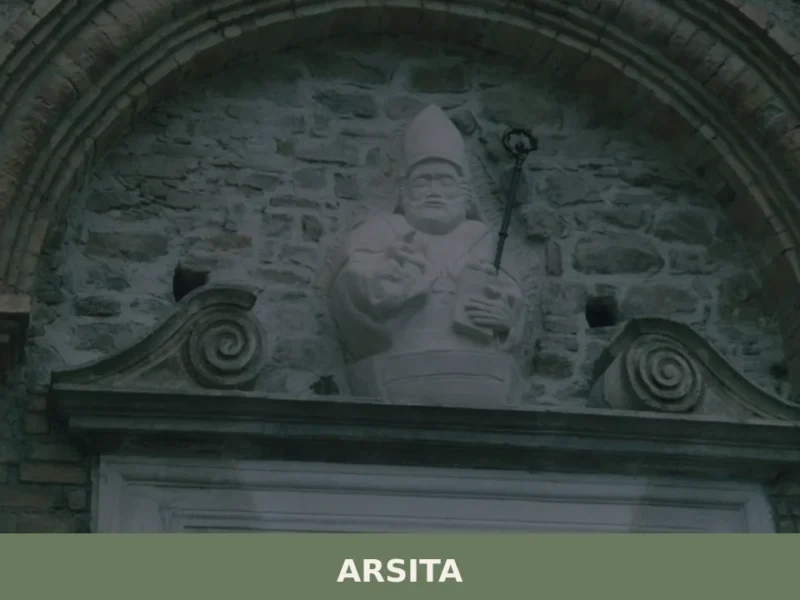
Until 1905, this village was called Bacucco, a name likely derived from the Latin bacuca, which referred to olives that had fallen to the ground — a direct reference to the agricultural character of the area. Situated at 470 metres above sea level on the hills of the Teramo province, Arsita and its 733 inhabitants […]
Martinsicuro
 Sea
Sea
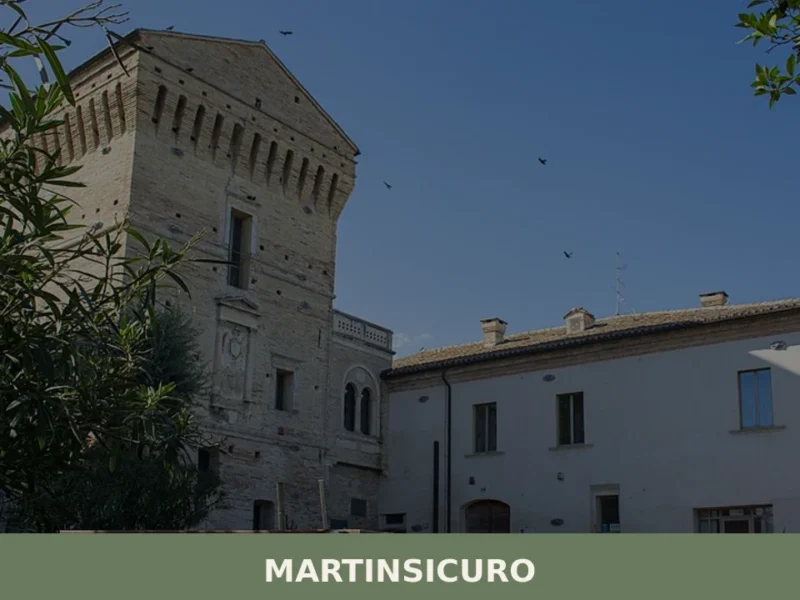
Martinsicuro, located 2 meters above sea level in the province of Teramo, has a population of 16,270 inhabitants. Its development is directly linked to the Adriatic coast and the presence of the Tronto river mouth. For those wondering what to see in Martinsicuro, the core interest lies in its identity as a seaside town that […]
Castelguidone
Mountain
Castelguidone has 294 inhabitants and occupies a ridge at 775 metres above sea level in the upper Trigno valley, on the border between Abruzzo and Molise. The place name, documented in Angevin records from the 13th century, points to a fortified settlement linked to a feudal lord named Guidone. Anyone looking for what to see […]
Basciano
Hills
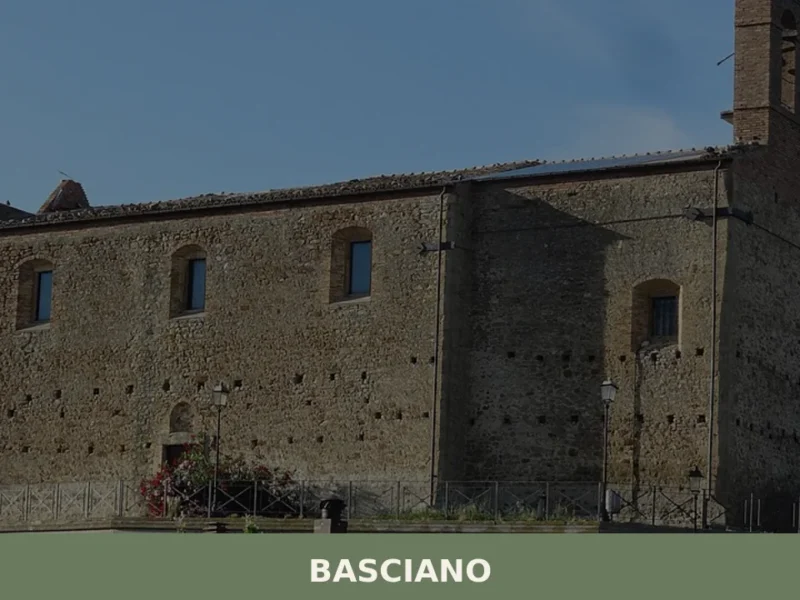
What to see in Basciano (Italy) at an altitude of 400m. Explore the historic church and medieval tower. Discover local traditions and festivals.
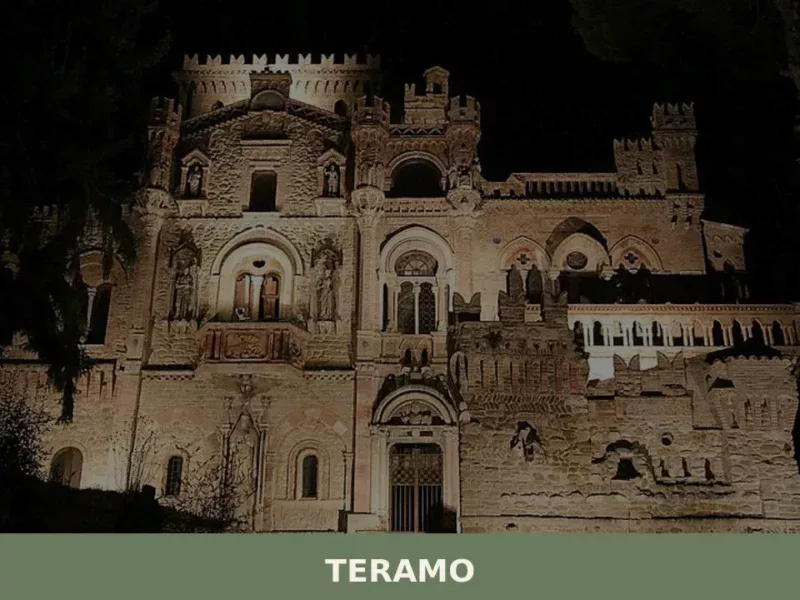
Teramo
Hills
What to see in Teramo, Abruzzo, Italy: discover a Roman theatre from 30 BC, a 1158 cathedral, the Interamnia World Cup and 54,377-strong city. Complete guide.
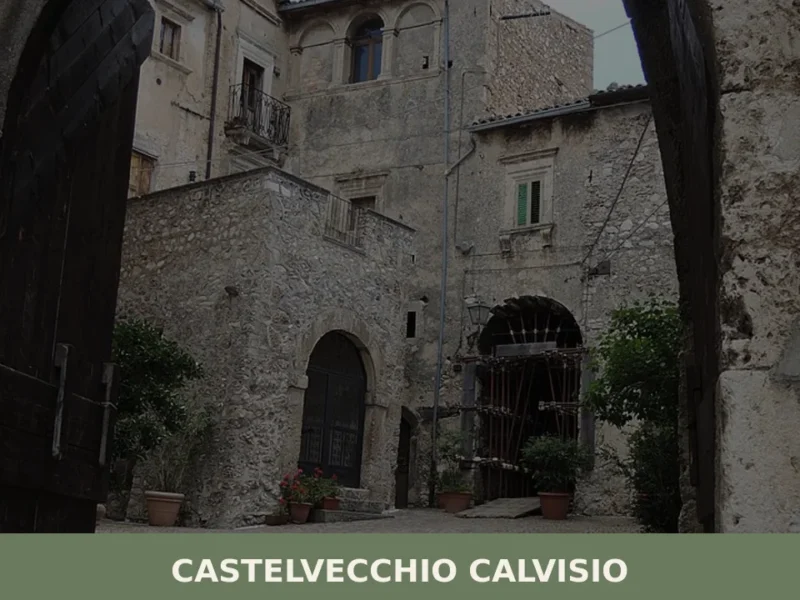
Castelvecchio Calvisio
Mountain
At 1045 meters above sea level, in the L’Aquila hinterland, stands Castelvecchio Calvisio, a village that retains the structure of an ancient *castrum* medieval. With a population of 118 inhabitants, the historic center develops on a rocky ridge, overlooking the basin below. Its elevated position and stone architecture offer an insight into Abruzzo’s fortifications. For […]
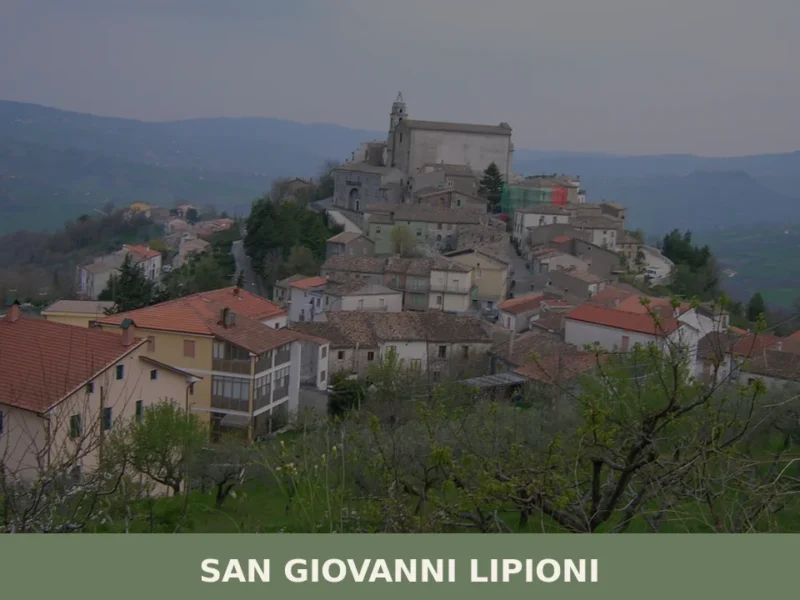
San Giovanni Lipioni
Hills
What to see in San Giovanni Lipioni, Abruzzo, Italy: explore a village at 545 m, its 17th-century church, ventricina salami and May pageant. Discover it now.
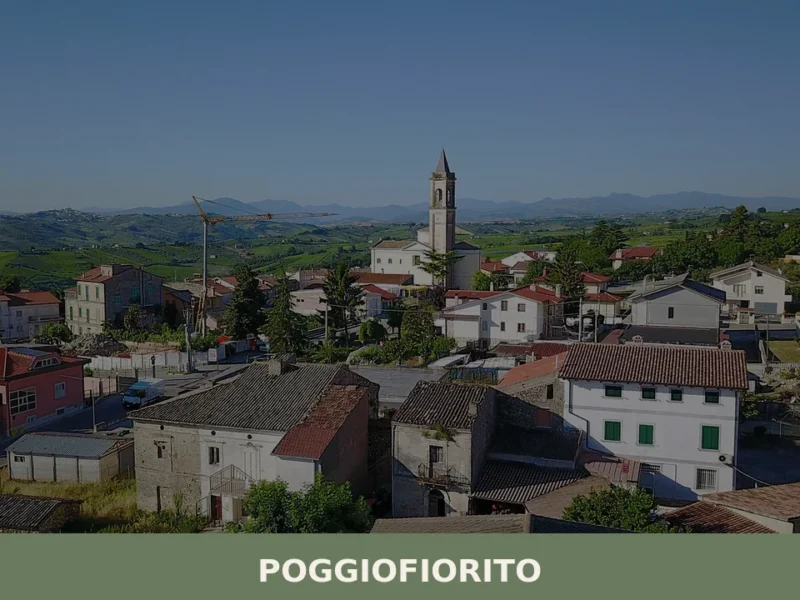
Poggiofiorito
Sea
What to see in Poggiofiorito: 5 attractions in this Abruzzo village, from the main church to the historic centre. Discover the complete visitor's guide.
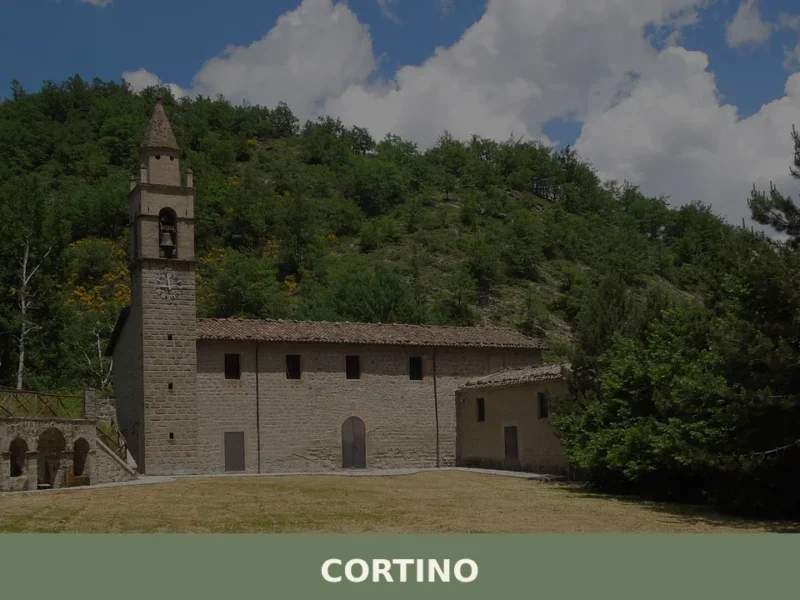
Cortino
Mountain
Explore Cortino, a charming mountain village in Abruzzo, Italy. Discover its rich history, stunning landscapes, and authentic Italian culture off the beaten path.
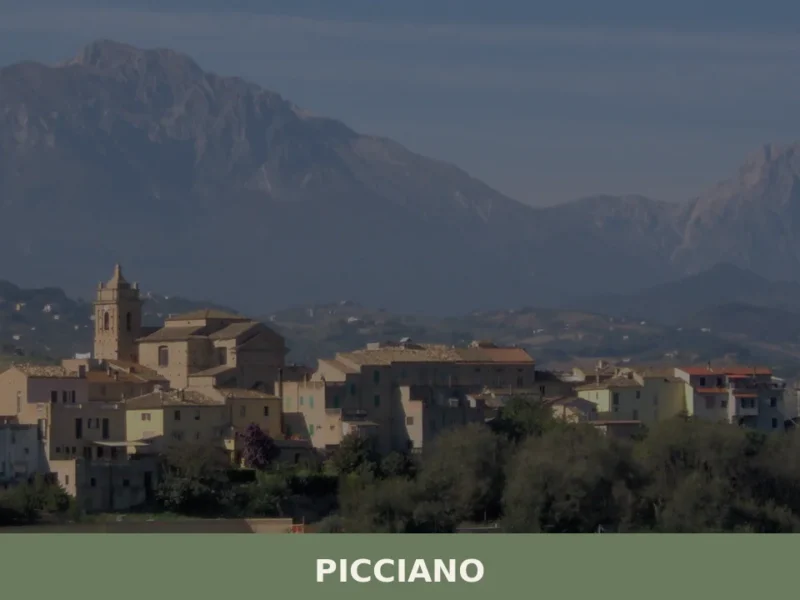
Picciano
Hills
What to see in Picciano, Italy: Discover the historical village of Picciano (population 1,398). Explore its early medieval origins and panoramic Abruzzo views.






🏡 Know Villalago better than we do?
If you’re a local or have been there, your knowledge matters: add what’s missing or fix a detail on this page.