


Rocca di Botte
 Mountain
What to see in Rocca di Botte, Abruzzo, Italy: explore 5 top attractions, medieval history dating to the 12th century, and local food traditions. Discover it now.
Discover Rocca di Botte
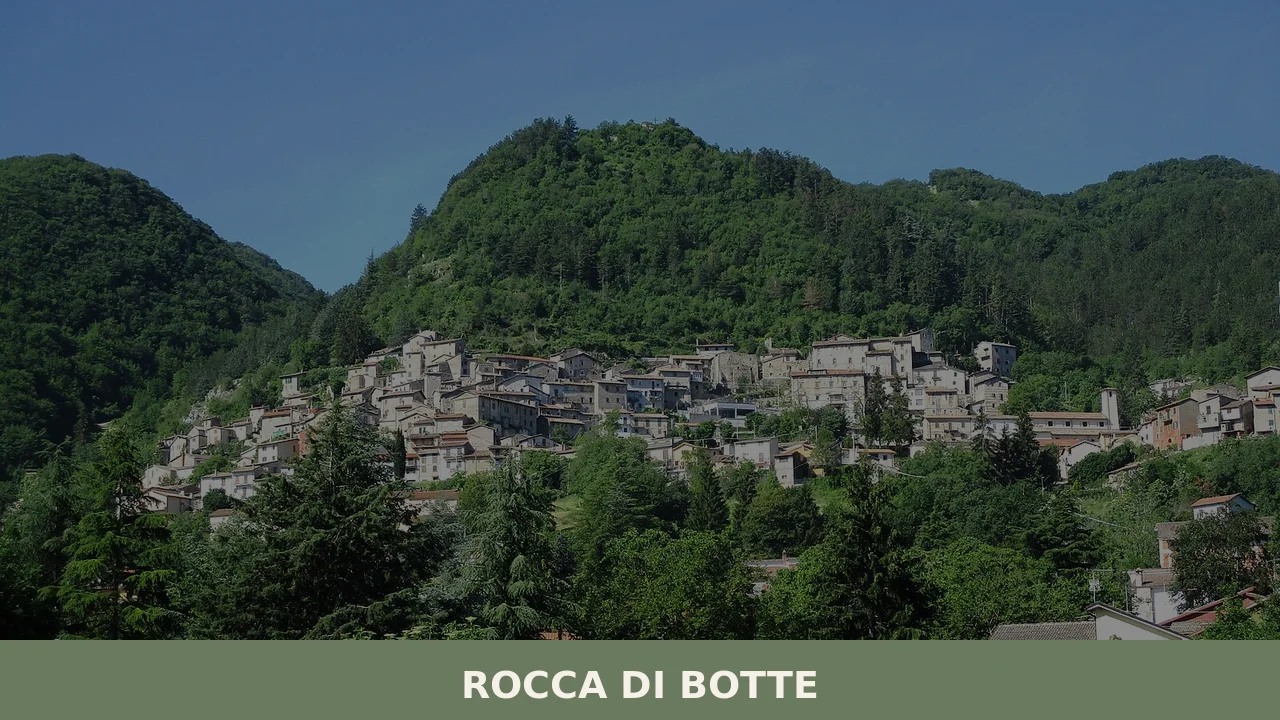
Stone houses rise along the ridgeline at an elevation that places the village well above the valley floor of the Liri river basin, in the interior of the province of L’Aquila. The layout follows the compressed logic of medieval hill settlements: narrow passages between walls of worked limestone, a church tower that orients the eye before the road delivers any wider view.
At around 834 inhabitants, the community is small enough that the rhythm of daily life is still audible from the main square — a door closing, a conversation crossing the street, the particular silence of a Monday morning in winter.
Deciding what to see in Rocca di Botte means engaging with a place whose documented past stretches back to the 12th century, and whose architecture reflects successive layers of feudal and ecclesiastical influence. The village sits in the province of L’Aquila, within the Abruzzo region of central Italy, roughly 90 km (56 mi) east of Rome by road. Visitors to Rocca di Botte find a medieval urban core, a parish church that anchors the upper part of the settlement, and the broader landscape of the Abruzzo Apennines as a constant backdrop to any walk through the streets.
History of Rocca di Botte
The earliest written record of the settlement uses the Latin form Rocca de Bucte, a name that appears in documents dating to the 12th century. The etymology points to the Latin word for barrel or cask — butte — though whether this referred to the shape of a hill, a local family name, or a topographic feature is not resolved by the surviving sources. What those documents do confirm is that by the medieval period the site was already established as a recognisable administrative and inhabited unit within the broader network of fortified settlements that defined the interior of what is now Abruzzo.
In 1496 the town entered a new phase of its political history when it became a fief of the Colonna family, one of the most powerful Roman aristocratic dynasties of the period.
The transfer came through a donation made by Ferdinand II of Naples, placing Rocca di Botte within a chain of feudal dependencies that connected the Neapolitan crown to Roman nobility across the Apennine interior. The Colonna held extensive territories across Lazio and the Abruzzo borderlands during this period, and Rocca di Botte’s inclusion in their domain reflects the strategic value of the mountain passes and the agricultural land of the upper Liri valley. Visitors exploring nearby Abruzzo villages such as Lettopalena, which shares a comparable pattern of feudal administration in the medieval Apennine interior, will recognise similar layers of overlapping political control across the region.
The 17th century brought a severe disruption. A serious outbreak of plague struck Rocca di Botte during this period, causing a sharp depopulation that fundamentally altered the size and character of the community. This was not an isolated episode: the plague swept repeatedly through the mountain villages of central Italy during the 1600s, and settlements that had grown modestly in the late medieval period lost substantial portions of their populations within a few decades. The demographic contraction that followed shaped the built environment that visitors see today — a compact core that never expanded outward to fill the space that a larger population might have occupied.
What to see in Rocca di Botte, Abruzzo: top attractions
The Medieval Village Core
The historic centre of Rocca di Botte preserves the tight street plan of a medieval hill settlement, with load-bearing limestone walls and passageways narrow enough that two people pass each other sideways.
The grid follows the natural contours of the ridge, with the upper streets offering clear sightlines down into the valley below. Documents confirm the settlement was already a functioning unit by the 12th century, which means the oldest surviving fabric of the village is approaching 900 years of continuous use. Walking the full perimeter of the historic core takes under 30 minutes, but the density of architectural detail — carved lintels, blocked archways, the outlines of older structures absorbed into later walls — rewards a slower pace. The best light for reading the stonework falls in the late afternoon, when the sun drops toward the western ridge.
The Parish Church
The parish church anchors the upper section of the village and serves as the primary vertical reference point within the settlement. Its tower is visible from the approach roads, functioning as the kind of orientation marker that medieval builders positioned deliberately to signal the centre of communal life. The interior reflects the layering typical of Apennine parish churches: a structural core that belongs to an earlier construction phase, with later additions and modifications accumulated over several centuries of continuous liturgical use.
The church remains active as a place of worship, which means access outside of services requires attention to posted hours. For those researching what to see in Rocca di Botte with a particular interest in religious architecture, this is the most architecturally significant building within the village boundary.
The Panoramic Viewpoints over the Liri Valley
The village sits at an elevation that places it above the floor of the upper Liri river basin, and several points along the perimeter of the historic centre provide unobstructed views across the valley toward the surrounding ridges of the Apennines. The drop from the edge of the built area to the valley floor is significant — enough to make the agricultural land below appear as a geometric pattern of fields and tree lines.
The province of L’Aquila occupies a section of central Italy where the Apennine chain reaches its greatest width, and the view from Rocca di Botte gives a clear sense of that topographic scale. Early morning visits, before haze builds over the valley, produce the clearest visibility. It is worth climbing up to the highest accessible point along the village perimeter to take in the full 180-degree arc of the landscape.
The Surrounding Mountain Landscape and Hiking Routes
The territory of Rocca di Botte extends into the Apennine mountain landscape of the province of L’Aquila, placing the village within reach of walking routes that cross the ridges separating the Liri basin from the neighbouring valleys. The elevation of the surrounding terrain means that trails gain and lose height quickly — a characteristic that makes the area suitable for experienced walkers rather than casual strollers. The landscape includes beech woodland at higher elevations and mixed agricultural land on the lower slopes, a transition typical of the central Apennine interior.
Those planning walking itineraries in this part of Abruzzo might also consider combining a visit here with a stop at Pennapiedimonte, a village further north in the province known for its position at the foot of the Majella massif and its access to mountain routes. The spring and early autumn months offer the most stable walking conditions.
The Colonna Feudal Heritage
The 1496 grant that made Rocca di Botte a fief of the Colonna family left a mark on the administrative and physical character of the village that is not immediately obvious but becomes legible once the historical context is understood. The Colonna were among the most powerful noble families in central Italy during the late 15th and 16th centuries, and their territorial network extended across Lazio and into the Abruzzo borderlands.
Standing in the historic centre with that context in mind, the logic of the settlement — its defensive position, its relationship to the valley routes below — connects directly to the strategic interests of a feudal landholding class operating across a wide geographic area. For visitors interested in the intersection of Neapolitan and Roman power in the Apennine interior, the story of Rocca di Botte’s place within the Colonna holdings offers a specific and documented case study. The Colonna connection also provides a link to the broader history of Ferdinand II of Naples, whose 1496 donation transferred the village into aristocratic Roman hands.
Local food and typical products of Rocca di Botte
The food tradition of Rocca di Botte belongs to the inland culinary culture of the province of L’Aquila, a zone where the diet was historically shaped by altitude, pastoral farming, and the relative isolation of mountain communities from coastal trade routes. The kitchen of this part of Abruzzo draws on ingredients produced locally — sheep’s milk cheeses, cured pork products, dried legumes, and hand-worked pasta — rather than on imported goods. The Apennine interior has maintained these supply chains through economic necessity, and the result is a table that reflects the productive capacity of the land immediately surrounding each village.
Among the dishes most closely associated with this area of the L’Aquila province, pasta preparations using locally produced flour and egg feature prominently.
Sagne ‘ntorzate, a twisted pasta format cooked with beans and dressed with olive oil and local chili, represents the kind of dish built entirely from storable, mountain-suitable ingredients — dry legumes, dried pasta, preserved fat. Agnello alla cacciatora, lamb cooked slowly with rosemary, garlic, white wine, and vinegar, reflects the centrality of sheep farming to the economy of the upper Liri valley. The technique of long, slow cooking in a covered pan concentrates the flavour of the braising liquid into a sauce dense enough to eat with bread. Pork products cured over winter — salami, guanciale (cured pork cheek), and lonza (cured pork loin) — appear as antipasto or as flavouring agents in cooked dishes throughout the year.
The sources available for Rocca di Botte do not document specific certified products (DOP, IGP, or STG designations) tied exclusively to the village. The broader province of L’Aquila, however, is home to several certified productions including Zafferano dell’Aquila DOP, saffron cultivated in the plain of Navelli approximately 40 km (25 mi) to the north, and Agnello del Centro Italia IGP, which covers lamb produced across the central Apennine zone including this part of Abruzzo. Visitors interested in purchasing local food products will find the most reliable supply at periodic markets in the larger centres of the province.
The food culture of this area of Abruzzo is also reflected in neighbouring villages where similar traditions apply.
Farindola, in the province of Pescara, is documented as the only location in the world where pecorino cheese is produced using pig rennet — a detail that illustrates how precisely localised food traditions can be even within a single region. The mountain food culture of Rocca di Botte sits within this broader pattern of Abruzzo’s interior, where each valley has developed its own specific variations on shared Apennine culinary foundations.
Festivals, events and traditions of Rocca di Botte
The liturgical calendar organises the public life of Rocca di Botte as it does in most small Abruzzo comuni, with the feast day of the patron saint marking the most significant collective event of the year. The sources available for this village do not specify the patron saint’s name or the exact calendar date of the principal feast, but in communities of this size and tradition across the province of L’Aquila, the patron’s day typically involves a solemn Mass in the parish church, a procession through the historic streets, and an evening gathering in the main square.
Religious observance and communal celebration operate together in these events rather than separately.
The broader seasonal calendar of village life in this part of Abruzzo includes the sagra format — a traditional local food festival tied to a specific product or dish — which many comuni in the L’Aquila province organise during the summer and early autumn months. The sources confirmed for Rocca di Botte do not document a specific named sagra with a fixed date, but the pattern of summer festivals across the surrounding territory means that visitors arriving between June and September have a reasonable chance of encountering local food and community events in the village or in neighbouring centres within easy driving distance.
When to visit Rocca di Botte, Italy and how to get there
The best time to visit Rocca di Botte, Abruzzo, Italy depends on what a visitor wants from the trip. Late spring — from mid-May through June — brings green vegetation on the surrounding slopes, moderate temperatures at altitude, and the fewest other visitors in the village streets. Early autumn, from September into October, offers comparable conditions with the addition of harvest-season food activity in the wider province.
Summer (July and August) brings higher temperatures and a modest increase in domestic Italian tourism across the Abruzzo interior. Winter is cold at this elevation and some local businesses reduce their hours, but the village is accessible and the mountain landscape under snow has a clarity that the warmer months do not produce. For international visitors planning a day trip from Rome, the 90 km (56 mi) road distance makes Rocca di Botte reachable in under two hours by car, placing it well within single-day excursion range from the capital.
If you arrive by car, the most direct route from Rome follows the A24 motorway toward L’Aquila, exiting at the Carsoli/Oricola junction, from which Rocca di Botte is approximately 10 km (6.2 mi) by provincial road. The Trenitalia regional rail network connects Rome Tiburtina to Carsoli station on the Rome–Pescara line, with journey times of approximately one hour; from Carsoli, local transport options to the village are limited, so a rental car or taxi arrangement is advisable for the final stretch. The nearest major airport is Rome Fiumicino (Leonardo da Vinci International), approximately 130 km (81 mi) from the village by road.
For those who prefer to combine visits across the Abruzzo interior, Celenza sul Trigno offers another documented example of a small Abruzzo comune with a medieval centre, though it lies in a different part of the region and requires a separate day. A practical note for international visitors: English is not widely spoken in smaller shops and restaurants in this part of the province, and carrying cash in euros is advisable as card payment infrastructure is inconsistent in rural comuni of this size.
📷 Photo Gallery — Rocca di Botte
Getting there
Via Delle Scuole, 67066 Rocca di Botte (AQ)
Nearby Villages near Rocca di Botte
In Abruzzo More villages to discover
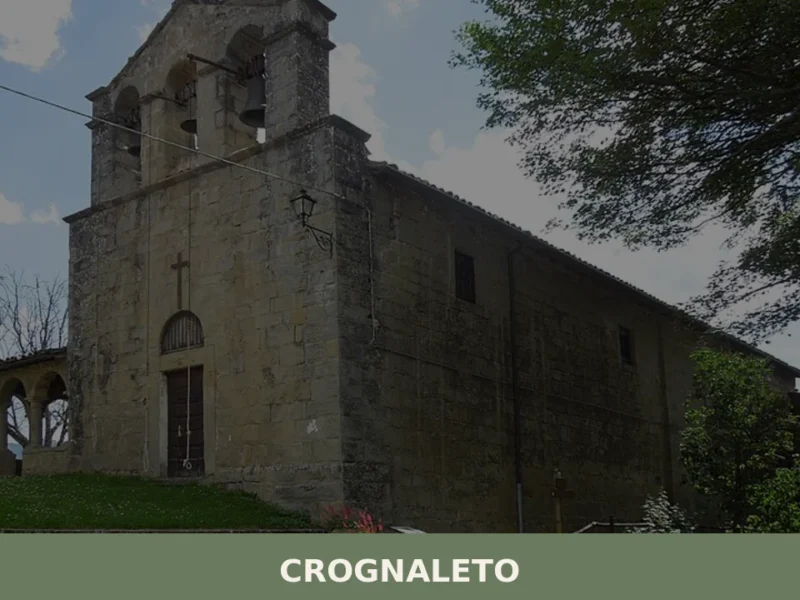
Crognaleto
Mountain
What to see in Crognaleto, Italy: Discover this 1,094m altitude village in Abruzzo. Explore the Monti della Laga and Gran Sasso National Park.
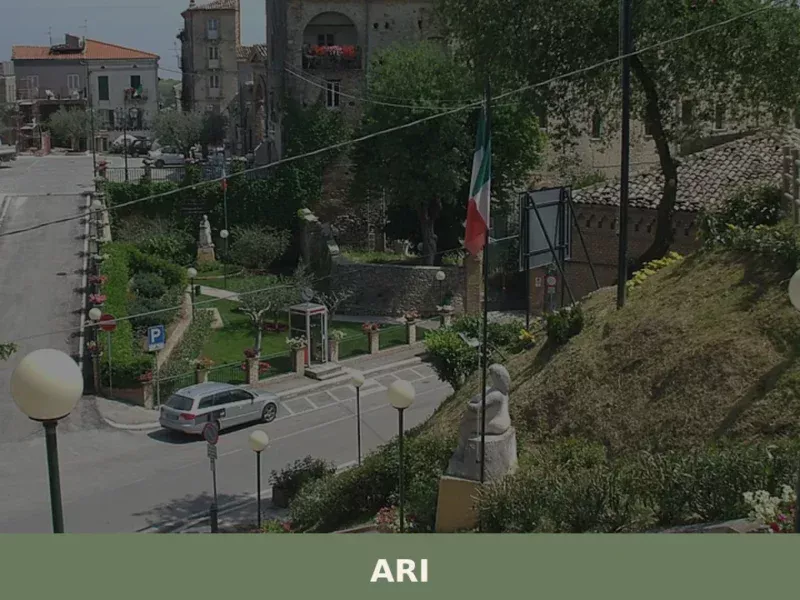
Ari
 Hills
Hills
Ari has 1,071 inhabitants spread across a hilly area at 289 metres above sea level, in the strip of land that separates the Teatine coast from the first undulations of the Maiella massif. The municipality, in the province of Chieti, occupies a position that commands a view over the valley corridor of the Dendalo stream, […]
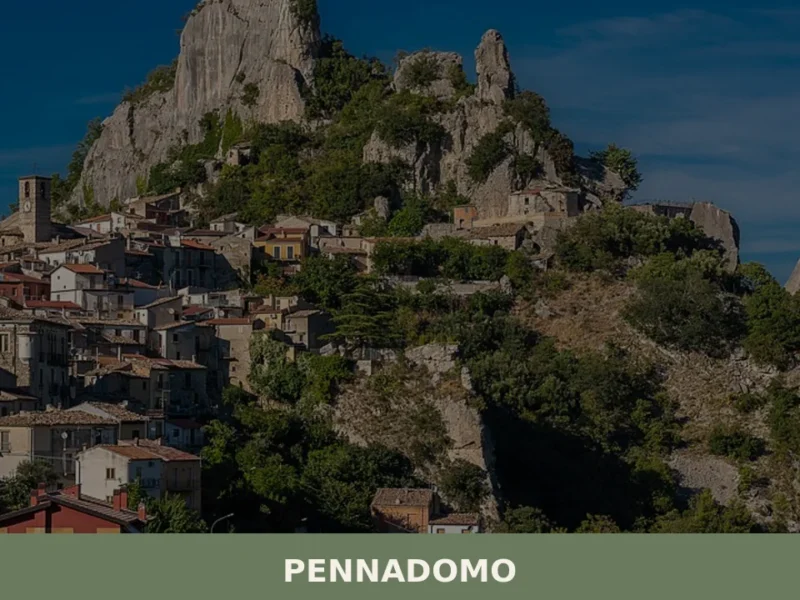
Pennadomo
Hills
What to see in Pennadomo, Italy: 5 attractions at 460 m in Chieti province. Discover the feast of San Lorenzo, local food traditions and how to get there.
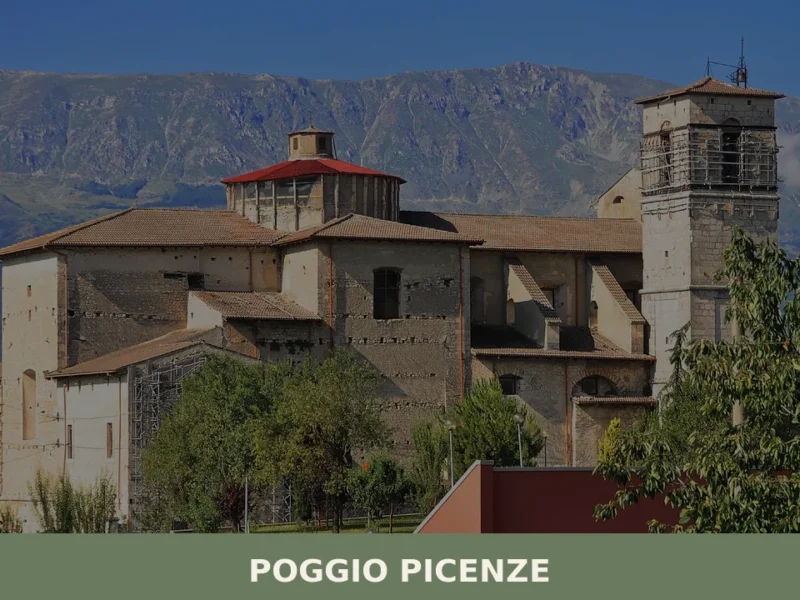
Poggio Picenze
Mountain
What to see in Poggio Picenze, Italy: explore 5 top attractions at 760 m altitude, the Blues festival, and San Felice feast. Discover Abruzzo's limestone village.
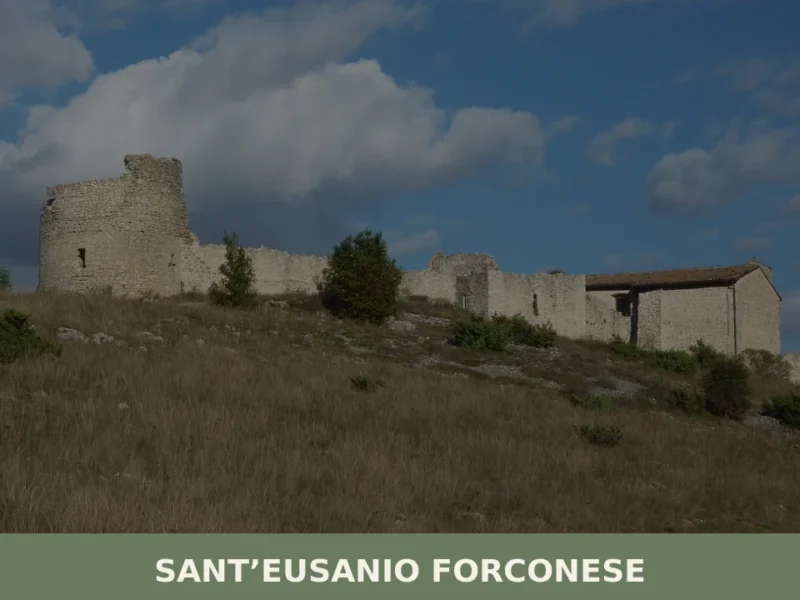
Sant’Eusanio Forconese
Mountain
What to see in Sant’Eusanio Forconese? Explore 5 main attractions of this Abruzzo village, from the Castle to panoramic views. Plan your visit with our guide!
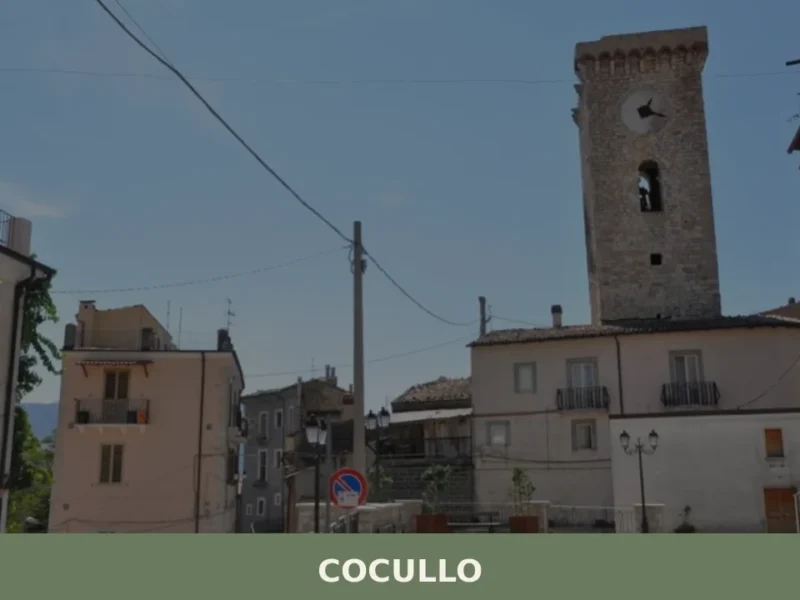
Cocullo
Mountain
What to see in Cocullo: from the Serpari Festival to the Church of San Domenico. Complete guide with 5 attractions and practical tips for visiting the village.
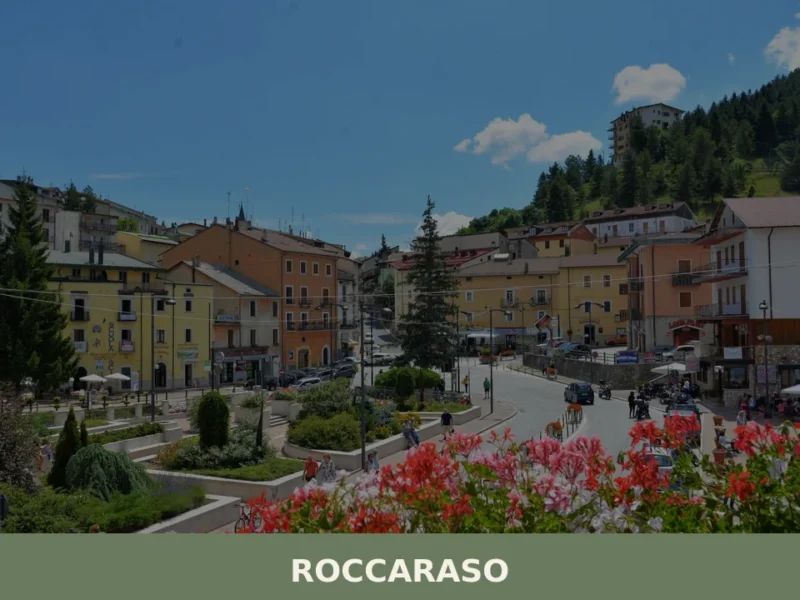
Roccaraso
Mountain
What to see in Roccaraso, Abruzzo, Italy: ski slopes at 1,236 m, the Church of Santa Maria Assunta, and the Alto Sangro ski area. Discover top attractions now.
Canosa Sannita
Hills
At 231 metres above sea level, on the plain that opens between the Maiella massif and the Teatine coast, Canosa Sannita is home to 1,268 inhabitants spread across an agricultural landscape where the cultivation of vines and olive trees marks the rhythm of the seasons. The village’s very name carries a precise indication: a reference […]
Pretoro
Hills
What to see in Pretoro, Abruzzo, Italy: explore a 13th-century sanctuary, a 16th-century Pietà, and Majella National Park. Population 985. Discover it now.
Fallo
Hills
With its 134 registered inhabitants, Fallo, in the province of Chieti, is confirmed as one of Abruzzo’s least populous settlements, a fact that immediately defines its intimate scale and unique relationship with the surrounding territory. This small urban cluster, situated on a rocky spur overlooking the Sangro valley, offers a genuine glimpse into Abruzzese mountain […]


🏡 Know Rocca di Botte better than we do?
If you’re a local or have been there, your knowledge matters: add what’s missing or fix a detail on this page.