


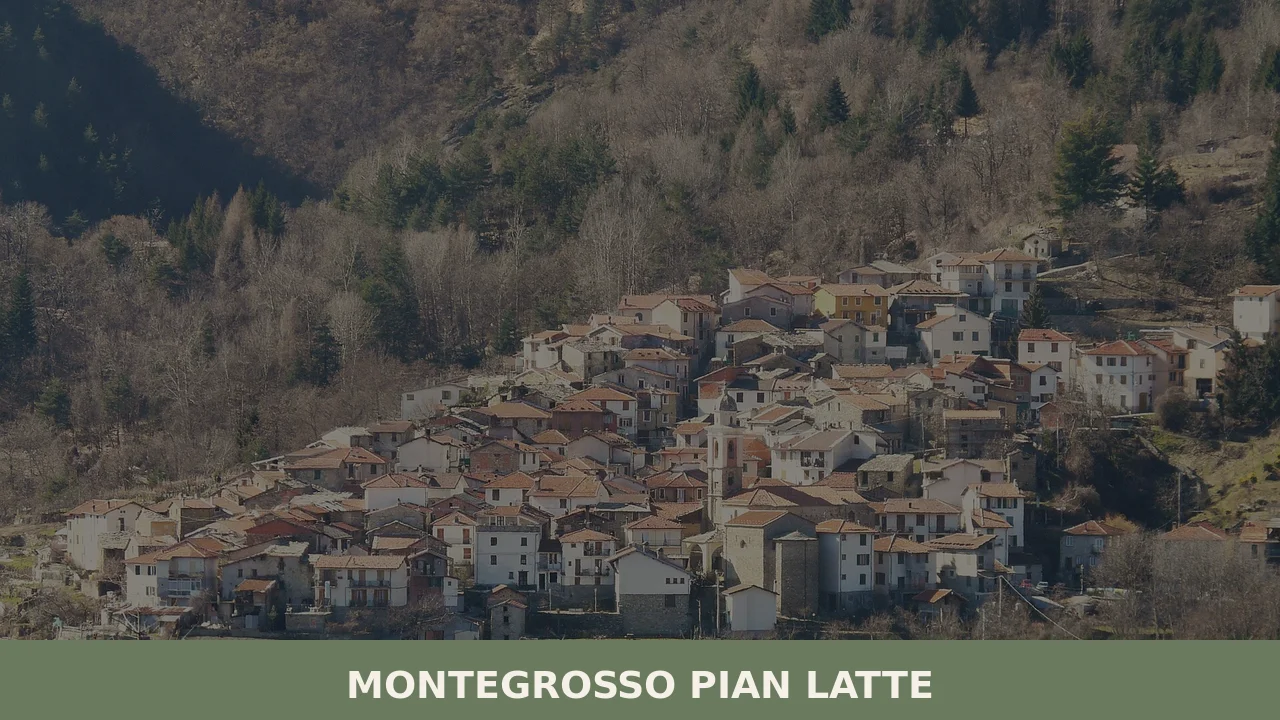
Montegrosso Pian Latte
 Mountain
What to see in Montegrosso Pian Latte, Italy? Discover this Ligurian village of 132 residents, explore its frazione Case Fascei, and the Alpi Liguri Park. Read our guide.
Discover Montegrosso Pian Latte
With a population of just 132 residents as recorded in 2004, the comune of Montegrosso Pian Latte occupies a modest 10.2 square kilometres (3.9 mi²) within Italy’s Liguria region. This small municipality, located approximately 100 kilometres (62 mi) southwest of Genoa, exemplifies the enduring character of mountain villages in the Italian Alps. Its administrative boundaries touch several other municipalities, including Cosio di Arroscia and Triora, defining a distinct geographical footprint that has shaped its development over centuries.
For those wondering what to see in Montegrosso Pian Latte, the village offers a glimpse into a tranquil Ligurian existence, far from larger urban centers.
Visitors to this comune can explore its single frazione, Case Fascei, or appreciate the proximity to the Parco naturale regionale delle Alpi Liguri, which underscores the area’s natural beauty. With its modest population and serene environment, Montegrosso Pian Latte provides a unique perspective on rural Italian life and the rich natural heritage of the region.
History of Montegrosso Pian Latte
The name Montegrosso Pian Latte itself provides insight into the village’s identity, combining “Montegrosso,” which suggests a significant mountain, with “Pian Latte,” potentially referencing a plain or area associated with milk production or pastoral activities. This etymology points to a historical connection with its mountainous terrain and agricultural traditions, typical of settlements in the Ligurian Alps. While specific founding dates are not detailed in historical records, the village’s structure and location suggest a long-standing human presence, adapting to the challenging yet fertile mountain environment over generations. Visitors considering what to see in Montegrosso Pian Latte will find that its history is deeply intertwined with its geography.
As an established comune in the Province of Imperia, Montegrosso Pian Latte has maintained its administrative autonomy within the Italian system.
The recorded population of 132 residents as of 31 December 2004, across an area of 10.2 square kilometres (3.9 mi²), illustrates the demographic trends often seen in smaller mountain communities. Such figures reflect a gradual evolution over time, where local governance plays a crucial role in preserving the village’s unique character and supporting its inhabitants. This enduring administrative structure allows the community to manage its resources and maintain its distinct identity, much like other small Italian towns such as Borrello in Abruzzo.
A significant modern event in Montegrosso Pian Latte’s history is its twinning with Pontevès, France, established in 2013. This international partnership fosters cultural exchange and strengthens bonds between communities across national borders. The act of twinning highlights the village’s engagement with broader European initiatives, connecting its local heritage with a wider network of shared experiences and traditions. Such relationships contribute to the village’s contemporary narrative, demonstrating its role in a larger European context.
What to see in Montegrosso Pian Latte, Liguria: top attractions
The Comune of Montegrosso Pian Latte
The administrative heart of Montegrosso Pian Latte functions as a focal point for local life, defining its identity as a small, self-governing entity in Liguria.
Its area of 10.2 square kilometres (3.9 mi²) supports a population of 132 residents, as recorded in 2004. This administrative status defines the village’s civic life and local governance, reflecting a deep-rooted tradition of communal organization in Italy. For those seeking what to see in Montegrosso Pian Latte, exploring the village centre involves understanding its function as a local hub, where daily life unfolds against a backdrop of traditional architecture, offering insights into the structure of rural Italian society and how a small community sustains itself.
The Frazione of Case Fascei
Case Fascei represents the sole frazione, or subdivision, within the municipality of Montegrosso Pian Latte, a common feature in the administrative geography of Italian comuni. This hamlet contributes to the overall area of 10.2 square kilometres (3.9 mi²) and forms an integral part of the local community. These smaller settlements often retain distinct characteristics, offering a glimpse into the diverse patterns of habitation across the Ligurian landscape. Observing Case Fascei provides context for the dispersed nature of habitation in mountainous regions, showcasing traditional rural living and the close-knit communities that define these areas.
The Ligurian Alps Geographical Setting
Montegrosso Pian Latte is situated within the broader context of the Ligurian Alps, a mountain range that significantly shapes the region’s climate and natural environment.
The village’s location, approximately 25 kilometres (16 mi) northwest of Imperia and 100 kilometres (62 mi) southwest of Genoa, places it amidst a terrain characterized by valleys, ridges, and elevated areas. This geographical position offers natural vistas and a generally cooler climate compared to the coastal zones, influencing local flora and fauna. Understanding the local topography is key to appreciating the unique environment, which has historically influenced local livelihoods and development.
The Parco naturale regionale delle Alpi Liguri
This regional natural park is a significant environmental feature bordering Montegrosso Pian Latte, indicating the area’s commitment to nature conservation and ecological preservation. The park encompasses a diverse range of ecosystems, from alpine pastures to dense forested valleys, providing a protected habitat for various flora and fauna.
Its designation as a natural park highlights the ecological value of the Ligurian Alps, promoting biodiversity and sustainable practices. For those eager to discover what to see in Montegrosso Pian Latte beyond the village core, this park offers an expansive natural canvas. Visitors can appreciate the pristine environment, which offers opportunities for observing local wildlife, engaging in outdoor activities like hiking, and experiencing the natural beauty of the region.
The Twinning with Pontevès, France
In 2013, Montegrosso Pian Latte established a twinning relationship with Pontevès, a municipality located in France, fostering cultural exchange and cross-border cooperation. This official bond reflects a broader European tradition of strengthening international ties between communities and sharing cultural heritage. The twinning initiative highlights Montegrosso Pian Latte’s engagement beyond its immediate geographical borders, connecting its local identity with a wider European context.
This modern historical event showcases the village’s participation in contemporary cultural diplomacy and community building, emphasizing shared values and mutual understanding between towns.
Local food and typical products of Montegrosso Pian Latte
While specific culinary specialties exclusive to Montegrosso Pian Latte are not detailed in available sources, the village’s location in the Ligurian Alps places it within a rich gastronomic tradition characteristic of Ligurian mountain areas. This cuisine is traditionally shaped by the rugged terrain and historical reliance on local, seasonal ingredients, often reflecting the strong connection between the community and its natural surroundings. The diet typically features hearty, simple preparations that reflect the agricultural rhythm of life in such high-altitude communities, drawing influences from both the immediate mountain environment and the broader Ligurian region.
Typical ingredients found in Ligurian mountain cooking include chestnuts, which are often ground into flour for bread or polenta, and a variety of wild mushrooms foraged from the surrounding forests. Local herbs, such as thyme and rosemary, are frequently used to flavor dishes, while sheep farming often provides dairy products and meats. These staples form the basis of a cuisine designed to be nourishing and satisfying, reflecting the practical needs of mountain dwellers and their connection to the land.
Traditional preparations often involve slow-cooked stews, robust soups, and simple pasta dishes, frequently accompanied by locally produced olive oil from the lower valleys.
Given the name “Pian Latte,” it is reasonable to infer a historical emphasis on dairy, possibly including fresh cheeses or other milk-derived products from grazing animals. Although no certified products specific to Montegrosso Pian Latte are listed in the provided data, the broader Ligurian region boasts several protected designations of origin, indicating a strong regional commitment to quality local produce.
Festivals, events and traditions of Montegrosso Pian Latte
The most clearly documented event in Montegrosso Pian Latte’s recent history is its twinning ceremony with Pontevès, France, which officially took place in 2013. This occasion marked a significant step in international cooperation, bringing together representatives from both municipalities to formalize their cultural and social bond. Such events typically involve public ceremonies, exchanges of gifts, and pledges of ongoing collaboration, fostering a sense of shared community and mutual respect between the twin towns.
While specific annual festivals or patron saint celebrations for Montegrosso Pian Latte are not detailed in the available sources, it is common for small Italian villages to observe traditional religious holidays and local events.
These often include processions, community feasts, and local markets that celebrate regional produce or historical customs. For visitors keen on what to see in Montegrosso Pian Latte’s cultural life, inquiring locally for current events is always recommended, as these traditions are deeply woven into the fabric of village life and provide insight into local culture.
When to visit and What to see in Montegrosso Pian Latte, Italy: how to get there
The best time to visit Montegrosso Pian Latte, Italy, largely depends on the activities you plan to pursue. Spring (April-May) and early autumn (September-October) offer mild temperatures, ideal for exploring the natural surroundings and enjoying hiking in the Ligurian Alps before the summer heat. Summers (June-August) are warmer, suitable for those who prefer leisurely strolls and a more relaxed pace, though the mountain air typically provides relief compared to coastal areas. Winter brings colder temperatures and potential snowfall, transforming the landscape into a serene, often snow-covered environment, appealing to those seeking quiet solitude.
Accessibility to Montegrosso Pian Latte requires careful planning due to its location in a mountainous region.
The village is situated approximately 25 kilometres (16 mi) northwest of Imperia and about 100 kilometres (62 mi) southwest of Genoa, making a car the most practical means of transport for exploring the area. For those arriving from further afield, the nearest major airport is Genoa Cristoforo Colombo Airport (GOA), located roughly 110 kilometres (68 mi) away by road. From Genoa, visitors can rent a car and drive, a journey that offers scenic views as it progresses inland.
For visitors preferring public transport, the nearest train station is Imperia, which is well-connected to major Italian cities including La Spezia, another significant Ligurian hub. From Imperia, local bus services or taxis would be necessary to complete the journey to Montegrosso Pian Latte, though schedules may be infrequent, especially on weekends or during off-peak seasons. International visitors should note that English may be limited in smaller shops and services, so carrying some basic Italian phrases and a small amount of Euros cash can be useful for daily transactions in the village.
Frequently asked questions about Montegrosso Pian Latte
What is the best time to visit Montegrosso Pian Latte?
Spring (April–May) and early autumn (September–October) are ideal for visiting Montegrosso Pian Latte, offering mild temperatures perfect for hiking in the Parco naturale regionale delle Alpi Liguri and exploring the village. Summer (June–August) is pleasant at 721 metres altitude, noticeably cooler than the Ligurian coast. If you wish to attend the feast of the patron saint San Biagio Vescovo e Martire, plan your visit for 3 February, a traditional winter celebration deeply rooted in local religious life.
What to see in Montegrosso Pian Latte? Main monuments and landmarks
The village centre of Montegrosso Pian Latte itself is the main point of interest, where traditional Ligurian mountain architecture reflects centuries of rural life. The hamlet of Case Fascei, the municipality's only frazione, is worth a short visit for its authentic character. The proximity to the Parco naturale regionale delle Alpi Liguri adds a significant natural landmark to the experience. The village also maintains a twinning relationship with Pontevès, France, established in 2013, which shapes its contemporary cultural identity.
What are the main natural or scenic attractions of Montegrosso Pian Latte?
Montegrosso Pian Latte borders the Parco naturale regionale delle Alpi Liguri, one of Liguria's most significant protected natural areas. Sitting at 721 metres, the village is surrounded by alpine pastures, forested valleys, and mountain ridges typical of the Ligurian Alps. The park promotes biodiversity and offers a preserved habitat for local flora and fauna. The area also neighbours the municipality of Triora, known for its own scenic and historical appeal, making the surrounding valley an excellent base for nature exploration.
What can you do in Montegrosso Pian Latte? Activities and experiences
The primary draw of Montegrosso Pian Latte is outdoor activity in the Ligurian Alps. Hiking in and around the Parco naturale regionale delle Alpi Liguri is the main pursuit, with mountain terrain suitable for nature walks and more demanding trails. The village's quiet, rural setting also makes it appealing for slow tourism: exploring the hamlet of Case Fascei, observing traditional mountain architecture, and experiencing the unhurried pace of one of Liguria's smallest comuni with just over 100 residents.
Who is Montegrosso Pian Latte suitable for? Families, couples, hikers, solo travelers?
Montegrosso Pian Latte is best suited to hikers, nature lovers, and travellers seeking an authentic, off-the-beaten-path experience in the Ligurian Alps. With a population of around 112 and a tranquil mountain setting at 721 metres, it appeals to couples and solo travellers looking for quiet rural immersion far from mass tourism. It is less suited to visitors expecting urban amenities or extensive cultural infrastructure. Those combining a visit with nearby Triora or the Ligurian Riviera will find a rewarding contrast between coast and mountain.
What to eat in Montegrosso Pian Latte? Local products and specialties
Montegrosso Pian Latte sits within the gastronomic tradition of the Ligurian mountain interior. The village name's component 'Pian Latte' suggests a historic connection to pastoral dairy farming. The broader area is known for chestnut-based preparations, foraged wild mushrooms, local herbs such as thyme and rosemary, and slow-cooked mountain stews. Olive oil from the lower valleys of the Province of Imperia, one of Italy's most prized olive-growing areas, is a staple accompaniment. Fresh local cheeses from sheep farming traditions are also characteristic of this Alpine Ligurian zone.
📷 Photo Gallery — Montegrosso Pian Latte
Getting there
Piazza ai Caduti, 18025 Montegrosso Pian Latte (IM)
Nearby Villages near Montegrosso Pian Latte
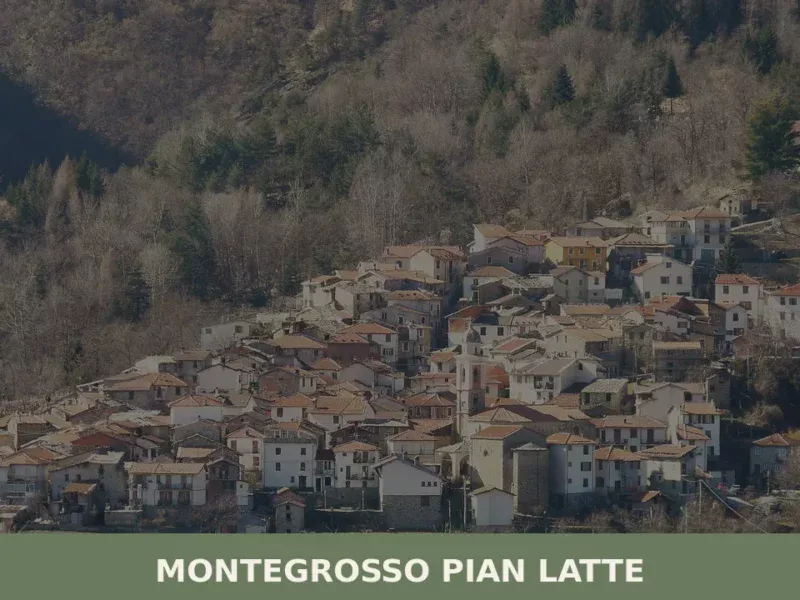
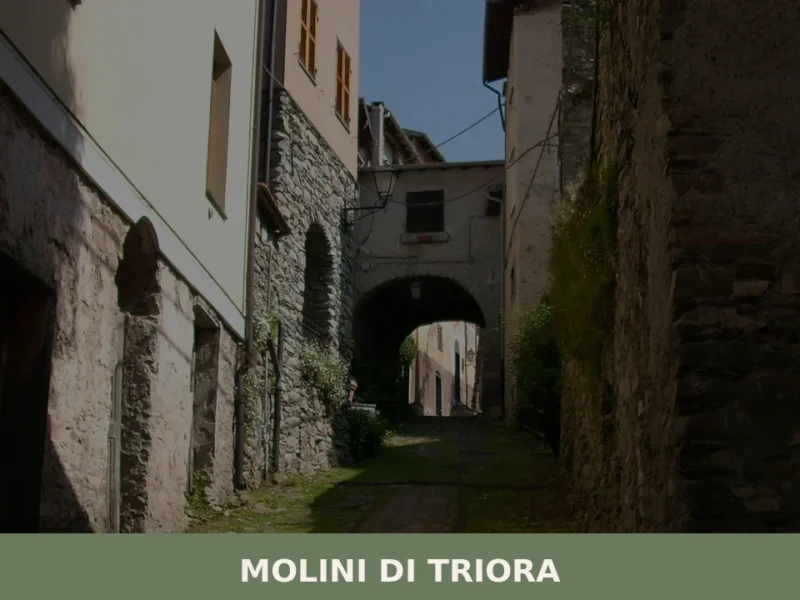
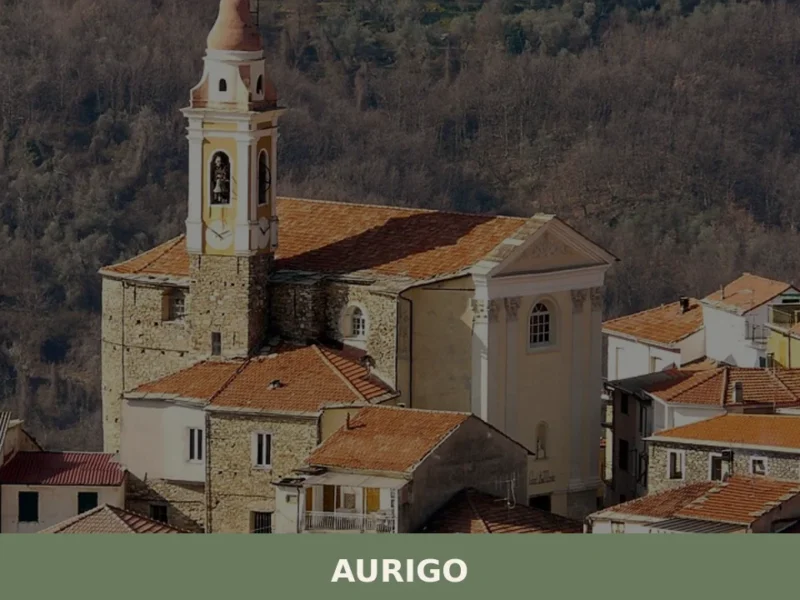
In Liguria More villages to discover
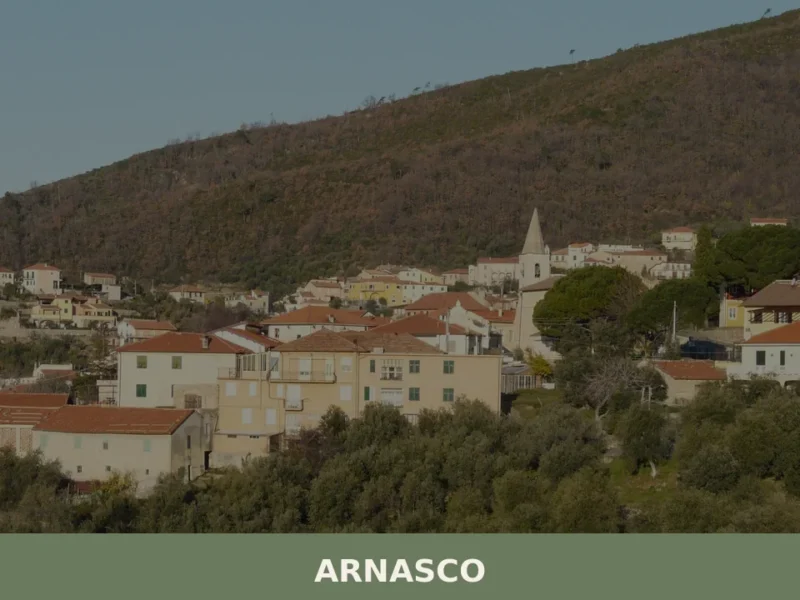
Arnasco
 Hills
Hills
What to see in Arnasco, Liguria, Italy: discover this 552-inhabitant village 80 km from Genoa. Explore its historic centre, local festivals and Ligurian cuisine.
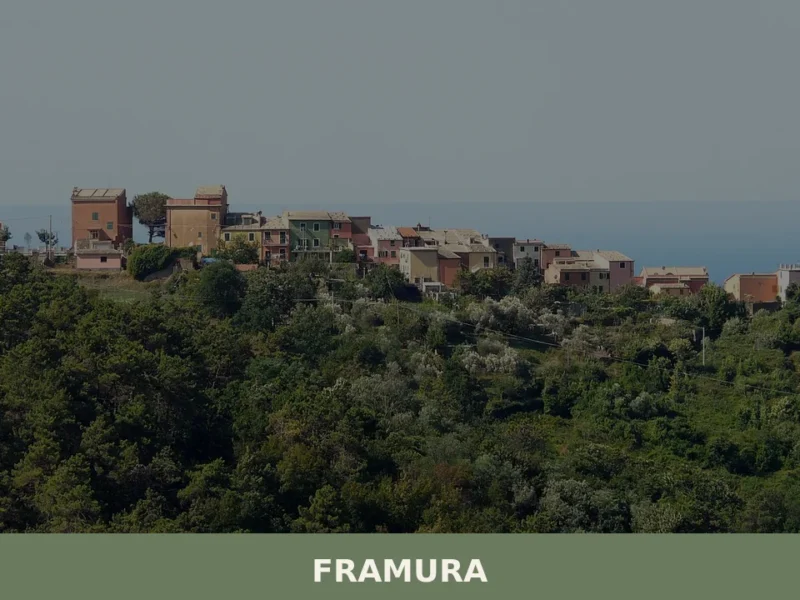
Framura
 Sea
Sea
What to see in Framura, Liguria, Italy: explore 5 top attractions, WWII history, coastal trails, and local food in a village of 677 inhabitants. Discover it now.
Savona
Sea
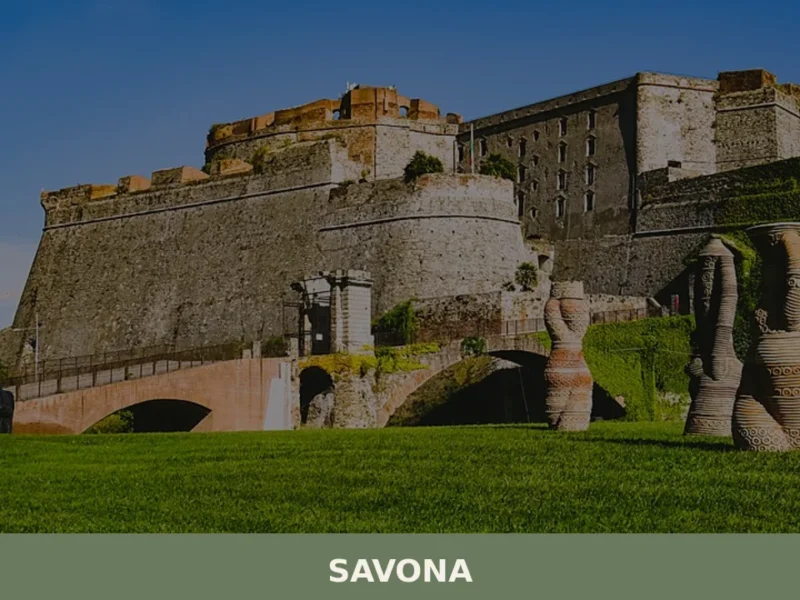
A port town of 58,500 souls on Liguria's western coast, Savona bridges medieval urban fabric with centuries of maritime trade and religious devotion.
Genova
Sea
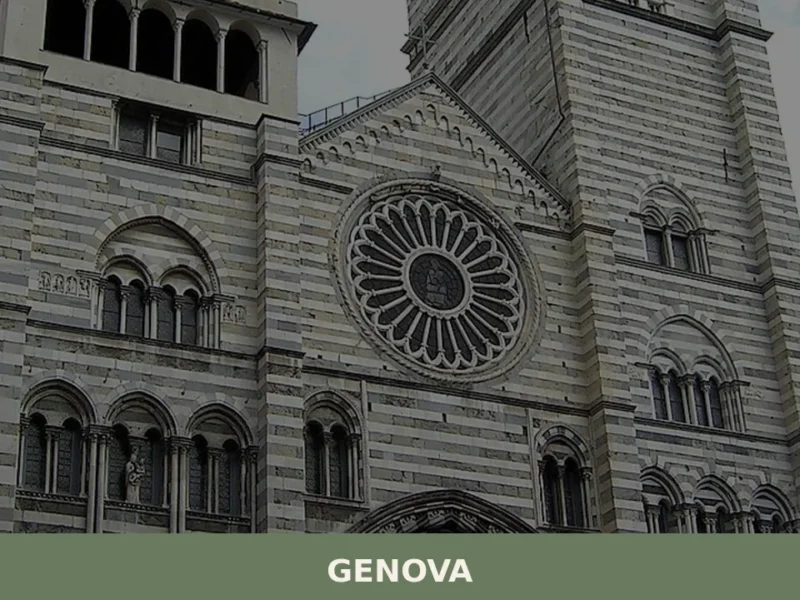
What to see in Genova: city at 18 m above sea level with UNESCO Rolli palaces and Europe's largest aquarium. Plan your visit with our full guide.
Rovegno
Mountain
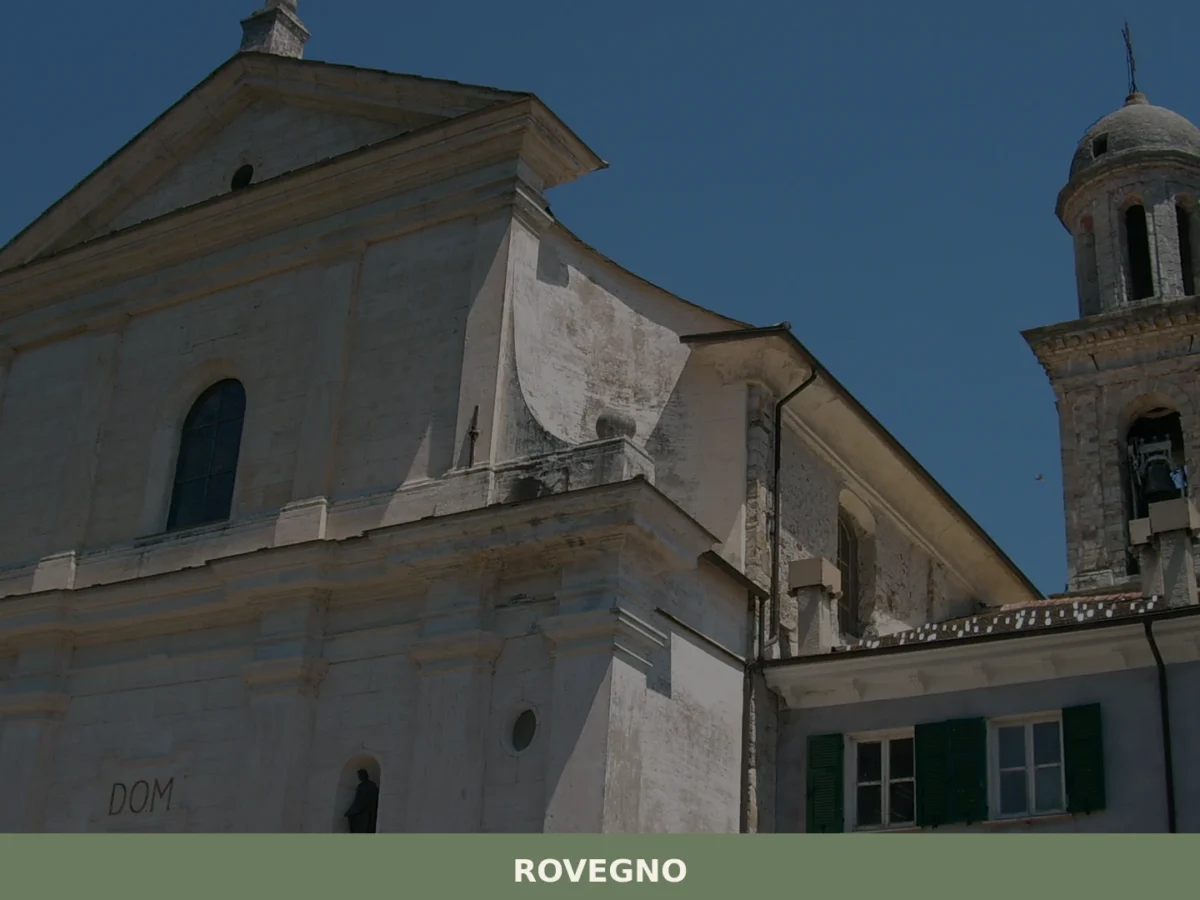
What to see in Rovegno, Italy: Explore the Val Trebbia, 35 km (22 mi) from Genoa. Discover its valley landscape and the surrounding municipalities. Read our guide.
Montalto Ligure
Hills
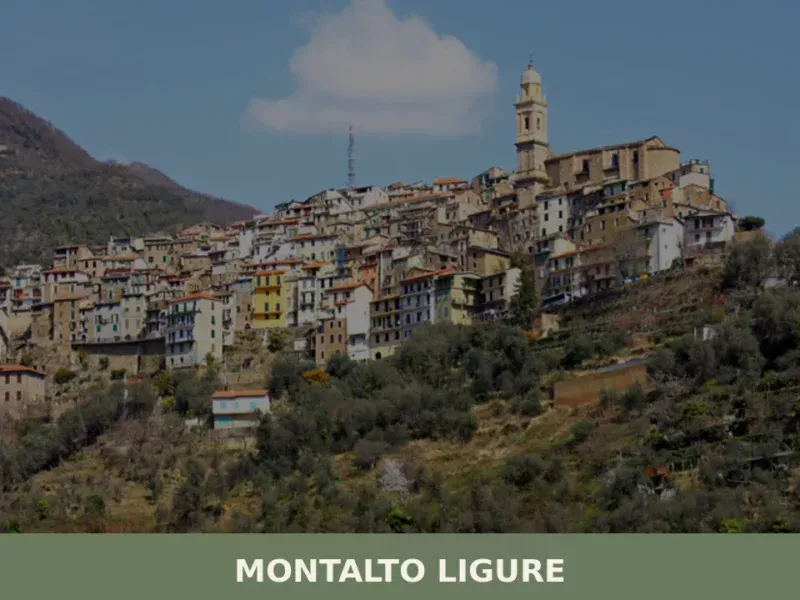
What to see in Montalto Ligure, Italy: Explore its 13.9 km² former territory and administrative history. Discover its unification in 2018.
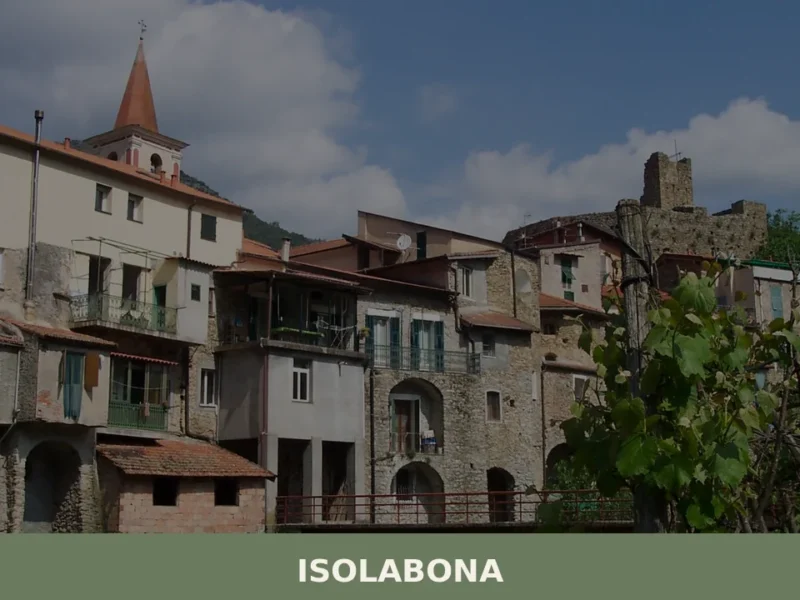
Isolabona
Mountain
What to see in Isolabona, Liguria, Italy: explore a village of 674 people set 30 km from Imperia. Discover top attractions, local food, and how to get there.
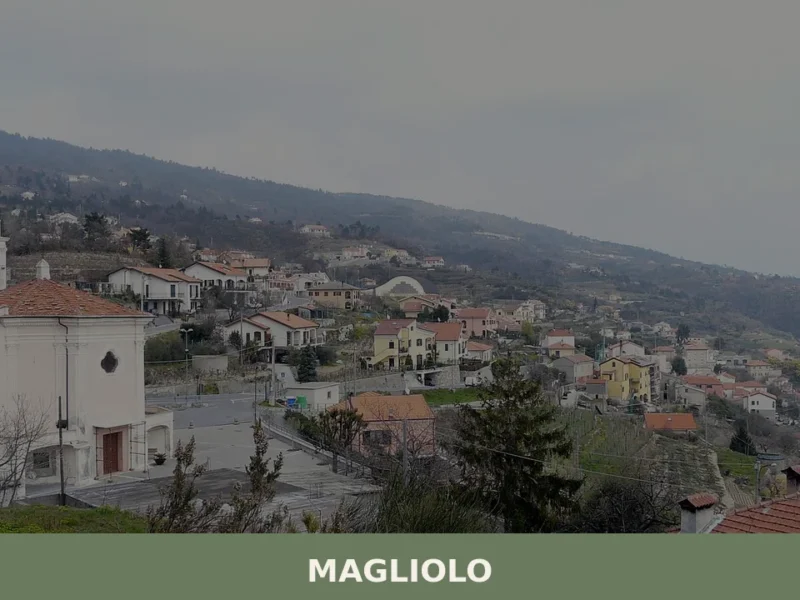
Magliolo
Mountain
What to see in Magliolo, Italy: 947 inhabitants, Ligurian valleys, local food traditions and how to get there. Discover the best of this Savona Province village.
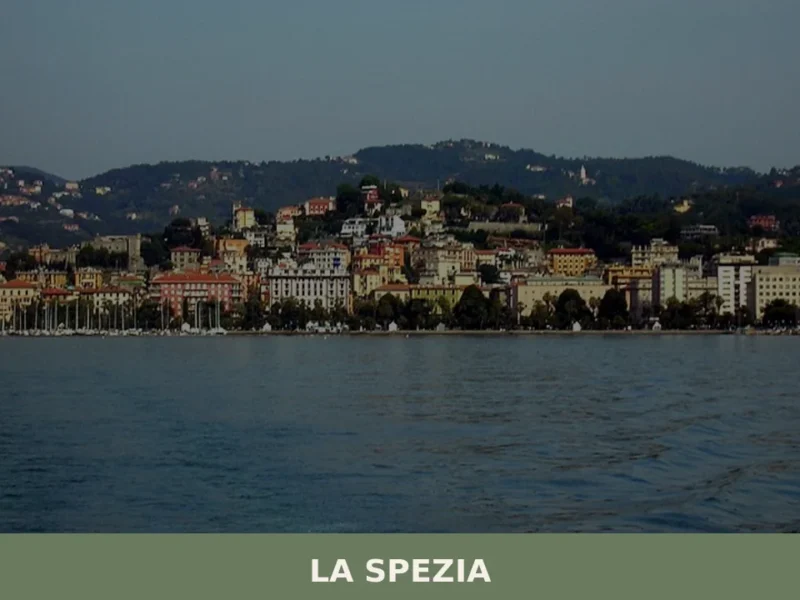
La Spezia
Sea
What to see in La Spezia, Italy: explore the Castle of San Giorgio, 10 museums, the Palio del Golfo and Cinque Terre links. Discover La Spezia's top highlights.
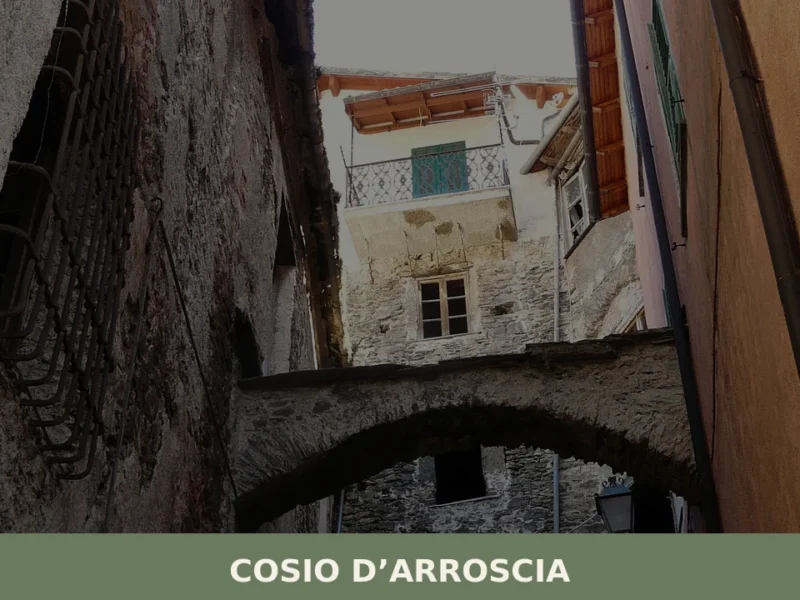
Cosio d’Arroscia
Mountain
what to see a Cosio d'Arroscia: il village ligure a 721 m s.l.m. con 171 abitanti, la chiesa dei Santi Pietro e Paolo, i hiking trails dell'Alta Via e la festa patronale del 29 giugno.


🏡 Know Montegrosso Pian Latte better than we do?
If you’re a local or have been there, your knowledge matters: add what’s missing or fix a detail on this page.