


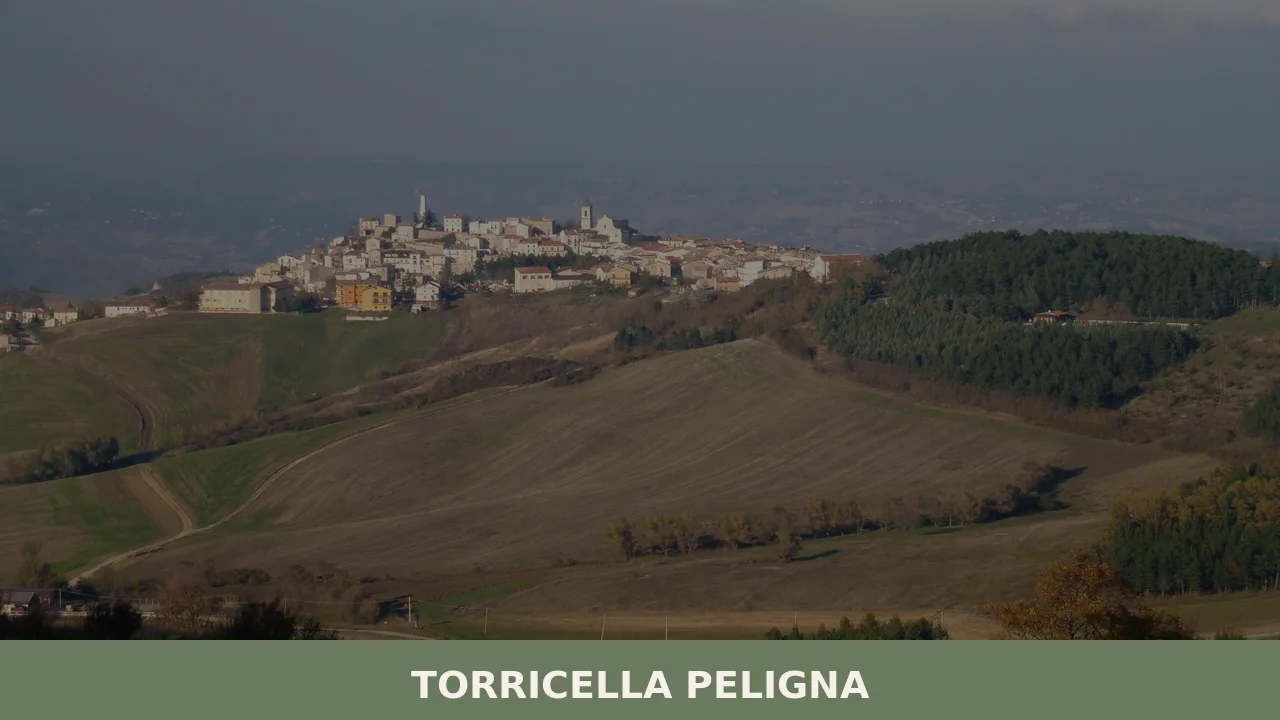
Torricella Peligna
 Mountain
What to see in Torricella Peligna, Italy: Explore its 1,392 inhabitants and significant WWII history. Discover ancient Samnite finds and the Church of San Giacomo.
Discover Torricella Peligna
The village of Torricella Peligna, situated in the Province of Chieti, Italy, holds traces of ancient habitation stretching back to the second millennium BC. Its strategic position in the eastern Majella mountain area has shaped a complex history, marked by both ancient Samnite settlements and pivotal events during the Byzantine Wars.
The resilient spirit of its 1,392 inhabitants is evident in the town’s rebuilding after the extensive destruction it suffered during World War II.
For those wondering what to see in Torricella Peligna, this guide offers a comprehensive overview of its historical and cultural points of interest.
Visitors to Torricella Peligna find a rich tapestry of history, from significant archaeological discoveries dating to the sixth century BC to the solemn Obelisk of the Civilian Victims of War. The community, with its 1,392 residents, invites exploration into its past and present, providing insights into a village that has consistently rebuilt itself.
History of Torricella Peligna
The history of Torricella Peligna traces its roots to a purported exodus of exiles from the Roman town of Juvanum during the Byzantine Wars of the sixth century AD.
However, verifiable records place its definite foundation in the twelfth century, when it was a fief of the Orsini family. The area’s deeper past is revealed through substantial Italic-era finds from the sixth century BC in adjacent districts, with discoveries like a bronze helmet from a tomb in Sant’Antonio, now preserved in the Archaeological Museum of Chieti.
Furthermore, remains of a Samnite fortification, possibly built upon an even older settlement from the second millennium BC, are claimed near Monte Moresco, between Torricella and Pennadomo. The region was consistently inhabited during the Samnite era by the Carricini tribe, whose main city was Juvanum, and later saw occupation by barbarians during the Greek Gothic War, evidenced by a sixth-century AD Ostrogothic Spangehelme, a helmet with gilded copper and iron bands, found in Santa Lucia.
The period between the seventh and tenth centuries AD saw the rise of early fortifications in the Monte Moresco area, adjacent to the Roman town, which was eventually abandoned in the fifteenth century.
Historical documents mention a castle in 1060 when Pope Nicholas II assigned half of it to the Benedictine Monks of the Tremiti Islands. This era also marked the affirmation of Christianity in Torricella, with the Abbey of Santa Maria in Palazzo, or Monte Moresco, arising near the ruins of Juvanum.
The tenth century also includes the semi-legendary accounts of St. Raynald and San Falco, Basilian monks who established a hermitage in nearby Palena, a testament to which still stands in Fallascoso. The mother church of San Giacomo, a baronial chapel, was constructed in 1173 and later underwent significant reconstruction in the nineteenth century.
Torricella Peligna experienced various feudal successions and significant events from the late Middle Ages through the nineteenth century.
Ladislaus of Durazzo invested Count Orsini with the County of Manoppello in 1390, potentially including the fief of Monte Moresco, and in 1400, Giovanni Battista da Torricella received the same fief. By 1459, Torricella was part of the De Sangro family’s lordship, whose influence extended across the Peligna Valley. The village faced challenges such as a severe famine in 1623 and major earthquakes in 1706 and 1841, which caused substantial damage to homes and the church. In 1861, following the plebiscite for annexation to the Kingdom of Italy, Torricella registered 1,108 voters, with 942 voting in favor, and subsequently received the suffix “Peligna” to differentiate it from other Italian localities.
This name, however, is geographically imprecise as the area was historically inhabited by the Carricini, bordering the Peligni only near Campo di Giove. Understanding the impact of these events is key to appreciating what to see in Torricella Peligna today, a village rebuilt and resilient. The most devastating period for Torricella Peligna was World War II, when it was occupied by Germans in October 1943 due to its strategic position along the Gustav Line. The town suffered widespread destruction, including the medieval castle, which was blown up by the Nazis after serving as their headquarters.
The Maiella brigade fought here in 1944 during the Battle of Sangro, and the village was later rebuilt, becoming a destination for mountain excursions.
What to see in Torricella Peligna, Abruzzo: top attractions
Archaeological Finds of Torricella Peligna
The area surrounding Torricella Peligna reveals a deep historical past through numerous archaeological discoveries. In the Sant’Antonio district, a tomb dating back to the sixth century BC yielded a bronze helmet adorned with a deer or goat, along with a dagger, a collar, a spiral bracelet, four digital rings, and an iron fibula, all now housed in the Archaeological Museum of the nearby Juvanum.
Further evidence of ancient settlement exists near Monte Moresco, where remains of a Samnite fortification, attributed to the second millennium BC, suggest an even older presence, from which a stone dagger is preserved in the Pigorini Museum in Rome. These finds underscore the long-standing human habitation in this part of Abruzzo, offering visitors a tangible connection to prehistoric and Samnite cultures.
Church of San Giacomo
The Church of San Giacomo, originally established as a baronial chapel in 1173, stands as a central point of historical and spiritual significance in Torricella Peligna.
While the structure was extensively redone in the nineteenth century, evidence of its earlier form remains, including a lintel from its 1782 restoration. A notable discovery occurred in 1989 during renovations, when a spontaneously mummified corpse, dating back to 1550, was found within the church, sparking local lore. Monsignor Oliva’s visit in 1568 described the church as being “outside the walls,” suggesting that the original fortifications encircled only the highest part of the castle hill.
Visitors can observe the architectural layers that tell the story of its enduring presence.
Obelisk of the Civilian Victims of War
Dominating the upper area of Torricella Peligna, where the medieval castle once stood, is the solemn Obelisk of the Civilian Victims of War. This monument serves as a poignant reminder of the village’s tragic experiences during World War II.
The original castle, which had been occupied by the Germans as a headquarters for their war operations, was deliberately blown up by Nazi forces during their retreat in 1944. The obelisk now stands in its place, commemorating the significant loss and destruction endured by the community. It offers a moment for reflection on the resilience of the local population and the profound impact of global conflicts on small Italian towns.
Abbey of Santa Maria in Palazzo (Monte Moresco)
Near the ancient Roman town of Juvanum, the ruins of the Abbey of Santa Maria in Palazzo, also known as Monte Moresco, offer a glimpse into the medieval Christian history of the region. This abbey’s structure is still preserved near the Juvanum ruins, testifying to the religious fervor that characterized the Middle Ages in Torricella Peligna.
The area’s fortifications also began to emerge around Monte Moresco between the seventh and tenth centuries AD, establishing its importance as a strategic and spiritual center.
Exploring these remnants allows visitors to visualize the ecclesiastical presence that once flourished, influencing the cultural and social fabric of the surrounding communities, including Chieti, the provincial capital.
The Tratturo along Colle dell’Irco
An ancient tratturo, a traditional migratory path for livestock, developed along Colle dell’Irco near Torricella Peligna, connecting to the larger Celano-Foggia tratturo. This route, still partly visible today, highlights the historical importance of pastoralism and agriculture in the region, economic activities that were central to the Samnite tribes inhabiting the area.
The discovery of a bronze statue of Hercules from the fourth century BC along this ancient path further emphasizes its long-standing significance as a passage and cultural corridor.
Walking a section of this historic trail provides visitors with an understanding of the deep-rooted traditions and landscape of Abruzzo, much like the ancient routes near Fara San Martino.
Local food and typical products of Torricella Peligna
The historical records for Torricella Peligna, Abruzzo, emphasize that agriculture and pastoralism were the primary economic activities during the Samnite era, and likely continued to shape local life for centuries. While specific culinary traditions or named dishes are not extensively detailed in the provided historical sources, the region’s agricultural heritage suggests a diet based on local produce, grains, and livestock.
This foundational economy would have supported simple, hearty preparations reflecting the resources available from the land and nearby mountains.
Given the strong emphasis on pastoralism, it is reasonable to infer that dairy products and various forms of preserved meats would have been central to the local diet.
Grain cultivation would have provided flour for bread and pasta, while seasonal vegetables and wild herbs from the Majella mountain environment would have supplemented meals. However, without explicit mention in the historical extract, specific dish names or detailed traditional cooking methods remain largely unrecorded for Torricella Peligna.
One notable historical product, though not a food item, mentioned in the 1805 Geographical Dictionary of the Kingdom of Naples, is the trade in “tarantulas.” These refer to silk cloths, produced particularly in nearby Taranta, indicating a historical craft and commercial link within the region.
While the sources do not specify any certified food products (such as a Pecorino or a specific cured meat with a designated origin), the overarching context of agriculture and pastoralism points to a tradition of self-sufficiency in food production.
While specific culinary traditions or named dishes are not extensively detailed in the provided historical sources, they contribute to the broader picture of what to see in Torricella Peligna from a cultural perspective.
Festivals, events and traditions of Torricella Peligna
The historical narrative for Torricella Peligna provides limited details regarding specific festivals or recurring events. One significant historical and spiritual reference points to the tenth century, with the semi-legendary testimony of St. Raynald, of the Order of the Basilians, who arrived with the monk San Falco.
These figures settled at a hermitage in nearby Palena, and the presence of the hermitage of San Rinaldo in Fallascoso still stands as a testament to their historical influence in the area.
Beyond this historical account of early Christian figures, the provided sources do not detail specific annual festivals, patron saint celebrations with exact dates, or unique local traditions such as processions, rituals, music, or fireworks.
While many Italian villages have vibrant local calendars, the available information focuses more on the deep historical layers, including ancient settlements, feudal successions, and the profound impact of significant historical events like World War II.
When to visit Torricella Peligna, Italy and how to get there
Considering Torricella Peligna is described as a tourist destination for mountain excursions in the twenty-first century, the best time to visit Abruzzo, and specifically this area, is generally during the warmer months. Late spring (May-June) and early autumn (September-October) offer pleasant temperatures for hiking and exploring the natural landscape, avoiding the peak summer heat and potential winter snows that can make mountain access challenging.
Summers (July-August) are also suitable, though temperatures can be higher. The terrain, typical of mountain villages, may be steep and uneven in certain areas, particularly when exploring historical sites or natural paths like the ancient tratturo.
For those planning a visit and asking what to see in Torricella Peligna, Italy, understanding how to get there involves navigating the regional infrastructure of Abruzzo.
The village is located in the Province of Chieti, and while specific motorway exits or direct train connections are not detailed in historical records, most visitors would typically approach via regional roads after reaching a major city. Chieti, the provincial capital, serves as a logical hub for onward travel, offering bus connections to smaller towns.
The nearest major airports for international visitors would typically be Abruzzo Airport (PSR) near Pescara, or Rome’s airports (FCO, CIA), from which one would then travel by car or regional transport.
While specific travel times and distances are not provided in the historical texts, Torricella Peligna can be considered for a day trip from larger Abruzzo towns or even from Rome, though the latter would involve a longer journey of approximately 2-3 hours by car. For international visitors, it is advisable to carry some Euros cash, as smaller shops and establishments in less-trafficked villages may have limited card payment options. English may also be less commonly spoken in these local settings, making basic Italian phrases or a translation app useful for communication.
Visitors exploring the Abruzzo region beyond Torricella Peligna may consider extending their itinerary to other nearby historical centers.
The strategic location of Torricella Peligna, within the Majella mountain area, connects it geographically to other fascinating villages like Atri, known for its Roman and medieval heritage, and Bolognano, which offers further insights into the diverse landscapes and history of this Italian region.
Frequently asked questions about Torricella Peligna
What is the best time to visit Torricella Peligna?
The best time to visit Torricella Peligna is during the warmer months, from late spring to early autumn (May to October). This period is ideal for enjoying mountain excursions in the Majella area and exploring the ancient Tratturo. Summer, particularly around July 10th, offers the vibrant patron saint's feast day dedicated to San Marziale, a significant local event. The altitude of 910 meters ensures pleasant temperatures for outdoor activities, while spring and autumn provide milder weather perfect for hiking and appreciating the changing landscapes.
What to see in Torricella Peligna? Main monuments and landmarks
In Torricella Peligna, visitors can explore the historic Church of San Giacomo, originally a baronial chapel from 1173, which reveals centuries of architectural layers despite extensive 19th-century renovations. The poignant Obelisk of the Civilian Victims of War stands where the medieval castle once proudly dominated the village, offering a moment of reflection and panoramic views. Nearby, the ruins of the Abbey of Santa Maria in Palazzo (Monte Moresco) provide a glimpse into medieval Christian history. Additionally, a section of the ancient Tratturo along Colle dell'Irco, a traditional migratory path, invites a scenic walk into the region's pastoral past.
What are the main natural or scenic attractions of Torricella Peligna?
Torricella Peligna, nestled in the eastern Majella mountain area at 910 meters altitude, offers excellent opportunities for natural and scenic exploration. The village serves as a starting point for various mountain excursions into the surrounding Majella environment, appealing to hikers and nature lovers. A key attraction is the ancient Tratturo along Colle dell'Irco, a historical migratory path for livestock. Walking a section of this trail provides a unique understanding of Abruzzo's deep-rooted traditions and offers picturesque views of the landscape, connecting visitors to the region's pastoral heritage.
Where to take the best photos in Torricella Peligna?
For the best photos in Torricella Peligna, head to the upper area where the Obelisk of the Civilian Victims of War stands. This elevated point, once the site of the medieval castle, offers commanding panoramic views of the village and the surrounding Majella mountain landscape, ideal for capturing wide vistas. Additionally, walking along the ancient Tratturo near Colle dell'Irco provides numerous scenic opportunities to photograph the traditional pastoral routes, the natural environment, and the picturesque Abruzzo countryside, especially during sunrise or sunset for dramatic light.
Are there museums, churches or historic buildings to visit in Torricella Peligna?
Yes, Torricella Peligna offers historical and religious sites for visitors. The most prominent is the Church of San Giacomo, a significant spiritual landmark with origins dating back to 1173, though largely reconstructed in the 19th century. Near the ancient Roman town of Juvanum, you can explore the preserved ruins of the Abbey of Santa Maria in Palazzo at Monte Moresco, offering insights into medieval Christian history. While archaeological finds from the area are housed in museums in Juvanum, Chieti, and Rome, these sites within Torricella Peligna itself provide a direct connection to its rich past.
What can you do in Torricella Peligna? Activities and experiences
In Torricella Peligna, visitors can immerse themselves in both nature and history. The village is an excellent base for mountain excursions into the Majella area, offering hiking opportunities amidst scenic landscapes. You can also walk a section of the ancient Tratturo along Colle dell'Irco, experiencing a traditional migratory path that connects you to the region's pastoral heritage. For cultural enrichment, explore the Church of San Giacomo and reflect at the Obelisk of the Civilian Victims of War. The ruins of the Abbey of Santa Maria in Palazzo also invite historical exploration.
Who is Torricella Peligna suitable for? Families, couples, hikers, solo travelers?
Torricella Peligna is particularly suitable for hikers and nature enthusiasts drawn to its mountain setting in the Majella area, offering numerous opportunities for excursions and scenic walks along ancient trails like the Tratturo. History buffs and cultural tourists will appreciate its rich past, from ancient Samnite settlements to its resilient rebuilding after World War II, exploring sites like the Church of San Giacomo and the Obelisk. It's ideal for solo travelers or couples seeking a tranquil escape into Abruzzo's authentic mountain culture and profound historical narratives.
Getting there
Viale Raffaele Paolucci, 66019 Torricella Peligna (CH)
Nearby Villages near Torricella Peligna

In Abruzzo More villages to discover

Casoli
 Hills
Hills
What to see in Casoli, Abruzzo, Italy: explore Castello Masciantonio, Lake Casoli 4 mi away, and a medieval town listed among Italy's most beautiful villages. Discover it now.
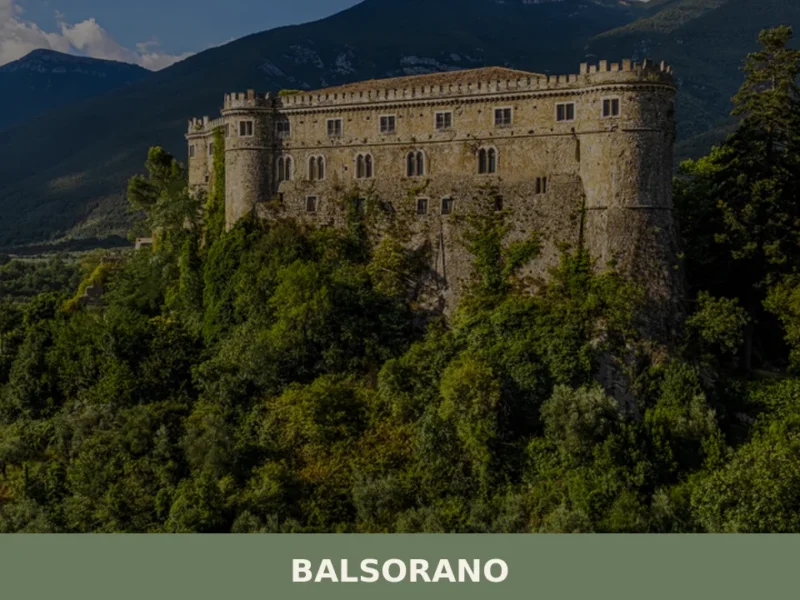
Balsorano
Hills
The Val Roveto divides southern Abruzzo from Lazio along a fault line that has determined earthquakes, migrations and feudal borders for over seven centuries. Balsorano occupies the valley floor and the hillside at 340 metres above sea level, with its 3,617 inhabitants spread between the upper historic centre — Balsorano Vecchio — and the modern […]
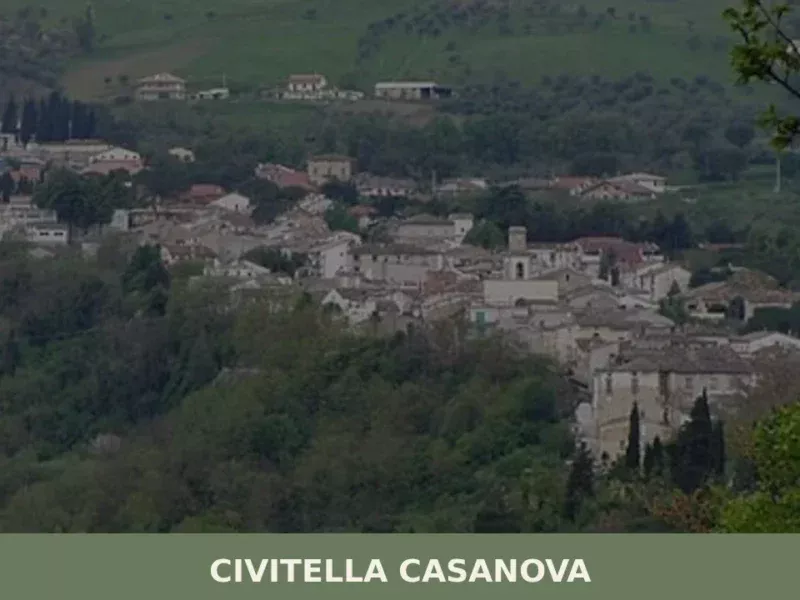
Civitella Casanova
Hills
At 400 meters above sea level, in the hilly heart of the province of Pescara, lies Civitella Casanova. This village, whose historical presence is attested since Roman times, offers a territorial context where geology and human activity have shaped a distinctive landscape. For those wondering about what to see in civitella casanova, the journey through […]
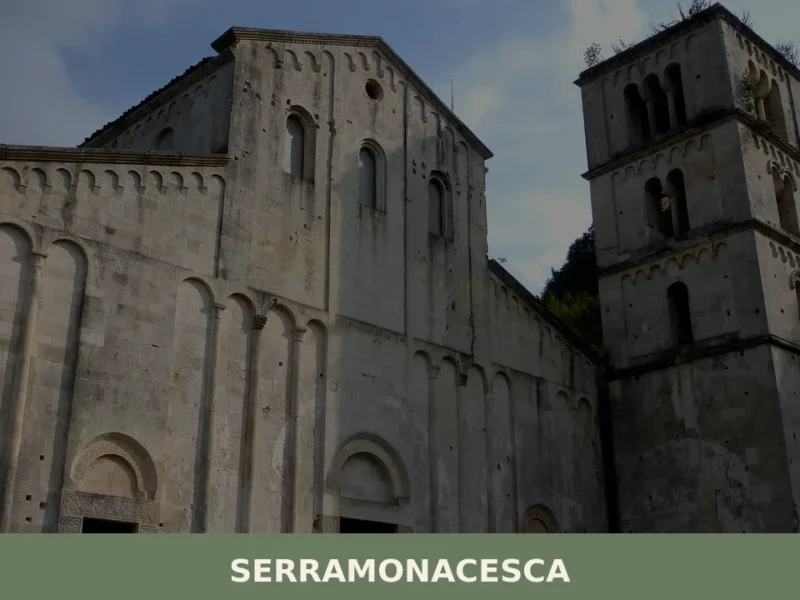
Serramonacesca
Hills
What to see in Serramonacesca, Abruzzo, Italy: discover 6 top attractions including the Abbey of San Liberatore, rock-cut tombs, and a medieval tower. Population 560.
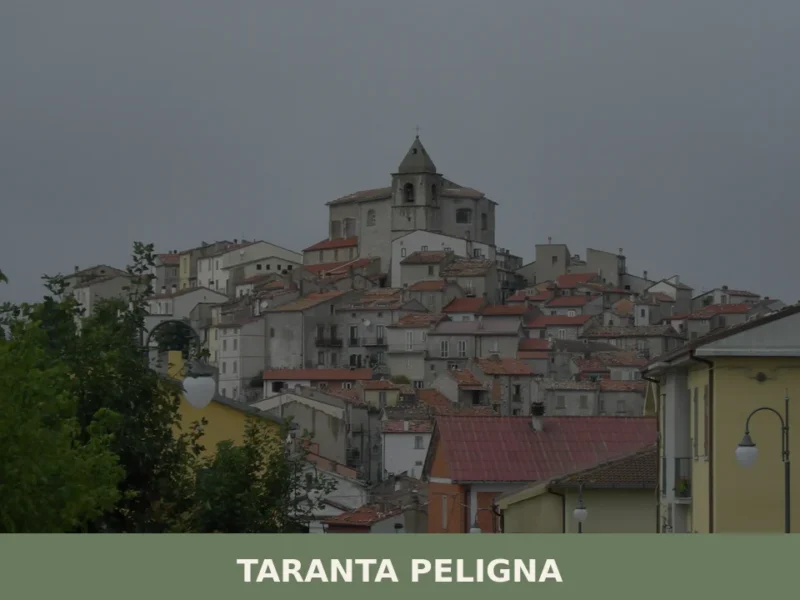
Taranta Peligna
Mountain
What to see in Taranta Peligna, Italy: explore the Maiella mountains from this village of 384 inhabitants. Discover Cavallone Cave and the Military Shrine. Read more.
Colledimezzo
Hills
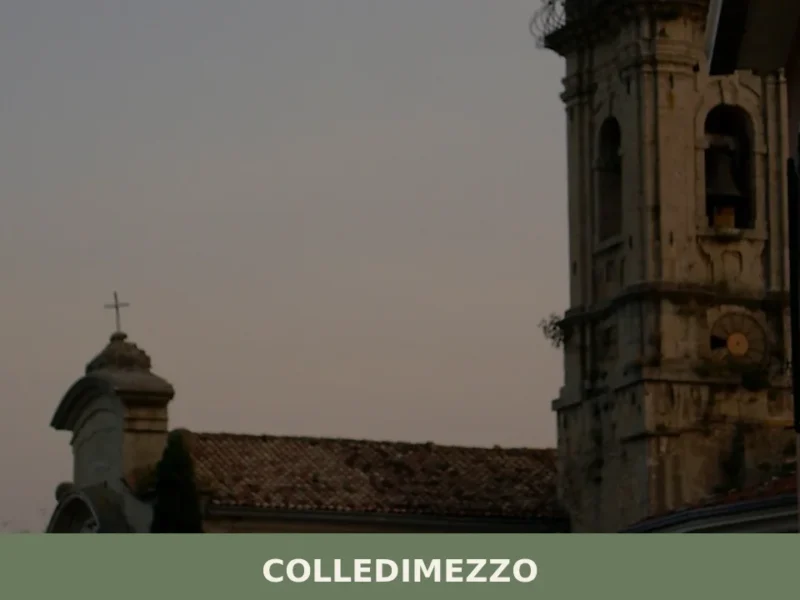
Colledimezzo has 440 inhabitants and extends along a hillside ridge at 425 metres above sea level, in the province of Chieti, overlooking the Sangro river valley and the artificial lake of Bomba. Anyone looking for what to see in Colledimezzo will find a settlement whose urban layout preserves the concentric plan of the fortified medieval […]
Campo di Giove
Mountain
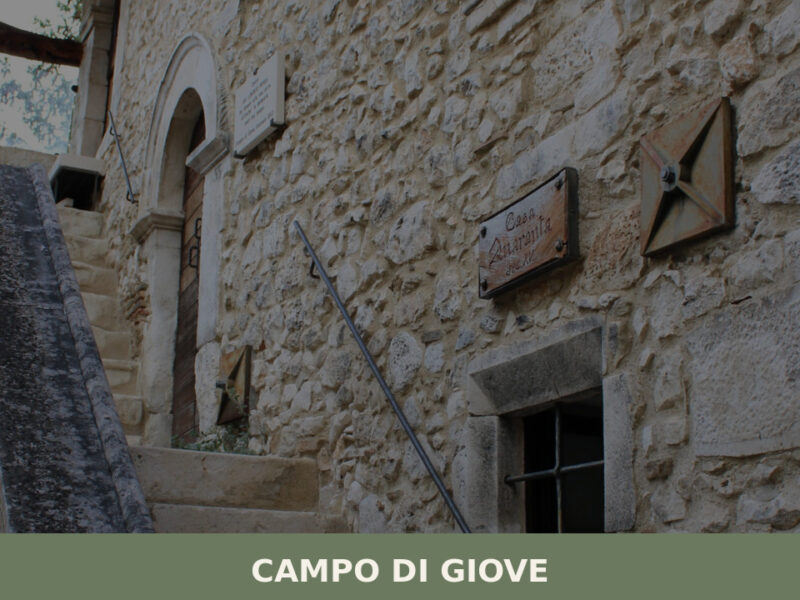
A mountain village at 1,064 metres beneath the Majella massif. Discover what to see in Campo di Giove — medieval stone houses, highland pastures, and quiet trails.
Abbateggio
Hills
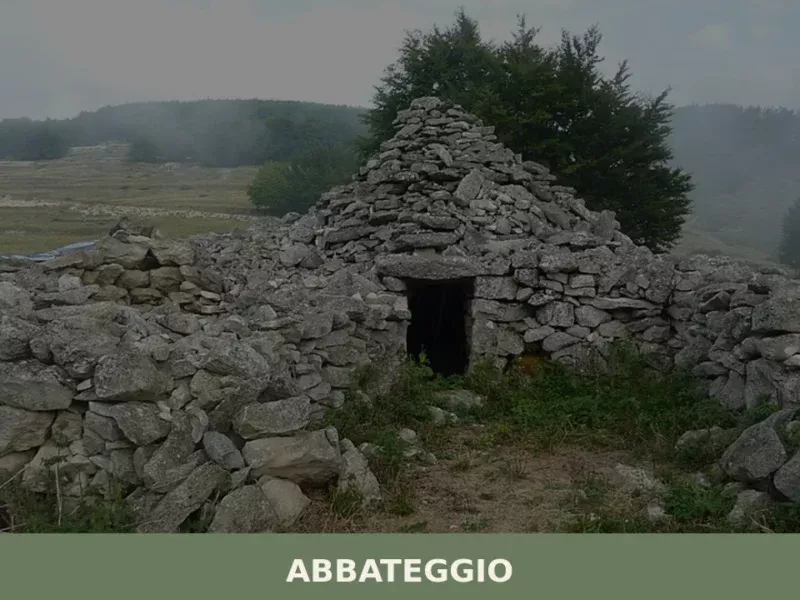
With just 359 registered inhabitants, Abbateggio is one of the least populated municipalities in the province of Pescara, situated at 450 metres above sea level on the eastern slope of the Majella. Asking what to see in Abbateggio means preparing for an itinerary that covers sacred architecture built in Majella stone, farro and olive oil […]
Castilenti
Hills
At 272 metres above sea level, along the valley of the Fino torrent, Castilenti has a current population of 1,346 and occupies a stretch of hilly terrain in the province of Teramo where olive cultivation marks the landscape with orderly rows of trees and still-active oil mills. Anyone wondering what to see in Castilenti will […]
Casacanditella
Hills
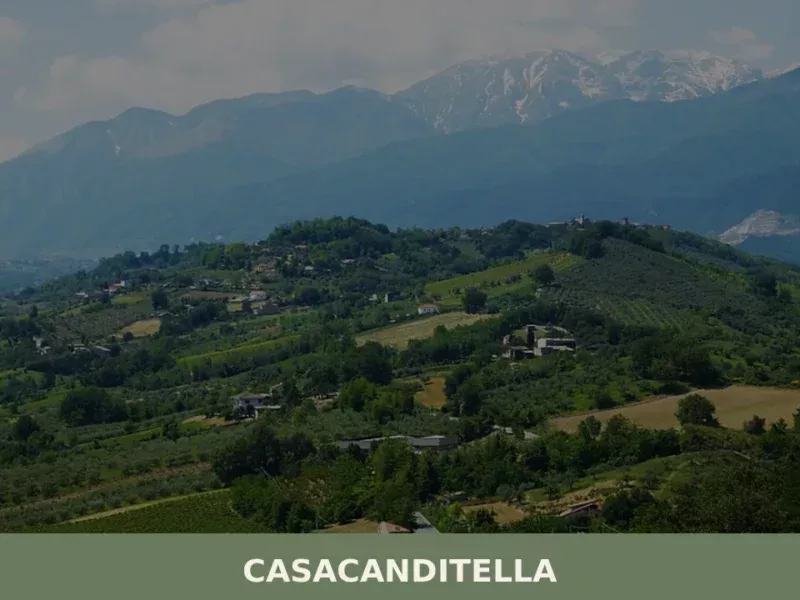
At 432 metres above sea level, on the eastern slope of the Majella descending towards the Foro river valley, Casacanditella has 1,169 inhabitants and a municipal territory that extends entirely across hilly terrain in the province of Chieti. Anyone wondering what to see in Casacanditella will find a compact urban centre, a church dedicated to […]




🏡 Know Torricella Peligna better than we do?
If you’re a local or have been there, your knowledge matters: add what’s missing or fix a detail on this page.