


Moriondo Torinese
 Hills
Hills
Scopri Moriondo Torinese, un affascinante borgo del Piemonte ricco di storia, natura e tradizioni. Lasciati conquistare dalla sua bellezza autentica!
Discover Moriondo Torinese
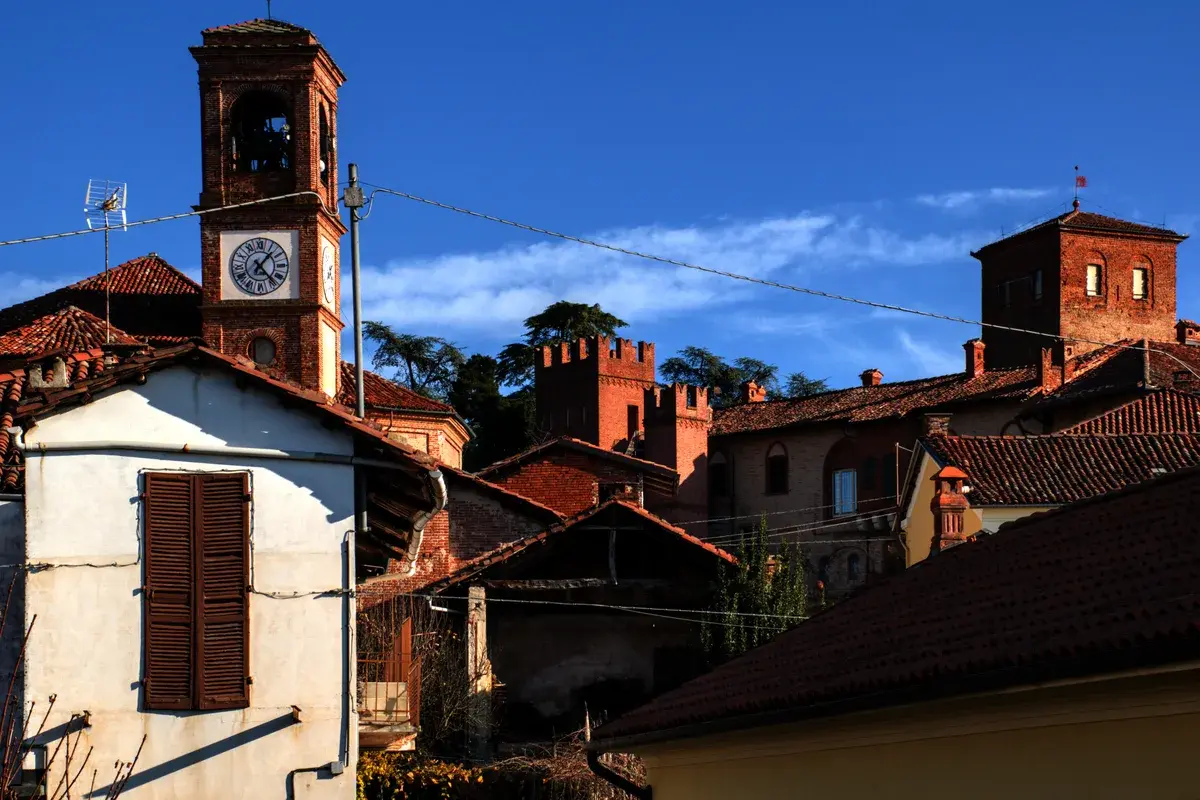
Moriondo Torinese is a municipality of 829 inhabitants in the Metropolitan City of Turin, sitting in the Piedmontese hill country east of the regional capital. The village carries a Piedmontese identity that predates Italian unification, as its local name — Moriond in Piedmontese dialect — suggests a linguistic continuity that outlasted centuries of administrative change. For anyone researching what to see in Moriondo Torinese, the answer begins not in a single monument but in the cumulative texture of a small hill commune whose form and function have been determined by the rolling terrain of the Torinese hills.
History of Moriondo Torinese
The name Moriondo itself offers the first historical clue. Toponymists associate it with a Latin root related to land clearance or boundary marking, a naming convention common across the Piedmontese hill zones that were systematically settled and farmed during the early medieval period, when Frankish and Lombard administrative structures reorganised the rural territory around Turin. The suffix linking the village to Torinese — the metropolitan area of Turin — reflects the long gravitational pull that the city has exerted over its surrounding communes, a pull that became formalised through successive layers of feudal, Savoyard, and eventually Italian state administration.
During the period of Savoyard dominance over Piedmont, which consolidated significantly from the eleventh century onward and reached its mature form under the Duchy of Savoy, small communes like Moriondo Torinese fell within the network of rural fiefdoms that supported the economic and agricultural base of the region. The village’s position in the hills east of Turin placed it within a corridor of agricultural land that produced wine, grain, and timber — the three pillars of rural Piedmontese economy for most of the pre-industrial era. This was not a strategic military outpost but a working agricultural settlement, and its built environment reflects that functional character rather than aristocratic ambition.
The administrative classification of Moriondo Torinese as a comune within the Metropolitan City of Turin — a designation formalised under Italy’s 2014 metropolitan city reform, which replaced the Province of Turin — places it among the 315 municipalities of one of Italy’s most populous and industrially significant metropolitan areas. Yet the village itself remained largely outside the industrial transformation that reshaped Turin and its immediate suburbs during the twentieth century, retaining its small population and rural character. As recorded in current municipal data, the population stands at 829 residents, a figure that reflects the demographic pattern common to small Piedmontese hill communes: a stable, modest community rather than one that grew or shrank dramatically with industrial cycles.
What to see in Moriondo Torinese: 5 must-visit attractions
The Parish Church
As with most Piedmontese hill communes of medieval or early modern origin, the parish church forms the architectural and civic centre of Moriondo Torinese. Typically built in stone and oriented toward the village square, these structures in the Torinese hills were frequently rebuilt or enlarged between the seventeenth and eighteenth centuries under Baroque influence, when the Catholic Church invested heavily in rural religious infrastructure across Piedmont.
The Village Historic Centre
The historic core of Moriondo Torinese preserves the compact, nucleated layout characteristic of Piedmontese hill settlements — buildings arranged to conserve agricultural land and provide communal security. Stone construction, covered arcades in places, and the vertical hierarchy of civic and religious buildings over domestic structures tell a readable story of a working rural commune.
The Surrounding Vineyard Landscape
The Torinese hills east of Turin form part of a broader viticultural zone that connects to the Monferrato and Chierese wine-producing areas. The terraced or slope-cut vineyards surrounding Moriondo Torinese represent a landscape shaped by centuries of deliberate agricultural management, and the vine varieties grown in this zone — including Freisa and Barbera — are documented components of Piedmontese viticulture.
Rural Architecture and Cascine
The cascina — the large Piedmontese farmstead built around an enclosed courtyard — is the defining rural building type of this zone. Several examples survive in the municipal territory of Moriondo Torinese and its surroundings, some dating to the eighteenth or early nineteenth century, with characteristic arcaded ground floors, brick construction, and storage towers for hay and grain.
Hill Panoramas Toward Turin
From the elevated positions within the municipal territory, the view westward toward Turin and the Alpine chain behind it constitutes one of the clearest geographical orientations available in this part of Piedmont. On days of good visibility, the arc of the Western Alps — including Monte Rosa and the Gran Paradiso massif — is identifiable along the horizon beyond the metropolitan plain.
Local food and typical products
The food culture of Moriondo Torinese draws from the broader Piedmontese culinary tradition, which is among the most codified in Italy. This is the territory of tajarin — the extremely fine egg-yolk pasta particular to Piedmont — served with butter and white truffle when in season, or with a slow-cooked meat ragù. Vitello tonnato, cold sliced veal with a tuna-based sauce, and bagna caôda, the anchovy and garlic fondue eaten communally with raw and cooked vegetables, are fixtures of the local table. The wines of the broader Chierese and Torinese hill zone, including DOC Freisa di Chieri, accompany these dishes and are produced from grapes grown in vineyards within and around the municipality. For a deeper engagement with the food and wine culture of the wider Piedmont region, the regional tourism authority provides a structured overview of denominations and producers.
Given the village’s modest size, dedicated restaurants within Moriondo Torinese itself may be limited, and visitors often find the most consistent dining options by looking to the surrounding communes of the Chierese area or heading toward the city of Turin, which is within easy reach. Local agriturismo operations in the hill zone frequently offer meals based on seasonal produce, and these represent the most direct connection to what the land around the village actually produces. Markets in nearby towns provide access to local cheesemakers, salumi producers, and the fresh truffles for which this part of Piedmont is regionally recognised.
Best time to visit Moriondo Torinese
The Torinese hill zone experiences a continental climate with cold winters and warm, occasionally humid summers. The most rewarding periods for a visit fall in late spring — April through June — when the vine growth is active, the landscape is green, and temperatures are moderate, typically ranging between 15°C and 25°C during the day. Autumn, from September through November, brings the grape harvest and the truffle season, which transforms the culinary offer of the entire zone. October in particular is the month when white truffle markets animate the towns of the broader Piedmontese hill region, and the quality of light on the vine-covered slopes at this time of year is notably different from summer — cooler, more directional, casting longer shadows across the terraced land.
Winter visits are possible but require realistic expectations: the hill communes of the Torinese area can experience frost, occasional snow, and reduced services. For those primarily interested in the cultural and architectural character of the village itself, the shoulder seasons offer the most practical combination of accessibility and landscape interest. There are no large-scale festivals specifically documented for Moriondo Torinese, but the calendar of the broader Metropolitan City of Turin, available through publicly available civic sources, includes events in the surrounding area throughout the year.
How to get to Moriondo Torinese
Moriondo Torinese sits in the hill zone east of Turin, within the Metropolitan City of Turin. It is accessible primarily by road, as is typical for small hill communes in this part of Piedmont. The practical reference points for reaching the village are as follows:
- By car from Turin: The village is approximately 20–25 kilometres east of Turin city centre, reachable via the SS10 or through the Chieri road network. Journey time by car is typically 30–40 minutes depending on traffic and the specific route through the hills.
- Nearest railway station: Chieri, on the Turin–Chieri line, is the closest functioning railway station to the area. From Chieri, onward travel to Moriondo Torinese requires a car or local bus service.
- By motorway: The A21 Turin–Piacenza motorway and the A4 Turin–Milan motorway both have exits that connect to the road network of the Torinese hills. The exit toward Chieri provides the most direct road approach.
- From Turin Airport (Torino Caselle): Turin Caselle International Airport is approximately 35–45 kilometres from Moriondo Torinese. A car hire from the airport is the most practical option for reaching the village directly.
Where to stay in Moriondo Torinese
A village of 829 inhabitants does not sustain a hotel industry of its own, and visitors to Moriondo Torinese should plan accommodation in one of two ways: staying within the village itself if agriturismo or rural holiday home options are available through booking platforms, or basing themselves in the nearby town of Chieri or in Turin and making day visits into the hill country. The agriturismo formula — working farms that offer rooms and meals to guests — is the accommodation type most consistent with the rural character of this part of Piedmont, and several operate across the Chierese hill zone.
Turin itself, as a major regional capital with a wide range of hotels across all price categories, provides the most logistically reliable base for exploring the surrounding hill communes. From central Turin, Moriondo Torinese is reachable in under an hour, making it a practical excursion rather than a destination requiring overnight stays. Those who prefer to remain in the hills should search for rural rental properties and agriturismo through Italian booking aggregators well in advance of their visit, particularly for autumn travel during the truffle and harvest season when demand across the Piedmontese hill zone increases considerably.
More villages to discover in Piemonte
The Metropolitan City of Turin and the broader Piedmont region contain a range of small communes whose character varies considerably by geography and historical function. Andezeno, also in the Torinese hill zone, shares with Moriondo Torinese the agricultural landscape and vine-covered slopes that define this corridor of Piedmont east of the regional capital. Further north in the metropolitan area, Foglizzo occupies the Canavese plain, a zone with a distinct historical identity shaped by its position between Turin and the Alpine foothills — a contrast in terrain and atmosphere worth considering as part of any broader itinerary through the province.
Expanding the scope westward, Almese in the Susa Valley demonstrates how dramatically the landscape shifts as you move from the Torinese hills toward the Alpine margins — a transition from viticultural country into a valley defined by transalpine trade and military history. And for those whose interest extends to the wider Piedmontese urban and cultural landscape, Vercelli to the northwest offers a counterpoint to Turin’s metropolitan scale: a historic city whose rice-field plain, Romanesque architecture, and distinct civic identity make it one of the most legible medieval urban centres in northern Italy.
Frequently asked questions about Moriondo Torinese
What is the best time to visit Moriondo Torinese?
The most rewarding times to visit Moriondo Torinese are late spring (April-June) and autumn (September-November). Spring offers moderate temperatures (15°C-25°C), lush green landscapes, and active vine growth. Autumn is ideal for the grape harvest, the renowned white truffle season (especially October), and the distinct quality of light over the vine-covered slopes. The village also celebrates its patron, Santissimo Salvatore, on the third Sunday of October, offering a local cultural experience. While winter visits are possible, be prepared for colder weather and potentially reduced services.
What are the historical origins of Moriondo Torinese?
Moriondo Torinese's name likely derives from a Latin root associated with land clearance or boundary marking, indicating its origins as an early medieval agricultural settlement. Situated within the historical orbit of Turin, the village was part of the rural fiefdoms under Savoyard dominance, contributing wine, grain, and timber to the regional economy. It retained its rural character largely untouched by 20th-century industrialisation, embodying a continuous Piedmontese identity that predates Italian unification, as reflected in its local dialect name, Moriond.
What to see in Moriondo Torinese? Main monuments and landmarks
Moriondo Torinese offers a glimpse into a traditional Piedmontese hill commune. Key attractions include the Parish Church, which serves as the architectural and civic heart of the village, often rebuilt with Baroque influences. Explore the Village Historic Centre, characterised by its compact layout, stone construction, and arcades. The Surrounding Vineyard Landscape showcases centuries of viticultural management, growing varieties like Freisa and Barbera. Discover examples of Rural Architecture and Cascine, the traditional Piedmontese farmsteads, some dating to the 18th-19th centuries. Finally, enjoy the expansive Hill Panoramas, offering clear views westward towards Turin and the majestic Alpine chain.
What are the main natural or scenic attractions of Moriondo Torinese?
The primary natural and scenic attractions of Moriondo Torinese are its surrounding vineyard landscapes and the panoramic views they afford. The hills east of Turin are part of a broader viticultural zone, with terraced vineyards shaping a landscape managed for centuries. From elevated positions within the municipal territory, visitors can enjoy stunning Hill Panoramas toward Turin, with the Western Alps, including Monte Rosa and the Gran Paradiso massif, visible on clear days along the horizon beyond the metropolitan plain.
Where to take the best photos in Moriondo Torinese?
For the best photographic opportunities in Moriondo Torinese, focus on the elevated positions within the municipal territory that offer westward views. These spots provide superb Hill Panoramas toward the city of Turin and the impressive arc of the Western Alps, including Monte Rosa and the Gran Paradiso massif, especially on clear days. Additionally, the Surrounding Vineyard Landscape, with its terraced slopes and vine rows changing with the seasons, offers picturesque compositions reflecting centuries of agricultural heritage, particularly beautiful during autumn harvest or vibrant spring growth.
Are there museums, churches or historic buildings to visit in Moriondo Torinese?
While Moriondo Torinese does not host museums, visitors can explore significant historic structures. The Parish Church stands as the architectural and civic centre, embodying Baroque influences from its 17th-18th century rebuilds. The Village Historic Centre itself is a testament to traditional Piedmontese hill settlements, with its compact layout, stone construction, and characteristic arcades. Throughout the municipal territory, examples of Rural Architecture and Cascine – large, historic farmsteads often dating from the 18th or early 19th century – offer insights into the region's agricultural past with their distinctive brickwork and courtyard designs.
What can you do in Moriondo Torinese? Activities and experiences
In Moriondo Torinese, activities center around appreciating its rural charm and landscape. Visitors can explore the Village Historic Centre, admiring its traditional architecture, or wander through the Surrounding Vineyard Landscape, which is ideal for gentle strolls. Enjoy the expansive Hill Panoramas toward Turin and the Alps, perfect for photography and contemplation. Engage with the local food and wine culture by seeking out agriturismo operations in the surrounding hill zone for authentic meals, or visit nearby town markets for local cheeses, salumi, and seasonal truffles.
Who is Moriondo Torinese suitable for? Families, couples, hikers, solo travelers?
Moriondo Torinese is ideal for travelers seeking a tranquil, authentic Piedmontese rural experience away from bustling tourist hubs. It appeals to couples and solo travelers looking for quiet escapes, food and wine enthusiasts keen to explore local traditions and DOC Freisa di Chieri wines, and those interested in gentle exploration of historic village centers and scenic hill landscapes. While not a destination for intense hiking or large-scale entertainment, it serves as an excellent base for cultural and gastronomic day trips to the wider Chierese area or the city of Turin.
What to eat in Moriondo Torinese? Local products and specialties
Moriondo Torinese's culinary offerings are rooted in the rich Piedmontese tradition. Specialties include tajarin, a delicate egg-yolk pasta often served with butter and white truffle (in season) or a rich meat ragù. Other regional staples found here are vitello tonnato (cold sliced veal with a tuna sauce) and bagna caôda, a warm anchovy and garlic fondue. The local wines, particularly DOC Freisa di Chieri, are produced from grapes grown in the surrounding vineyards. Visitors can also find local cheeses, salumi, and fresh white truffles at markets in nearby towns, especially during autumn.
Getting there
Piazza Vittorio Veneto, 10020 Moriondo Torinese
Nearby Villages near Moriondo Torinese

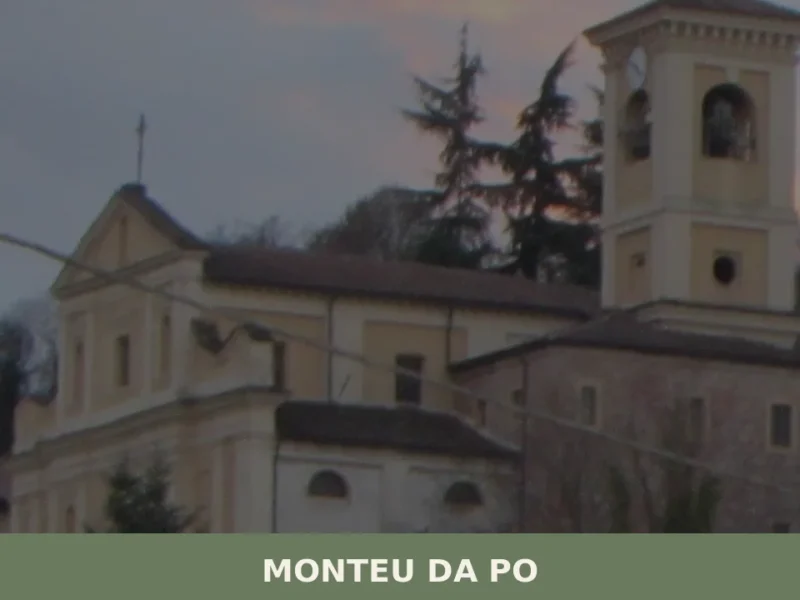
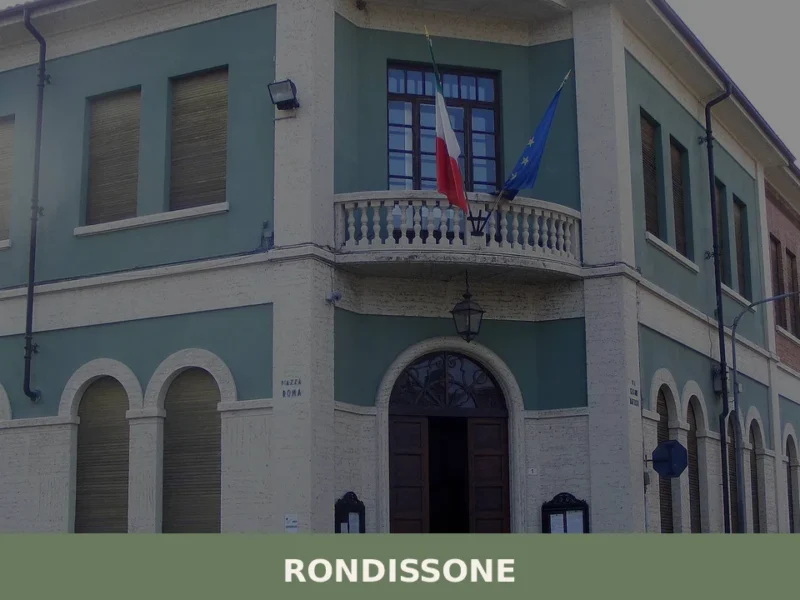
In Piedmont More villages to discover
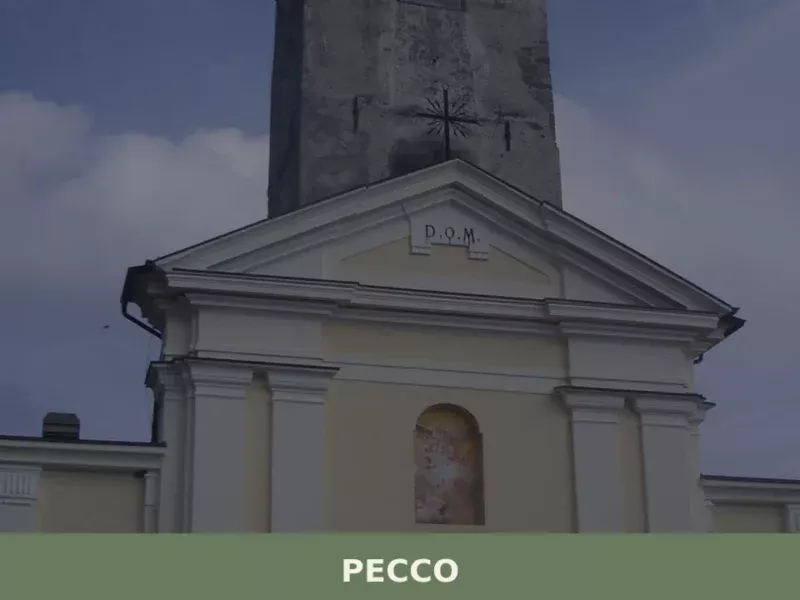
Pecco
 Mountain
On 1 January 2019, Pecco ceased to exist as an independent municipality when it merged with Alice Superiore and Lugnacco to form the new comune of Val di Chy, in the metropolitan city of Torino. Before that administrative change, Pecco — known in Piedmontese dialect as Pech — held its own civic identity, governing a […]
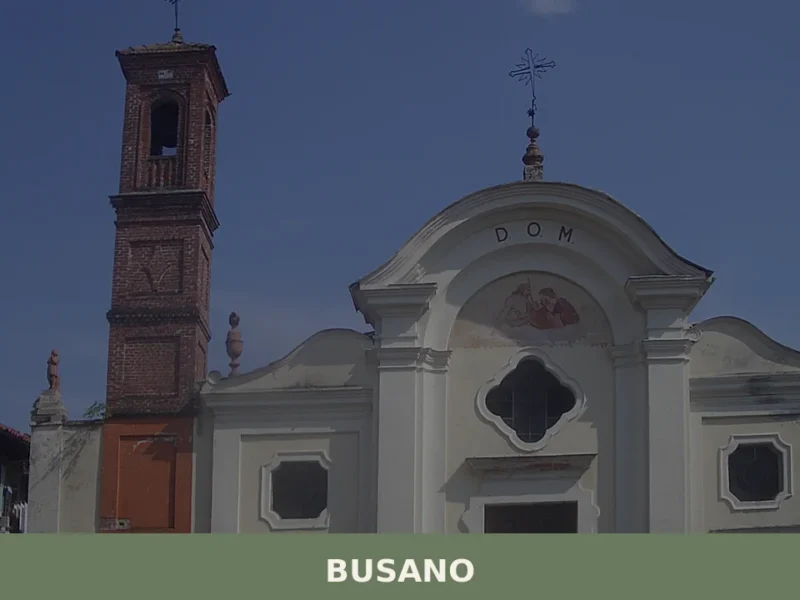
Busano
 Plains
What to see in Busano, Piemonte, Italy: 30 km from Turin, explore the Canavese landscape, local cuisine, and festivals. Discover how to get there and when to visit.
Sant’Antonino di Susa
Mountain
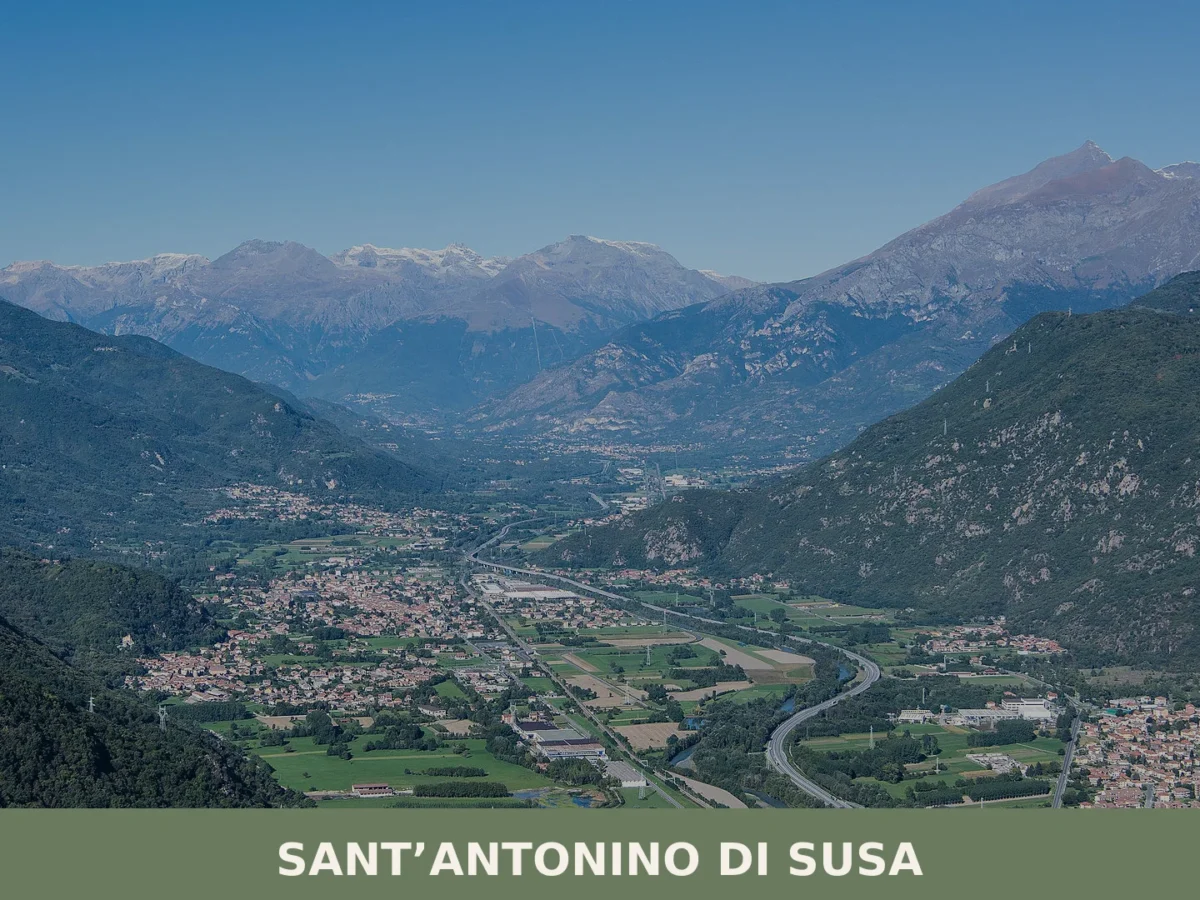
Sant'Antonino di Susa (population 4,074) occupies the right bank of the Dora Riparia at 380 metres. Medieval churches, partisan memory and the echoes of early industrial labour define this Piedmontese comune.
Parella
Hills
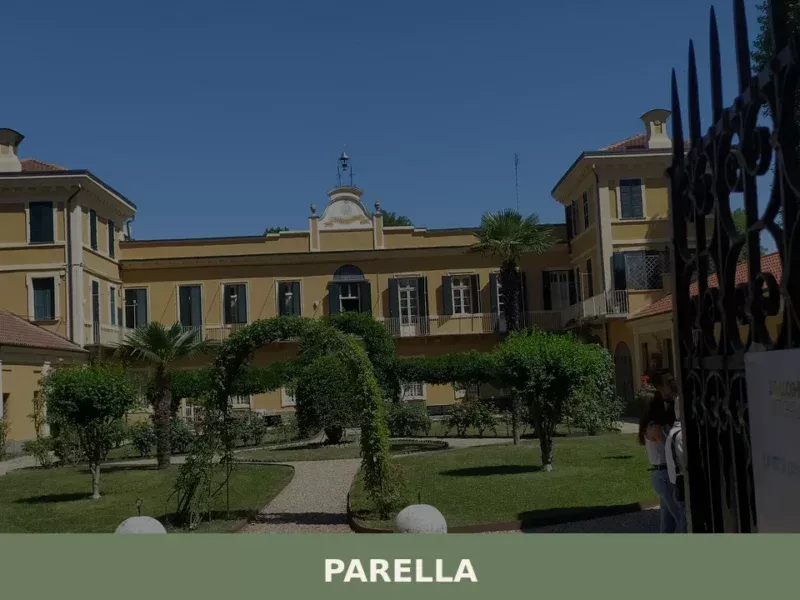
Scopri Parella borgo Piemonte: un affascinante villaggio storico tra castelli, natura e tradizioni antiche. Visita uno dei gioielli nascosti del Canavese!

Brandizzo
Plains
A plains settlement shaped by centuries of feudal rule and 20th-century industry. Discover baroque architecture, carnival traditions, and the Po river landscape.
Osasco
Plains
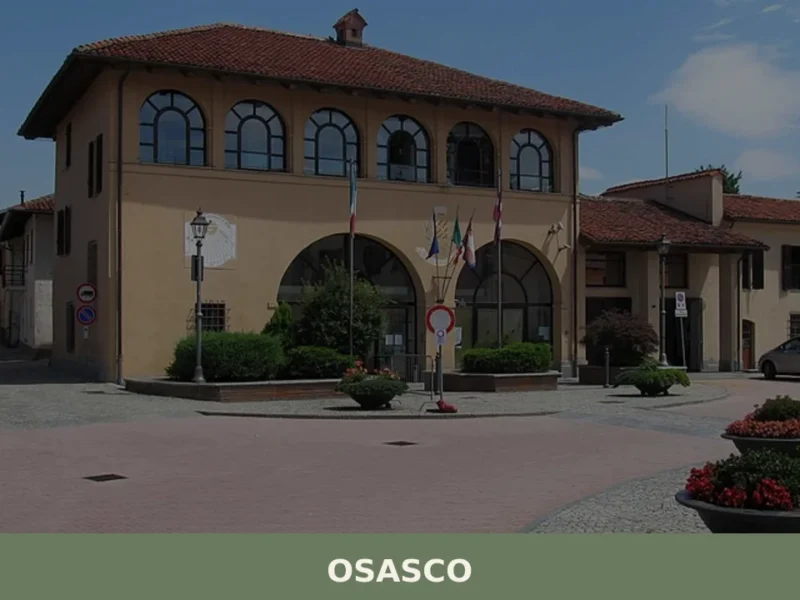
Osasco is a comune of 1,161 inhabitants in the Metropolitan City of Turin, sitting in the Piemonte region of northwestern Italy. Known in the local Piedmontese language as Osasch, the village occupies a modest position in the hills and plains south of Turin, one of dozens of small agricultural and residential communes that form the […]
Balangero
Hills
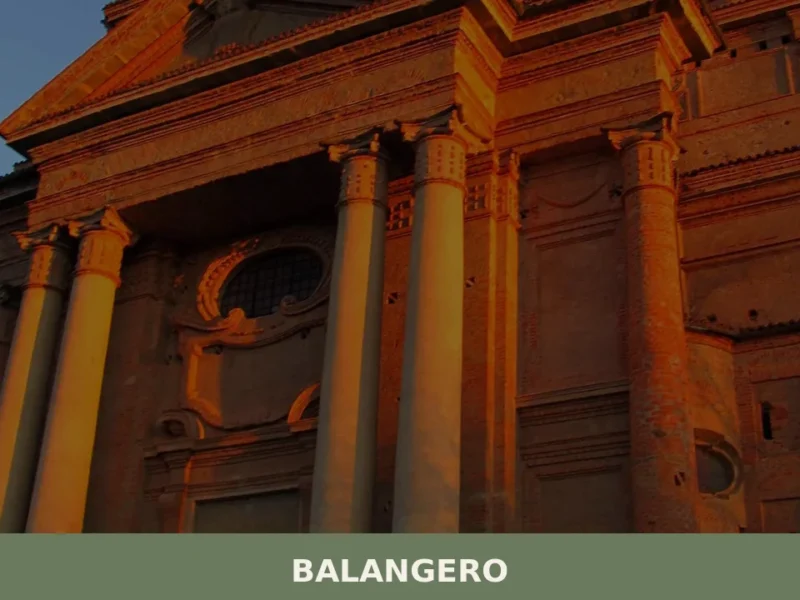
Balangero has just over 3,000 inhabitants and sits at 440 metres above sea level on a hillside in the northern part of the province of Turin. The village is known for having hosted, within its municipal territory, one of the largest asbestos mines in Europe — an extractive operation that left a deep mark on […]

Prarostino
Mountain
Population 1,230. A foothill comune where partisan memory and valley crossroads define the landscape and village rhythm.
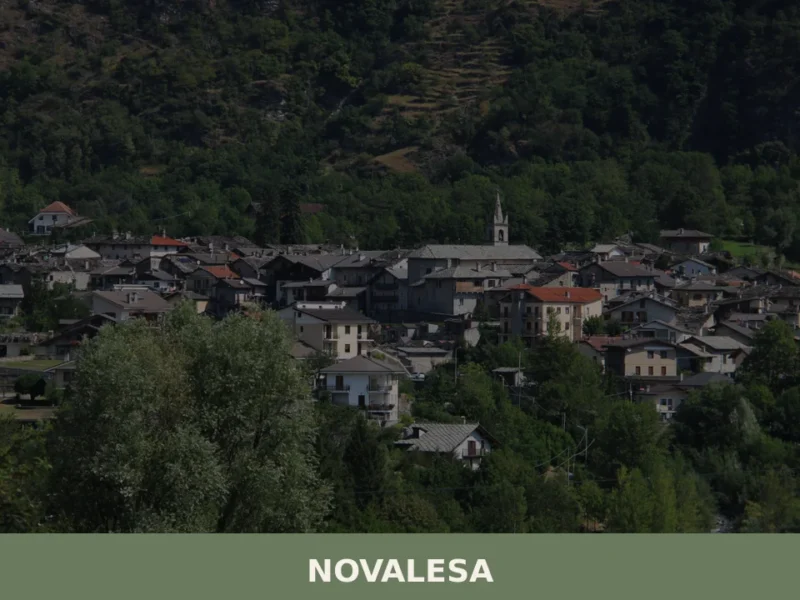
Novalesa
Mountain
Scopri Novalesa, affascinante borgo medievale del Piemonte: storia, abbazia e paesaggi mozzafiato in Valle di Susa. Visita questo gioiello nascosto!
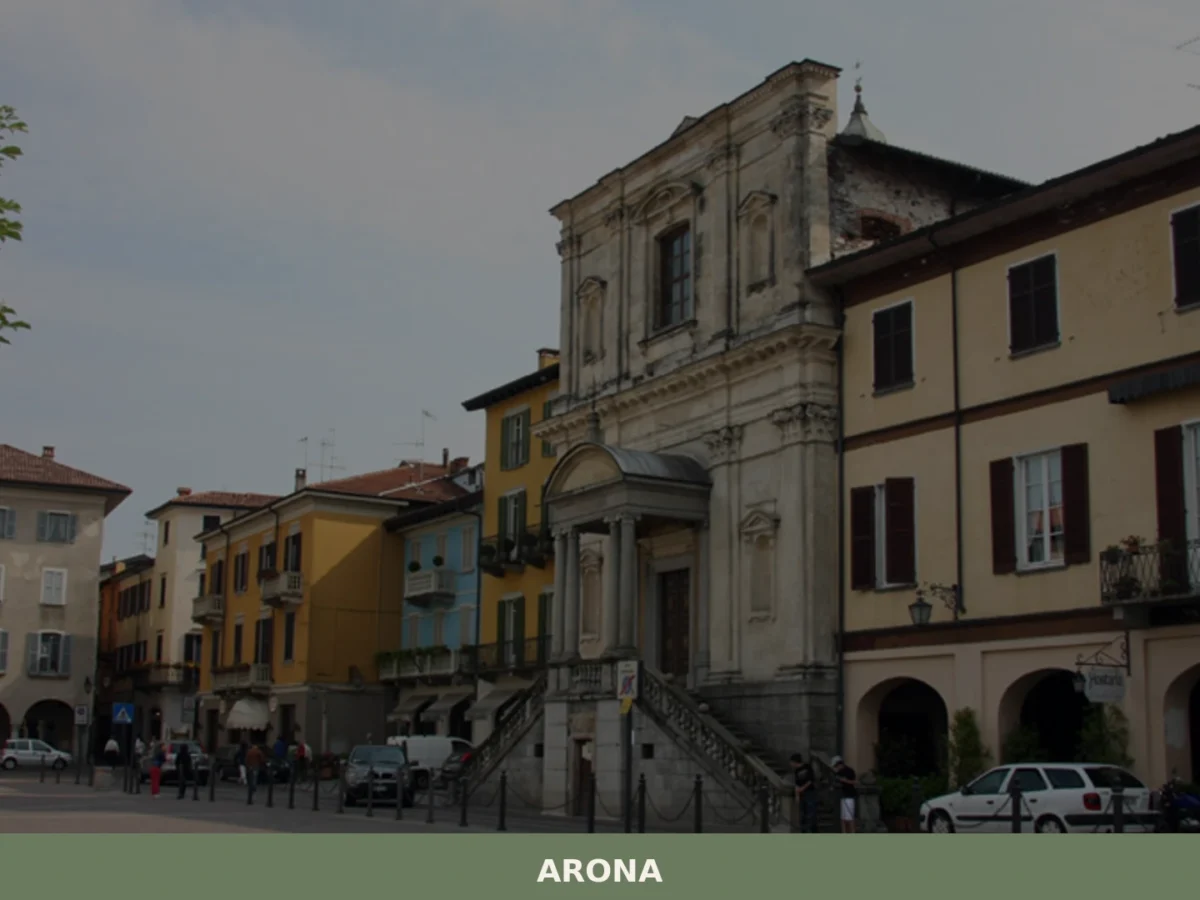
Arona
 Lake
Plains
Lake
Plains
what to see in arona, Italy: Discover Arona, a town of 13,694 inhabitants in Piemonte, home to a notable railway station. Explore this region's travel tips.





🏡 Know Moriondo Torinese better than we do?
If you’re a local or have been there, your knowledge matters: add what’s missing or fix a detail on this page.