


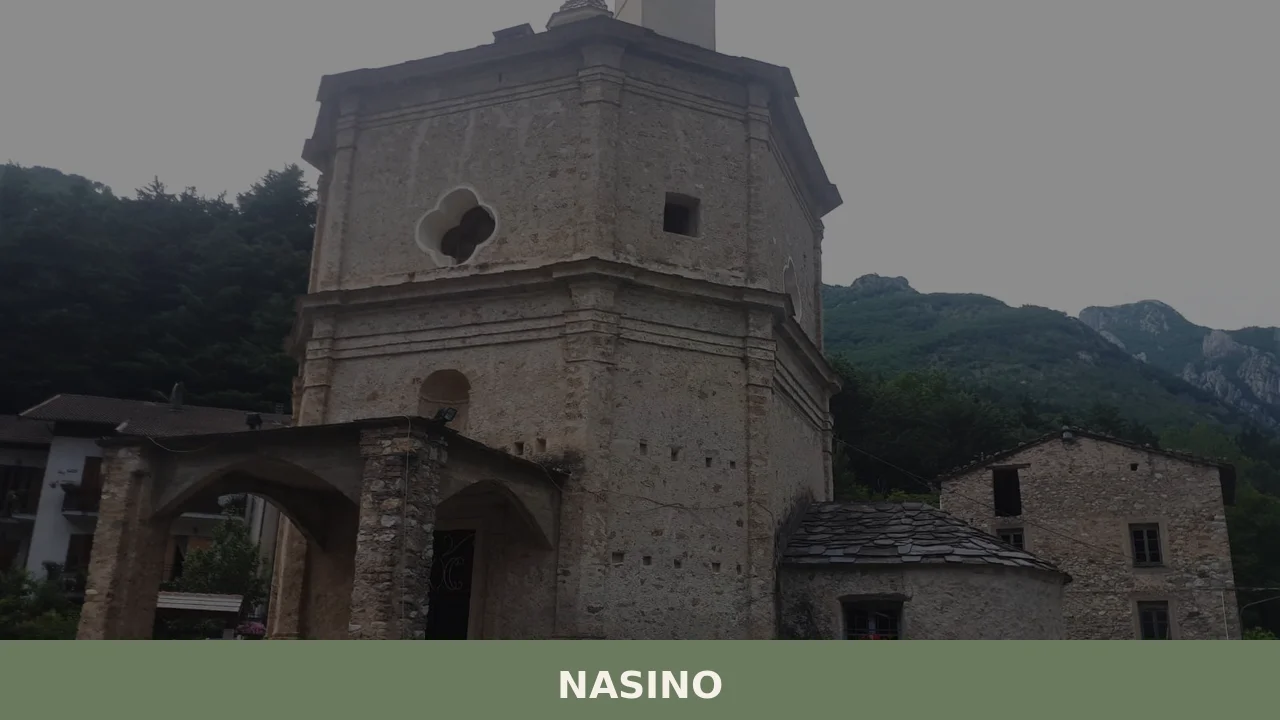
Nasino
 Mountain
What to see in Nasino, Italy: a village of 212 inhabitants southwest of Savona. Explore its Ligurian character and scenic surroundings. Discover its unique charm.
Discover Nasino
At 212 inhabitants, Nasino stands as a compact municipality in the Ligurian hinterland, a testament to the enduring presence of small communities in Italy’s mountainous regions. This village, formally a comune in the province of Savona, is situated approximately 80 kilometres (50 mi) southwest of Genoa, offering a distinct contrast to the bustling coastal cities.
Its geographical position provides a quiet vantage point amidst the hills and valleys characteristic of this part of Liguria.
For those wondering what to see in Nasino, this small Ligurian comune offers a distinct experience focused on its traditional layout and the surrounding natural environment. Visitors to Nasino find a community rooted in its territory, located about 40 kilometres (25 mi) southwest of Savona. The highlights include exploring the village’s quiet core and appreciating the expansive views of the Ligurian landscape, which define this area of Italy.
History of Nasino
The existence of Nasino as a recognized comune in the province of Savona places it within the historical fabric of Liguria, a region shaped by its rugged terrain and strategic coastal access. While specific founding dates or etymological origins for Nasino are not detailed in available records, its designation as a municipality suggests a long-standing settlement pattern. Such communities in the Ligurian interior often developed around agricultural practices or as points along ancient trade routes connecting the coast with Piedmont.
Nasino’s geographical context, positioned 80 kilometres (50 mi) southwest of Genoa and 40 kilometres (25 mi) southwest of Savona, indicates a historical relationship with these prominent Ligurian centers.
Historically, smaller villages like Nasino would have fallen under the administrative or economic influence of larger urban hubs, yet often maintained their distinct local traditions and governance. The surrounding network of bordering municipalities, including Alto, Aquila di Arroscia, and Erli, further illustrates a landscape of interconnected, historically autonomous communities.
The evolution of Nasino to its current status, with a population of 212 inhabitants, reflects broader demographic shifts observed across rural Italy over centuries. Despite its small size, the village continues to function as a self-governing entity within the regional framework of Liguria. Exploring its past involves understanding the resilience of these communities and their adaptation to changing social and economic conditions, often sharing common historical threads with nearby villages such as Calizzano, which also retains a deep connection to its Ligurian heritage.
What to see in Nasino, Liguria: top attractions
The Historic Core of Nasino
The village of Nasino, with its 212 inhabitants, presents a compact and authentic example of a Ligurian inland settlement.
Visitors can explore the narrow lanes and traditional stone architecture that define its residential areas, characterized by buildings that have stood for generations. This core offers a tangible sense of the village’s long history and its quiet daily rhythm, providing a direct experience of life in a small Italian comune.
The Ligurian Apennine Landscape
Nasino is situated within the broader Ligurian Apennine mountain range, offering expansive views of the surrounding natural environment. The village’s location, approximately 80 kilometres (50 mi) southwest of Genoa, places it amidst rolling hills and valleys covered in Mediterranean vegetation. From various points around Nasino, observers can appreciate the rugged topography and the characteristic greenery of the Ligurian interior, a landscape shaped by both geology and centuries of human interaction.
Vistas Towards the Savona Hinterland
Given its position within the province of Savona, approximately 40 kilometres (25 mi) southwest of the provincial capital, Nasino provides vantage points offering views across the Savona hinterland.
These panoramas typically include undulating hills, agricultural terraces, and glimpses of other small settlements dotting the landscape. The clear air allows for distant observation of the region’s diverse terrain, highlighting the transition from the coastal plain to the more mountainous interior.
Paths to Bordering Municipalities
The fact that Nasino borders multiple other municipalities, including Alto, Aquila di Arroscia, Castelbianco, Erli, Garessio, Onzo, Ormea, and Ranzo, indicates a network of potential pathways and trails. These ancient routes, historically used for travel and trade between communities, offer opportunities for leisurely walks through the Ligurian countryside.
Exploring these paths allows visitors to connect with the wider regional context and experience the quiet beauty between villages like Nasino and its neighbors.
A Glimpse of Rural Ligurian Life
For those seeking what to see in Nasino beyond specific landmarks, the village itself offers a profound insight into rural Ligurian life. With a modest population of 212 residents, the pace of life here is noticeably slower than in larger urban centers. Observing the daily routines, the local interactions, and the preservation of traditional village structures provides a unique cultural experience, rooted in the enduring character of this small Italian community.
Local food and typical products of Nasino
The gastronomic traditions of Nasino, while not specifically detailed in available sources, would inherently reflect the broader culinary landscape of inland Liguria, a region renowned for its distinct flavors. Ligurian cuisine is characterized by its reliance on fresh, local ingredients, bridging influences from both the sea and the mountainous interior.
Olive oil, a cornerstone of Mediterranean diet, is particularly prominent, alongside aromatic herbs, seasonal vegetables, and simple, hearty preparations that form the foundation of this regional cooking.
Typical Ligurian dishes that might be found in or around Nasino include various forms of pasta, often dressed with fresh pesto – a vibrant green sauce made from basil, pine nuts, garlic, Parmigiano Reggiano, Pecorino Sardo, and quality olive oil. Other regional specialties include savory vegetable tarts, such as Torta Pasqualina, traditionally filled with spinach, ricotta, and eggs. The ubiquitous Focaccia, a versatile flatbread, can be enjoyed plain, topped with local olives, or infused with rosemary, representing a staple of Ligurian baking.
Regarding certified products, the provided sources do not specify any unique designations for Nasino itself. However, the broader Ligurian region is celebrated for several protected designations that emphasize its agricultural heritage. For instance, the Imperia area is particularly known for its Taggiasca olives and the extra virgin olive oil produced from them, a product of significant regional importance.
While specific to certain areas within Liguria, these regional specialties underscore the high quality of agricultural produce from the region where Nasino is located.
Festivals, events and traditions of Nasino
Specific details concerning festivals, events, and traditions unique to Nasino are not comprehensively documented in the available sources. However, as with many small Italian villages, it is customary for communities like Nasino to observe certain annual events that mark the liturgical calendar or celebrate local harvests. These often include a patron saint’s day, typically involving religious processions and community gatherings, reflecting centuries of local custom.
While precise dates and specific manifestations of such events for Nasino are not provided, these traditions are fundamental to the social fabric of small Ligurian municipalities. They serve as occasions for residents to gather, share meals, and reinforce community bonds, often including local music or traditional activities. Visitors seeking what to see in Nasino during these periods would experience a deeper connection to the village’s cultural rhythms, even in the absence of documented major public festivals.
When to Visit Nasino, Italy and Practical Advice for What to See in Nasino
The best time to visit Liguria, and consequently Nasino, typically extends from late spring (April-May) through early autumn (September-October).
During these months, the weather is mild and pleasant, making it ideal for exploring the village and its surrounding natural environment without the intense heat of mid-summer or the cooler, wetter conditions of winter. These periods also generally see fewer crowds than the peak summer season, allowing for a more serene experience of what to see in Nasino.
Accessing Nasino requires navigating the roads of the Ligurian interior. If you arrive by car, Nasino is located approximately 80 kilometres (50 mi) southwest of Genoa and 40 kilometres (25 mi) southwest of Savona. Travelers would typically use the A10 motorway along the coast before transitioning to regional roads leading inland. The nearest major train station is in Savona, which is well-connected to the national rail network via Trenitalia.
From Savona, a bus or taxi would be required to complete the journey to Nasino. For international visitors, the nearest airport is Genoa Cristoforo Colombo Airport (GOA), also about 80 kilometres (50 mi) away, offering connections to various European cities. A practical tip for international visitors is to carry some Euros cash, as smaller shops and services in a village of 212 inhabitants may have limited card facilities, and English may not be widely spoken.
Nasino makes for a tranquil day trip from larger Ligurian cities like Savona or Genoa, offering a contrast to the bustling coastal life. The drive from Savona typically takes around an hour, while from Genoa, the journey might extend to 1.5 to 2 hours, depending on traffic and specific routes.
For those who prefer a quieter exploration of Italy’s lesser-known corners, Nasino provides an opportunity to experience the authentic pace of a small Ligurian village, away from major tourist circuits.
Where to stay near Nasino
Specific accommodation options directly within Nasino are not detailed in the available sources, reflecting its small size and residential character. However, visitors planning a stay in the Ligurian hinterland near Nasino can find various lodging choices in the surrounding municipalities within the province of Savona, including agriturismi and small bed & breakfasts. These provide authentic immersion into the regional lifestyle.
For overnight stays, exploring towns such as Castelbianco, Erli, or offers convenient bases. These locations provide a range of hospitality, allowing travelers to experience the region’s character while remaining within easy driving distance of Nasino.
Frequently asked questions about Nasino
What is the best time to visit Nasino?
The best time to visit Nasino is late spring (April–May) and early autumn (September–October), when temperatures are mild and the Ligurian Apennine landscape is at its most scenic. Summer offers warm days but can be crowded along the coast, making the quiet inland village a pleasant retreat. A highlight of the calendar is the feast of San Giovanni Battista, the village patron, celebrated on 24 June — an authentic occasion to witness local tradition, community gatherings, and Ligurian rural culture at its most genuine.
What to see in Nasino? Main monuments and landmarks
Nasino's principal draw is its compact historic core, where narrow stone-paved lanes and traditional Ligurian vernacular architecture tell the story of centuries of mountain village life. The village layout, typical of the Ligurian interior, rewards slow exploration on foot. The parish church dedicated to San Giovanni Battista is the spiritual heart of the community. Beyond the village itself, the panoramic views over the Savona hinterland and the surrounding Ligurian Apennine hills constitute a genuine scenic attraction accessible from multiple points around the village.
What are the main natural or scenic attractions of Nasino?
Nasino sits at 335 metres within the Ligurian Apennines, surrounded by rolling hills and valleys typical of the inland Savona province. The village borders eight municipalities — including Alto, Aquila di Arroscia, Castelbianco, Erli, Garessio, Onzo, Ormea and Ranzo — linked by a network of rural paths and mule tracks historically used for trade between villages. These routes offer walking opportunities through Mediterranean woodland and terraced hillsides, with open views across the Ligurian interior characteristic of this lesser-known mountain area.
What can you do in Nasino? Activities and experiences
Nasino is best suited to slow, immersive experiences. Walking the ancient paths connecting it to neighbouring villages such as Castelbianco, Erli and Onzo is the primary activity, offering a direct encounter with the Ligurian Apennine countryside. The feast of San Giovanni Battista on 24 June provides a rare glimpse into living village tradition. The surrounding area also invites exploration of the broader Alta Valle Arroscia, known for rural landscapes and local food and wine culture rooted in Ligurian mountain tradition.
Who is Nasino suitable for? Families, couples, hikers, solo travelers?
Nasino is ideal for travellers seeking authentic, off-the-beaten-track Italy. Hikers and nature lovers will appreciate the Apennine landscape and the network of inter-village paths. Couples and slow-travel enthusiasts will find the quiet historic core and panoramic vistas genuinely restorative. It suits those curious about rural Ligurian culture, particularly around the 24 June patronal feast. Families with young children may find limited structured facilities, given the village's population of just 171 residents, but the peaceful environment and natural setting remain a genuine asset.
What to eat in Nasino? Local products and specialties
Nasino's food culture reflects the broader tradition of inland Liguria: olive oil, aromatic herbs, seasonal vegetables, and hearty mountain preparations. Regional staples likely available in the surrounding area include trofie al pesto, focaccia, and savoury vegetable tarts such as torta pasqualina. The Ligurian Apennine hinterland around Savona is also associated with quality extra virgin olive oil from Taggiasca olives, a product of significant regional importance. As a village of 171 residents, dining options are limited; visiting nearby Castelbianco or Calizzano broadens food and wine possibilities.
Nearby Villages near Nasino
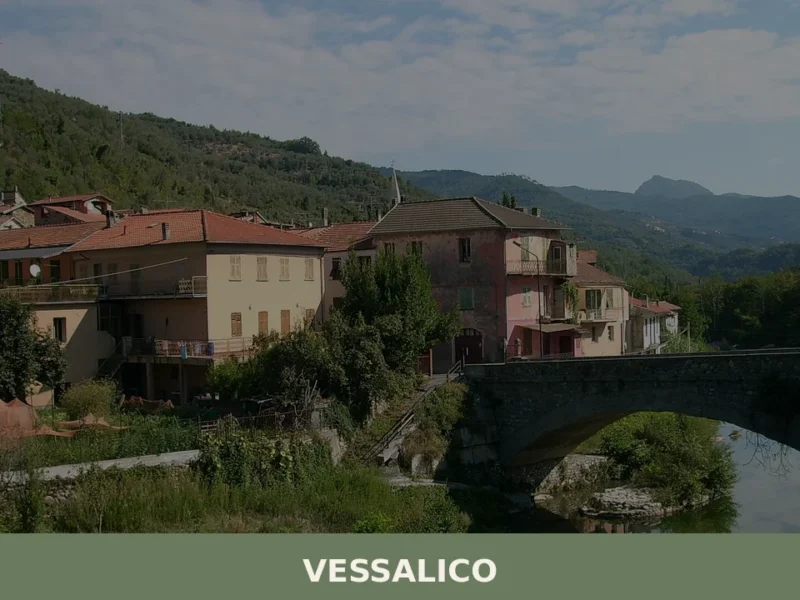
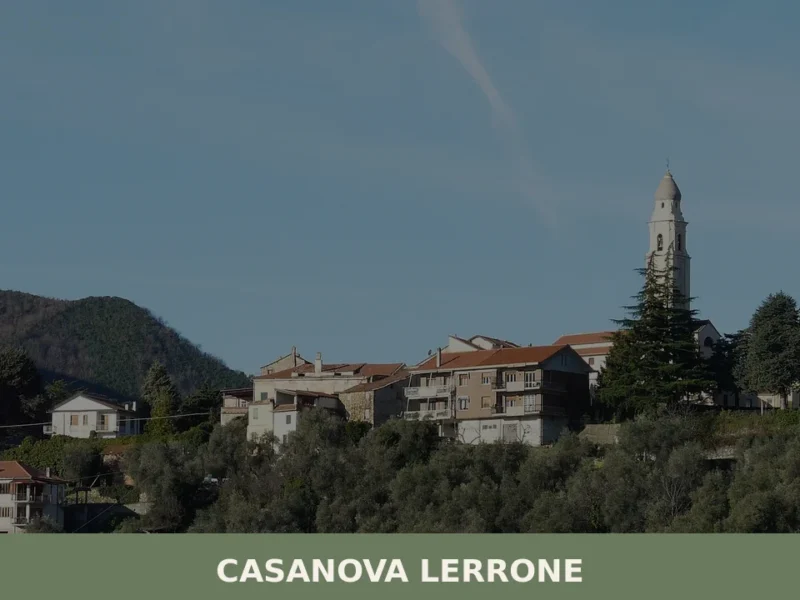
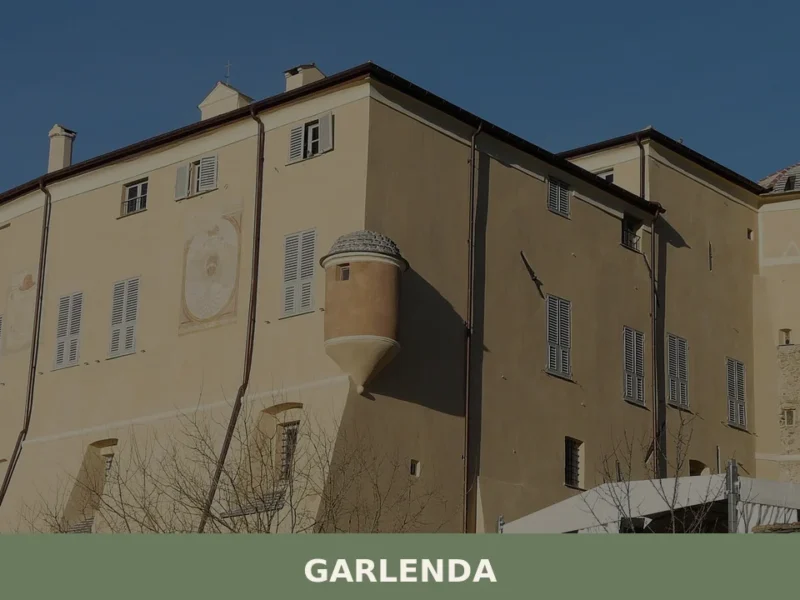
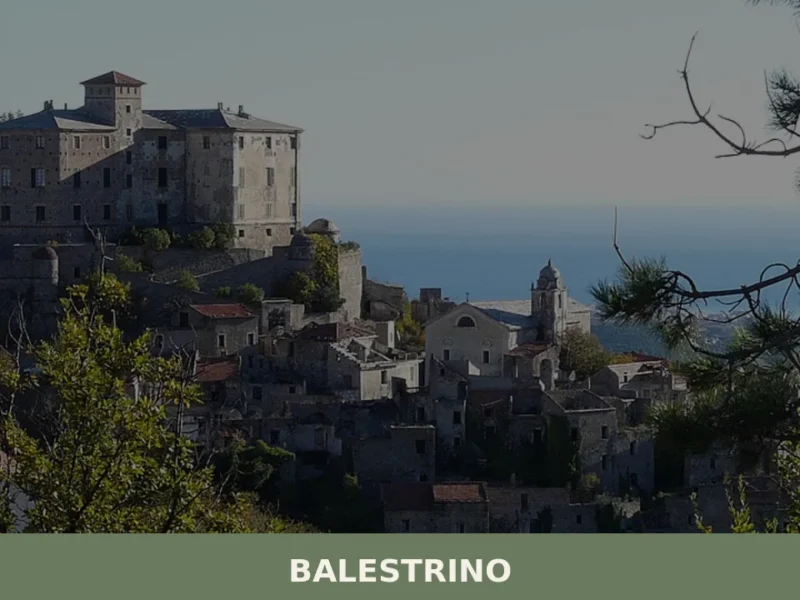
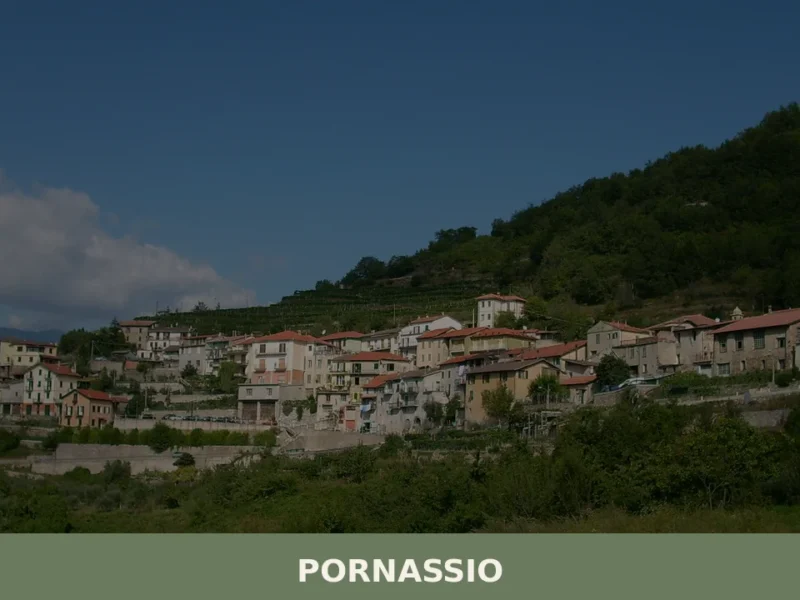
In Liguria More villages to discover
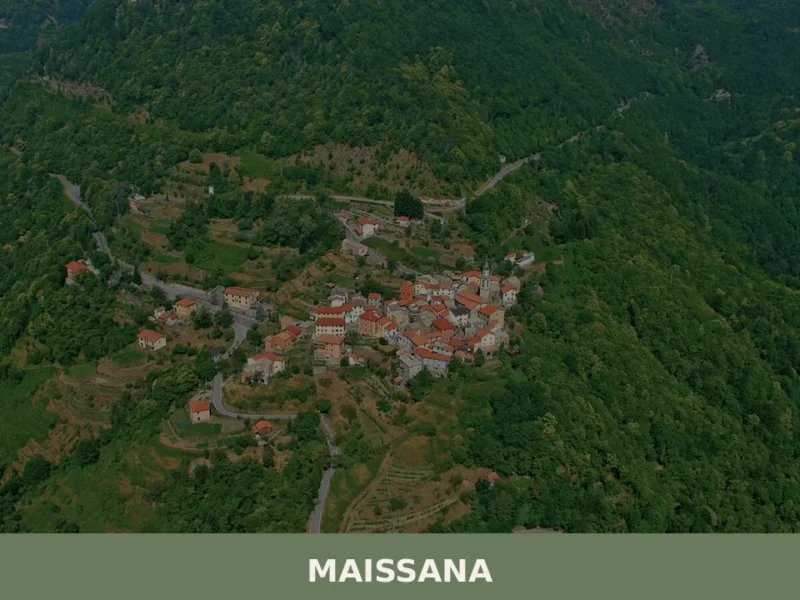
Maissana
Mountain
What to see in Maissana, Italy: 644 inhabitants, 50 km from Genoa. Discover top attractions, local food, festivals and how to get there. Explore now.
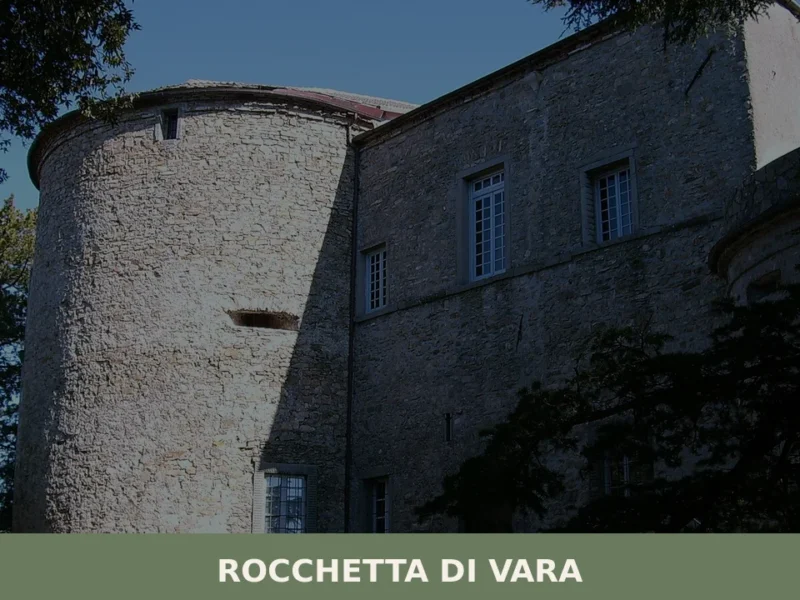
Rocchetta di Vara
Mountain
What to see in Rocchetta di Vara, Italy: 752 inhabitants, 70 km from Genoa. Discover top attractions, local food and how to get there. Complete guide.
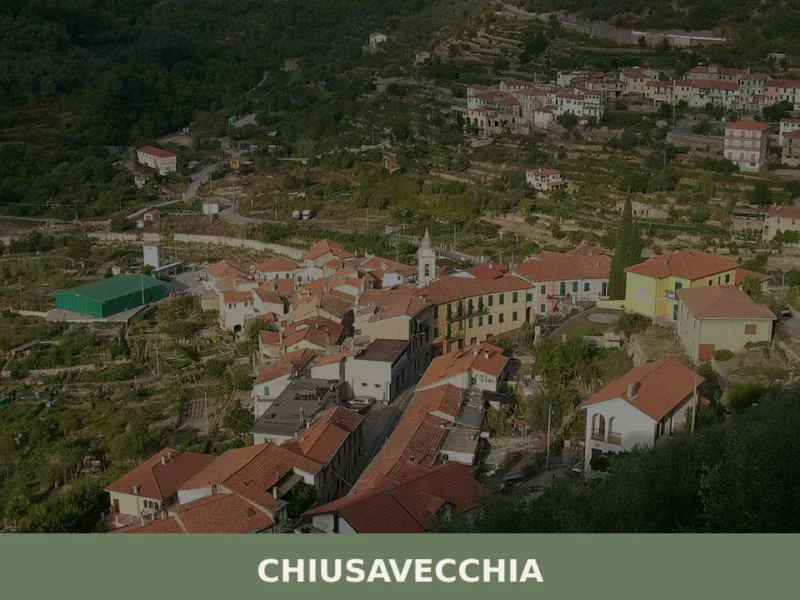
Chiusavecchia, Liguria: An Ancient Italian Village Guide
 Plains
What to see in Chiusavecchia, Italy: Explore this Ligurian village at 140m altitude. Discover its historic core and the feast of San Biagio.
Borghetto d’Arroscia
Plains
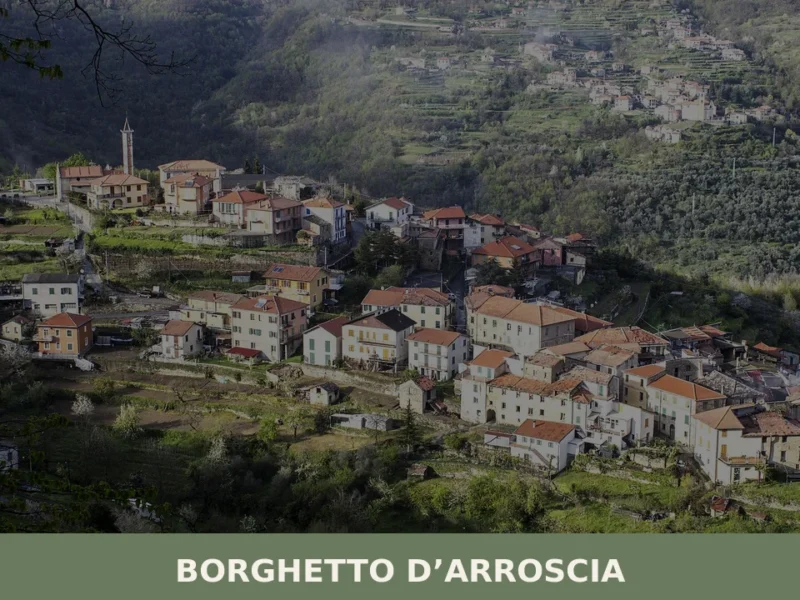
Along the banks of the Arroscia river, amidst centuries-old olive groves and cultivated terraces, lies the territory of Borghetto d’Arroscia, a scattered municipality in the province of Imperia. Its hamlets, such as Gavenola and Bastia, preserve the appearance of small Ligurian settlements, characterized by stone buildings and narrow streets that follow the contours of the […]
Arnasco
 Hills
Hills
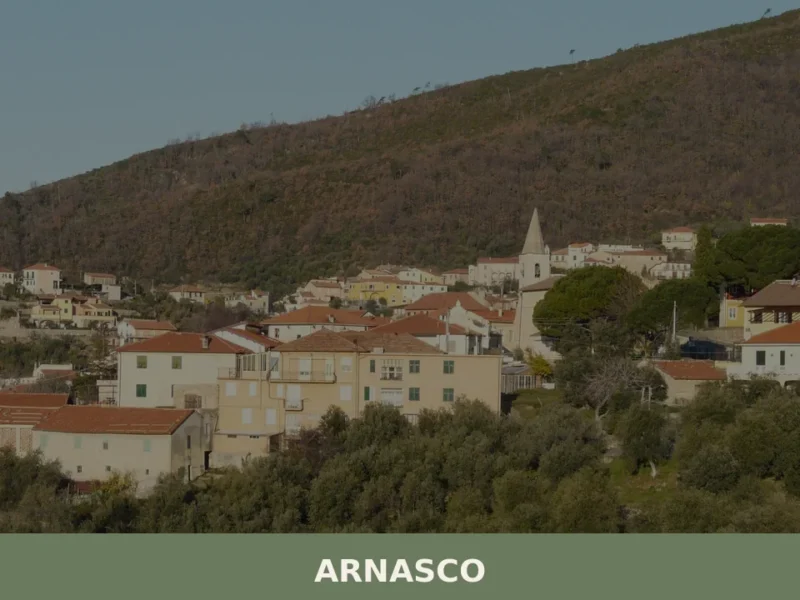
What to see in Arnasco, Liguria, Italy: discover this 552-inhabitant village 80 km from Genoa. Explore its historic centre, local festivals and Ligurian cuisine.
Portofino
 Sea
Sea
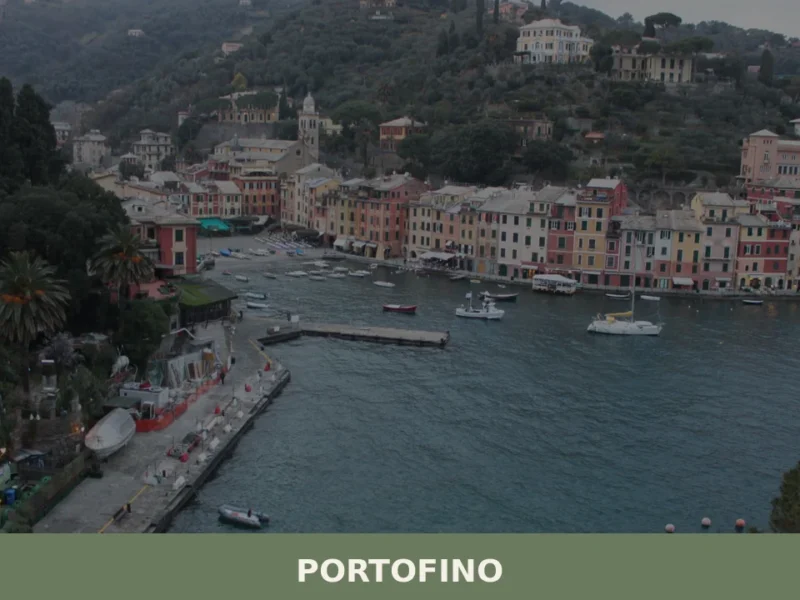
Portofino has a population of 355 residents spread across a headland that descends to sea level. It is one of the smallest municipalities in Italy by population, yet its natural harbour appears in almost every historical guide to the Ligurian Riviera. Anyone looking into what to see in Portofino will find a compact collection of […]
La Spezia
Sea
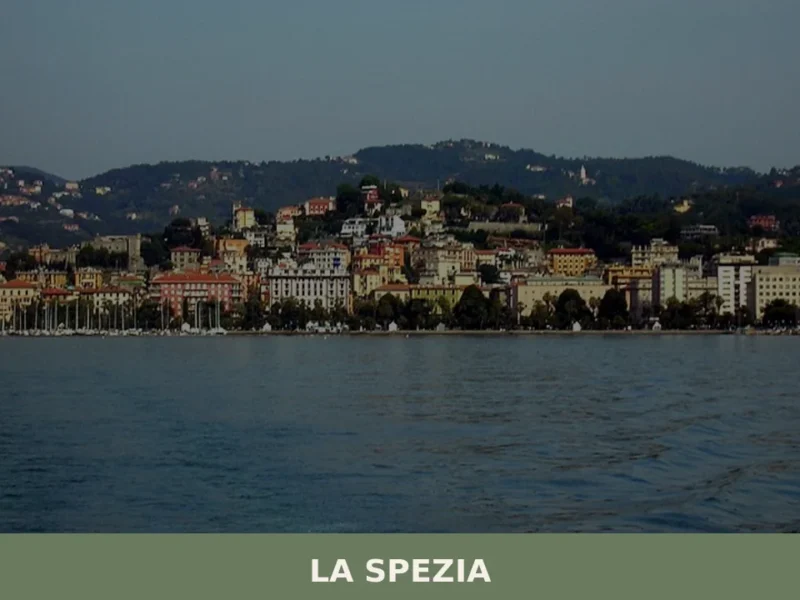
What to see in La Spezia, Italy: explore the Castle of San Giorgio, 10 museums, the Palio del Golfo and Cinque Terre links. Discover La Spezia's top highlights.
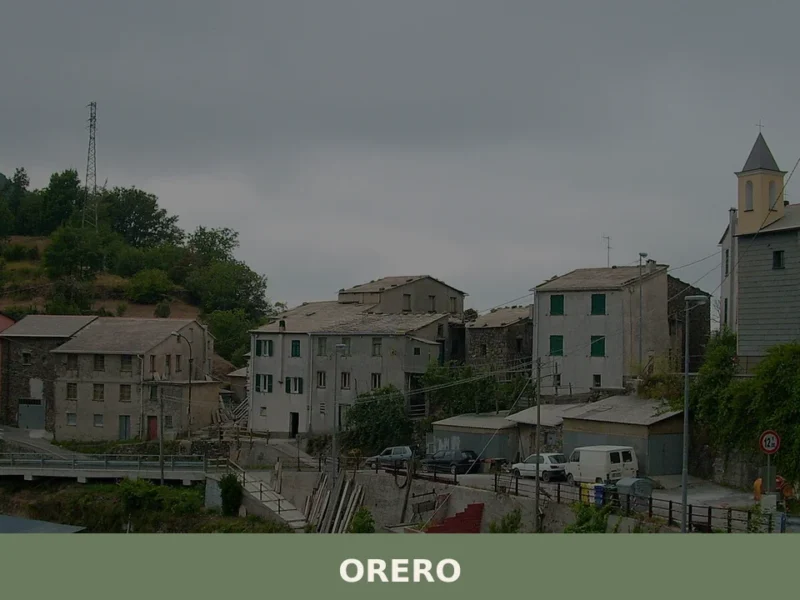
Orero
Mountain
What to see in Orero, Italy: Explore a Ligurian village at 400 m (1,312 ft) altitude. Discover the 17th-century Sant'Ambrogio Church and the autumn Chestnut Festival. Read our guide.
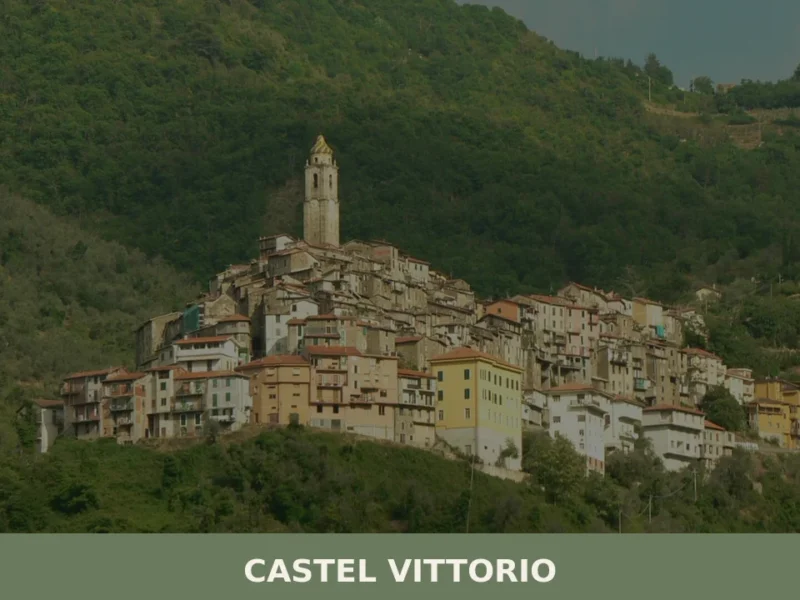
Castel Vittorio: Liguria’s Enduring Stone Village
Hills
What to see in Castel Vittorio, Liguria, Italy: at 420 m altitude, 261 inhabitants, parish art by Venusti & Maragliano. Discover top attractions & travel tips.
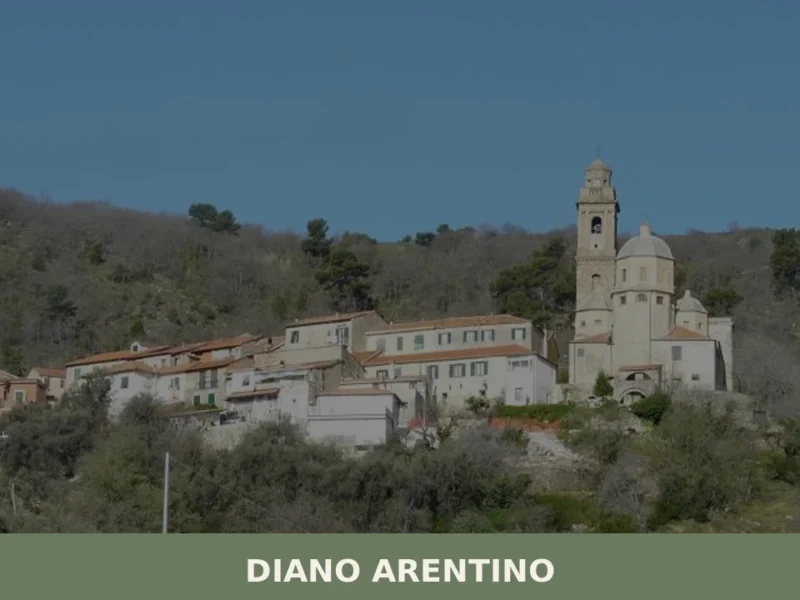
Diano Arentino
Hills
Diano Arentino sits at 331 metres above sea level in the province of Imperia, one of several small settlements that make up the historical Comunitas Diani — a confederation of villages documented in medieval records across the olive-rich hills behind the Gulf of Diano. With a population of roughly 700, the village maintains an economy […]






🏡 Know Nasino better than we do?
If you’re a local or have been there, your knowledge matters: add what’s missing or fix a detail on this page.