


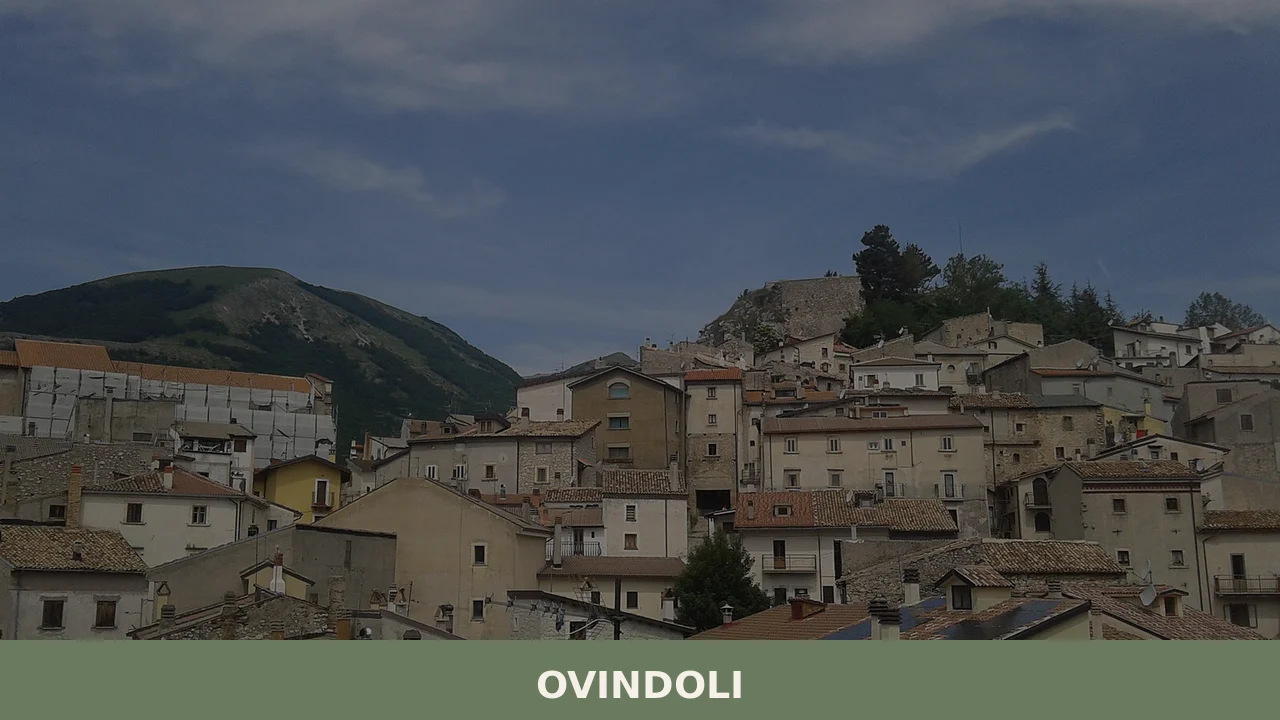
Ovindoli
 Mountain
What to see in Ovindoli, Italy: ski slopes on Monte Magnola, hiking in Sirente-Velino park, 1,203 inhabitants. Discover top attractions and how to get there.
Discover Ovindoli
At around 1,300 m (4,265 ft) above sea level, the Apennine ridgeline above the village cuts a clean edge against the sky for most of the year. Snow covers the upper slopes of Monte Magnola well into spring, while the valleys below the Sirente-Velino Regional Park hold patches of beech forest that turn copper in October.
The commune of Ovindoli, in the province of L’Aquila, counts 1,203 inhabitants — a small permanent population relative to the volume of visitors the mountain draws across all four seasons.
Knowing what to see in Ovindoli means understanding that this is primarily a place built around the outdoors, with the ski resort of Monte Magnola as its most organised infrastructure and the Sirente-Velino park as its widest canvas. Visitors to Ovindoli, Abruzzo, Italy find a working mountain resort with documented history stretching back to the early twentieth century, combined with the walking trails, equestrian routes and cross-country circuits of one of central Italy’s largest protected natural areas. The village itself, with its compact historic centre, adds a grounded counterpoint to the open landscape above it.
History of Ovindoli
Ovindoli carries a local Abruzzese name — Dvinnërë in the regional dialect — that hints at the settlement’s long pre-modern presence in the highlands of the province of L’Aquila. The village sits within a section of the central Apennines that has been continuously inhabited since at least the medieval period, positioned along corridors used for the seasonal movement of livestock between lower winter pastures and the high ground. This practice of transumanza, the twice-yearly migration of flocks along defined drove roads, shaped the economy and the physical layout of communities throughout this part of Abruzzo for centuries.
Ovindoli’s transition into a destination for recreational activity began in the years following World War I, when the slopes above the village started attracting skiers.
The sport was new to Italy at the time, and mountain resorts in the Apennines were developing alongside the more prominent ones in the Alps. It was not until 1959, however, that the mountain was formally organised as a modern ski resort. At that point the area was operating under the name Valturvema, and its infrastructure was still rudimentary. The 1961–62 winter season marked a turning point: ski lifts began operating, and the trail network was extended to accommodate greater numbers of visitors.
The American connection in Ovindoli’s resort history is a documented detail that sets it apart from comparable villages in the region. Charles Rogers, a United States citizen working at the American Embassy in Rome during the early 1960s, served as President of the Society responsible for developing the ski area. Rogers oversaw the expansion of facilities during a period when central Italy’s mountain resorts were competing for investment and recognition.
The resort underwent further change in 1994, when it passed to new management, was renamed Monte Magnola, and was modernised with additional trails, upgraded ski lifts and snowmaking equipment. Today Ovindoli is also twinned with Tarxien, in Malta — a formal link between two small communities on opposite sides of the central Mediterranean.
What to see in Ovindoli, Abruzzo: top attractions
Monte Magnola Ski Resort
The ski area of Monte Magnola operates on north-facing slopes above 1,700 m (5,577 ft), where snow conditions are typically reliable from December through March. The resort’s organised history begins in 1959, making it one of the longer-established ski facilities in the central Apennines. Since its 1994 renovation and renaming, it has operated with mechanical snowmaking to supplement natural cover. The trail network covers a range of difficulty levels, and cross-country circuits extend into the park territory. Winter visitors should note that weekends in January and February see the highest traffic; arriving mid-week gives clearer access to the lifts.
Sirente-Velino Regional Park
The encloses the entire territory of Ovindoli within its boundaries, covering a protected area that extends across the massifs of Monte Sirente and Monte Velino.
Monte Velino reaches 2,487 m (8,159 ft), making it one of the highest peaks in Abruzzo outside the Gran Sasso group. The park supports populations of golden eagle, wolf and Marsican brown bear, all documented within the broader protected zone of central Abruzzo. Summer trails departing from Ovindoli gain elevation rapidly, with some routes rising more than 800 m (2,625 ft) within 5 km (3.1 mi). The best walking season runs from late June through September, when the high-altitude meadows carry wild flowers and the risk of afternoon thunderstorms is manageable with an early start.
Ovindoli Historic Village Centre
The older fabric of Ovindoli concentrates in a compact nucleus of stone buildings whose street plan reflects the pre-ski-resort settlement. Stone construction in local limestone characterises the older structures, with covered passageways and external staircases typical of Apennine highland villages. The elevation of the village centre — sitting above 1,200 m (3,937 ft) — means the architecture was built to withstand heavy snow loads, with thick walls and relatively small window openings. Walking the main lanes takes roughly thirty minutes at an unhurried pace; the interest lies in the vernacular building details rather than individual monuments.
The village is also a practical base for day walks into the surrounding park, with trailheads accessible on foot from the central square.
Equestrian and Biking Trails of the Sirente Plateau
The plateau terrain around Ovindoli is documented as a location for both mountain biking and equestrian activities, two uses that the landscape accommodates without major logistical difficulties given the relatively open, grassy surfaces at mid-altitude. Routes cross grassland at around 1,400–1,600 m (4,593–5,249 ft), where gradients are moderate compared to the steeper flanks of Monte Magnola. The combination of altitude and open sightlines gives long views across the Fucino plain to the south, the drained lakebed that was one of the largest hydraulic engineering projects of nineteenth-century Italy. Riders and cyclists are advised to check trail conditions in May, when snowmelt can leave sections of lower paths waterlogged for several weeks.
Hiking Routes Toward the Sirente Massif
Several marked trails from Ovindoli lead northeast toward the bulk of Monte Sirente, which tops out at 2,349 m (7,707 ft). The approach routes cross beech woodland between approximately 1,300 m and 1,700 m (4,265–5,577 ft) before emerging onto open limestone karst terrain. The karst surface is visually distinctive: grey and pale-cream rock broken by small sinkholes, with sparse vegetation adapted to the thin soils.
The summit offers a documented 360-degree orientation across the Apennines, from the Gran Sasso massif in the north to the Maiella group to the southeast. The round-trip distance from Ovindoli to the Sirente summit and back is approximately 18–20 km (11.2–12.4 mi) with a total elevation gain of around 1,000 m (3,281 ft), placing it in the category of a full-day commitment rather than a casual walk.
Local food and typical products of Ovindoli
The food culture of Ovindoli is rooted in the highland economy of the L’Aquila province, where altitude and climate historically limited agriculture to hardy crops and favoured animal husbandry over grain cultivation. The villages of this part of Abruzzo developed a cuisine centred on lamb, pork, preserved meats, pulse legumes and hard wheat pasta. The influence of pastoral life is direct: cuts and preparations that reflect the need to use every part of the animal, slow-cooked dishes that could be left over a fire while shepherds worked, and preserved products that carried well through winter months at altitude.
Among the dishes most closely associated with this zone, arrosticini hold a specific place — thin skewers of castrated sheep meat, cut in small cubes and grilled over elongated charcoal channels called furnacelle.
The cut is lean, the cooking fast, and the result depends entirely on the quality of the meat rather than on saucing or seasoning beyond salt. Pasta alla pecorara, a dish of egg pasta with sheep’s cheese, guanciale and black pepper, reflects the same economy of ingredients. Polenta con le spuntature, coarse cornmeal cooked with spare rib cuts braised in tomato, appears in this area as a cold-season staple. Mountain mushrooms — primarily porcini — enter the kitchen from September onward, served on grilled bread or folded into egg pasta.
The high pastures of the Sirente-Velino area produce milk with a flavour profile that reflects the mixed diet of grazing animals at altitude. Local pecorino — hard sheep’s milk cheese aged on wooden shelving in cool cellars — is present in markets and restaurants throughout the L’Aquila province. While no certified designation (DOP or IGP) specific to Ovindoli appears in the available product registries, the broader Abruzzo region holds several recognised certifications for lamb (Agnello del Centro Italia IGP) and for saffron from the nearby Navelli plateau.
Visitors looking for locally produced cheese and cured meats are best served by stopping at farms that sell direct in the villages near Ovindoli rather than relying on resort-area commercial outlets.
The market activity in the L’Aquila province tends to concentrate in autumn, when the hunting and harvest seasons run simultaneously and producers bring preserved and fresh products to village squares. For those travelling through the area in October or November, roadside stalls and small cooperative shops are likely to stock seasonal products including dried legumes, truffle-based preserves and local honey. Carrying cash is practical for these purchases, as card readers are not universal at smaller outlets.
Festivals, events and traditions of Ovindoli
The documented twinning between Ovindoli and Tarxien, Malta points to a formal institutional relationship between the two communities, expressed through periodic cultural exchanges. Within Abruzzo’s wider calendar, the highland villages of the L’Aquila province mark the feasts of their patron saints with processions through the village streets, outdoor masses and communal meals. The specific patron saint and feast date of Ovindoli are not detailed in the available sources, but the pattern of celebration in comparable Apennine villages typically places such events in summer, when the resident and visiting population is at its highest and outdoor gatherings are practical.
Winter in Ovindoli carries its own distinct rhythm, shaped by the ski season rather than by agricultural or religious cycles.
The opening of the Monte Magnola resort each December brings a concentrated period of activity into the village, with visitors arriving from Rome and other central Italian cities. The transition between the ski season and the summer hiking season — roughly April and May — represents the quietest period for the village. Local sagre, traditional food festivals tied to specific seasonal products, are documented across the L’Aquila province in summer and autumn, though the specific calendar for Ovindoli itself is not recorded in the available sources.
When to visit Ovindoli, Italy and how to get there
Ovindoli functions as a two-season resort, and the best time to visit depends entirely on what a visitor intends to do. For skiing and snowshoeing, the window runs from mid-December to late March, with January and February offering the most consistent snow coverage on the Monte Magnola slopes. For hiking, mountain biking and equestrian activities, late June through September is the most practical period: daylight is long, the high trails are snow-free, and temperatures at altitude stay below 25°C (77°F) even in the hottest weeks of the Italian summer.
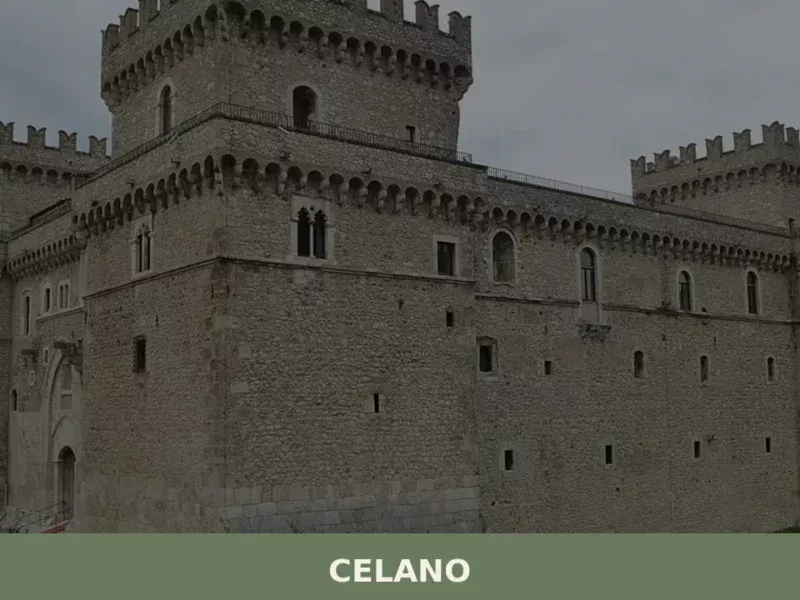
Those travelling from northern Europe or North America may find that combining Ovindoli with a visit to Rome — approximately 115 km (71.5 mi) to the west — makes for a logical itinerary, as the capital is within reach in roughly 1.5–2 hours by car via the A24 motorway. The A24 exit at Celano is the most direct road approach to Ovindoli, located about 12 km (7.5 mi) from the village centre.
For visitors arriving by public transport, the nearest railway station with regular connections is Avezzano, served by Trenitalia on the Rome–Pescara line. From Avezzano, Ovindoli is approximately 22 km (13.7 mi) by road. Onward connections by local bus exist but are infrequent; renting a car at Rome’s airports — Leonardo da Vinci (Fiumicino) is the closest major international hub, roughly 130 km (80.8 mi) away — gives considerably more flexibility for accessing trailheads and the ski resort.
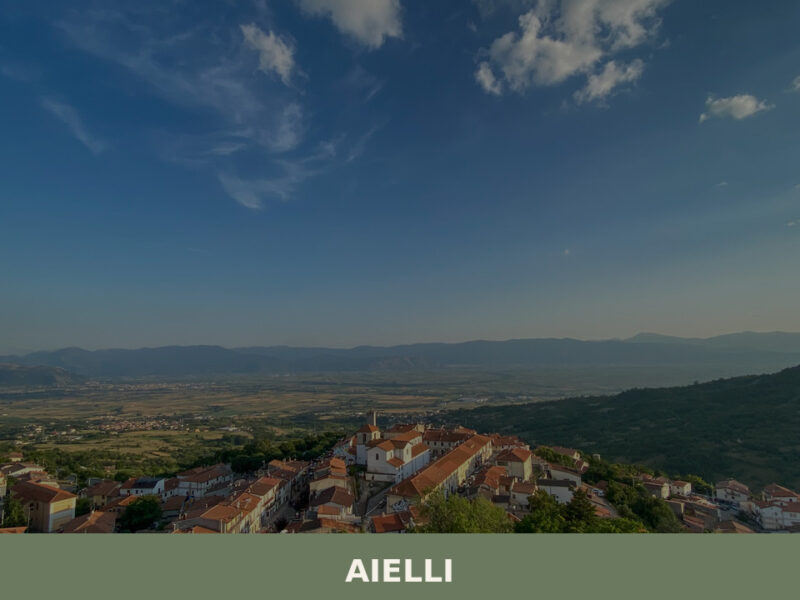
International visitors should note that English is not widely spoken in the smaller shops and accommodation providers in this part of Abruzzo; carrying Euros in cash and having a basic phrase reference will make daily logistics easier. The village of Aielli, located approximately 10 km (6.2 mi) from Ovindoli in the same provincial area, is a practical stop along the route from Avezzano and offers its own interest as a compact highland settlement.
Those exploring the wider plateau region by car may consider extending their route toward Caporciano, a small village in the L’Aquila province that lies within the same Apennine landscape and shares the pastoral character of this part of central Italy.
The area around Castelvecchio Calvisio, further northeast in the Gran Sasso foothills, is reachable within an hour from Ovindoli and forms part of a broader circuit for visitors interested in the upland villages of the L’Aquila province. Road conditions in winter on these secondary routes require attention; snow chains or winter tyres are advisable from November through March.
Where to stay near Ovindoli
Ovindoli’s status as an established ski and summer resort means accommodation exists across several categories within and immediately around the village. The resort infrastructure developed since the 1960s includes hotel facilities oriented toward winter sports groups, while smaller agriturismi — farm-stay properties combining accommodation with locally produced food — operate in the surrounding countryside at lower altitudes.
Holiday apartment rentals are available within the village and are particularly suited to longer stays during either ski season or summer walking weeks. Visitors are advised to book ahead for the peak winter months of January and February, and again for the August holiday period, when both domestic and international demand for mountain accommodation in Abruzzo is at its highest.
📷 Photo Gallery — Ovindoli
Nearby Villages near Ovindoli
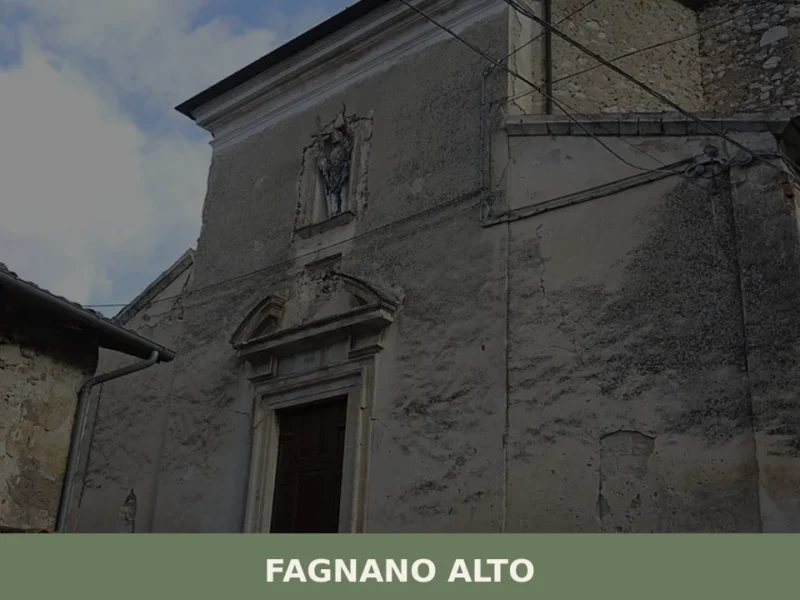
In Abruzzo More villages to discover
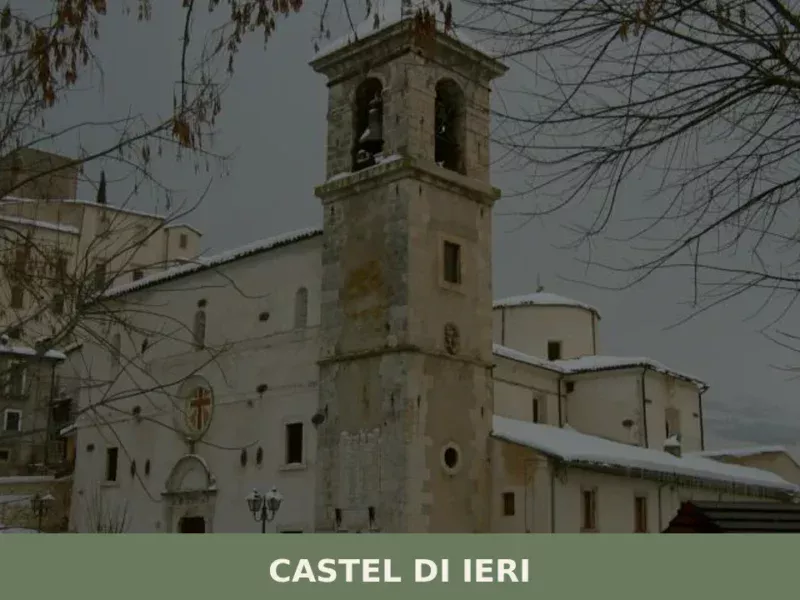
Castel di Ieri
 Hills
Hills
In Castel di Ieri, a village of 289 registered inhabitants at 519 metres above sea level in the Valle Subequana, the most significant feature lies underground: an Italic temple from the 1st century BC, unearthed during the 1980s, which redrew the archaeological map of inland Abruzzo. Anyone looking into what to see in Castel di […]
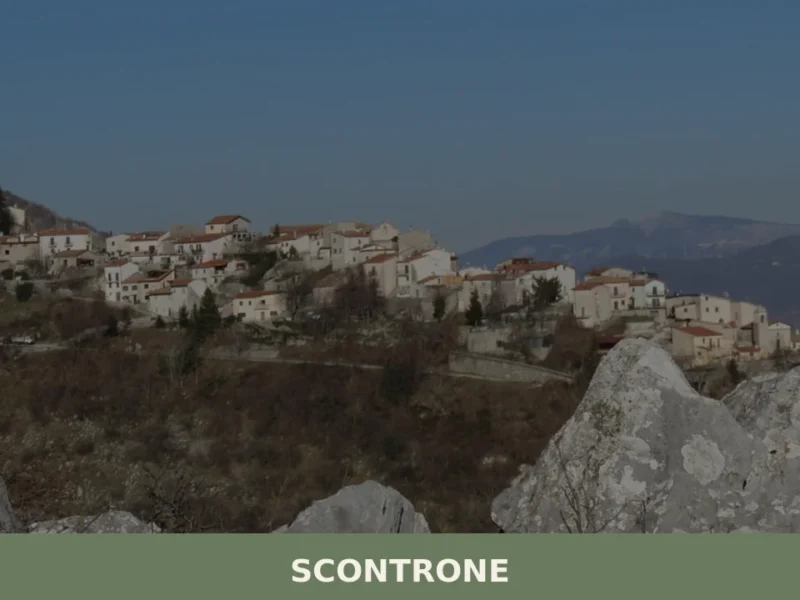
Scontrone
Mountain
What to See in Scontrone: explore the 5 top attractions in this Abruzzo village, featuring history and nature. Read the guide and plan your visit!
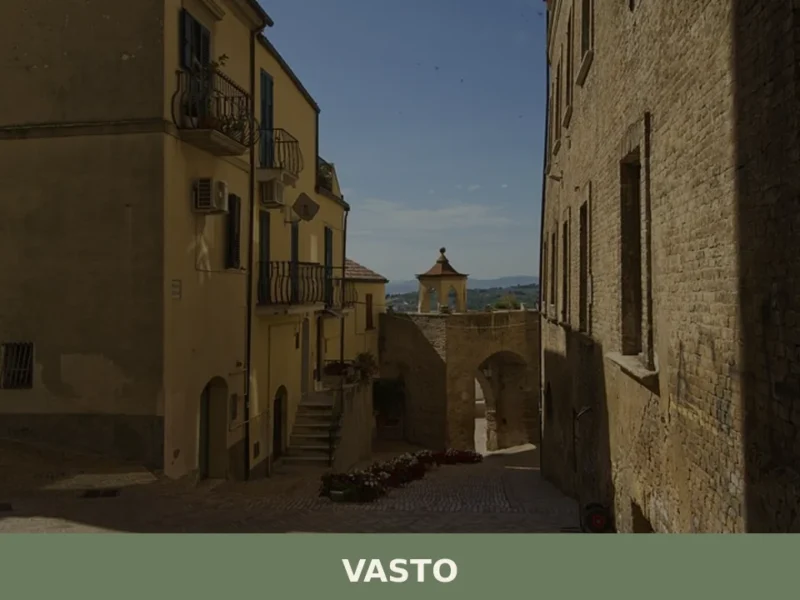
Vasto
 Sea
Sea
With 40,692 inhabitants, Vasto stands on the Abruzzo Adriatic coast, a town that from its promontory at 144 meters above sea level observes a stretch of sea that was a crossroads of cultures and trades. For those wondering what to see in vasto, the answer unfolds among Roman vestiges, Renaissance architecture, and views of the […]
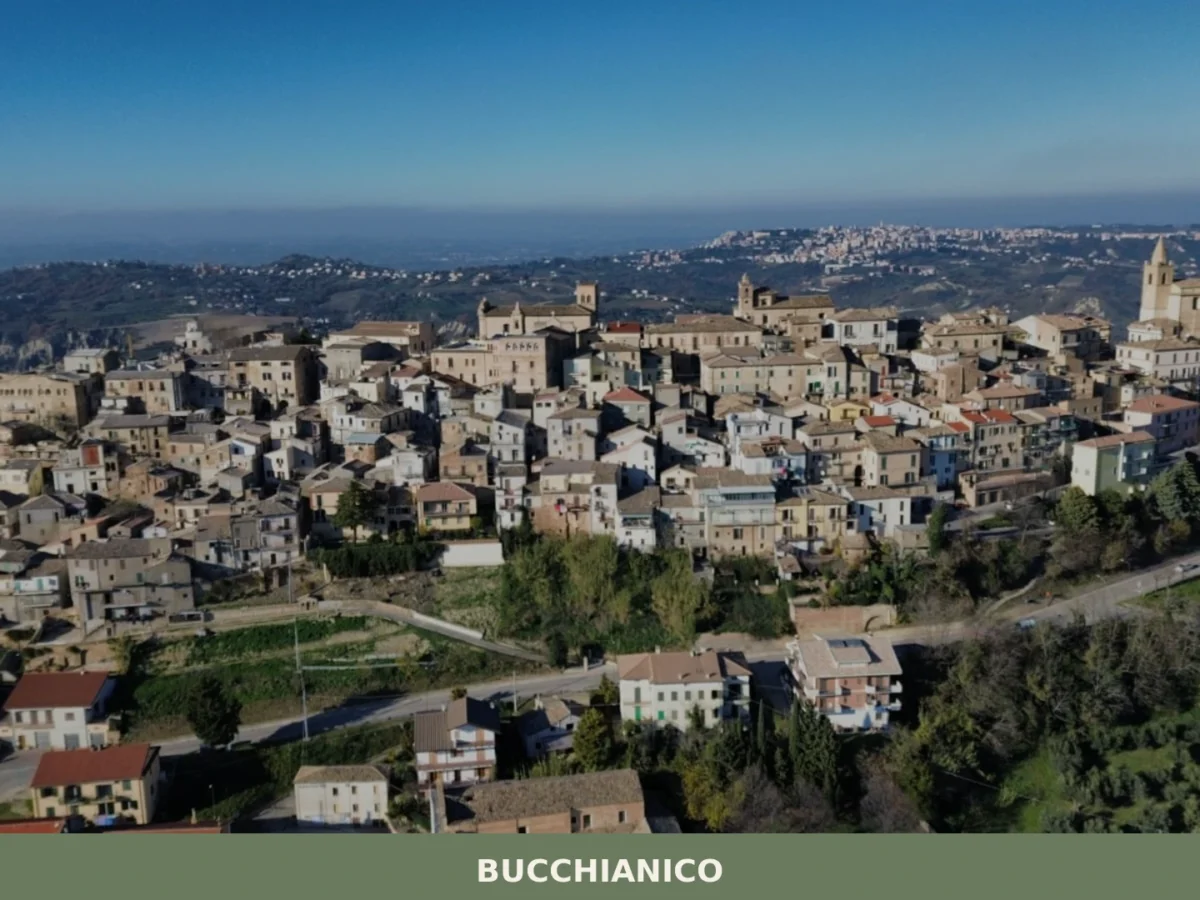
Bucchianico
Hills
What to see in Bucchianico, Abruzzo, Italy: explore 5 top attractions, local olive groves, the legacy of Saint Camillus de Lellis. Discover the best of this Chieti hill town.
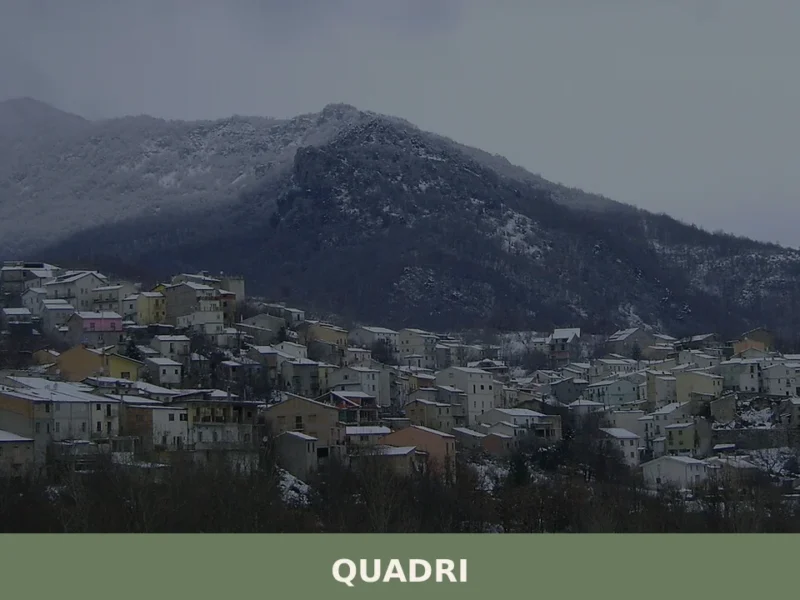
Quadri
Mountain
The limestone of the alleyways climbs straight up toward the ridge, and from up there the valley opens onto slopes where beech forests give way to pastures. Quadri belongs to the province of Chieti, in the heart of inland Abruzzo, at an altitude that isolates the village from the main transit routes and keeps it […]
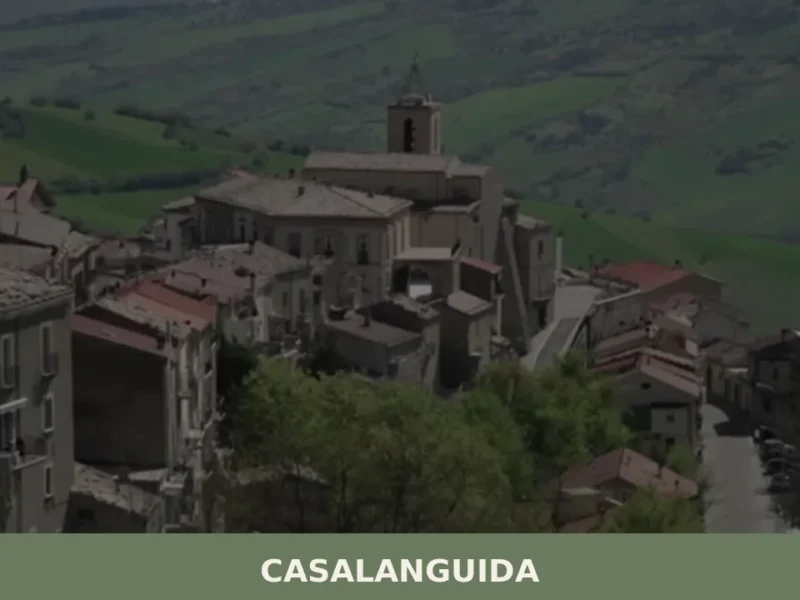
Casalanguida
Hills
With its 818 registered inhabitants and an elevation of 470 metres above sea level, Casalanguida occupies a hilltop ridge in the middle Sinello valley, in the province of Chieti. The municipal territory extends across vineyards and olive groves that mark the landscape with regular geometric patterns, visible from the provincial road that climbs up from […]
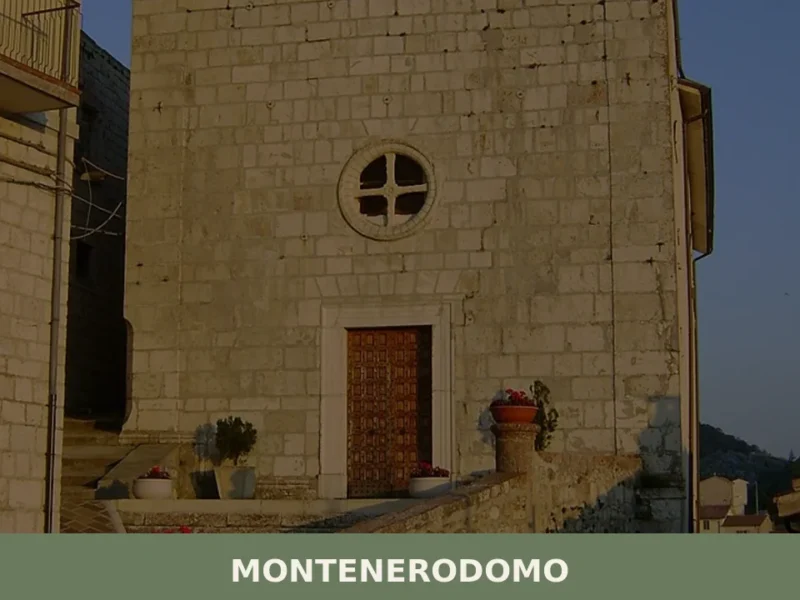
Montenerodomo
Mountain
What to see in Montenerodomo? Discover the 5 main attractions, from the Juvanum archaeological site to the Majella trails. Plan your visit!
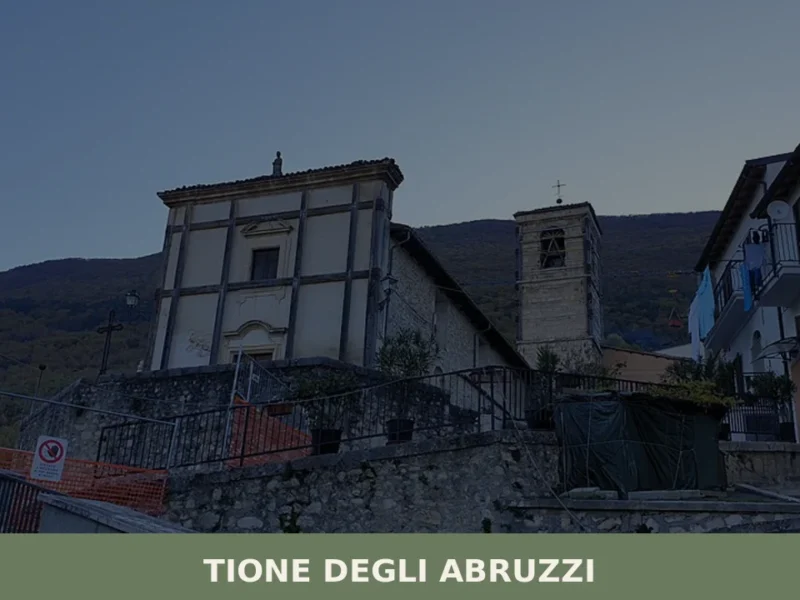
Tione degli Abruzzi
Mountain
What to see in Tione degli Abruzzi, Italy includes its 322 inhabitants and railway connection. Discover the village and its Abruzzese culture. Explore this L'Aquila comune.
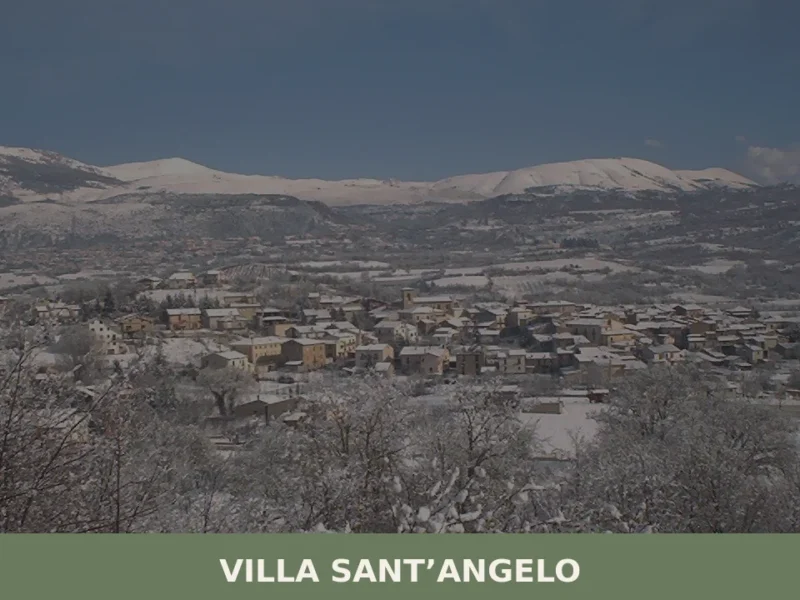
Villa Sant’Angelo
Mountain
What to see in Villa Santu2019Angelo? Discover 5 must-see attractions and the history of the ancient village. Plan your guided visit now!
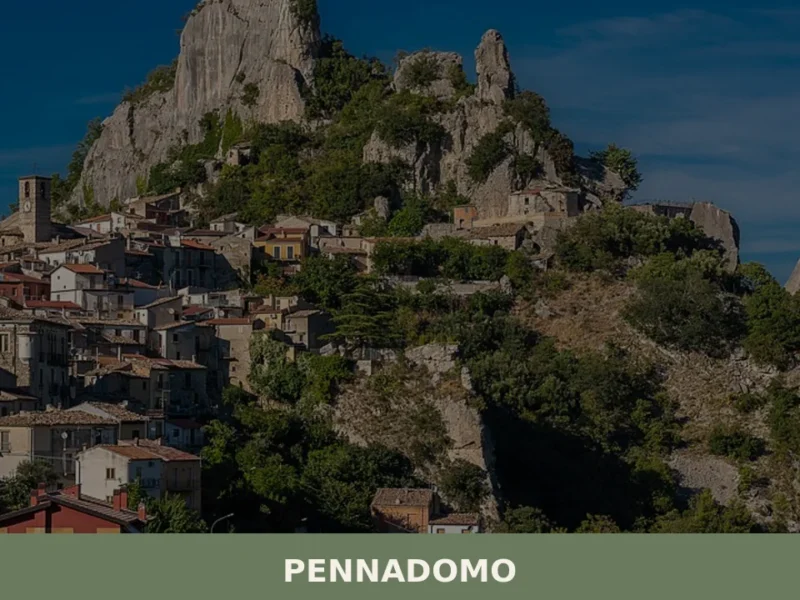
Pennadomo
Hills
What to see in Pennadomo, Italy: 5 attractions at 460 m in Chieti province. Discover the feast of San Lorenzo, local food traditions and how to get there.
🧀 Italian traditional products



🏡 Know Ovindoli better than we do?
If you’re a local or have been there, your knowledge matters: add what’s missing or fix a detail on this page.