


Pretoro
 Hills
Hills
What to see in Pretoro, Abruzzo, Italy: explore a 13th-century sanctuary, a 16th-century Pietà, and Majella National Park. Population 985. Discover it now.
Discover Pretoro
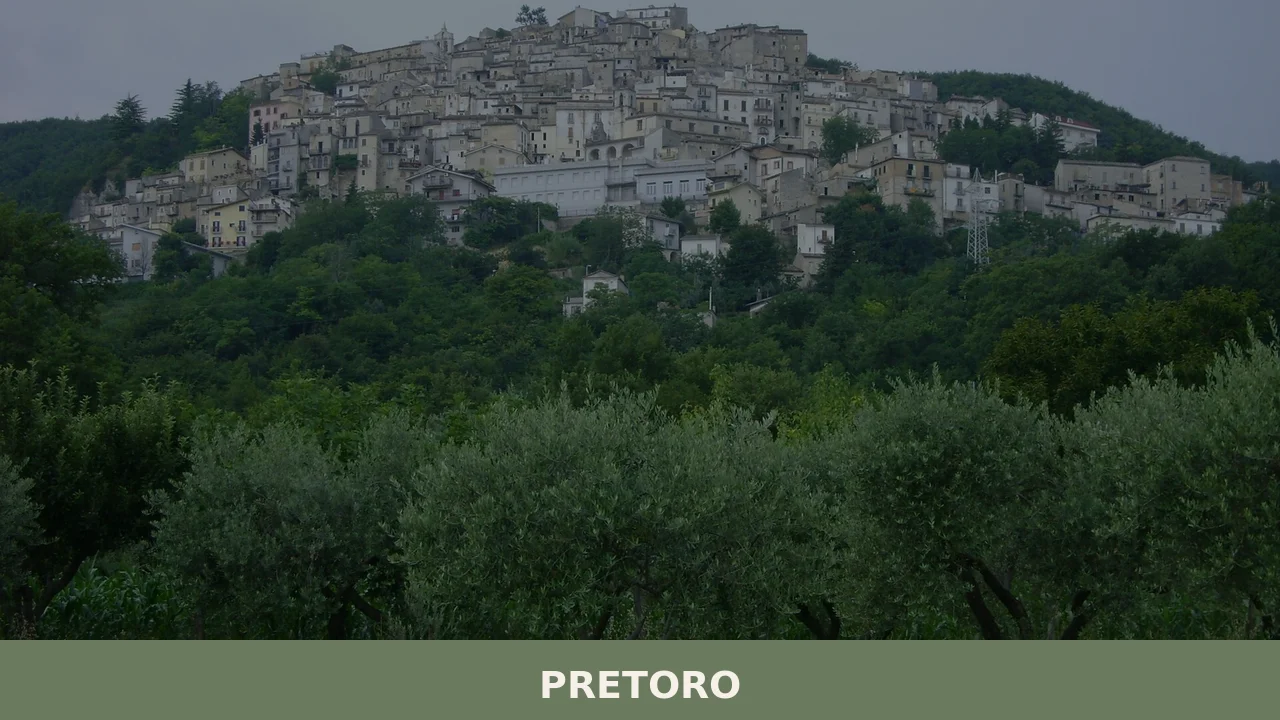
Stone buildings climb the eastern face of the Maiella mountains in tight vertical rows, the oldest structures occupying the highest ground where the rock face barely offers a flat surface. The beech forest that surrounds the town on three sides has shaped everything here: the local craft tradition of woodcarving, the seasonal rhythms of the community, and the way the air smells in late autumn when the canopy drops.
A 12th-century written record confirms the settlement existed before that date, and prehistoric remains found in the area push habitation back further still.
For anyone researching what to see in Pretoro, the answer starts with a coherent medieval stone core, a 13th-century Benedictine sanctuary above the rooftops, and a 16th-century sculptural work preserved inside the church of San Nicola.
The village of roughly 985 inhabitants sits within Majella National Park in the province of Chieti, Abruzzo, Italy, and is officially listed among I Borghi più belli d’Italia, the national register of Italy’s most beautiful villages. The Adriatic coast lies just 20 minutes by car to the east, while a major ski area is reachable in a comparable time to the west.
History of Pretoro
The name Pretoro most likely derives from preta, an older regional form of the Italian word pietra, meaning stone.
That etymology is not accidental: the settlement occupies a rocky hillside on the eastern slopes of the Maiella range that resists cultivation. The terrain discouraged farming from the outset, and the community oriented itself toward the surrounding beech forests instead. Over the following centuries, woodcarving became the defining local craft, passed from generation to generation as a practical and economic necessity rather than as a decorative pursuit.
The earliest written reference to the town dates from the 12th century, though the archaeological record reaches back considerably further.
Prehistoric remains have been documented in the area, and Latin inscriptions from the Roman period have also been found, suggesting that the site held strategic or administrative significance during Roman occupation of the Apennine interior. These layers of settlement indicate that the ridge on which Pretoro stands served as a reference point for populations moving through the Maiella foothills long before any medieval fortification or ecclesiastical structure was established here.
The Benedictine and Cistercian monastic presence, documented in connection with the construction of the sanctuary above the town, reflects a broader pattern of religious colonisation of the Abruzzo highlands during the medieval period.
Monks from Santa Maria Arabona at Manoppello established a hermitage at what would become the Sanctuary of the Madonna della Mazza, cementing the town’s role as a site of pilgrimage as well as residence. In the modern era, Pretoro has produced at least one figure of national cultural note: Maria Pellegrini, an operatic soprano born in the village, whose career carried the town’s name beyond the provincial boundaries of Chieti.
What to see in Pretoro, Abruzzo: top attractions
Sanctuary of the Madonna della Mazza
The sanctuary sits a short distance above the upper edge of the town, reached by a path that gains elevation quickly through the limestone terrain.
Its origins trace to the 13th century, when Benedictine and Cistercian monks from Santa Maria Arabona at Manoppello established a hermitage at this location. The structure functions as both a place of active worship and the physical boundary between the inhabited hillside and the open beech forest above. Visiting in spring, when the forest canopy is not yet fully closed, allows the clearest view of how the building relates to the rocky outcrop it occupies.
The interior retains its role as a pilgrimage destination for the surrounding communities of the Chieti province.
Church of San Nicola and the Pietà
Inside the church of San Nicola, a sculptural group of the Pietà — the representation of the Virgin Mary holding the body of Christ — dates to the 16th century and constitutes the most significant individual work of art documented within Pretoro’s boundaries. The carving survives in the church as an in-situ piece, meaning visitors encounter it in the spatial context for which it was made rather than in a museum display. The church itself forms part of the upper historic nucleus of the village, where the stone construction is at its densest and the streets are at their narrowest.
It is worth arriving in the morning when the light enters the facade-facing windows most directly.
The Historic Stone Core
Pretoro’s built fabric divides into two readable zones: a lower, newer section and an upper medieval nucleus where the buildings press against the rock face at gradients that make level ground a rarity.
The stone used throughout is local, extracted from the same Maiella formation on which the structures stand, which gives the upper district a visual continuity that no restoration programme has disrupted. Walking through this upper section takes less than 30 minutes at a measured pace, but the density of surviving pre-modern construction within that area is considerable for a settlement of 985 people. The steep incline means that sensible footwear is practical rather than optional.
Riserva Naturale Valle del Foro
Within the administrative territory of Pretoro lies the Riserva Naturale Valle del Foro, a protected natural area that extends along the Foro river valley. The reserve falls within the broader ecological framework of , and the two designations together place Pretoro’s surrounding landscape under a high level of environmental protection.
The beech woodland that covers the upper slopes transitions to riparian vegetation along the valley floor, supporting a range of habitats within a relatively compact geographic area.
Visits in autumn, when the beech forest turns, offer the most visually distinct experience of the reserve; spring brings consistent water flow in the Foro and the best conditions for observing the valley’s bird populations.
Passo Lanciano–La Majelletta Ski Area
The Passo Lanciano–La Majelletta ski area is reachable from Pretoro by car in approximately 20 minutes, making the village a functional base for winter sports without being a ski resort in its own right. The area sits at altitude on the Maiella massif, with the ski infrastructure operating across the upper slopes of the mountain range. For visitors who want to combine a stay in a historic mountain settlement with access to slopes, the proximity is a practical advantage that few villages in the Chieti province can match. The ski season typically runs from December through March, depending on snow conditions at elevation on the Maiella.
Local food and typical products of Pretoro
The food culture of the Maiella foothills reflects the constraints of the terrain with considerable consistency.
In villages like Pretoro, where the rocky hillside resists cultivation and beech forest dominates the landscape, the traditional diet drew heavily on what the forest and the mountain pastures could supply: foraged mushrooms, chestnuts, game, and the products of small-scale sheep and goat herding. The proximity to the Adriatic coast, just 20 minutes by car, introduced a secondary layer of influence, with fish-based preparations appearing alongside the inland mountain staples in a way that distinguishes this strip of Abruzzo from purely upland cooking traditions further west.
Pasta occupies the structural centre of any meal in this part of Abruzzo.
Spaghetti alla chitarra, made by pressing a sheet of egg pasta across a wooden frame strung with steel wires, produces square-section strands with a rough surface that holds sauce effectively. It is typically served with a lamb ragù built from slow-cooked cuts, tomato, and chilli, or alternatively with a sauce of local mushrooms gathered from the surrounding beech forest.
Arrosticini, small skewers of castrated sheep meat grilled over charcoal in a dedicated elongated brazier called a furnacella, are the most widely recognised product of the Abruzzo pastoral tradition and appear at virtually every communal gathering in the region. The meat is cut into uniform cubes of roughly 1 cm and cooked quickly at high heat to retain moisture.
The Abruzzo interior also produces a range of cured meats from the pig, including ventricina, a coarse-ground salume seasoned with sweet and hot dried peppers and fennel, which distinguishes itself from finer-textured products by the visible chunks of fat distributed through the mix.
Aged pecorino cheeses, produced from the milk of sheep that graze on the Maiella pastures at altitude, vary considerably in texture and intensity depending on the length of maturation, with the shorter-aged versions offering a mild, milky profile and the longer-aged forms developing a granular, sharp character suited to grating.
No certified designation products with a specific municipal scope limited to Pretoro alone are documented in the available sources, but the broader Abruzzo pastoral food tradition described above is consistently present in the local offer.
The best opportunity to encounter these products in a concentrated setting is during the summer and early autumn season, when local food events take place across the Maiella foothills. Markets and small-scale food fairs, known in Italian as sagre (singular: sagra), focusing on forest mushrooms, local cheeses, and grilled meats, are common in the villages of the Chieti province between July and October.
Visiting during this window offers access to producers who do not maintain permanent retail premises in town.
Festivals, events and traditions of Pretoro
The woodcarving tradition of Pretoro is not merely a historical footnote: it developed over centuries precisely because the beech forest provided reliable raw material in a landscape where agriculture was impractical.
This craft identity has periodically been the subject of local exhibitions and demonstrations, particularly during summer months when visitor numbers increase. The religious calendar of the village centres on the Sanctuary of the Madonna della Mazza, and the feast associated with this Marian dedication draws participants from surrounding communities in the Chieti province, reflecting the sanctuary’s historical role as a pilgrimage site for the wider Maiella foothills area.
The patron saint tradition, common to virtually every settlement in Abruzzo, involves a combination of religious procession, outdoor gathering, and in many cases a sagra tied to a seasonal food product or local craft.
Pretoro’s position within I Borghi più belli d’Italia has also generated interest in cultural programming that highlights the village’s medieval fabric and craft heritage. Visitors planning to attend specific events should verify dates with the municipal office or local tourism contacts before travelling, as precise scheduling for smaller village festivals in the Chieti province is confirmed closer to the date each year.
When to visit Pretoro, Italy and how to get there
The most practical window for visiting Pretoro depends on what a traveller wants to prioritise.
For access to the ski area at Passo Lanciano–La Majelletta, the period from December to March is the relevant season, with January and February offering the most reliable snow cover at altitude on the Maiella. For walking in the Riserva Naturale Valle del Foro and exploring the beech forest, late spring from May through June and the autumn months of September and October give the best combination of mild temperatures, manageable trail conditions, and the forest’s strongest visual character.
Summer, from July through August, brings the highest visitor numbers to the Abruzzo parks and the widest range of local food events, but also the warmest temperatures at lower elevations. International visitors for whom English language support is a practical consideration should note that smaller shops and restaurants in villages of this size operate primarily in Italian; carrying euro cash is advisable, as card payment infrastructure in mountain village settings can be inconsistent.
Pretoro, Abruzzo, Italy sits in the province of Chieti, and the nearest major city is Chieti itself, approximately 30 km (18.6 mi) to the northeast. Pescara, which has the closest commercial airport — Aeroporto Internazionale d’Abruzzo — lies roughly 40 km (24.8 mi) from the village, with a drive time of approximately 45 to 50 minutes depending on the route taken through the foothills.
From Rome, the journey by car covers approximately 220 km (136.7 mi) via the A25 motorway, with the most practical exit being Lanciano or Chieti Scalo depending on the specific approach; total drive time from Rome is typically between two and a half and three hours, placing Pretoro within reach as a day trip from the capital for those with an early departure.
Train services connect Pescara and Chieti to the national rail network via Trenitalia, but the final section from either city to Pretoro requires a car or local taxi, as no direct rail connection reaches the village.
If you arrive by car on the A25, the Lanciano exit routes through the Foro valley and gives a clear view of the Maiella’s eastern face before the ascent to the village begins.
For those planning a wider itinerary across the Abruzzo interior, the village of Cocullo, known for its documented serpent-handling procession tied to the feast of San Domenico, sits further west in the Apennine interior and represents a distinct point of reference within the same regional framework of mountain villages and religious heritage.
Closer to the Adriatic end of the same axis, Alba Adriatica offers a coastal counterpoint to the inland mountain experience, reachable in under an hour from Pretoro given the village’s position just 20 minutes from the sea.
Visitors extending their trip into the broader Abruzzo interior may also find the village of Castelvecchio Subequo a worthwhile addition to the route, as it represents the same pattern of medieval Apennine settlement and documented Roman-era occupation that characterises Pretoro’s own layered history.
Nearby Villages near Pretoro
In Abruzzo More villages to discover
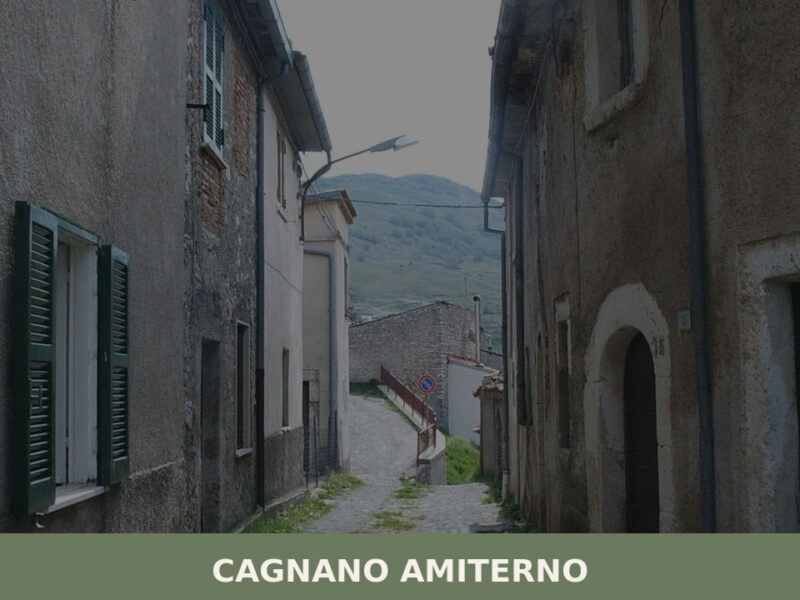
Cagnano Amiterno
 Mountain
Morning light falls flat across the high plateau west of L’Aquila, catching the stone walls of a settlement that has survived earthquakes, depopulation, and the slow erosion of memory. The air carries woodsmoke and the cold mineral scent of mountain water. Cagnano Amiterno, home to just over 1,400 residents, sits in a landscape shaped by […]
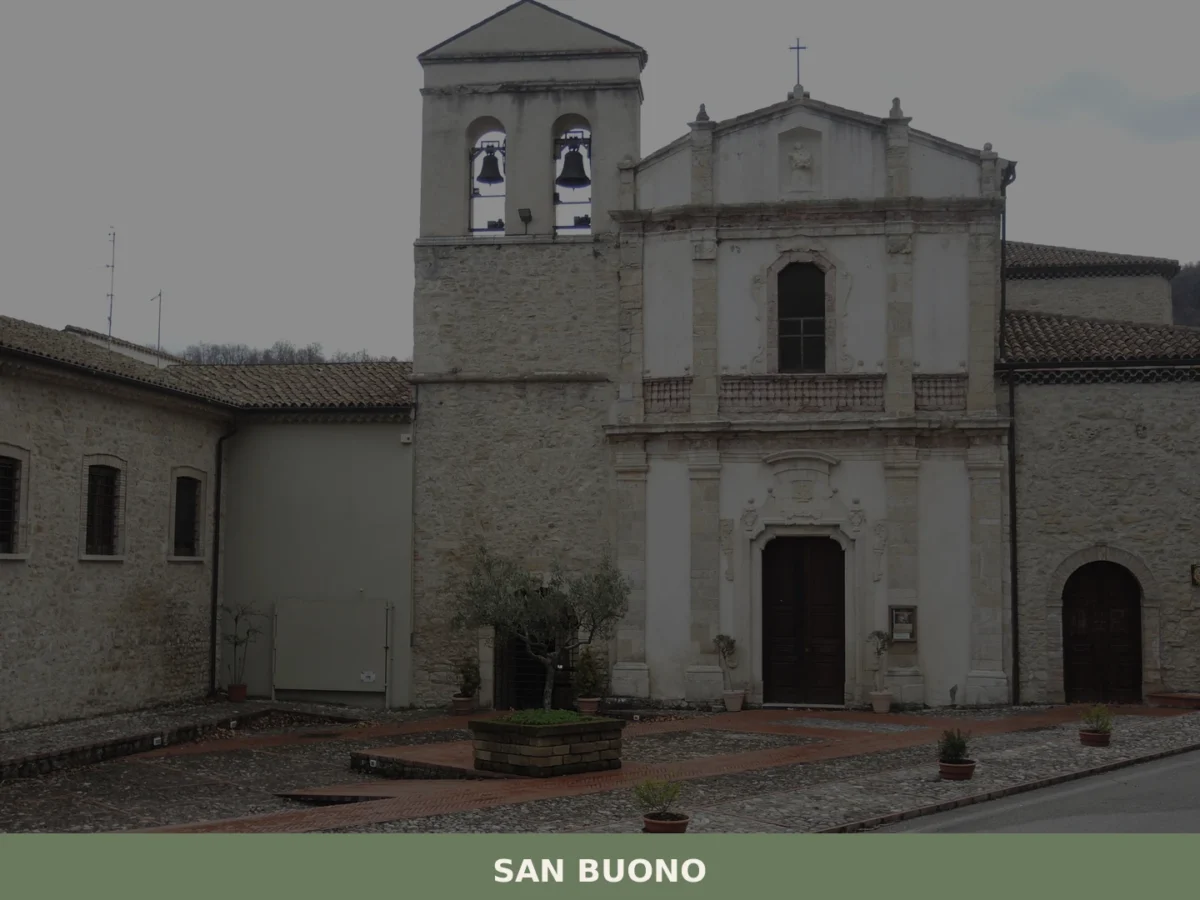
San Buono
Hills
What to see in San Buono? Explore our complete guide to this Abruzzo village (1,010 residents), rich in history and nature. Plan your visit now!
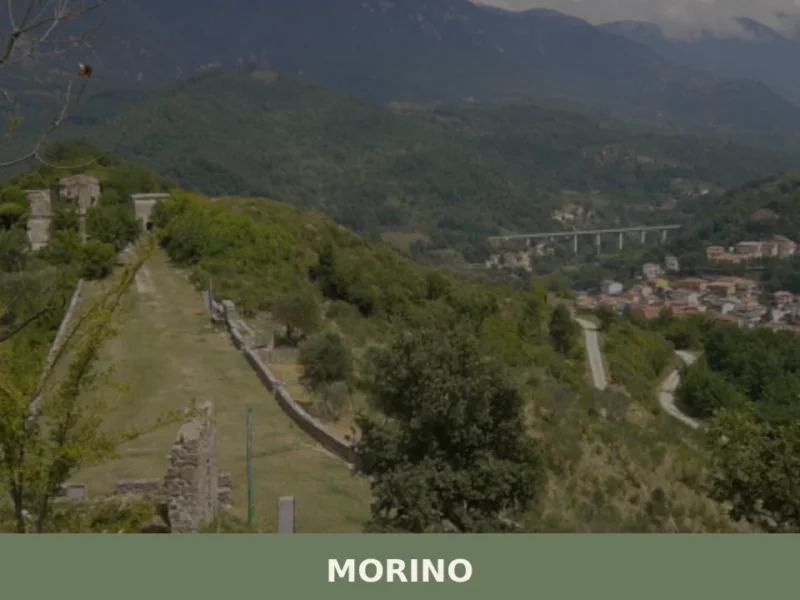
Morino
Mountain
What to see in Morino, Abruzzo, Italy: explore the Hermitage of Santa Maria del Cauto, the Roveto Valley, and 1,477 inhabitants' traditions. Discover it now.
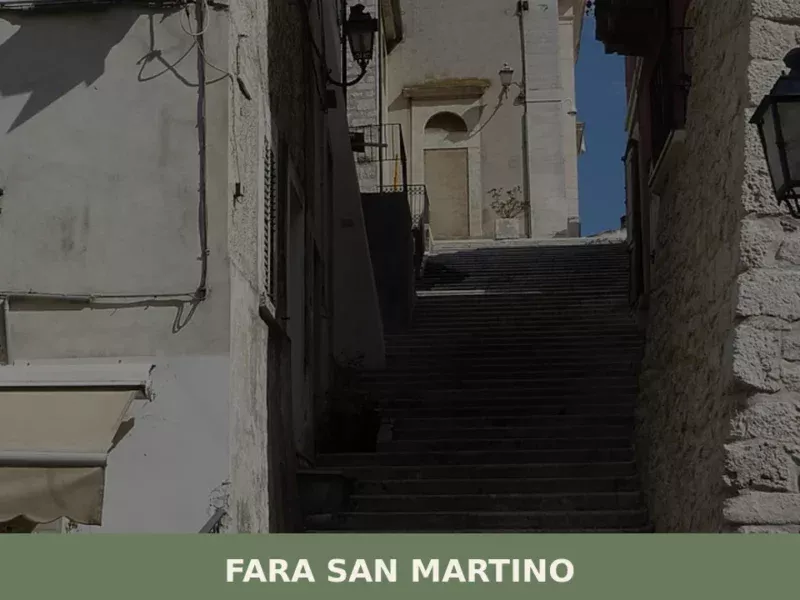
Fara San Martino
Hills
what to see in fara san martino, Italy. Explore its 440m altitude, the Abbey of San Martino in Valle, and its renowned pasta heritage. Discover Abruzzo now!
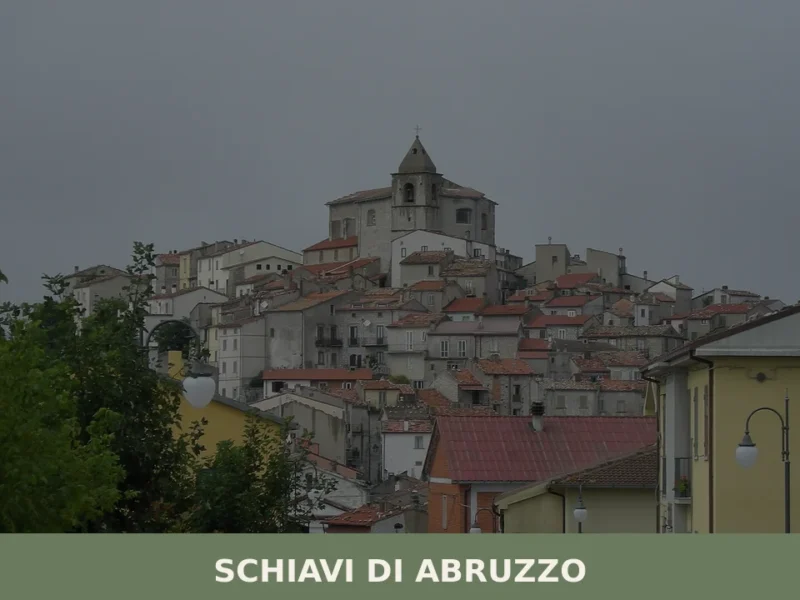
Schiavi di Abruzzo
Mountain
What to see in Schiavi di Abruzzo, Italy: Italic temples from 3 BC, a hilltop at 1,170 m, and a local dialect. Discover the complete travel guide for Abruzzo.
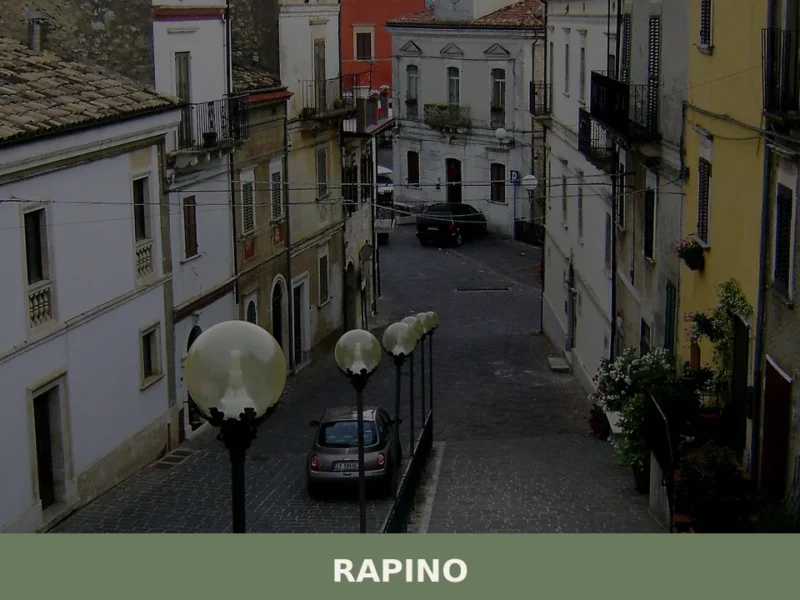
Rapino
Hills
What to see in Rapino: discover the 5 top attractions in this Abruzzo village, from the castle to traditional ceramics. Plan your visit.
Guilmi
Mountain
What to see in Guilmi, a hill village at 674 m in Chieti province with 408 residents. Visit the Church of San Nicola, the medieval centre and taste PAT products from the Frentani area.
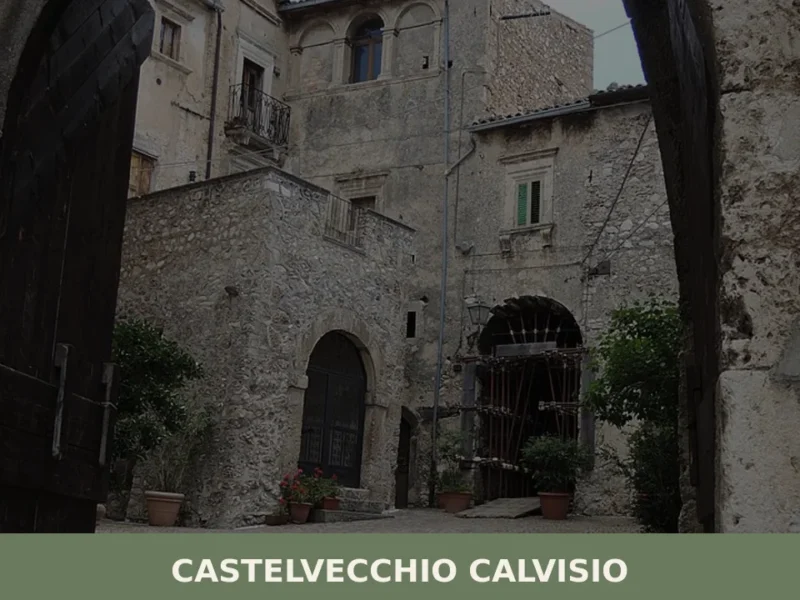
Castelvecchio Calvisio
Mountain
At 1045 meters above sea level, in the L’Aquila hinterland, stands Castelvecchio Calvisio, a village that retains the structure of an ancient *castrum* medieval. With a population of 118 inhabitants, the historic center develops on a rocky ridge, overlooking the basin below. Its elevated position and stone architecture offer an insight into Abruzzo’s fortifications. For […]
Turrivalignani
Hills
What to see in Turrivalignani? Discover the ancient village, the Church of San Nicola, and nature trails. Plan your visit to Abruzzo!
Pettorano sul Gizio
Mountain
what to see in pettorano sul gizio, Italy. Explore Cantelmo Castle and the Gizio River, home to Baron Michele Leone (1909-1988). Discover this beautiful Abruzzese village.


🏡 Know Pretoro better than we do?
If you’re a local or have been there, your knowledge matters: add what’s missing or fix a detail on this page.