


Orco Feglino
 Mountain
What to see in Orco Feglino, Italy? Located 50 km (31 mi) from Genoa, this village of 889 inhabitants offers castle ruins and historic churches. Explore its rich past.
Discover Orco Feglino
The upper valley of the Aquila stream, roughly 50 kilometres (31 mi) southwest of Genoa, cradles the twin settlements of Orco and Feglino. With a population of 889 inhabitants, this Ligurian comune in the Province of Savona offers a glimpse into centuries of regional history.
Visitors often note the distinct character of each village, shaped by their individual developments and shared past within the broader Ligurian landscape.
For those planning a trip, understanding what to see in Orco Feglino is key to appreciating its unique charm and historical depth.
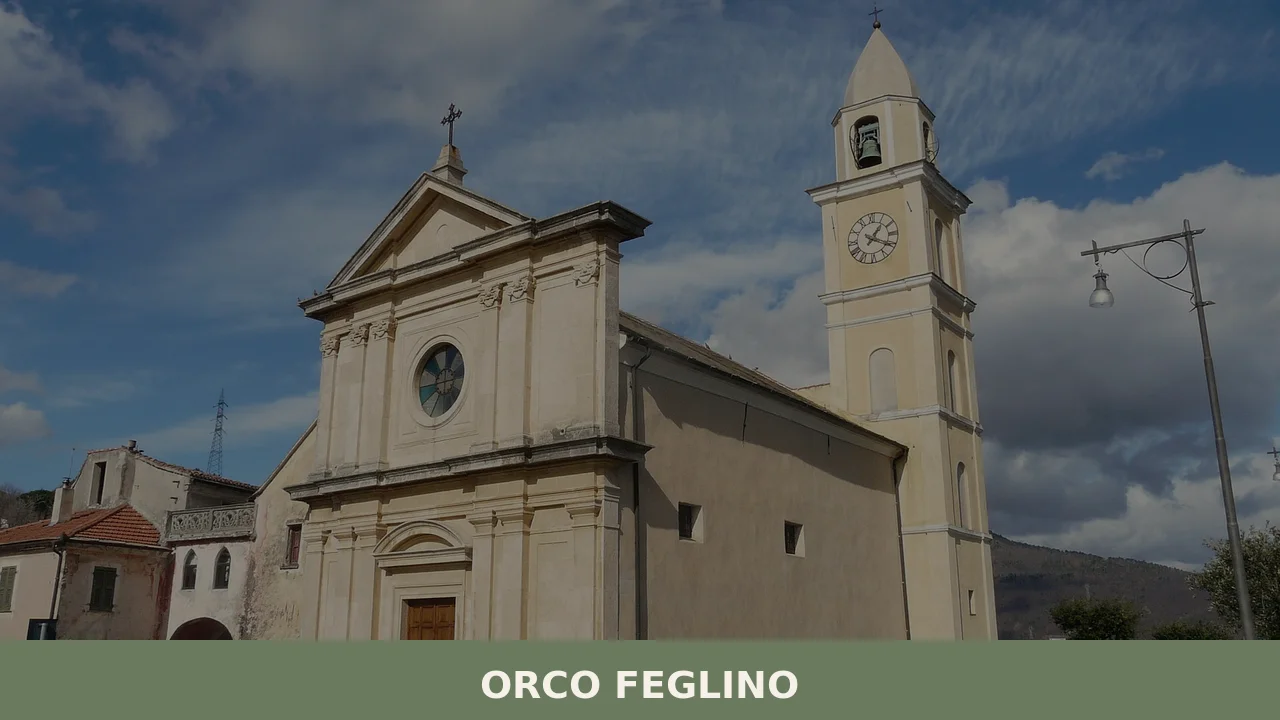
The Orco Feglino highlights include the ancient castle remains, the Church of San Lorenzino with its remarkable frescoes, and the Baroque church of San Lorenzo. These sites provide a tangible connection to the area’s complex past, offering a rich experience for anyone exploring this part of Italy.
History of Orco Feglino
The historical trajectory of Orco Feglino, Liguria, Italy, is deeply intertwined with the shifting powers that dominated this strategic part of the Italian Riviera.
The two distinct burghs, Orco and Feglino, first emerged into documented history as part of the Marca Aleramica during the 10th century. This significant medieval administrative division laid the groundwork for future feudal developments, establishing the area’s early importance within the wider Ligurian territory.
A pivotal shift occurred in 1091 when the burghs became a possession of Boniface del Vasto, a powerful figure whose influence extended across much of Liguria and Piedmont.
Subsequently, from 1142 onwards, the Del Carretto family assumed control, solidifying their presence by constructing a formidable castle in Orco.
This fortification served as a strategic stronghold, overseeing the valley and contributing to the region’s complex network of defensive structures that characterized medieval Liguria, a feature shared with nearby areas like Garlenda.
The 16th century marked another significant change for Orco Feglino when it was acquired by Spain, bringing the area under the vast Spanish dominion for an extended period. This foreign rule persisted until 1713, a year that saw the territory transition to the Republic of Genoa, reintegrating it into a more localized Italian administrative system.
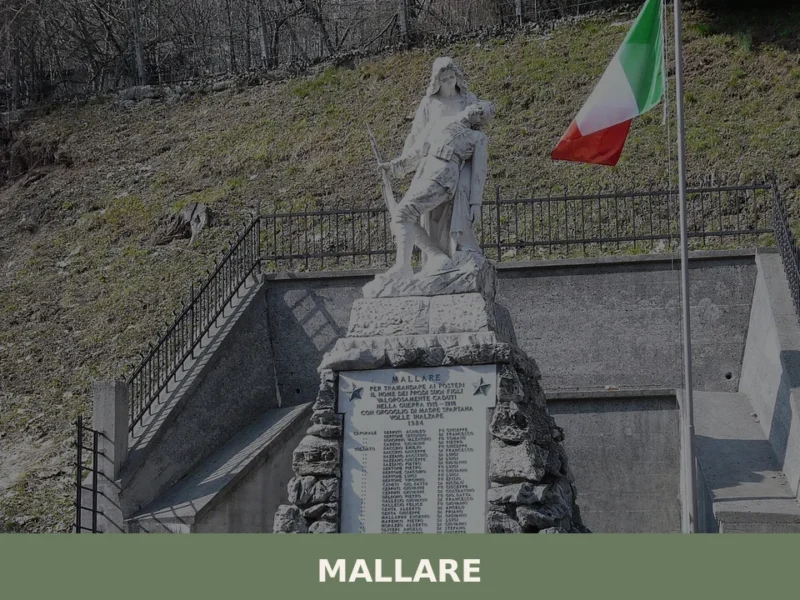
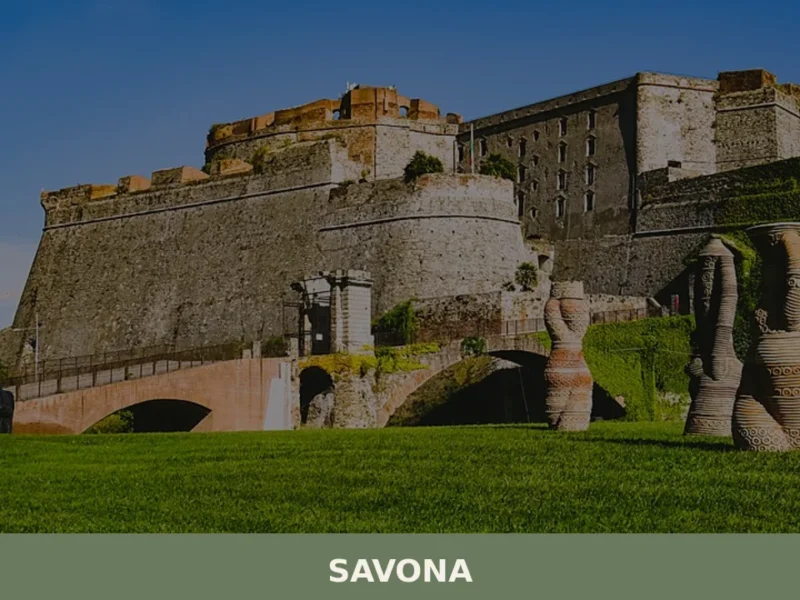
Following the Napoleonic era and the subsequent redrawing of European maps, Orco Feglino eventually became part of the Kingdom of Sardinia and, later, the unified Kingdom of Italy, linking its fate to the broader national narrative of Italy’s formation. Today, the comune, comprising Orco and Feglino, borders municipalities such as Calice Ligure, Finale Ligure, Mallare, Quiliano, and Vezzi Portio, maintaining its identity within the Province of Savona.
What to see in Orco Feglino, Liguria: top attractions
Remains of the castle of Orco
Perched above the village, the visible remains of the castle of Orco offer a tangible link to the area’s medieval past.
Constructed by the Del Carretto family from 1142, this fortress once served as a crucial defensive outpost controlling the upper Aquila stream valley. Visitors can explore the surviving walls and foundations, which provide insights into medieval military architecture and the strategic importance of this Ligurian settlement. The commanding position of the ruins also affords expansive views across the surrounding landscape, revealing why this site was chosen for its protective capabilities over 800 years ago.
Church of San Lorenzino
The Church of San Lorenzino, dating from the 12th to the 14th centuries, stands as a testament to the enduring religious and artistic heritage of Orco Feglino.
Inside, visitors can admire frescoes from the 15th and 16th centuries, which depict various sacred scenes and figures, preserving centuries of devotional art. The church’s bell tower, a notable architectural feature, was constructed in the 14th century and is distinguished by its two orders of elegant mullioned windows, showcasing the skilled craftsmanship of the period.
This structure offers a detailed look into the architectural evolution across several centuries in the region.
Baroque church of San Lorenzo
Located in the frazione of Feglino, the Baroque church of San Lorenzo presents a striking contrast to the older, more austere architecture found elsewhere in the comune. This 17th or 18th-century edifice embodies the ornate and dynamic characteristics typical of the Baroque style, with its elaborate facades and decorative interiors. The church serves as a central point for the Feglino community, reflecting a later period of artistic and religious expression in Liguria. Its presence highlights the diverse architectural styles that coexist within the small municipality of Orco Feglino.
The Historic Village of Orco
Exploring the historic village of Orco provides a direct experience of the area’s ancient layout and character.
As one of the two main settlements forming the comune, Orco developed around its strategic castle, with narrow lanes and stone buildings reflecting its medieval origins. The village’s structure gives a sense of its past as a burgh of the Marca Aleramica and later under the Del Carretto family, who established their presence here in 1142.
Walking through Orco allows visitors to observe the remnants of its long history, from defensive positions to the quiet residential areas that have evolved over centuries.
The Historic Village of Feglino
The historic village of Feglino, the second core settlement of the municipality, offers a distinct atmosphere shaped by its own historical progression. While sharing a common administrative fate with Orco, Feglino features the Baroque church of San Lorenzo, indicating a period of significant architectural development in later centuries. Visitors can wander through its streets, observing the traditional Ligurian architecture and the daily life of its residents.
The village’s proximity to the upper Aquila stream valley and its role within the larger comune of Orco Feglino highlight its enduring importance as a local center.
Local food and typical products of Orco Feglino
The gastronomic traditions surrounding Orco Feglino are deeply rooted in the broader culinary landscape of Liguria, a region celebrated for its fresh ingredients and unique flavors.
The local diet historically reflects the interplay between the sea and the mountainous hinterland, resulting in dishes that utilize both coastal bounty and agricultural produce from the valleys. Olive oil, a staple across Liguria, forms the foundation of much of the cooking, complemented by aromatic herbs that thrive in the Mediterranean climate.
While specific dishes unique to Orco Feglino are not detailed in the provided sources, visitors can expect to encounter classic Ligurian preparations. These often include Pesto Genovese, a vibrant sauce made from fresh basil, pine nuts, garlic, Parmesan, Pecorino cheese, and locally produced olive oil, typically served with trofie or trenette pasta.
Another regional favorite is Focaccia, a soft flatbread often seasoned simply with olive oil and salt, but also found with toppings like onions, olives, or rosemary. Additionally, Farinata, a savory pancake made from chickpea flour, baked in a wood-fired oven, is a common and satisfying snack or appetizer.
The available sources do not specify any certified products (such as DOP or IGP) directly associated with Orco Feglino itself.
However, the wider Ligurian region is renowned for its high-quality agricultural products, including Taggiasca olives and olive oil, which are integral to the local cuisine. These regional specialties emphasize the importance of fresh, locally sourced ingredients that define the authentic flavors of this part of Italy, which can be explored further in destinations like Diano San Pietro or Diano Arentino, both known for their olive groves.
Festivals, events and traditions of Orco Feglino
Specific details regarding festivals, events, and unique traditions celebrated within Orco Feglino are not provided in the available sources.
As a small comune in Liguria, it undoubtedly participates in broader Italian and regional customs, which often include religious feast days and seasonal celebrations. However, precise dates for a patron saint festival or other distinct local events are not documented, so visitors should consult local municipal calendars upon arrival for any current happenings.
When to visit Orco Feglino, Italy and how to get there
Determining the best time to visit Liguria, Italy, often depends on the type of experience sought by travelers.
Spring (April to June) and autumn (September to October) are generally considered the most favorable periods for visiting Orco Feglino. During these months, the climate is mild, with pleasant temperatures suitable for exploring historical sites and enjoying outdoor activities in the upper Aquila stream valley. The crowds are typically smaller than during the peak summer season, allowing for a more relaxed experience.
Summer, while warm and sunny, can be quite busy, particularly along the nearby coast, while winter offers a quieter atmosphere, though some services may be reduced.
For those wondering how to get to Orco Feglino, the village is conveniently positioned for road travel within Liguria. It is situated approximately 50 kilometres (31 mi) southwest of Genoa and about 30 kilometres (19 mi) southwest of Savona, making it an accessible day trip from either major city. Visitors arriving by car can reach the area via the A10 motorway (Autostrada dei Fiori), taking an exit that leads onto provincial roads towards the interior.
While specific public transport details for Orco Feglino are not extensively documented in the provided sources, regional bus services often connect smaller villages to larger hubs. For broader rail connections across Italy, travelers can consult the official Trenitalia website for schedules and routes to nearby cities like Savona or Finale Ligure.
The nearest major international airports would be Genoa Cristoforo Colombo Airport (GOA) or Nice Côte d’Azur Airport (NCE) in France, both requiring onward travel by car or regional transport.
International visitors planning a trip to Orco Feglino should be aware that while major cities in Italy are accustomed to English speakers, smaller villages like Orco Feglino may have more limited English proficiency in shops and local establishments. Carrying some Euros cash for small purchases can also be practical, as not all smaller venues may accept credit cards.
The experience of navigating local customs and language can be part of the adventure in discovering authentic Ligurian life.
Visitors to Orco Feglino looking to extend their exploration of Liguria can also consider a trip to Brugnato, a village further east in the region, which offers its own historical insights and natural beauty, providing a broader perspective on the diverse landscapes and heritage of this Italian province.
Frequently asked questions about Orco Feglino
What is the best time to visit Orco Feglino?
Spring (April to June) and autumn (September to October) offer the most pleasant conditions for visiting Orco Feglino, with mild temperatures ideal for exploring the castle ruins, historic churches and the Aquila stream valley. Summer is warm but the nearby Ligurian coast draws larger crowds. A particularly meaningful date is 10 August, the feast day of the village's patron saint San Lorenzo, when local celebrations bring the community together. Winter is quiet and some services may be limited, but the landscape takes on a serene character.
What are the historical origins of Orco Feglino?
Orco Feglino traces its documented origins to the 10th century, when both burghs formed part of the Marca Aleramica, a major medieval administrative division in northwest Italy. In 1091 they passed to the powerful marquis Boniface del Vasto, and from 1142 onwards the Del Carretto family took control, building a castle in Orco to command the upper Aquila stream valley. The area subsequently came under Spanish rule and remained so until 1713, when it was transferred to the Republic of Genoa, later joining the Kingdom of Sardinia and eventually unified Italy.
What to see in Orco Feglino? Main monuments and landmarks
The main attractions in Orco Feglino are three. The remains of the Del Carretto castle (built from 1142) sit above the village and offer panoramic views of the valley. The Church of San Lorenzino, dating from the 12th–14th centuries, houses notable 15th- and 16th-century frescoes and a 14th-century bell tower with elegant mullioned windows. In the frazione of Feglino, the Baroque church of San Lorenzo (17th–18th century) represents a later phase of artistic and religious life in the area. Visiting all three provides a compact but rich architectural journey through several centuries.
Are there museums, churches or historic buildings to visit in Orco Feglino?
Yes. The Church of San Lorenzino is the most artistically significant building in the comune, preserving frescoes from the 15th and 16th centuries alongside its distinctive 14th-century bell tower with mullioned windows. The Baroque church of San Lorenzo in Feglino offers an ornate counterpoint, reflecting the decorative sensibility of the 17th–18th century. The ruins of the medieval castle of Orco, though no longer intact, are visitable and historically evocative. Specific opening hours and admission fees are not officially documented; visitors are advised to check with the local municipality upon arrival.
Who is Orco Feglino suitable for? Families, couples, hikers, solo travelers?
Orco Feglino is particularly well suited to history enthusiasts, who will appreciate the medieval castle ruins, Romanesque church and Baroque architecture spread across two distinct village cores. Couples seeking a quiet, authentic Ligurian atmosphere away from the crowded coast will find it rewarding. Hikers and nature lovers benefit from the village's hilly setting at 161 metres in the upper Aquila stream valley, offering scenic walking in a mountain-influenced landscape. Its small scale and peaceful character make it less suitable for visitors seeking nightlife or large-scale tourist facilities.
What to eat in Orco Feglino? Local products and specialties
Orco Feglino sits within the broader Ligurian culinary tradition, which means visitors can expect classic regional dishes in the surrounding area. These include Pesto Genovese served with trofie or trenette pasta, Focaccia seasoned with local olive oil, and Farinata, a baked chickpea-flour pancake. The wider Province of Savona and Liguria are noted for high-quality Taggiasca olive oil. No DOP or IGP products are officially certified specifically for Orco Feglino itself, so the recommended approach is to seek out local restaurants or markets in the valley for authentic regional flavours.
📷 Photo Gallery — Orco Feglino
Nearby Villages near Orco Feglino
In Liguria More villages to discover
Framura
 Sea
Sea
What to see in Framura, Liguria, Italy: explore 5 top attractions, WWII history, coastal trails, and local food in a village of 677 inhabitants. Discover it now.
Cosseria
Mountain
What to see in Cosseria, Liguria, Italy: explore a comune of 1,095 inhabitants near Savona. Discover the 5th Infantry Division history, local food and how to get there.
Rocchetta Nervina
Mountain
What to see in Rocchetta Nervina, Italy: discover the village (population 275) near the Ligurian Alps Regional Park. Explore its unique location bordering France and the Barbaira stream.
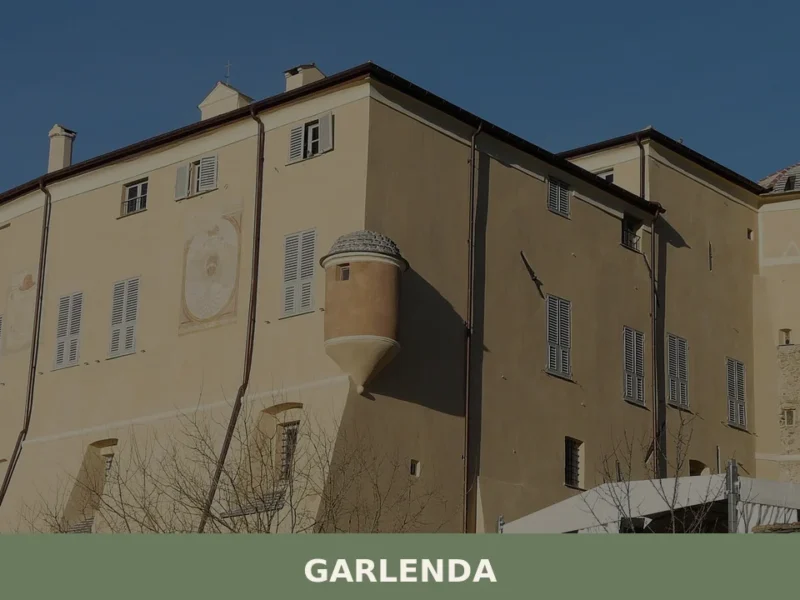
Garlenda
 Hills
Hills
What to see in Garlenda, Liguria, Italy: explore a village of 1,200 inhabitants 80 km from Genoa. Discover top attractions, local food, and how to get there.
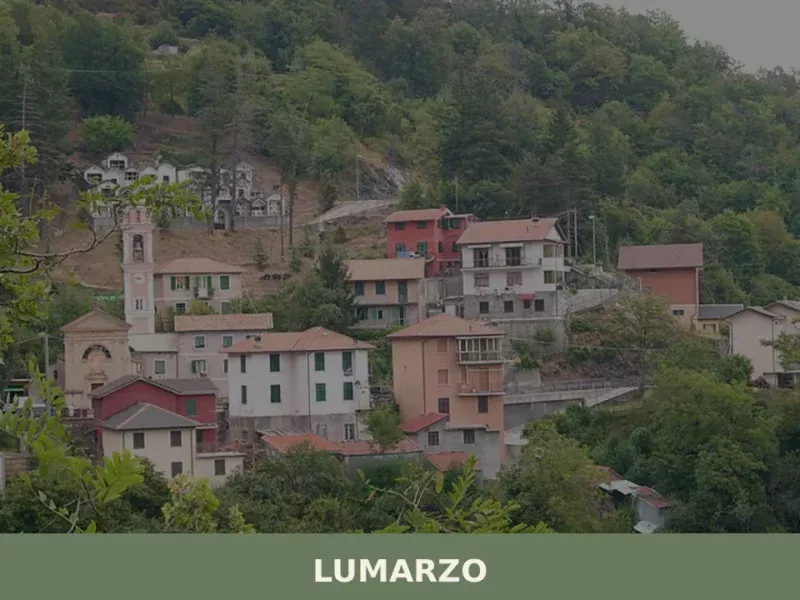
Lumarzo
Hills
What to see in Lumarzo: a Ligurian village at 228m with 1,419 residents, historic oratories, Fontanabuona valley trails and the Saint Camillus feast. Plan your visit now.
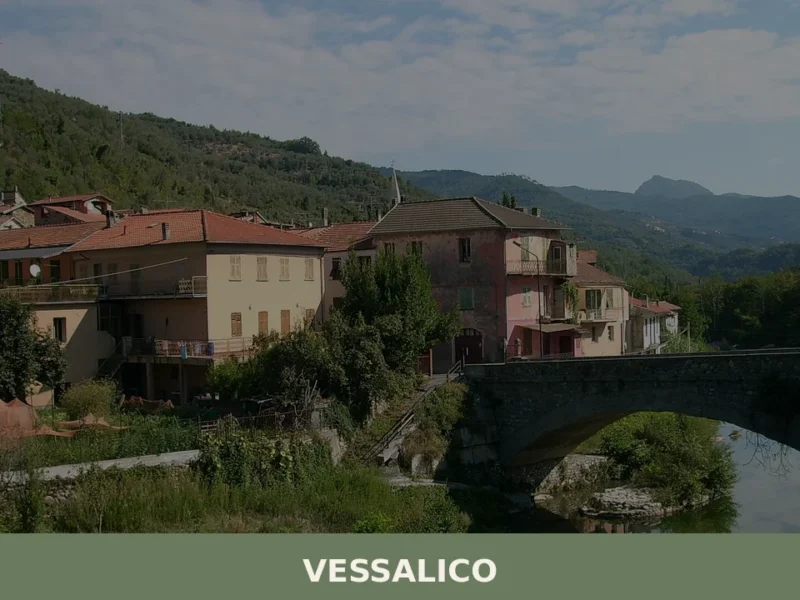
Vessalico
 Plains
what to see in vessalico, Italy: Explore this Ligurian village at 197m. Discover its history and the patron saint festival on July 22. Read more.
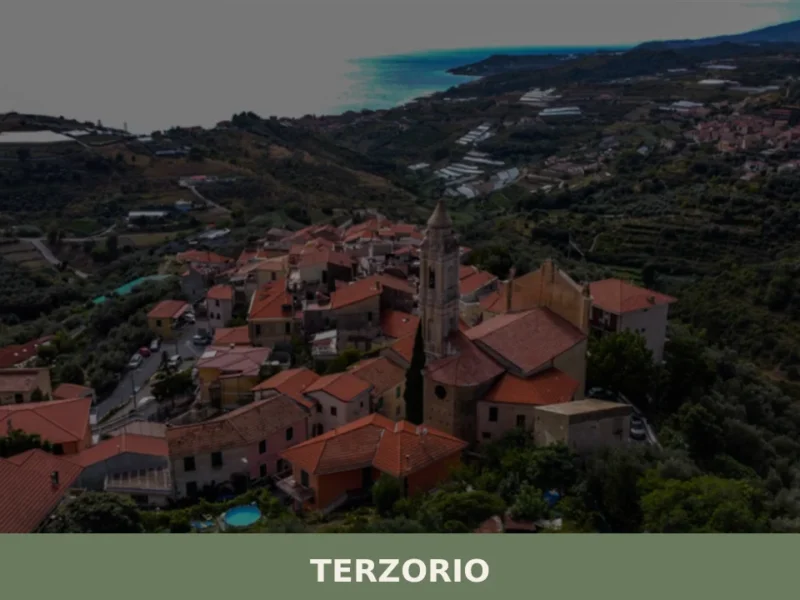
Terzorio
Sea
What to see in Terzorio, Italy: Explore a Ligurian village with 231 inhabitants, known for panoramic views and olive oil. Discover its quiet charm.
Portofino
Sea
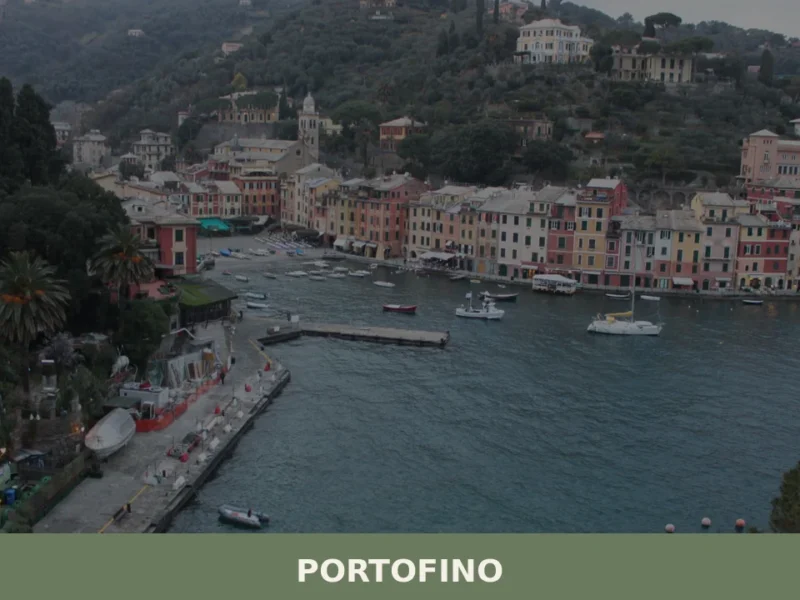
Portofino has a population of 355 residents spread across a headland that descends to sea level. It is one of the smallest municipalities in Italy by population, yet its natural harbour appears in almost every historical guide to the Ligurian Riviera. Anyone looking into what to see in Portofino will find a compact collection of […]
Neirone
Mountain
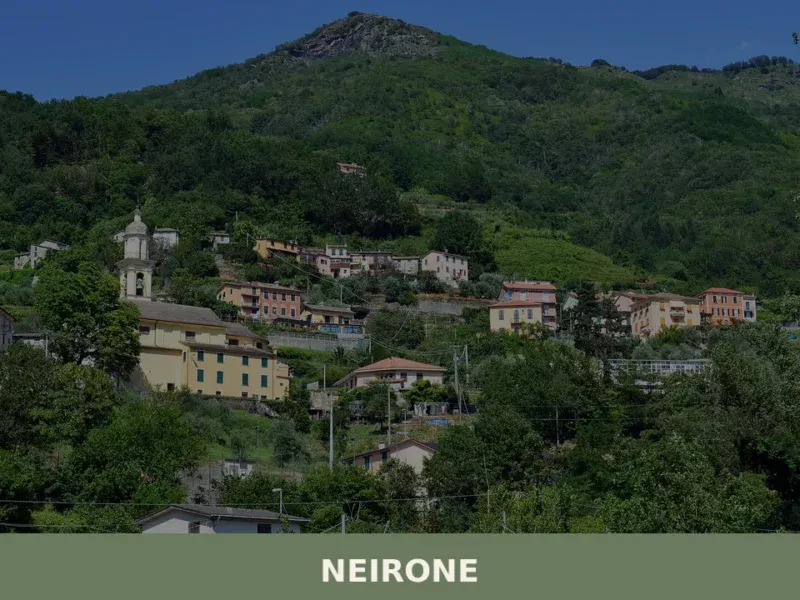
what to see in neirone explores this Ligurian village of 954 inhabitants in Italy. Discover local landscapes and general Ligurian cuisine.
Nasino
Mountain
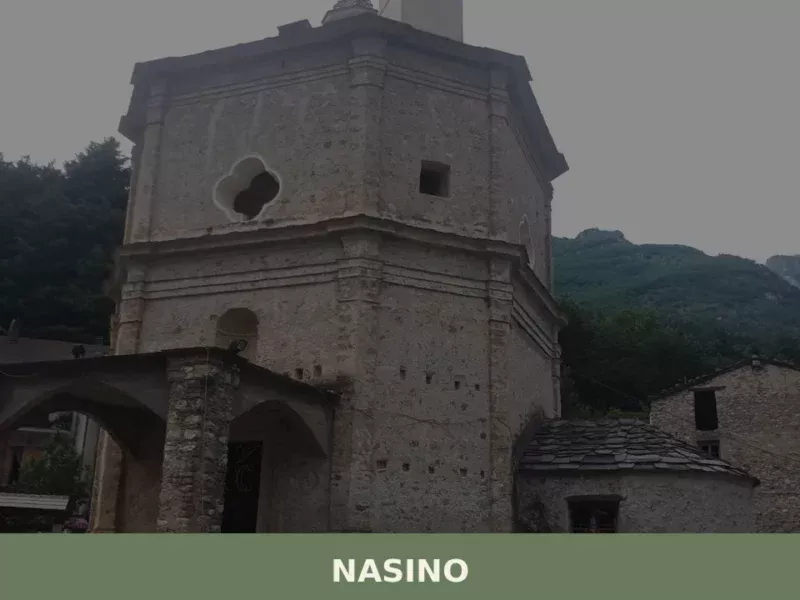
What to see in Nasino, Italy: a village of 212 inhabitants southwest of Savona. Explore its Ligurian character and scenic surroundings. Discover its unique charm.
🏡 Know Orco Feglino better than we do?
If you’re a local or have been there, your knowledge matters: add what’s missing or fix a detail on this page.