


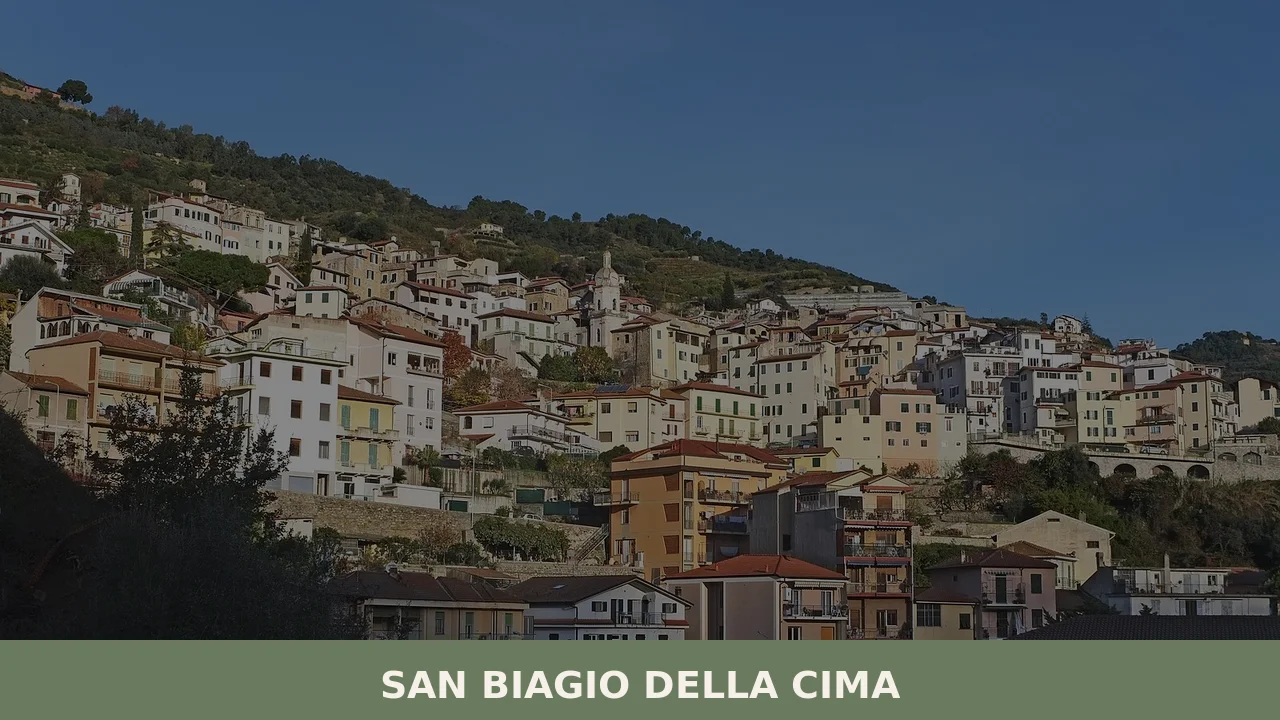
San Biagio della Cima
 Sea
Sea
What to see in San Biagio della Cima, Italy: discover the 1,266-inhabitant Ligurian village, its 1686 historical pact, and surrounding views. Explore this corner of Italy.
Discover San Biagio della Cima
History of San Biagio della Cima
On April 21, 1686, representatives from eight distinct villages gathered, a pivotal moment that would shape the identity of San Biagio della Cima. This assembly aimed to forge a collective independence, marking a significant historical chapter for the entire region.
The echoes of this historical ambition still resonate through the quiet streets of this Ligurian comune, inviting a closer look into its unique past.
For those asking what to see in San Biagio della Cima, this village of 1,266 inhabitants offers more than just scenic views; it presents a tangible connection to regional history.
Visitors can explore the ancient heart of the village, characterized by its traditional Ligurian architecture, and learn about the “Magnifica Comunità degli Otto Luoghi.” The experience extends to appreciating the expansive panoramas of the surrounding hills, typical of the Province of Imperia.
When to visit San Biagio della Cima, Italy and how to get there
San Biagio della Cima è facilmente raggiungibile in auto tramite l’autostrada A10 (uscita Ventimiglia o Bordighera) e proseguendo su strade provinciali. Le stazioni ferroviarie più vicine sono Ventimiglia e Bordighera, da cui si possono prendere autobus locali.
History of San Biagio della Cima
The origins of San Biagio della Cima are deeply intertwined with the broader historical dynamics of the Ligurian hinterland, a region often characterized by smaller communities asserting their autonomy.
The village, whose Ligurian name is San Giaixu, developed over centuries as an agricultural center within the Province of Imperia. Its strategic position, approximately 120 kilometers (75 mi) southwest of Genoa and about 30 kilometers (19 mi) west of Imperia, placed it within a complex web of regional influences and rivalries, particularly with the larger city of Ventimiglia.
A defining moment in the village’s history occurred on April 21, 1686, when representatives from San Biagio della Cima met with those from seven other villages: Camporosso, Vallebona, Vallecrosia, Sasso, Soldano, Borghetto San Nicolò, and Bordighera.
This significant gathering led to the formation of what they termed the “Magnifica Comunità degli Otto Luoghi,” translating to “The magnificent community of the eight villages.” This collective endeavor was driven by a shared objective to secure independence from the neighboring and historically dominant city of Ventimiglia, highlighting a strong desire for self-governance among these smaller entities.
This “Magnifica Comunità” represented a crucial step towards greater autonomy for San Biagio della Cima and its allied communities, allowing them to manage their affairs with less direct influence from Ventimiglia.
Local food and typical products of San Biagio della Cima
La cucina di San Biagio della Cima riflette le tradizioni liguri, con piatti a base di prodotti della terra e del mare. Tra le specialità locali spiccano l’olio d’oliva extra vergine, i profumati limoni, e i piatti a base di coniglio alla ligure e focaccia.
The historical pact underscores a period of significant political and social development in western Liguria, where local identities were fiercely protected. The village has maintained its status as a distinct comune within the Ligurian region since this formative period, continuing to evolve while preserving its historical roots and communal spirit, a spirit shared with nearby villages such as Dolceacqua.
What to see in San Biagio della Cima, Liguria: top attractions
The Historic Core of San Biagio della Cima
The heart of San Biagio della Cima reveals a typical Ligurian village structure, characterized by its closely packed stone houses and narrow, winding alleyways known as carrugi.
These passages often open into small squares, inviting visitors to experience the village’s historical layout. Walking through this ancient core offers a direct encounter with centuries of architectural continuity, where structures built from local materials reflect the region’s vernacular building traditions.
The central area, representing the village’s identity, has been inhabited by approximately 1,266 residents throughout its modern history.
Panoramic Views of the Ligurian Hills
From various vantage points within San Biagio della Cima, visitors can observe sweeping vistas across the verdant Ligurian hills, which are often terraced with olive groves and vineyards. The village’s name, “della Cima,” suggests its elevated position, offering expansive perspectives of the surrounding landscape towards the coast and inland valleys. These views highlight the agricultural character of the Province of Imperia, where the cultivation of olives has been a staple for hundreds of years.
The elevation allows for clear sightlines over many kilometers (miles) on a clear day, stretching towards other communities like Perinaldo and Vallebona.
The Legacy of the Magnificent Community of Eight Villages
While not a single physical structure, understanding the historical significance of the “Magnifica Comunità degli Otto Luoghi” is a key aspect of what to see in San Biagio della Cima.
The village itself, as one of the original eight signatories, serves as a tangible reminder of the 1686 pact that aimed for independence from Ventimiglia. Exploring the village with this historical context in mind allows visitors to appreciate the collective spirit and political will that shaped this part of Liguria more than 330 years ago, reflecting a shared history with neighboring communities such as Camporosso and Vallecrosia.
The Village’s General Architecture and Layout
San Biagio della Cima presents an architectural ensemble typical of a Ligurian hillside comune, with its buildings often featuring facades in muted earth tones and red-tiled roofs. The coherent urban fabric, developed over centuries, demonstrates adaptation to the terrain, with structures often built directly into the slopes. This functional yet aesthetically pleasing design is a hallmark of the region, where every available space was historically utilized.
The collective construction efforts reflect a community that has grown organically, with many buildings dating back over 200 years.
The Twin Town Relationship
A unique aspect of San Biagio della Cima’s contemporary identity is its twinning with Camps-la-Source, a municipality in France, a relationship established in 2005.
While not a physical landmark in the traditional sense, this international bond represents a facet of the village’s cultural and diplomatic life. Visitors interested in modern community connections can observe any markers or commemorative plaques that might signify this relationship, reflecting a cross-border exchange between two European communities.
This connection fosters cultural understanding and shared experiences between the two towns, a partnership now exceeding 15 years.
Local food and typical products of San Biagio della Cima
The culinary traditions of San Biagio della Cima are rooted in the broader gastronomic heritage of Liguria, a region renowned for its emphasis on fresh, local ingredients and simple, yet flavorful preparations. The proximity to both the sea and the fertile hills influences a diet rich in olive oil, aromatic herbs, vegetables, and seafood. This area’s cuisine is characterized by its use of basil, pine nuts, garlic, and locally grown olives, forming the foundation for many regional specialties.
The historical context of small, independent communities also shaped a resourceful approach to cooking, utilizing seasonal produce and sustainably sourced ingredients.
While specific dishes unique to San Biagio della Cima are not detailed in the available sources, visitors can anticipate experiencing the essence of Ligurian cooking when exploring the area.
Common regional preparations include various forms of focaccia, often topped with olive oil and salt, or sometimes with onions or olives. Pasta dishes frequently feature Pesto alla Genovese, a vibrant green sauce made from basil, pine nuts, garlic, Parmesan, Pecorino Sardo, and olive oil, reflecting the region’s agricultural bounty. Another staple is Farinata, a savory pancake made from chickpea flour, baked until golden and crisp.
The Ligurian landscape is particularly suited for olive cultivation, and the olive oil produced in the Province of Imperia is a cornerstone of the local diet. This high-quality oil is used for cooking, dressing salads, and as a dipping accompaniment for bread. The region’s focus on fresh ingredients means that seasonal vegetables, such as artichokes, zucchini, and tomatoes, play a significant role in many dishes.
Unfortunately, specific certified products or food fairs directly linked to San Biagio della Cima are not mentioned in the provided historical and geographical data.
Festivals, events and traditions of San Biagio della Cima
The available information for San Biagio della Cima primarily highlights its historical foundation and geographical context, without detailing specific local festivals, patron saint celebrations, or recurring annual events.
Many smaller Italian comuni typically observe a patron saint’s day with religious processions, community gatherings, and often local markets or musical performances. These events traditionally serve as focal points for community life, bringing residents together in shared celebration and upholding long-standing customs.
While specific dates and traditions for San Biagio della Cima are not outlined in the provided sources, the village’s twinning with Camps-la-Source, France, since 2005, represents a contemporary form of international exchange and community interaction. This partnership fosters cultural ties and mutual understanding between the two municipalities.
Visitors should note that information regarding local festivities, such as specific food festivals or historical reenactments, would typically be found through municipal tourism offices or local event calendars upon arrival.
When to visit San Biagio della Cima, Italy and how to get there
The best time to visit San Biagio della Cima, Italy, largely aligns with the broader appeal of the Ligurian coast, offering a pleasant climate for most of the year.
Spring (April to June) and early autumn (September to October) are particularly agreeable, with mild temperatures, fewer crowds, and the landscape often at its most vibrant. These periods are ideal for exploring the village’s historic core and enjoying the surrounding countryside without the intense heat of mid-summer.
Summer months (July and August) are warm and sunny, drawing more visitors to the Ligurian region, making it a lively time but potentially busier.
Accessing San Biagio della Cima, a comune in the Province of Imperia, requires considering its location within western Liguria. The village is situated approximately 120 kilometers (75 mi) southwest of Genoa, a major regional hub, and about 30 kilometers (19 mi) west of Imperia itself. For those traveling by car, the A10 motorway, known as the “Autostrada dei Fiori,” is the main route along the Ligurian coast.
Specific exit information for San Biagio della Cima is not provided in the sources, but travelers would typically exit at a nearby coastal town and follow local roads inland. For international visitors, while specific airport details are not listed in the provided information, carrying some Euros cash can be useful as smaller shops and establishments may have limited card facilities.
Public transport options, such as train stations or direct bus routes to San Biagio della Cima from major cities, are not detailed in the available data.
However, regional train services along the Ligurian coast connect major towns like Ventimiglia and Sanremo, from which local bus or taxi services would be necessary to reach the village. A day trip to San Biagio della Cima is feasible from Imperia or other coastal towns in western Liguria, offering a glimpse into the region’s historical depth.
For those planning their journey, consulting local transport websites like Trenitalia for train schedules is advisable when traveling within Italy.
Beyond exploring what to see in San Biagio della Cima, visitors to this part of Liguria can extend their discovery to nearby destinations. The village’s historical connections and geographical proximity make it an ideal starting point for further exploration of the Italian Riviera di Ponente.
Frequently asked questions about San Biagio della Cima
What is the best time to visit San Biagio della Cima?
Spring (April–June) and early autumn (September–October) offer the most pleasant conditions: mild temperatures, green terraced hillsides, and fewer crowds. If you want to experience local tradition, plan your visit around February 3, the feast day of the village's patron saint San Biagio vescovo e martire, when the community typically gathers for religious and civic celebrations. Summer is warm and sunny but busier across the Ligurian region. Winter is quiet and cool, best suited for those seeking solitude and authentic village life.
What are the historical origins of San Biagio della Cima?
San Biagio della Cima developed as an agricultural hillside community in the Province of Imperia. Its most significant historical milestone occurred on April 21, 1686, when it joined seven neighboring villages — including Bordighera, Camporosso, and Vallecrosia — to form the 'Magnifica Comunità degli Otto Luoghi.' This pact was driven by a collective desire for independence from the dominant city of Ventimiglia. The village is also known by its Ligurian name, San Giaixu, reflecting the area's deep-rooted regional linguistic heritage.
What to see in San Biagio della Cima? Main monuments and landmarks
The historic core (centro storico) is the village's primary attraction, featuring the classic Ligurian urban fabric of narrow stone alleyways called carrugi, small squares, and centuries-old buildings with muted facades and red-tiled roofs. The village itself stands as a living monument to the 1686 'Magnifica Comunità degli Otto Luoghi' pact. Panoramic viewpoints overlooking the olive-grove-terraced Ligurian hills toward the coast add further interest. A commemorative marker related to the twin-town relationship with Camps-la-Source (France), established in 2005, may also be observed in the village.
What are the main natural or scenic attractions of San Biagio della Cima?
The village sits at approximately 100 metres elevation, offering clear panoramic views across the terraced hills of the Province of Imperia, with sightlines reaching toward the Ligurian coast and inland valleys. The surrounding landscape is characterized by ancient olive groves and vineyards, typical of western Liguria. On clear days, views extend toward nearby communities including Perinaldo and Vallebona. The name 'della Cima' itself references the village's elevated, ridge-top position, which is the defining natural feature of the site.
Where to take the best photos in San Biagio della Cima?
The most rewarding photo opportunities are found at the elevated vantage points around the village perimeter, where the terraced olive groves and vine-covered hillsides of the Province of Imperia create layered, textured landscapes stretching toward the coast. The narrow carrugi of the historic center, with their stone archways and colorful facades, offer classic Ligurian village compositions. Early morning light enhances both the hillside panoramas and the intimate village streetscapes.
Who is San Biagio della Cima suitable for? Families, couples, hikers, solo travelers?
San Biagio della Cima is best suited to travelers who appreciate quiet, authentic Ligurian village life away from the busy coastal resorts. Couples and solo travelers seeking history, scenic hillside walks, and local food and wine culture will find it particularly rewarding. History enthusiasts drawn to the story of the 1686 'Magnifica Comunità degli Otto Luoghi' will find the village compelling. Families looking for a relaxed base within easy reach of the Ligurian coast and nearby villages like Dolceacqua and Bordighera will also find it a practical choice.
What to eat in San Biagio della Cima? Local products and specialties
The village sits within one of Italy's premier olive oil territories: the Province of Imperia produces the DOP-certified 'Riviera Ligure' extra virgin olive oil, a cornerstone of the local diet. Expect classic Ligurian dishes such as focaccia al olio, Pesto alla Genovese over pasta (trofie or trenette), and Farinata, the golden chickpea-flour pancake. Seasonal vegetables — artichokes, zucchini, tomatoes — feature prominently. Fresh seafood from the nearby Ligurian coast regularly appears on local menus throughout the area.
📷 Photo Gallery — San Biagio della Cima
Getting there
Piazza Pianello, 18036 San Biagio della Cima (IM)
Nearby Villages near San Biagio della Cima
In Liguria More villages to discover
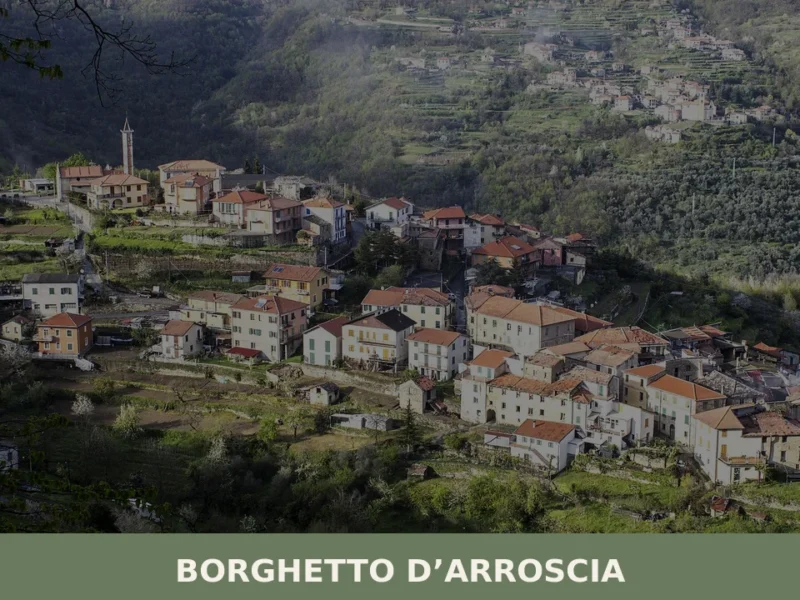
Borghetto d’Arroscia
 Plains
Along the banks of the Arroscia river, amidst centuries-old olive groves and cultivated terraces, lies the territory of Borghetto d’Arroscia, a scattered municipality in the province of Imperia. Its hamlets, such as Gavenola and Bastia, preserve the appearance of small Ligurian settlements, characterized by stone buildings and narrow streets that follow the contours of the […]
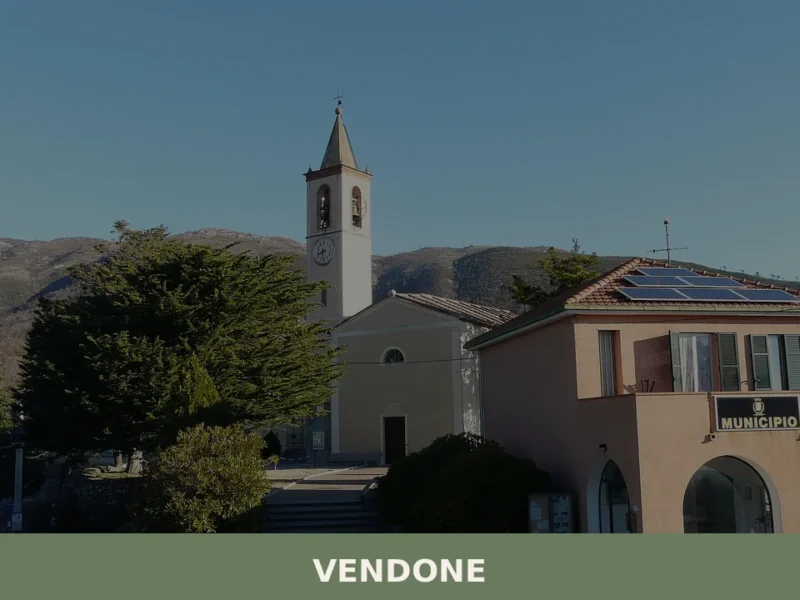
Vendone
 Hills
Hills
What to see in Vendone, Liguria, Italy: 5 attractions, local food, festivals and how to get there. 401 inhabitants, 80 km from Genoa. Discover it now.
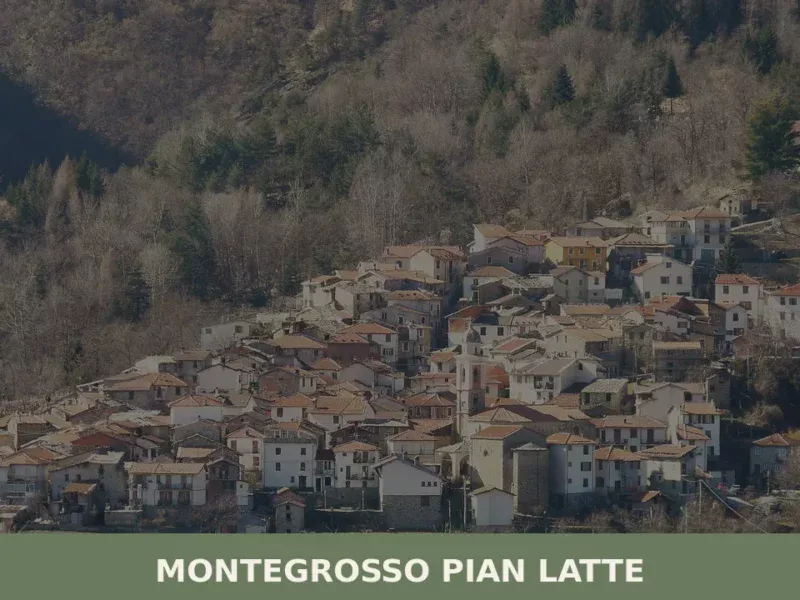
Montegrosso Pian Latte
 Mountain
What to see in Montegrosso Pian Latte, Italy? Discover this Ligurian village of 132 residents, explore its frazione Case Fascei, and the Alpi Liguri Park. Read our guide.
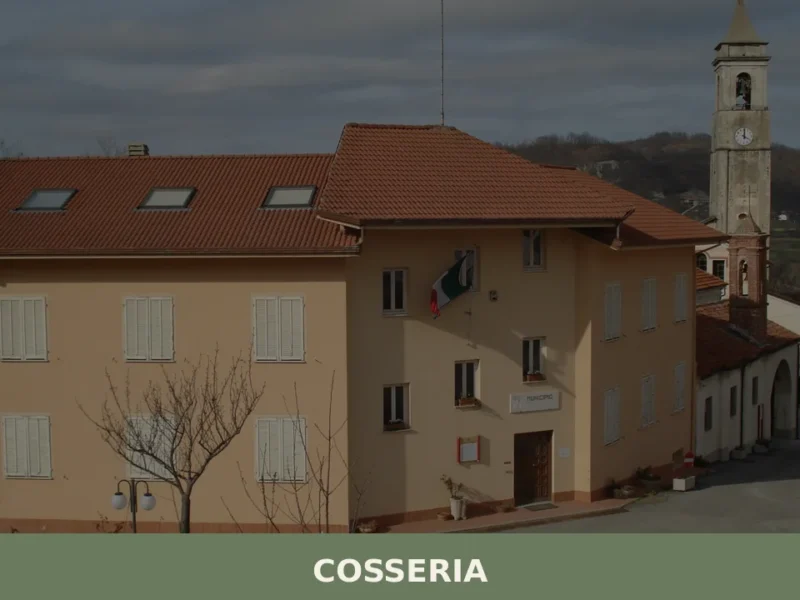
Cosseria
Mountain
What to see in Cosseria, Liguria, Italy: explore a comune of 1,095 inhabitants near Savona. Discover the 5th Infantry Division history, local food and how to get there.
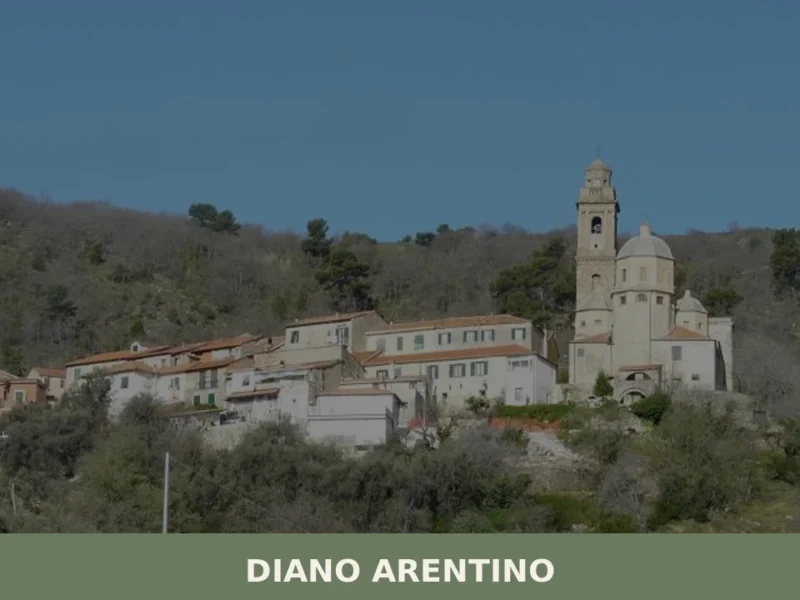
Diano Arentino
Hills
Diano Arentino sits at 331 metres above sea level in the province of Imperia, one of several small settlements that make up the historical Comunitas Diani — a confederation of villages documented in medieval records across the olive-rich hills behind the Gulf of Diano. With a population of roughly 700, the village maintains an economy […]
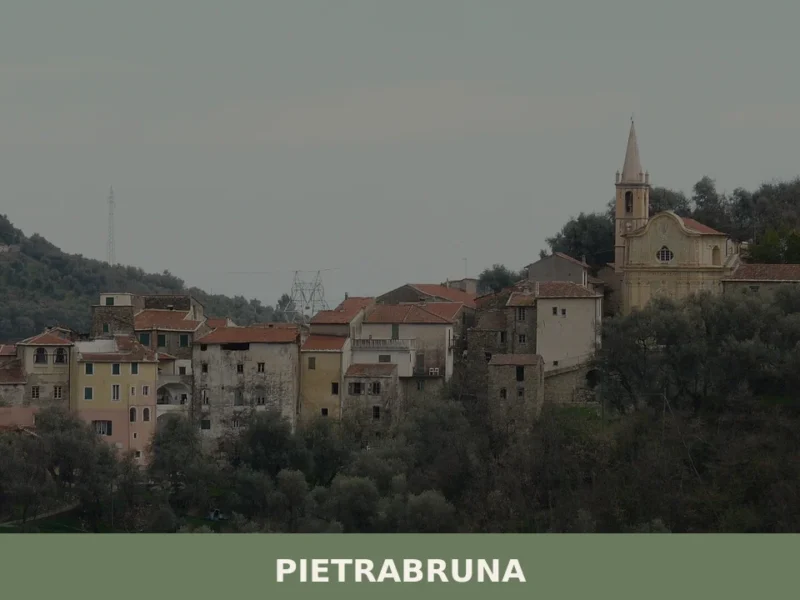
Pietrabruna
Sea
What to see in Pietrabruna, Italy: 546 inhabitants, 100 km from Genoa. Discover medieval architecture, Ligurian olive oil and local festivals. Full travel guide.
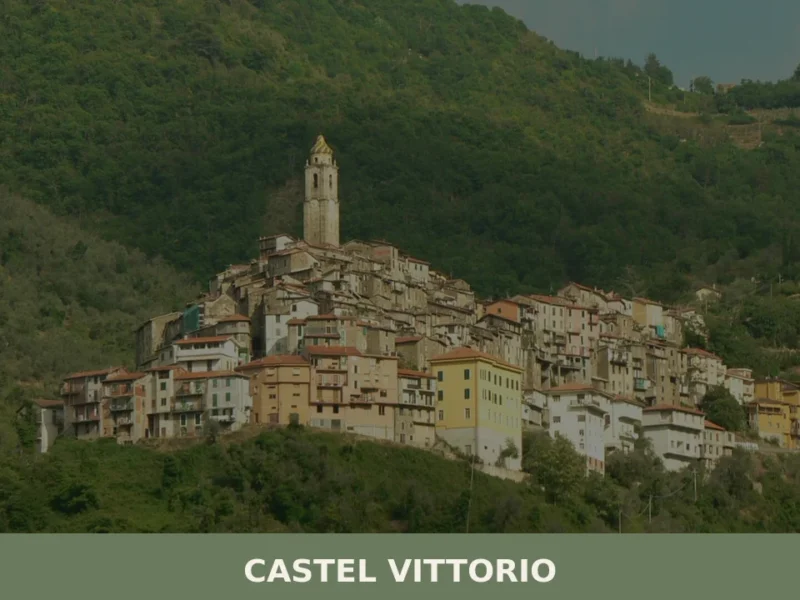
Castel Vittorio: Liguria’s Enduring Stone Village
Hills
What to see in Castel Vittorio, Liguria, Italy: at 420 m altitude, 261 inhabitants, parish art by Venusti & Maragliano. Discover top attractions & travel tips.
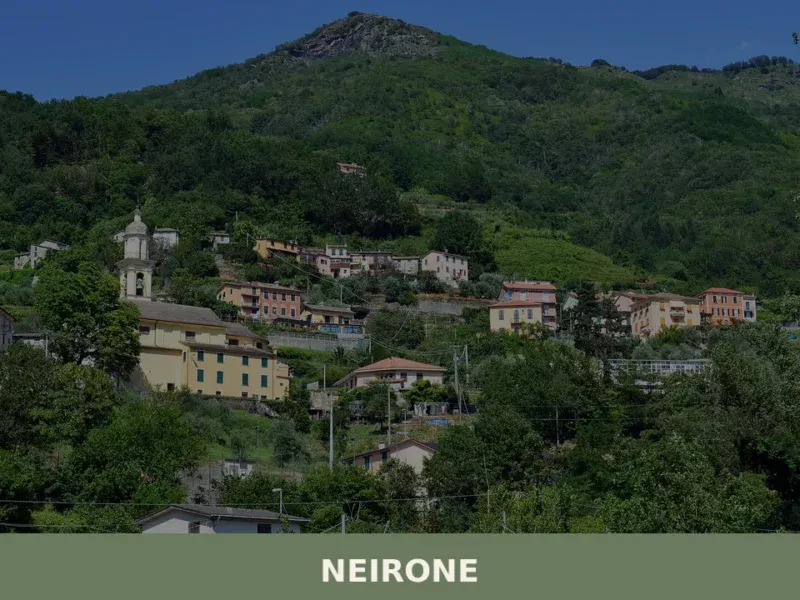
Neirone
Mountain
what to see in neirone explores this Ligurian village of 954 inhabitants in Italy. Discover local landscapes and general Ligurian cuisine.
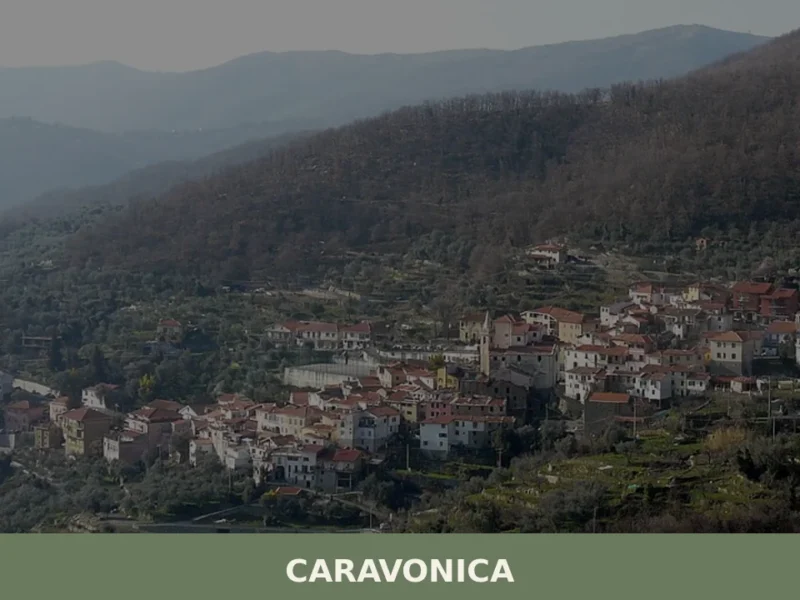
Caravonica
Hills
The scent of wild rosemary drifts on the morning air, carried by a breeze that has travelled from the Ligurian Sea and across the terraced olive groves. Morning light, still soft, begins to illuminate the ochre and terracotta facades of Caravonica “”, a village clinging to a hillside in the Imperia province. At 360 meters […]
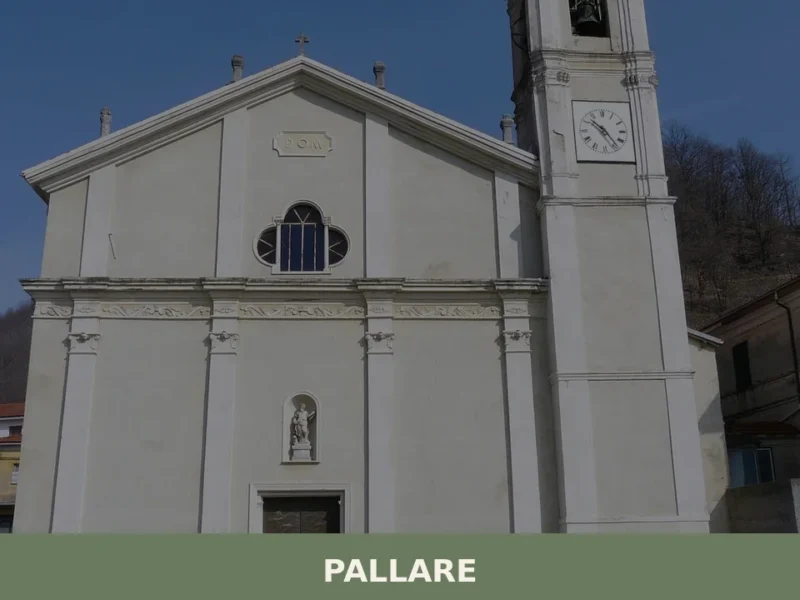
Pallare
Mountain
what to see in pallare: Explore this Ligurian comune, 15 km from Savona, Italy. Discover its geographical context and accessibility. Read our guide.

🏡 Know San Biagio della Cima better than we do?
If you’re a local or have been there, your knowledge matters: add what’s missing or fix a detail on this page.