


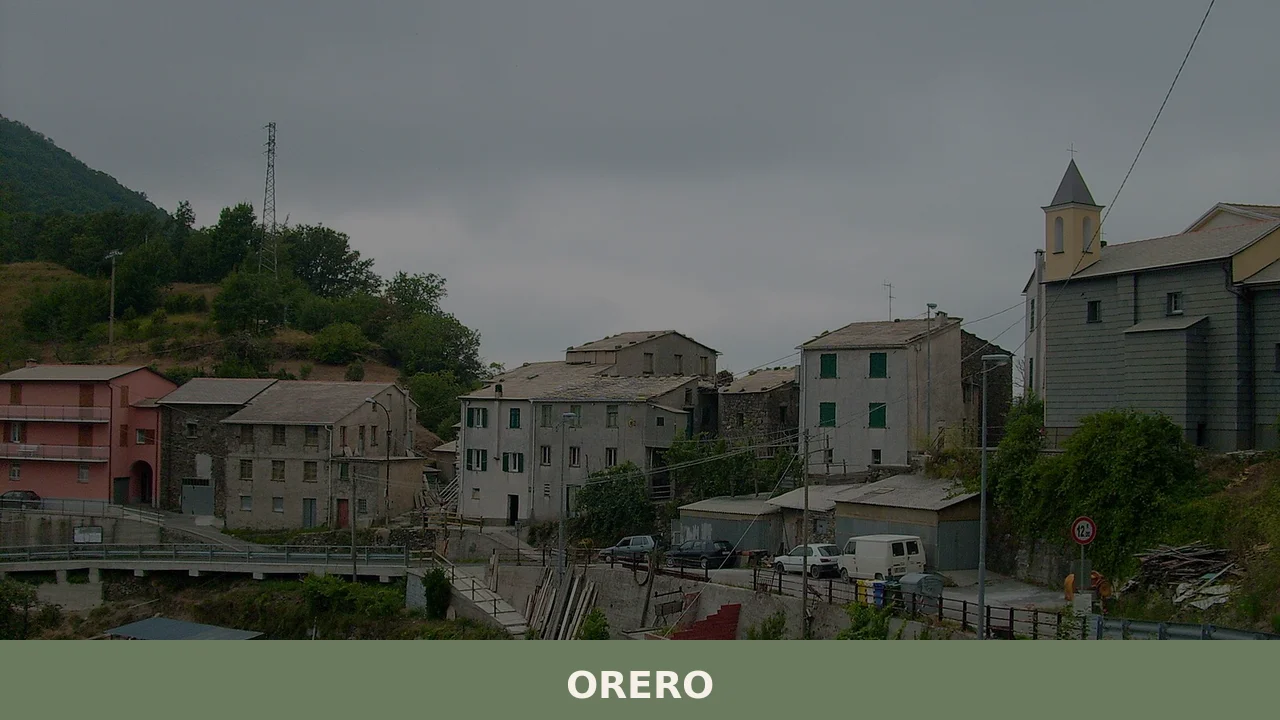
Orero
 Mountain
What to see in Orero, Italy: Explore a Ligurian village at 400 m (1,312 ft) altitude. Discover the 17th-century Sant’Ambrogio Church and the autumn Chestnut Festival. Read our guide.
Discover Orero
The Fontanabuona Valley, shaped by ancient geological forces, encompasses the village of Orero in the heart of Liguria. Records from imperial documents in 972 confirm a long-standing human presence amidst the rolling hills of the Ligurian Apennines.
Here, the landscape transitions from coastal bustle to the quiet rhythms of an inland agricultural community.
For those pondering what to see in Orero, the village, situated at 400 m (1,312 ft) above sea level, offers a genuine glimpse into Ligurian rural life. Visitors to Orero find historical structures such as the 17th-century Parish Church of Sant’Ambrogio and the Oratory of Sant’Antonio Abate.
The Orero highlights include a rich agricultural heritage and traditional seasonal festivals.
History of Orero
The documented history of Orero, Liguria, Italy, traces its origins back over a millennium, with the earliest verifiable mention appearing in an imperial diploma issued by Otto I in 972. This ancient document confirms the existence of the settlement long before its later development into a recognized commune.
During this early period, the region was often characterized by fragmented feudal control and a gradual consolidation of power by emerging city-states across the Italian peninsula.
Throughout the medieval and early modern eras, Orero fell under the dominion of the powerful Republic of Genoa, sharing the fate and fortunes of this prominent maritime power. The village’s strategic location within the Fontanabuona Valley, a key inland route connecting the coast with the Apennine interior, likely played a role in its historical significance.
Following the Napoleonic period and the Congress of Vienna in 1815, Orero became part of the Kingdom of Sardinia, a critical step towards the eventual unification of Italy. This historical transition mirrors that of many northern Italian communities, including villages such as Arignano in Piemonte, which also experienced significant shifts in governance during this era.
The village officially joined the newly formed Kingdom of Italy in 1861, integrating into the national administrative structure that continues today.
The surname Orero itself has been associated with notable individuals, including Baldassarre Orero (1841–1914), an Italian general, and José Sanfrancisco Orero (born 1944), a Spanish painter and sculptor, though their direct connection to the Ligurian village is not specified in historical records.
This long trajectory reflects centuries of political shifts and cultural continuity in the Ligurian hinterland, maintaining its distinct identity despite broader changes.
What to see in Orero, Liguria: top attractions
Parish Church of Sant’Ambrogio
The Parish Church of Sant’Ambrogio presents a facade that reflects its 17th-century reconstruction, though the site itself boasts a much older ecclesiastical presence dating back centuries.
Its bell tower, a prominent feature against the backdrop of the Fontanabuona Valley, stands as a testament to centuries of community faith. Inside, visitors can observe architectural elements typical of Ligurian baroque, providing a peaceful space for reflection.
The church serves as the spiritual heart of the village and is dedicated to Sant’Ambrogio, whose feast day is celebrated annually on December 7. Access to the church is generally open during daylight hours, allowing visitors to appreciate its historical artistry and tranquil atmosphere.
The structure has undergone various modifications over its long history, maintaining its central role for over 300 years since its last major renovation.
Oratory of Sant’Antonio Abate
Adjacent to the parish church, the Oratory of Sant’Antonio Abate also dates back to the 17th century, offering a complementary view of Orero’s religious heritage.
Its more modest scale often signifies its historical role as a gathering place for confraternities, voluntary associations dedicated to specific charitable or religious functions. The structure features simple yet elegant architectural lines characteristic of the period, providing insight into local religious practices.
Visitors can appreciate the oratory’s intimate setting, which contrasts with the larger parish church, providing insight into the diverse forms of local worship. While specific opening times may vary, its exterior can always be admired, showcasing another layer of the village’s historical fabric.
Its construction, like many buildings of its era, utilized locally sourced stone and timber.
Fontanabuona Valley Landscapes
The broader Fontanabuona Valley, where Orero is situated at 400 m (1,312 ft) altitude, offers extensive opportunities for appreciating the natural environment of inland Liguria.
Verdant hillsides, often terraced for cultivation, define the panorama, with the Ligurian Apennines forming a dramatic backdrop. These landscapes have been shaped by agricultural practices over centuries, creating a distinctive mosaic of human intervention and natural beauty.
Exploring the valley on foot or by bicycle allows visitors to discover numerous trails and vantage points, with elevation changes sometimes exceeding 100 m (328 ft) between the valley floor and higher slopes. The best time to experience these views is during spring or autumn when the weather is mild and the colors of the vegetation are most vibrant.
This tradition of cultivating hilly terrain is also a feature of regions like Emilia-Romagna, seen in areas around Piozzano.
Chestnut Groves and Agricultural Terraces
Orero’s economic history is deeply tied to its agricultural roots, particularly the cultivation of chestnuts, which thrive in the local climate and soil conditions.
Vast chestnut groves can be observed on the slopes surrounding the village, evidence of a tradition dating back generations. These trees, some of which are centuries old, represent a vital part of the local ecosystem and economy, contributing significantly to the village’s identity for over 500 years.
The intricate system of agricultural terraces, built with dry stone walls, highlights the ingenuity of past inhabitants in adapting to the steep terrain, often requiring significant manual labor to construct and maintain.
These terraced fields, visible across the landscape, offer a tangible connection to Orero’s enduring agricultural identity and are particularly interesting to observe during the autumn harvest season, typically in October.
Traditional Ligurian Rural Architecture
Beyond the specific religious buildings, Orero retains examples of traditional Ligurian rural architecture, characterized by sturdy stone construction and practical designs adapted to the mountainous terrain.
Many village houses, some dating back several centuries, feature small windows, tiled roofs, and exposed stonework, reflecting the historical availability of local materials. The compact arrangement of these structures often suggests a communal way of life, with buildings closely clustered for mutual support.
A stroll through the older parts of Orero reveals narrow alleyways and small squares, where the architectural details tell stories of past inhabitants and their craftsmanship.
While not a single monument, the collective ensemble of these buildings provides a cohesive visual narrative of the village’s historical development and its continued connection to traditional building practices, some of which date back to the medieval period.
Local food and typical products of Orero
The gastronomic traditions of Orero are intrinsically linked to its position within the Fontanabuona Valley and the broader Ligurian hinterland, where ingredients from the mountains and forests meet influences from the nearby coast.
This geographical context has fostered a cuisine that emphasizes seasonal availability, local produce, and traditional preparation methods passed down through generations.
The local diet historically relied on readily available resources, shaping a distinctive culinary identity over many centuries.
Typical dishes often feature ingredients such as chestnuts, mushrooms, and various wild herbs, reflecting the village’s agricultural economy. One might find preparations like minestrone alla genovese, a rich vegetable soup often enhanced with pesto, a sauce made from basil, pine nuts, garlic, Parmesan, and olive oil. Another traditional offering could be various types of pasta, such as pansoti, a crescent-shaped ravioli typically filled with a mixture of wild greens and ricotta, served with a walnut sauce, showcasing the ingenuity of local cooks.
Orero is known for several local products that form the backbone of its culinary identity.
Chestnuts are a primary product, harvested from the extensive groves surrounding the village and used in both sweet and savory dishes, including flour for breads and cakes. Wild mushrooms, gathered from the local woods, are another important seasonal ingredient, featured in risottos and sauces, especially during autumn.
Additionally, locally produced honey, derived from the diverse flora of the Fontanabuona Valley, offers a sweet delicacy, often characterized by its unique floral notes. The emphasis on natural, farm-to-table produce is a common thread throughout Italy’s rural communities, including places like San Pietro in Cerro, where local agriculture forms a core part of the economy.
While specific certified products with a Protected Designation of Origin (PDO) or Protected Geographical Indication (PGI) are not explicitly documented for Orero itself, these local items are deeply rooted in the region’s culinary heritage. Visitors can often find these products sold directly by local farmers or at small village shops, especially during the autumn months.
The annual Sagra della Castagna provides an excellent opportunity to sample and purchase fresh chestnuts and related products, directly from producers in the village square.
Festivals, events and traditions of Orero
The village of Orero maintains a strong connection to its traditional festivals and community events, which punctuate the annual calendar.
The most significant religious observance is the feast day of its patron saint, Sant’Ambrogio, celebrated annually on December 7. This day typically involves religious services at the Parish Church of Sant’Ambrogio, often accompanied by local processions and community gatherings that highlight the village’s enduring faith.
These events offer a moment for communal celebration and reflection, drawing together residents from Orero and neighboring hamlets.
A prominent secular event that draws visitors and locals alike is the annual Sagra della Castagna, or Chestnut Festival, which takes place in October. This traditional sagra (a local food festival) celebrates the chestnut harvest, a cornerstone of Orero’s agricultural economy. The festival features stalls selling roasted chestnuts, chestnut-based products, and other local delicacies, along with music and folk entertainment.
It provides an energetic atmosphere and a direct insight into the village’s cultural and gastronomic heritage, attracting numerous visitors eager to experience local traditions.
When to visit Orero, Italy and how to get there
The best time to visit Orero, Italy, largely depends on your interests, though spring (April-May) and autumn (September-October) generally offer the most pleasant weather.
In spring, the Fontanabuona Valley is lush with new growth and wildflowers, making it ideal for hiking and enjoying the mild Ligurian climate. Autumn is particularly appealing for those interested in local traditions, coinciding with the chestnut harvest and the lively Sagra della Castagna in October, providing a unique cultural experience.
Orero is situated approximately 40 km (25 mi) east of Genoa, making it a feasible day trip from the regional capital. For those arriving by car, the village is accessible via a network of provincial roads that wind through the Fontanabuona Valley. The nearest major motorway exit would typically be on the A12 (Genoa-Rosignano) at Lavagna or Chiavari, from which it’s a drive of about 20-30 minutes covering approximately 15-20 km (9.3-12.4 mi) inland.
The terrain around Orero can be hilly, but the main village areas are generally navigable, though comfortable shoes are recommended for exploring.
The nearest major train station is located on the coastal line in Chiavari or Lavagna, offering connections to Genoa and other Ligurian towns through the regional rail network operated by Trenitalia.
From these stations, local bus services or taxis are required to reach Orero. The closest international airport is Genoa Cristoforo Colombo Airport (GOA), approximately 50 km (31 mi) away, with a travel time of around 1 hour 15 minutes by car.
For international visitors, it is advisable to carry some Euros cash, as smaller establishments in Orero may have limited card payment options, and English may not be widely spoken outside of tourist-oriented areas, making basic Italian phrases useful.
Visitors to Orero looking to extend their exploration of diverse Italian landscapes may consider a trip to Bastia Umbra in Umbria, which, though geographically distant, represents another facet of Italy’s rich regional character and history, offering different cultural experiences.
Frequently asked questions about Orero
What is the best time to visit Orero?
Spring (April–May) and autumn (September–October) are the ideal seasons to visit Orero. Spring offers mild temperatures and lush green hillsides perfect for walking the Fontanabuona Valley trails. Autumn is particularly special: October brings the chestnut harvest, with the Sagra della Castagna offering fresh local products directly in the village square. December 7 is the feast day of patron saint Sant'Ambrogio, celebrated with religious services at the Parish Church and community gatherings — a meaningful moment to experience authentic village life.
What are the historical origins of Orero?
Orero's documented history dates back to 972 AD, when an imperial diploma issued by Otto I explicitly mentioned the settlement — making it one of the earlier recorded villages in the Ligurian hinterland. Throughout the medieval period it fell under the Republic of Genoa, benefiting from its position along the Fontanabuona Valley, a key inland route. After the Congress of Vienna (1815) it joined the Kingdom of Sardinia, and in 1861 it became part of unified Italy, following the same historical arc as much of northern Liguria.
What to see in Orero? Main monuments and landmarks
The main monuments in Orero are the 17th-century Parish Church of Sant'Ambrogio, whose baroque-influenced interior and prominent bell tower are the village's spiritual centerpiece, and the adjacent Oratory of Sant'Antonio Abate, a smaller 17th-century structure historically linked to local confraternities. Both buildings are generally accessible during daylight hours at no charge. Beyond religious architecture, visitors should explore the traditional Ligurian stone-built houses in the older village core, the terraced agricultural hillsides, and the ancient chestnut groves surrounding the settlement.
What are the main natural and scenic attractions of Orero?
Orero sits within the Fontanabuona Valley at approximately 400 metres above sea level, surrounded by the Ligurian Apennines. The landscape is defined by terraced hillsides built with dry stone walls, centuries-old chestnut groves — some trees over 500 years old — and forested slopes ideal for walking and cycling. Elevation changes exceeding 100 metres between valley floor and upper slopes provide varied terrain. The scenery is most vivid in spring, when vegetation is lush, and in autumn during the October chestnut harvest.
Where to take the best photos in Orero?
The bell tower of the Parish Church of Sant'Ambrogio offers a strong visual anchor against the Fontanabuona Valley backdrop and is a natural subject for photography. The terraced hillsides with their dry stone walls, particularly during the golden light of autumn, provide compelling landscape shots. The narrow stone alleyways and clustered medieval-style houses in the older village core reward detail-oriented photographers. For panoramic views of the Ligurian Apennines, the elevated slopes above the village accessible on foot offer the widest vantage points.
Are there museums, churches or historic buildings to visit in Orero?
Orero has two documented historic religious buildings open to visitors. The Parish Church of Sant'Ambrogio, reconstructed in the 17th century on an older ecclesiastical site, features Ligurian baroque architectural elements and is generally open during daylight hours free of charge. The Oratory of Sant'Antonio Abate, also 17th-century and located adjacent to the parish church, served historically as a confraternity gathering place; its exterior can always be admired. No formal museums have been documented for the village, but its traditional stone architecture constitutes an open-air heritage ensemble.
What can you do in Orero? Activities and experiences
Orero is well suited to slow, nature-based tourism. Visitors can hike or cycle through the Fontanabuona Valley trails, exploring terraced landscapes and chestnut groves. The autumn season adds the practical activity of following the chestnut harvest and attending the Sagra della Castagna, where local producers sell chestnuts, chestnut flour, honey, and wild mushroom products. The December 7 feast of Sant'Ambrogio provides an authentic cultural experience with religious processions and community gatherings. Touring the historic village core on foot to observe traditional Ligurian rural architecture is another rewarding activity.
Who is Orero suitable for? Families, couples, hikers, solo travelers?
Orero is best suited to hikers and nature lovers seeking Ligurian Apennine landscapes away from the crowded coast, and to cultural travelers interested in authentic rural village life. Couples looking for quiet, scenic surroundings will appreciate the terraced hillsides and medieval stone architecture. Food enthusiasts drawn to traditional products — chestnuts, wild mushrooms, local honey — will find the autumn season particularly rewarding. Families with older children who enjoy walking and agritourism-style experiences are also well catered for. It is not primarily a destination for beach tourists or those seeking nightlife.
What to eat in Orero? Local products and specialties
Orero's cuisine reflects the Ligurian hinterland tradition, built around seasonal mountain ingredients. Chestnuts are the defining local product, used in flour for breads and sweets and available fresh during the October harvest. Wild mushrooms gathered from local woods appear in risottos and pasta sauces in autumn. Pansoti — crescent-shaped pasta filled with wild greens and ricotta, served with walnut sauce — is a classic Ligurian dish found in the area. Locally produced honey from the diverse flora of the Fontanabuona Valley is another notable product. Many of these can be purchased directly from local farmers or at the Sagra della Castagna.
📷 Photo Gallery — Orero
Nearby Villages near Orero
In Liguria More villages to discover
Pignone
 Hills
Hills
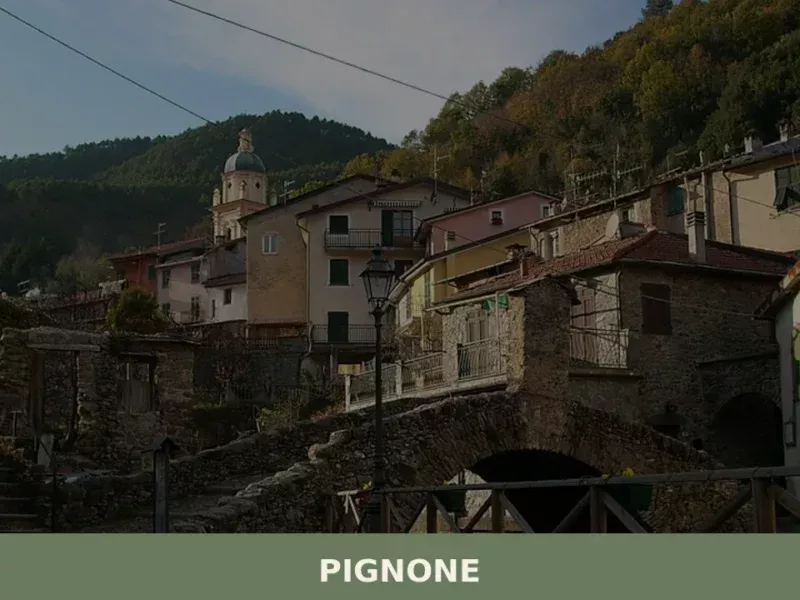
what to see in pignone provides a glimpse into Ligurian life. With a population of 654, discover its location near La Spezia, Italy and its administrative divisions. Explore its quiet charm.
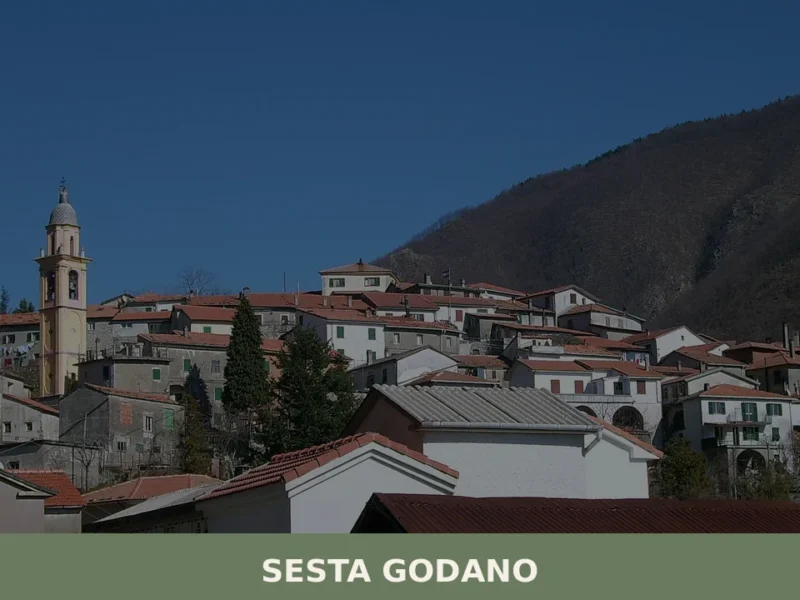
Sesta Godano
Mountain
What to see in Sesta Godano, Italy? Explore this Ligurian village at 242 m (794 ft) altitude. Discover its mountain setting and local festivals. Read our guide.
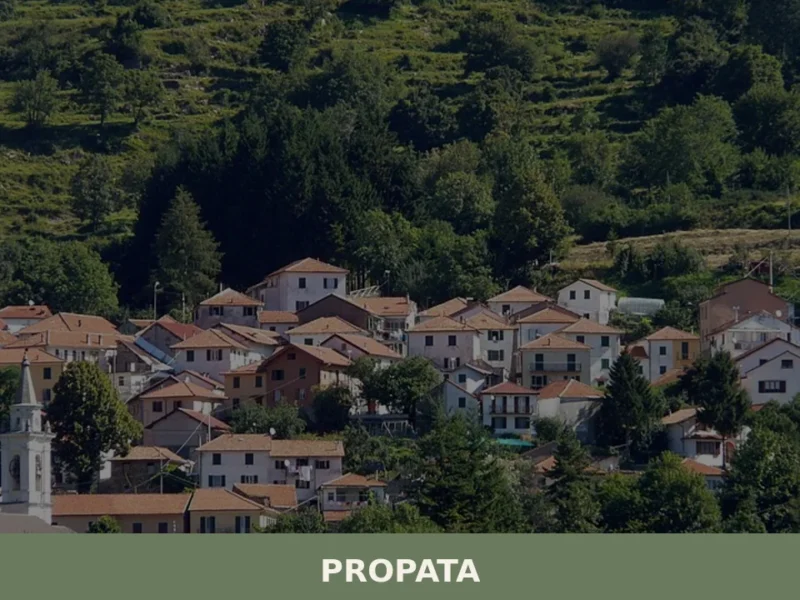
Propata
Mountain
What to see in Propata, Italy: Discover the parish church and its Maragliano statue in this Ligurian village of 156 inhabitants. Explore its history.
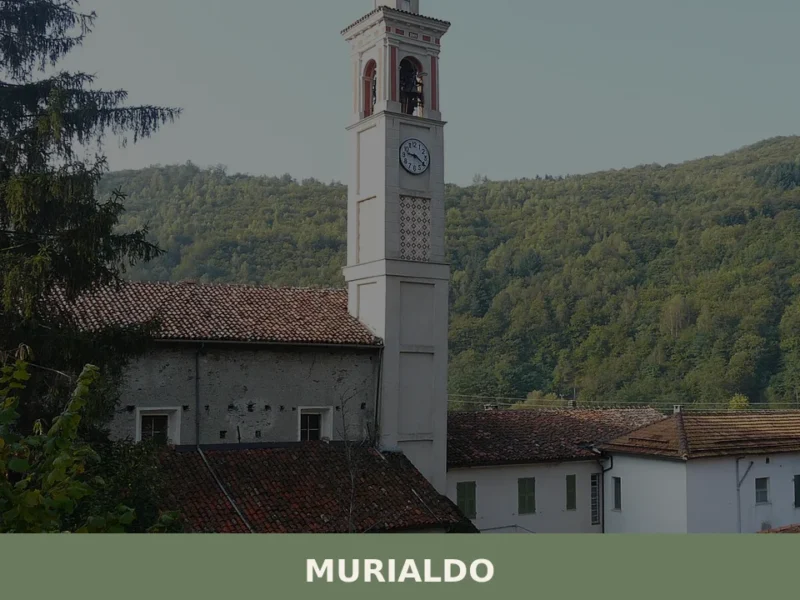
Murialdo
Mountain
What to see in Murialdo, Liguria, Italy: 8 borgate, Monte Camulera, and local cuisine across 37.5 sq km. Discover top attractions, events, and how to get there.
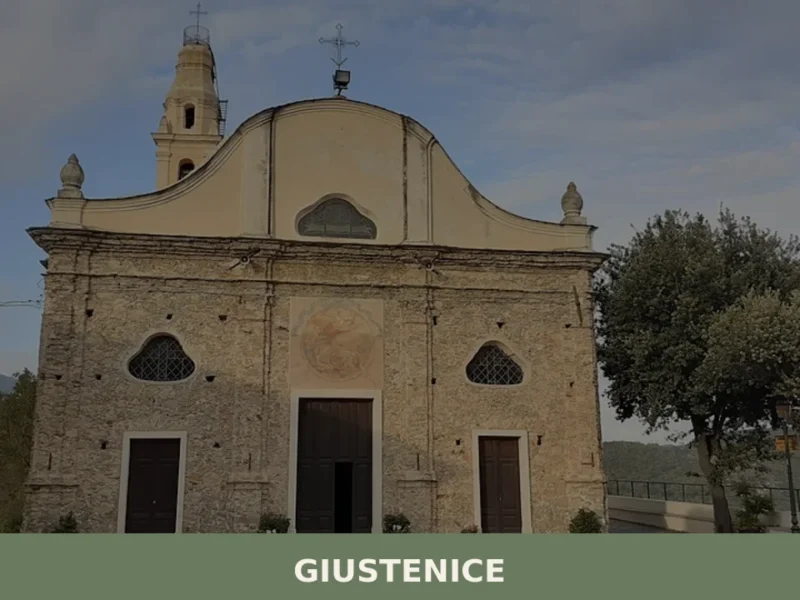
Giustenice
 Sea
Sea
The Scaincio stream cuts through the Maremola Valley floor, and the path that follows it northward from San Lorenzo climbs steadily toward a ridgeline where the elevation crosses 1,200 m (3,937 ft). Above, the bulk of Monte Carmo reaches 1,389 m (4,557 ft), its limestone flanks visible for much of the valley. In this article […]
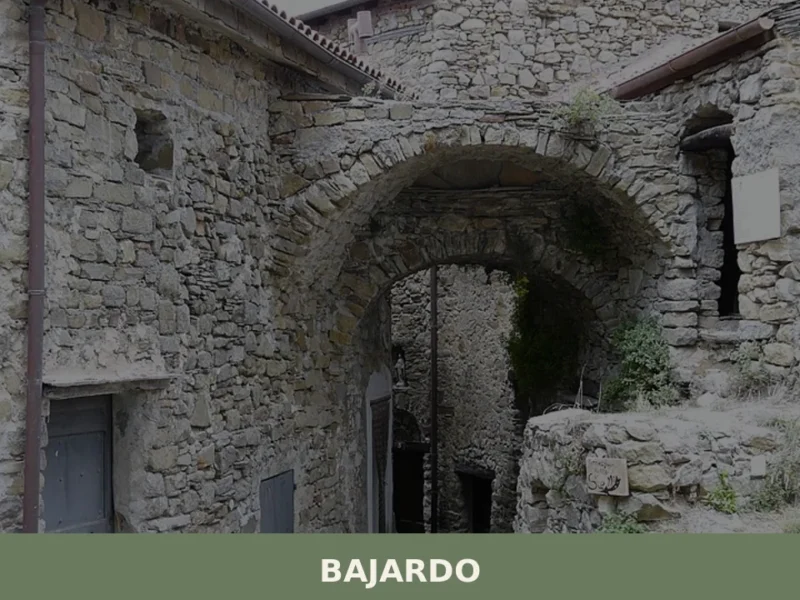
Bajardo
Mountain
What to see in Bajardo? Discover top 5 attractions at 910m, with historic ruins, stunning views, and trails. Plan your visit!
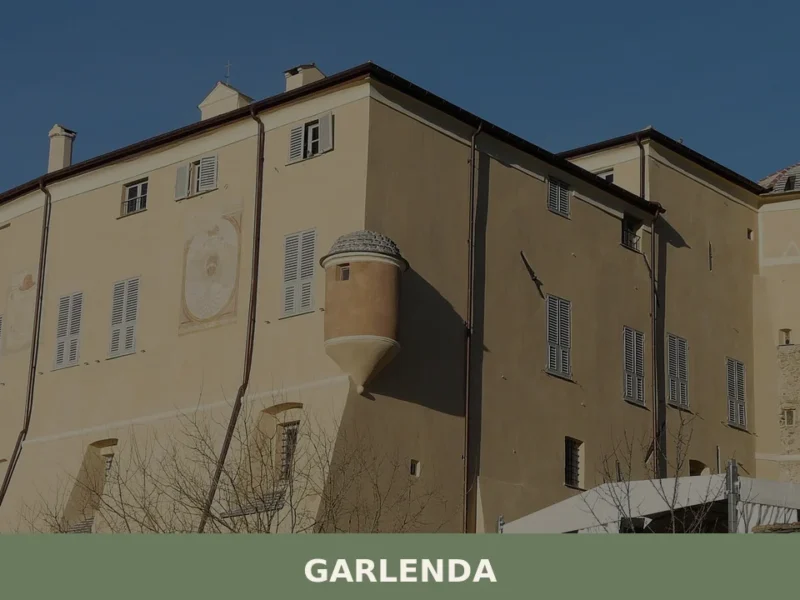
Garlenda
Hills
What to see in Garlenda, Liguria, Italy: explore a village of 1,200 inhabitants 80 km from Genoa. Discover top attractions, local food, and how to get there.
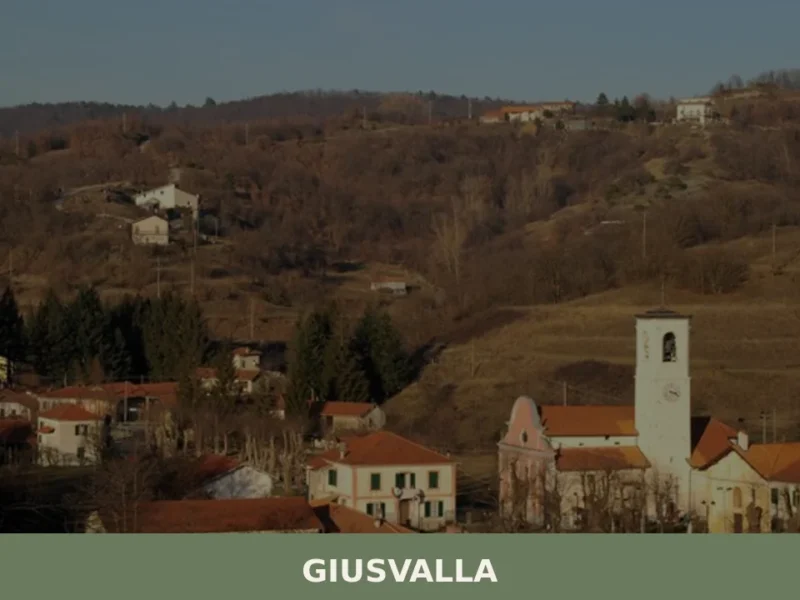
Giusvalla
Mountain
What to see in Giusvalla, Italy: 465 inhabitants, 45 km from Genoa. Discover the Festa Patronale di S. Matteo, Bricco della Croce, and local Ligurian food traditions.
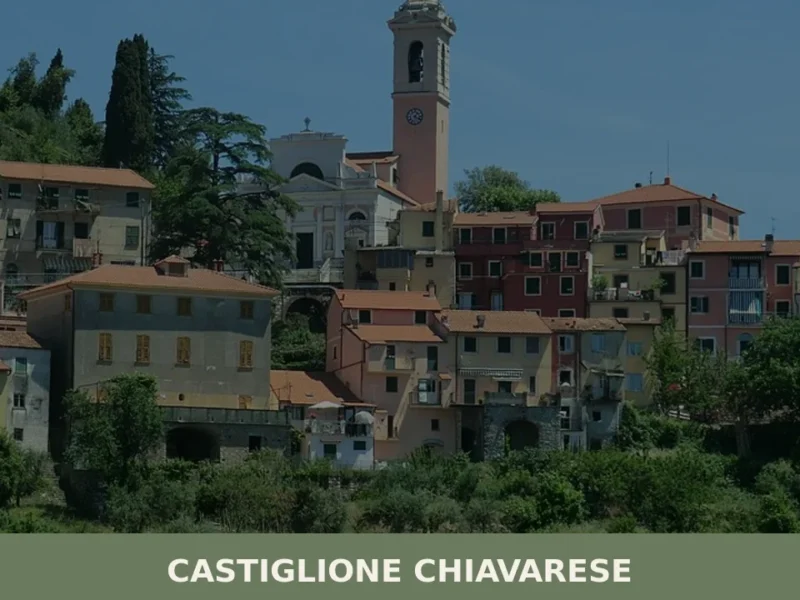
Castiglione Chiavarese
Hills
Castiglione Chiavarese sits at 271 metres above sea level in the province of Genova, its 1,586 inhabitants spread across a constellation of hamlets — or frazioni — that dot the hillsides above the Petronio valley. The comune’s territory stretches from the Ligurian ridge down toward the coast between Sestri Levante and Moneglia, covering a patchwork […]
Cosseria
Mountain
What to see in Cosseria, Liguria, Italy: explore a comune of 1,095 inhabitants near Savona. Discover the 5th Infantry Division history, local food and how to get there.





🏡 Know Orero better than we do?
If you’re a local or have been there, your knowledge matters: add what’s missing or fix a detail on this page.