


Oricola
 Mountain
What to see in Oricola, Italy? Explore its 1,182 inhabitants, ancient Italic settlements, and a mid-15th century fortress. Discover this Abruzzo village.
Discover Oricola
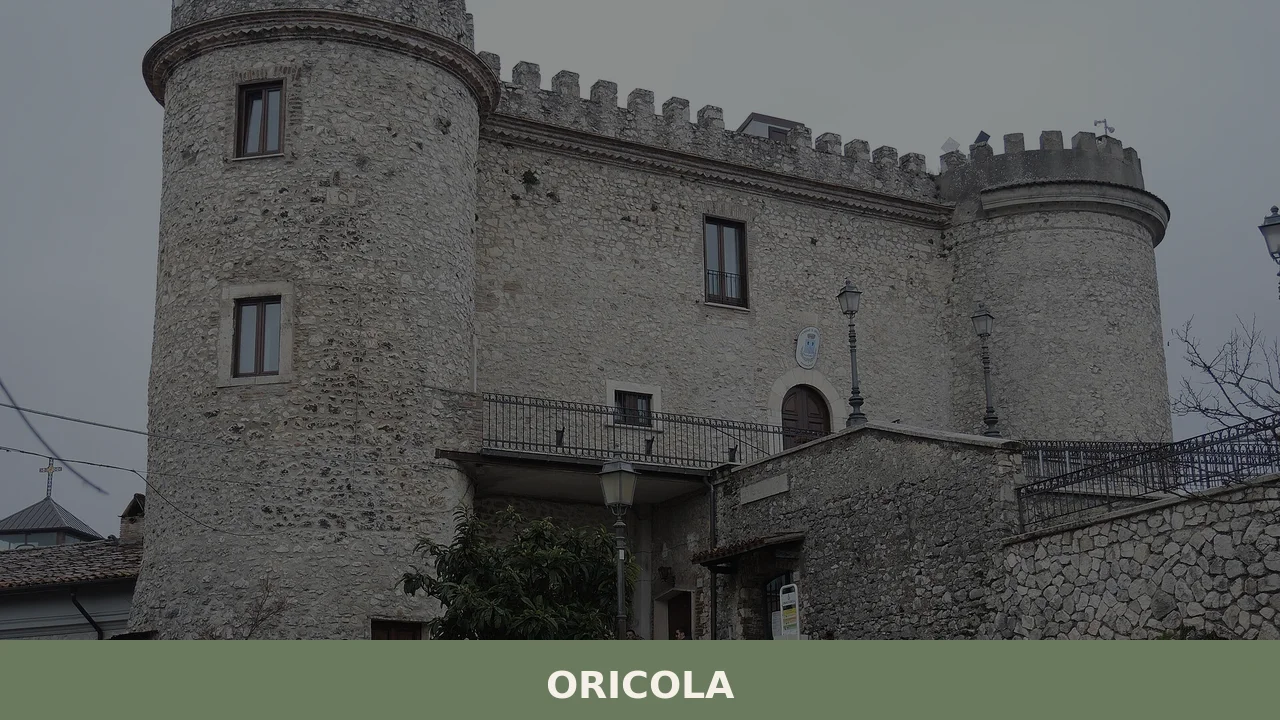
The commanding presence of a mid-15th century rocca, or fortress, defines the skyline of Oricola, a village situated in the Abruzzo region of central Italy. This imposing structure stands as a sentinel near the regional boundary with Latium, offering a tangible link to centuries of strategic importance. Its stone walls, weathered by time, reflect a period when defensive architecture was paramount, shaping the visual identity of communities across the Apennine landscape.
For those wondering what to see in Oricola, the village provides a compelling glimpse into both ancient and medieval history.
With a population of 1,182 inhabitants, Oricola’s highlights include not only its prominent rocca but also the remnants of several ancient Italic settlements scattered across its communal territory. Visitors to Oricola find an opportunity to explore a 13th-century fresco housed within the Church of Santa Restituta, offering distinct cultural and historical points of interest.
History of Oricola
The origins of Oricola stretch back to antiquity, evidenced by the remains of several ancient Italic settlements found throughout its communal territory. These archaeological vestiges point to a long history of human habitation, predating the Roman era and indicating the presence of indigenous tribes in central Italy. The strategic location of Oricola, near the modern-day border with Latium, likely played a significant role in the lives of these early communities, offering both defensive advantages and access to essential resources within the Apennine valleys.
During the medieval period, Oricola developed further, culminating in the construction of its defining mid-15th century rocca.
This fortress served as a vital defensive stronghold, typical of the turbulent political landscape of central Italy during the late Middle Ages. Such structures were crucial for controlling territories, protecting populations, and asserting feudal power, contributing to the complex tapestry of regional history shared with villages like Castellafiume, which also boasts a rich medieval past within the Abruzzo region. The construction date provides a precise historical anchor, placing Oricola within the architectural and military developments of the Renaissance transition period.
Religious life and artistic expression also flourished in Oricola during the medieval era, as exemplified by the Church of Santa Restituta. This church houses a significant 13th-century fresco, a testament to the artistic trends and devotional practices prevalent in the region during that time. The continuity of settlement from ancient Italic communities through to the medieval period, marked by the rocca and the church, underscores Oricola’s enduring historical presence in the province of L’Aquila, adapting and evolving while retaining elements of its profound heritage.
What to see in Oricola, Abruzzo: top attractions
The Rocca of Oricola
The most prominent landmark in Oricola is its mid-15th century rocca, an imposing fortress that dominates the village skyline.
Constructed primarily from local stone, the structure features robust walls and strategic positioning, characteristic of defensive architecture from the late medieval and early Renaissance periods in central Italy. Visitors can observe the architectural details that speak to its original purpose, including remnants of battlements and watchtowers designed to survey the surrounding landscape and protect the community below. This rocca, a symbol of feudal power and protection, provides a tangible connection to Oricola’s strategic past in the 15th century, commanding views across the Latium border.
Church of Santa Restituta
Within the heart of Oricola lies the Church of Santa Restituta, a historical religious edifice that merits attention for its artistic treasure. The church is home to a significant 13th-century fresco, a rare and valuable example of medieval wall painting in the Abruzzo region. Frescoes from this period often depict religious narratives and figures, executed with natural pigments on wet plaster, a technique that preserves their vibrancy over centuries. Observing this artwork allows visitors to appreciate the artistic styles and devotional intensity of the 13th century, offering a window into the spiritual life of Oricola’s inhabitants eight centuries ago. The church itself, while perhaps modest in exterior, holds this remarkable piece of cultural heritage.
Ancient Italic Settlements
Oricola’s communal territory holds the tangible remains of several ancient Italic settlements, offering profound insights into the region’s pre-Roman history.
These archaeological sites, scattered across the landscape, represent the vestiges of communities that inhabited central Italy long before the rise of the Roman Empire. While specific structures may vary, visitors can typically discern foundations, scattered stone walls, and other subtle indicators of past dwellings and communal spaces. Exploring these sites provides a unique opportunity to connect with the earliest inhabitants of Oricola, understanding their way of life and the historical layers that underpin the modern village. The presence of these remains confirms human activity in the area dating back many centuries before the 15th-century rocca.
Local food and typical products of Oricola
The culinary traditions specific to Oricola are not detailed within the available sources. While Abruzzo, as a region, is renowned for its diverse gastronomic heritage, including robust mountain dishes, artisanal cheeses, and products derived from sheep farming, no particular dishes or certified products are explicitly attributed to Oricola in the provided information.
Visitors seeking to experience the broader flavors of Abruzzo might find regional specialities in nearby towns, but Oricola’s unique culinary contributions remain undocumented in the given materials.
Therefore, a detailed account of Oricola’s specific food culture, including traditional recipes, local ingredients, or certified products such as DOP (Denominazione di Origine Protetta) or IGP (Indicazione Geografica Protetta) items, cannot be provided based solely on the provided Wikipedia extract and additional authoritative sources. This limitation means that a comprehensive exploration of Oricola’s gastronomic identity is not possible within the scope of this guide.
Festivals, events and traditions of Oricola
Information regarding specific festivals, events, and traditions held in Oricola, such as patron saint celebrations with exact dates, detailed processions, or documented local food fairs, is not provided in the available sources.
Therefore, a comprehensive account of these cultural aspects, including how they unfold or specific months in which they occur, cannot be offered here.
While many Italian villages, particularly in regions like Abruzzo, maintain vibrant traditions and celebrate annual events that reflect their history and community spirit, the specific details for Oricola are not documented in the provided materials. Visitors interested in local festivities would need to consult updated local tourism calendars upon arrival, as this guide cannot confirm any particular recurring events.
When to visit Oricola, Italy and how to get there
For those planning what to see in Oricola, the best time to visit Abruzzo generally falls during the spring (April to June) and autumn (September to October) months. During these periods, the weather is typically mild and pleasant, making it ideal for exploring historical sites like the rocca and ancient settlements without the intense heat of summer or the chill of winter. Spring offers vibrant landscapes and blooming flora, while autumn provides clear skies and comfortable temperatures, often with fewer crowds than the peak summer season. The terrain around Oricola, with its historical sites, may involve some walking on uneven surfaces, making comfortable footwear advisable for all visitors.
Oricola, Abruzzo, Italy, is accessible by car, offering a convenient day trip from nearest major cities such as Rome.
If traveling by car from Rome, Oricola is approximately 75 km (46.6 mi) east and can be reached via the A24 motorway, taking the Carsoli-Oricola exit. The journey typically takes around 1 hour to 1 hour and 15 minutes, depending on traffic conditions. For those preferring public transport, the nearest train stations with connections to major cities like Rome are often found in larger towns such as Avezzano, approximately 30 km (18.6 mi) away, or Tivoli, about 50 km (31.1 mi) distant. Train schedules and tickets can be checked on the Trenitalia website.
The closest international airports to Oricola are Rome Fiumicino (FCO) and Rome Ciampino (CIA). Fiumicino Airport is about 100 km (62.1 mi) from Oricola, while Ciampino Airport is approximately 90 km (55.9 mi) away. From either airport, visitors can rent a car or take a bus or train connection to Rome’s central stations, and then proceed to Oricola as described.
When visiting smaller Italian villages like Oricola, it is practical for international visitors to carry some Euros cash, as card payments may not be universally accepted in all smaller shops or cafes, and English might be limited in local establishments. Exploring nearby villages like Cermignano or Pescosansonesco can also enrich an Abruzzo itinerary, offering further insights into the region’s diverse heritage.
Frequently asked questions about Oricola
What is the best time to visit Oricola?
The ideal time to visit Oricola is during spring (April-June) and autumn (September-October). These months offer mild, pleasant weather perfect for exploring historical sites and the surrounding mountain landscape. Spring brings vibrant flora, while autumn boasts clear skies and fewer crowds. A special occasion to visit is May 17th for the feast day of Santa Restituta d'Africa, the patron saint, offering a glimpse into local traditions and community spirit within this charming Abruzzese village.
What to see in Oricola? Main monuments and landmarks
Oricola's main attractions center around its rich history. Dominating the skyline is the imposing mid-15th century Rocca, a fortress offering panoramic views and a tangible link to medieval strategic importance. Within the village, the Church of Santa Restituta houses a precious 13th-century fresco, a notable example of medieval art in Abruzzo. Visitors can also explore the communal territory for remnants of ancient Italic settlements, providing insights into Oricola's pre-Roman past. While generally accessible, specific opening hours for the church may vary locally.
Where to take the best photos in Oricola?
For the most iconic photographs in Oricola, focus on the mid-15th century Rocca. Its imposing structure defines the village skyline, offering excellent shots both of the fortress itself, especially from the approaches to the village, and panoramic vistas from its vantage point. The Rocca commands extensive views across the surrounding Apennine landscape and towards the Latium border, providing breathtaking backdrops for capturing Oricola's historical charm and natural setting.
Are there museums, churches or historic buildings to visit in Oricola?
Yes, Oricola offers significant historic buildings to visit. The most prominent is the mid-15th century Rocca, an imposing fortress that dominates the village and provides a tangible glimpse into medieval defensive architecture. Additionally, the Church of Santa Restituta is home to a valuable 13th-century fresco, a rare artistic treasure from the medieval period in Abruzzo. While these sites are key attractions, specific opening hours for the church or detailed access information for the Rocca are best confirmed locally upon arrival.
What can you do in Oricola? Activities and experiences
In Oricola, visitors can immerse themselves in history by exploring the majestic mid-15th century Rocca and discovering the ancient Italic settlements scattered across the communal territory. The Church of Santa Restituta offers a cultural experience with its remarkable 13th-century fresco. Given the village's mountain setting, leisurely walks to appreciate the Apennine landscape are also possible, though no specific trails are documented. For a broader experience, Oricola serves as an excellent base for day trips to nearby Abruzzo villages.
Who is Oricola suitable for? Families, couples, hikers, solo travelers?
Oricola is ideally suited for history enthusiasts, cultural travelers, and those seeking a tranquil escape into the Abruzzo mountains. Its ancient Italic settlements and medieval Rocca appeal to solo travelers and couples interested in historical exploration. Families with an interest in history will also find engaging sites. While not offering extensive hiking trails, the mountainous setting provides opportunities for leisurely walks. It's a perfect destination for a historical day trip, particularly for visitors based in Rome, looking to discover lesser-known Italian villages.
Nearby Villages near Oricola

In Abruzzo More villages to discover
Civitella Messer Raimondo
Mountain
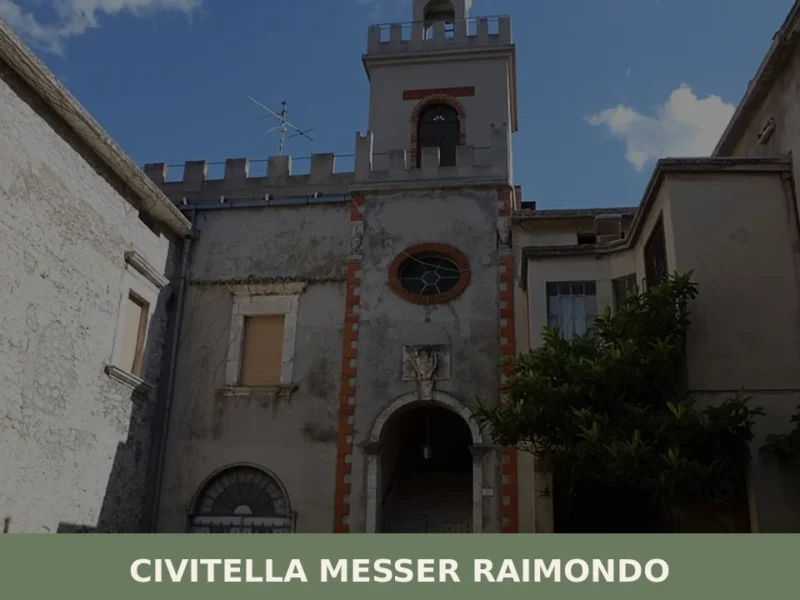
Civitella Messer Raimondo has 769 inhabitants and sits at 613 metres above sea level, on the eastern slope of the Maiella massif, in the province of Chieti. The village’s name still bears that of a medieval feudal lord — Raimondo — who shaped its political fortunes between the 13th and 14th centuries. Understanding what to […]

Castiglione Messer Raimondo
 Hills
Hills
What to see in Castiglione Messer Raimondo, Italy: explore 5 top attractions near Gran Sasso, medieval history and local food. Discover Abruzzo's Teramo province.
Pizzoferrato
Mountain
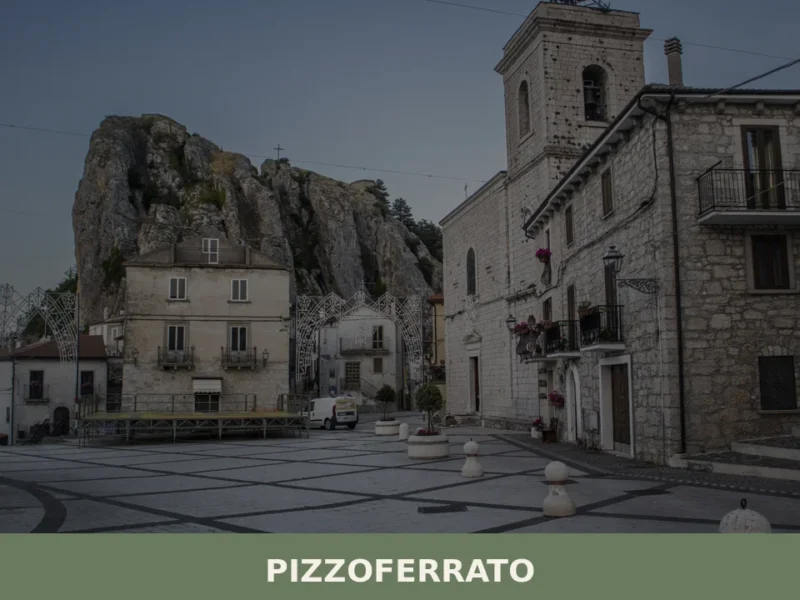
What to see in Pizzoferrato, Italy? Explore this mountain village at 1251 m (4104 ft) altitude. Discover ancient churches and Majella National Park. Read our guide!
Villalago
 Lake
Mountain
Lake
Mountain
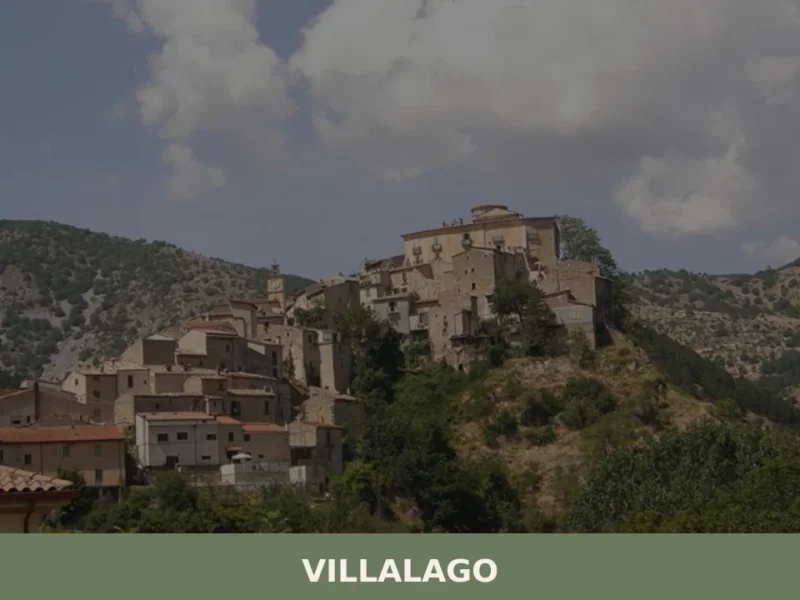
What to see in Villalago, Italy: Discover this Abruzzo village of 579 inhabitants. Explore the Rocca and Hermitage of San Domenico. Read our guide for your trip to Abruzzo.
Lucoli
Mountain
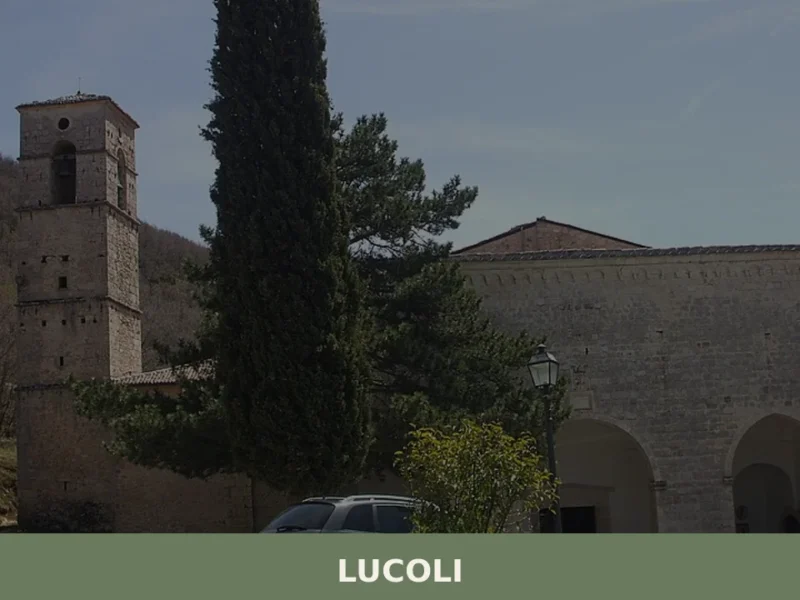
Lucoli is not a compact town centre but a scattered municipality: 839 inhabitants spread across seventeen hamlets along the southern slopes of the Gran Sasso and the Velino-Sirente mountain group, at 956 metres above sea level in the province of L’Aquila. Understanding what to see in Lucoli means crossing a vast, fragmented territory where each […]
Gessopalena
Mountain
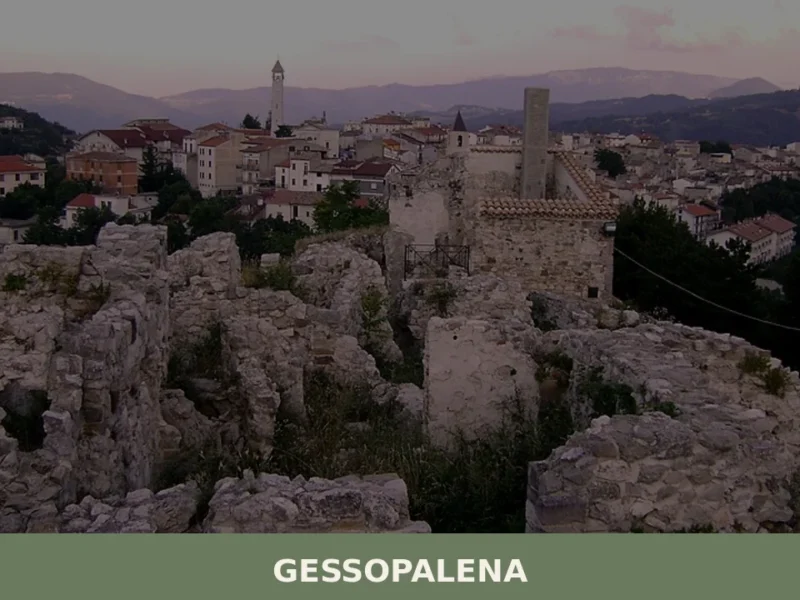
In 1943, retreating German troops dynamited the entire historic core of Gessopalena, reducing to rubble a settlement that for centuries had exploited the geological peculiarity of its terrain: gypsum. That whitish mineral, quarried and worked since Roman times, had given the village its name and shaped its houses, its walls, even the foundations of its […]
Gagliano Aterno
Mountain
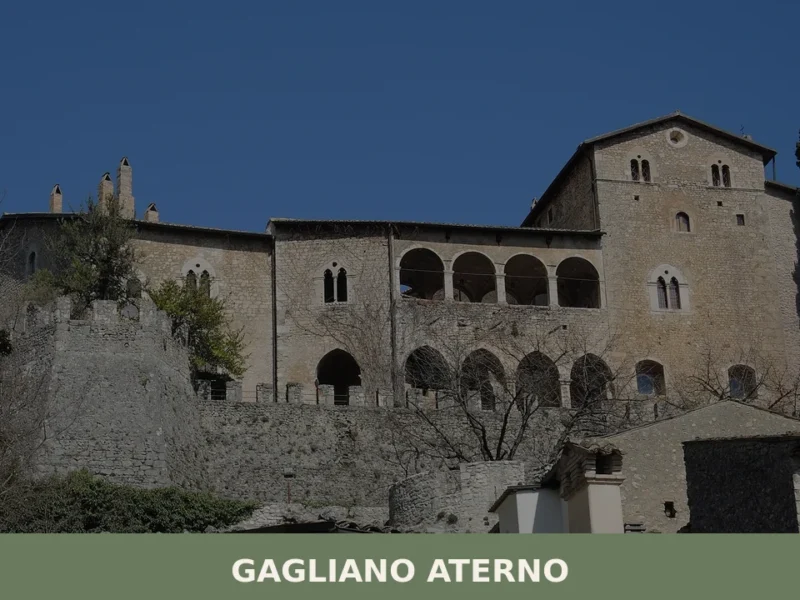
What to see in Gagliano Aterno, Italy: a 14th-century castle, Baroque stucco church and a village of 251 inhabitants 45 km from L'Aquila. Discover the full guide.
Ateleta
Mountain
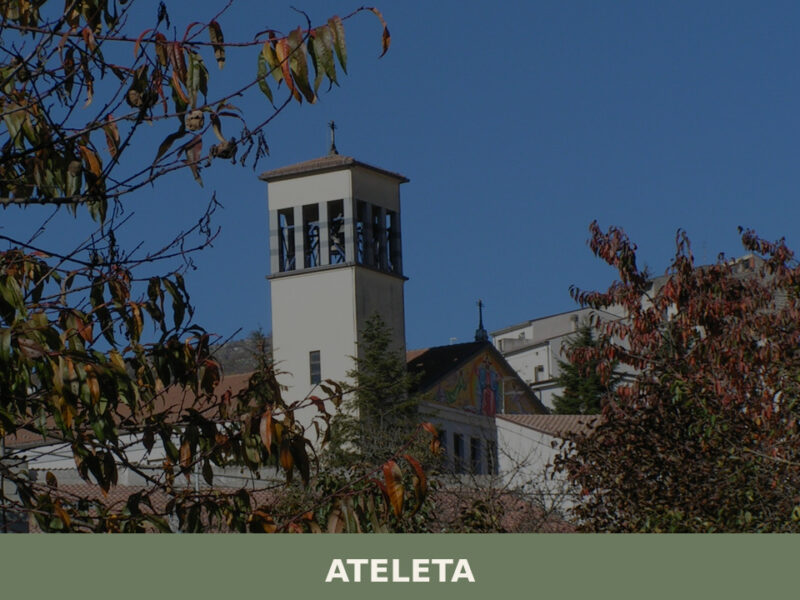
Morning fog lifts off the Alto Sangro valley in slow, deliberate sheets, revealing stone houses arranged along a ridge at over 750 metres above sea level. The air carries woodsmoke and the faint sound of a church bell marking seven o’clock. Ateleta, a village of 1,157 inhabitants in the province of L’Aquila, occupies a quiet […]
Morino
Mountain
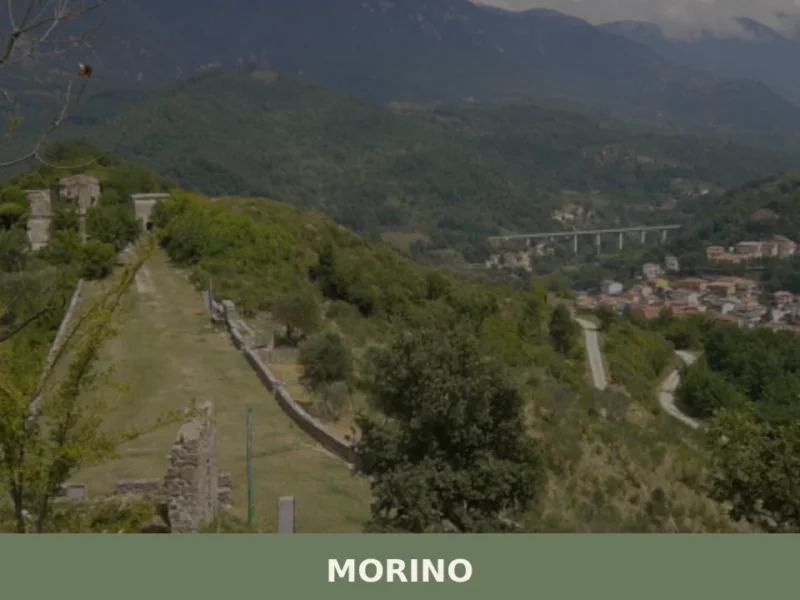
What to see in Morino, Abruzzo, Italy: explore the Hermitage of Santa Maria del Cauto, the Roveto Valley, and 1,477 inhabitants' traditions. Discover it now.
Filetto
Hills
Filetto, a settlement of 854 inhabitants, is located at 403 meters above sea level in the heart of the province of Chieti. This settlement, documented in historical sources dating its presence back to the medieval era, extends across a hill overlooking the Foro Valley. Its urban layout reflects the layering of different periods, with buildings […]



🏡 Know Oricola better than we do?
If you’re a local or have been there, your knowledge matters: add what’s missing or fix a detail on this page.