


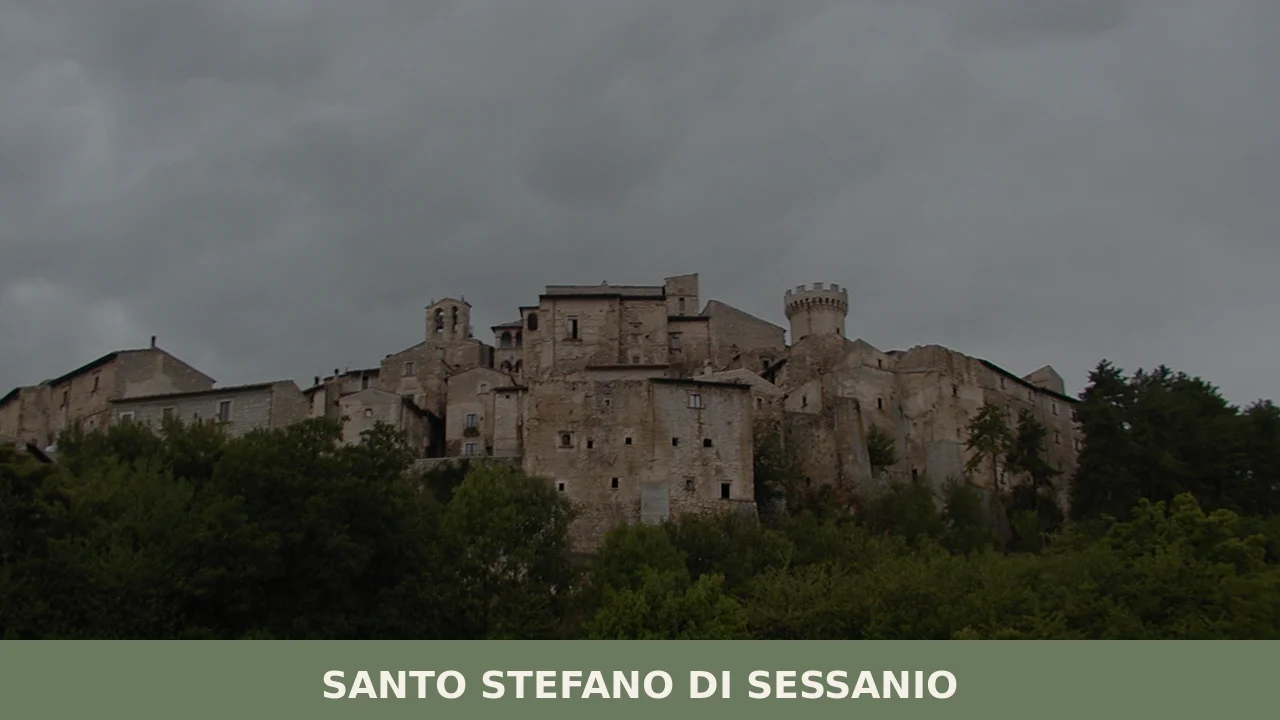

What to see in Santo Stefano di Sessanio, Italy: Discover this medieval hill town at 1,250 m (4,101 ft) altitude. Explore its restored Sextantio Albergo Diffuso and taste the renowned gourmet lentils.
Discover Santo Stefano di Sessanio
Stone structures dating from the 11th through 15th centuries define the village of Santo Stefano di Sessanio, a hill town situated in the Gran Sasso e Monti della Laga National Park.
The village portal, emblazoned with the Medici coat of arms, serves as a grand entrance to the main square, hinting at the historical significance embedded within its ancient walls.
This area, part of the highest region of the Apennines, remains adjacent to the vast high plain of Campo Imperatore.
To discover what to see in Santo Stefano di Sessanio, visitors can explore a medieval hill town with a population of 115, situated at an elevation of 1,250 m (4,101 ft). The Santo Stefano di Sessanio highlights include the thoughtfully restored Sextantio Albergo Diffuso and the historic Church of Santa Maria in Ruvo, offering a direct glimpse into centuries of local heritage.
Exploring the village provides insight into a community that has embraced its past while revitalizing its present through careful preservation.
History of Santo Stefano di Sessanio
The origins of Santo Stefano di Sessanio trace back to Roman times, when it was known as “Sessanio” or “Sextantia,” a name now associated with the village’s patron saint. Many of the surviving buildings in the village date from the 11th through the 15th centuries, reflecting a long period of architectural development and strategic importance in the Abruzzo region.
These ancient structures offer tangible evidence of the village’s deep roots and its evolution over many centuries.
During the 12th century, Santo Stefano became an integral part of the Baronage of Carapelle, a significant feudal territory that also encompassed nearby settlements such as Castel del Monte, Calascio, and Capestrano. The powerful Medici family later played a pivotal role in shaping the village’s appearance, commissioning the construction of the entrance portal, which still features their distinctive coat of arms.
They also built the prominent circular tower, which once served as the village’s most recognizable architectural landmark.
By the 20th century, Santo Stefano di Sessanio had seen its population dwindle to just 70 inhabitants, with many ancient buildings falling into disrepair. However, in 1994, a young entrepreneur named Daniele Kihlgren from Milan initiated a project of conservative recovery, purchasing a large portion of the village to develop the Sextantio Albergo Diffuso, an extended hotel concept.
This initiative, focusing on the preservation of the landscape, traditions, and historic buildings, attracted national and international attention, leading to new investments and a significant increase in economic activity and population, reaching 115 residents by October 2020.
Visitors exploring the history of Santo Stefano di Sessanio can also consider visiting nearby Fallo, another Abruzzo village that shares a similar regional historical context.
What to see in Santo Stefano di Sessanio, Abruzzo: top attractions
Medieval Tower
Once a circular tower that stood as the iconic symbol of Santo Stefano di Sessanio, this medieval structure was constructed by the Medici family. It served as the town’s most notable architectural landmark, defining the skyline for centuries and embodying the historical presence of its influential builders.
The tower unfortunately collapsed completely during the 2009 L’Aquila earthquake, a vulnerability believed to be exacerbated by 20th-century renovations that replaced its original wooden observation platform with reinforced concrete, making the top section unduly heavy.
Medici Palace
The Medici Palace, while not explicitly detailed in its current state in the provided sources beyond its mention as a sight, signifies the historical influence of the Medici family within Santo Stefano di Sessanio.
Its presence underscores the family’s investment in the village, as evidenced by their coat of arms on the main entrance portal. Visitors can observe the architectural remnants and the overall layout of the village which still reflect the design principles and power structures of that historical period.
Church of Santo Stefano
The Church of Santo Stefano, bearing the village’s name, represents a central point of historical and religious significance within the village. While specific architectural details are not provided, its inclusion among the main sights indicates its enduring importance to the community and its historical fabric.
These churches, often dating from the 11th through 15th centuries, typically feature traditional stone construction and offer a quiet space for reflection on the village’s past and its spiritual heritage.
Castle of Rocca Calascio
Perched dramatically on a mountain ridge at an elevation of 1,460 m (4,790 ft), the Castle of Rocca Calascio is a formidable medieval fortress located just a short distance from Santo Stefano di Sessanio.
This impressive structure, known for its strategic position and robust stone construction, offers sweeping views across the Gran Sasso e Monti della Laga National Park. It is one of the highest fortifications in Italy and provides a tangible link to the defensive history of the Abruzzo region, making it a rewarding destination for those exploring what to see in Santo Stefano di Sessanio and its surroundings.
Park of Campo Imperatore
The vast high plain of Campo Imperatore, often referred to as “Little Tibet,” extends adjacent to Santo Stefano di Sessanio within the Gran Sasso e Monti della Laga National Park.
This expansive plateau, situated at an average elevation of 1,800 m (5,906 ft), offers diverse landscapes ranging from rolling grasslands to stark mountain peaks. It is an ideal area for outdoor activities such as hiking and exploring the natural beauty of the Apennines, providing a stark contrast to the dense historic architecture of the village.
The park’s official website provides further details on its trails and conservation efforts.
Local food and typical products of Santo Stefano di Sessanio
The gastronomic tradition of Santo Stefano di Sessanio is deeply rooted in its agricultural heritage and the unique environmental conditions of the Gran Sasso e Monti della Laga National Park.
The village’s cuisine reflects centuries of self-sufficiency and resourcefulness, utilizing local ingredients cultivated in the fertile mountain plains. This regional approach to food preparation emphasizes quality and a connection to the land, which is a hallmark of Abruzzese culinary practices.
A cornerstone of the local diet and a celebrated product is the lentil, known as lenticchie. These gourmet lentils are cultivated using sustainable agricultural methods, a practice recognized by the Slow Food movement for its commitment to preserving traditional foodways and biodiversity.
The small, flavorful legumes are often prepared in hearty soups or stews, sometimes combined with local sausages or vegetables, showcasing their earthy taste and tender texture.
While specific certified products beyond the lentils are not detailed in the provided sources, the village’s recognition by the Slow Food movement for its sustainable agriculture highlights a broader commitment to quality local produce.
This philosophy extends to other regional specialties, which often include sheep’s milk cheeses, cured meats from mountain-grazed animals, and wild herbs gathered from the surrounding Apennine landscape. Visitors can seek out small boutiques and eateries within the ancient stone structures of Santo Stefano di Sessanio to sample these authentic regional flavors.
Festivals, events and traditions of Santo Stefano di Sessanio
Santo Stefano di Sessanio celebrates its agricultural heritage and community spirit through documented local events. The most notable annual festival is the Sagra delle Lenticchie, a traditional local food festival dedicated to the village’s renowned gourmet lentils.
This event takes place on the first weekend of September each year, drawing visitors who come to taste various lentil-based dishes and experience the vibrant local atmosphere.
During the Sagra delle Lenticchie, the village comes alive with activities centered around food, local crafts, and community gatherings.
This festival not only provides an opportunity to savor the local specialty but also to witness the ongoing traditions of Santo Stefano di Sessanio. Such events are vital for maintaining cultural identity and showcasing the village’s unique character to both residents and visitors.
When to visit Santo Stefano di Sessanio, Italy and how to get there
The best time to visit Santo Stefano di Sessanio, Italy largely depends on preferred activities and climate. Summer months, particularly June through September, offer pleasant weather for exploring the village’s outdoor attractions and the Gran Sasso e Monti della Laga National Park, including the vast Campo Imperatore.
The Gran Sasso e Monti della Laga National Park official website provides information on seasonal access and activities.
The village hosts its annual Sagra delle Lenticchie on the first weekend of September, which is an ideal time for those interested in local culture and gastronomy. Spring and autumn also offer mild temperatures and fewer crowds, making them suitable for walking and historical exploration.
Santo Stefano di Sessanio, Abruzzo, Italy is accessible primarily by car, with Rome located approximately 154 km (96 mi) away, equating to less than a two-hour drive. For those traveling internationally, the nearest major airport is Abruzzo Airport (PSR) in Pescara, situated about 110 km (68 mi) to the east. From the airport, visitors can rent a car or arrange for private transport.
Public transport options to this remote hill town are limited, so a car is highly recommended for flexibility in exploring the village and its surrounding areas, including the Castle of Rocca Calascio and Campo Imperatore.
It is advisable for international visitors to carry some Euros cash, as smaller shops and eateries in the village may not always accept card payments, and English may be limited.
For those considering a day trip from a nearest major city like Rome, the drive allows for a comprehensive visit to Santo Stefano di Sessanio and a glimpse of the Abruzzo countryside. The winding roads leading to the village are generally well-maintained, though some sections in the Apennines can be steep and narrow. The village itself features uneven cobblestone streets, which should be considered by visitors with mobility concerns.
Further exploration of the region could include a visit to Lettopalena, another historic Abruzzo village that offers a distinct regional experience.
Where to stay near Santo Stefano di Sessanio
Accommodation in Santo Stefano di Sessanio is largely characterized by its unique Sextantio Albergo Diffuso, a concept where rooms and suites are located in various restored ancient buildings throughout the village, functioning as a single hotel. This approach allows guests to immerse themselves directly in the historical fabric of the village while enjoying modern comforts.
Many of the village’s ancient structures have been carefully restored not only for the Albergo Diffuso but also as individual vacation homes, offering a range of options for visitors seeking a stay within the authentic stone architecture.
This widespread hotel model emphasizes conservative recovery, preserving the original character and materials of the buildings. Guests staying at the Sextantio Albergo Diffuso experience the village as an integral part of their accommodation, with amenities distributed across different historic sites. Such an arrangement provides a distinctive lodging experience, allowing visitors to truly connect with the traditions and heritage of Santo Stefano di Sessanio.
Frequently asked questions about Santo Stefano di Sessanio
What is the best time to visit Santo Stefano di Sessanio?
The ideal months are June through September, when the mountain climate at 1,251 m is pleasant and the Gran Sasso e Monti della Laga National Park is fully accessible for hiking and outdoor activities. The first weekend of September is particularly rewarding, as the village hosts the Sagra delle Lenticchie. The feast day of patron saint Santo Stefano falls on 3 August, offering a glimpse into local religious tradition. Spring and autumn provide mild temperatures and smaller crowds, perfect for walking the medieval lanes in peace.
What are the historical origins of Santo Stefano di Sessanio?
The village's roots reach back to Roman times, when the settlement was known as 'Sessanio' or 'Sextantia.' Most surviving buildings date from the 11th to 15th centuries. In the 12th century it became part of the Baronage of Carapelle, alongside Castel del Monte, Calascio, and Capestrano. The Medici family later left a lasting mark, commissioning the entrance portal bearing their coat of arms and a circular tower that defined the skyline until its collapse in the 2009 L'Aquila earthquake.
What to see in Santo Stefano di Sessanio? Main monuments and landmarks
Key sights include the Medici entrance portal with its distinctive coat of arms, the Medici Palace, and the Church of Santo Stefano. The site of the former medieval circular tower — collapsed in the 2009 earthquake — remains historically significant. A short drive away, the Castle of Rocca Calascio rises at 1,460 m, one of Italy's highest fortifications, offering panoramic views over the national park. The Sextantio Albergo Diffuso, a sensitively restored extended hotel within the ancient stone buildings, is also worth exploring even for non-guests.
What are the main natural or scenic attractions near Santo Stefano di Sessanio?
Santo Stefano di Sessanio sits within the Gran Sasso e Monti della Laga National Park, bordering the vast high plain of Campo Imperatore — nicknamed 'Little Tibet' — at an average elevation of 1,800 m. This plateau offers rolling grasslands, dramatic Apennine peaks, and marked hiking trails. The area represents the highest section of the Italian Apennines, making it exceptional for trekking, wildlife observation, and experiencing unspoiled mountain landscapes. The park's official website (gransassolagapark.it) provides updated trail and access information.
Where to take the best photos in Santo Stefano di Sessanio?
The Medici entrance portal framing the main square is one of the most photographed spots in the village. The narrow medieval stone lanes and the panoramic views from the village's elevated position at 1,251 m offer compelling landscape shots toward Campo Imperatore. For dramatic wide-angle photography, the nearby Castle of Rocca Calascio — perched on a ridge at 1,460 m — provides sweeping vistas across the national park, especially striking at sunrise and in autumn when the plateau takes on golden tones.
What can you do in Santo Stefano di Sessanio? Activities and experiences
Visitors can explore the medieval village on foot, visiting the Medici portal, historic churches, and the Sextantio Albergo Diffuso. The surrounding Gran Sasso e Monti della Laga National Park offers hiking across Campo Imperatore and a trek to the Castle of Rocca Calascio. Food lovers can taste the renowned Slow Food–recognized lentils at local eateries and shop for sheep's milk cheeses and cured mountain meats. Attending the Sagra delle Lenticchie in early September combines gastronomy, local crafts, and authentic village atmosphere in one visit.
Who is Santo Stefano di Sessanio suitable for? Families, couples, hikers, solo travelers?
Santo Stefano di Sessanio suits couples seeking a romantic, off-the-beaten-path retreat in a beautifully preserved medieval setting, particularly those drawn to the Sextantio Albergo Diffuso experience. Hikers and nature lovers will appreciate immediate access to the Gran Sasso e Monti della Laga National Park and Campo Imperatore. History enthusiasts and slow-travel advocates will find the Medici heritage and Slow Food traditions deeply rewarding. The village's small scale, remote location, and limited facilities make it less suited to families with young children seeking structured entertainment.
What to eat in Santo Stefano di Sessanio? Local products and specialties
The village's signature product is its gourmet lentil — lenticchie di Santo Stefano di Sessanio — a small, earthy legume cultivated sustainably on the high Apennine plains and recognized by the Slow Food movement's Presidia program. They are traditionally served in hearty soups and stews, often paired with local sausages. Broader Abruzzese mountain specialties available in the area include sheep's milk cheeses, cured meats from free-range animals, and wild herbs. The annual Sagra delle Lenticchie in early September is the best occasion to taste these products at their freshest.
Getting there
Via Delle Benedette, 67020 Santo Stefano di Sessanio (AQ)
Nearby Villages near Santo Stefano di Sessanio
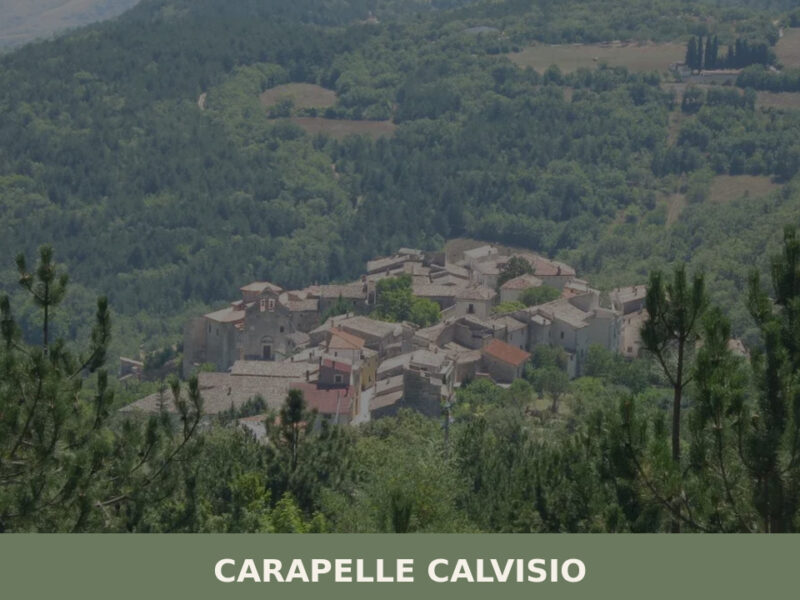
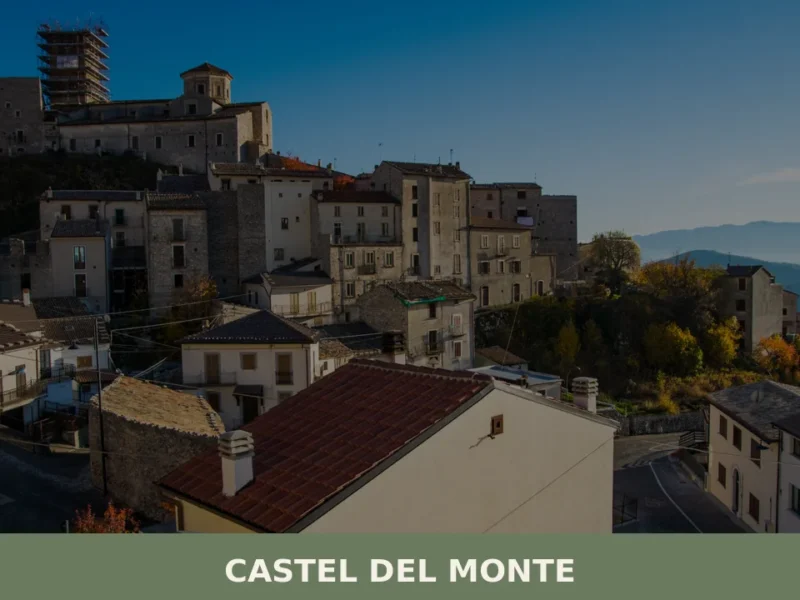
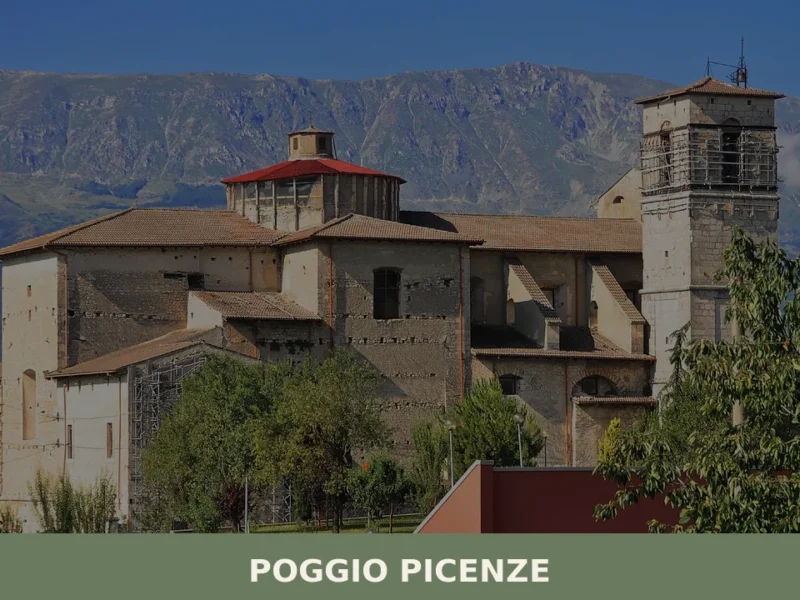
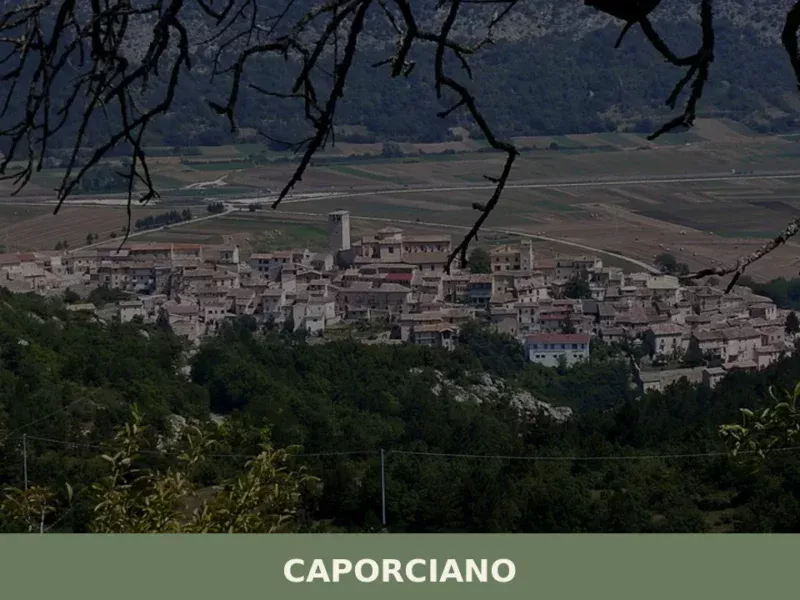
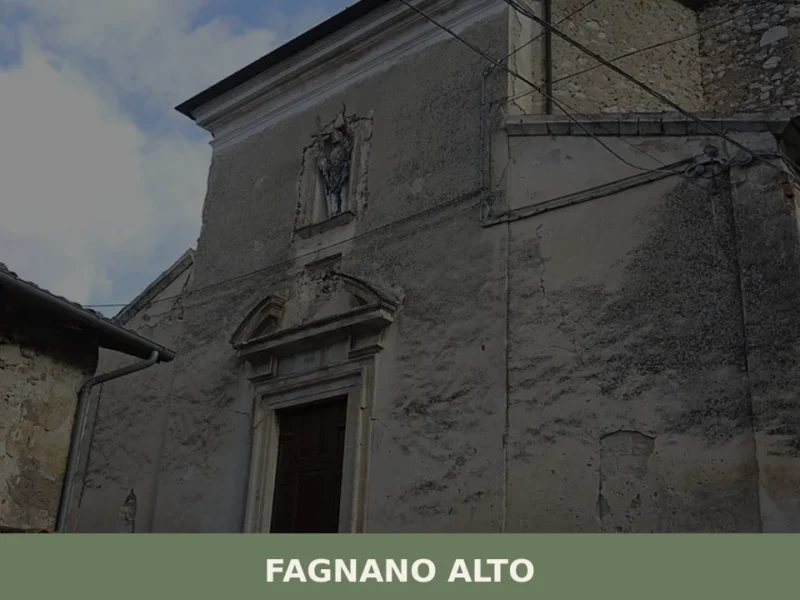
In Abruzzo More villages to discover
Guilmi
 Mountain
Guilmi is a hilltop comune of 441 residents in the province of Chieti, Abruzzo, with documented roots stretching back to the early eleventh century.
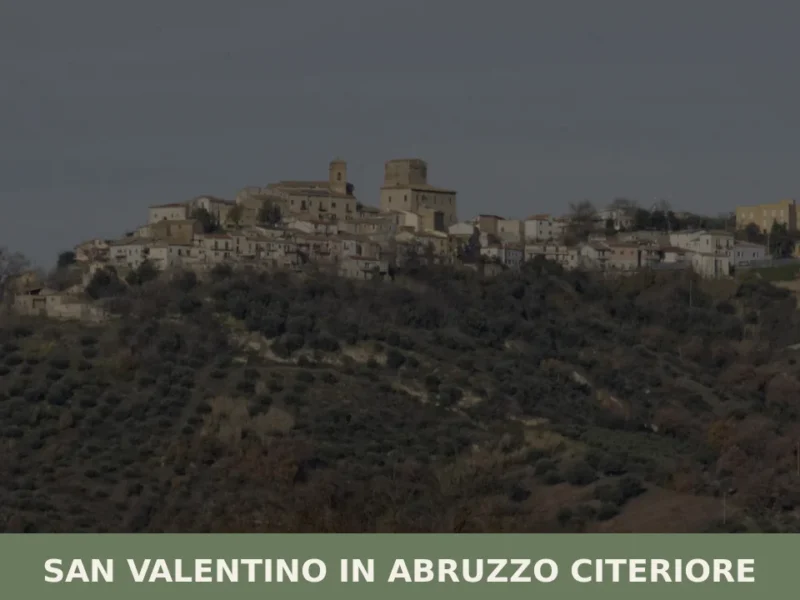
San Valentino in Abruzzo Citeriore
 Hills
Hills
The Apennine peaks rise around San Valentino in Abruzzo Citeriore, a mountain hill town that has maintained its historical character over centuries. Situated on the northern edge of the Majella National Park, this location offers commanding views and a sense of enduring heritage. In this article History of San Valentino in Abruzzo Citeriore What to […]
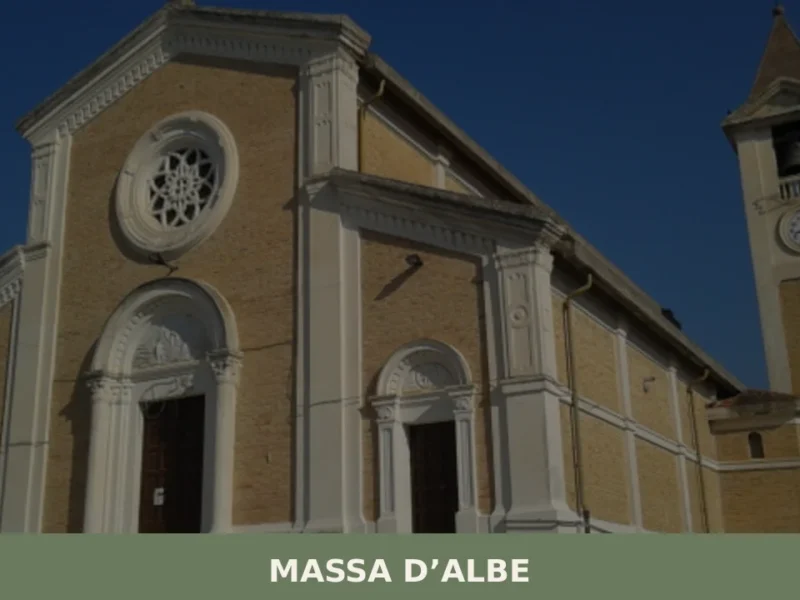
Massa d’Albe
Mountain
What to see in Massa d'Albe: 5 attractions including Roman ruins, medieval churches and views over Fucino. Complete guide to visiting this Abruzzo village.
Pereto
Mountain
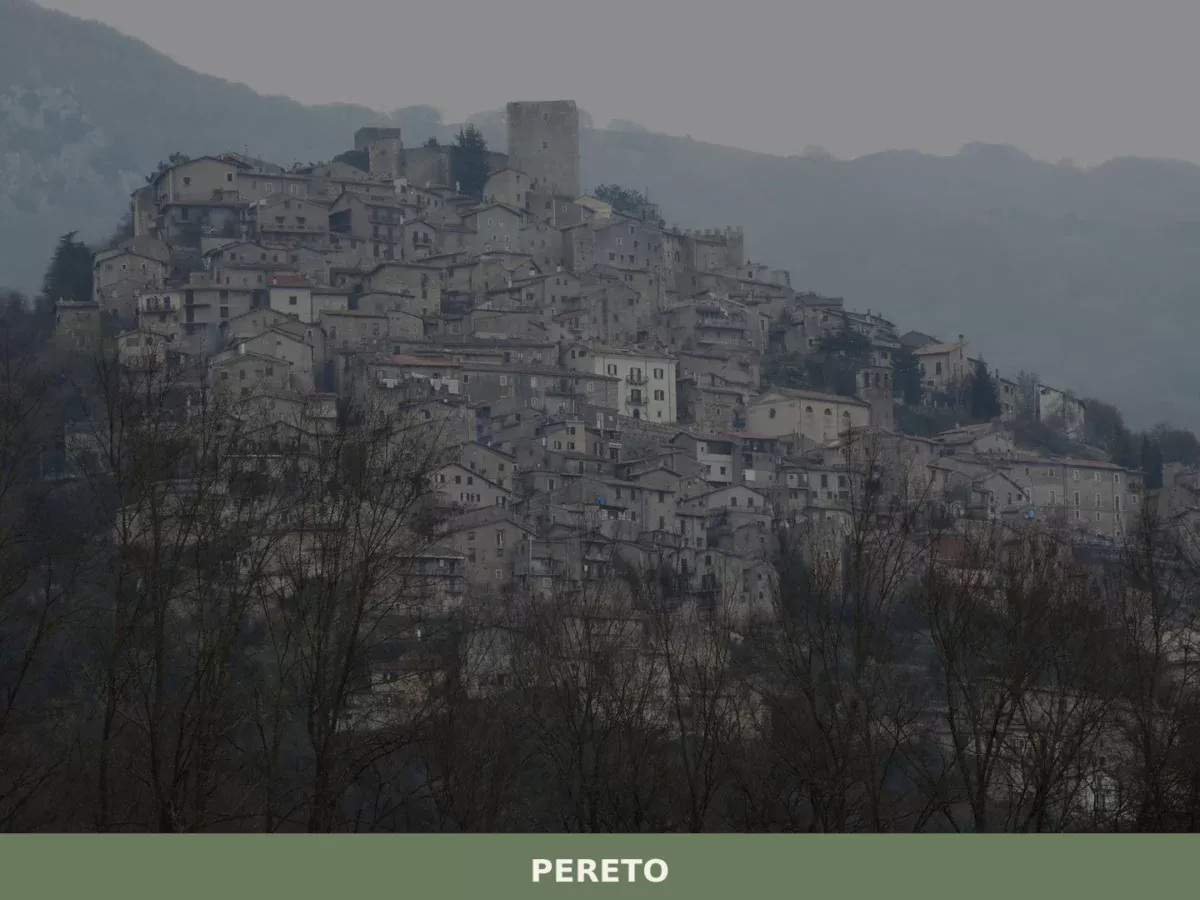
Discover Pereto's 5 must-see attractions in Abruzzo. From Rocca Orsini to historic churches, read our guide and plan your trip!
Penna Sant’Andrea
Hills
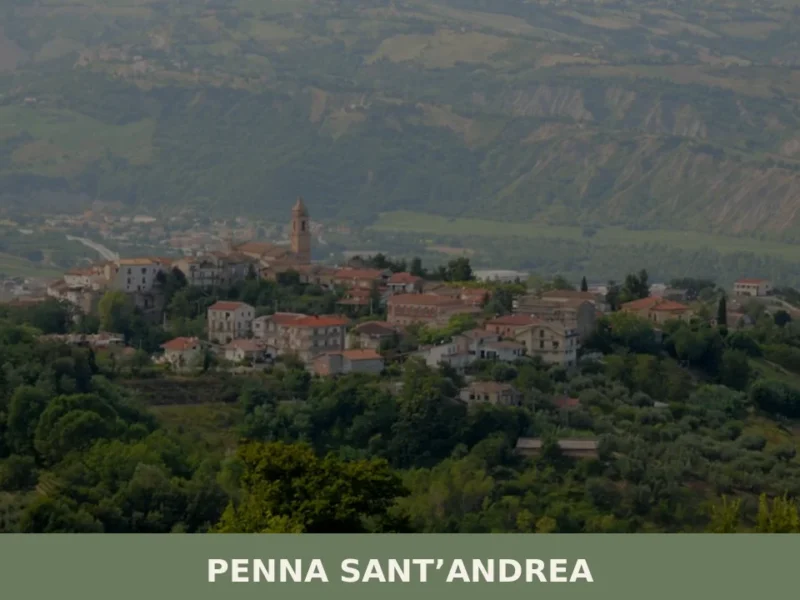
Penna Sant'Andrea is a compact hilltop community in the province of Teramo, where an agricultural ridge at 404 metres faces the Gran Sasso to the west and the Adriatic to the east.
Vicoli
Hills
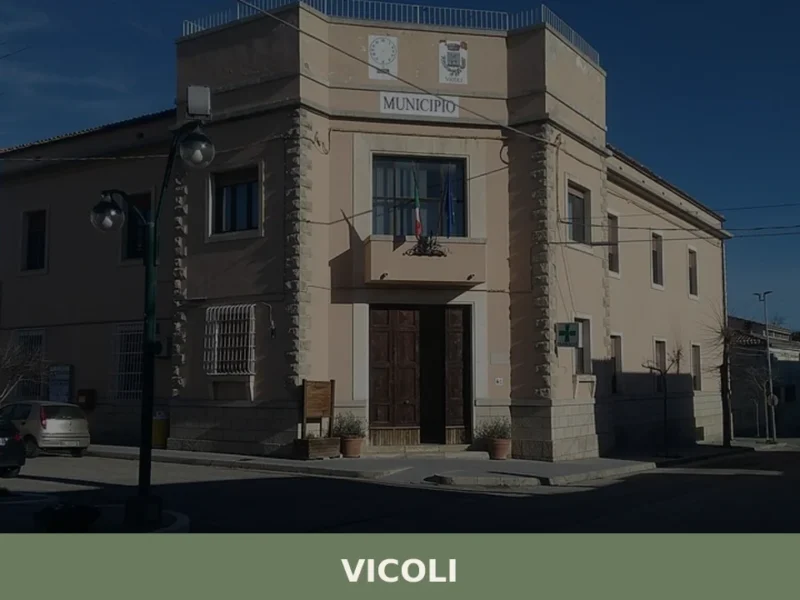
what to see in Vicoli, Italy: Discover the historical castle ruins and ancient village core of this Abruzzo comune, home to 394 inhabitants. Explore its medieval past.

Casalincontrada
Hills
What to see in Casalincontrada, Abruzzo, Italy: 3 historic monuments, a 14th-century city gate and Baroque church. Discover the best of this Chieti village.
Bisegna
Mountain
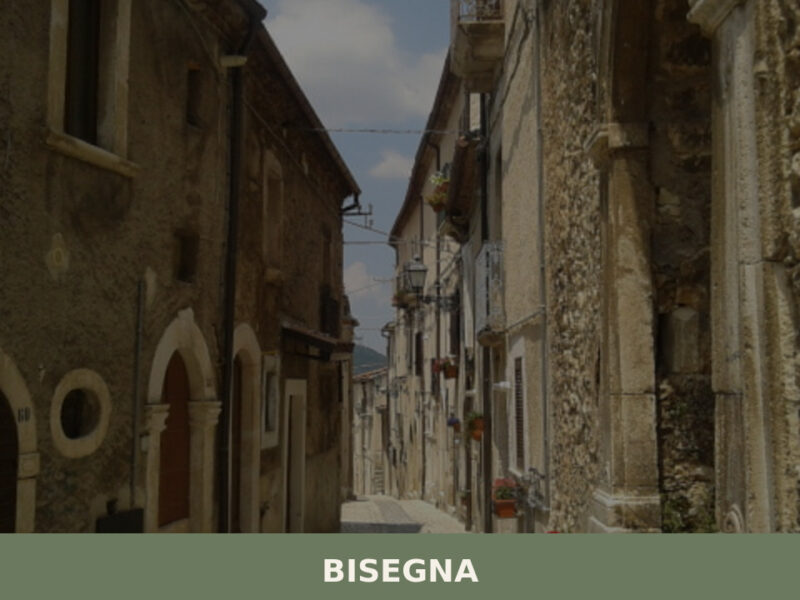
A mountain village of 217 inhabitants at 1,210 metres in Abruzzo's national park. Discover what to see in Bisegna: stone lanes, frescoes, and highland trails.
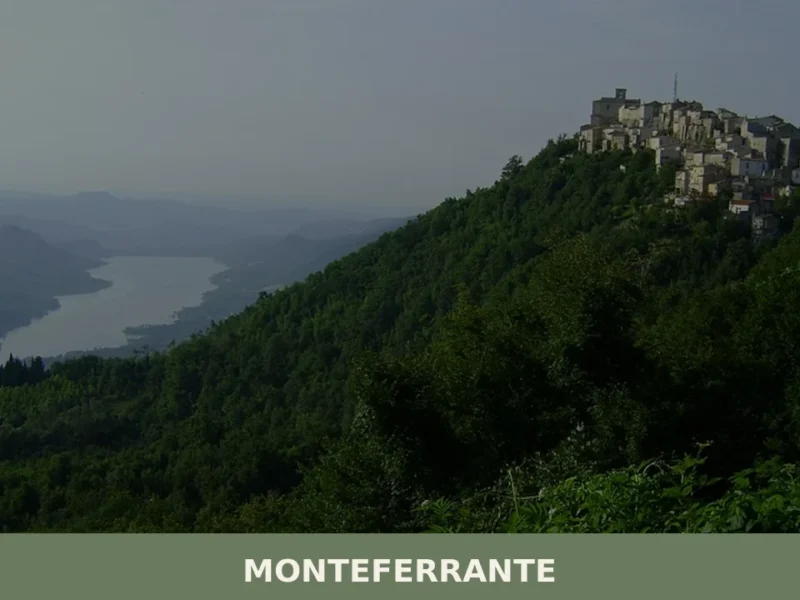
Monteferrante
Mountain
Monteferrante is a small mountain comune at 783 metres in the province of Chieti, Abruzzo, with documented history reaching back to the twelfth century and a resident population of around 103.
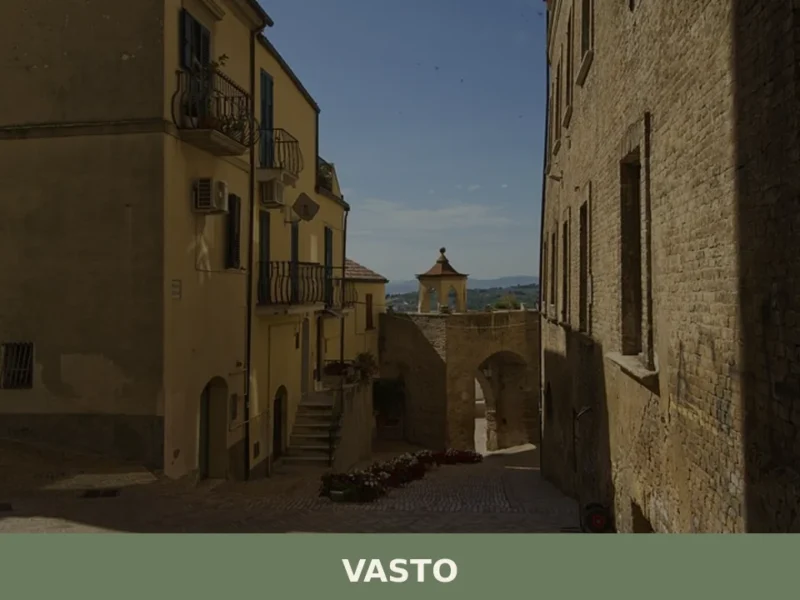
Vasto
 Sea
Sea
With 40,692 inhabitants, Vasto stands on the Abruzzo Adriatic coast, a town that from its promontory at 144 meters above sea level observes a stretch of sea that was a crossroads of cultures and trades. For those wondering what to see in vasto, the answer unfolds among Roman vestiges, Renaissance architecture, and views of the […]




🏡 Know Santo Stefano di Sessanio better than we do?
If you’re a local or have been there, your knowledge matters: add what’s missing or fix a detail on this page.