


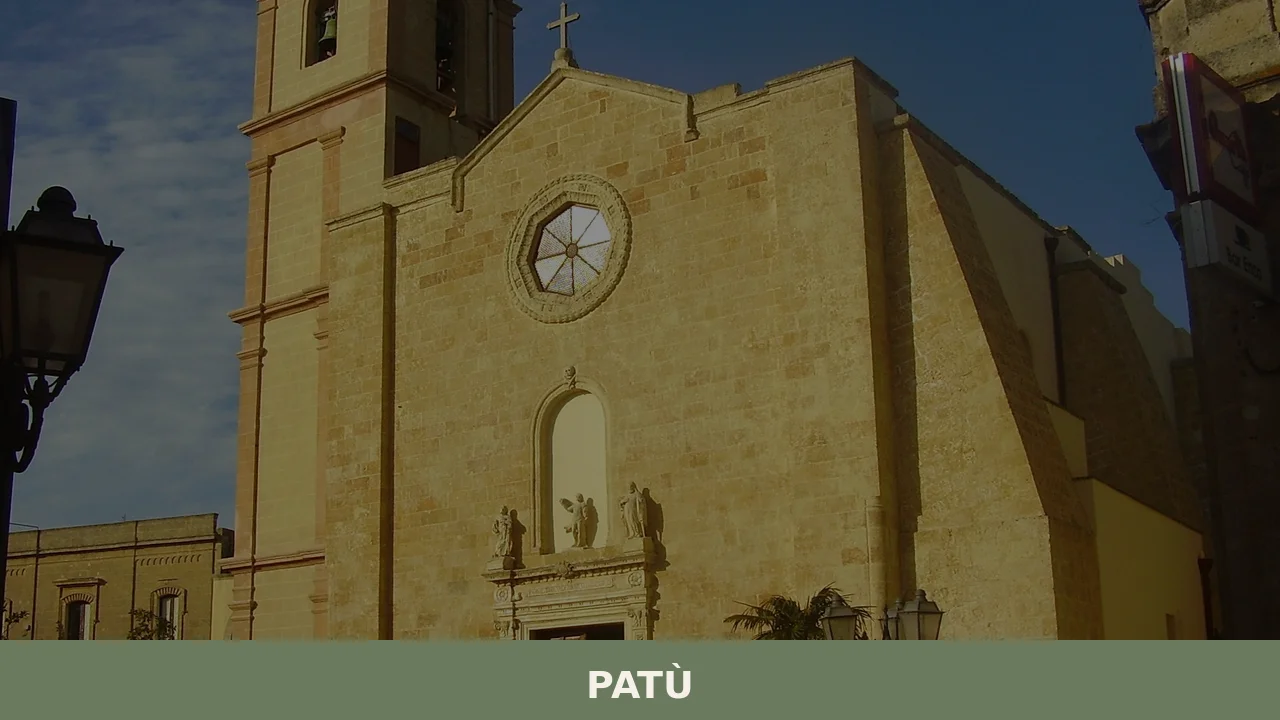
Patù
 Sea
Sea
What to see in Patu00f9, Puglia, Italy: explore the Centopietre mausoleum, Byzantine crypts and a 1564 Renaissance church in a village of 1,699 inhabitants. Discover it now.
Discover Patù
An inscription carved above a church portal reads Terribilis est locus iste — “Terrible Is This Place” — and the Latin phrase stops visitors mid-step on the main street of a settlement that sits at 124 m (407 ft) above the flat Salentine plain.
Four towers once anchored a medieval castle here; only one survives.
The stones of a Messapic city lie just outside the modern perimeter, and in the ground beneath the olive groves a crypt cut by Basilian monks in the 8th or 9th century still holds its form, cool and dark, precisely as it was left.
For anyone planning a southern Italian itinerary, knowing what to see in Patù is the first practical step: the village of 1,699 inhabitants in the province of Lecce, Puglia, Italy, concentrates seven documented historic sites within a walkable area.
Visitors to Patù find a late-Renaissance mother church built in 1564, a Byzantine-Romanesque baptistery from the 10th or 11th century, and the Centopietre, a stone mausoleum connected to a documented battle against the Saracens in 877.
History of Patù
The territory around Patù was settled long before the Roman period. The archaeological site of Vereto, located just outside the modern village boundary, preserves the remains of an ancient Messapic town. The Messapians were an Italic people who occupied the Salento peninsula and left behind substantial urban structures; Vereto ranks among the documented Messapic centres of the province of Lecce and gives the area a pre-Roman civic identity that predates the common era by several centuries.
The most precisely dated event in the early medieval record is a battle fought near Patù in 877, during which Saracen forces engaged local defenders.
A knight killed in or before that engagement was commemorated with a tomb-mausoleum that later acquired the name Centopietre, meaning “Hundred Stones,” for the large stone slabs used in its construction.
The structure survives intact and represents one of the clearest physical links between the village and the documented military history of ninth-century southern Italy, when Arab raids repeatedly struck the coastlines of Puglia and Calabria.
The nearby Church of the Madonna di Vereto also preserves ties to the pre-Norman religious landscape of the area.
By the medieval period Patù had developed a fortified layout centred on a castle with four towers. Three of those towers have been lost; the surviving Torre del Fortino is the only standing element of that defensive system. The ecclesiastical fabric of the village accumulated across several centuries: a Byzantine-influenced church and a Basilian crypt established the area’s eastern Christian heritage between the 8th and 11th centuries, while the construction of the Mother Church of St.
Michael Archangel in 1564 introduced a late-Renaissance architectural register to the settlement.
The patron saint, San Michele Arcangelo, whose feast falls on 29 September, has been the spiritual focal point of the village through both periods.
In the broader context of Salento’s layered past, Patù shares that eastern Mediterranean ecclesiastical inheritance with other settlements across the province of Lecce, a heritage also documented in villages such as Bitonto, further north in Puglia, where Romanesque and Byzantine influences similarly converge in the built fabric.
What to see in Patù, Puglia: top attractions
Mother Church of St. Michael Archangel
The façade of this church presents the proportions of late-Renaissance ecclesiastical architecture: restrained pilasters, a measured cornice line, and above the entrance portal the carved Latin inscription Terribilis est locus iste, drawn from Genesis 28:17.
The building dates to 1564 and contains a single nave, a layout common in smaller Salentine parishes of the same period.
Inside, the spatial sequence from portal to apse is direct and uninterrupted, which concentrates attention on the quality of individual details rather than spatial complexity.
The church is dedicated to San Michele Arcangelo, the village patron, whose feast on 29 September draws the largest annual gathering in Patù. Visiting outside peak summer crowds — late September itself is an ideal window — allows time to read the portal inscription without obstruction.
Church of San Giovanni Battista
The exterior masonry of San Giovanni Battista carries the characteristic vocabulary of Byzantine-Romanesque construction: semicircular arches, compact volumes, and stonework cut in a manner consistent with the 10th and 11th centuries.
That dating places the building in the period when Basilian monastic culture was actively shaping the religious landscape of the Salento, and San Giovanni Battista stands as one of the documented survivors of that phase.
The floor plan and wall articulation reflect the eastern Christian liturgical tradition rather than the Latin basilica format that became dominant in the Norman period.
For visitors interested in early medieval architecture, this church is the most legible example of its type currently standing in Patù, and its position within the village makes it reachable on foot from the mother church in a few minutes.
Crypt of Sant’Elia
Basilian monks — members of a monastic movement following the rule of St. Basil of Caesarea and operating widely across Byzantine-influenced southern Italy — excavated or constructed this crypt between the 8th and 9th centuries.
The underground chamber represents one of the older dateable structures in the municipality and reflects the period when Greek-rite monasticism established its densest network across the Salento and Calabria.
Rock-cut and semi-subterranean crypts of this type are a documented feature of the religious archaeology of the Lecce province, but surviving examples in good condition are comparatively rare.
The crypt’s physical darkness and the plainness of its walls make the spatial experience markedly different from the carved stone churches above ground; those arriving from the direction of the mother church move through roughly ten centuries of architectural development within a few hundred metres.
Centopietre
The Centopietre is a tomb-mausoleum constructed from large stone slabs — the name translates directly as “Hundred Stones” — and its origin is connected to a battle against Saracen forces documented in 877.
The structure was raised to commemorate a knight who died in or before that engagement, making it one of the few surviving funerary monuments in Puglia that can be linked to a specific dated historical conflict.
The scale and material of the construction — heavy limestone slabs fitted without mortar in the manner of megalithic funerary architecture — give it a visual weight disproportionate to its modest footprint.
What to see in Patù is often framed around ecclesiastical monuments, but the Centopietre occupies a different category: it is secular, commemorative, and tied to a moment of documented military crisis in the 9th-century Mediterranean. The site sits in the open landscape outside the dense village fabric and is accessible by foot along local paths.
Torre del Fortino and Archaeological Site of Vereto
The Torre del Fortino is the sole remaining tower of a castle that originally had four. Its survival while the other three towers were lost — to demolition, collapse, or reuse of their materials — makes it the only standing indicator of Patù’s medieval fortified perimeter.
The tower’s masonry is visible from several approach routes into the village, and its position gives a practical sense of how the defensive layout once enclosed the settlement.
Adjacent to this medieval layer, the archaeological site of Vereto opens a much older chapter: a Messapic town whose structures have been identified and partially documented by archaeologists working in the province of Lecce.
The two sites — one medieval, one pre-Roman — are physically close and together give visitors a chronological span of well over two thousand years of occupation in a single compact area. Those exploring what to see in Patù will find that Vereto rewards even a brief visit, particularly in the cooler months when ground-level examination of the site is comfortable.
Local food and typical products of Patù
The food culture of the Salento, the sub-peninsula that forms the southernmost section of Puglia, is grounded in a dry-climate agriculture defined by olive trees, wheat, legumes, and wild greens.
Patù sits within this agricultural tradition at 124 m (407 ft) above sea level on a flat, rocky plain where thin soils and strong summer sun produce olives of high oleic content and vegetables with concentrated flavour.
The culinary inheritance of the area also reflects the successive populations — Messapic, Greek, Byzantine, Norman, Spanish — who each introduced or reinforced particular techniques and ingredients.
Across the Salento, ciceri e tria is one of the most documented traditional dishes: a combination of chickpeas with fresh pasta, part of which is fried separately in olive oil before being added to the simmered portion, creating a contrast of textures in a single bowl.
Pittule are small fried dough pieces, salted or filled with olives, capers, or salt cod, traditionally prepared in the winter period and during festive occasions.
Frisa — a twice-baked barley or wheat bread ring softened briefly in water before being dressed with ripe tomatoes, olive oil, oregano, and salt — functions as both a summer staple and a practical response to the preservation requirements of a hot, dry climate.
These preparations rely on technique and proportion rather than rare or expensive ingredients: the quality of the extra-virgin olive oil, produced from local varieties such as Ogliarola Salentina and Cellina di Nardò, is the primary variable that determines the final result.
No certified DOP or IGP products are documented in the provided sources as specific to the municipality of Patù. The broader Salento olive oil production is represented by the Terra d’Otranto DOP designation, which covers extra-virgin olive oil from the southern Lecce province area and includes production zones in this part of Puglia.
For visitors, the most direct way to access local oil and preserved products is through the small family-run agricultural producers and periodic markets of the Lecce province, where seasonal availability governs the offer more than any fixed retail infrastructure.
Late summer and early autumn — from August through October — bring the olive harvest preparation period, when local frantoi (oil presses) begin operating and freshly pressed oil becomes available directly from producers.
September, which also coincides with the patron saint feast of San Michele Arcangelo on the 29th, is therefore a particularly concentrated period for food activity in and around Patù.
Festivals, events and traditions of Patù
The central annual event in Patù is the feast of San Michele Arcangelo, celebrated on 29 September.
As the village’s patron saint, San Michele is honoured with a programme that follows the structure common to Salentine feste patronali: a religious procession through the village streets carrying the saint’s image, a solemn Mass in the Mother Church of St.
Michael Archangel, and evening celebrations that typically include music and, in many comparable Pugliese villages, fireworks. The date at the end of September places the feast within the post-harvest transition period, when the agricultural cycle is winding down and community gatherings around food and religious observance are a documented feature of Salentine calendar life.
The cultural context of the feast is reinforced by the church itself, which was built in 1564 and has served as the physical setting for this annual observance for over four and a half centuries.
The inscription above its portal — Terribilis est locus iste — takes on additional resonance during the religious procession, when the building functions not only as an architectural object but as the starting and returning point of communal ritual.
Visitors who time their arrival in Patù to coincide with the 29 September feast will find the village operating at its most publicly active, with the streets, the church, and the surrounding area forming the stage for a ceremony whose basic structure has remained consistent across generations.
When to visit Patù, Italy and how to get there
The best time to visit Patù depends on what a traveller prioritises.
For those focused on the archaeological and architectural sites, the period from late September through early November offers mild temperatures — typically between 18°C and 25°C (64°F to 77°F) — lower visitor numbers compared to the July-August peak, and the added context of the olive harvest season.
Spring, from late March through May, is equally practical for site visits: the light is clear, the landscape is green rather than sun-bleached, and the flat terrain around Vereto is easy to walk.
The summer months bring reliable heat above 35°C (95°F) and concentrated tourist traffic along the Salento coast, which can make inland visits to sites like the Centopietre and Vereto uncomfortable without early morning timing. For those asking about the best time to visit Puglia more broadly, the September-to-October window consistently offers the most favourable balance of climate, event calendar, and accessibility across the region.
Patù is located in the far south of the Salento, approximately 45 km (28 mi) south of Lecce and roughly 10 km (6.2 mi) from the southernmost tip of the Italian peninsula at Santa Maria di Leuca.
From Lecce, which is the nearest major city with a train station, the drive south along the SP274 takes approximately 50 minutes by car.
Lecce is served by Trenitalia with direct intercity connections from Bari (approximately 1 hour 30 minutes), from where budget airline connections arrive at Bari Karol Wojtyła Airport, located approximately 175 km (109 mi) north of Patù. Brindisi Airport is the closer air option, at roughly 80 km (50 mi) from the village, with a drive of approximately 1 hour via the SS16 and SP274.
There is no train station in Patù itself; visitors arriving without a car will need to rent one in Lecce or Brindisi, as local bus connections to the southernmost Salento are infrequent. For international visitors, it is practical to carry euros in cash, as smaller shops and family-run businesses in villages of this size may not accept card payments.
The official municipality of Patù website provides current local information and contact details for the municipal offices.
As a day trip from a major Italian hub, Patù is most realistically reached from Bari — a full day combining the drive south with site visits is feasible, though an overnight stay in the Lecce area allows a more measured pace.
Visitors who plan to extend their stay in the southern Salento can combine Patù with the nearby coastal area around Santa Maria di Leuca, where the Adriatic and Ionian seas meet at the cape. Those travelling north through Puglia on the return journey may find it worth pausing at Monopoli, a walled coastal town in the Bari province that presents a complementary architectural range — Baroque, Norman, and Aragonese — within a similarly compact historic centre, making the contrast between the deep south and the central Adriatic coast of Puglia clear in a single itinerary.
Frequently asked questions about Patù
What is the best time to visit Patù?
Late September is the ideal window: temperatures ease after the summer heat, olive groves are at their most active, and the village celebrates its patron saint San Michele Arcangelo on 29 September — the largest annual gathering in Patù. Spring (April–May) is equally pleasant for exploring the archaeological site of Vereto and the open-air Centopietre mausoleum before peak tourist season. July and August bring the highest visitor numbers and intense heat, which can make outdoor sites uncomfortable.
What are the historical origins of Patù?
Patù's territory was settled by the Messapians, an Italic people who built the ancient town of Vereto just outside the modern village boundary, giving the area a pre-Roman civic identity. The most precisely dated medieval event is a battle against Saracen forces in 877, commemorated by the Centopietre mausoleum. Basilian monks shaped the area's religious landscape between the 8th and 11th centuries, followed by a Norman-era castle with four towers and the construction of the Mother Church in 1564.
What to see in Patù? Main monuments and landmarks
Seven documented historic sites are walkable from the village centre. The Mother Church of St. Michael Archangel (1564) features the carved Latin inscription Terribilis est locus iste above its portal. The Byzantine-Romanesque Church of San Giovanni Battista dates to the 10th–11th century. The Crypt of Sant'Elia, excavated by Basilian monks in the 8th–9th century, is one of the oldest structures in the municipality. The Centopietre, a stone mausoleum linked to the 877 Saracen battle, and the Torre del Fortino — the sole surviving tower of the medieval castle — complete the itinerary, alongside the Messapic archaeological site of Vereto.
Where to take the best photos in Patù?
The portal of the Mother Church of St. Michael Archangel offers a striking close-up subject with its carved inscription Terribilis est locus iste. The Centopietre mausoleum, set in open countryside among olive groves, provides an unobstructed backdrop ideal for wide-angle shots. The Torre del Fortino is visible from several approach routes into the village and frames well against the flat Salentine plain. Early morning light in spring and the golden tones of late September are particularly favourable for all three locations.
Are there museums, churches or historic buildings to visit in Patù?
Patù concentrates multiple historic buildings within a walkable area. The Mother Church of St. Michael Archangel (1564) and the Byzantine-Romanesque Church of San Giovanni Battista (10th–11th century) are both accessible in the village centre. The underground Crypt of Sant'Elia, carved by Basilian monks in the 8th–9th century, offers a markedly different spatial experience from the above-ground churches. The Centopietre mausoleum and the Torre del Fortino round out the architectural itinerary. Visitors should check current opening times locally, as hours for smaller Salentine sites vary seasonally.
What can you do in Patù? Activities and experiences
Patù rewards a self-guided walking tour connecting its seven documented historic sites within a compact area. The archaeological site of Vereto is best explored on foot in cooler months — spring or autumn — when ground-level examination of the Messapic remains is comfortable. The feast of San Michele Arcangelo on 29 September provides a direct experience of local religious tradition. The surrounding Salentine countryside, with its olive groves and dry-stone landscapes, is well suited for cycling, a popular activity throughout the province of Lecce.
Who is Patù suitable for?
Patù is best suited to culturally curious travellers — couples, solo visitors, and older adults — who appreciate archaeology, early medieval architecture, and unhurried exploration. The concentration of seven historic sites within walking distance makes it accessible without requiring significant physical effort. History enthusiasts will find particular value in the Centopietre, the Basilian crypt, and the Messapic site of Vereto. Families with older children interested in history will also find it engaging. It is less suited to those seeking beaches or nightlife, though the Ionian and Adriatic coasts are reachable within a short drive.
What to eat in Patù? Local products and specialties
Patù sits within the Salento food tradition built on olive oil, legumes, wheat, and wild greens. Local olive varieties such as Ogliarola Salentina produce extra-virgin oil of high quality. Regional dishes to seek out include ciceri e tria — chickpeas with fresh pasta, part of it fried in olive oil — pittule (small fried dough pieces filled with olives, capers, or salt cod, typical during festive periods), and frisa, a twice-baked bread ring dressed with ripe tomatoes, olive oil, and oregano. These preparations are found in agriturismi and local restaurants throughout the province of Lecce.
Nearby Villages near Patù
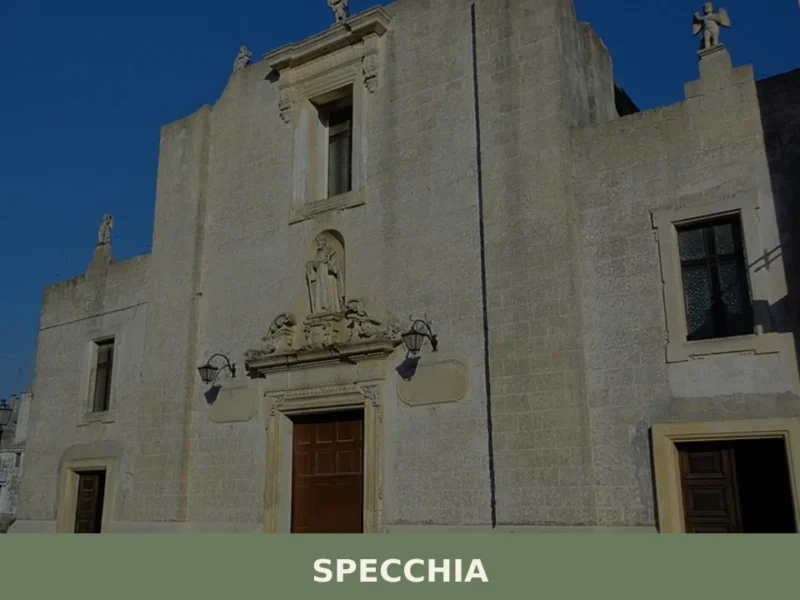
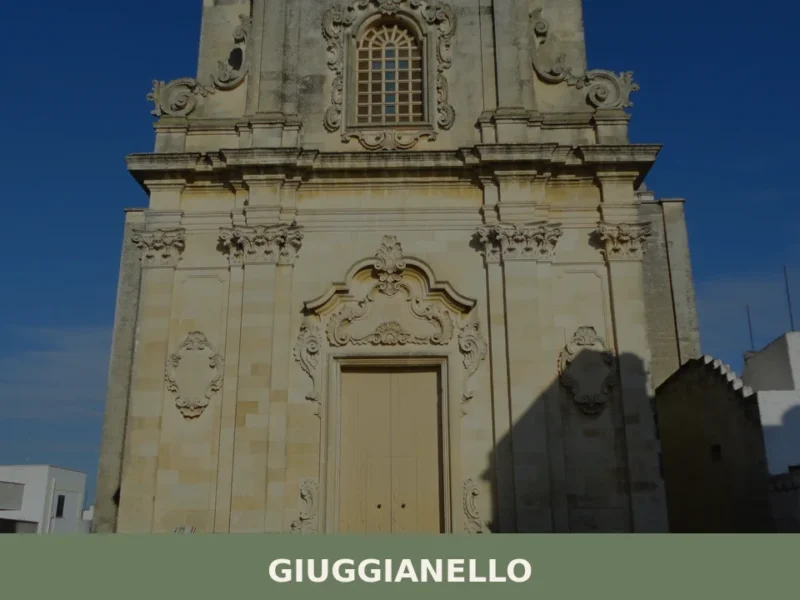
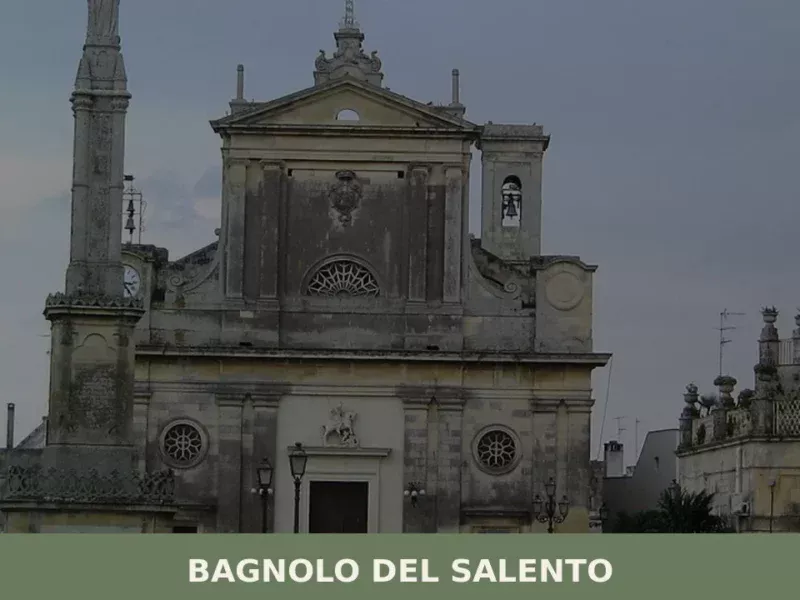
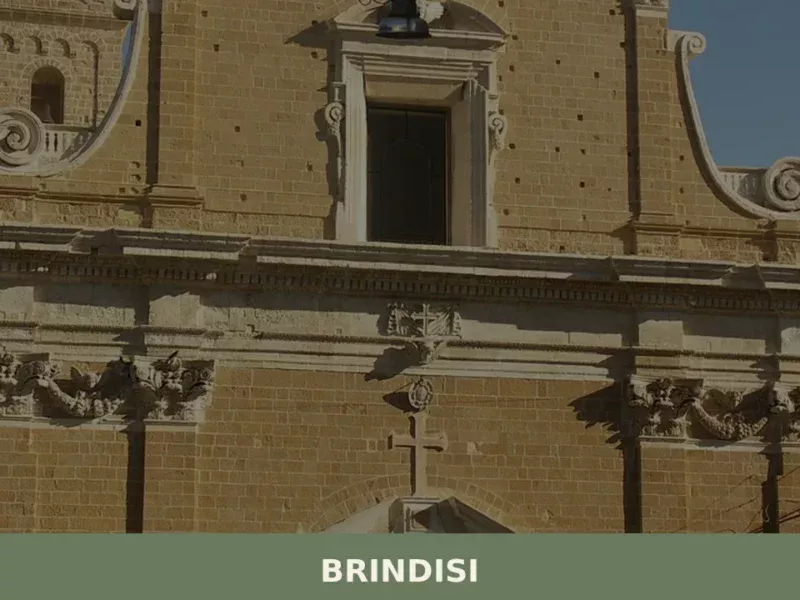
In Apulia More villages to discover
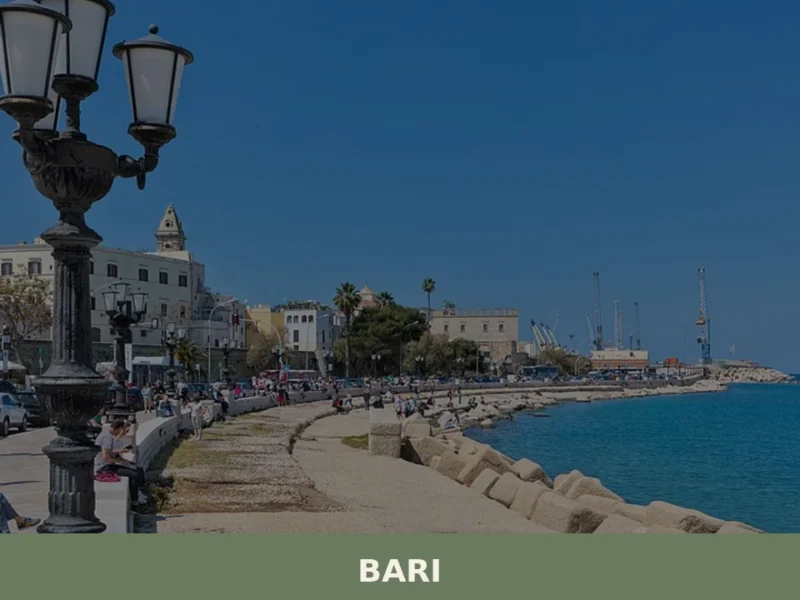
Bari
Sea
In Bari, the dawn over the Adriatic Sea paints the ancient walls of the old town in shades of pink, while the first rays of sunlight illuminate the imposing façade of the Basilica di San Nicola, the focal point of a city that has welcomed pilgrims and merchants for centuries. Here, history is etched into […]
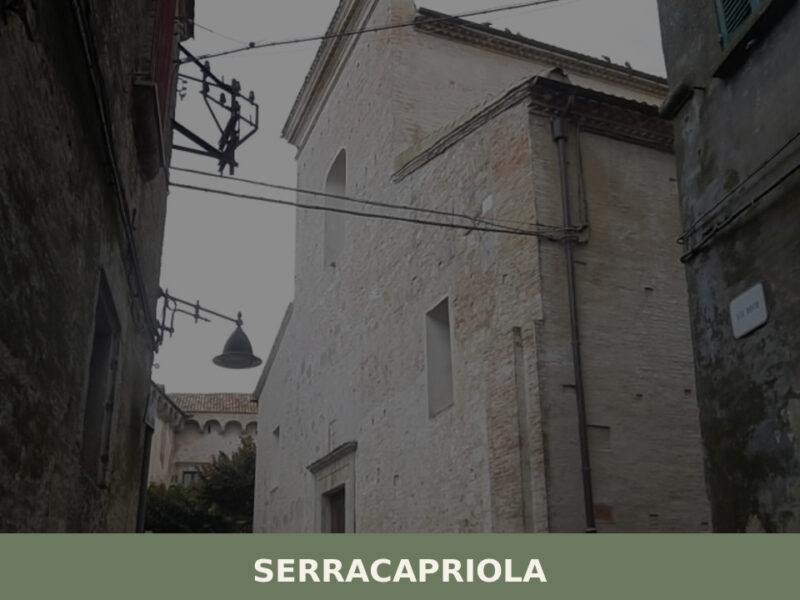
Serracapriola
Sea
A hilltop village of 3,656 people overlooking the Fortore valley in Foggia province. Serracapriola offers a Norman castle, medieval alleys, and honest Puglian cooking far from the crowds.
San Paolo di Civitate
 Plains
A ridge-top village above the Tavoliere plain in Foggia province, San Paolo di Civitate holds Roman ruins, Norman battlefield history, and an unhurried agricultural life.
Alezio
Plains
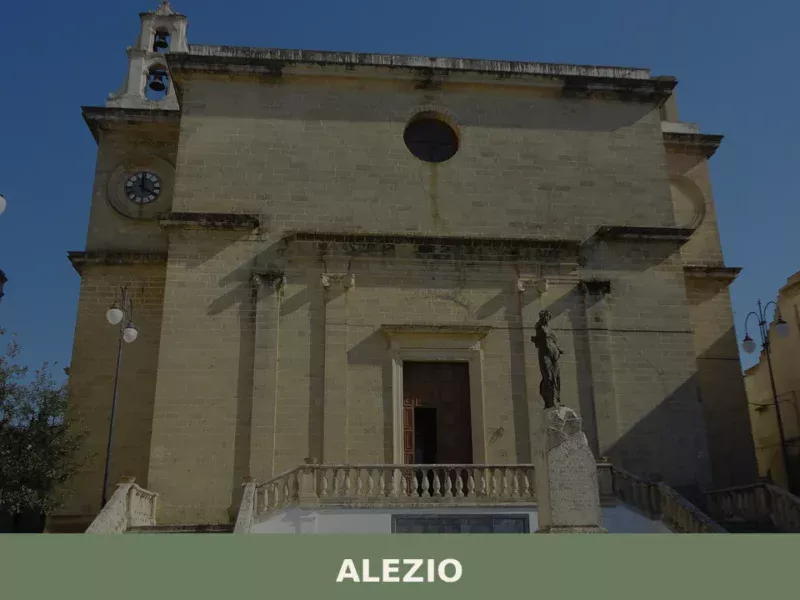
Discover what to see in Alezio, a Salento village with Messapian roots, a national archaeology museum, and ancient olive groves near Gallipoli in Puglia.
Poggio Imperiale
Plains
A planned eighteenth-century village on the Tavoliere plain, Poggio Imperiale offers grid-pattern streets, agricultural landscapes, and the unhurried rhythms of northern Puglia.
San Ferdinando di Puglia
Plains
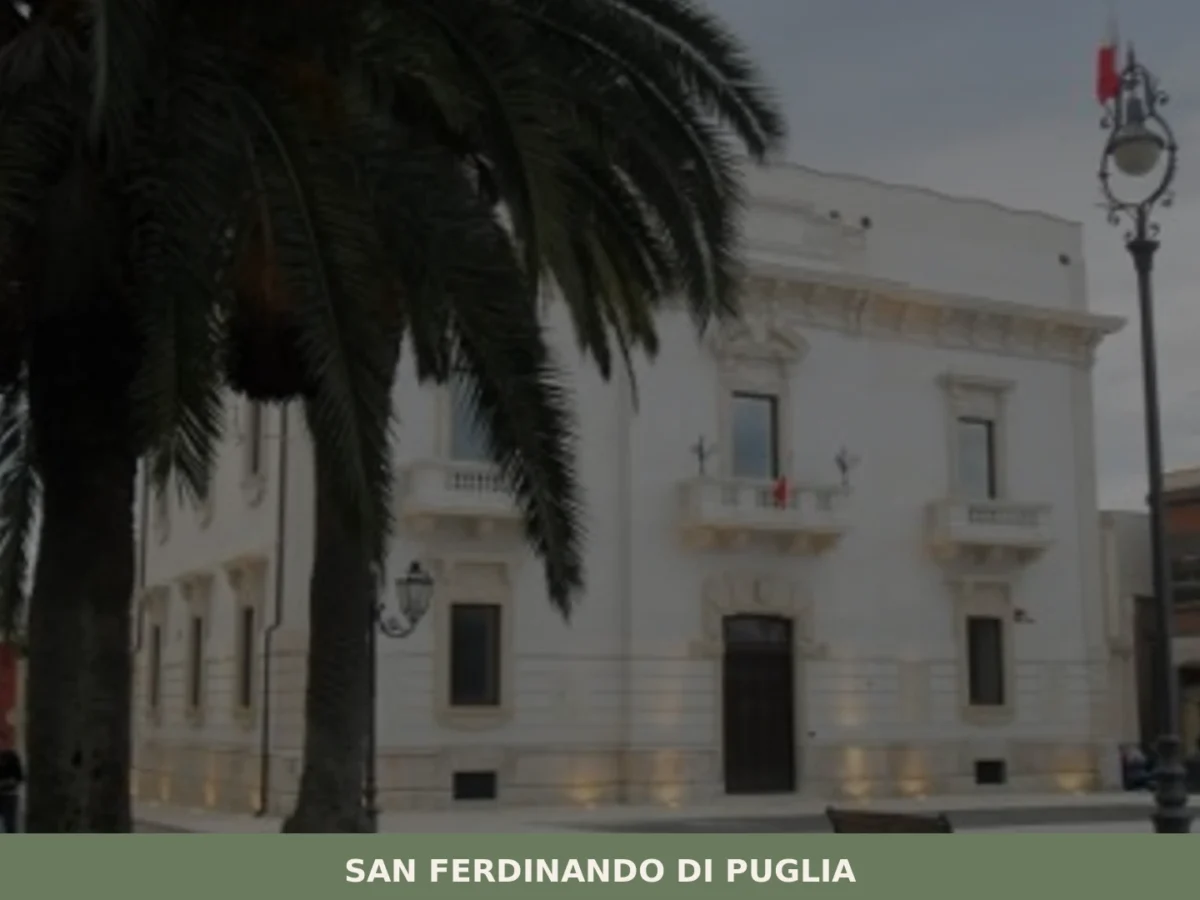
What to see in San Ferdinando di Puglia: 5 must-visit attractions, from the historic centre to the churches. Discover the complete guide and plan your visit.
Roccaforzata
Plains
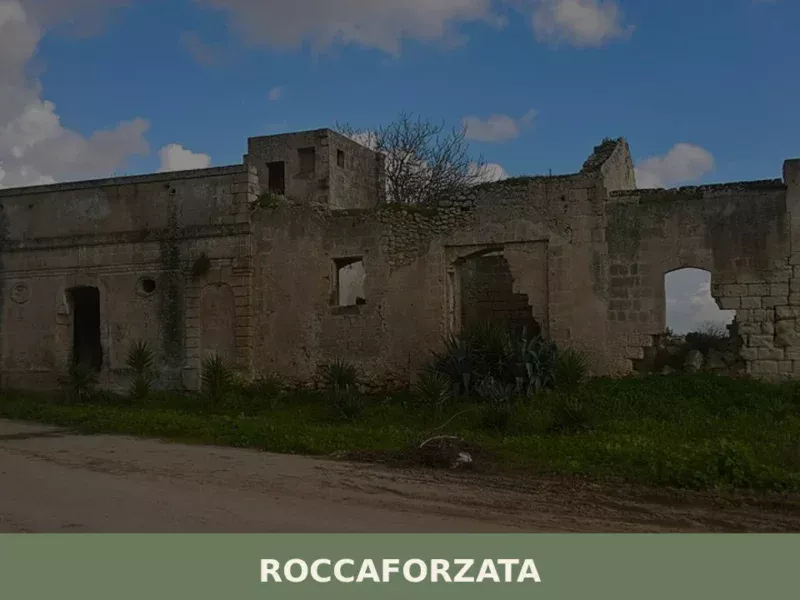
Roccaforzata is home to 1,762 inhabitants, spread across a plateau at 145 metres above sea level in the eastern Taranto countryside. The municipal territory covers just 6.67 square kilometres, making it one of the smallest in the province of Taranto. Anyone looking into what to see in Roccaforzata will find a compact urban centre, developed […]

Cagnano Varano
Sea
6,579 residents live between a brackish lagoon and the Gargano hills. Stone lanes, patron saints Michele and Cataldo, and a shoreline unlike anywhere else in Foggia province.
Galatina
Plains
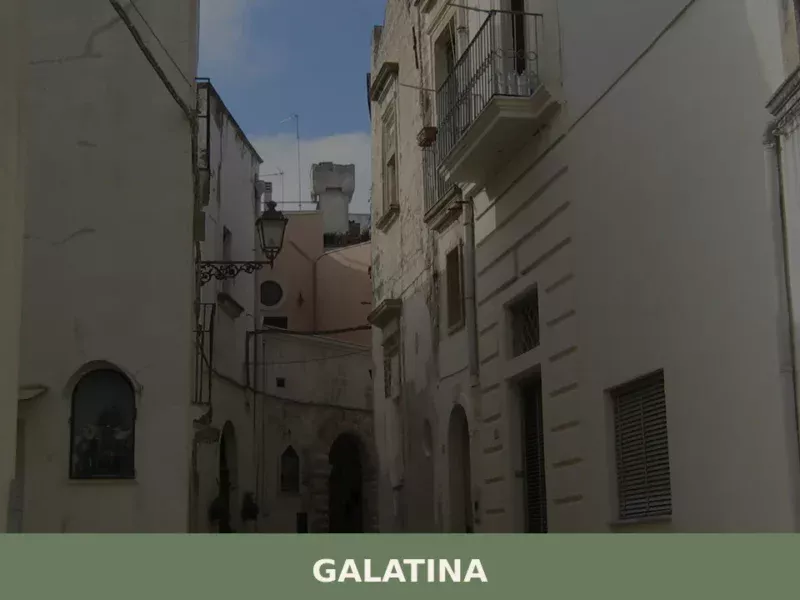
Discover what to see in Galatina, Puglia: Gothic frescoes, tarantismo history, local food and practical travel tips for this Salento city near Lecce.
Ostuni
Sea
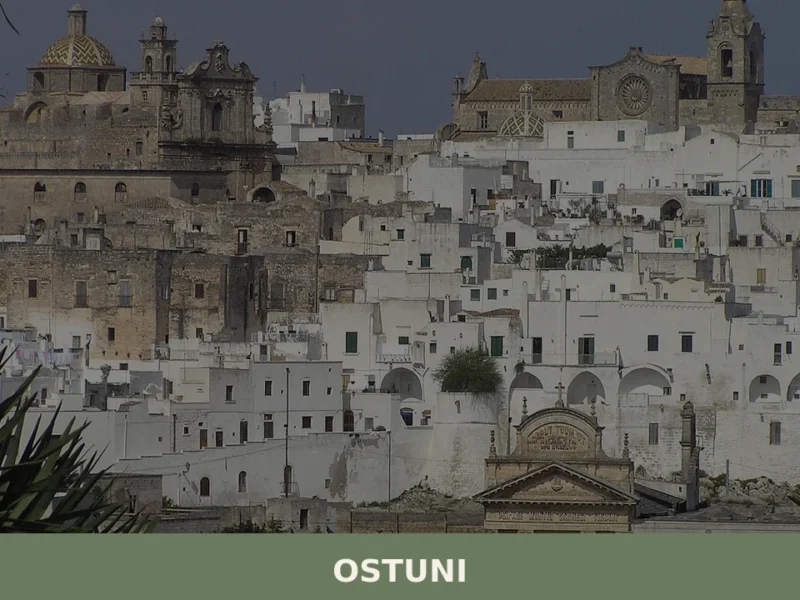
What to see in Ostuni, Italy: Discover the 'White Town' with its 30,143 residents and explore 5 key historical sights. Read our guide for top attractions and travel tips.
🏡 Know Patù better than we do?
If you’re a local or have been there, your knowledge matters: add what’s missing or fix a detail on this page.