


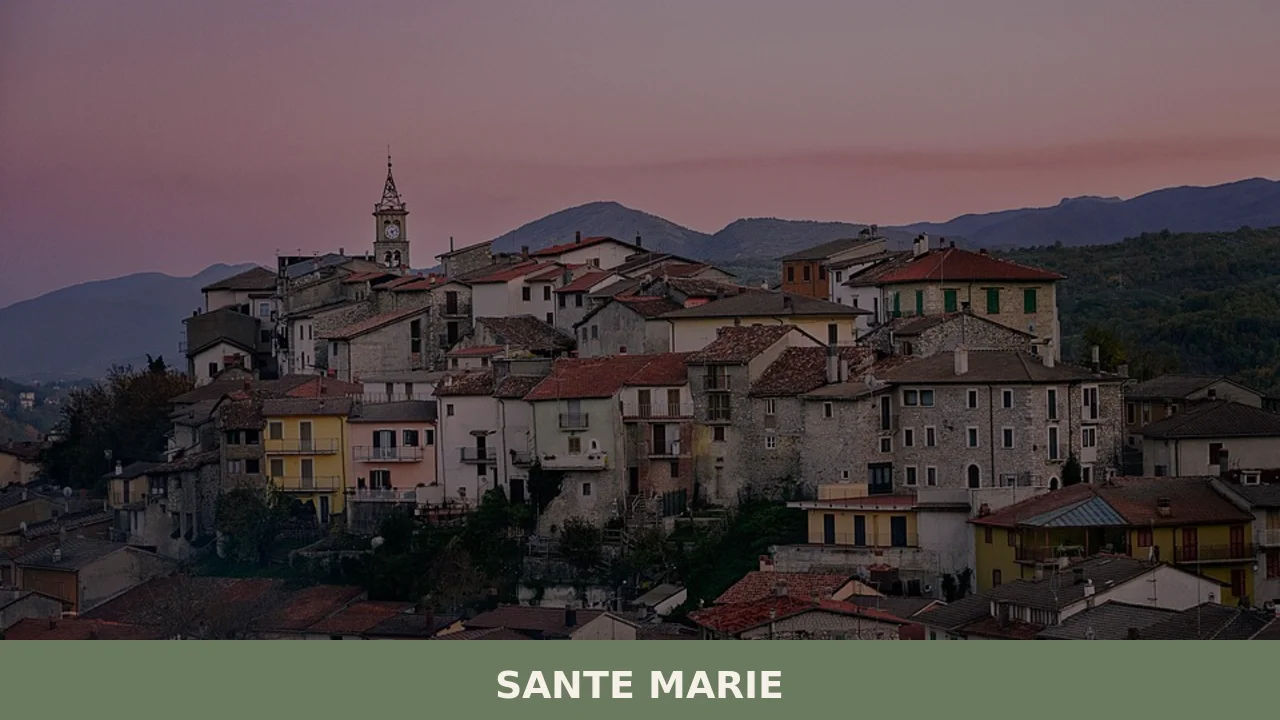
Sante Marie
 Mountain
What to see in Sante Marie? Discover the 5 must-see attractions, from the historic village to the trails. Plan your visit to Abruzzo!
Discover Sante Marie
One thousand and forty-five inhabitants, a municipality in the province of L’Aquila situated in the Abruzzese hinterland, standing watch over an Apennine territory marked by narrow valleys and wooded ridgelines. The houses of the historic centre cluster tightly around the religious structures that define its silhouette from afar, in a landscape where limestone often breaks through the vegetation and paths descend toward the valley floor without warning.
This is the concrete geography of Sante Marie: a settlement deeply rooted in time, legible in its stones and in the order of its public spaces.
Those wondering what to see in Sante Marie will find in the village a compact historic core with churches of medieval origin, civil architecture in local stone and an Apennine natural setting well worth exploring on foot.
The main attractions can be reached in less than an hour’s walk, but the surrounding territory calls for considerably more time. This guide answers, point by point, the most frequently asked questions from those planning a visit: what to see, when to go, how to get there and where to stop for a meal.
History and origins of Sante Marie
The name of the municipality refers directly to the Marian devotion that shaped the religious and civic life of this part of inland Abruzzo for centuries. Abruzzese place names frequently preserve traces of medieval piety, and Sante Marie is no exception: the dedication to the cult of the Virgin, expressed in the plural according to a devotional form widespread throughout the central-southern Apennine area, orients any reading of the village’s identity from its very name.
The settlement fits within the broader picture of inhabited places that arose along the internal communication routes of the province of L’Aquila, in an area historically linked to the feudal dynamics and ecclesiastical jurisdictions that characterised Abruzzo between the Middle Ages and the modern era.
The territory of Sante Marie passed through the successive phases of domination that affected the entire region: the transition from Norman and Swabian feudal structures, then Angevin rule, through to integration into the Kingdom of Naples and subsequently the Bourbon administrative system.
These changes left their mark on the organisation of the urban fabric and on the religious buildings, which often incorporate constructive layering from different periods. The municipality belongs to the province of L’Aquila, whose capital served for centuries as the administrative, commercial and cultural hub of the Abruzzese hinterland, exerting its influence over the smaller centres of its catchment area as well.
In the nineteenth century, following Italian Unification and the subsequent administrative reorganisation, Sante Marie took on the municipal configuration it retains to this day. The population, currently numbering 1,045 inhabitants according to available data, reflects the depopulation trend that affected the majority of mountain municipalities in inland Abruzzo throughout the twentieth century, a phenomenon common to many centres in the province of L’Aquila. This demographic contraction has paradoxically preserved the integrity of many historic structures, shielding them from the building pressures that elsewhere have altered historic centres beyond recognition.
The village therefore retains a historical legibility that figures alone cannot fully convey.
What to See in Sante Marie: Main Attractions
The Historic Core and the Medieval Urban Layout
The layout of Sante Marie’s historic centre reveals a settlement logic typical of inland Abruzzo: streets that follow the contour lines of the terrain, irregular open spaces that once served as gathering areas, and buildings in local limestone with carved doorways that frequently date between the 16th and 18th centuries. Walking through the ancient core means reading the hierarchy of spaces directly: dwellings cluster around religious buildings, which occupy the highest and most visible positions.
The masonry fabric, with its dry-cut or lime-mortared stone, is still legible on many façades. Anyone visiting the historic centre should pay close attention to the details of the stone doorways, where inscriptions bearing dates and coats of arms often appear, attesting to the patronage of local families between the 17th and 19th centuries.
The Village Churches
The religious structures of Sante Marie form the most immediate visual and historical reference point of the village.
The churches of the L’Aquila area characteristically display a layering of building phases ranging from the Middle Ages to the modern era, and those of Sante Marie are no exception to this pattern: Romanesque or Gothic layouts remodelled in the Baroque period, with interiors that preserve liturgical furnishings, canvases and frescoes datable between the 16th and 18th centuries.
The façades in local limestone display the characteristic pale colour that distinguishes the religious architecture of this Apennine zone from that of other regional contexts. Inside, it is worth pausing to examine the side altars and baptismal fonts, which often retain their original artisan workmanship in local stone, having survived subsequent transformations.
The Surrounding Territory and Nature Trails
The municipality of Sante Marie is set within an orographic context that offers hiking routes along the Apennine slopes of the province of L’Aquila.
The municipal territory includes wooded areas where the vegetation is dominated by oaks, hornbeams and, at higher elevations, by beech trees that change colour markedly between September and November.
The trails that set out from the village descend toward the valley floor or climb toward the ridgelines, with varying elevation gains that make them accessible both to experienced hikers and to those seeking more leisurely routes. Spring brings the flowering of species typical of Apennine meadows, while autumn offers the colours of the beech woods. For those in search of silence and open space, the paths beyond the built-up area represent the principal reason to stay more than a single day in this corner of the province of L’Aquila.
Civil Architecture and Historic Palaces
Alongside the religious structures, the centre of Sante Marie preserves examples of civil architecture that document the presence of locally prominent families between the 16th and 19th centuries. The village’s aristocratic palaces typically feature rusticated stone doorways, windows with carved surrounds and inner courtyards that replicate, on a reduced scale, the models of L’Aquila’s noble architecture.
These buildings, many of which are today used for private or residential purposes, convey the image of a village that was not merely an agricultural settlement but also the seat of small local élites tied to feudal structures and later to the landowning classes of the post-Unification period.
The context is comparable to that of other municipalities in the same area, such as Capitignano, also in the province of L’Aquila and marked by the same architectural stratification between the Middle Ages and the modern era.
The Agricultural Landscape and Panoramic Viewpoints
Around the built-up core, the agricultural landscape of Sante Marie retains the structure of the traditional fields of inland Abruzzo: medium-sized plots bounded by dry-stone walls, olive groves and vineyards on south-facing slopes, and pastures at higher elevations.
The natural panoramic viewpoints that open up along the municipal roads allow one to visually frame the structure of the territory: the valley floor, the wooded ridgelines, the nearby villages emerging from the vegetation.
These vistas make it possible to understand the strategic position of the settlement, placed so as to command visual control of both the communication routes and the agricultural resources of the territory. The afternoon light, when it illuminates the limestone slopes from the west, makes the geology of the landscape particularly legible.
Typical cuisine and products of Sante Marie
The cuisine of the area where Sante Marie is located belongs to the gastronomic tradition of inland Abruzzo, characterized by an intensive use of sheep and pork farming products, legumes grown at altitude, and wild herbs that grow on the Apennine slopes. This culinary tradition developed within an agropastoral economy where food preservation was a structural necessity, and the processing techniques for meats, cheeses, and cured meats reflect this historical requirement.
The table of the Aquila hinterland has never been a cuisine of decorative abundance: it is a cuisine of substance, calibrated to seasonal rhythms and physical labor.
Among the dishes that local tradition shares with the broader Abruzzese gastronomic repertoire, legume soups stand out — lentils, grass peas, and beans grown at intermediate altitudes — seasoned with extra virgin olive oil and wild aromatics.
Homemade pasta, in the hand-crafted varieties typical of Aquila cuisine such as sagne and maccheroni alla chitarra, accompanies sauces based on mutton or pork, often enriched with the chili pepper that characterizes much of Abruzzo’s mountain cuisine. Lamb, raised on the pastures of the Apennine slopes, is prepared using slow-cooking techniques that enhance the meat of adult animals, unlike the coastal tradition which favors young milk-fed lamb.
Regarding certified products, the available database does not record any DOP, IGP, PAT, or DOC designations specifically attributed to the municipality of Sante Marie. Local production falls within the broader framework of the agri-food supply chains of the province of Aquila, which includes pecorino cheeses, traditional cured meats, and extra virgin olive oils produced in the valley floors at lower altitudes.
Those visiting Sante Marie who wish to purchase local products will find the most direct selection of what the territory produces at the weekly markets of nearby centers and in the village’s commercial establishments.
The autumn season, between October and November, is the time when the production of new olive oil and the slaughtering of pigs makes the offering of fresh products richer.
The gastronomic tradition of the area intertwines with that of other villages in the province of Aquila. An interesting comparison involves Carunchio, an Abruzzese municipality that shares with Sante Marie the same matrix of mountain cuisine based on legumes, mutton, and handmade pasta according to techniques handed down by the rural communities of the hinterland.
Festivals, events, and traditions of Sante Marie
Religious celebrations mark the calendar of Sante Marie according to the rhythm of Catholic festivities that structure the community life of inland Abruzzo’s villages.
The patronage of the municipality, linked as the very name suggests to Marian devotion, finds expression in recurring events that include processions, liturgical celebrations, and moments of public gathering.
The Marian festivities of August, particularly around August 15th for the Assumption, traditionally represent the moment of greatest participation, with the temporary return of many emigrants who maintain their bond with their village of origin. During these days the village experiences its greatest animation of the year.
The traditions linked to the agricultural and pastoral cycle — transhumance, threshing, the grape harvest — have left traces in community practices and in the local festival calendar, even though many of them have lost their original economic dimension and have been transformed into occasions of collective memory.
The summer and autumn food festivals of the municipalities in the Aquila area, often dedicated to the typical products of the season, represent an opportunity for those wishing to discover what to see in Sante Marie and experience local gastronomy in a festive setting.
For up-to-date information on scheduled events, the point of reference is the official website of the Municipality of Sante Marie, where calendars and notices relating to local initiatives are published.
When to Visit Sante Marie and How to Get There
The most favourable season for what to see in Sante Marie is spring, between April and June, when the Apennine vegetation is in full bloom and temperatures allow you to walk the local trails without the intense heat of summer. Autumn, from September to November, offers a second period of great interest: the colours of the beech forests on the ridges, the harvesting of new olive oil, and the more intimate atmosphere of the village, with fewer visitors than in the summer months.
Those looking to connect with local traditions should aim for August, when the Marian feast days bring a liveliness to the village that, in the winter months, gives way to an almost complete silence.
If you arrive by car, the most direct route from the A24 Rome–L’Aquila motorway requires exiting at the L’Aquila Est toll gate, from which Sante Marie is reached by travelling along the provincial roads heading east.
The distance from the provincial capital is approximately 30 kilometres, with an estimated travel time of 35–45 minutes depending on road conditions. The nearest railway station is L’Aquila, served by Trenitalia with connections to Rome and Pescara; from there, you will need to continue by car or local bus services. The main reference airport is Rome Fiumicino International Airport, approximately 130 kilometres away, or alternatively Pescara Airport, which is about 90 kilometres from Sante Marie.
| Departure Point | Distance | Estimated Time |
|---|---|---|
| L’Aquila (A24 Est toll gate) | approx.
30 km |
35–45 minutes |
| Pescara Airport | approx. 90 km | 1 hour 15 minutes |
| Rome Fiumicino Airport | approx. 130 km | 1 hour 45 minutes |
For up-to-date public transport timetables and information on local bus services, it is advisable to check directly on the official carrier portals, as schedules are subject to seasonal variations. Those planning an itinerary through the province of L’Aquila may consider Sante Marie as an inland stop on a route that takes in several villages of the hinterland.
From this perspective, Civitaquana and Montebello sul Sangro represent two Abruzzese points of reference that complete the picture of the regional territory, sharing with Sante Marie the character of a small Apennine municipality with a historic stone centre and traditions rooted in an agropastoral economy.
Frequently asked questions about Sante Marie
What is the best time to visit Sante Marie?
The best time to visit Sante Marie largely depends on your interests. For hiking and enjoying the Apennine natural setting, late spring (May-June) offers blooming meadows and pleasant temperatures, while early autumn (September-October) provides stunning foliage, especially the beech woods changing colour. Summer (July-August) is ideal for cooler mountain escapes and longer days for outdoor activities. Winters can be cold and snowy, appealing to those seeking a quiet, snow-covered landscape. The village's altitude of 850m ensures a refreshing climate during warmer months.
What to see in Sante Marie? Main monuments and landmarks
In Sante Marie, visitors should explore the compact historic core, a testament to medieval urban planning with its streets following terrain contours and buildings crafted from local limestone. The village's churches, though not individually named, represent centuries of architectural layering from Romanesque/Gothic to Baroque, preserving historical liturgical elements. Don't miss the civil architecture and historic palaces, featuring carved doorways and windows from the 16th to 19th centuries, reflecting the area's local elites. The surrounding Apennine landscape with its natural trails and panoramic viewpoints also offers significant visual attractions.
What are the main natural or scenic attractions of Sante Marie?
Sante Marie is a gateway to the Apennine natural landscape of the L'Aquila province. The main attractions are the extensive hiking routes that traverse wooded areas dominated by oaks, hornbeams, and beech trees at higher elevations. These trails offer varying elevation gains, suitable for different fitness levels, leading to valley floors or ridgelines. Seasonal changes bring vibrant colours: spring showcases blooming meadows, while autumn transforms the beech woods into a spectacle of hues. Numerous natural panoramic viewpoints along municipal roads provide breathtaking vistas of the valleys, ridgelines, and nearby villages.
Where to take the best photos in Sante Marie?
For the best photos in Sante Marie, capture the distinctive silhouette of the historic centre, with its houses clustered around the prominent religious structures, especially from a distance as you approach the village. Seek out the natural panoramic viewpoints along the municipal roads, which offer expansive frames of the Apennine territory, including the valley floor and wooded ridgelines. The afternoon light is particularly magical; when it illuminates the limestone slopes from the west, it highlights the geological textures of the landscape, creating striking contrasts and depths ideal for photography.
Are there museums, churches or historic buildings to visit in Sante Marie?
While Sante Marie does not feature dedicated museums, it boasts several historic churches and civil buildings that are integral to its heritage. The village's churches showcase centuries of architectural evolution, from medieval foundations to Baroque remodelling, often preserving historical furnishings and artworks. Alongside these, numerous aristocratic palaces and civil architectures from the 16th to 19th centuries, characterized by their local stone and carved details, contribute to the village's historic fabric. Many of these buildings are privately owned, so specific access and visiting hours may require local inquiry.
What can you do in Sante Marie? Activities and experiences
In Sante Marie, visitors can immerse themselves in nature and history. The primary activities include exploring the compact historic core on foot, admiring the medieval urban layout, the historic churches, and civil architecture with their intricate stone details. The surrounding Apennine territory offers extensive hiking opportunities along trails that wind through oak, hornbeam, and beech woods, suitable for various skill levels. Seeking silence and open space amidst nature is a key experience. Additionally, savoring the authentic cuisine of inland Abruzzo, with its hearty dishes and local products, is a must-do.
Who is Sante Marie suitable for? Families, couples, hikers, solo travelers?
Sante Marie is particularly suitable for hikers and nature lovers, given its extensive Apennine trails and wooded landscapes offering silence and open space. It appeals to history and culture enthusiasts eager to explore a well-preserved historic core, with its medieval layout, ancient churches, and aristocratic palaces. Couples seeking a tranquil, authentic Italian village experience will find its charm appealing. Solo travelers looking for reflection and connection with nature will also appreciate its serene atmosphere. Families can enjoy the more leisurely walking routes and the village's historical exploration.
What to eat in Sante Marie? Local products and specialties
The cuisine of Sante Marie reflects the robust gastronomic traditions of inland Abruzzo. Specialties include hearty legume soups, made with local lentils, grass peas, and beans, often seasoned with extra virgin olive oil and wild herbs. Hand-crafted pastas like *sagne* and *maccheroni alla chitarra* are typically served with rich mutton or pork sauces, frequently spiced with local chili pepper. Lamb, raised on Apennine pastures, is also a prominent dish, prepared using slow-cooking methods. While there are no specific DOP/IGP certifications for Sante Marie itself, visitors can find regional products like pecorino cheeses, traditional cured meats, and extra virgin olive oils from the broader L'Aquila province.
📷 Photo Gallery — Sante Marie
Nearby Villages near Sante Marie
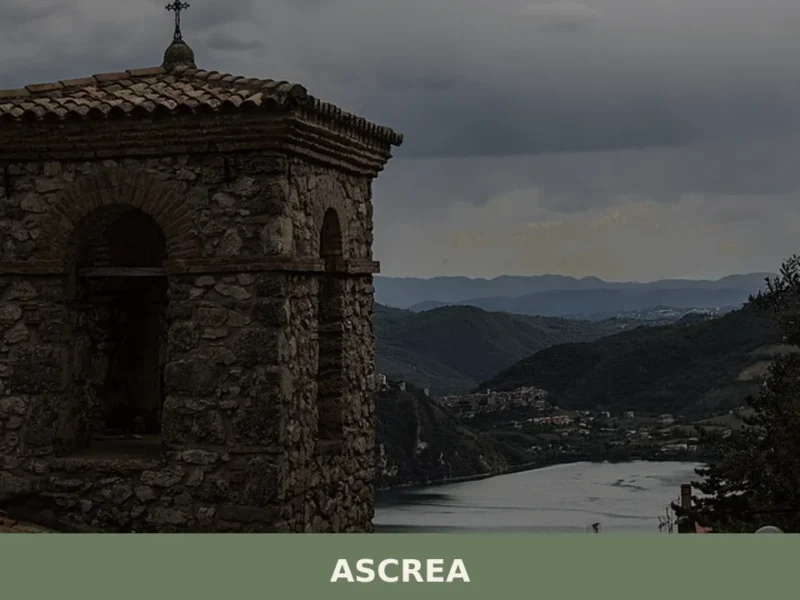
In Abruzzo More villages to discover
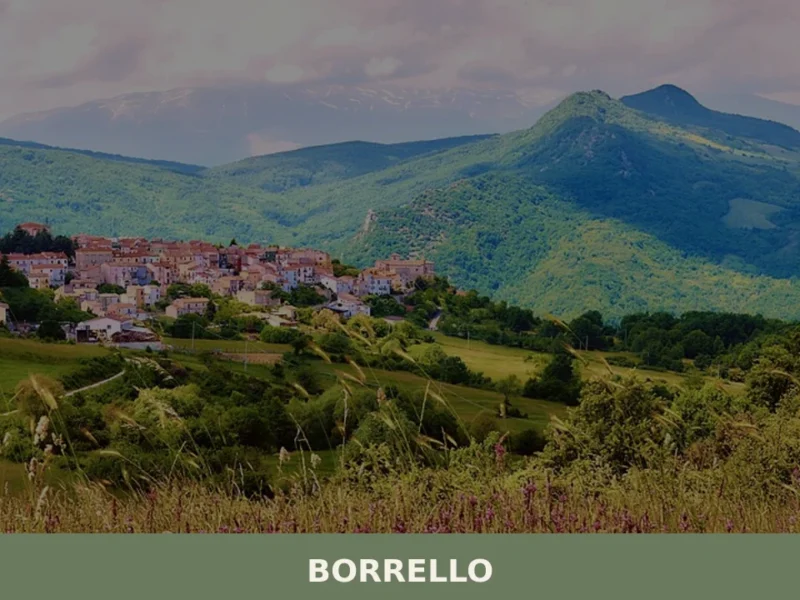
Borrello
Mountain
At 804 metres above sea level, on the eastern slope of the Majella massif, 338 inhabitants watch over a settlement that in the eighteenth century counted more than two thousand residents. Anyone looking into what to see in Borrello will find a territory shaped more by geology than by human hands: the Cascate del Verde, […]
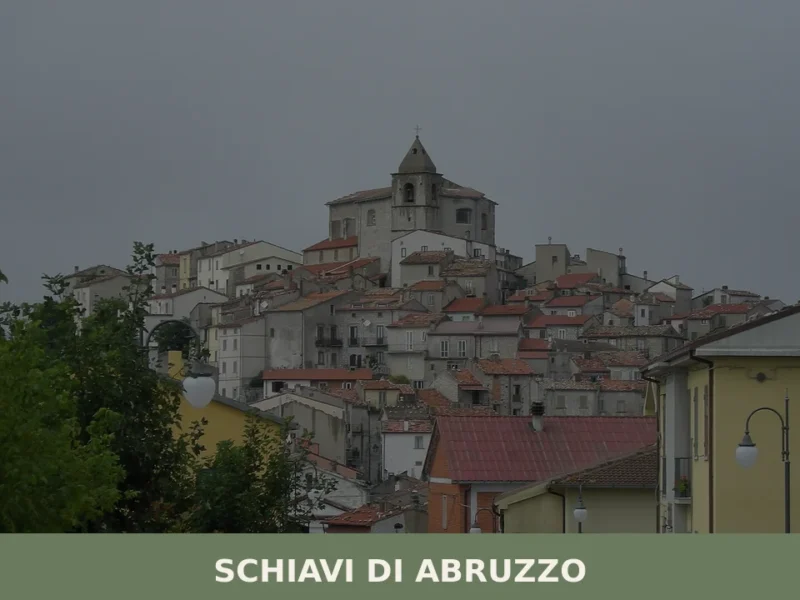
Schiavi di Abruzzo
Mountain
What to see in Schiavi di Abruzzo, Italy: Italic temples from 3 BC, a hilltop at 1,170 m, and a local dialect. Discover the complete travel guide for Abruzzo.
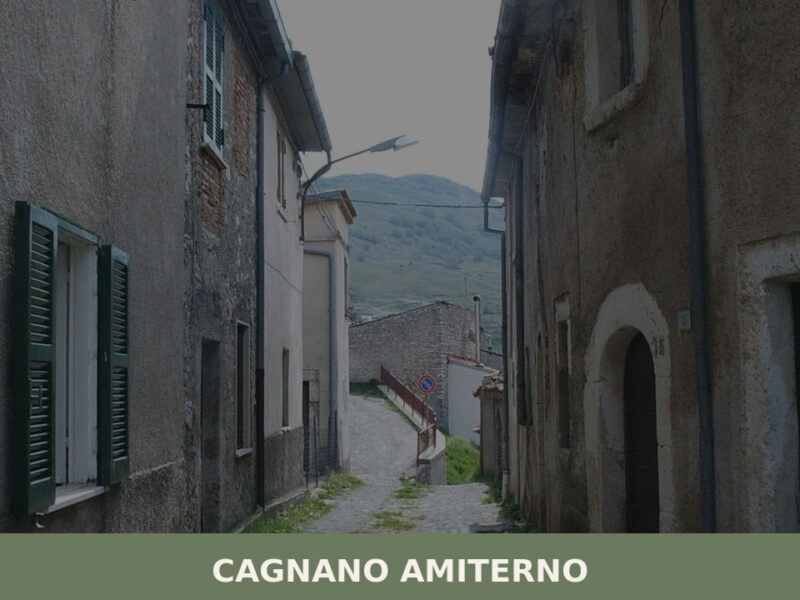
Cagnano Amiterno
Mountain
Morning light falls flat across the high plateau west of L’Aquila, catching the stone walls of a settlement that has survived earthquakes, depopulation, and the slow erosion of memory. The air carries woodsmoke and the cold mineral scent of mountain water. Cagnano Amiterno, home to just over 1,400 residents, sits in a landscape shaped by […]
Lentella
 Hills
Hills
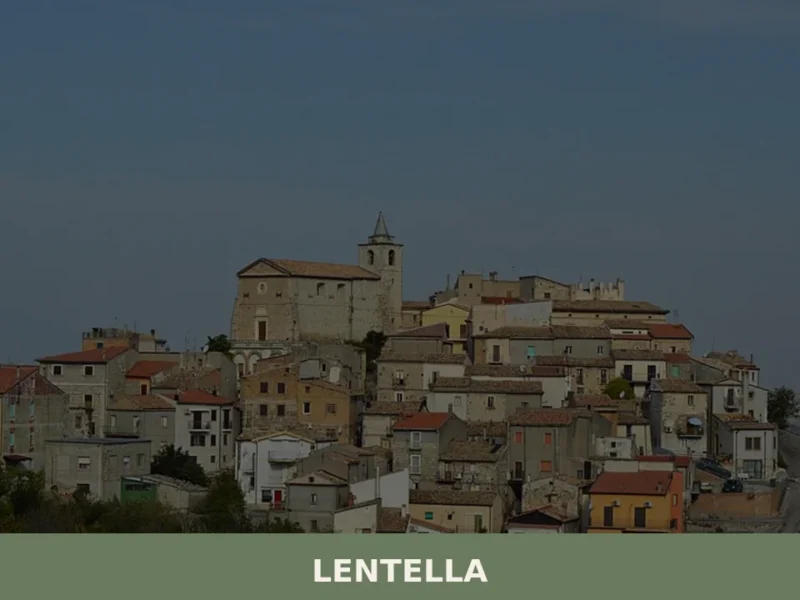
What to see in Lentella: a hilltop village at 398m with 649 residents in Chieti. Discover the Santi Cosma e Damiano church, medieval old town, and local PAT products. Explore now!
Pretoro
Hills
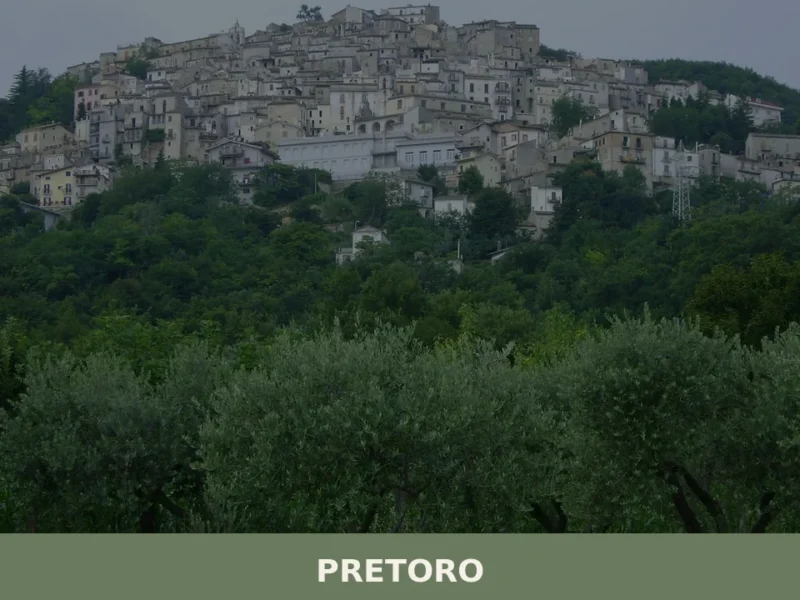
What to see in Pretoro, Abruzzo, Italy: explore a 13th-century sanctuary, a 16th-century Pietà, and Majella National Park. Population 985. Discover it now.
Civitella Alfedena
 Lake
Mountain
Lake
Mountain
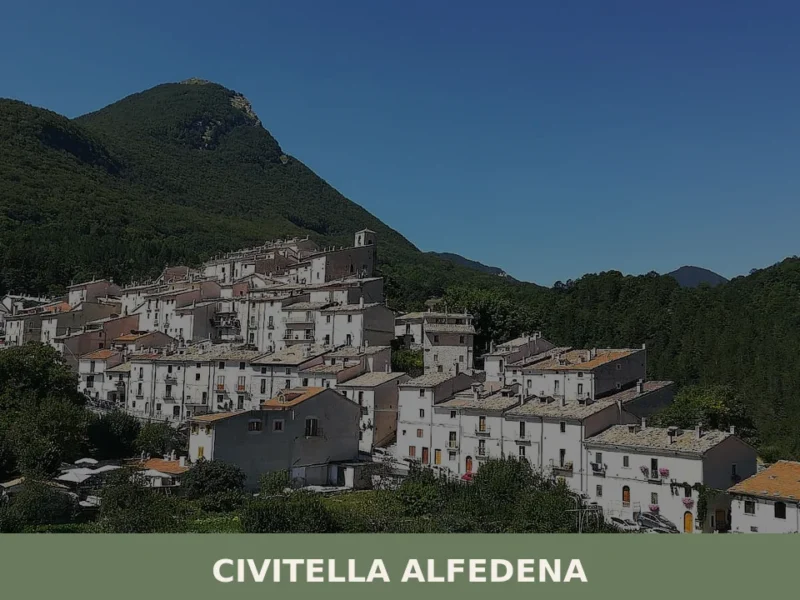
At 1123 metres above sea level, on the southern slopes of the Abruzzo, Lazio and Molise National Park, Civitella Alfedena is home to just 285 residents — fewer than a single apartment block in Rome — spread along an urban core that retains its medieval defensive layout, complete with stone portals and covered passageways. Asking […]
Fresagrandinaria
Hills
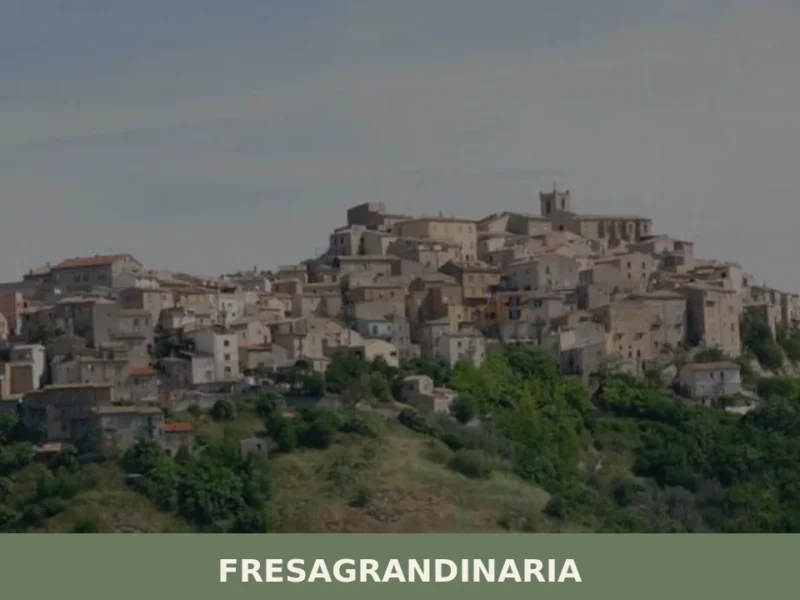
Nine hundred and twenty-three inhabitants, a hilltop ridge at 391 metres above sea level, and a double name that joins two distinct medieval communities: Fresa and Grandinaria, merged into a single settlement at least since the fifteenth century. Anyone arriving from the Treste valley floor immediately notices the compact outline of houses built in local […]
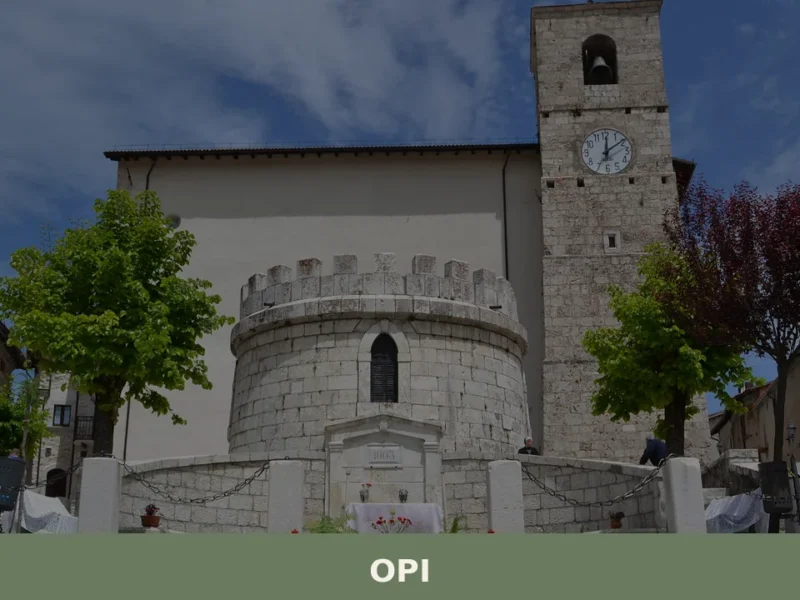
Opi
Mountain
What to see in Opi, Abruzzo, Italy: explore 3 historic monuments, the National Park of Abruzzo, and the Val Fondillo Necropolis. Discover how to get there.
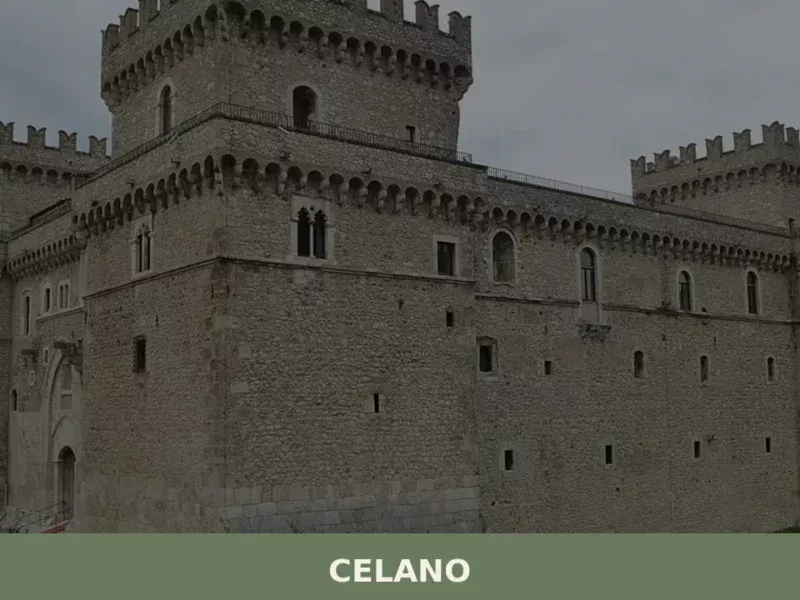
Celano
Mountain
The Castello Piccolomini in Celano, with its four corner towers and curtain wall enclosing a perimeter of over one hundred metres, commands the Fucino plain from an altitude of 840 metres. Anyone wondering what to see in Celano will find an unequivocal starting point here: a fortress that has endured six centuries of history, earthquakes […]
Filetto
Hills
Filetto, a settlement of 854 inhabitants, is located at 403 meters above sea level in the heart of the province of Chieti. This settlement, documented in historical sources dating its presence back to the medieval era, extends across a hill overlooking the Foro Valley. Its urban layout reflects the layering of different periods, with buildings […]




🏡 Know Sante Marie better than we do?
If you’re a local or have been there, your knowledge matters: add what’s missing or fix a detail on this page.