


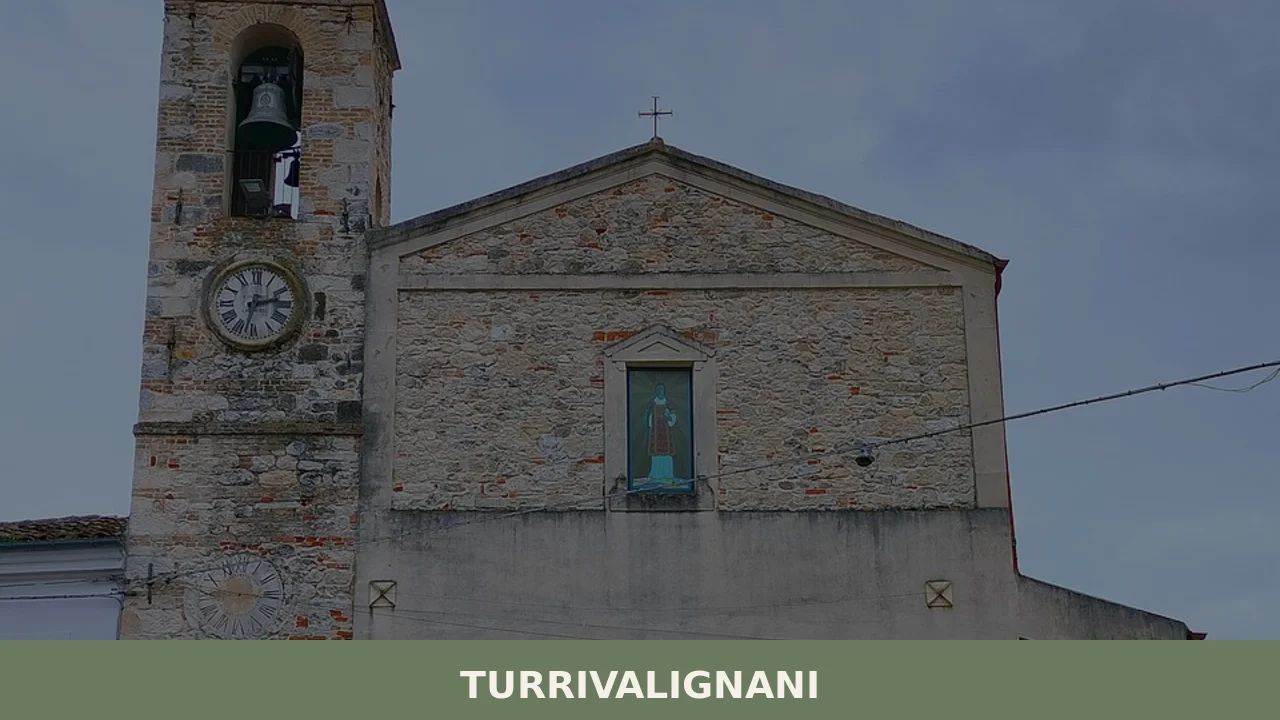
Turrivalignani
 Hills
Hills
What to see in Turrivalignani? Discover the ancient village, the Church of San Nicola, and nature trails. Plan your visit to Abruzzo!
Discover Turrivalignani
In the central part of the Pescara Valley, in Abruzzo, lies the territory of Turrivalignani, a municipality with 796 inhabitants.
Its geographical position, along the course of the Pescara river, places it in a landscape context characterized by a hilly morphology that slopes down towards the valley floor.
The village presents the typical appearance of small Abruzzo towns, where construction develops following the natural contours of the land.
What to see in Turrivalignani: main attractions
The village primarily offers the discovery of its natural environment and the tranquility of a populated center in the province of Pescara.
A visit can include exploring the surrounding landscape, characterized by agricultural crops and vegetation typical of the mid-river valley.
Those seeking an experience away from the more crowded tourist destinations will find Turrivalignani a privileged vantage point on local life and the panorama of the Pescara Valley.
History and origins of Turrivalignani
Specific historical information regarding the foundation and evolution of Turrivalignani, as for many small Abruzzo municipalities, is not widely documented in available sources. The name itself, Turrivalignani, could suggest an origin linked to the presence of a tower (“turri”) and a toponym “Valignani,” perhaps indicating a family or an ancient land ownership that gave the name to the locality.
This etymology, although not confirmed by specific documents in current sources, is common for many Italian villages and reflects a past of rural and defensive settlements.
The geographical context of the Pescara Valley, where Turrivalignani is located, has been an area of transit and settlement since ancient times.
The Pescara river, in fact, represented an important natural communication route between the mountainous interior of Abruzzo and the Adriatic coast.
This fostered the birth and development of numerous inhabited centers along its banks and on the surrounding hills, which over the centuries have seen various dominations and cultures alternate. The absence of specific data on Turrivalignani does not preclude its participation in this broader historical-geographical framework of the region.
The current configuration of Turrivalignani as an Italian municipality of 896 inhabitants in the province of Pescara is the result of a long process of territorial and administrative consolidation. Its history is linked to the more general history of Abruzzo, a region that has maintained strong ties with its traditions and a predominantly agricultural economy.
Villages like Fontecchio, also from Abruzzo, share a similar evolution, often characterized by a local history intertwined with regional and national events, while preserving their own identity.
What to see in Turrivalignani: main attractions
Available sources do not detail specific attractions or monuments of particular importance within the village of Turrivalignani.
Therefore, it is not possible to provide a description of individual churches, historic buildings, or archaeological sites with verifiable facts. The experience of what to see in Turrivalignani focuses on observing the urban fabric of the town and its natural environment, elements that constitute the main interest for visitors seeking authenticity and tranquility.
The village of Turrivalignani
The village of Turrivalignani develops with an urban layout that reflects its nature as a small rural Abruzzo center.
The houses, often built with local materials such as stone, are arranged along streets that follow the terrain.
A walk through the town allows visitors to appreciate the traditional architecture and the daily life of its 896 inhabitants. Despite the absence of internationally renowned monuments, the structure of the village offers characteristic glimpses and the opportunity to immerse oneself in an authentic atmosphere, typical of many smaller centers in the region.
The landscape of Val Pescara
Turrivalignani is located in the central part of Val Pescara, a geographical area dominated by the course of the river of the same name and surrounded by hilly reliefs.
The landscape is characterized by a mix of cultivated areas, particularly olive groves and vineyards, and stretches of spontaneous vegetation. The valley is an ecosystem of interest, with flora and fauna typical of the river and hill environment.
Those who visit Turrivalignani can dedicate themselves to explorations on foot or by bicycle along the paths that wind through the surrounding territory, enjoying wide views of the valley and the Maiella and Gran Sasso mountains in the distance, depending on the vantage point.
Residential architecture and local details
The residential architecture of Turrivalignani, although not monumental, features constructive and stylistic elements that tell the story of the village and its traditions.
One can observe exposed stone facades, solid wooden portals, and sometimes small balconies overlooking the streets. These details, despite their simplicity, contribute to defining the identity of the town. Careful observation of individual buildings often reveals the use of construction techniques handed down over time, typical of rural Abruzzo building, which are distinguished by their robustness and integration with the surrounding environment.
The Churches of the village
As in every Italian municipality, Turrivalignani also has places of worship that represent reference points for the community and testimonies of its religious history.
Although sources do not specify names or architectural details of particular churches, it is common practice for small villages to have a parish church, often dedicated to the local patron saint, which serves as the center of spiritual life.
These buildings, despite their contained size, can preserve elements of sacred art, frescoes, or sculptures that reflect the taste and artistic abilities of past eras. Their architecture, often sober, integrates into the urban context, offering a point of quiet and reflection.
The surroundings of Turrivalignani
Extending one’s gaze beyond the inhabited core, the surroundings of Turrivalignani offer an additional dimension of what to see in Turrivalignani and in the immediate vicinity.
The surrounding countryside, with its cultivated fields and small wooded areas, is ideal for relaxing walks, allowing one to appreciate the local biodiversity and the tranquility of the landscape.
The proximity to other villages in Val Pescara and the province of Pescara also offers the possibility to extend the itinerary, visiting other centers that share a similar historical and cultural heritage.
For example, the road leading towards Castelvecchio Calvisio, although more distant, passes through similar landscapes and historic villages.
Typical Cuisine and Products of Turrivalignani
The gastronomic tradition of Turrivalignani fits into the broader context of Abruzzese cuisine, a cuisine distinguished by its simplicity, the authenticity of its ingredients, and its strong connection to the territory.
The Pescara Valley, with its agricultural resources and proximity to both the mountains and the coast, has influenced the development of dishes that combine robust flavors with preparations linked to peasant tradition.
Despite the absence of specific certified products for the municipality of Turrivalignani in the available sources, it is possible to outline the general characteristics of local gastronomy based on the region’s customs.
Among the dishes commonly found in the area are first courses such as pasta alla chitarra, prepared with a typical wooden instrument with steel strings that gives the pasta a square, porous cross-section, ideal for collecting rich sauces, often based on lamb meat or tomato sauce.
Another classic is pallotte cacio e uova (cheese and egg meatballs), meatless meatballs made with stale bread, pecorino cheese, and eggs, fried and then immersed in a tomato sauce. These dishes reflect the ingenuity of ‘cucina povera’ (peasant cuisine), capable of transforming simple ingredients into flavorful and nutritious preparations.
As for second courses, lamb is a very common meat in Abruzzese cuisine, cooked in various ways such as grilled lamb (agnello alla brace) or lamb with cheese and eggs (agnello cacio e uova).
There is no shortage of cured meats, artisanally produced on the region’s farms, often using local pork. Cheeses, especially pecorino, are a fundamental element of the local diet, both fresh and aged, used in many preparations or enjoyed on their own.
Similar products can also be found in other villages of Abruzzo, such as in Rocca di Cambio, where the agro-pastoral tradition is equally deeply rooted.
Considering that no certified typical products have been identified for Turrivalignani, the local cuisine is based on the enhancement of seasonal raw materials and the application of recipes handed down from generation to generation.
No specific gastronomic festivals (sagre) or weekly markets dedicated to typical products for the village of Turrivalignani are documented in the provided sources.
However, it is common for Abruzzese towns to host events related to harvests or specific products at various times of the year, offering opportunities to taste local specialties.
Festivals, Events, and Traditions of Turrivalignani
Specific information regarding festivals, events, and popular traditions of Turrivalignani is not detailed in the available sources. As with many small Italian municipalities, the life of the village is marked by religious and civil observances that often take place throughout the year.
The patron saint’s festival usually represents the culmination of celebrations, combining sacred rites with secular manifestations such as processions, band concerts, and convivial gatherings.
The date of this celebration is linked to the patron saint of the town, but without precise data, it is not possible to indicate it.
No specific sagre (food festivals) or folkloristic events are documented for Turrivalignani.
However, the Abruzzo region is rich in traditions expressed through events that celebrate peasant culture, local produce, or ancient crafts. It is possible that small local initiatives, such as artisan markets or evenings dedicated to folk music, take place throughout the year, enlivening the community. These events, while not having national resonance, are fundamental for the preservation of cultural identity and for the socialization of the 896 inhabitants of the village.
When to visit Turrivalignani and how to get there
The best time to visit Turrivalignani and the Pescara Valley extends from spring to late autumn.
In spring, the landscape comes alive with blossoms and mild temperatures, ideal for walks and outdoor excursions. Summer offers long, warm days, suitable for those who wish to explore the surroundings or participate in any local festivals. Autumn, finally, offers captivating colors thanks to the foliage and still pleasant temperatures, perfect for a more contemplative type of tourism. The winter months, while offering a more intimate atmosphere, might be less suitable for those seeking outdoor activities, due to the colder and more humid climate.
To reach Turrivalignani, the most convenient means is by car.
The village is well connected to the Abruzzo motorway network.
Those coming from Rome can take the A25 Rome-Pescara motorway, exiting at the Scafa-Alanno or Chieti-Pescara toll booths, from which you continue on provincial roads for a few kilometers. From Pescara, the car journey takes about 30 minutes.
The nearest train station is Pescara Centrale, served by regional and long-distance trains operated by Trenitalia. From Abruzzo Airport (PSR), located in Pescara, the distance is about 30 kilometers, reachable by car in less than half an hour. It is always advisable to check public transport timetables and availability on official websites.
Turrivalignani’s location in the Pescara Valley makes it an interesting starting point for exploring other villages in the region. For those arriving by car, it’s easy to move towards nearby locations, expanding your travel itinerary. For example, from Turrivalignani you can continue towards Capitignano, another Abruzzo village, located at a greater distance but reachable via a route that crosses characteristic mountain landscapes. Planning your trip in advance allows you to optimize your time and fully enjoy the beauty of the area.
| Starting Point | Distance | Estimated Time |
|---|---|---|
| Pescara | ~30 km | ~30 min |
| Rome | ~190 km | ~2 hours |
| L’Aquila | ~70 km | ~1 hour |
📷 Photo Gallery — Turrivalignani
Getting there
Piazza Martiri di Marcinelle, 65020 Turrivalignani (PE)
Nearby Villages near Turrivalignani

In Abruzzo More villages to discover
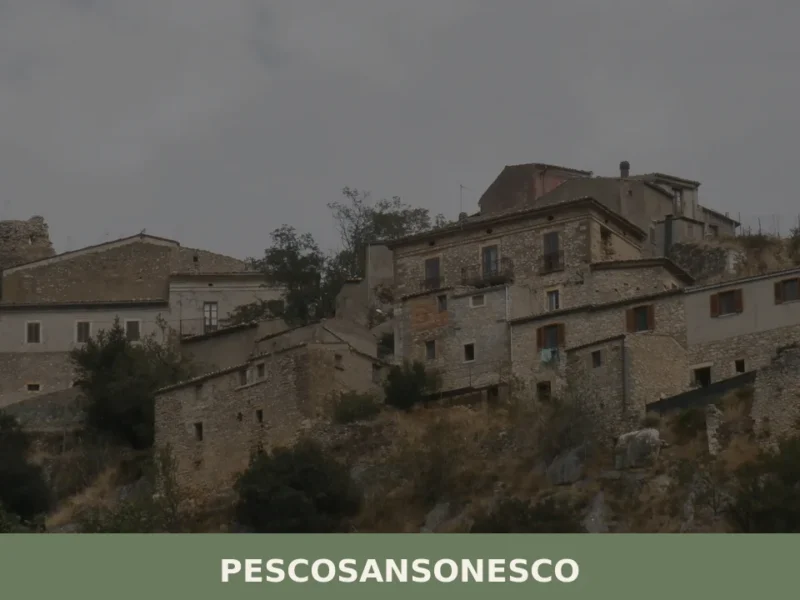
Pescosansonesco
 Mountain
What to see in Pescosansonesco, Italy? Discover this village at 610 m altitude, exploring its ancient ruins and a renowned sanctuary. Read our guide.
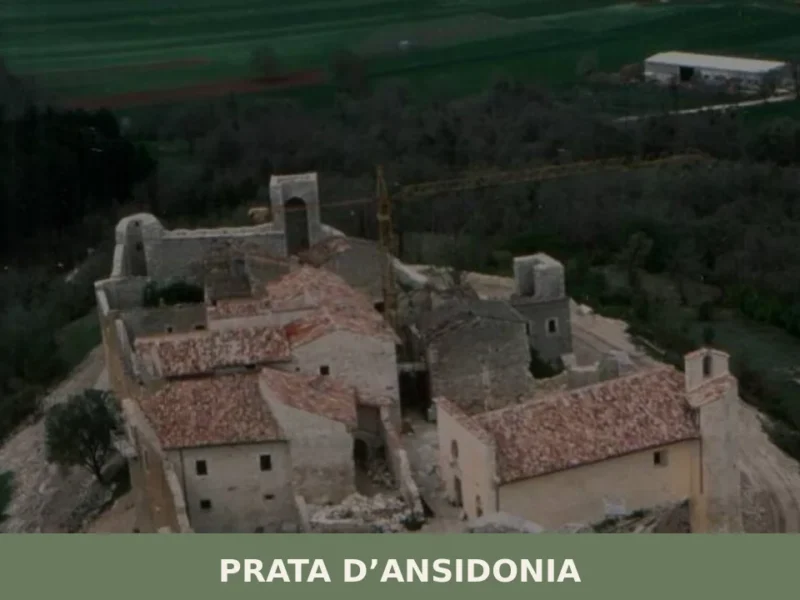
Prata d’Ansidonia
Mountain
What to see in Prata d’Ansidonia? Discover the 5 must-see historic attractions of this village in Abruzzo. Plan your visit and immerse yourself in local history.
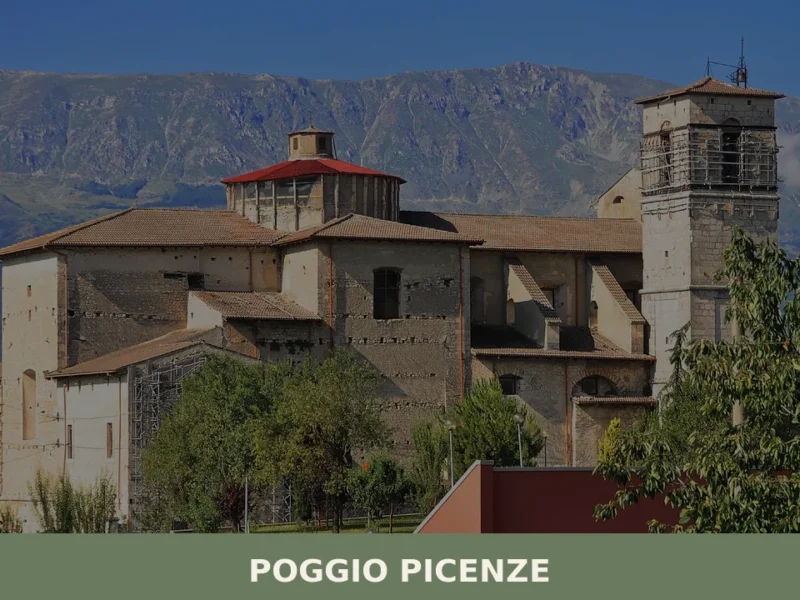
Poggio Picenze
Mountain
What to see in Poggio Picenze, Italy: explore 5 top attractions at 760 m altitude, the Blues festival, and San Felice feast. Discover Abruzzo's limestone village.
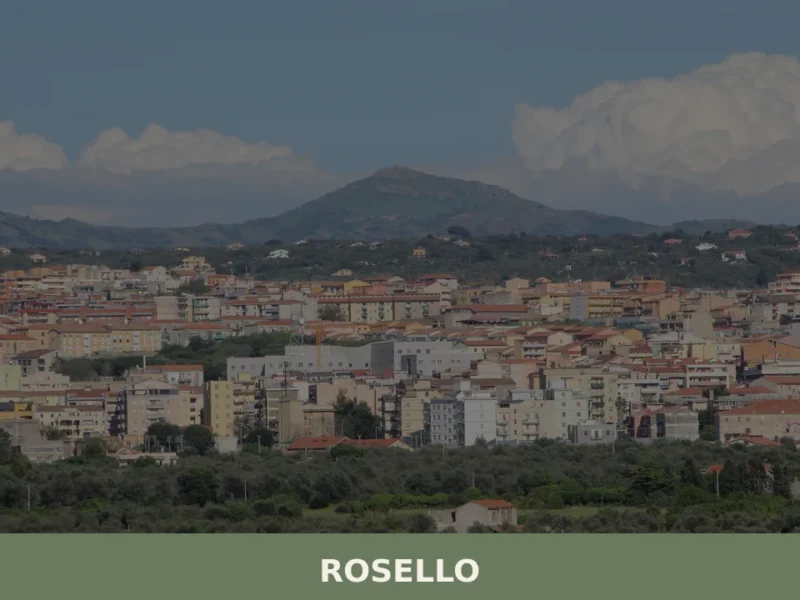
Rosello
Mountain
what to see in rosello: Explore Rosello, Italy, a village founded in the 11th century, with its historic chapel and artistic legacy. Discover its WWII history and Abruzzese charm.
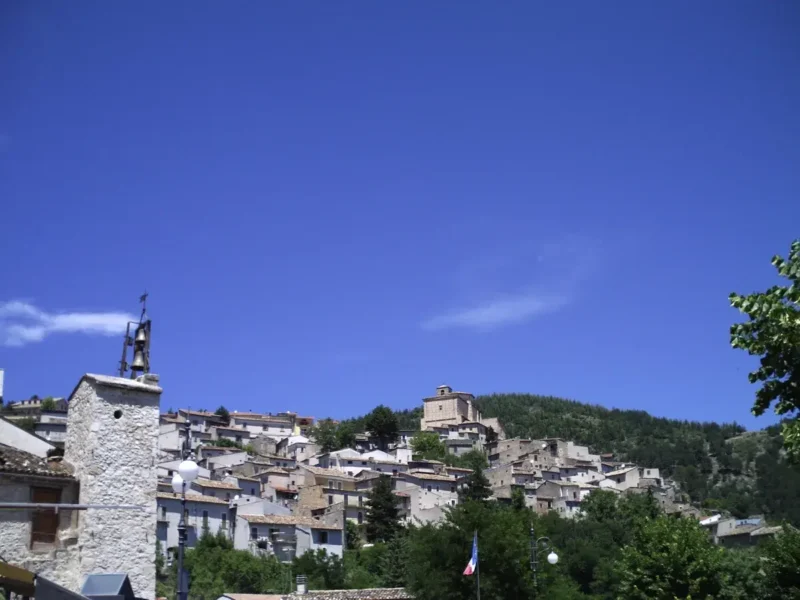
Secinaro
Mountain
what to see in secinaro, Italy: Explore this Abruzzese village at 859m (2,818 ft) above sea level, home to a unique meteor crater field and Monte Sirente's slopes.
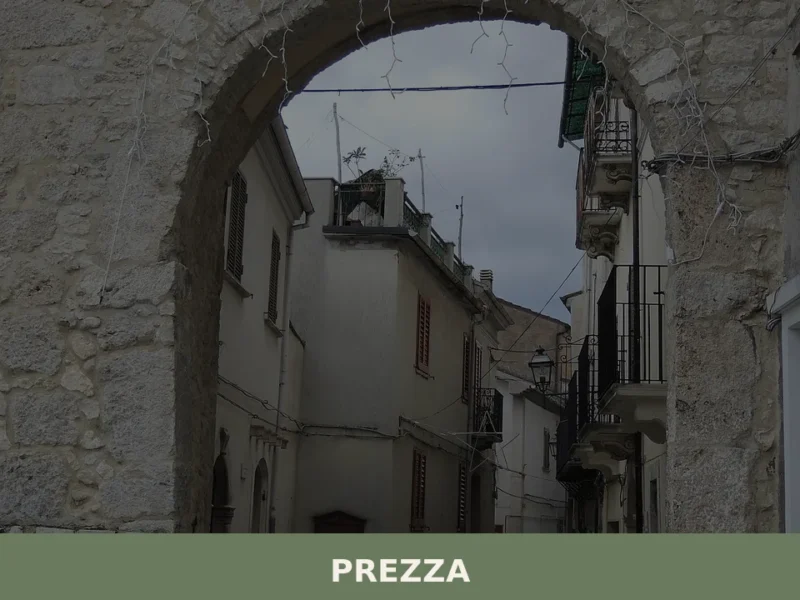
Prezza
Mountain
What to see in Prezza, Italy: explore a medieval hilltop comune at 480 m, the Praesidium Winery, and the Church of Santa Lucia. Discover Abruzzo's Valle Peligna.
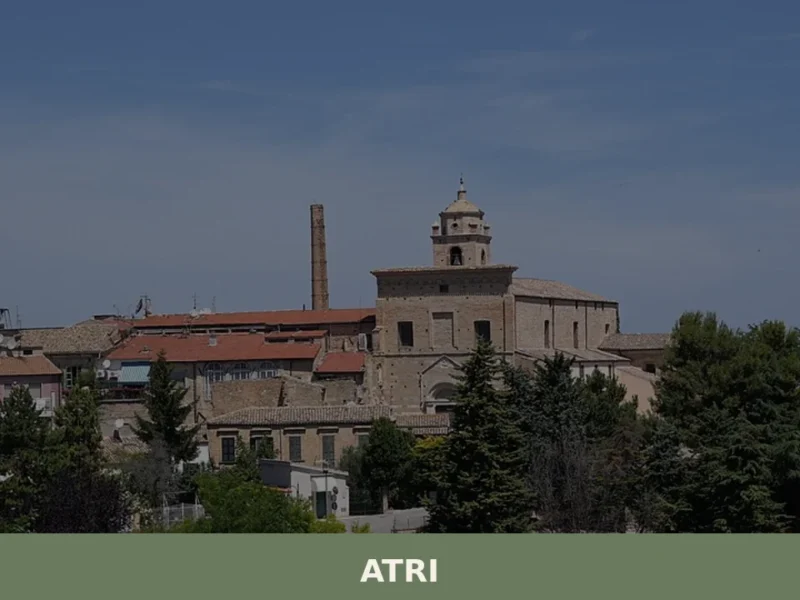
Atri
Hills
Atri, in the province of Teramo, stands at 442 meters above sea level, an altitude that allows the city to overlook the Teramo hills. Its origins lie in ancient Hatria, a Picene settlement and later an important Roman municipality, known for minting its own coins as early as the 3rd century BC. This historical richness […]
Montebello di Bertona
Mountain
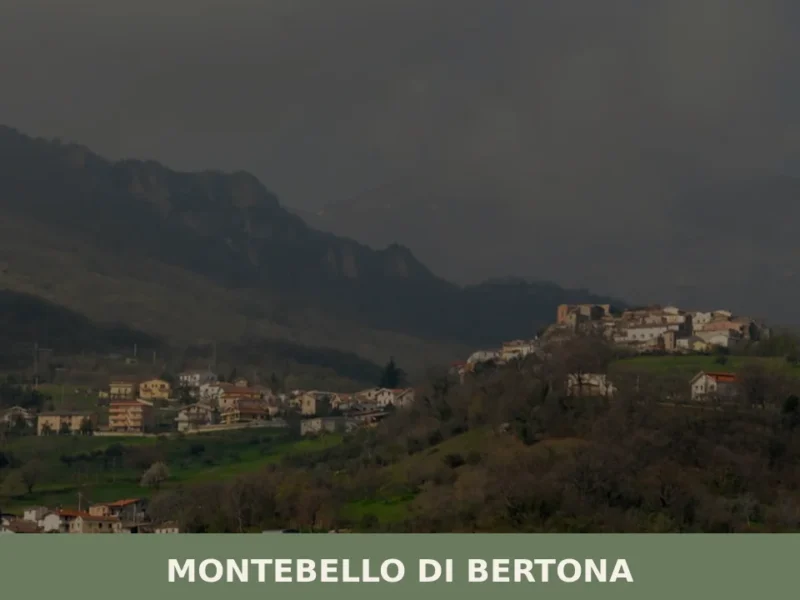
What to see in Montebello di Bertona, Italy: Discover a village of 994 inhabitants in Gran Sasso National Park. Explore historic sites and natural trails. Read our guide.
Palmoli
Mountain
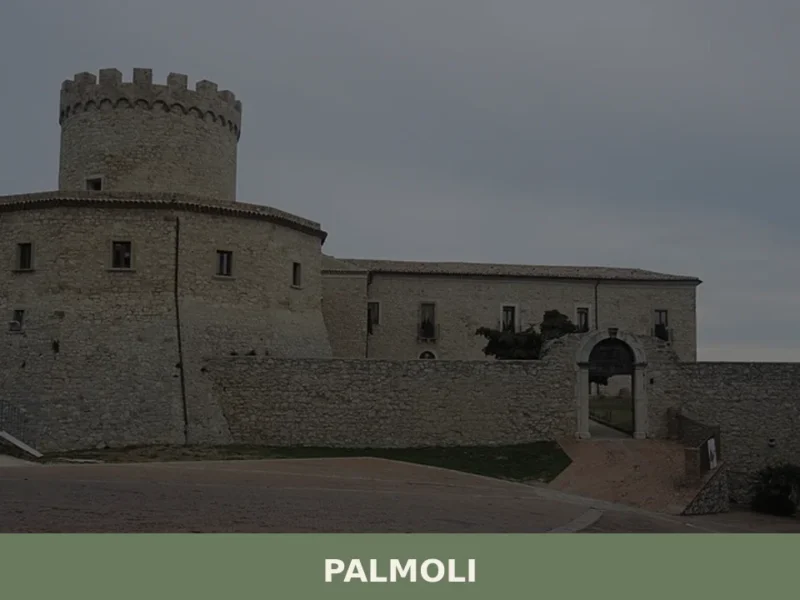
What to see in Palmoli: explore the village at 727 meters above sea level. Discover the Marchesale Castle and the Church of San Valentino. Plan your visit today!
Avezzano
 Lake
Mountain
Lake
Mountain
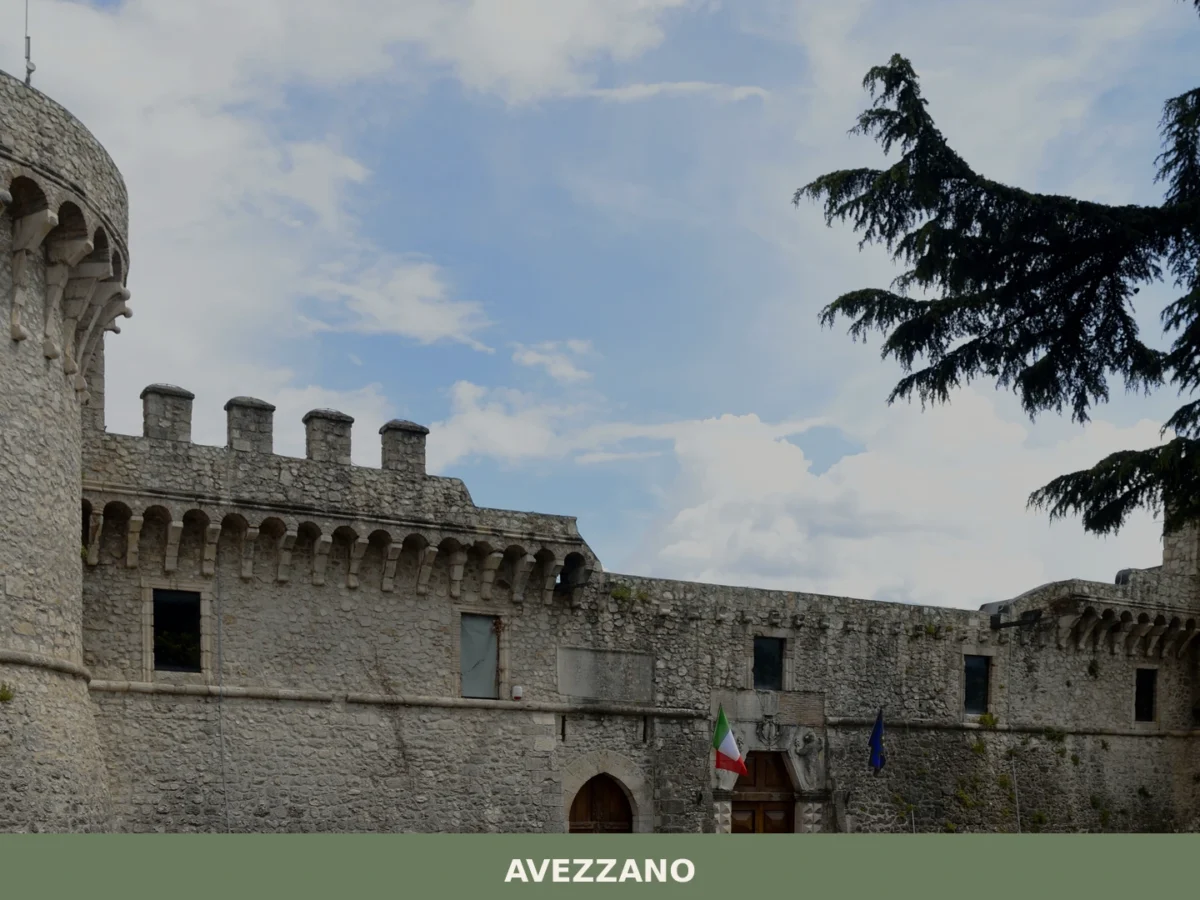
What to see in Avezzano, Italy: explore the Orsini-Colonna Castle, Roman villa, and Fucino PGI potato. 100 km from Rome. Discover Abruzzo's Marsica hub.




🏡 Know Turrivalignani better than we do?
If you’re a local or have been there, your knowledge matters: add what’s missing or fix a detail on this page.