


Pizzoferrato
 Mountain
What to see in Pizzoferrato, Italy? Explore this mountain village at 1251 m (4104 ft) altitude. Discover ancient churches and Majella National Park. Read our guide!
Discover Pizzoferrato
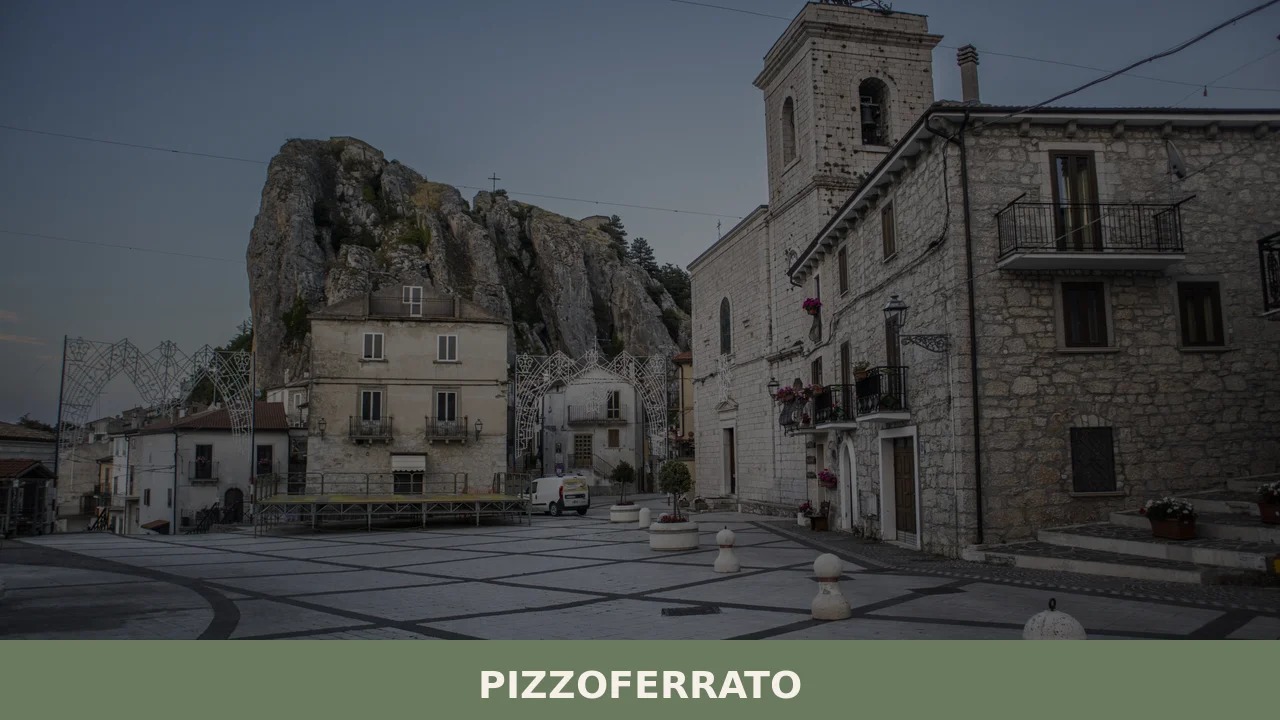
The large cliff defining Pizzoferrato rises sharply to 1251 m (4,104 ft) above sea level, a natural stronghold that once offered protection from bandits.
This rocky prominence, a characteristic feature of the Chieti province in Abruzzo, Italy, has shaped the village’s identity and its enduring structures.
The stone construction of its ancient buildings clings to the terrain, reflecting centuries of adaptation to the mountainous environment.
For those wondering what to see in Pizzoferrato, this guide details the main attractions of the village, home to 970 inhabitants. Visitors to Pizzoferrato can explore the historic ruins of the Church of St. Nicola and Madonna del Girone, or venture into the expansive Majella National Park.
The Pizzoferrato highlights include its unique geography and remnants of a rich medieval past.
History of Pizzoferrato
The origins of Pizzoferrato trace back to the Middle Ages, a period when its strategic high vantage point served as a crucial defense against roaming bandit groups. Despite the village’s long history, the legal and administrative records are sparse, with few documents surviving the centuries. This scarcity means that much of the detailed historical narrative about the town’s early legal framework remains largely undocumented.
During the 10th century, significant structures such as the church and stronghold of St.
Nicola and Madonna del Girone were established, indicating the early importance of both faith and defense in the community. These dual-purpose buildings underscore the need for fortified religious sites in a region prone to external threats.
The construction methods of the time, utilizing local stone, ensured durability against both human adversaries and the harsh mountain climate.
Pizzoferrato continued its existence as a comune, an administrative division, within the Province of Chieti, evolving through various periods of Italian history while retaining its distinct mountainous character. The village, like many in Abruzzo, saw its population adapt to the challenges and opportunities presented by its rugged landscape.
Nearby Montenerodomo, for instance, shares similar historical roots and geographical challenges within the same province. A notable figure from Pizzoferrato’s modern history is Bruno Sammartino (1935–2018), a former professional wrestler who achieved international fame, holding the WWWF Championship twice during his career with the WWE, bringing a unique form of recognition to his birthplace.
What to see in Pizzoferrato, Abruzzo: top attractions
Church of St.
Nicola and Madonna del Girone
Standing as a ruin on the summit of the imposing cliff that defines Pizzoferrato, the Church of St. Nicola and Madonna del Girone offers a glimpse into the village’s medieval past. Dating back to the 10th century, this structure served both as a place of worship and a stronghold, a testament to the turbulent times in which it was built. Visitors can observe the stone construction, which once featured a plaster facade, and discern the remnants of its original purpose.
Within the ruins, faint signs of statues dedicated to St.
Nicholas of Bari and St. Dominic can still be identified, hinting at the saints venerated by the early inhabitants. The church bell, a historical artifact, is housed in a tower positioned to the right of the main entrance, and it was originally cast in the nearby town of Agnone.
Exploring these remains provides a tangible connection to Pizzoferrato’s ancient spiritual and defensive heritage, high above the surrounding landscape.
The Cliff and Panoramic Views
The most striking geographical feature of Pizzoferrato is the massive cliff around which the entire town is situated, rising to an altitude of 1251 m (4,104 ft) above sea level. This natural monument provides panoramic views of the Abruzzo landscape, a patchwork of pastures and dense forests stretching towards the horizon.
Standing at various points along the cliff edge allows visitors to appreciate the strategic advantage that attracted its medieval founders.
From these elevated positions, the rugged terrain of the Chieti province unfolds, offering clear vistas of distant mountain peaks and valleys. The sheer drop of the rock face is a constant visual reminder of Pizzoferrato’s unique placement and its history as a natural fortress.
This viewpoint is particularly rewarding during the early morning or late afternoon, when the light enhances the contours of the dramatic topography.
Church of San Rocco
Located in the central Piazza San Rocco, the Church of San Rocco is a significant landmark, built upon the earlier foundations of the Chapel of San Rocco. This structure dates its origins to the second half of the nineteenth century, reflecting a later period of architectural development within the village.
Its presence in the main piazza indicates its importance as a community gathering point and a center for local religious life.
The church’s design and materials are representative of late 19th-century construction in the Abruzzo region, offering a contrast to the much older ruins of St. Nicola. Visitors can observe the architectural details and the layout of the piazza, which often serves as a focal point for local events and daily village activities.
The church stands as a functional and active place of worship, contributing to the ongoing cultural fabric of Pizzoferrato.
Majella National Park
Just a short distance from Pizzoferrato, the vast expanse of Majella National Park covers an area of 740.95 km² (286.08 mi²), encompassing parts of the Chieti, Pescara, and L’Aquila provinces in Abruzzo. This protected area is centered on the majestic Maiella massif, a prominent mountain range known for its diverse ecosystems and geological formations. The park offers over 500 km (311 mi) of marked hiking trails, catering to various levels of experience.
Other villages such as Pretoro and Palombaro, also in Abruzzo, offer gateways to different sections of the park, each presenting unique access points and trails.
Within the park’s boundaries, visitors can explore significant archaeological sites such as the cave paintings found in Grotta Sant’Angelo and Grotta del Cavallone, which provide insights into prehistoric human activity in the region.
The natural environment is characterized by a blend of high-altitude plateaus, deep valleys, and extensive forests, making it a prime destination for naturalists and outdoor enthusiasts. The park’s diverse flora and fauna are a key draw, offering opportunities for wildlife observation throughout the seasons.
Hiking Trails and Natural Landscapes
The immediate surroundings of Pizzoferrato are defined by a rich tapestry of pastures and dense forests, offering numerous opportunities for exploration through local hiking trails. These paths lead through varied terrain, providing access to the natural beauty that characterizes the mountainous region of Chieti.
The landscape, shaped by centuries of agricultural use and natural processes, invites visitors to engage with the environment on foot.
Trekking through these areas reveals the specific flora and fauna adapted to the high-altitude environment, with views often extending to the broader Abruzzo region.
The trails vary in difficulty, allowing for both leisurely strolls through meadows and more challenging ascents into the higher woodlands. These natural landscapes offer a peaceful retreat and a chance to experience the authentic rural character of Pizzoferrato and its environs, providing another answer to what to see in Pizzoferrato beyond its historical structures.
Local food and typical products of Pizzoferrato
The provided sources do not detail specific local food, traditional dishes, or certified products unique to Pizzoferrato. While specific culinary details are not provided for what to see in Pizzoferrato, one can infer that the culinary traditions of this village, situated at 1251 m (4,104 ft) above sea level within the mountainous Abruzzo region, would align with those typical of the Maiella massif and surrounding highlands.
These areas are historically characterized by a cuisine shaped by pastoralism, foraging, and the produce of a rugged terrain.
In mountain villages across Abruzzo, the diet traditionally relied on hearty, robust ingredients capable of sustaining communities through cold winters and demanding agricultural work.
Common elements include sheep’s milk cheeses, such as pecorino, often aged to various degrees, and the use of lamb and mutton from local flocks. Wild game, such as wild boar and venison, along with foraged mushrooms and wild herbs, frequently feature in local recipes, reflecting the natural bounty of the surrounding forests and pastures.
Pasta dishes are also central to Abruzzese mountain cuisine, often handmade and served with rich meat sauces or simple, flavorful vegetable preparations. While specific Pizzoferrato dishes are not documented in the available information, visitors to the region can anticipate a culinary experience rooted in fresh, seasonal ingredients and time-honored cooking methods.
The emphasis is typically on strong, distinct flavors that reflect the agricultural and pastoral heritage of the Abruzzo mountains.
Festivals, events and traditions of Pizzoferrato
Pizzoferrato upholds its traditions, most notably through the annual feast dedicated to its patron saint, Domenico di Guzmán.
This significant religious and community event takes place every year on August 4th. The celebration typically involves a series of solemn religious ceremonies, including masses and processions through the village streets, where the statue of the patron saint is carried by local devotees.
The feast day serves as a focal point for both residents and visitors, fostering a sense of community and shared heritage. Beyond the religious rites, such festivals often include local gatherings, traditional music, and opportunities for socializing.
While specific details about other documented food fairs or unique traditions in Pizzoferrato are not provided in the available sources, the patron saint’s feast remains a verifiable and important annual occasion for the village.
When to visit Pizzoferrato, Italy and how to get there
Determining the best time to visit Abruzzo and Pizzoferrato largely depends on the activities you wish to pursue.
For hiking and exploring the mountainous terrain, including the Majella National Park, the warmer months from late spring to early autumn (May to October) are ideal, offering pleasant temperatures and clear skies. The altitude of 1251 m (4,104 ft) ensures cooler summers than coastal areas, making it comfortable for outdoor activities. Winter months bring snow, transforming the landscape into a setting suitable for winter sports enthusiasts, though some roads may require appropriate equipment.
Pizzoferrato is situated in a rocky, mountainous region, meaning the terrain can be steep and uneven, which is important for visitors with mobility considerations.
For those planning a day trip from a nearest major city like Rome, Pizzoferrato is approximately 200 km (124 mi) away, with a driving time of around 2 hours and 45 minutes to 3 hours and 30 minutes via the A24/A25 motorways before connecting to local roads. This makes it a feasible, though somewhat extended, day excursion. Traveling by car offers the most flexibility for exploring the surrounding Abruzzo region.
To reach Pizzoferrato, Italy, the most convenient method is by car.
The nearest major airport is Abruzzo Airport (PSR) in Pescara, located approximately 90 km (56 mi) away, with a driving time of about 1 hour and 30 minutes. The closest significant train station is in Sulmona, which is about 60 km (37 mi) from Pizzoferrato, requiring a drive of roughly 1 hour and 15 minutes, often followed by local bus connections.
For international visitors, it is advisable to carry some Euros cash, as smaller shops and establishments in remote villages may have limited card facilities, and English proficiency might vary. More information can be found on the official Pizzoferrato municipality website.
Beyond Pizzoferrato, visitors exploring the Abruzzo region may find interest in nearby villages such as Civitaluparella. This village, also located in the Province of Chieti, offers another perspective on the traditional mountain communities and landscapes characteristic of this part of Italy.
Frequently asked questions about Pizzoferrato
What is the best time to visit Pizzoferrato?
Given its mountain altitude of 1251 meters, Pizzoferrato is best visited during the summer and early autumn months. Summer offers pleasant temperatures ideal for exploring the surrounding natural landscapes, including the nearby Majella National Park, and engaging in hiking activities. The village truly comes alive on August 4th for the annual feast of San Domenico di Guzmán, its patron saint, with religious ceremonies and community festivities. Early autumn provides cooler, crisp weather and stunning foliage, perfect for enjoying the panoramic views and trekking without the summer crowds.
What to see in Pizzoferrato? Main monuments and landmarks
In Pizzoferrato, visitors can explore the dramatic ruins of the 10th-century Church of St. Nicola and Madonna del Girone, which also served as a stronghold, perched atop the village's defining cliff. Its stone remnants, including the historic bell cast in Agnone, offer a tangible link to its medieval past and provide breathtaking panoramic views of the Abruzzo landscape. In the village center, the Church of San Rocco, dating from the late 19th century, stands in Piazza San Rocco, serving as an active community hub. Access to the cliff-top ruins and viewpoints is generally open for exploration.
What are the main natural or scenic attractions of Pizzoferrato?
Pizzoferrato's most striking natural attraction is the massive cliff itself, rising to 1251 meters, which offers spectacular panoramic views across the Abruzzo region, encompassing vast pastures, dense forests, and distant mountain peaks. These elevated positions are particularly rewarding for photography during the early morning or late afternoon. The village also serves as an excellent base for exploring the nearby Majella National Park, an extensive protected area featuring over 500 km of marked hiking trails, diverse ecosystems, and significant geological formations, catering to all levels of outdoor enthusiasts.
Where to take the best photos in Pizzoferrato?
For the most captivating photographs in Pizzoferrato, head to the various viewpoints along the edge of the imposing cliff. These spots offer unparalleled panoramic vistas of the Abruzzo landscape, showcasing the village's dramatic elevation and the surrounding natural beauty of pastures and forests. The ruined Church of St. Nicola and Madonna del Girone, perched precariously on the summit, provides an iconic subject against the expansive sky. To capture the unique contours of the terrain and the historic architecture in the best light, photography is most rewarding during the early morning or late afternoon hours.
What can you do in Pizzoferrato? Activities and experiences
Pizzoferrato offers a range of activities focused on its rich history and natural surroundings. Visitors can explore the ancient ruins of the Church of St. Nicola and Madonna del Girone, a 10th-century stronghold offering a glimpse into medieval life and stunning views. The area is a haven for hikers, with numerous local trails winding through picturesque pastures and dense forests. Just a short drive away, the expansive Majella National Park provides over 500 km of marked paths for trekking and wildlife observation. If visiting on August 4th, immerse yourself in the vibrant local culture during the annual feast of San Domenico di Guzmán.
Who is Pizzoferrato suitable for? Families, couples, hikers, solo travelers?
Pizzoferrato is an ideal destination for nature enthusiasts, hikers, and those seeking a peaceful, authentic Italian mountain experience. Its proximity to Majella National Park and numerous local trails makes it perfect for outdoor adventurers, including solo travelers and active couples. History buffs will appreciate the medieval ruins and the village's strategic past as a natural stronghold. While not specifically designed for young children, families who enjoy exploring historical sites and engaging in light hiking together will find the village rewarding. It offers a tranquil retreat for anyone desiring to connect with Abruzzo's rugged beauty.
📷 Photo Gallery — Pizzoferrato
Nearby Villages near Pizzoferrato

In Abruzzo More villages to discover
Roccamontepiano
 Hills
Hills
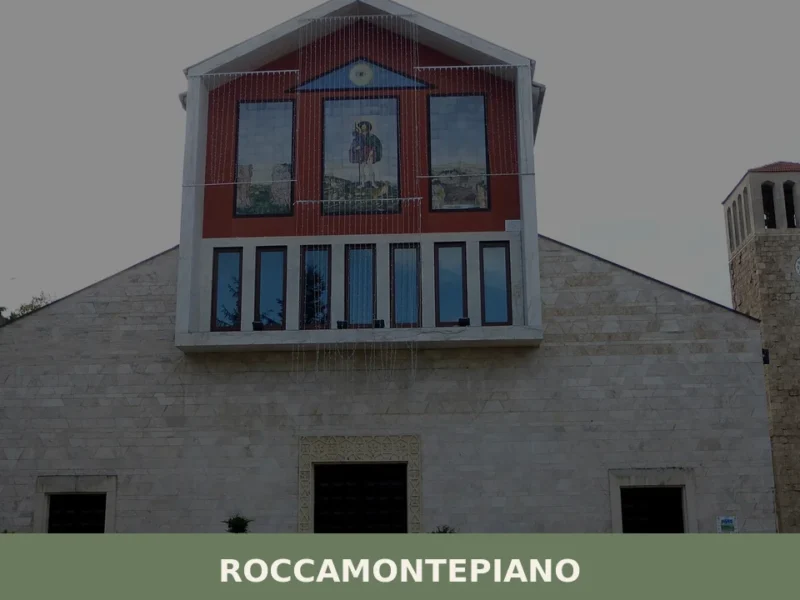
What to see in Roccamontepiano, Abruzzo, Italy: explore a hilltop village at 450 m with a 1765 landslide history. Discover the Saint Roch festival and more.

Bellante
Hills
The road into Bellante rises through a sequence of switchbacks that open, at the last bend, onto a compact hilltop settlement in the Teramo hills of Abruzzo. Stone buildings press close against one another along the ridge, and the Torre Civica — the civic tower at the center of the old settlement — marks the […]
Basciano
Hills
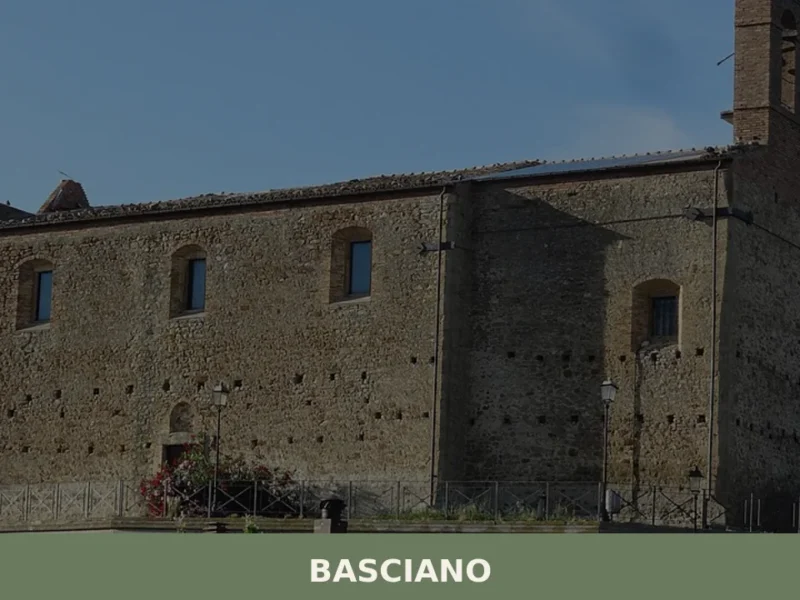
What to see in Basciano (Italy) at an altitude of 400m. Explore the historic church and medieval tower. Discover local traditions and festivals.

Castel Frentano
Hills
What to see in Castel Frentano, Italy: 5 top attractions, bocconotto dessert, 14th-century walls & WWII history. Discover this Chieti province village in Abruzzo.
Pretoro
Hills
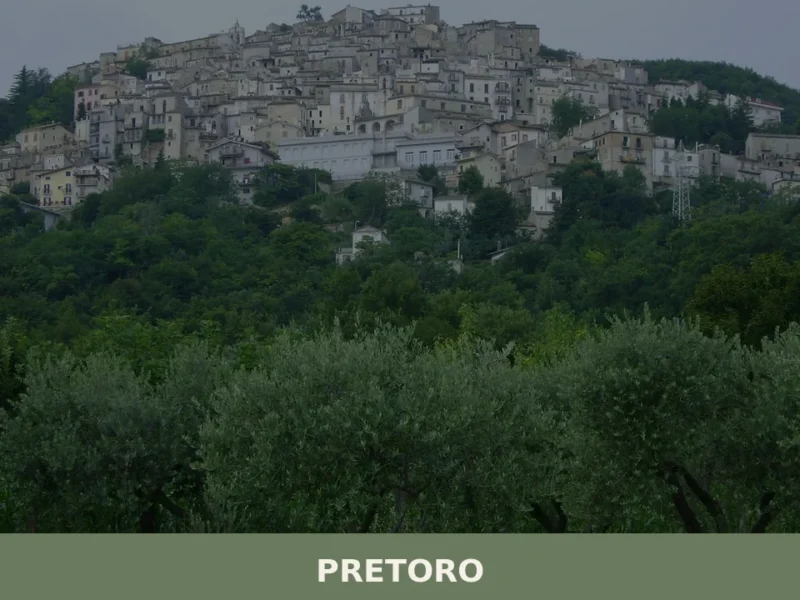
What to see in Pretoro, Abruzzo, Italy: explore a 13th-century sanctuary, a 16th-century Pietà, and Majella National Park. Population 985. Discover it now.
Bisenti
Hills
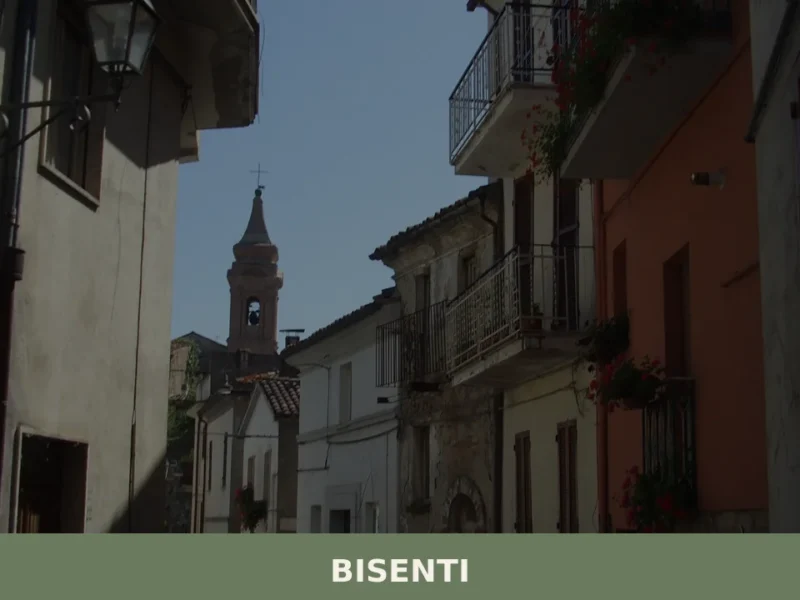
What to see in Bisenti, Abruzzo, Italy: explore the church of Santa Maria degli Angeli, the House of Pilate legend, and a village of 2,030 inhabitants. Discover it now.
Tossicia
Mountain
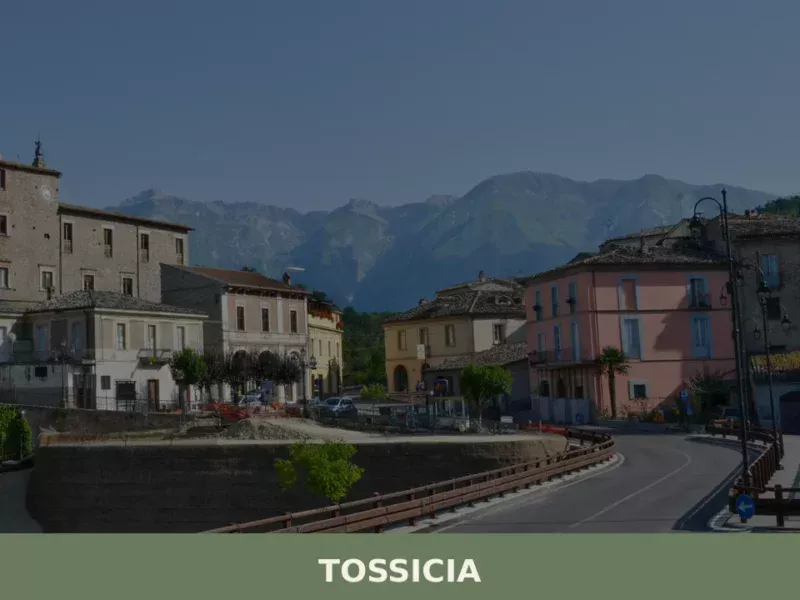
what to see in tossicia: Explore Italy's Abruzzo region. This village of 1,397 offers access to Gran Sasso e Monti della Laga National Park and mountain trails. Discover more.

Caramanico Terme
Mountain
The sulphurous waters of Caramanico have been documented since the 16th century, when the earliest medical treatises recorded their therapeutic properties. Today the village has 1,779 inhabitants and sits at 600 metres above sea level in the Orfento valley, a canyon carved into the eastern side of the Majella massif, in the province of Pescara. […]

Montelapiano
Mountain
What to see in Montelapiano, a village of 75 inhabitants at 740 m above sea level. Discover the Church of San Bonifacio and the Colle Belvedere. Plan your visit to Abruzzo!

Fara San Martino
Hills
what to see in fara san martino, Italy. Explore its 440m altitude, the Abbey of San Martino in Valle, and its renowned pasta heritage. Discover Abruzzo now!






🏡 Know Pizzoferrato better than we do?
If you’re a local or have been there, your knowledge matters: add what’s missing or fix a detail on this page.