


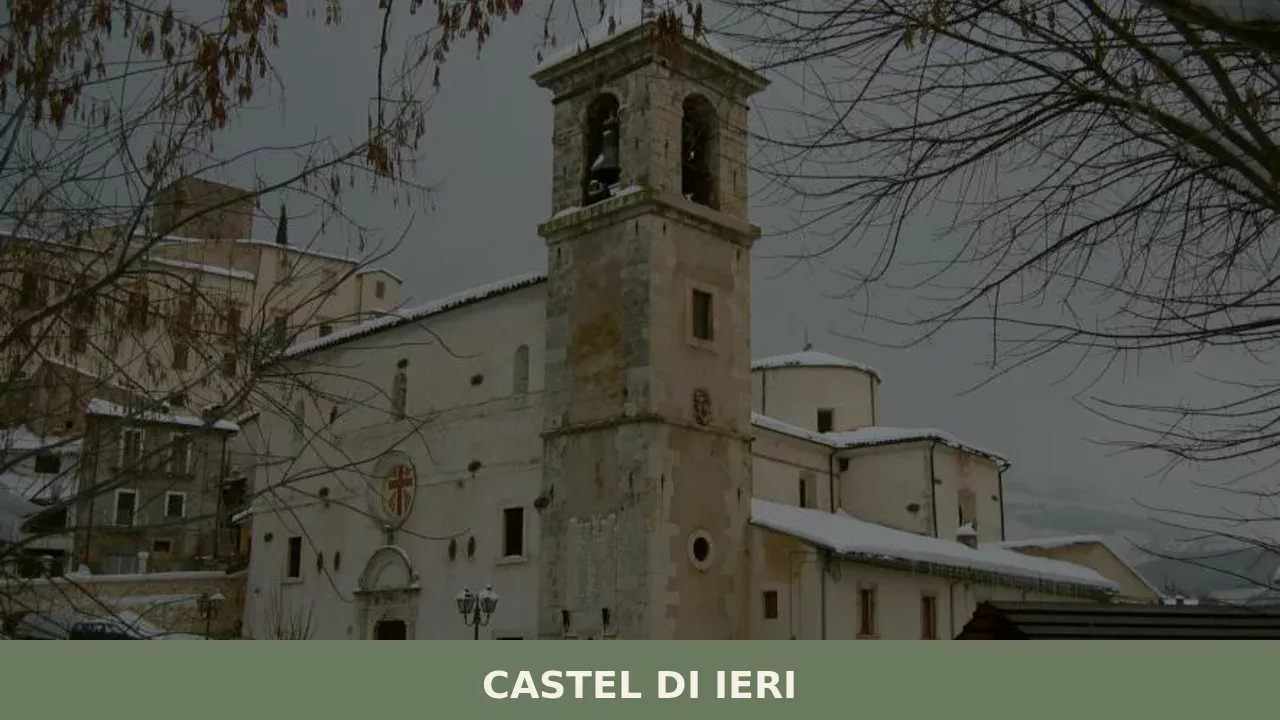
Castel di Ieri
 Hills
Hills
In Castel di Ieri, a village of 289 registered inhabitants at 519 metres above sea level in the Valle Subequana, the most significant feature lies underground: an Italic temple from the 1st century BC, unearthed during the 1980s, which redrew the archaeological map of inland Abruzzo. Anyone looking into what to see in Castel di […]
Discover Castel di Ieri
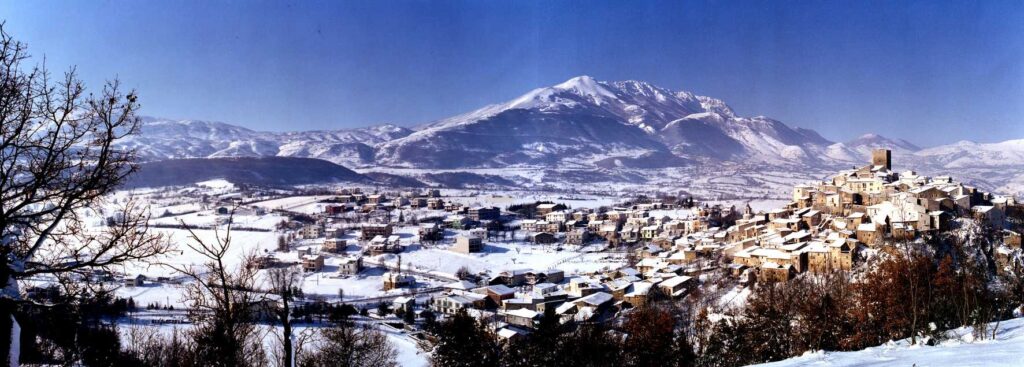
In Castel di Ieri, a village of 289 registered inhabitants at 519 metres above sea level in the Valle Subequana, the most significant feature lies underground: an Italic temple from the 1st century BC, unearthed during the 1980s, which redrew the archaeological map of inland Abruzzo. Anyone looking into what to see in Castel di Ieri starts here, with an eighteen-metre-long podium in polygonal masonry rising among cultivated fields, just a few hundred metres from the village centre. The rest of the settlement stretches along a hill ridge in the province of L’Aquila, squeezed between Monte Urano and the alluvial plain of the Aterno river.
History and origins of Castel di Ieri
The name appears in medieval documents as Castrum Iovis — the castle of Jupiter — a reference to a pre-Roman place of worship dedicated to the supreme deity of the Italic pantheon. The linguistic shift from “Iovis” to “Ieri” is documented in Angevin records from the 13th century, when the fief was part of the County of Celano. The settlement, however, has far older roots: the presence of the Peligni, an Italic people allied with Rome after the Samnite Wars of the 4th century BC, is attested precisely by the temple found at the Campo Valentino site, which in terms of size and state of preservation ranks among the most significant sacred complexes in the central Apennine area of Italy.
During the Middle Ages the village passed under the control of the Counts of Celano, then the Piccolomini and finally the Barberini. The original defensive structure — a fortified enclosure with a watchtower — was gradually absorbed by civilian dwellings, which followed the natural line of the ridge. In 1706 the Maiella earthquake severely damaged the settlement, as it did many centres in the Valle Subequana. The 18th-century reconstruction determined the current appearance of the historic core, with local limestone masonry and pitched roofs. Castel di Ieri remained an autonomous municipality even after the Unification of Italy, despite the depopulation that during the 20th century reduced the population from over a thousand residents to the present figure, according to data from the Municipality of Castel di Ieri.
A key moment in the village’s recent history is the archaeological excavation campaign conducted by the Soprintendenza dell’Abruzzo starting in 1982. The Italic temple, with its three-cella podium and front staircase facing south-east, attracted the attention of the international scientific community, placing Castel di Ieri within the network of sites linked to Peligni civilisation, alongside Corfinio and Sulmona.
What to see in Castel di Ieri: 5 top attractions
1. Italic temple of Campo Valentino
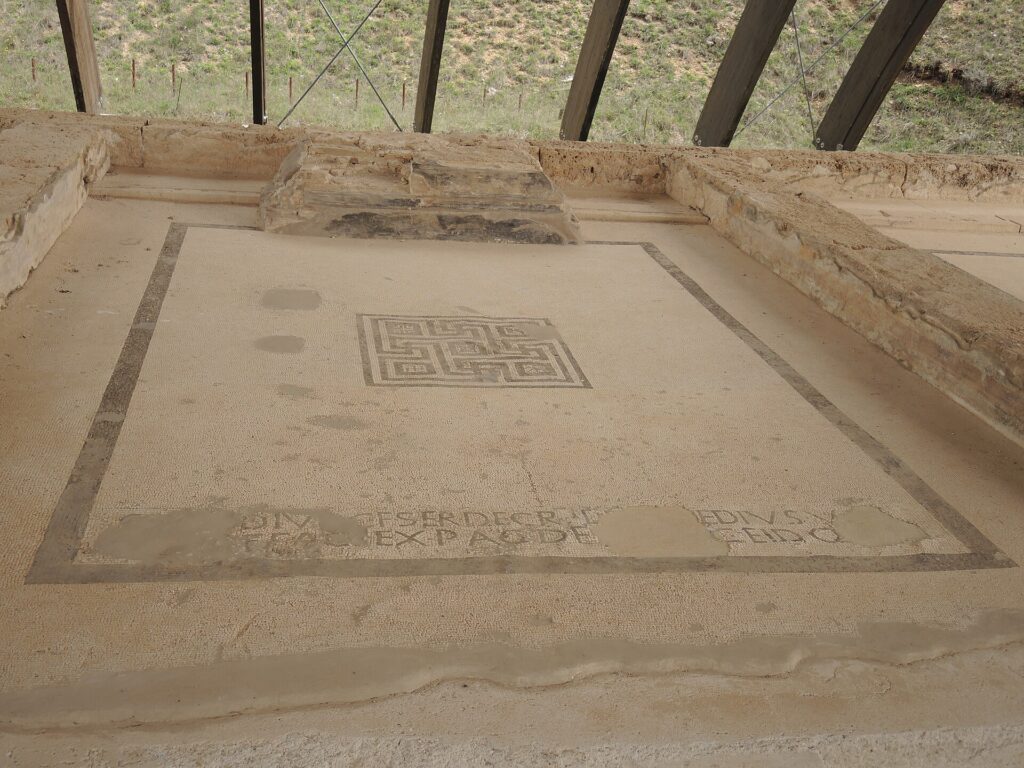
A sacred building from the 1st century BC with a polygonal-masonry podium roughly eighteen metres long. The three parallel-cella layout, accessed via a front staircase, recalls the model of the Roman Capitolium. Materials recovered during the excavations — architectural terracottas, antefixes, fragments of polychrome decoration — are partly held at the Museo Archeologico Nazionale d’Abruzzo. The site can be visited upon request to the Municipality and is the main reason many search for what to see in Castel di Ieri.
2. Church of San Donato Martire
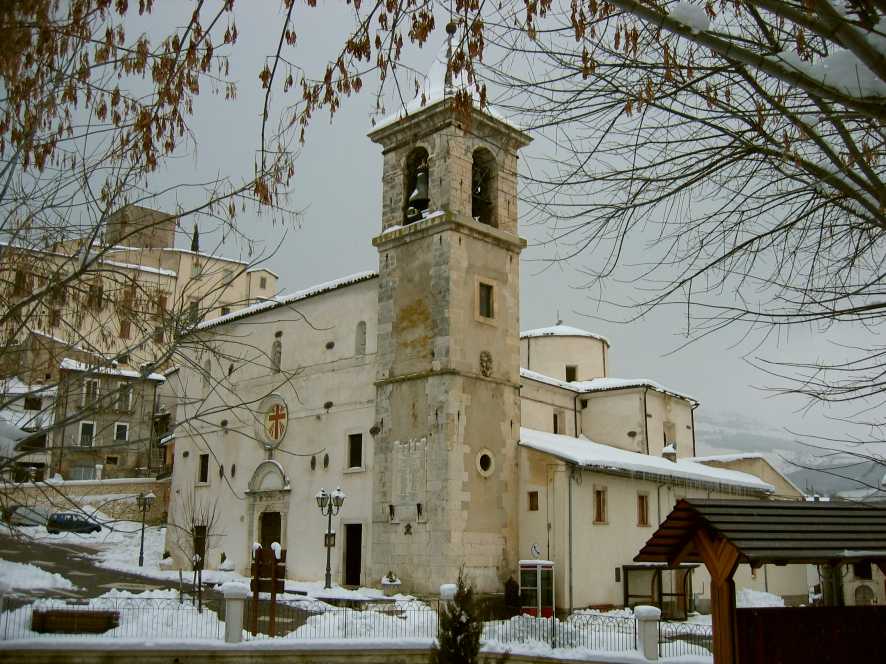
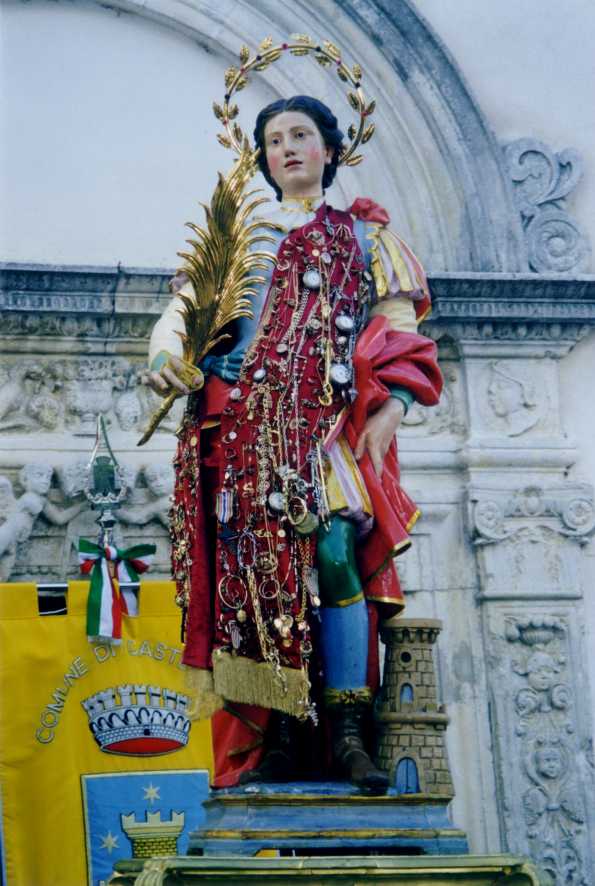
Dedicated to the patron saint of the village, celebrated on 3 September, the church has a façade rebuilt after the 1706 earthquake. The single-nave interior features an 18th-century stucco high altar and a wooden statue of San Donato carried in procession during the patronal feast. The rectangular plan and modest proportions reflect the size of the community that built it.
3. Historic centre and stone architecture
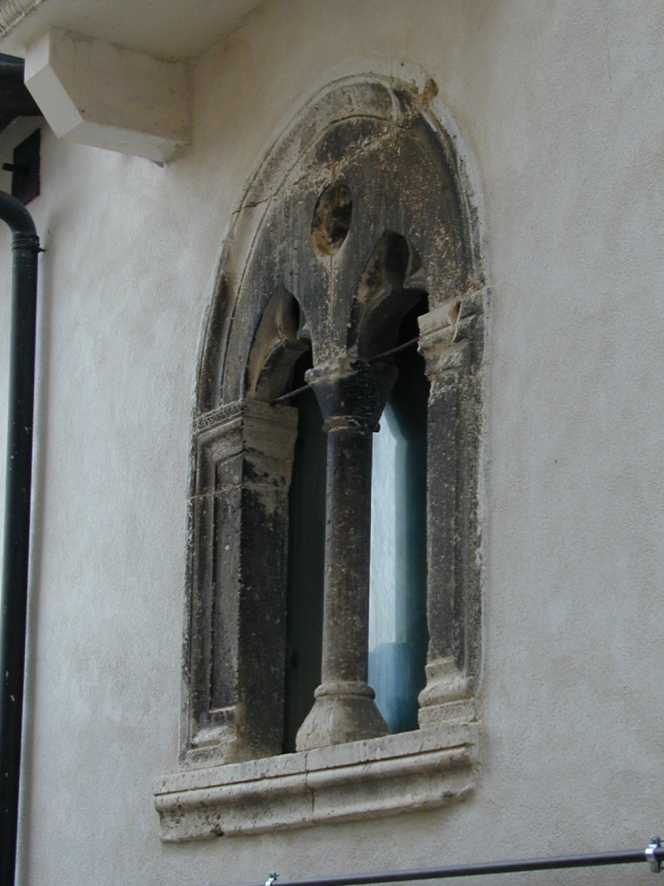
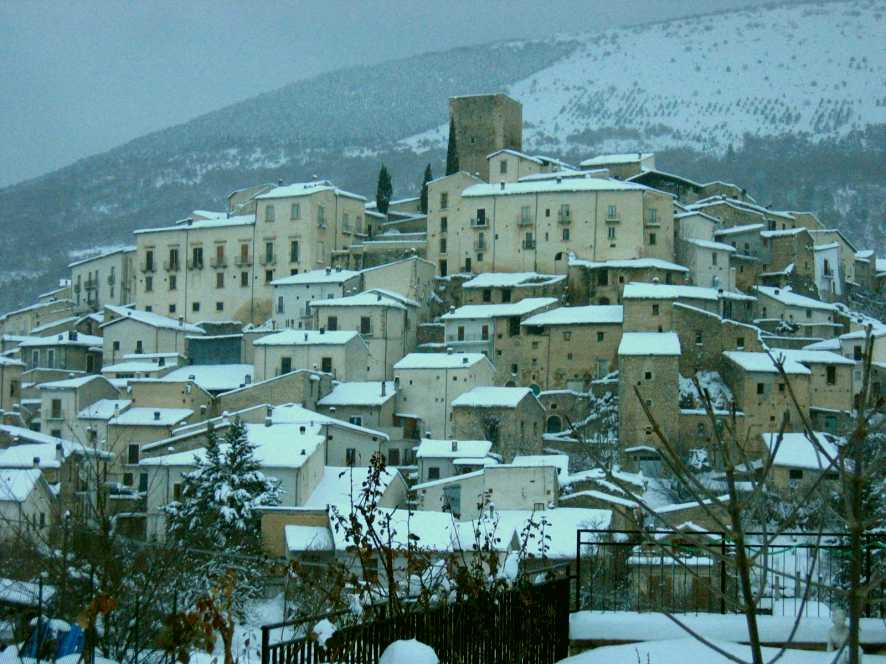
The dwellings of the old nucleus, arranged along the hill ridge, are built from blocks of local limestone with lime-mortar joints. Round-arched doorways, dating to the 17th and 18th centuries, mark the entrances to the oldest houses. Some façades retain noble coats of arms carved in stone. The elevation of 519 metres provides an open view over the Valle Subequana and the surrounding mountain ridges.
4. Remains of the medieval tower
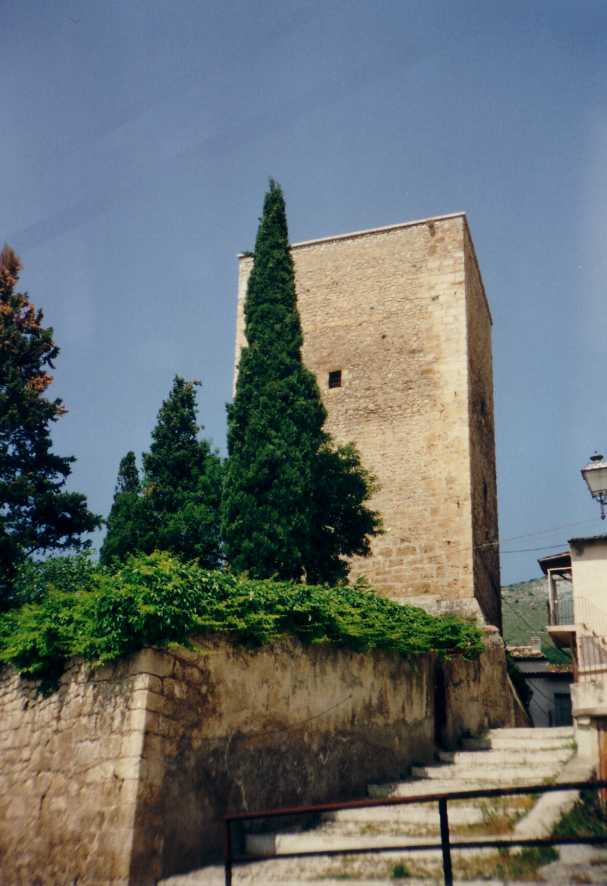
In the upper part of the village, the remains of the original defensive structure are visible, identifiable with the Castrum recorded in medieval sources. The surviving masonry, in irregular ashlar blocks, suggests a date between the 12th and 13th centuries. The position — at the highest point of the ridge — confirms its function as a visual control point over the valley and the communication routes between L’Aquila and Sulmona.
5. Landscape of the Valle Subequana
The municipal territory extends between 450 and 800 metres above sea level, with vegetation cover alternating between downy oak woods, cereal fields and pastures. The Valle Subequana, crossed by the Aterno river, is an ecological corridor linking the Sirente-Velino Regional Park to the Peligna basin. Rural paths running through the outlying hamlets allow hikes past old threshing floors, stone fountains and dry-stone walls.
Traditional cuisine and local products
The table in Castel di Ieri reflects the agro-pastoral tradition of the Valle Subequana. Arrosticini, skewers of diced sheep meat cooked on the fornacella — the low, channel-shaped grill typical of Abruzzo — feature at every festival and celebration. Sagne e fagioli, irregular fresh pasta made with water and flour, served with borlotti beans and a soffritto of garlic, extra-virgin olive oil and chilli pepper, is the most common first course during the cold months. Also found are scrippelle ‘mbusse, thin crêpes immersed in hen broth, and maccheroni alla chitarra, cut with the traditional steel-stringed frame and dressed with mutton ragù. Local bread is baked in large loaves with a thick crust and dense crumb, designed to last several days. Among the desserts, ferratelle — crisp wafers made with a two-plate iron press — are eaten year-round, filled with grape jam or ricotta cream.
The territory falls within the production area of Zafferano dell’Aquila DOP, grown on the Navelli plain just a few kilometres away: the stigmas, hand-picked in October, give local risottos and desserts an unmistakable colour and aroma. Olio extravergine d’oliva Aprutino Pescarese DOP, produced in the neighbouring hill areas, is used raw on pulses and vegetables. Among cheeses, pecorino d’Abruzzo — made from sheep’s milk with a semi-cooked paste — accompanies fresh broad beans in spring. Abruzzese cured meats include ventricina and mortadella di Campotosto IGP, the latter known for the strip of lard inserted by hand into the centre of the mixture. Genziana, a bitter liqueur made from the root of Gentiana lutea gathered in the surrounding mountains, traditionally closes a meal. During the feast of San Donato on 3 September, market stalls and food stands offer many of these products, alongside confetti di Sulmona — the nearby confectionery capital is less than thirty kilometres away. For detailed information on the area’s gastronomic heritage, the Italia.it portal provides up-to-date entries on Abruzzo’s DOP and IGP products.
When to visit Castel di Ieri: the best time
The patronal feast of San Donato Martire on 3 September is the moment when the village sees its highest concentration of residents and visitors: a religious procession, folk music and outdoor tables enliven the square and the streets of the centre. Late spring — May and June — offers optimal conditions for visiting the Italic temple and walking the hill paths, with daytime temperatures between 18 and 25 degrees and fields in full bloom. Autumn, particularly October, coincides with the saffron harvest on the nearby Navelli plain: an opportunity to combine a visit to Castel di Ieri with public picking days organised by local producers.
Winter, with minimum temperatures dropping below zero and possible snowfall, makes access to outdoor sites less straightforward, but the village takes on a sharp profile against the snow-covered mountains of the Sirente. In every season, it is advisable to check the opening hours of the archaeological site by contacting the Municipality directly, since visits do not follow a fixed schedule but depend on staff availability.
How to reach Castel di Ieri
By car, from the A25 Roma–Pescara motorway, the most convenient exit is Pratola Peligna–Sulmona: from there, take Strada Regionale 261 northward through the Valle Subequana for about 20 kilometres. From L’Aquila, the distance is roughly 55 kilometres along the SS 17 and then the SR 261, with a travel time of about one hour. From Rome, the total journey is 150 kilometres, coverable in just under two hours.
The nearest railway station is Sulmona, served by the Rome–Pescara line and the Sulmona–L’Aquila line. From Sulmona, Castel di Ieri is about 25 kilometres away, reachable by TUA (Trasporto Unico Abruzzese) scheduled bus services or by private car. The nearest airport is Pescara (Aeroporto d’Abruzzo), approximately 100 kilometres away; Rome Fiumicino airport is about 180 kilometres away. For further details on the history and geography of the village, the Wikipedia page dedicated to Castel di Ieri gathers up-to-date demographic data and bibliographic references.
Other villages to discover in Abruzzo
The Valle Subequana and the Abruzzo hill areas count dozens of smaller centres with histories that run parallel to that of Castel di Ieri. Anyone wishing to deepen their knowledge of inland Abruzzo should consider reaching Castiglione a Casauria, in the middle Pescara Valley: the village is known for its proximity to the Abbey of San Clemente a Casauria, founded in 871 by Emperor Louis II, one of the most important Romanesque monuments in southern Italy. The visit can be combined with the temple at Castel di Ieri to build an itinerary spanning two millennia of sacred architecture across the Abruzzo territory.
Moving toward the coast, Casacanditella offers a different perspective: a hill village in the province of Chieti, overlooking the Foro river valley, with a compact urban layout and an economy still tied to olive and vine cultivation. Comparing the two villages — one in the mountainous interior of L’Aquila, the other on the Chieti hills — conveys the geographic and cultural variety that distinguishes Abruzzo, a region where a few kilometres of distance produce marked differences in landscape, architecture and food traditions.
Frequently asked questions about Castel di Ieri
What is the best time to visit Castel di Ieri?
Late spring (May–June) is ideal for visiting the Italic temple and walking hill paths, with temperatures between 18 and 25°C and flowering fields. October combines a village visit with saffron harvest events on the nearby Navelli plain. The patronal feast of San Donato Martire on 3 September is the liveliest day of the year, with a religious procession, folk music and outdoor food stalls. Winter is atmospheric but cold, with possible snow; outdoor site access may be limited.
What are the historical origins of Castel di Ieri?
The village derives its name from the Latin Castrum Iovis — Castle of Jupiter — recorded in medieval documents and later corrupted to 'Ieri' in Angevin records of the 13th century, when it belonged to the County of Celano. Its roots are far older: the Peligni, an Italic people present in the Valle Subequana from at least the 4th century BC, built the sacred complex at Campo Valentino. The settlement later passed to the Piccolomini and Barberini families; the 1706 earthquake shaped the current appearance of the historic centre.
What to see in Castel di Ieri? Main monuments and landmarks
The Italic temple of Campo Valentino (1st century BC) is the unmissable highlight — an eighteen-metre polygonal-masonry podium with a three-cella layout, a few hundred metres from the centre. Visits must be booked through the Municipality, as there is no fixed schedule. The Church of San Donato Martire features an 18th-century stucco altar and a processional wooden statue. The historic centre preserves round-arched limestone doorways and noble stone coats of arms. At the top of the ridge, remains of a medieval tower (12th–13th century) are visible.
What are the main natural or scenic attractions of Castel di Ieri?
The municipal territory spans 450–800 metres, with downy oak woods, cereal fields and pastures typical of the Valle Subequana. The valley functions as an ecological corridor linking the Sirente-Velino Regional Park to the Peligna basin, with the Aterno river running through it. Rural paths connect outlying hamlets, passing stone fountains, old threshing floors and dry-stone walls. The surrounding landscape, framed by the ridges visible from the village at 519 metres, makes the area attractive for quiet nature walks away from mass tourism circuits.
Where to take the best photos in Castel di Ieri?
The best vantage point is the upper part of the village near the medieval tower remains, where the ridge elevation of 519 metres opens wide views over the Valle Subequana and the surrounding mountain profiles. The Italic temple site at Campo Valentino, with its polygonal masonry podium set among cultivated fields, offers a striking archaeological landscape. In winter, the village's limestone silhouette against the snow-covered Sirente mountains provides a particularly dramatic backdrop.
Are there museums, churches or historic buildings to visit in Castel di Ieri?
The Church of San Donato Martire, the village's main religious building, houses an 18th-century stucco high altar and a wooden processional statue of the patron saint. The Italic temple site at Campo Valentino is accessible by appointment through the Municipality; recovered artefacts — terracottas, antefixes, polychrome decoration fragments — are partly held at the Museo Archeologico Nazionale d'Abruzzo. The historic centre itself, with its carved limestone doorways and remnants of noble heraldic stonework, functions as an open-air architectural document of post-1706 reconstruction.
What can you do in Castel di Ieri? Activities and experiences
Visitors can arrange a guided visit to the Italic temple of Campo Valentino by contacting the Municipality directly. Rural walking along hill paths through the Valle Subequana connects the village to hamlets with stone fountains and dry-stone walls. In October, nearby Navelli plain producers organise public saffron-picking days, easily combined with a stop in Castel di Ieri. The patronal feast of San Donato on 3 September offers outdoor dining with local specialities including arrosticini, ferratelle and confetti di Sulmona from nearby market stalls.
Who is Castel di Ieri suitable for? Families, couples, hikers, solo travelers?
Castel di Ieri suits archaeology enthusiasts above all — the Italic temple is a genuinely rare find in inland Abruzzo. Couples and slow-travel visitors seeking authentic, uncrowded hill villages will appreciate the quiet limestone centre and open valley views. Walkers can explore rural paths through the Valle Subequana ecological corridor. It is less suited to families expecting organised attractions or to visitors wanting a full day's programme without prior planning, as the archaeological site requires advance booking and the village is small.
What to eat in Castel di Ieri? Local products and specialties
The table follows the agro-pastoral tradition of the Valle Subequana: arrosticini (sheep skewers on the fornacella grill), sagne e fagioli (fresh pasta with borlotti beans), maccheroni alla chitarra with mutton ragù, and scrippelle 'mbusse in hen broth. Local desserts include ferratelle wafers with grape jam or ricotta. The area falls within the Zafferano dell'Aquila DOP zone; nearby confetti di Sulmona are available at the September feast. Cheeses include pecorino d'Abruzzo; cured meats feature mortadella di Campotosto IGP. Meals traditionally close with genziana bitter liqueur.
📷 Photo Gallery — Castel di Ieri

Getting there
Piazza della Chiesa, 67020 Castel di Ieri (AQ)
Nearby Villages near Castel di Ieri
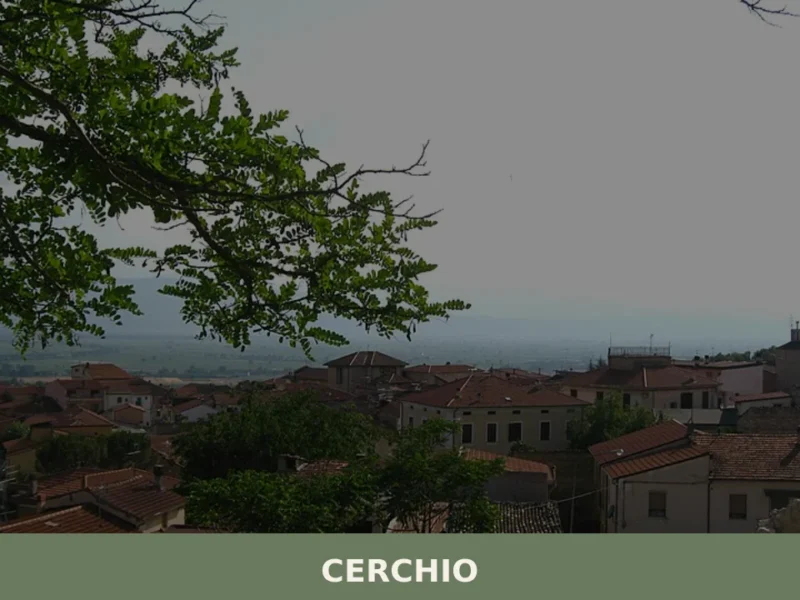
In Abruzzo More villages to discover
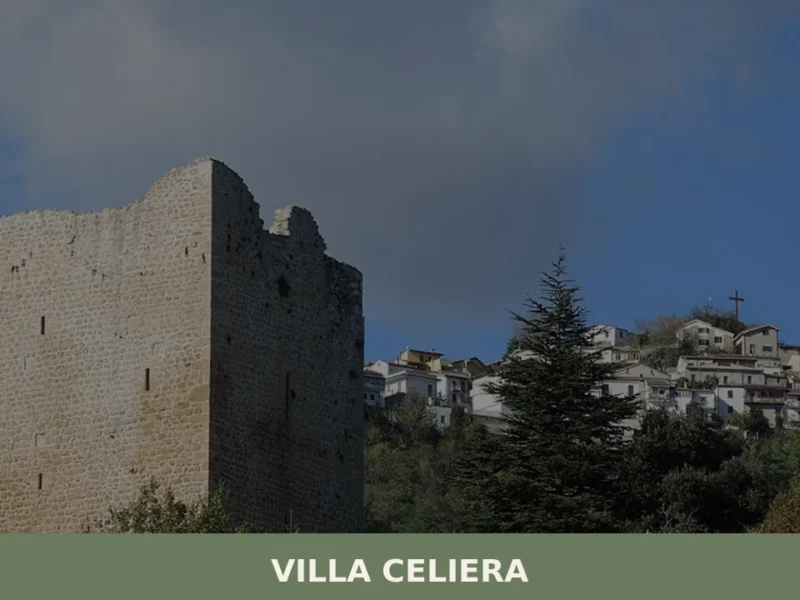
Villa Celiera
 Mountain
At 714 metres above sea level, with 557 registered residents and an economy still tied to sheep farming and timber harvesting, Villa Celiera occupies a step on the eastern slope of the Gran Sasso, in the province of Pescara. The village overlooks the Fino valley from a position exposed to northeast winds for much of […]
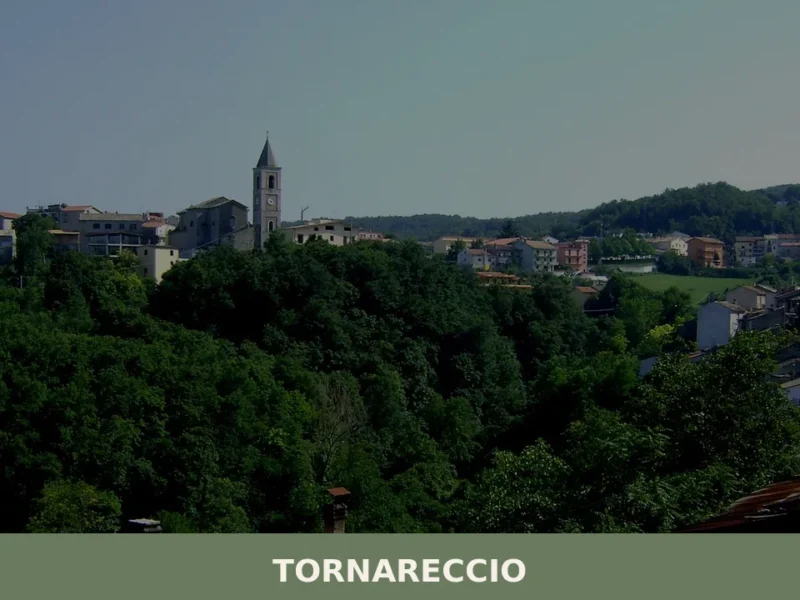
Tornareccio
Hills
What to see in Tornareccio, Italy? Discover this Abruzzo village known for its apiaries and Palaeolithic history, home to 1,895 inhabitants. Explore its archaeological sites and honey production.
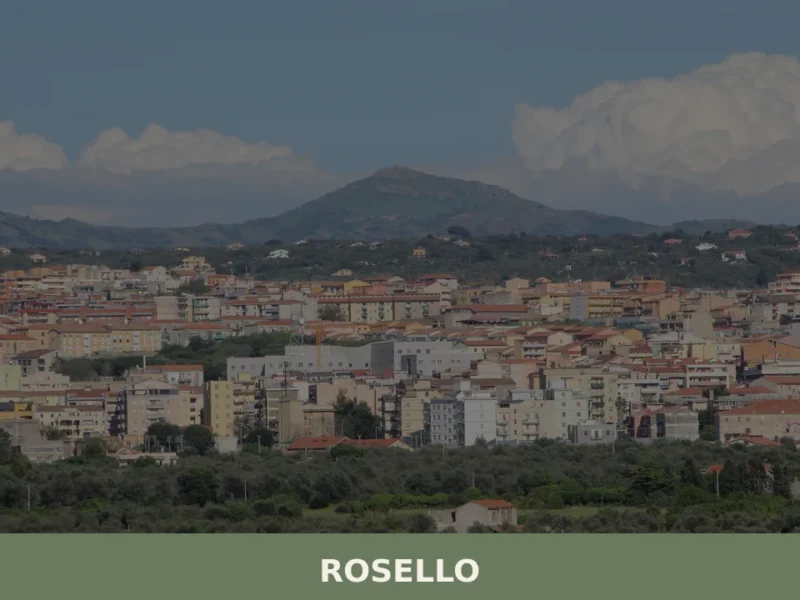
Rosello
Mountain
what to see in rosello: Explore Rosello, Italy, a village founded in the 11th century, with its historic chapel and artistic legacy. Discover its WWII history and Abruzzese charm.
Civitella Alfedena
 Lake
Mountain
Lake
Mountain
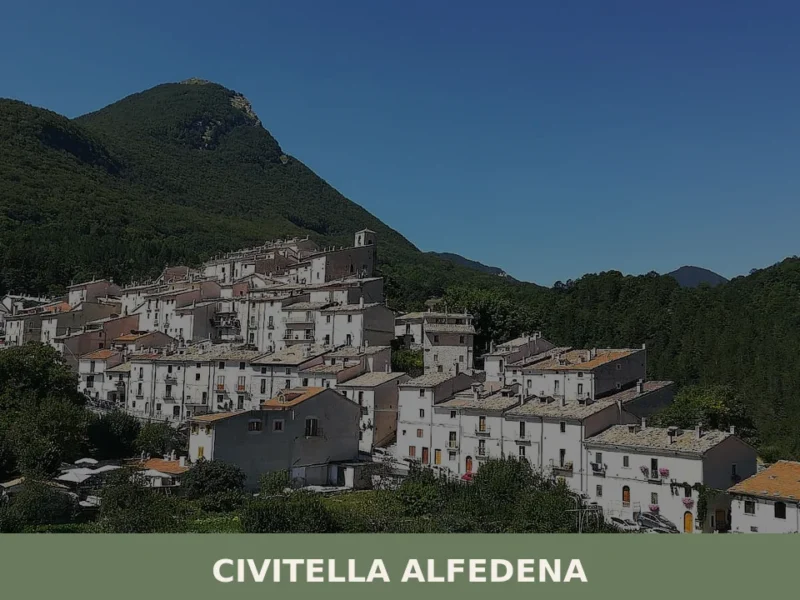
At 1123 metres above sea level, on the southern slopes of the Abruzzo, Lazio and Molise National Park, Civitella Alfedena is home to just 285 residents — fewer than a single apartment block in Rome — spread along an urban core that retains its medieval defensive layout, complete with stone portals and covered passageways. Asking […]
Canosa Sannita
Hills
At 231 metres above sea level, on the plain that opens between the Maiella massif and the Teatine coast, Canosa Sannita is home to 1,268 inhabitants spread across an agricultural landscape where the cultivation of vines and olive trees marks the rhythm of the seasons. The village’s very name carries a precise indication: a reference […]
Castelvecchio Subequo
Hills
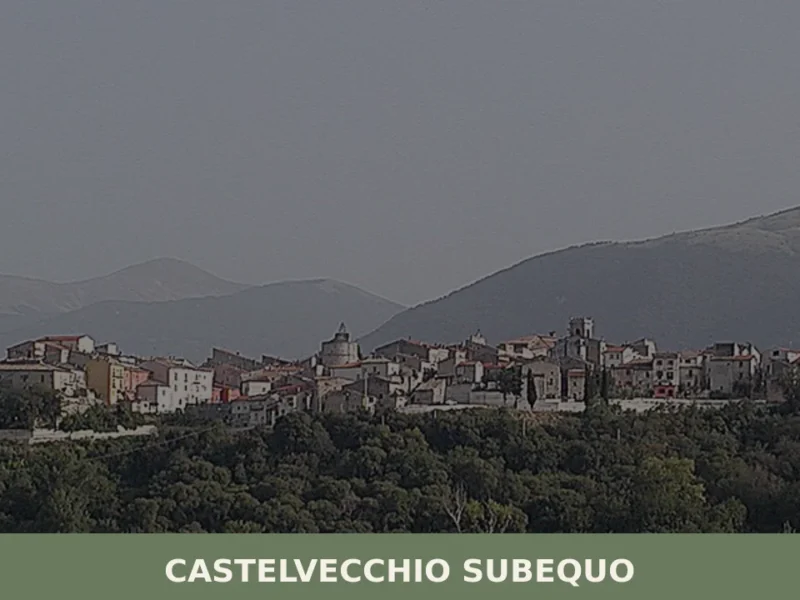
The convent of San Francesco in Castelvecchio Subequo preserves a cycle of fourteenth-century frescoes attributed to painters of the Giottesque school, among the few surviving examples in the central Apennine area. This fact alone is enough to justify a detour from the nearby A25 motorway towards a town of 832 inhabitants, at 490 metres above […]
Pescasseroli
Mountain
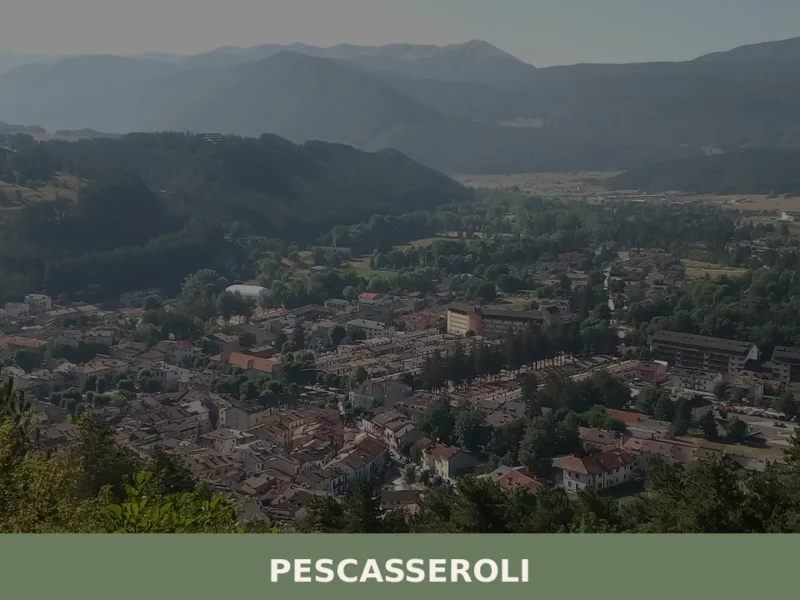
What to see in Pescasseroli: from the Abruzzo National Park to Croce's birthplace, UNESCO beech forests, mountain cuisine and practical information for visiting the village.
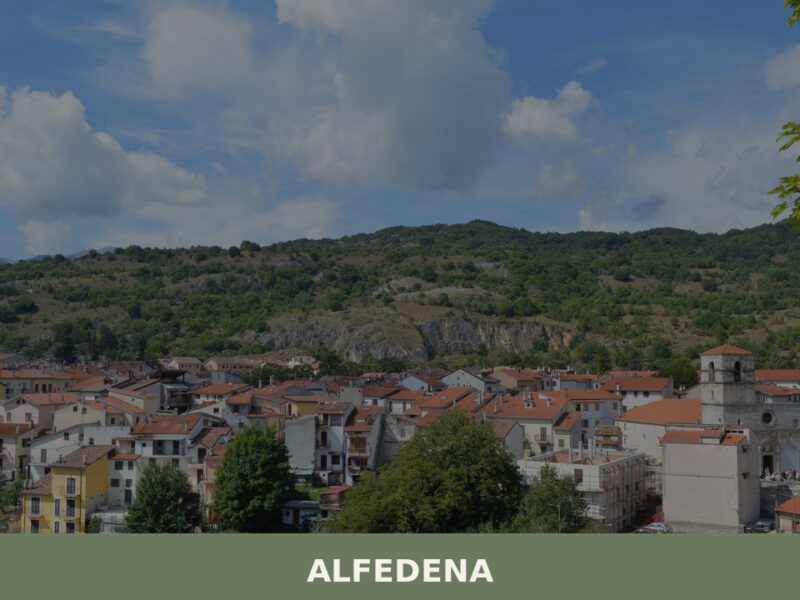
Alfedena
Mountain
Morning light falls across a line of limestone rooftops, turning them the colour of raw honey. A church bell marks the hour — its sound rolls downhill, across empty streets still cool from the night, and fades into the forested slopes of the upper Sangro valley. Alfedena sits at roughly 914 metres above sea level […]
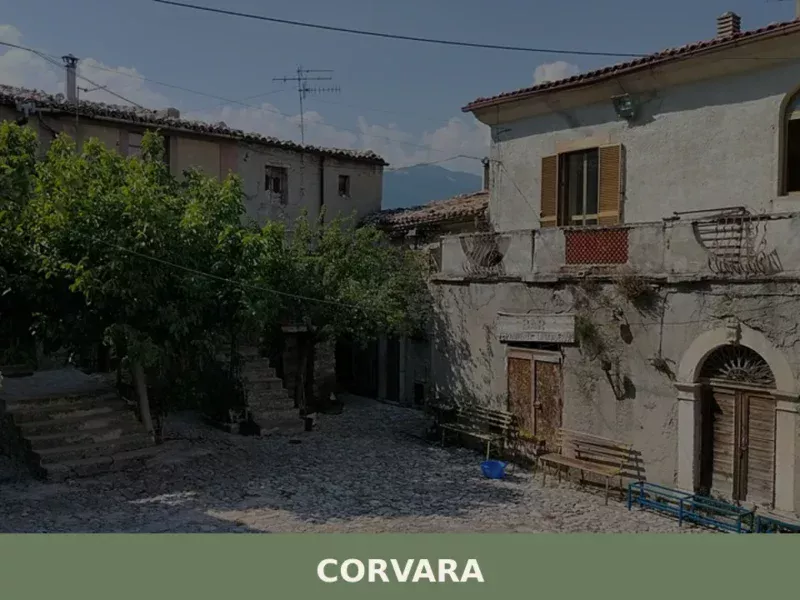
Corvara
Mountain
Corvara, a municipality of 210 inhabitants in the province of Pescara, is located 625 meters above sea level in the Pescara valley. Its territory, documented as early as the medieval period, shows traces of settlements dating back to the Neolithic, highlighting a continuous habitation linked to its strategic position. For those wondering what to see […]
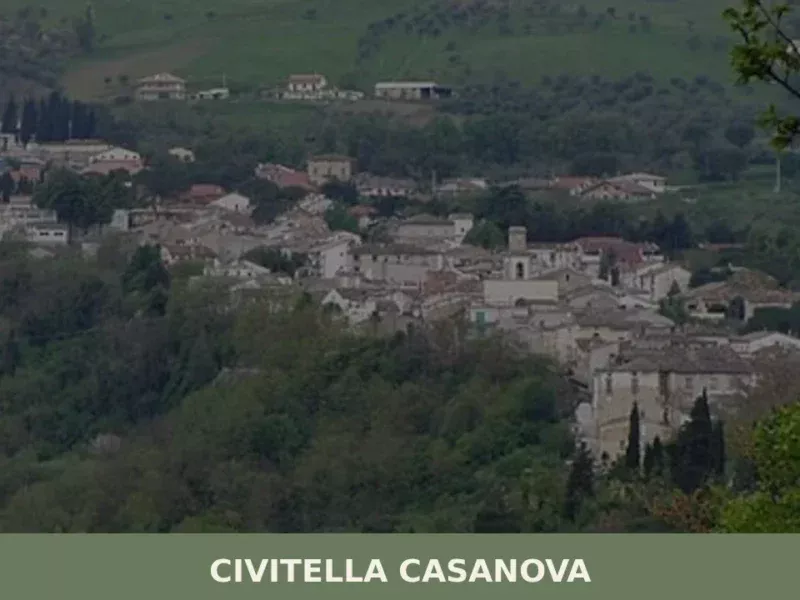
Civitella Casanova
Hills
At 400 meters above sea level, in the hilly heart of the province of Pescara, lies Civitella Casanova. This village, whose historical presence is attested since Roman times, offers a territorial context where geology and human activity have shaped a distinctive landscape. For those wondering about what to see in civitella casanova, the journey through […]
🧀 Italian traditional products


🏡 Know Castel di Ieri better than we do?
If you’re a local or have been there, your knowledge matters: add what’s missing or fix a detail on this page.