


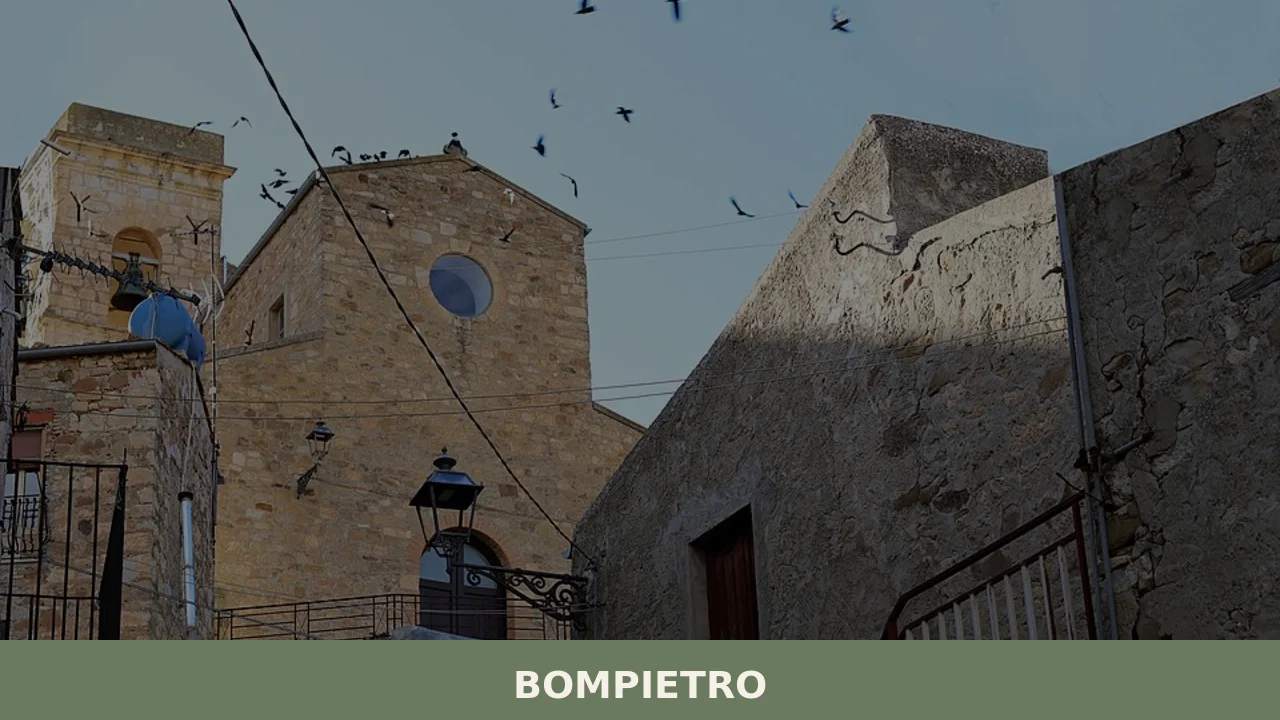
Bompietro
 Mountain
Morning light reaches Bompietro slowly, climbing over the Madonie range before it pours across the rooftops and into the narrow streets where older residents already occupy doorstep chairs. At 685 metres above sea level, the air carries a sharpness absent from the coast — part wild oregano, part cold stone. Fewer than 1,200 people live […]
Discover Bompietro
Morning light reaches Bompietro slowly, climbing over the Madonie range before it pours across the rooftops and into the narrow streets where older residents already occupy doorstep chairs. At 685 metres above sea level, the air carries a sharpness absent from the coast — part wild oregano, part cold stone. Fewer than 1,200 people live here, in a settlement that belongs more to the mountains than to the province of Palermo far below. Knowing what to see in Bompietro requires slowing down, reading the village as a layered document of rural Sicilian life rather than a checklist of monuments.
History of Bompietro
The name Bompietro derives from the Italian “buon Pietro” — “good Peter” — though the identity of this Peter remains a matter of local tradition rather than settled record. Some accounts associate the name with a landowner or feudal benefactor, while others link it to a devotion to Saint Peter. The settlement grew within the broader feudal system that shaped inland Sicily during the Norman and subsequent periods, when hilltop communities served as agricultural outposts tied to larger baronial estates across the Madonie district.
Like many small centres in the Sicilian interior, Bompietro’s history is one of slow consolidation rather than dramatic events. The village was formally recognised as an autonomous municipality in the nineteenth century, following the administrative reforms that accompanied Italian unification. Before that, its fortunes were bound to the shifting feudal jurisdictions that governed the Madonie mountains for centuries. Agriculture — wheat, legumes, pastoral herding — defined daily life and continued to do so well into the twentieth century, when emigration began to reshape the demographic profile of communities like this one across the Sicilian highlands.
What remains today is a compact settlement whose built fabric reflects these centuries of modest, persistent habitation: stone walls, tile roofs, a church at the centre, and streets proportioned for foot traffic and mule carts rather than automobiles.
What to see in Bompietro: 5 must-visit attractions
1. Chiesa Madre (Mother Church)
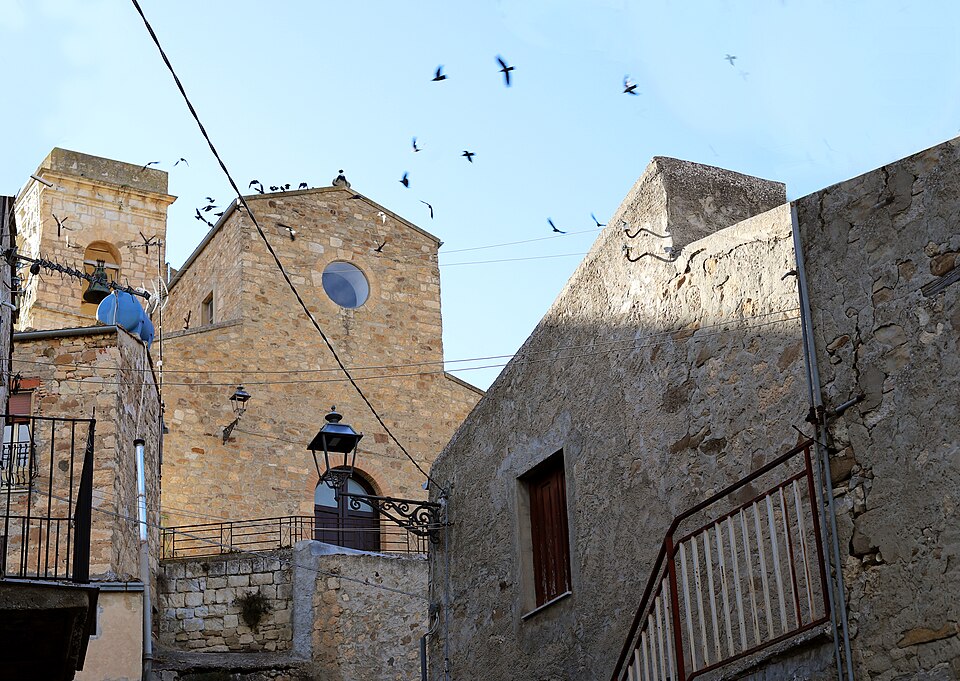
The principal church of Bompietro stands at the heart of the village, its façade a plain assertion of faith built to rural proportions rather than urban grandeur. Inside, the single nave holds devotional statues and modest altarpieces accumulated over generations. The building functions as both a spiritual anchor and a social one — the piazza before it remains the default gathering point for village life, particularly during feast days and evening hours.
2. The historic centre and its stone streetscape
Bompietro’s old quarter is best understood on foot, moving through narrow lanes where buildings in local limestone press close on either side. Doorways are low. Balconies are minimal — functional iron railings rather than Baroque flourishes. The architecture is vernacular and unadorned, offering an honest record of how inland Sicilian communities built with limited means and maximum practicality across several centuries.
3. Panoramic viewpoints over the Madonie
The village sits at a vantage point that opens toward the peaks and ridges of the Madonie massif. From several points along the village’s edge, the landscape unfolds in terraced fields, oak woods, and distant limestone crags. On clear days the depth of view is considerable, stretching across a terrain that shifts from cultivated lowland to the wilder altitudes of the Parco delle Madonie regional nature reserve.
4. Rural chapels and wayside shrines
Scattered in and around Bompietro are small devotional structures — rural chapels and edicole votive (wall-mounted shrines) — that mark crossroads, field boundaries, and neighbourhood corners. These modest constructions, often whitewashed or roughly plastered, reflect a religious landscape that extended well beyond the main church, embedding faith directly into the working terrain of the countryside.
5. The surrounding agricultural landscape
The fields and pastures immediately beyond the village boundary constitute a landscape of working heritage. Dry-stone walls partition terrain still used for grain cultivation, grazing, and small-scale orchards. Walking these tracks — particularly in spring, when wild fennel, sulla flowers, and poppies colour the margins — offers a direct encounter with the agricultural rhythms that have defined Bompietro for centuries.
Local food and typical products
The cooking of Bompietro belongs to the broader tradition of Sicilian mountain cuisine — substantial, seasonal, and shaped by what the land and the climate allow. Legume soups, homemade pasta with wild herb sauces, grilled lamb, and ricotta in its various forms — fresh, baked, salted — constitute the core repertoire. Bread, baked in wood-fired ovens, remains a staple with cultural weight; in communities of this size, the quality of the loaf still carries social meaning. Local olive oil, pressed from groves at lower elevations in the province, serves as the foundational fat.
The Madonie district is known for its dairy production, and Bompietro benefits from proximity to pastures that support sheep and goat herding. Seasonal cheeses, including fresh tuma and aged pecorino, are produced in the surrounding area. Visitors looking to eat locally will find that meals are most often encountered in family-run trattorie or agriturismi (farm-stays) in the broader Madonie zone, where menus follow the season rather than a printed card.
Best time to visit Bompietro
Spring — April through early June — is the most rewarding period. The hillsides are green, wildflowers cover the uncultivated margins, and temperatures at this altitude hover in a comfortable range between 14°C and 24°C. Autumn, particularly October, brings its own appeal: the harvest season, softer light, and the first fires lit in village hearths. Summer can be warm during the day but cools markedly at night, offering relief from the coastal heat that drives temperatures above 35°C in Palermo.
Winter at 685 metres is genuine — cold, occasionally touched by snow, and quiet. The village’s religious feast days, particularly those honouring its patron saint, provide the most concentrated moments of community life. These events are not staged for visitors; they follow a calendar maintained by the parish and the older residents, and participating in one offers an unmediated view of how ritual, food, and social bonds still function in a place of this scale.
How to get to Bompietro
Bompietro lies in the interior of the Province of Palermo, approximately 100 kilometres southeast of the regional capital. By car from Palermo, the route follows the A19 motorway toward Enna, exiting at the Tremonzelli junction and continuing south along provincial roads through the Madonie foothills. The drive takes roughly 90 minutes, depending on conditions. From Catania, the A19 runs westward, with a similar exit point; the journey is approximately 130 kilometres.
The nearest railway station with regular service is at Enna or Caltanissetta, both roughly 50 kilometres to the southeast, though connections are infrequent and a car is effectively essential for reaching the village. The nearest airport is Palermo Falcone-Borsellino (PMO), which receives flights from mainland Italy and several European cities. Hiring a vehicle at the airport is the most practical option for reaching Bompietro and exploring the surrounding Madonie territory.
More villages to discover in Sicilia
The Madonie mountains contain a constellation of small communities, each shaped by the same forces of geography, feudalism, and agricultural subsistence but expressing them in distinct ways. To the east, Petralia Soprana occupies a higher ridge and carries a denser architectural heritage, with noble palazzi and churches that reflect a greater degree of baronial investment. Its streets offer a useful counterpoint to Bompietro’s more plainspoken built environment.
Further into the Madonie district, Gangi — recognised among Italy’s Borghi più Belli — presents another variation on the theme of the Sicilian hill village, its buildings cascading down a steep slope in a formation visible from kilometres away. Together, these settlements form a network that rewards slow, sequential exploration: each village a chapter in the longer story of how people have inhabited this demanding and quietly beautiful interior landscape.
Frequently asked questions about Bompietro
What is the best time to visit Bompietro?
Spring (April to early June) is the ideal season: wildflowers cover the hillsides, temperatures range between 14°C and 24°C, and the Madonie landscape is at its most vivid. Autumn (October) offers harvest atmosphere and softer light. Summer days are warm but nights cool significantly, making Bompietro a genuine escape from coastal heat. The highlight of the village calendar is the feast of the Madonna delle Grazie, celebrated on the fourth Sunday of August — a local religious and community event offering an authentic glimpse into Sicilian rural tradition.
What are the historical origins of Bompietro?
The name Bompietro is believed to derive from 'good Peter', linked either to a feudal landowner or a devotion to Saint Peter, though no single account is definitive. The settlement developed within the Norman feudal system that organised inland Sicily, serving as an agricultural outpost in the Madonie district under shifting baronial jurisdictions. Bompietro became an autonomous municipality in the nineteenth century following the administrative reforms of Italian unification. Its economy historically rested on wheat cultivation, legume farming, and pastoral herding.
What to see in Bompietro? Main monuments and landmarks
The Mother Church is the village's principal monument, anchoring both the physical and social centre of Bompietro. Its interior houses devotional statues and altarpieces accumulated over generations. The piazza in front remains the main gathering space, especially during feast days. Beyond the church, the historic centre rewards slow exploration on foot: narrow limestone lanes, low doorways, and vernacular architecture offer an unvarnished record of rural Sicilian building tradition. Scattered wayside shrines and small rural chapels further enrich the devotional landscape throughout the village and its surroundings.
What are the main natural or scenic attractions of Bompietro?
Bompietro sits at 685 metres within the Madonie range, on the edge of the Parco delle Madonie regional nature reserve. The village offers open viewpoints toward oak woods, terraced fields, and limestone peaks. The surrounding agricultural landscape — dry-stone walls, pastures, small orchards — is itself a heritage attraction, particularly in spring when wildflowers border the country tracks. The Parco delle Madonie encompasses one of Sicily's richest natural areas, with documented hiking routes and protected flora, making the broader territory a strong destination for nature-oriented visitors.
Where to take the best photos in Bompietro?
The most rewarding photography spots in Bompietro are found along the village's outer edges, where panoramic viewpoints open across the Madonie massif toward ridges, terraced slopes, and distant limestone crags. Morning light, which climbs over the mountains before reaching the village, creates particularly atmospheric conditions on the rooftops and narrow stone streets of the historic centre. In spring, the surrounding fields and track margins — coloured by poppies, wild fennel, and sulla flowers — provide a strong foreground for landscape shots looking outward toward the Madonie peaks.
What can you do in Bompietro? Activities and experiences
Bompietro is primarily suited to slow, immersive travel. Walking the historic centre and surrounding agricultural tracks, especially in spring, is the most natural activity. The proximity to the Parco delle Madonie opens access to hiking and nature excursions in one of Sicily's most important protected areas. The fourth Sunday of August brings the feast of the Madonna delle Grazie, a genuine community celebration. Visitors interested in local food can seek out agriturismi in the Madonie zone, where seasonal menus feature mountain cheeses, legume soups, homemade pasta, and wood-oven bread.
Who is Bompietro suitable for? Families, couples, hikers, solo travelers?
Bompietro suits travellers who prefer authenticity over infrastructure. Hikers and nature lovers benefit most from the setting within the Madonie range and its regional park. Couples seeking a quiet, uncommercialized Sicilian interior experience will find the village's pace and landscape rewarding. Solo travellers with an interest in rural history, vernacular architecture, or slow food will feel at home. Families with young children may find the limited services a constraint. It is not suited to visitors expecting organised tourism, nightlife, or coastal amenities — its appeal is deliberate, unhurried, and rooted in place.
What to eat in Bompietro? Local products and specialties
The cooking of Bompietro follows the Sicilian mountain tradition: legume soups, homemade pasta with wild herb sauces, grilled lamb, and ricotta in fresh, baked, or salted form. Wood-oven bread remains a staple of daily life. The Madonie district is recognised for its dairy production; seasonal cheeses including fresh tuma and aged pecorino are produced in the surrounding area. Local olive oil from lower-elevation groves in the province is the foundational cooking fat. Meals are best found in family-run trattorie or agriturismi across the broader Madonie zone, where menus are seasonal and sourced locally.
📷 Photo Gallery — Bompietro
Nearby Villages near Bompietro
In Sicily More villages to discover
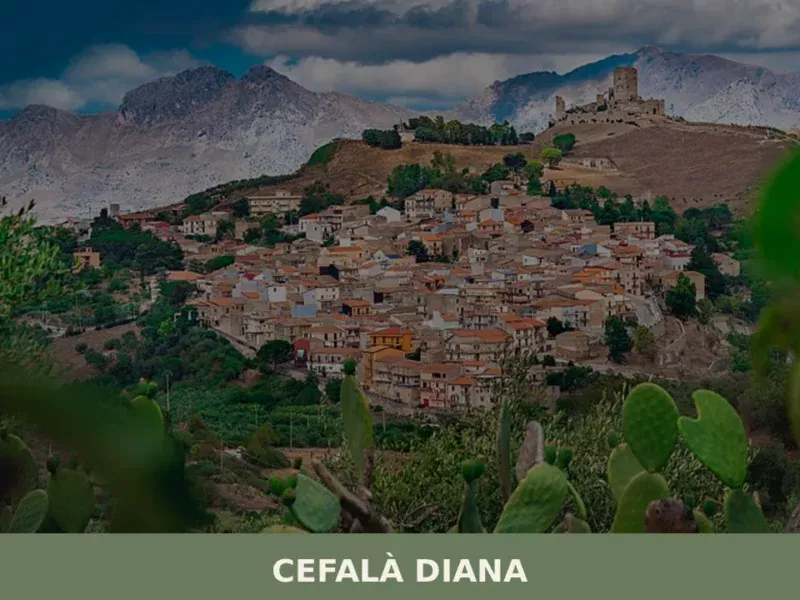
Cefalà Diana
 Hills
Hills
Discover what to see in Cefalà Diana, Sicily: Arab-Norman baths, castle ruins, local food, best season to visit, and how to get there from Palermo.
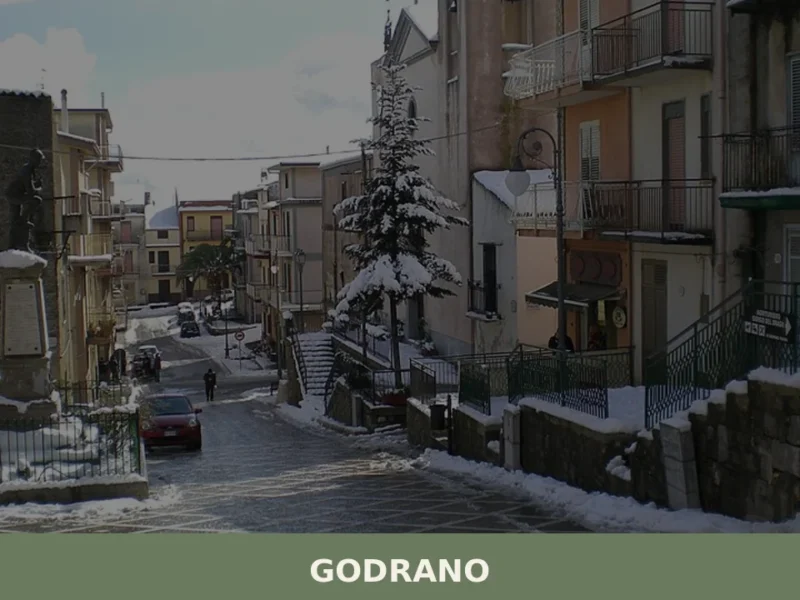
Godrano
Mountain
What to see in Godrano: from the Bosco della Ficuzza Reserve to the Palazzina Reale, churches and cuisine of the Sicani hinterland at 693 m above sea level.
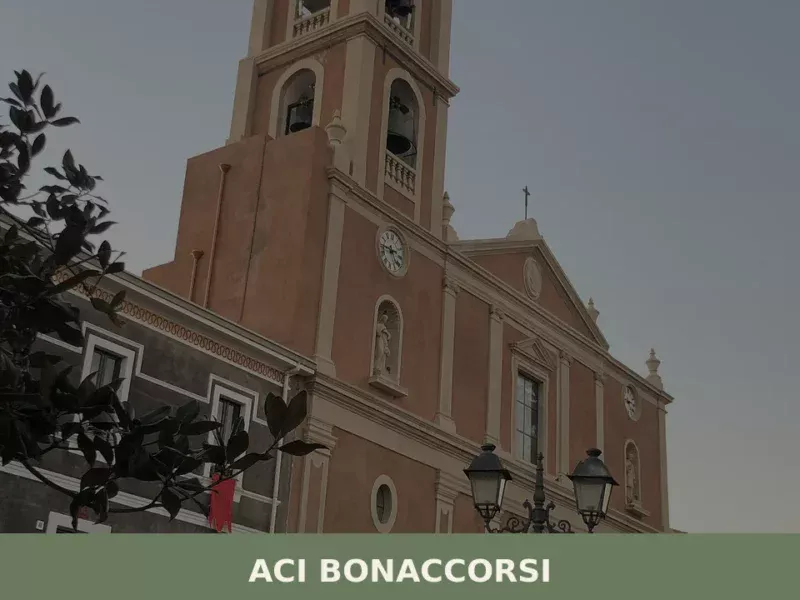
Aci Bonaccorsi
 Sea
Sea
Discover what to see in Aci Bonaccorsi: Etna views, volcanic architecture, IGP citrus groves and Italy's 2022 most virtuous municipality on the Ionian slope.
Campofiorito
Mountain
Campofiorito sits at 660 metres above sea level in the province of Palermo, a small agricultural commune of 1,321 inhabitants whose name translates literally as “field of flowers.” Founded as a feudal settlement in the early eighteenth century, the village occupies a limestone ridge in the upper Belìce valley, surrounded by wheat fields and grazing […]

Belpasso
Hills
A town rebuilt three times from volcanic catastrophe. Belpasso village in Sicily embodies resilience through its geometric urban grid and living festival traditions.

San Cataldo
Hills
With over 400 years of documented history and a remarkable archaeological zone, San Cataldo offers cultural depth that rewards curious visitors.
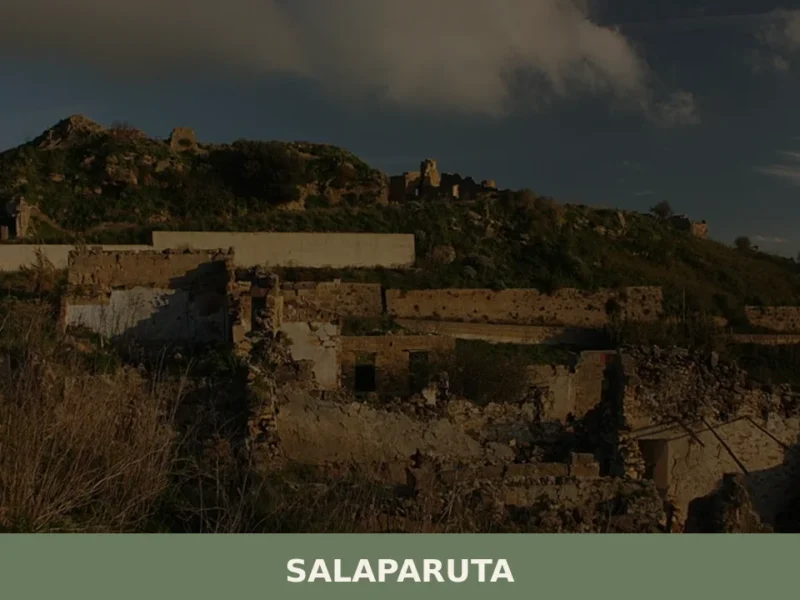
Salaparuta
 Plains
what to see in salaparuta, Italy: Explore this Belice Valley village, 171 meters above sea level, known for its DOC wine and the San Giuseppe feast on March 19. Discover local history and attractions.
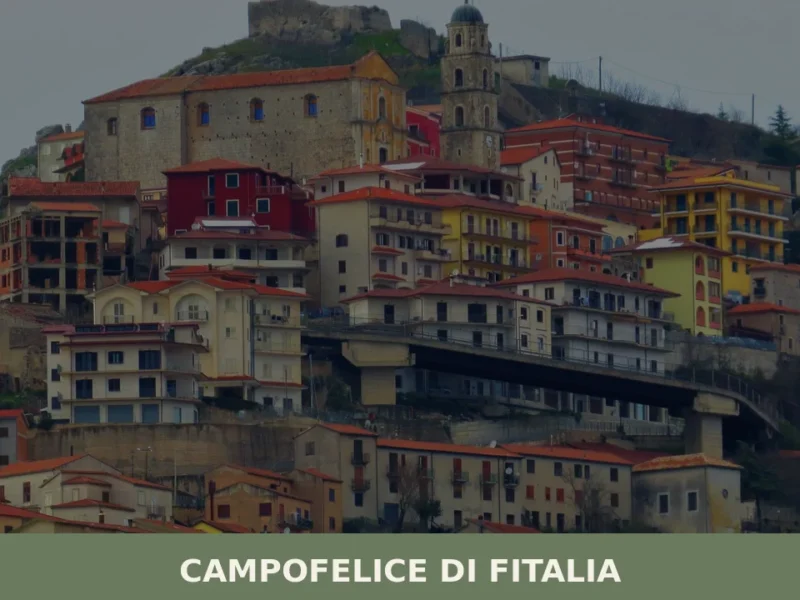
Campofelice di Fitalia
Mountain
Discover what to see in Campofelice di Fitalia: history, rural architecture, local food, and the quiet beauty of inland Sicily at 734m altitude.
Siracusa
Sea
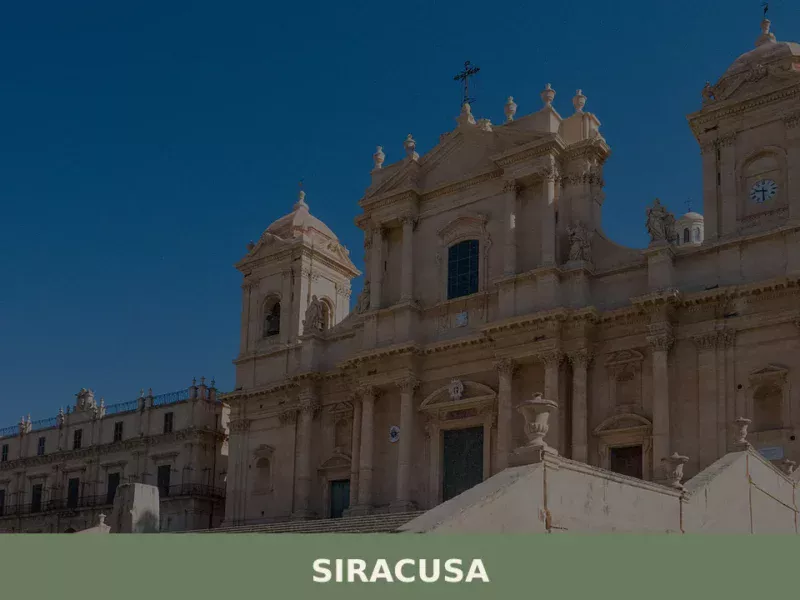
What to see in Siracusa: UNESCO city of 118,644 people. Explore the Greek Theatre, Ortigia, and the Catacombs of San Giovanni. Plan your visit with our complete guide.

San Michele di Ganzaria
Hills
A village of 2,820 people shaped by a medieval Albanian settlement pact and a baroque parish church with neo-Gothic facade. History runs deep here.
🏡 Know Bompietro better than we do?
If you’re a local or have been there, your knowledge matters: add what’s missing or fix a detail on this page.