


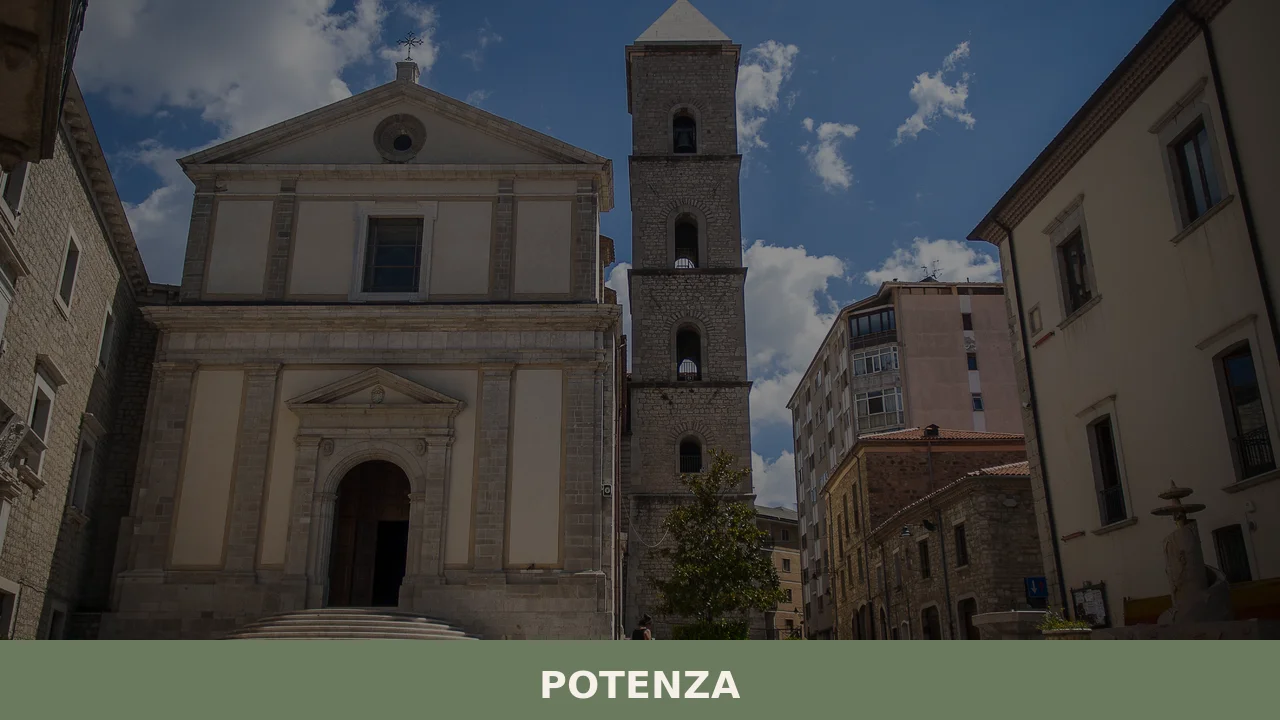

What to see in Potenza: from the historic centre churches to Castello Tramontano. Complete guide with 5 attractions and practical tips for your visit.
Discover Potenza
The escalators move slowly up the flank of the hill, carrying commuters from the residential quarters below to the historic centre at 820 m (2,690 ft) above sea level. At that altitude, the Apennine wind arrives without warning, sweeping across the stone facades of the upper town and down into the Basento valley far below.
The city sits on a ridge in the Lucanian Apennines, east of Salerno, surrounded by the comuni of Avigliano, Picerno, Pignola, and Tito.
It is the highest regional capital in Italy.
Deciding what to see in Potenza is easier once you understand the city’s scale: with a population of 63,403, it is the largest city in Basilicata, yet its historic core is compact and walkable.
Visitors to Potenza find a cathedral with a 12th-century rose window, a tower that once anchored a medieval castle, an archaeological museum housed in a 17th-century noble residence, and what is officially the largest public escalator network in Europe.
The city of Potenza, Basilicata, Italy rewards visitors who are willing to arrive on foot and read the layers of stone as they climb.
History of Potenza
The Roman colony of Potentia — the Latin origin of the modern name — was established after earlier settlement at a lower elevation, approximately 10 km (6 mi) south of the current city centre. The Lucanians of Potentia initially allied with Rome during the conflicts against the Samnites and the Bruttii, but the decisive Roman defeat at the Battle of Cannae in 216 BC provoked a local rebellion. After the Battle of the Metaurus ended Carthaginian ambitions on the Italian peninsula, Rome reconquered the city and reduced it to the status of a military colony, stripping the political privileges it had briefly held as a municipium.
The medieval centuries layered further disruptions onto that Roman foundation.
In the 6th century the city passed into the Duchy of Benevento under Lombard rule, then endured raids by Saracen forces until the Norman conquest of southern Italy brought a period of relative stability.
By the 12th century Potenza had become an episcopal see, and the city gained diplomatic significance: in 1137, Pope Innocent II and Emperor Lothair II met here during their unsuccessful campaign against the Norman kingdom; in 1148 or 1149, Roger II of Sicily hosted King Louis VII of France in Potenza after the Norman fleet had rescued the French monarch from the Saracens.
The Hohenstaufen period ended with severe reprisals — Emperor Frederick II’s pillaging was followed by near-total destruction when Charles I of Anjou conquered the Kingdom of Sicily. An earthquake on 18 December 1273 compounded the damage.
The early modern and modern periods brought further cycles of destruction and reconstruction. The earthquake of 1694, recorded as the 1694 Irpinia–Basilicata earthquake, almost completely levelled the city.
When the Neapolitan Republic was declared in 1799, Potenza was among the first cities to challenge Bourbon authority; the French army declared it capital of Basilicata in 1806, and King Joachim Murat introduced measurable administrative and urban improvements.
A revolt in 1848 was suppressed, and the catastrophic 1857 Basilicata earthquake struck nine years later.
Potenza formally joined the unification of Italy in 1860 following Giuseppe Garibaldi’s campaign, suffered heavy Allied bombing in September 1943, and was struck again by the 1980 Irpinia earthquake. The long sequence of seismic events explains the relative scarcity of pre-18th-century built fabric and the predominance of post-reconstruction architecture throughout the lower town.
What to see in Potenza, Basilicata: top attractions
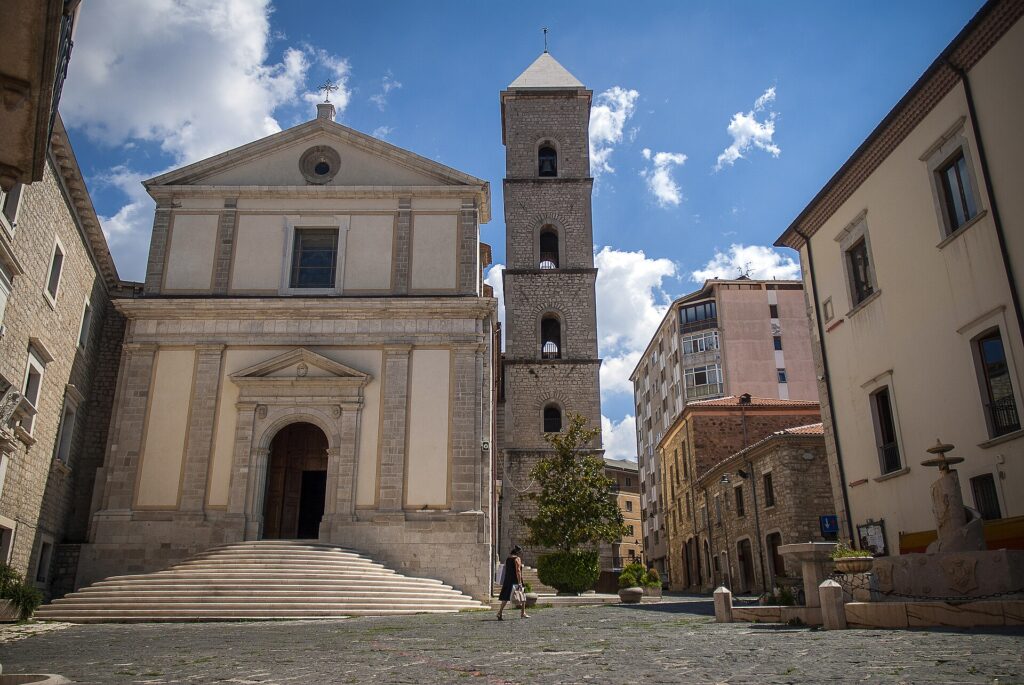
Duomo di San Gerardo — Potenza Cathedral
The cathedral’s rose window is the most legible physical evidence of the original 12th-century structure: a carved stone wheel set into a facade that was otherwise renovated during the 18th century. The apse also survives from that earlier phase of construction, giving visitors a clear visual contrast between medieval stonework and later Baroque interventions.
The cathedral is dedicated to San Gerardo da Potenza, the bishop of Potenza who died in 1119 and was subsequently recognised as a saint by the Catholic Church; his role as patron of the city is still observed in the annual civic festival.
The building stands at the highest point of the historic centre, making it a natural reference point for orienting yourself within the upper town.
Torre Guevara
A single tower of bare stone rising above the rooflines of the centro storico, the Torre Guevara is the last surviving element of the old castle that once controlled the ridge.
Its original construction dates to the medieval period, and the surrounding fortifications were progressively dismantled or absorbed into later urban fabric. Today the tower is used as an exhibition space for contemporary art, so the interior changes with each new installation while the exterior stonework remains fixed.
It is worth climbing to the base of the tower on a clear day, when the view extends across the Basento valley below at roughly 820 m (2,690 ft) elevation — one of the more direct ways to understand the city’s position in the Lucanian Apennines.
National Archaeological Museum of Basilicata — Palazzo Loffredo
The 17th-century noble residence of Palazzo Loffredo now contains the National Archaeological Museum of Basilicata, dedicated to the Romanian-born archaeologist Dinu Adameșteanu, whose excavations across Basilicata produced much of the collection on display.
The building itself illustrates the domestic architecture of the Spanish domination period, when a small number of feudal families controlled the city’s built environment.
Archaeological finds from the Lucanian territory — including artefacts relating to the pre-Roman settlement of Potentia — are distributed across the exhibition rooms.
The museum is located in the historic centre and can be combined in a single half-day circuit with the cathedral and the Torre Guevara.
Church of San Francesco
Founded in 1274, the Church of San Francesco carries clear evidence of two separate construction phases in its facade: the portal and bell tower both date from the 15th century, roughly 200 years after the original foundation. Inside, the church houses the De Grasis sepulchre, a funerary monument that represents one of the more complete pieces of medieval sculptural work surviving in Potenza. A Madonna painted in Byzantine style, dateable to the 13th century, is also preserved here — a direct visual link to the artistic conventions current in southern Italy in the decades before the Angevin conquest.
The church is located within the walkable historic core and can be reached from the Duomo on foot in a few minutes.
Santa Lucia Escalators — Scale Mobili Santa Lucia
Approximately 500 m (1,640 ft) long and descending 100 m (330 ft) in elevation, the Scale Mobili Santa Lucia is not a tourist attraction in a conventional sense but a functioning piece of public infrastructure that directly reflects the city’s topography.
Potenza’s public escalator network is the largest in Europe and the second largest in the world after Tokyo, a fact that consistently surprises visitors who arrive expecting a conventional Italian hill town.
The system connects the historic centre with residential neighbourhoods to the west, running through enclosed glass corridors attached to the hillside. Using it provides a direct physical understanding of why the city evolved on a steep ridge and how daily movement has been engineered around that geography — a more concrete lesson in urban planning than any museum exhibit.
Local food and typical products of Potenza
Basilicata’s culinary geography is shaped by altitude and relative isolation: Potenza at over 800 m (2,625 ft) above sea level experiences cold winters that historically dictated a diet built on preserved meats, legumes, dried pasta, and aged cheeses.
The Lucanian highlands were documented in Roman sources as producers of sausage — the lucanica, a spiced pork sausage still made across the region today, is frequently cited as the etymological ancestor of the Italian luganega and the Spanish longaniza.
The proximity to both Calabrian and Campanian culinary traditions, combined with centuries of Spanish domination, left traces in the local use of dried chilli pepper (peperoncino) as a primary seasoning across meat and pasta dishes alike.
Among the dishes directly associated with the Potenza area, lagane e ceci stands out as one of the oldest: wide, flat fresh pasta — the lagane — cooked with chickpeas in a broth seasoned with garlic and chilli.
Cutturidd is a slow-cooked lamb stew prepared in a terracotta pot with wild herbs, a technique that requires several hours on a low flame to produce the characteristic dense, reduced sauce.
Pignata refers to both the earthenware vessel and the preparation cooked inside it — typically lamb or goat with potatoes, celery, and lard — sealed with dough and baked.
For those exploring the broader region, villages such as Castelgrande and the surrounding upland communities share many of these same preparations, reflecting a common pastoral economy that historically crossed municipal boundaries.
Basilicata produces several products under EU protected designation schemes. Canestrato di Moliterno (IGP) is a sheep’s and goat’s milk cheese aged in the fondaci — traditional underground cellars — of the town of Moliterno, though the milk is drawn from the highland pastures of the broader province.
Lucanica di Picerno (IGP) is a fresh pork sausage from the municipality of Picerno, one of the comuni that directly borders Potenza’s territory.
Fagiolo di Sarconi (IGP) designates a range of bean varieties cultivated in the Agri valley municipality of Sarconi.
These products appear regularly in the food markets and specialty shops of Potenza itself, making the city a practical starting point for exploring the region’s certified food production.
The autumn months — October and November — bring local markets and food fairs focused on wild mushrooms, chestnuts from the Apennine slopes, and the new season’s olive oil from lower-elevation groves in the province.
Visitors arriving in late October will find stalls selling dried peperoni cruschi — sun-dried sweet red peppers from the Senise area, also an IGP product — which are fried briefly in olive oil to a brittle, papery texture and eaten alone or crumbled over pasta.
Specialty food shops in the historic centre stock all of these products year-round.
Festivals, events and traditions of Potenza
The most significant civic event in the city’s calendar is the Festa di San Gerardo, held on 30 May, the feast day of the city’s patron saint, Bishop Gerard of Potenza, who died in 1119.
The celebration involves a procession through the streets of the historic centre, with the statue of the saint carried from the cathedral. The May date coincides with one of the more reliable periods of settled weather in the Lucanian highlands, making it one of the better moments to observe the city at its most ceremonially active. A second observance takes place on 29 October, the date of Gerard’s canonisation, which draws a smaller but devout local attendance.
A second major street celebration is the Palio del Saracino, a historical pageant held in late May or early June that references the medieval period of Saracen raids documented in the city’s history.
The city also observes Carnevale in February with street processions and costumed parades in the historic centre. During the summer months, the city’s elevated position makes outdoor evening events practical; the Torre Guevara’s exhibition programme runs through the warmer part of the year, and various concerts and open-air screenings use the public spaces of the upper town.
Visitors planning a trip around a specific event should verify exact dates with the municipality, as scheduling can shift between years.
When to visit Potenza, Italy and how to get there
The climate data for Potenza classifies it as oceanic (Cfb in the Köppen system) based on the 1971–2000 reference period, with a tendency toward a warm-summer classification in more recent decades.
Practically, this means cool summers rarely exceeding 28°C (82°F) at this altitude, cold winters with regular snowfall above 820 m (2,690 ft), and a wet autumn.
The best time to visit Potenza for outdoor exploration and comfortable temperatures is May through June and September through October. Spring brings the feast of San Gerardo and relatively uncrowded streets; early autumn offers the food market season and stable afternoon light. Winter visits are possible but require preparation for cold and potential snow. Those wondering about the best time to visit Basilicata more broadly will find that the same May–October window applies across the region, though coastal areas of the Metapontino have longer warm seasons.
Getting to Potenza is straightforward from several directions.
By road, the city sits at the eastern terminus of the RA5 motorway, a 50 km (31 mi) spur from the A2 Autostrada del Mediterraneo; drivers coming from Naples or Salerno take the A2 south and join the RA5 at the junction. The journey from Naples takes approximately 1.5–2 hours by car; from Rome, plan for roughly 3.5–4 hours via the A1 and A2.
By rail, Potenza is a junction on the main Trenitalia line between Salerno and Taranto, and also served by the regional Ferrovie Appulo Lucane network connecting to Altamura.
The main station, Potenza Centrale (formerly Potenza Inferiore), is in the lower town; the escalator network then provides direct access to the historic centre. The nearest airports are Salerno-Pontecagnano at 85 km (53 mi), Foggia-Gino Lisa at 101 km (63 mi), and Bari-Palese at 130 km (81 mi). For a day trip from the nearest major city, Salerno is the most practical starting point: approximately 90 minutes by rail or road.
International visitors should note that English is spoken in larger hotels and at the main tourist office, but smaller shops and local restaurants operate primarily in Italian; carrying euro cash is practical, as card payment is not universally accepted in the historic centre.
The city’s steep topography is a genuine physical consideration. The historic centre requires uphill walking on stone-paved streets, some with gradients significant enough to make navigation with wheeled luggage or pushchairs slow work.
The public escalator network mitigates this considerably for the main east–west axis of movement, but side streets and the area around the cathedral involve steps and uneven surfaces.
Travellers with limited mobility should plan routes in advance using the escalator connections as their primary vertical transport. Those coming for a day trip from Salerno or as part of a broader Basilicata itinerary can cover the main attractions — cathedral, San Francesco, the archaeological museum, and the Torre Guevara — in a focused half-day circuit, leaving the afternoon for the food market or the escalator descent toward the lower residential quarters.
Visitors extending their time in Basilicata will find value in combining Potenza with smaller communities in the surrounding province.
The village of Chiaromonte, in the southern part of the region, offers a contrasting example of a smaller Lucanian settlement that shares the same geological and historical context as the provincial capital.
To the south, San Paolo Albanese represents the Arbëreshë cultural presence in Basilicata, an element entirely distinct from the Norman and Lombard history of Potenza itself.
These communities are reachable by car from Potenza within 90 minutes and provide a complementary picture of what to see in Potenza’s broader provincial territory. Travellers interested in the upland pastoral landscape of the western province might also consider a stop at Calvera, a small comune in the Val Sinni area that preserves the agricultural rhythms historically common across this part of the Apennines.
Frequently asked questions about Potenza
What is the best time to visit Potenza?
Late spring is the ideal window: May brings mild temperatures and the city's most important event, the Feast of San Gerardo di Potenza on 30 May, when processions and civic celebrations fill the historic centre. June and early September offer pleasant weather for exploring the upper town on foot. Summer days are cooler than the coast thanks to the 819 m altitude. Winter brings cold temperatures and occasional snow, which adds atmosphere but makes the steep streets less accessible. Avoid August if you prefer fewer crowds and open businesses.
What are the historical origins of Potenza?
Potenza traces its origins to the Roman colony of Potentia, established about 10 km south of the current city centre. The Lucanians allied with Rome against the Samnites, then rebelled after the Battle of Cannae in 216 BC. Rome reconquered the city after the Battle of the Metaurus and reduced it to a military colony. Medieval layers followed: Lombard rule under the Duchy of Benevento, Saracen raids, Norman conquest, and a diplomatic role in the 12th century when Pope Innocent II and Emperor Lothair II met here in 1137.
What to see in Potenza? Main monuments and landmarks
The compact historic centre holds five key sites: the Cathedral of San Gerardo, with its original 12th-century rose window and apse; the Torre Guevara, the last surviving tower of the medieval castle, now used as a contemporary art exhibition space; Palazzo Loffredo, a 17th-century noble residence housing the National Archaeological Museum of Basilicata; the Church of San Francesco (founded 1274), with a Byzantine-style 13th-century Madonna; and the Santa Lucia escalator network, the largest public escalator system in Europe, connecting the ridge to the lower residential quarters across roughly 500 m.
Where to take the best photos in Potenza?
The base of the Torre Guevara on a clear day offers an unobstructed view across the Basento valley from roughly 820 m elevation — the most direct vantage point for understanding the city's position in the Lucanian Apennines. The glass corridors of the Santa Lucia escalator system provide unusual architectural angles as they descend the hillside. The facade of the Cathedral, framing the 12th-century rose window against the Apennine sky, is best photographed in morning light before the narrow square fills with foot traffic.
Are there museums, churches or historic buildings to visit in Potenza?
The National Archaeological Museum of Basilicata — Museo Archeologico Nazionale 'Dinu Adameșteanu' — is housed in Palazzo Loffredo in the historic centre and displays Lucanian and pre-Roman finds from across the province. The Cathedral of San Gerardo preserves a 12th-century rose window and apse alongside later Baroque renovations. The Church of San Francesco (1274) contains the De Grasis sepulchre, one of the more complete medieval sculptural works in the city, and a 13th-century Byzantine-style Madonna. All three sites are within walking distance of each other in the upper town.
What can you do in Potenza? Activities and experiences
Riding the Santa Lucia escalator network — the largest in Europe — is itself an experience that reveals the city's dramatic topography. The historic centre is compact enough for a half-day walking circuit covering the Cathedral, Torre Guevara, Palazzo Loffredo, and the Church of San Francesco. The 30 May Feast of San Gerardo brings civic processions and local events worth planning around. The surrounding Lucanian Apennines, with Potenza sitting at 819 m, provide a base for exploring mountain landscapes and nearby upland villages sharing the same pastoral culinary traditions.
Who is Potenza suitable for? Families, couples, hikers, solo travelers?
Potenza suits curious travellers who prefer authentic regional capitals over tourist-facing resorts. The Santa Lucia escalator network makes the steep historic centre accessible to families and visitors with limited mobility. Couples and solo travellers interested in archaeology, medieval architecture, or southern Italian urban history will find the compact upper town rewarding for a day or two. At 819 m in the Lucanian Apennines, the city also appeals to those using it as a base for mountain exploration in Basilicata. It is not a beach or nightlife destination.
What to eat in Potenza? Local products and specialties
Potenza's mountain altitude and pastoral history define its table. Lagane e ceci — wide flat fresh pasta cooked with chickpeas, garlic, and chilli — is one of the oldest local dishes. Cutturidd is a slow-cooked lamb stew prepared in terracotta with wild herbs. Pignata, named for the earthenware pot, combines lamb or goat with potatoes and lard, sealed with dough and baked. The nearby Lucanica di Picerno (IGP) is a fresh pork sausage from the surrounding province. Canestrato di Moliterno (IGP), a sheep's and goat's milk cheese aged in underground cellars, represents the broader provincial cheesemaking tradition.
📷 Photo Gallery — Potenza
Nearby Villages near Potenza
In Basilicata More villages to discover
Ginestra
 Hills
Hills
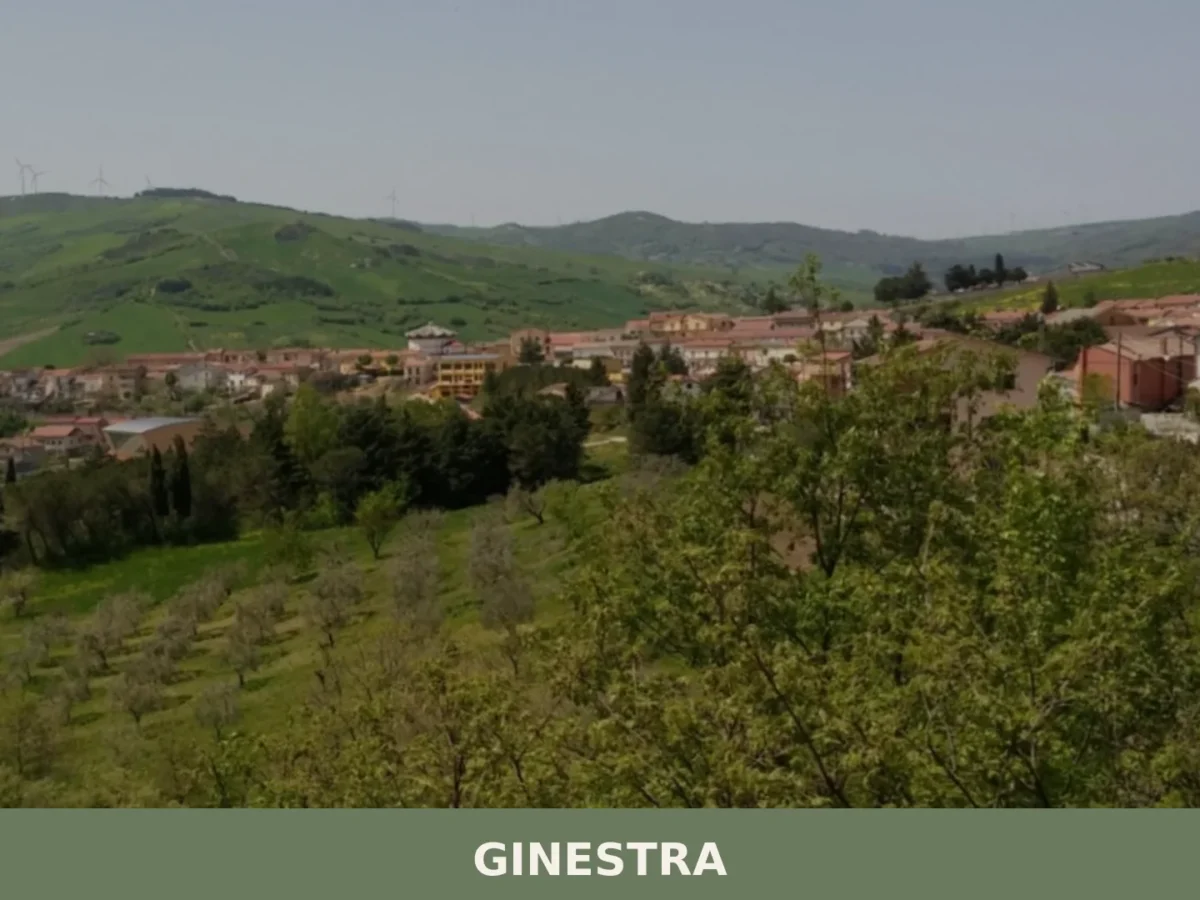
Ginestra is a small hill commune in the province of Potenza, Basilicata, with Greek-Albanian origins dating to 1478, where the arbëreshë language and Balkan traditions are still alive today.
Tursi
 Plains
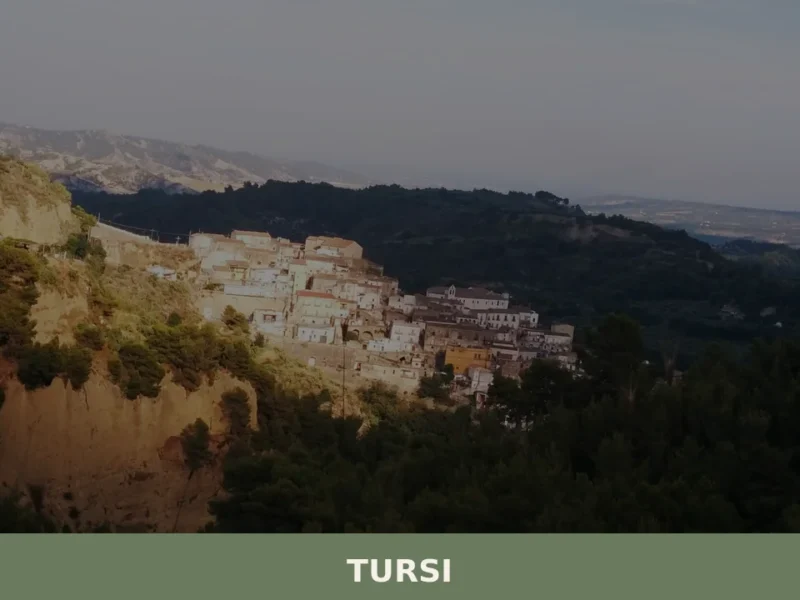
Tursi, a Basilicata village, offers a journey through ancient history and a landscape shaped by centuries of cultural interaction.
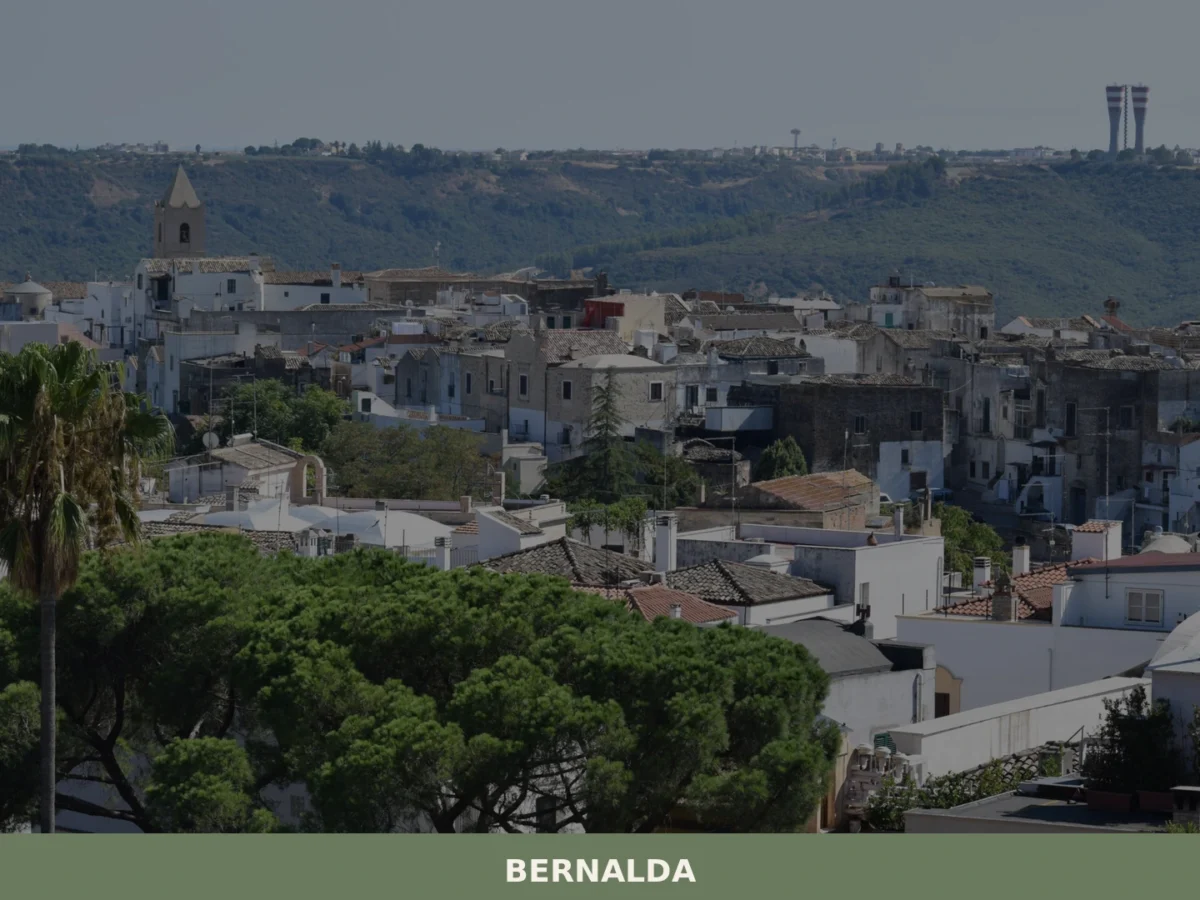
Bernalda
 Sea
Sea
What to see in Bernalda: 5 attractions in this Basilicata village, from the historic center to Metaponto. Discover the complete guide and plan your visit.
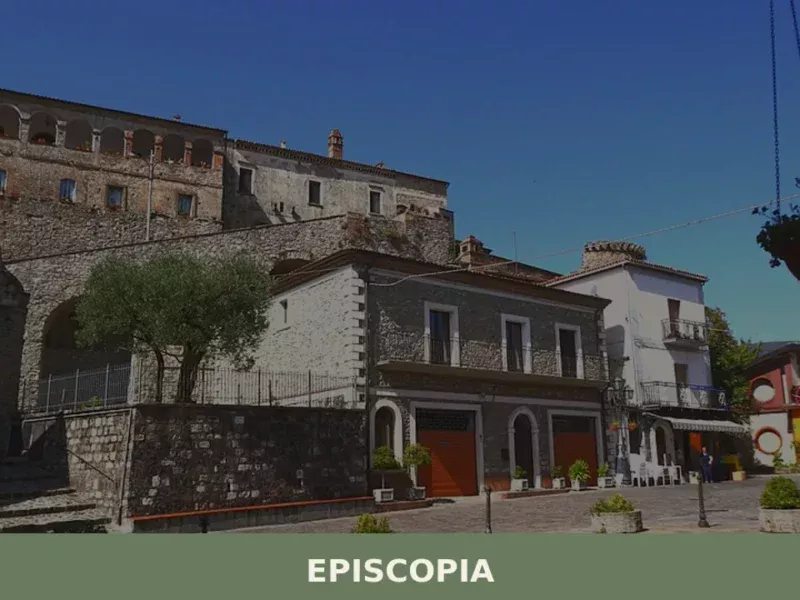
Episcopia
Hills
Episcopia, in Basilicata, stands at 530 meters above sea level, an altitude that influences its climate and its relationship with the surrounding landscape. Its name, of Greek origin, means “episcopal see,” suggesting an ecclesiastical importance established since the Byzantine era, a fact that traces its initial historical identity. For those wondering what to see in […]

Castronuovo di Sant’Andrea
 Mountain
Discover Castronuovo di Sant'Andrea, a hidden Basilicata gem with medieval roots, ancient churches, stunning Apennine landscapes, and rich local traditions.

Garaguso
Mountain
What to see in Garaguso, Italy: a hilltop comune at 460 m with a Greek Heroon, an 18th-century palace, and Iron Age finds. Discover the top attractions now.
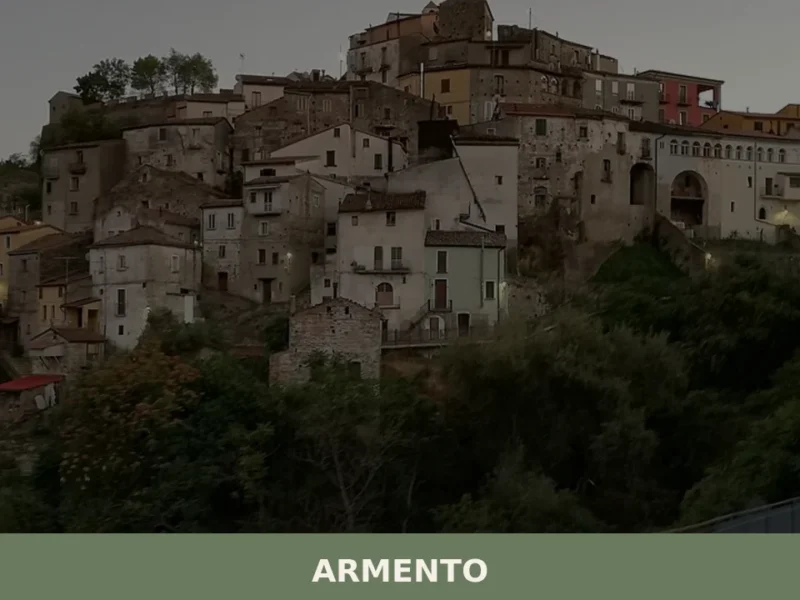
Armento
Mountain
In 1814, a farmer unearthed a Lucanian funerary assemblage dating to the 4th century BC in the countryside around Armento: a golden crown, now held at the Antikensammlung in Munich, which confirmed the presence of a high-ranking Italic settlement in this part of the Val d’Agri. The village sits at 710 metres above sea level […]
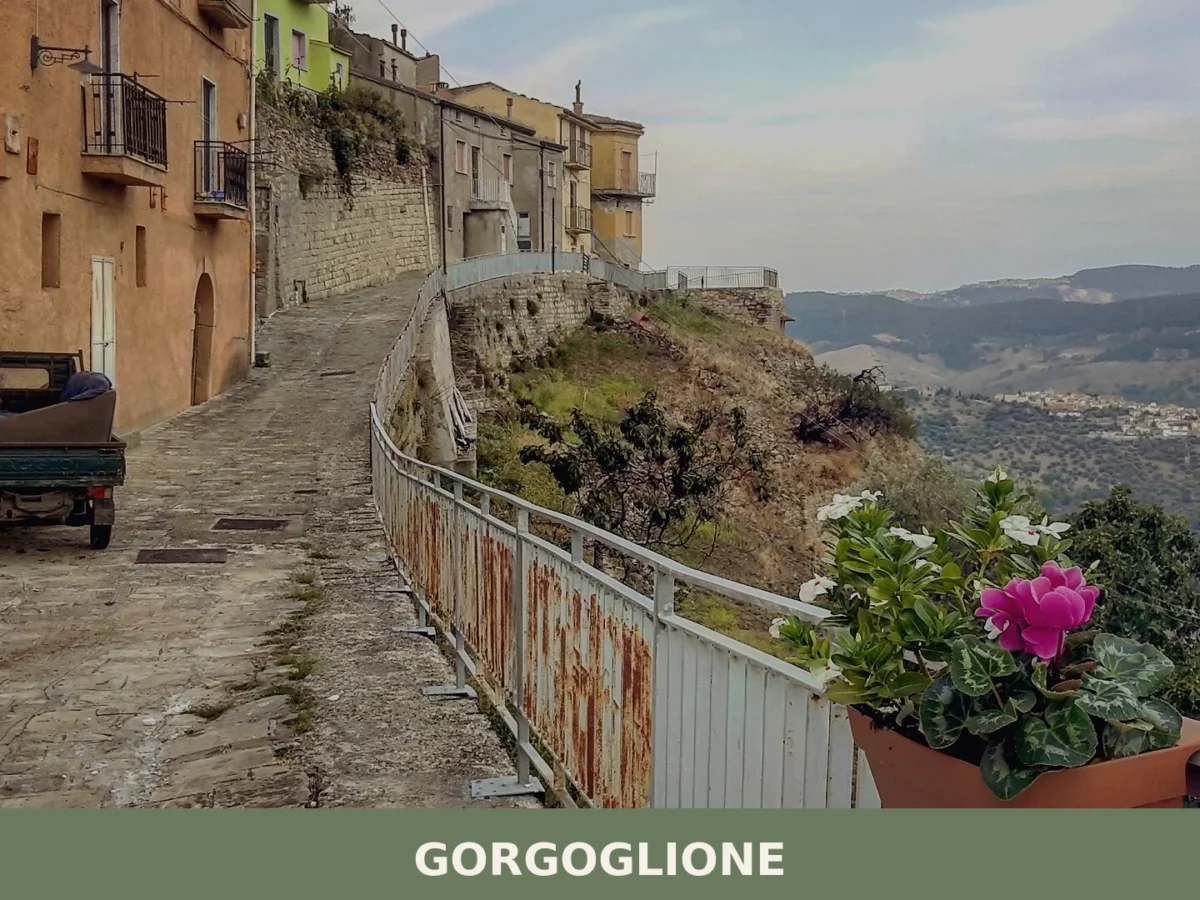
Gorgoglione
Mountain
Gorgoglione is a mountain commune of 836 inhabitants at around 800 metres above sea level in the province of Matera, Basilicata, with a recorded history from pre-Roman antiquity to the post-unificatio
Balvano
Hills
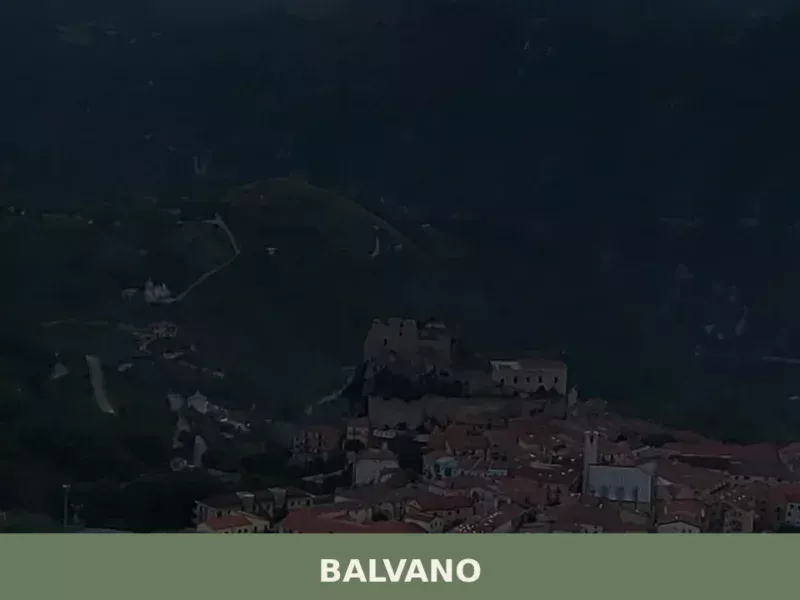
Balvano, a municipality in the province of Potenza, rises 425 meters above sea level, fitting into the hilly landscape of Basilicata. This altitude is not just a number, but the coordinate of a natural observatory from which the Platano valley can be viewed. With a population of 1,722 inhabitants, the village maintains the size of […]
Matera
Hills
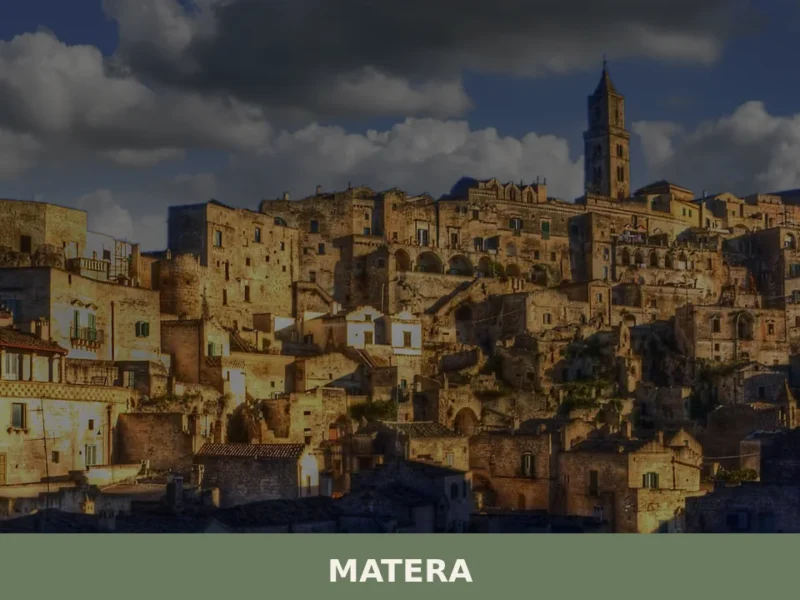
What to see in Matera, Italy: explore the UNESCO Sassi cave districts, a 52 m cathedral, and rupestrian churches. City of 60,009 in Basilicata. Discover how to get there.



🏡 Know Potenza better than we do?
If you’re a local or have been there, your knowledge matters: add what’s missing or fix a detail on this page.