


Villa Santa Maria
 Mountain
What to see in Villa Santa Maria, Abruzzo, Italy: explore 5 top attractions, local cuisine, and the legacy of Saint Francis Caracciolo. Discover this village of 1,431 inhabitants.
Discover Villa Santa Maria
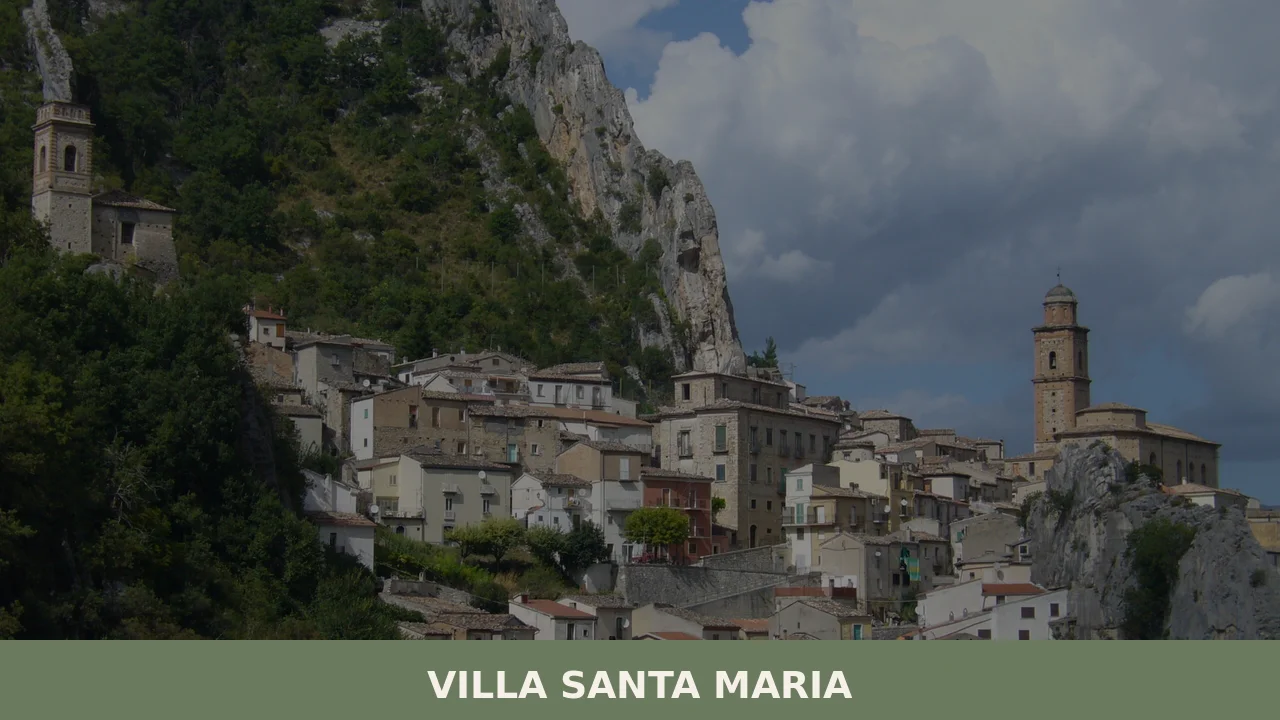
The Sangro river cuts a firm line through the valley below Villa Santa Maria, and the village holds its position on the slope above it, its stone buildings rising in compact rows against the hillside of the Chieti province in Abruzzo.
The name the locals use — La Vìlle, from the old dialect — carries the trace of a settlement that has looked down on this valley for several centuries, long enough for two of its sons to leave records that reach well beyond the provincial borders.
Deciding what to see in Villa Santa Maria is easier once you know the village’s scale: 1,431 inhabitants, a position in the province of Chieti in the region of Abruzzo, southern Italy, and a concentrated historic centre where the key sites are within walking distance of one another.
Visitors to Villa Santa Maria find the village built around the memory of Saint Francis Caracciolo, born here in 1563, and around a culinary tradition that has given the village a documented role in Italian professional kitchen history. The Villa Santa Maria highlights include its religious monuments, the landscape of the Sangro valley, and a food culture with roots in the cooking academies that once operated here.
History of Villa Santa Maria
The settlement of Villa Santa Maria takes its name from a dedication to the Virgin Mary, a common pattern in the ecclesiastical geography of medieval Abruzzo, where local communities often organised their civic identity around a patron saint or a Marian chapel that anchored the village centre.
The province of Chieti, in which Villa Santa Maria sits, preserves numerous examples of this naming practice, and the village follows the same logic: a sacred dedication that became the permanent civil toponym. The dialect name La Vìlle is a phonetic reduction of the Italian Villa, preserving the Latin root meaning a rural settlement or estate.
The most historically significant figure connected to Villa Santa Maria is Francis Caracciolo, born here in 1563.
He co-founded the Order of the Minor Clerks Regular in 1588, a Counter-Reformation religious congregation that spread across Italy and into Spain. The Catholic Church canonised him in 1807, making him the first saint born in Abruzzo to receive that distinction.
His presence in Villa Santa Maria shaped the village’s ecclesiastical architecture and its calendar of religious observance in ways that remain visible today. The village is also the birthplace of Michele Mascitti, a baroque violinist and composer born in 1664, who spent most of his career in Paris and published twelve collections of violin sonatas between 1704 and 1738, establishing a reputation at the French court.
Through the eighteenth and nineteenth centuries, Villa Santa Maria developed a documented tradition of professional culinary training. The village became known across central Italy for producing skilled cooks and capocuochi — head chefs — who travelled to work in noble households, ecclesiastical institutions, and eventually in restaurants across Italy and abroad. This reputation was formal enough to sustain dedicated training structures in the village itself, and it remains the foundation of Villa Santa Maria’s contemporary identity in food culture.
The village today counts 1,431 inhabitants and functions as a comune within the province of Chieti, continuing the administrative structure that has governed it since the post-unification organisation of the Italian state.
What to see in Villa Santa Maria, Abruzzo: top attractions
Church of San Francesco Caracciolo
The church dedicated to San Francesco Caracciolo stands as the primary religious monument of the village, built in direct connection to the life of the saint born here in 1563.
Its interior preserves devotional elements linked to the Caracciolo family and to the post-canonisation cult that developed after 1807. The stone fabric of the building reflects the construction practices of the Abruzzese ecclesiastical tradition, with a façade integrated into the tight urban fabric of the historic centre. Visitors coming specifically to trace the life of the saint should begin here, where documentation of his birth and early formation in this village is concentrated.
The church is most accessible during the morning hours and around the feast day celebrations in June.
Historic Centre and the Dialect Topography of La Vìlle
Walking through the historic centre of Villa Santa Maria means moving through a compact grid of stone lanes that the locals have called La Vìlle for generations, a name that distinguishes the oldest nucleus of the village from its later expansions. The buildings follow the slope of the hillside in Chieti province, with the Sangro valley visible from several points along the upper lanes.
The urban layout reflects the settlement logic of medieval Abruzzo, where defensive positioning on a hillside slope was standard practice. The best vantage points for the valley below are reached from the upper edges of the historic centre, where the drop toward the Sangro river becomes clear.
Early morning light from the east illuminates the valley floor, making this the most useful time for visitors interested in the geographic setting.
The Sangro Valley Landscape
The Sangro river valley below Villa Santa Maria is one of the defining geographic features of this part of the Chieti province, cutting through a landscape of cultivated slopes and riparian woodland at an elevation that keeps the valley floor noticeably cooler than the surrounding hillsides in summer. The village sits at a position that allows direct observation of the valley’s width and the alignment of the river course.
This geographic relationship between the settlement and the valley below it is not incidental: the Sangro provided both a transport corridor and a resource boundary that defined the territory of Villa Santa Maria for centuries.
For visitors arriving from the direction of Castel di Sangro, the approach road through the valley gives a clear sense of the scale before the village comes into view on the slope above.
Birthplace and Memorial Sites of Michele Mascitti
Michele Mascitti, born in Villa Santa Maria in 1664, left for France in the early eighteenth century and became one of the most prolific Italian composers working at the French court, producing twelve published collections of violin sonatas. The fact that two figures of this calibre — a Counter-Reformation saint and a baroque composer active in Paris — came from a village of this size in the Abruzzese interior is historically specific enough to warrant attention.
The memorial geography of Mascitti in Villa Santa Maria is linked to the same historic centre where Caracciolo was born, roughly a century earlier. Visitors with an interest in baroque music history will find the connection to the French musical tradition particularly documented: Mascitti’s publications from 1704 to 1738 are held in major European library collections and are referenced in musicological sources covering the Italian presence at the court of Louis XIV.
The Culinary Academy Tradition and Its Physical Traces
Villa Santa Maria’s documented role as a training ground for professional cooks is one of the more specific cultural facts attached to this village in Abruzzo, and it is worth seeing in what to see in Villa Santa Maria as a living institutional presence, not merely a historical footnote.
The village produced capocuochi — head chefs — who worked in noble and ecclesiastical households across Italy from at least the eighteenth century onward.
The training structures that formalised this tradition have left physical traces in the village and continue in the form of a professional culinary institute that operates here today. The institute gives Villa Santa Maria a working connection to the history of Italian professional cooking that is more specific than the generic claim of “good food” applied to most Italian villages. Visiting during the annual Chef Festival (held in October) gives direct access to demonstrations, tastings, and the institutional memory of this culinary lineage.
Local food and typical products of Villa Santa Maria
The food culture of Villa Santa Maria, Abruzzo, Italy is inseparable from the culinary academy tradition described above.
From at least the eighteenth century, the village exported trained cooks to aristocratic households and ecclesiastical institutions across the Italian peninsula, and this outward movement of skilled labour created a feedback loop: techniques and ingredients from other regions of Italy entered the local food knowledge and were adapted to the products of the Sangro valley and the Maiella foothills.
The result is a local kitchen that combines the pastoral base of Abruzzese mountain cooking — lamb, pork, pecorino, dried legumes — with a level of technical sophistication that distinguishes it from the rougher cucina povera of more isolated villages in the same province.
The lamb preparations of this area follow the technique of slow-roasting with rosemary, garlic, and local white wine, producing a result that relies on the quality of the meat rather than on heavy seasoning.
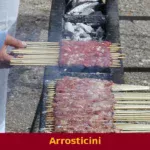
Agnello alla brace, grilled lamb over hardwood embers, is the most direct expression of this approach, with the fat rendering slowly over a moderate heat until the exterior crisps without drying the interior.
Maccheroni alla chitarra — egg pasta cut on a wire-strung wooden frame that gives the square-section noodle its name — is the standard first course, typically served with a lamb ragù cooked for several hours with tomato, chilli, and a final addition of local pecorino. The pasta itself has a firm, slightly rough texture that holds the sauce better than smooth extruded formats. Pallotte cace e ove, fried balls of aged pecorino and egg bound with stale bread, are a documented dish of the Chieti province and appear regularly in the village’s food events.
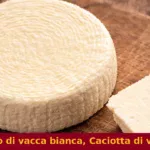
No certified DOP or IGP products specific exclusively to Villa Santa Maria appear in the available records, but the village sits within the broader production area of Pecorino di Farindola, an aged sheep’s milk cheese produced in the Gran Sasso area of Abruzzo, and benefits from the same pastoral economy that sustains that product.
Local markets and producers in the Sangro valley area stock seasonal vegetables, cured pork products including ventricina — a spreadable salami seasoned with sweet and hot peppers — and artisan pasta formats produced in small quantities for local consumption.
The October Chef Festival is the most concentrated opportunity to encounter Villa Santa Maria’s culinary identity in a single event.
The festival brings together graduates of the village’s culinary institute, professional chefs with roots in the village, and food producers from the surrounding Chieti province. Market stalls, cooking demonstrations, and tasting sessions run across the festival days, making autumn the most food-focused season for a visit. Visitors travelling through the area in October should book accommodation in advance, as the festival draws participants from across Abruzzo and from other Italian regions.
Festivals, events and traditions of Villa Santa Maria
The feast of San Francesco Caracciolo, celebrated on 4 June each year, is the principal religious event of the village calendar.
The date marks the feast day of the saint as established by the Catholic Church following his canonisation in 1807, and the celebrations in Villa Santa Maria carry particular weight given that this is the saint’s birthplace. The day typically involves a solemn Mass in the church dedicated to him, a religious procession through the historic centre, and public gatherings in the village square. The procession follows a route through the lanes of La Vìlle, passing sites connected to the Caracciolo family history.
The Chef Festival in October is the second major event of the village year and functions on a different register entirely — civic and professional rather than religious.
The festival draws attention to the culinary institute and to the lineage of professional cooks that Villa Santa Maria has trained and exported over the past two or more centuries.
Events include public tastings, competitions among young chefs enrolled in the institute, and demonstrations by established professionals with ties to the village. The combination of the June religious feast and the October culinary festival gives Villa Santa Maria two distinct moments in the calendar when the village is most active and when visitors encounter its particular identity most directly.
When to visit Villa Santa Maria, Italy and how to get there
The best time to visit Villa Santa Maria in Abruzzo falls between late spring and early autumn. June combines mild temperatures — the valley floor can reach 28–30°C (82–86°F) in July and August, while the hillside position of the village keeps it several degrees cooler — with the feast of San Francesco Caracciolo on 4 June, which gives the visit a specific cultural anchor.
October is the second optimal window, coinciding with the Chef Festival and the cooler, clearer weather of early autumn that makes walking through the historic centre more comfortable than the August heat.
Winter visits are possible but the village is less active, and some local businesses reduce their hours outside the main season. International visitors should note that English is not widely spoken in smaller shops and local establishments; carrying some euros in cash is practical, as card payment is not universal in the village.
Villa Santa Maria sits in the province of Chieti, in southern Abruzzo, roughly 140 km (87 mi) southeast of Rome. By car from Rome, the A25 motorway toward Pescara is the main route; take the exit at Pescina or follow the SS83 through the Sangro valley to reach the village. From Pescara, the regional capital of Abruzzo located approximately 90 km (56 mi) to the northeast, the drive takes around one hour via the SS84.
The nearest train station with regular connections is at Castel di Sangro, approximately 20 km (12.4 mi) to the south, served by Trenitalia regional services connecting to Sulmona and the main Pescara–Rome line.
From Castel di Sangro, local bus services or a taxi cover the remaining distance to the village. The nearest international airport is Pescara Airport (Aeroporto d’Abruzzo), approximately 90 km (56 mi) away, with connections to several European cities. Villa Santa Maria is a practical day trip from Rome for visitors already travelling in central Italy, with a total travel time of approximately two to two and a half hours by car.
For those planning a wider itinerary through the Chieti province, the village sits within a reasonable driving distance of several other Abruzzese communities worth including in the same trip.
San Giovanni Lipioni, a small comune in the same province, lies to the southeast and can be added to a circular route through the Chieti interior without significantly extending travel time.
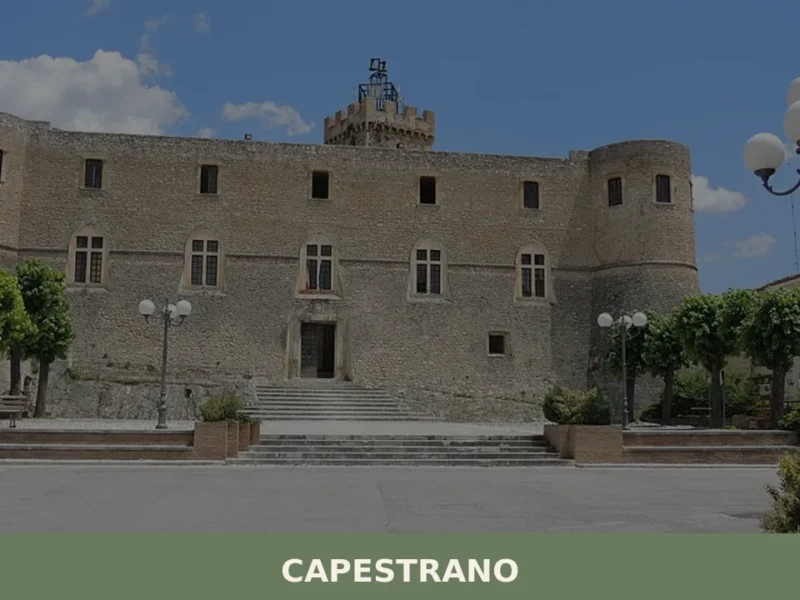
To the north, Capestrano, in the province of L’Aquila, is known for the archaeological find of the Warrior of Capestrano and represents a different register of Abruzzese heritage — prehistoric and pre-Roman — that complements the early modern history concentrated in Villa Santa Maria.
Visitors extending their Abruzzo itinerary further into the region may also consider Poggiofiorito, a hilltop comune in Chieti province sharing the same general plateau topography as the villages of this part of Abruzzo, and Goriano Sicoli, in the province of L’Aquila, which lies along the route connecting the Sangro valley to the Marsica area and can be reached on the return drive toward Rome via the A25.
📷 Photo Gallery — Villa Santa Maria
Getting there
Corso Umberto I, 66047 Villa Santa Maria (CH)
Nearby Villages near Villa Santa Maria

In Abruzzo More villages to discover
Carunchio
Mountain
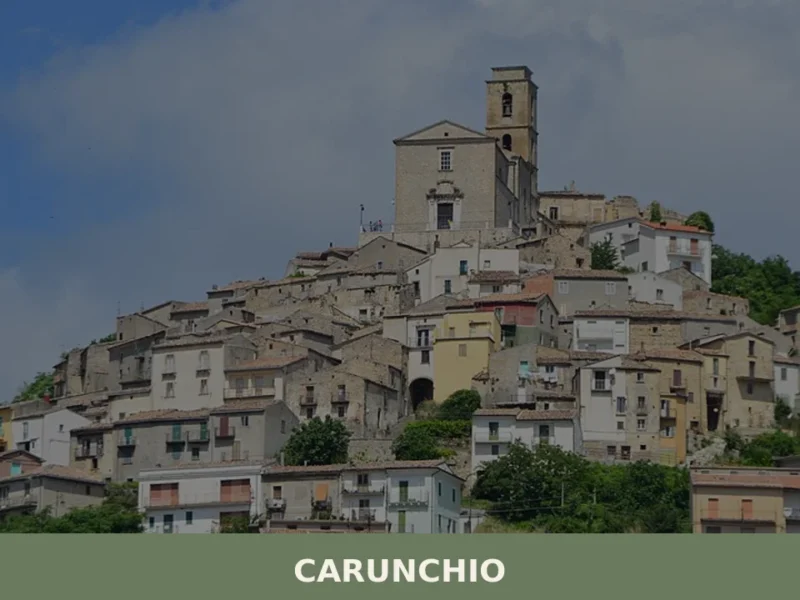
Carunchio is home to 565 inhabitants, spread along a ridge at 714 metres above sea level in the southern part of the province of Chieti, close to the border with Molise. The municipal territory extends between the Treste river and the Elce stream, two watercourses that have shaped the morphology of these clay hills over […]
Magliano de’ Marsi
Mountain
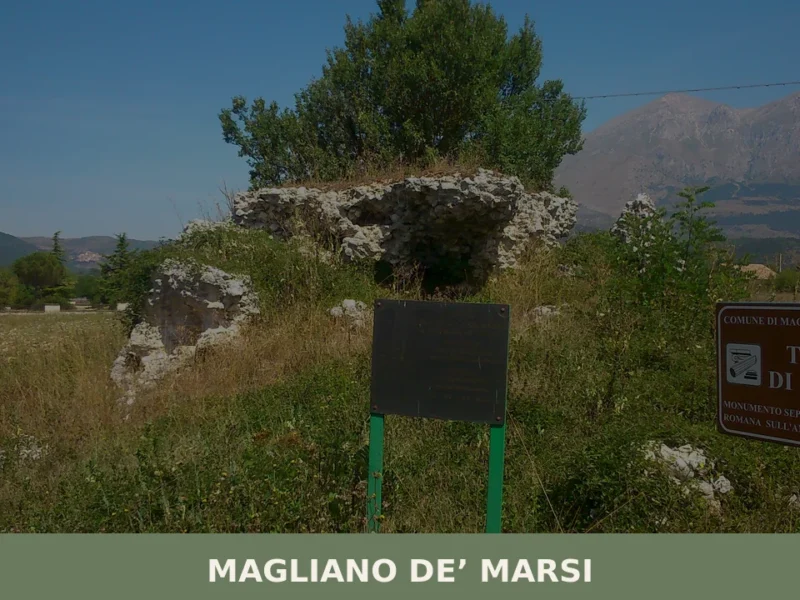
Magliano de’ Marsi has 3,739 inhabitants and extends along the western slope of the Fucino Plain, in the province of L’Aquila, at an altitude of approximately 720 metres. The town lies along the route that once connected Rome to the Adriatic coast through the Marsica basin, and its urban layout still bears the marks of […]
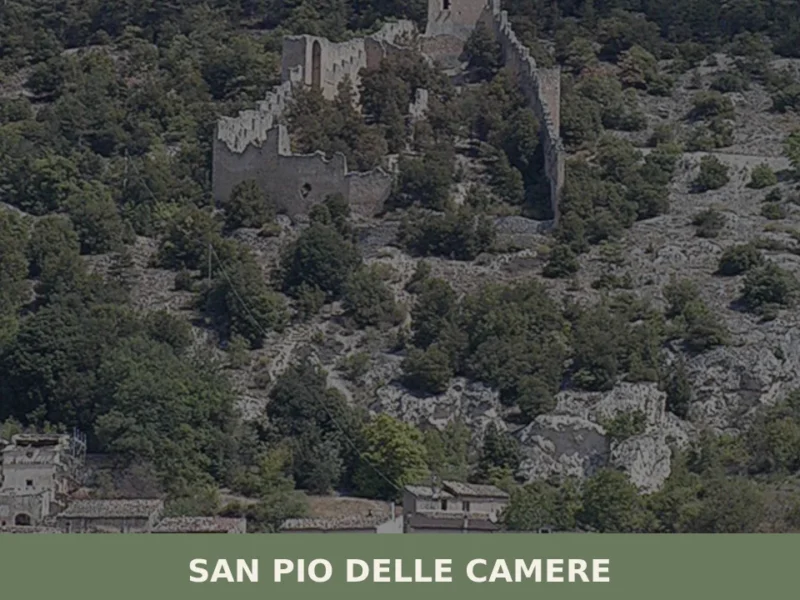
San Pio delle Camere
Mountain
What to see in San Pio delle Camere, Abruzzo, Italy: explore 5 top attractions including a medieval castle and Peltuinum ruins. Discover this L'Aquila village.
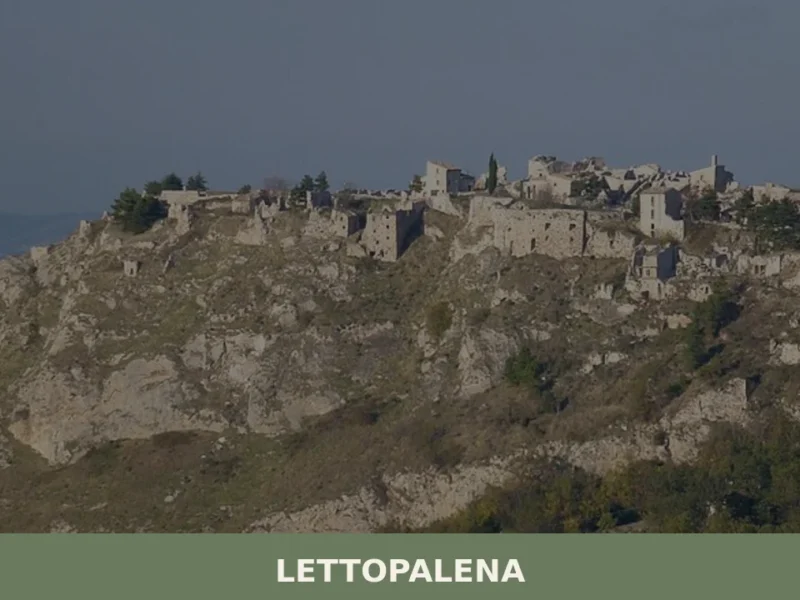
Lettopalena
Mountain
Discover the charm of Lettopalena Village in Abruzzo, Italy. Explore its rich history, culture, and scenic beauty. Plan your visit to this hidden Italian gem today!
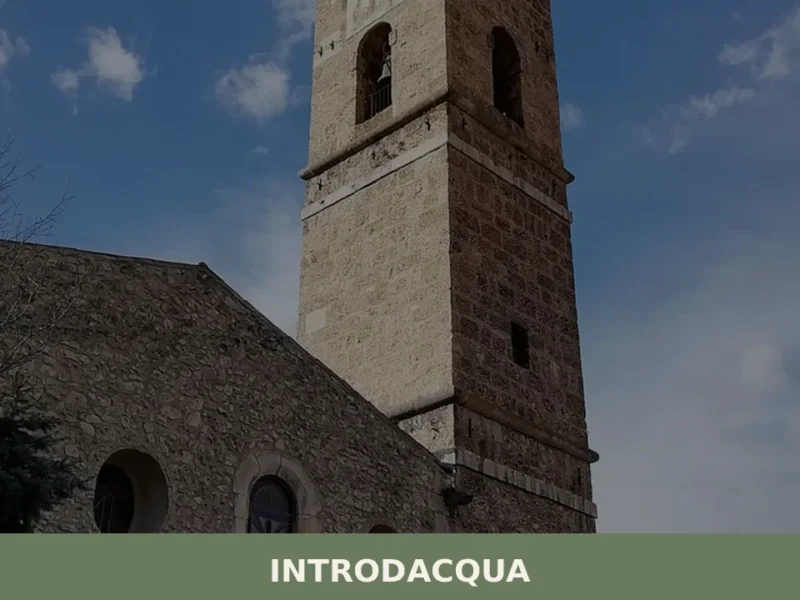
Introdacqua
Mountain
At 642 metres above sea level, at the exact point where three watercourses — the Gizio, the Nera and the San Callisto — converge in the Peligna valley, stands Introdacqua, whose Latin name Intro Acquas records this confluence of waters. The village has a current population of 2,117 and retains an urban layout reflecting at […]
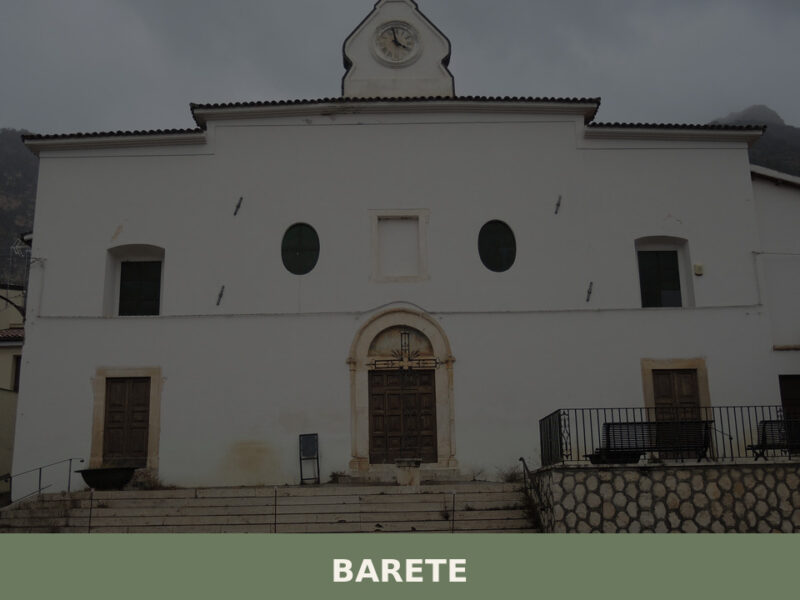
Barete
Mountain
Morning light hits the limestone walls of Barete’s older houses at a low angle, turning them briefly gold before the shadow of the Gran Sasso massif reclaims the narrow lanes. A rooster calls from somewhere behind a garden wall. The air smells of woodsmoke and cold stone. This is a settlement of roughly 695 inhabitants, […]
Capestrano
 Hills
Hills
What to see in Capestrano? Discover the 5 top attractions, from Piccolomini Castle to the Warrior statue. Plan your visit to this Abruzzo village.
Pettorano sul Gizio
Mountain
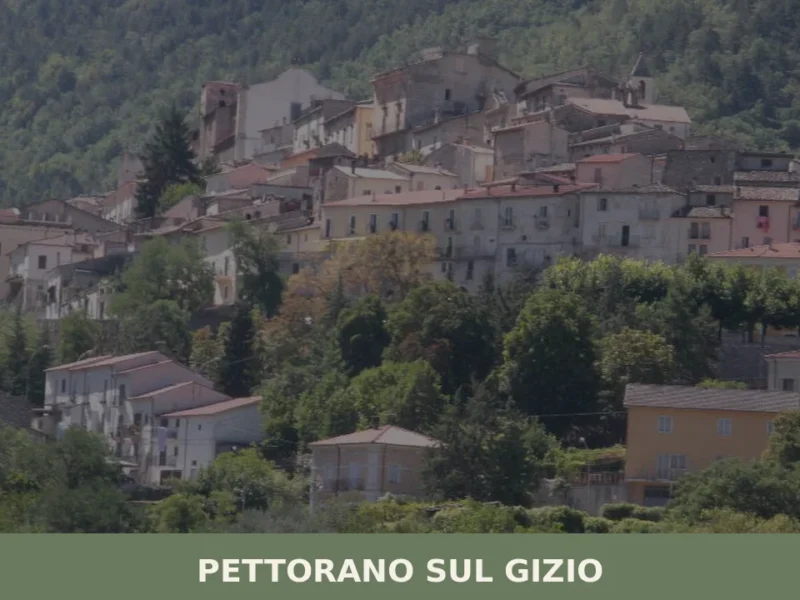
what to see in pettorano sul gizio, Italy. Explore Cantelmo Castle and the Gizio River, home to Baron Michele Leone (1909-1988). Discover this beautiful Abruzzese village.
Castellalto
 Sea
Sea
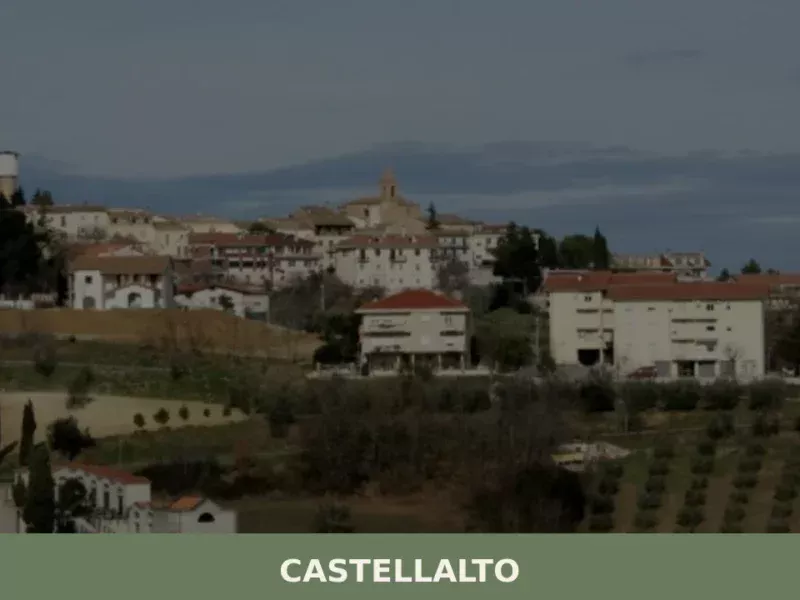
Scopri cosa vedere a Castellalto: borghi medievali, panorami mozzafiato e tesori nascosti dell'Abruzzo. La guida completa alle 5 tappe imperdibili!
San Buono
Hills
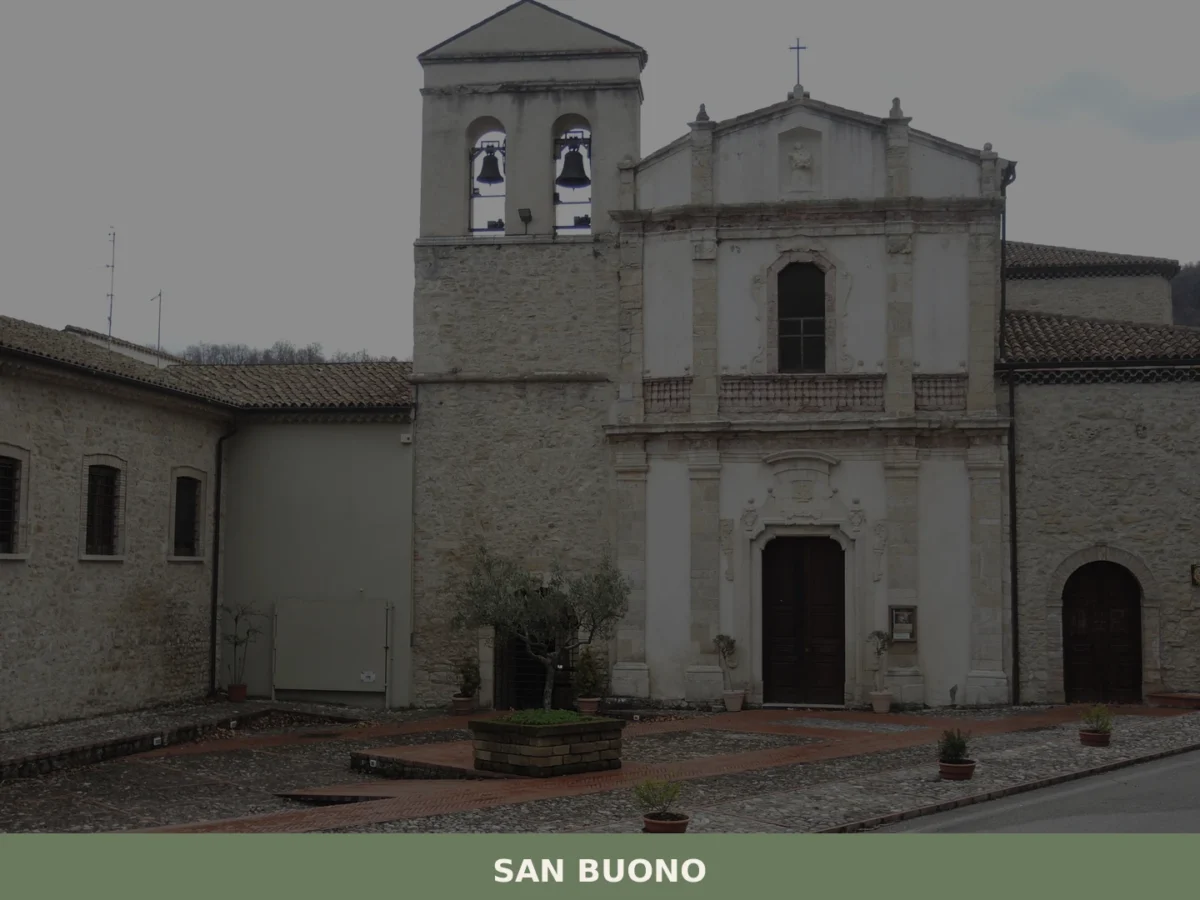
What to see in San Buono? Explore our complete guide to this Abruzzo village (1,010 residents), rich in history and nature. Plan your visit now!
🏡 Know Villa Santa Maria better than we do?
If you’re a local or have been there, your knowledge matters: add what’s missing or fix a detail on this page.