


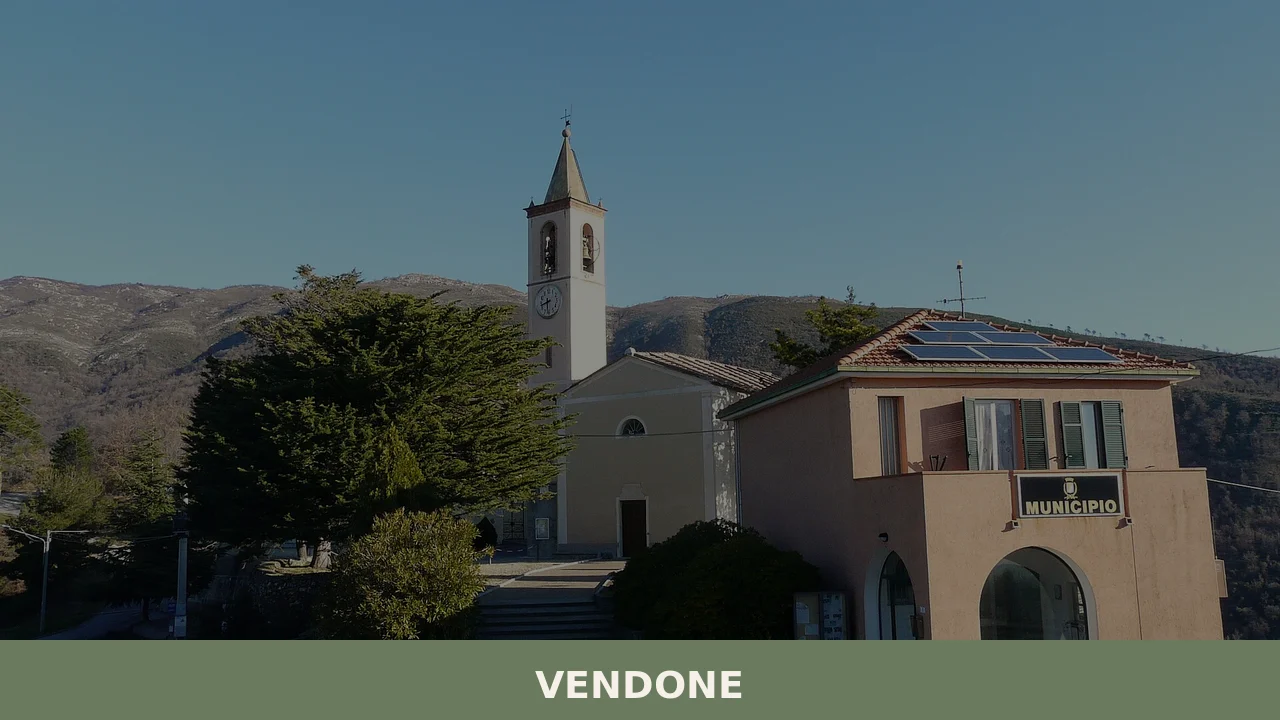
Vendone
 Hills
Hills
What to see in Vendone, Liguria, Italy: 5 attractions, local food, festivals and how to get there. 401 inhabitants, 80 km from Genoa. Discover it now.
Discover Vendone
The ridge that carries the road toward the Province of Savona drops through a sequence of villages where the stone walls carry the pale grey tone of local limestone and the valley floors hold the last light of the afternoon.
Vendone sits within this landscape at roughly 400 inhabitants, bordered by Arnasco, Castelbianco, Onzo, and Ortovero — four municipalities that define the limits of a comune, the standard Italian administrative unit, whose edges trace the contours of the surrounding hills rather than any drawn line on a modern planning map.
For visitors researching what to see in Vendone, the answer begins with geography: this municipality in the Province of Savona, Liguria, Italy, lies about 80 km (50 mi) southwest of Genoa and about 40 km (25 mi) southwest of Savona itself, placing it within a compact inland strip where the Ligurian hills rise quickly from the coastal plain.
The village counts 401 inhabitants, and its scale means that every element of the built environment — the parish church, the surrounding paths, the neighbouring peak of Monte Peso Grande — is within reach on foot or by a short drive. Visitors to Vendone find a place where the relationship between settlement and landscape is direct and legible.
History of Vendone
The territory of Vendone belongs to the innermost section of the Ligurian hinterland behind Albenga, a coastal town whose Roman and medieval layers provide the deepest documentary context for the villages that grew in the hills above it.
The pattern of settlement in this part of the Province of Savona followed a logic common to much of inland Liguria: communities organised themselves along ridge lines and elevated spurs that offered both defensive visibility and control over the passes connecting the coast to the Piedmontese interior. Vendone’s position, bordered by the four municipalities of Arnasco, Castelbianco, Onzo, and Ortovero, reflects that same spatial logic, each border marking a historical division of territory rather than an administrative convenience.
The medieval period shaped the physical structure of the village in ways that remain readable today.
The hilltop borgo — the Italian term for a compact historic settlement, usually of medieval origin — developed through the accumulation of buildings along the natural contours of the land, a process driven by necessity as much as by planning.
The Province of Savona as a whole carries extensive evidence of Genoese influence from the twelfth century onward, when the Republic of Genoa consolidated control over the Ligurian interior through a network of alliances, taxation agreements, and eventually direct governance. Villages such as Vendone, positioned along routes connecting the coast to the agricultural lowlands, functioned as nodes in a system of exchange that moved olive oil, salt, and grain between the coast and the hills.
In the modern period, Vendone followed the demographic trajectory common to much of the Italian mountain interior: population growth through the late nineteenth century, followed by gradual contraction as agricultural labour became less viable and industrial employment drew residents toward the coast and toward the cities of northern Italy. The current population of 401 inhabitants represents the stabilised result of that long process.
The administrative identity of Vendone as a comune within the Province of Savona has remained continuous through the post-unification reorganisation of Italian territory, and the village retains its distinct municipal status alongside its neighbouring communities.
What to see in Vendone, Liguria: top attractions
Monte Peso Grande
The summit area of Monte Peso Grande rises above the municipal territory of Vendone and provides the most direct encounter with the topographic character of this section of the Ligurian Apennines.
From the upper slopes, the relationship between the coastal strip below and the ridge systems to the north becomes spatially clear in a way that no valley viewpoint can replicate. The elevation gain from the village to the higher terrain rewards those who follow the marked paths, and the limestone outcrops that appear along the route give the landscape a drier, more austere quality than the terraced olive groves lower down.
The ascent is best attempted in late spring or early autumn, when temperatures on the exposed sections of the path remain manageable.
The Parish Church of Vendone
The parish church stands as the primary architectural reference point of the village, occupying the position that such buildings characteristically hold in Ligurian hilltop settlements: elevated, central, and oriented to be visible from the approach roads. The exterior stonework in local material gives the facade a texture consistent with the surrounding built fabric, and the bell tower provides the vertical accent that organises the roofline of the borgo when seen from a distance.
Structurally, the building reflects the type of rural sacred architecture that developed across the Province of Savona between the fifteenth and seventeenth centuries, absorbing successive modifications without losing the fundamental proportions of the original construction.
Visitors should check local notices for opening hours, as access to rural churches in this part of Liguria is often limited to specific times of day.
The Historic Village Core
The compact nucleus of Vendone preserves the spatial arrangement typical of a medieval Ligurian borgo: narrow lanes, shared walls between adjoining houses, and a building density that reflects the original need to maximise the usable area of the ridge. The ground-floor openings of the older structures retain their proportions in stone surrounds, and the vertical stacking of living space above storage or agricultural use remains visible in the section of many buildings.
Walking through the core requires approximately 20 to 30 minutes at a measured pace, enough to observe the variations in construction technique between different building phases. The northern edge of the core opens toward the valley of Ortovero, one of Vendone’s four bordering municipalities, giving a clear view across the agricultural lowlands toward the coast.
The Surrounding Agricultural Landscape
The land immediately surrounding Vendone carries the evidence of centuries of small-scale agriculture adapted to steep terrain.
Dry-stone terrace walls, built without mortar in the Ligurian tradition, retain soil on slopes that would otherwise erode, and their construction required a continuous collective effort over generations.
Many of these terraces remain visible even where active cultivation has ceased, and their pattern across the hillside constitutes a form of landscape documentation no less informative than written records. The olive groves on the lower terraces produce fruit consistent with the varieties long established in this part of the Province of Savona, and the visual rhythm of the trees — spacing, pruning height, row orientation — reflects practices adapted to the specific angle and exposure of each slope.
The Road Network and Approach Routes
The four roads connecting Vendone to its border municipalities — Arnasco, Castelbianco, Onzo, and Ortovero — each offer a distinct cross-section of the surrounding landscape.
The route toward Castelbianco climbs through a sequence of hairpin bends that expose successive layers of the hillside geology, while the descent toward Ortovero follows the valley floor and passes through cultivated land before reaching the coastal plain. These approach roads are not simply access infrastructure but functional viewpoints from which the position of Vendone within the broader landscape becomes apparent.
The road surfaces are standard asphalt and passable in all seasons for standard vehicles, though some sections are narrow and require care when meeting oncoming traffic.
Local food and typical products of Vendone
The food culture of the inland villages in the Province of Savona draws from a tradition shaped by the resources of both the hills and the nearby coast, mediated by centuries of exchange along the routes that connected Albenga and the Ligurian littoral to the Piedmontese interior.
Vendone sits within a zone where olive cultivation, small-scale livestock farming, and the cultivation of cereals and vegetables on terraced land have historically defined the agricultural base. The kitchen that developed from these resources is one of economy and technique: a cuisine oriented toward making full use of what each season produces, with minimal waste and a high level of skill in preserving and transforming raw ingredients.
The dishes associated with this part of Liguria reflect those conditions directly. Trofie al pesto, the short twisted pasta dressed with the basil, pine nut, and olive oil sauce that has become the best-known preparation of Ligurian cooking, appears on tables across the region including in the inland villages, though the inland version often incorporates potatoes and green beans into the pasta course in the traditional manner.
Farinata, a flatbread made from chickpea flour, water, olive oil, and salt, baked at high heat in a copper pan, is a preparation with documented roots in the Ligurian coastal tradition that spread into the inland villages through the market connections between the coast and the hills.
Coniglio alla ligure, rabbit cooked with olives, pine nuts, white wine, and aromatic herbs such as rosemary and thyme, represents the type of meat preparation common to households where small livestock formed part of the domestic economy. The slow braising technique gives the meat a texture that absorbs the oil and herb flavours over a cooking time of at least ninety minutes.
Olive oil production in this section of the Province of Savona is associated with the Riviera Ligure DOP (Denominazione di Origine Protetta, the European protected designation of origin), a certified product whose production zone covers a substantial part of the Ligurian coast and its immediate hinterland.
The oil produced from the Taggiasca variety — the dominant cultivar in western Liguria — has a low acidity and a flavour profile characterised by a mild fruitiness and a slight almond finish, distinct from the more robust oils produced further south on the Italian peninsula.
The Riviera Ligure DOP certification requires that olives be harvested and pressed within defined parameters, and oils carrying this designation are traceable to specific production zones within Liguria.
For those seeking local products directly, the market connections between Vendone and the larger centres of Albenga and Savona provide the most reliable access to producers operating in this part of the province.
The autumn olive harvest, which typically runs through October and November in this elevation range, is the period when fresh-pressed oil becomes available from local mills, and the quality differential between freshly pressed and aged oil is immediately perceptible in both colour and flavour.
Festivals, events and traditions of Vendone
The liturgical calendar of the Catholic Church provides the structuring framework for the annual cycle of public events in Vendone, as in most small Italian municipalities.
The patron saint’s feast day brings the village together for a celebration that typically combines a religious procession through the historic core with outdoor gatherings, and in the Ligurian tradition these occasions are often accompanied by music from the local band and by the preparation of communal meals. The specific date of the patron feast in Vendone is determined by the dedication of the parish church, and local residents and returning former inhabitants typically converge on the village for this occasion from the surrounding area and from the cities where many emigrated during the twentieth century.
The sagra tradition — a popular local food festival, usually held outdoors during the warmer months — is well established across the Province of Savona, and villages in the Vendone area participate in a circuit of such events running from late spring through early autumn.
These gatherings serve a dual function: they maintain a connection between the food products of the territory and the people who consume them, and they provide a social occasion that compensates partly for the reduced daily population density of the smaller villages. Visitors arriving between June and September are most likely to encounter one of these events in Vendone or in one of its neighbouring municipalities.
When to visit Vendone, Italy and how to get there
The best time to visit Vendone falls between late April and early June, and again between September and October.
In both periods, temperatures at this inland elevation remain moderate — typically between 15°C and 25°C (59°F and 77°F) — without the heat that can make hillside walking uncomfortable in July and August. Spring brings the olive trees into new growth and the terraced slopes carry the most varied vegetation of the year.
Autumn coincides with the olive harvest and the last of the warm evenings, making it a practical period to combine a visit with access to local produce. Winter is quiet and occasionally cold, with frost possible on the exposed ridge sections, though the roads to Vendone remain passable in normal conditions. International visitors who prefer fewer domestic tourists should note that August brings Italian holidaymakers to the Ligurian coast in large numbers, and inland villages see corresponding increases in weekend day-trip traffic during that month.
Vendone lies approximately 80 km (50 mi) southwest of Genoa, making it reachable as a day trip from that city by car in roughly one hour under normal traffic conditions. From Savona, the distance is approximately 40 km (25 mi), translating to around 40 to 50 minutes by road. The most direct approach by motorway uses the A10 Autostrada, taking the exit at Albenga and continuing inland toward the Province of Savona hill villages; from the Albenga exit, Vendone is approximately 15 km (9.3 mi) by secondary road.
The nearest mainline railway station is at Albenga, served by regional trains on the Genoa–Ventimiglia coastal line operated by Trenitalia; from Albenga station, continuing to Vendone requires a car or taxi, as no direct bus service covers the inland route at the frequency needed for a day visit.
The nearest international airport is Genoa Cristoforo Colombo Airport, approximately 95 km (59 mi) from Vendone; car hire at the airport is the most practical option for reaching the village independently. For international visitors, it is worth noting that English is not widely spoken in smaller shops and at local markets in this part of Liguria, and carrying Euro cash remains useful as card payment infrastructure in rural villages can be inconsistent.
Those travelling from Milan can reach the Albenga area in approximately two and a half hours by road via the A26 and A10 motorways, making Vendone feasible as a long day trip from the city.
The village also sits within a reasonable distance of Pornassio, another inland Ligurian municipality in the Province of Imperia, which lies to the southwest and shares the same general character of terraced hill settlement; combining the two in a single day’s itinerary is practical for those with a car.
Equally, visitors with more time can extend their route northward toward Fontanigorda, a village in the Genoese Apennines whose valley setting and rural architecture offer a contrasting example of the range of settlement forms within inland Liguria.
Visitors to Vendone who wish to extend their itinerary further into the Ligurian interior might also consider Isolabona, a municipality in the Province of Imperia that shares the same general pattern of medieval village structure on elevated terrain, and Favale di Malvaro, which sits in the eastern sector of the Genoese Apennines and provides a further point of comparison for those studying the typology of Ligurian hill villages across a broader geographic arc.
Frequently asked questions about Vendone
What is the best time to visit Vendone?
Late spring (May–June) and early autumn (September–October) are the ideal periods to visit Vendone. Temperatures are mild, the paths toward Monte Peso Grande are manageable, and the olive groves are at their most photogenic. A particularly meaningful time to visit is around 2 September, the feast day of the village's patron saint, Sant'Antonino di Apamea, when local traditions animate the otherwise quiet borgo. Summer is warm but can be hot on exposed hillside paths; winter is cool and quiet, best suited to those seeking complete solitude.
What are the historical origins of Vendone?
Vendone developed as part of the medieval Ligurian hinterland behind Albenga, following the typical inland settlement pattern of ridge-line and elevated spur communities that combined defensive visibility with control over passes linking the coast to the Piedmontese interior. From the twelfth century onward, the area fell under the influence of the Republic of Genoa, which consolidated control through alliances and taxation across the Province of Savona. Vendone functioned as a node in the exchange of olive oil, salt, and grain between the hills and the coast. Its current population of around 357 reflects a long demographic contraction common to the Italian mountain interior.
What to see in Vendone? Main monuments and landmarks
The main points of interest in Vendone are the parish church, the medieval village core, and the surrounding agricultural landscape. The parish church occupies a central, elevated position typical of Ligurian hilltop settlements, with stonework in local limestone and a bell tower visible from the approach roads. The historic borgo can be explored on foot in 20–30 minutes, revealing narrow lanes, shared stone walls, and a northern edge with views toward the Ortovero valley. Dry-stone terrace walls on the surrounding slopes complete the picture. Check local notices for church opening hours, as access is often restricted to specific times.
What are the main natural or scenic attractions of Vendone?
Monte Peso Grande is the primary natural landmark in Vendone's municipal territory. Its summit offers a clear spatial reading of the relationship between the coastal strip and the Ligurian Apennine ridge systems — a panorama impossible to replicate from valley viewpoints. The ascent follows marked paths through limestone outcrops that give the upper landscape a dry, austere character distinct from the terraced olive groves below. The best seasons for the hike are late spring and early autumn, when temperatures on exposed sections remain comfortable. The approach road toward Castelbianco also provides scenic cross-sections of the hillside geology through a sequence of hairpin bends.
Where to take the best photos in Vendone?
The northern edge of the historic village core offers a direct view across the agricultural lowlands toward the coast and the valley of Ortovero — one of Vendone's four bordering municipalities — making it a natural photography point. The upper slopes of Monte Peso Grande provide wide panoramic shots of the Ligurian Apennines and the coastal plain. The dry-stone terrace walls on the surrounding hillsides, particularly when the afternoon light catches the pale limestone, create strong foreground subjects for landscape photography. The approach road from Ortovero, which follows the valley floor before climbing to the village, frames the borgo effectively from below.
Are there museums, churches or historic buildings to visit in Vendone?
The main historic building in Vendone is the parish church, which reflects rural sacred architecture developed across the Province of Savona between the fifteenth and seventeenth centuries. Its exterior stonework in local limestone is consistent with the surrounding built fabric, and the structure has absorbed successive modifications while retaining its original proportions. The church is dedicated to Sant'Antonino di Apamea, the village's patron saint, whose feast is celebrated on 2 September. Access to rural churches in this part of Liguria is often limited to specific times of day; visitors should check notices posted at the church or at the municipal offices for current opening hours.
What can you do in Vendone? Activities and experiences
The main activities in Vendone are hiking, landscape walking, and food and wine exploration. The ascent to Monte Peso Grande on marked paths is the primary outdoor experience, best in late spring or early autumn. The four roads connecting Vendone to its border municipalities — Arnasco, Castelbianco, Onzo, and Ortovero — each provide a distinct scenic drive through the surrounding terrain. The historic village core can be walked in under thirty minutes. In September, the feast of Sant'Antonino di Apamea (2 September) offers a direct encounter with local religious and civic traditions. The area's olive oil and Ligurian cuisine provide a complementary food and wine dimension.
Who is Vendone suitable for?
Vendone is best suited to hikers and walkers who value quiet inland Ligurian landscapes over coastal crowds, and to cultural travellers interested in well-preserved medieval village structure and rural sacred architecture. Couples seeking a slow, uncrowded destination in the Savona hinterland will find the scale and atmosphere appealing. The terrain and the moderate ascent to Monte Peso Grande make it accessible to reasonably fit visitors of most ages, though families with very young children should note the narrow lanes and hilly paths. It is not a destination oriented toward nightlife, beach holidays, or large-scale tourist infrastructure.
What to eat in Vendone? Local products and specialties
Vendone sits within the food culture of the inland Province of Savona, where the kitchen reflects centuries of exchange between the Ligurian coast and the Piedmontese interior. Key dishes to seek out include trofie al pesto — short twisted pasta with basil, pine nut, and olive oil sauce, traditionally served with potatoes and green beans in the inland version — farinata, a chickpea flour flatbread baked in copper pans at high heat, and coniglio alla ligure, rabbit slow-braised with olives, pine nuts, white wine, and aromatic herbs. Local olive oil, produced from varieties long established in this part of the Province of Savona, underpins all these preparations.
📷 Photo Gallery — Vendone
Nearby Villages near Vendone
In Liguria More villages to discover
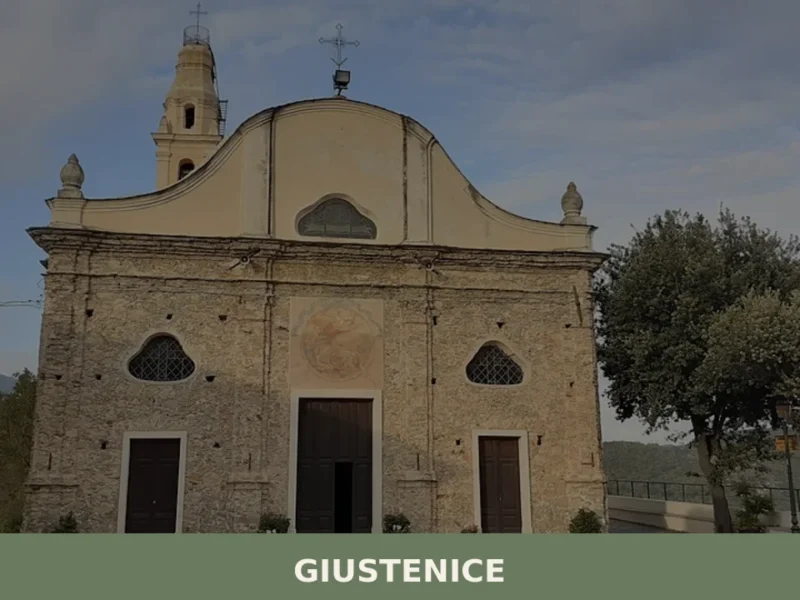
Giustenice
 Sea
Sea
The Scaincio stream cuts through the Maremola Valley floor, and the path that follows it northward from San Lorenzo climbs steadily toward a ridgeline where the elevation crosses 1,200 m (3,937 ft). Above, the bulk of Monte Carmo reaches 1,389 m (4,557 ft), its limestone flanks visible for much of the valley. In this article […]
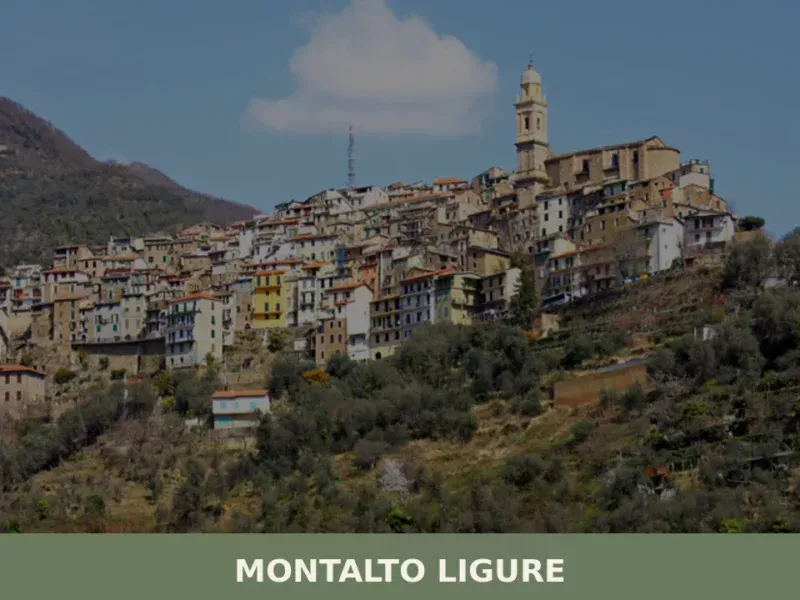
Montalto Ligure
Hills
What to see in Montalto Ligure, Italy: Explore its 13.9 km² former territory and administrative history. Discover its unification in 2018.
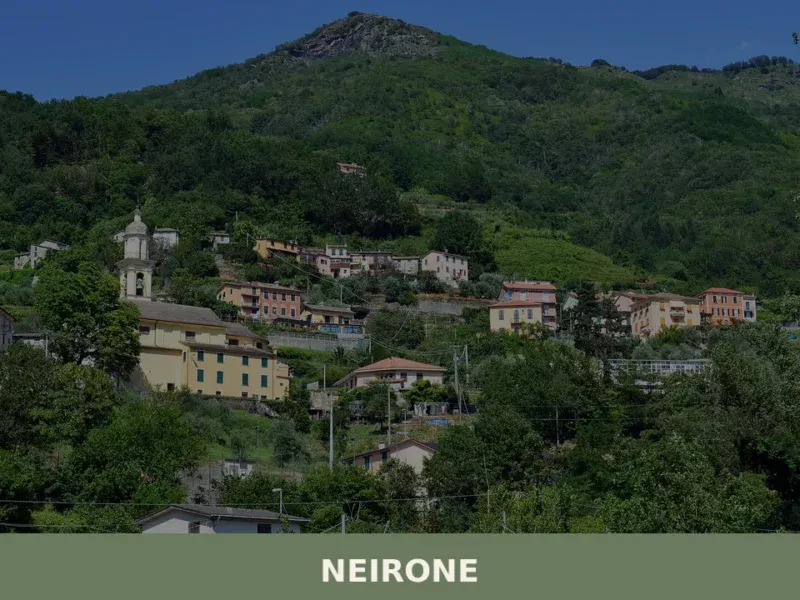
Neirone
 Mountain
what to see in neirone explores this Ligurian village of 954 inhabitants in Italy. Discover local landscapes and general Ligurian cuisine.
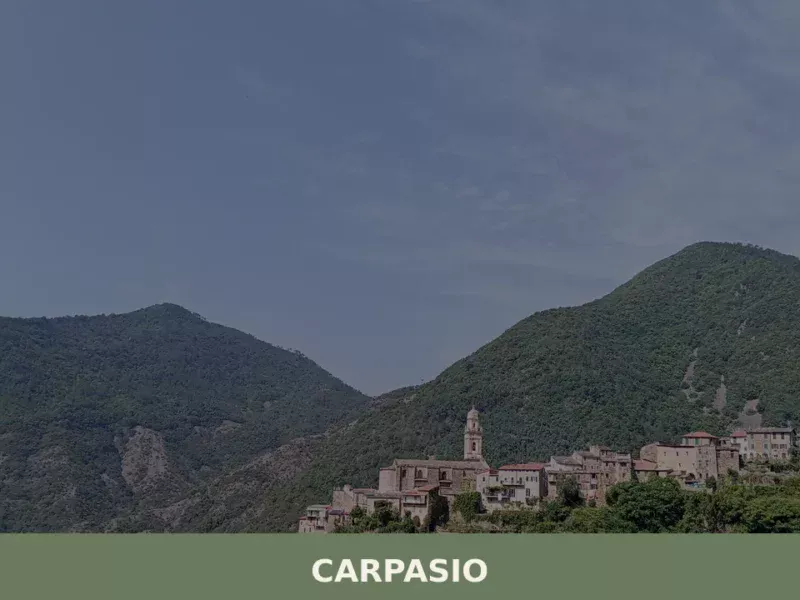
Carpasio
Mountain
A faint scent of wild thyme drifts on the crisp mountain air as the morning light, still soft and golden, spills over the terracotta rooftops of Carpasio. Here, at 720 meters above sea level, life unfolds at a rhythm dictated by the sun and the seasons, far removed from the coastal bustle of Imperia. This […]
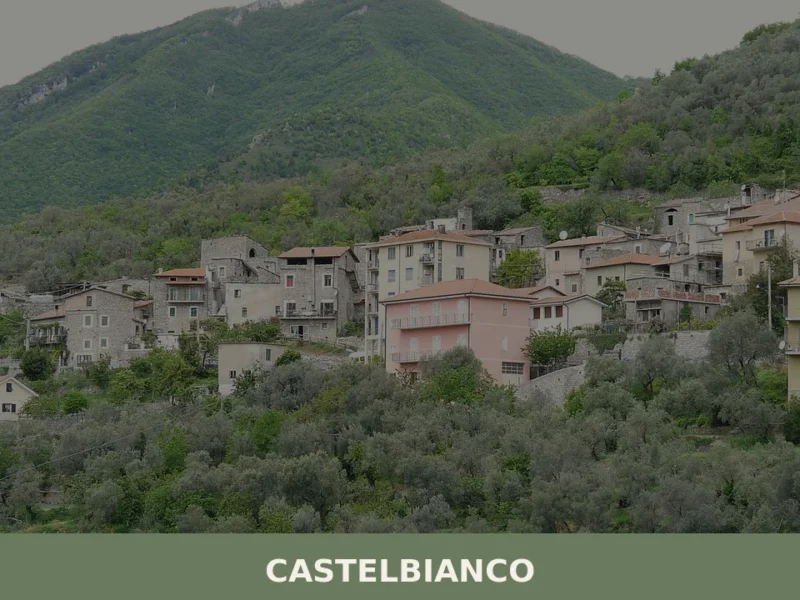
Castelbianco
Hills
What to see in Castelbianco, Italy: a village of 326 people, 80 km from Genoa. Discover top attractions, local food, and how to get there. Explore now.
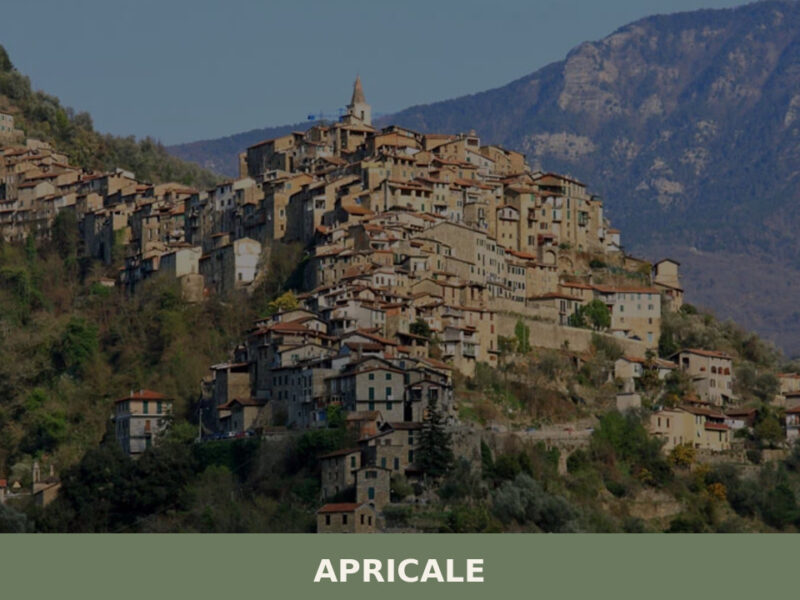
Apricale
Hills
A sun-facing medieval village of 626 inhabitants in Liguria's Val Nervia. Explore what to see in Apricale, from its castle to its open-air murals.
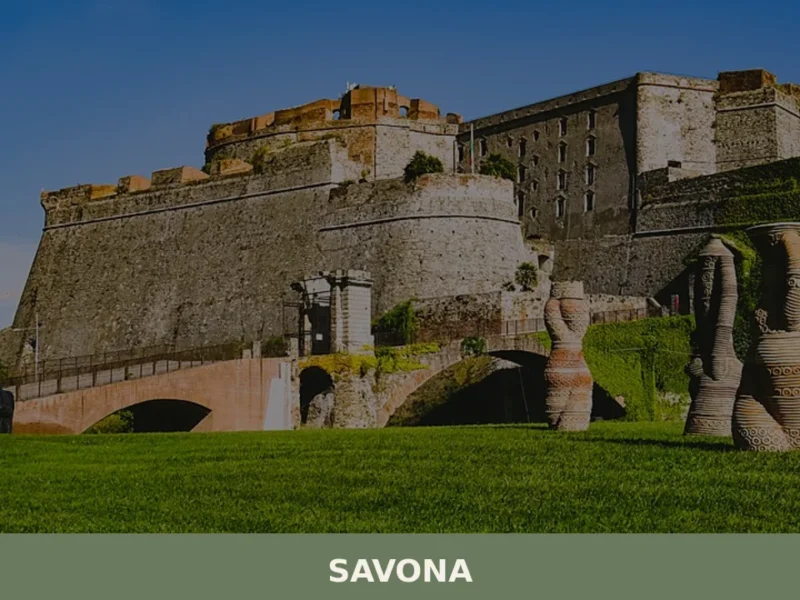
Savona
Sea
A port town of 58,500 souls on Liguria's western coast, Savona bridges medieval urban fabric with centuries of maritime trade and religious devotion.
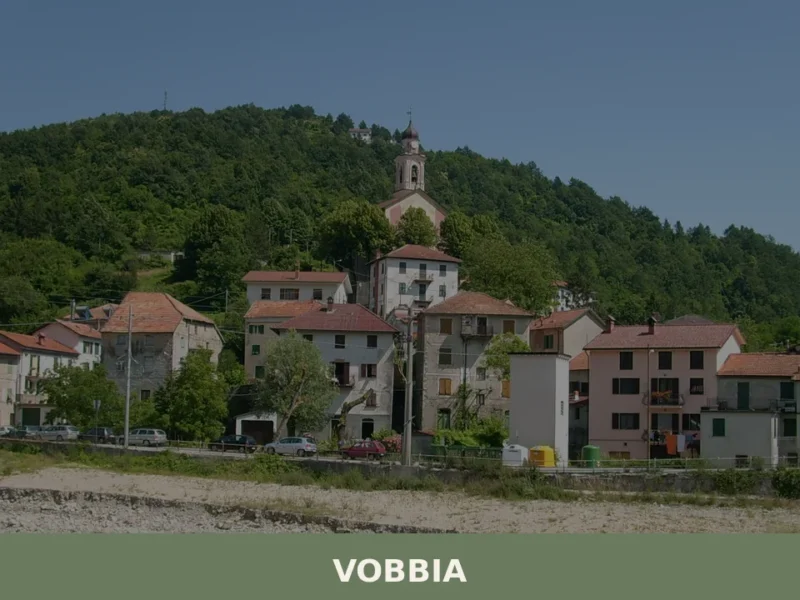
Vobbia
Mountain
What to see in Vobbia, Italy? Explore this Ligurian village of 453 inhabitants, a gateway to Antola Regional Natural Park and its scenic trails. Discover local architecture and panoramic views.
Bergeggi
Sea
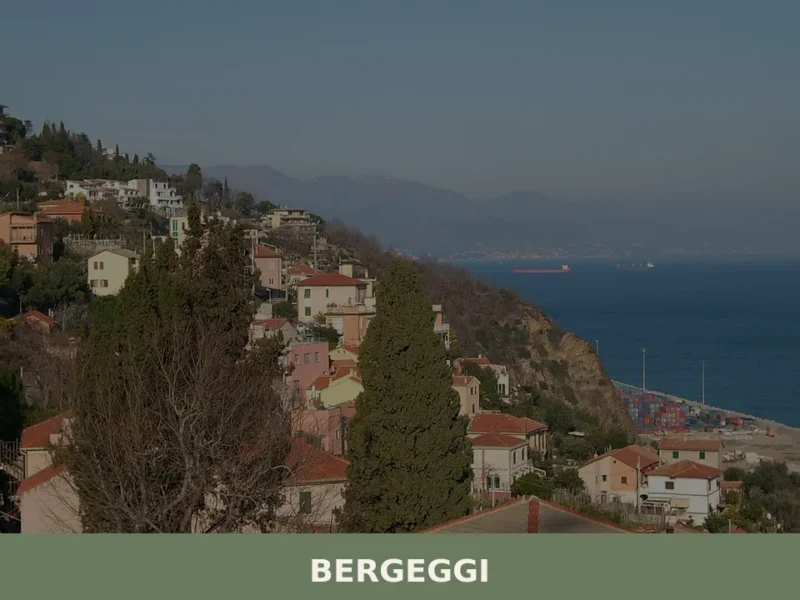
The limestone bluffs that drop into the Ligurian Sea west of Savona do not ease the traveller in gently. The coastline here is direct: rock, water, and the smell of salt on warm stone. Bergeggi sits at roughly 10 km (6.2 mi) from Savona, at a point where the Via Aurelia, the ancient Roman road […]
Olivetta San Michele
Mountain
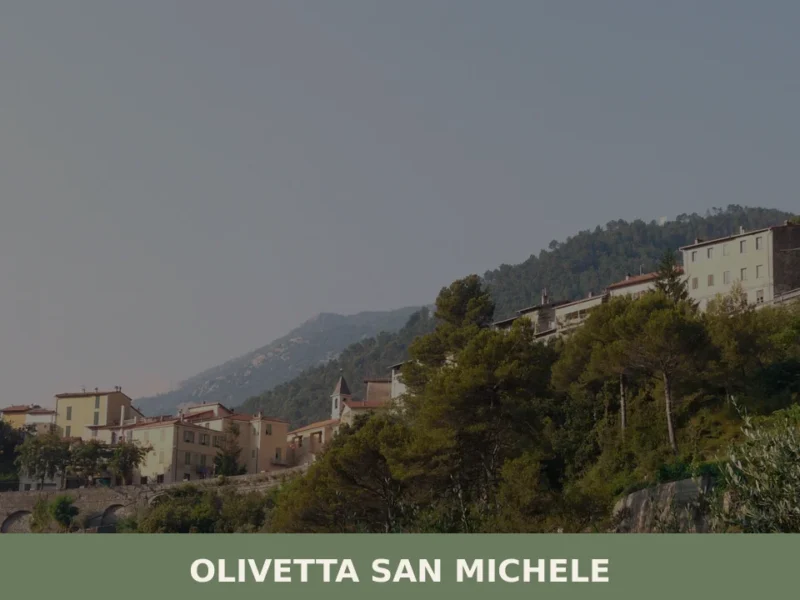
What to see in Olivetta San Michele? Discover 5 unique aspects of this Ligurian village, between history and nature. Read the full guide and plan your visit!
🧀 Italian traditional products

🏡 Know Vendone better than we do?
If you’re a local or have been there, your knowledge matters: add what’s missing or fix a detail on this page.