


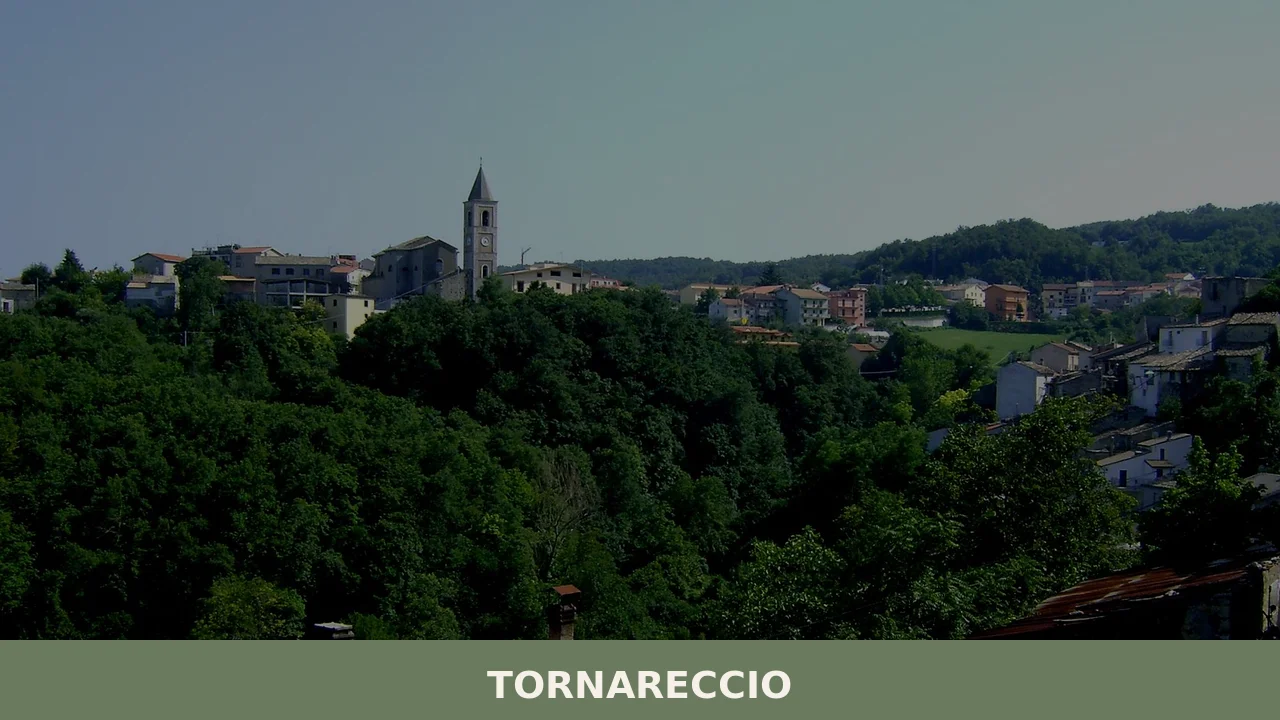
Tornareccio
 Hills
Hills
What to see in Tornareccio, Italy? Discover this Abruzzo village known for its apiaries and Palaeolithic history, home to 1,895 inhabitants. Explore its archaeological sites and honey production.
Discover Tornareccio
The area adjacent to Mount Pallano has been continuously inhabited for approximately 20,000 years, dating back to the Palaeolithic period. This extended human presence has shaped the landscape and culture of the region, leaving behind a deep historical imprint that is still being uncovered.
The first documented mention of Tornareccio itself appears in 829, establishing its historical roots within the larger framework of central Italian fiefdoms.
For those seeking what to see in Tornareccio, this Abruzzo village, home to 1,895 inhabitants, presents a blend of natural beauty and ancient history.
Visitors to Tornareccio find archaeological sites hinting at its distant past, alongside a thriving modern tradition of apiaries. The Tornareccio highlights include exploring the remnants of early human settlements and appreciating the local honey production, offering a unique perspective on regional heritage.
History of Tornareccio
The historical foundations of Tornareccio stretch back to a remarkably distant past, with evidence indicating human habitation around the area adjacent to Mount Pallano since the Palaeolithic era, approximately 20,000 years ago.
This makes the region one of the earliest known continuously settled areas in Italy, offering a profound insight into prehistoric life and early human adaptation. The geological features and natural resources of Mount Pallano likely provided both shelter and sustenance for these early communities, influencing their development over millennia.
The first written record explicitly mentioning Tornareccio dates to the year 829, marking a significant point in its medieval history.
At this time, the village came under the administrative and feudal control of the powerful Abbey of Farfa, an influential Benedictine monastery located in Lazio. This affiliation placed Tornareccio within a broader network of ecclesiastical power and land ownership, shaping its governance and social structures for centuries.
The influence of the Abbey would have dictated various aspects of daily life, from agricultural practices to legal matters, for the local population.
Beyond its ancient origins and medieval affiliations, Tornareccio has continued to evolve within the Abruzzo region. The village is notably recognized as the site for phase III of the Sangro Valley Project, an archaeological initiative that further underscores its importance in understanding regional history and settlement patterns. Today, as a comune in the province of Chieti, Tornareccio maintains its identity, balancing its historical legacy with contemporary life as a community of 1,895 inhabitants.
Understanding its past helps visitors appreciate what to see in Tornareccio today, revealing layers of human history.
What to see in Tornareccio, Abruzzo: top attractions
The Archaeological Sites of Mount Pallano
The slopes of Mount Pallano preserve evidence of human activity stretching back to the Palaeolithic period, approximately 20,000 years ago, making it a focal point for ancient history enthusiasts.
These sites, part of phase III of the Sangro Valley Project, reveal insights into early human settlements and their ways of life in the Abruzzo region. Visitors can explore areas where excavations have uncovered tools and remnants, offering a direct connection to prehistoric inhabitants. The ongoing research here continuously adds to the understanding of regional antiquity and the enduring human presence in the area.
The Apiaries of Tornareccio
Tornareccio is renowned for its numerous apiaries, which are central to the village’s identity and economy. These honey-producing operations contribute significantly to the local agricultural landscape, reflecting a tradition that has been refined over generations. The apiaries are often located amidst the diverse flora of the Abruzzo hills, allowing bees to forage from a variety of blossoms and produce distinct honey types.
While specific visitor centers are not detailed in sources, the presence of these apiaries highlights the village’s dedication to quality honey production, a practice integral to its local character.
The Historic Center of Tornareccio
The compact layout of Tornareccio’s historic center reflects centuries of development as a traditional Italian village, with buildings that likely showcase local stone and characteristic architectural styles.
Walking through the narrow streets, visitors can observe the evolution of a community that has adapted to its hillside terrain in the province of Chieti. The center provides a tangible link to the village’s past, from its earliest documented mention in 829 to its current population of 1,895 residents. Exploring these older sections allows for an appreciation of the enduring structure and communal life of the village, offering a clear picture of what to see in Tornareccio’s urban fabric.
The Fiefdom Legacy of the Abbey of Farfa
The historical influence of the Abbey of Farfa, which claimed Tornareccio as part of its fiefdom in 829, remains a significant aspect of the village’s heritage.
While no specific physical ruins of a Farfa-controlled structure are detailed within Tornareccio itself in the provided sources, the historical record indicates a period of strong monastic governance. This administrative connection shaped the village’s development during the early medieval period, impacting its land use and social organization for centuries.
Understanding this historical tie helps visitors grasp the broader regional power dynamics that once defined Abruzzo, revealing a crucial element of what to see in Tornareccio’s historical narrative.
Panoramas of the Sangro Valley
The village of Tornareccio offers wide views over the Sangro Valley, a significant geographical feature of the Abruzzo region, where archaeological projects like phase III of the Sangro Valley Project are conducted.
The valley’s landscape, shaped by the Sangro River, has historically been a corridor for human movement and settlement since the Palaeolithic era, approximately 20,000 years ago. From various vantage points in Tornareccio, visitors can appreciate the sprawling natural beauty and the strategic importance of this area. The elevation of Tornareccio, situated in the hills of Chieti province, provides an ideal perspective on the valley’s expanse and its historical significance.
Local food and typical products of Tornareccio
The gastronomic traditions of Tornareccio are deeply rooted in the broader culinary landscape of Abruzzo, a region celebrated for its robust and hearty flavors derived from both mountain and coastal influences. Historically, this area relied on ingredients sourced directly from its varied terrain, contributing to a cuisine that emphasizes simple, high-quality raw materials.
Centuries of agricultural practices and a close connection to the land have shaped the local cooking, with the climate and geography of the Chieti province playing a pivotal role in the availability of ingredients and the development of specific culinary preferences. This heritage guides visitors in understanding what to see in Tornareccio’s culinary offerings.
While specific named dishes from Tornareccio are not detailed in the provided sources, the village’s strong association with apiaries directly points to honey as a central product, influencing local culinary uses.
Abruzzese cuisine frequently incorporates local produce, including various artisanal cheeses, cured meats such as ventricina, and traditional pasta dishes, which are often enriched with wild herbs and local seasonings. Given Tornareccio’s reputation for apiaries, local preparations may feature Miele di Tornareccio as a natural sweetener in desserts like ferratelle (thin waffles), or as an accompaniment to aged cheeses and savory dishes, highlighting its versatility and natural sweetness.
The regional diet also typically includes substantial main courses such as lamb preparations, reflecting the area’s pastoral heritage, and the well-known maccheroni alla chitarra, a type of egg pasta cut with a special tool.
The most prominent and verifiable product associated with Tornareccio is its honey, directly stemming from the village’s identity as a renowned center for apiaries. The commitment to beekeeping is a defining characteristic of the local economy and culture, with many families involved in the production of Miele di Tornareccio.
While explicit official certification (like PDO or PGI status) for “Miele di Tornareccio” is not detailed in the provided sources, the village’s long-standing reputation for its apiary activities strongly indicates a significant and high-quality local honey production. This honey reflects the diverse floral sources of the Abruzzo hills, resulting in various types such as wildflower, acacia, or chestnut honey, each with distinct flavors and aromas.
Visitors interested in what to see in Tornareccio will often find this local product available, showcasing the village’s dedication to its traditional craft.
Festivals, events and traditions of Tornareccio
The available sources do not provide specific details regarding festivals, events, or distinct traditions observed in Tornareccio, such as patron saint celebrations or local food fairs. Information on how the village marks particular occasions or maintains unique customs is not documented within the provided materials. Therefore, specific dates or descriptions of such events cannot be presented here. Without specific documentation, visitors interested in what to see in Tornareccio’s festive calendar might inquire locally upon arrival to learn about any contemporary community gatherings.
Plan Your Visit: What to see in Tornareccio and How to Get There
Determining the best time to visit Abruzzo, and consequently Tornareccio, largely depends on desired activities.
The spring months, from April to June, offer mild temperatures and lush landscapes, ideal for exploring the natural surroundings and archaeological sites without the intense heat of summer. Autumn, particularly September and October, also provides pleasant weather and may coincide with local harvest periods. Summer, from July to August, can be warm, with average temperatures often reaching 30°C (86°F), but it is a popular time for Italian holidays and outdoor activities.
Winters are colder, with potential for snow, especially in higher elevations, suitable for winter sports in nearby mountain ranges.
For those wondering how to get to Tornareccio, the village is accessible primarily by road, offering a convenient route for day trips from nearest major cities in the region. If arriving by car from the north or south, the A14 motorway (Autostrada Adriatica) is the main artery. The recommended exit is Val di Sangro, from which Tornareccio is approximately 25 km (15.5 mi) inland. The nearest major airport is Abruzzo Airport (PSR) in Pescara, situated about 80 km (49.7 mi) north, with a driving time of approximately 1 hour and 15 minutes. This makes it a feasible destination for international travelers.
For train travelers, the closest railway stations are along the Adriatic line, such as Fossacesia-Torino di Sangro or Lanciano, requiring a subsequent bus or taxi transfer to reach Tornareccio.
A day trip from Rome, a major Italian hub, typically involves a drive of around 200 km (124 mi), taking approximately 2 hours and 45 minutes to 3 hours, depending on traffic conditions.
International visitors should note that in smaller villages like Tornareccio, English may be limited in shops and local establishments, and carrying some Euros cash can be a practical convenience for transactions. Exploring the surrounding region, including nearby villages such as Archi, which shares similar historical and geographical contexts in the Chieti province, can extend the experience of Abruzzo.
Beyond Tornareccio, the Abruzzo region offers many other fascinating destinations. Visitors might consider a trip to Castiglione a Casauria, known for its significant abbey, or explore Caporciano, which provides another perspective on the region’s historical architecture. Nearby Fraine, also in the province of Chieti, presents a further opportunity to experience the authentic character of Abruzzese villages and their unique local charm.
Frequently asked questions about Tornareccio
What is the best time to visit Tornareccio?
The best times to visit Tornareccio are spring (April-June) and autumn (September-October). Spring offers mild temperatures and lush landscapes, ideal for exploring archaeological sites and natural surroundings. Autumn provides pleasant weather, potentially coinciding with local harvest periods. Summer (July-August) is warmer, popular for general Italian holidays. While specific festival details are not provided, the village celebrates its patron saint, Santa Vittoria, on December 23rd, offering a unique winter experience. Winters are colder, with potential for snow in higher elevations.
What are the historical origins of Tornareccio?
Tornareccio boasts deep historical roots, with evidence of human habitation around Mount Pallano dating back approximately 20,000 years to the Palaeolithic era, making it one of Italy's earliest continuously settled areas. The village itself is first formally documented in 829, when it fell under the feudal control of the influential Abbey of Farfa. This medieval affiliation significantly shaped its early governance and social structures. Today, Tornareccio continues to be a site of archaeological importance, notably participating in Phase III of the Sangro Valley Project.
What to see in Tornareccio? Main monuments and landmarks
In Tornareccio, visitors can explore the significant Archaeological Sites of Mount Pallano, which reveal insights into Palaeolithic human settlements dating back 20,000 years. The charming Historic Center offers a glimpse into traditional Italian village life with its characteristic architecture and narrow streets. From various vantage points within the village, you can enjoy expansive Panoramas of the Sangro Valley, appreciating its natural beauty and historical significance. The local apiaries, central to the village's identity, also highlight a thriving tradition of honey production, integral to the local character.
What are the main natural or scenic attractions of Tornareccio?
Tornareccio, nestled at 630 meters altitude in the Abruzzo hills, offers stunning natural and scenic attractions. The most prominent are the Panoramas of the Sangro Valley, which can be admired from various elevated points within the village, providing breathtaking views of the sprawling landscape shaped by the Sangro River. The slopes of Mount Pallano, adjacent to the village, also present natural beauty alongside their archaeological significance, inviting exploration of the surrounding hilly terrain.
Where to take the best photos in Tornareccio?
For captivating photographs in Tornareccio, focus on the panoramic viewpoints that offer sweeping vistas of the Sangro Valley, showcasing the dramatic Abruzzese landscape from the village's elevated position. Additionally, the quaint and historic center provides excellent photographic opportunities. Its narrow, winding streets, traditional stone buildings, and charming corners capture the authentic atmosphere of an ancient Italian hillside village, reflecting centuries of development and local architectural styles.
Are there museums, churches or historic buildings to visit in Tornareccio?
While specific details on individual churches or museums are not provided, the Historic Center of Tornareccio itself serves as a significant historic area to explore. Its compact layout features traditional buildings made of local stone, reflecting centuries of development and offering a tangible link to the village's past. Walking through these older sections allows visitors to appreciate the enduring structure and communal life, providing a clear picture of Tornareccio's urban fabric and its architectural heritage.
What can you do in Tornareccio? Activities and experiences
In Tornareccio, visitors can immerse themselves in history by exploring the Archaeological Sites of Mount Pallano, which offer a unique connection to prehistoric life. A key local experience is appreciating the village's renowned apiaries and sampling the famous Miele di Tornareccio. You can also wander through the charming Historic Center, observing its traditional architecture, and enjoy breathtaking Panoramas of the Sangro Valley from various viewpoints. These activities offer a blend of cultural immersion, natural beauty, and gastronomic delight.
Who is Tornareccio suitable for? Families, couples, hikers, solo travelers?
Tornareccio is ideal for history enthusiasts, particularly those interested in ancient civilizations and archaeology, given its Palaeolithic roots. Nature lovers and hikers will appreciate the scenic beauty of Mount Pallano and the panoramic views of the Sangro Valley. It's also perfect for foodies seeking authentic local products, especially its renowned honey. The tranquil atmosphere makes it suitable for couples seeking a romantic escape, solo travelers desiring peace and cultural immersion, and families interested in educational historical sites and natural exploration.
What to eat in Tornareccio? Local products and specialties
The most prominent local specialty in Tornareccio is its exceptional honey, known as Miele di Tornareccio, produced by the village's numerous apiaries. This high-quality honey, reflecting the diverse flora of the Abruzzo hills, can be enjoyed on its own, with local cheeses, or as a natural sweetener in traditional desserts like ferratelle. Beyond honey, the local cuisine features typical Abruzzese flavors including artisanal cheeses, cured meats such as ventricina, hearty lamb preparations, and traditional pasta dishes like maccheroni alla chitarra, often flavored with wild herbs.
📷 Photo Gallery — Tornareccio
Nearby Villages near Tornareccio



In Abruzzo More villages to discover
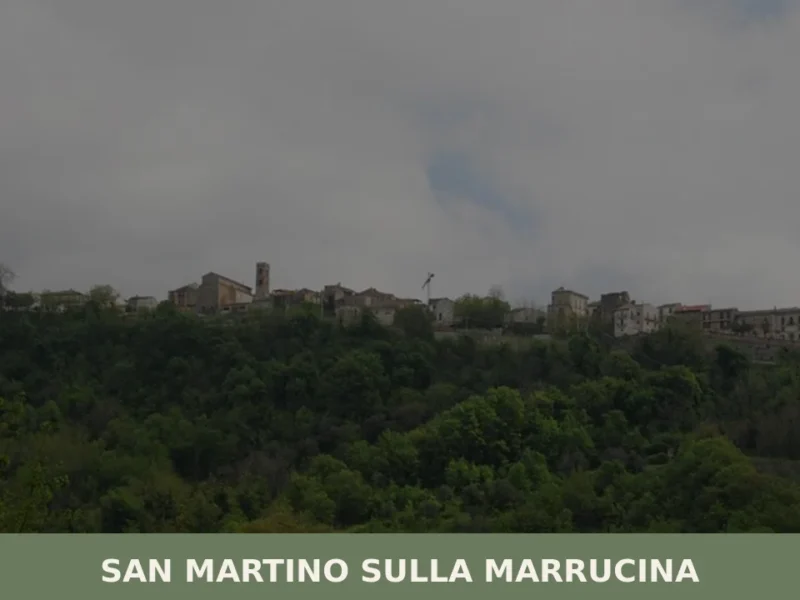
San Martino sulla Marrucina
Hills
With its 868 inhabitants, San Martino sulla Marrucina presents itself as a small municipality in the province of Chieti, in the heart of Abruzzo. The village is a reference point for those seeking the tranquility and authenticity of the region’s rural centers, away from the most beaten tourist paths. In this article History and Origins […]
Archi
Hills
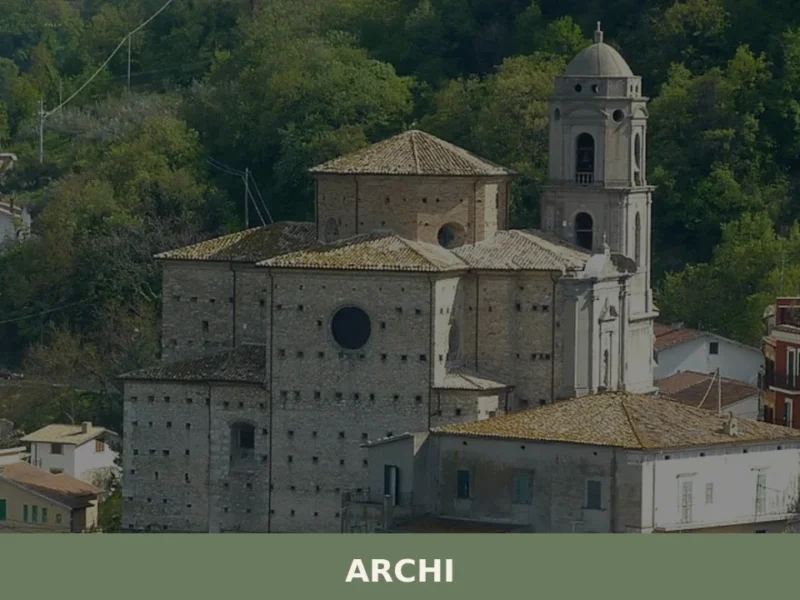
Archi sits at 492 metres above sea level in the province of Chieti, a settlement of just under 2,000 inhabitants occupying a ridge above the Sangro river valley in southern Abruzzo. The village’s position — commanding views across a landscape that drops sharply toward the river below — has defined its strategic importance since the […]
Monteferrante
 Mountain
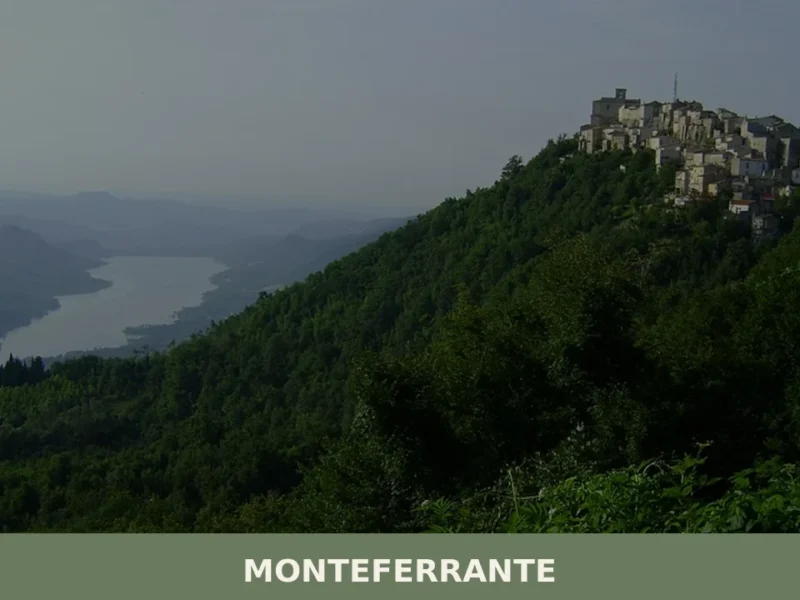
What to see in Monteferrante: discover the 5 main attractions of this mountain village, from the Church of St. John the Baptist to natural trails. Plan your trip!
Tossicia
Mountain
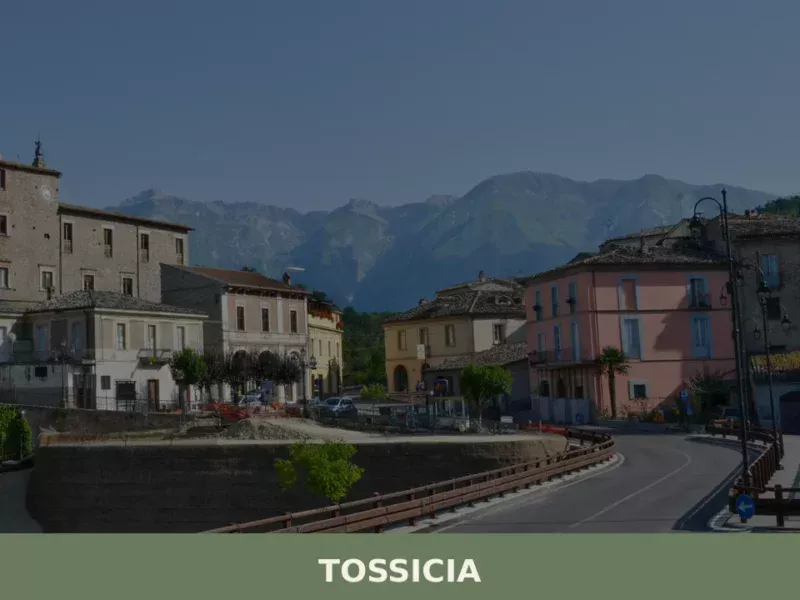
what to see in tossicia: Explore Italy's Abruzzo region. This village of 1,397 offers access to Gran Sasso e Monti della Laga National Park and mountain trails. Discover more.
Vittorito
Mountain
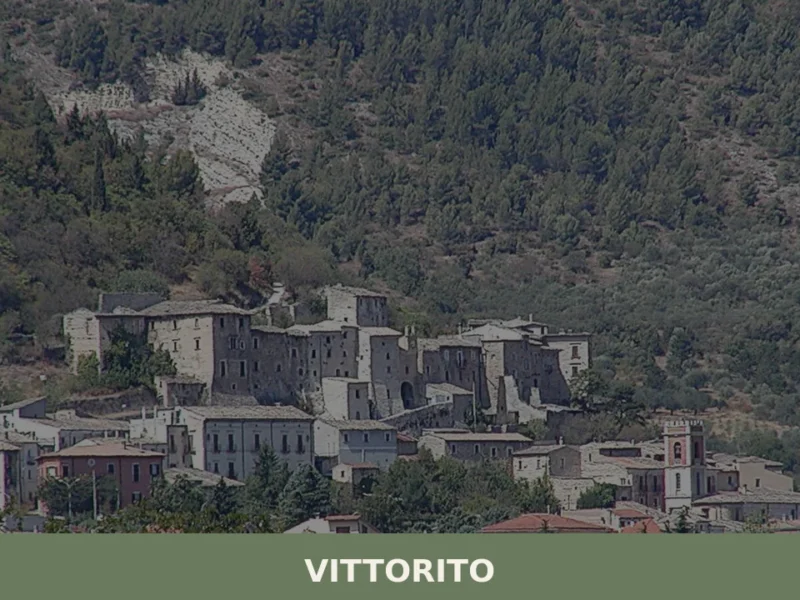
What to see in Vittorito: 5 attractions in this Abruzzo village, including the Church of San Pietro, the castle, and the historic centre. Discover the full guide.
Corvara
Mountain
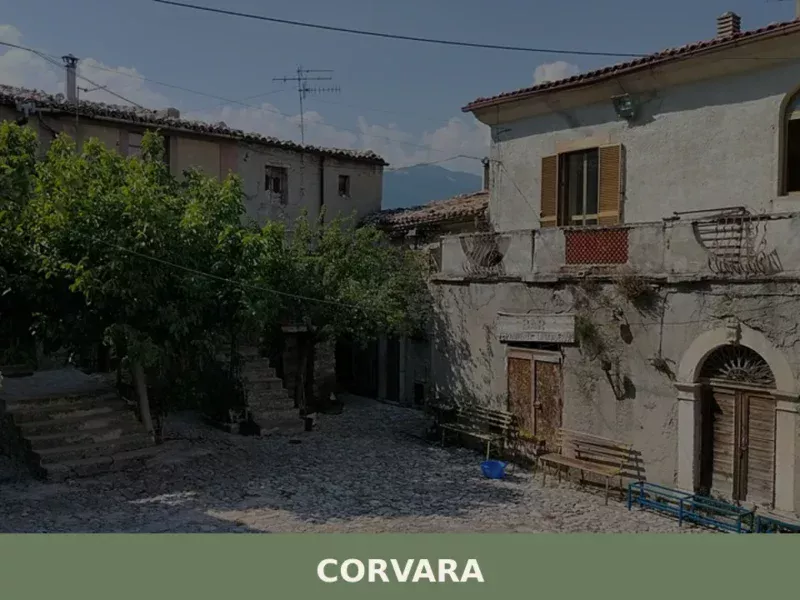
Corvara, a municipality of 210 inhabitants in the province of Pescara, is located 625 meters above sea level in the Pescara valley. Its territory, documented as early as the medieval period, shows traces of settlements dating back to the Neolithic, highlighting a continuous habitation linked to its strategic position. For those wondering what to see […]
Carpineto Sinello
Hills
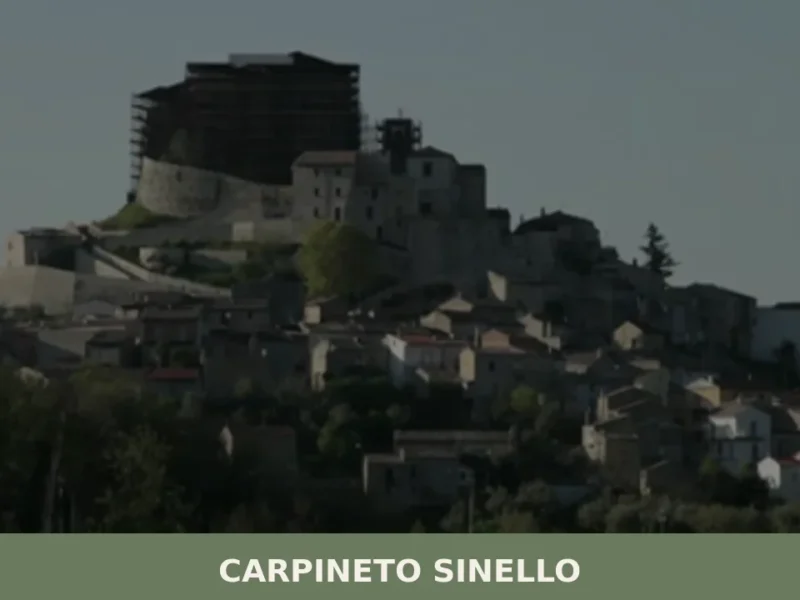
At 381 metres above sea level, on the ridge line separating the Sinello valley from the Appello stream valley, Carpineto Sinello has just 480 inhabitants today — less than a fifth of the nearly two thousand recorded in early twentieth-century censuses. The demographic data tells the story of a hilltop centre in the Chieti area […]
Castilenti
Hills
At 272 metres above sea level, along the valley of the Fino torrent, Castilenti has a current population of 1,346 and occupies a stretch of hilly terrain in the province of Teramo where olive cultivation marks the landscape with orderly rows of trees and still-active oil mills. Anyone wondering what to see in Castilenti will […]
Castel di Sangro
Mountain
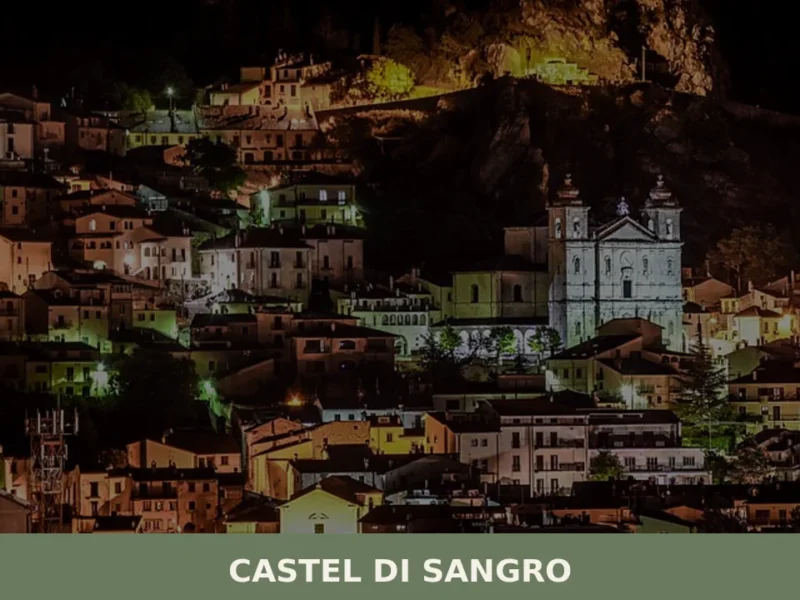
At 793 metres altitude in the Abruzzo uplands, Castel di Sangro anchors the Alto Sangro valley as both a historic settlement and active mountain tourism base.
Vasto
 Sea
Sea
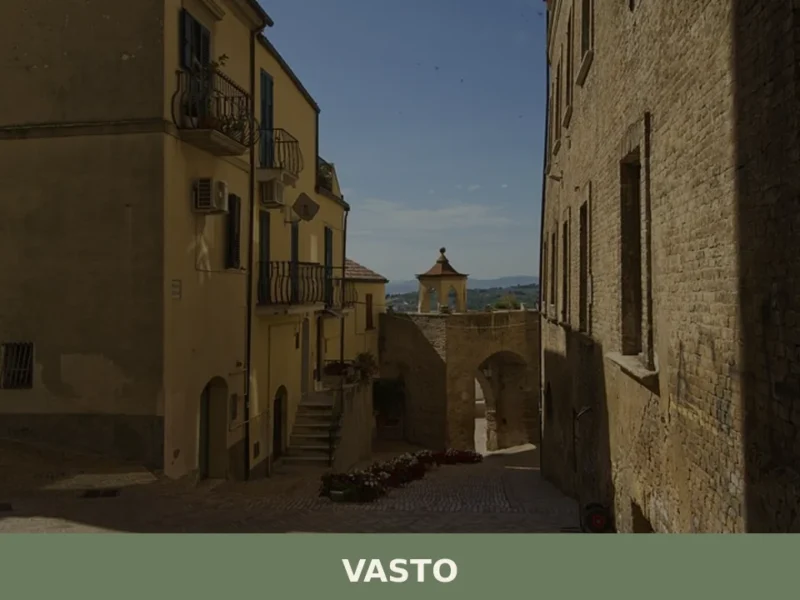
With 40,692 inhabitants, Vasto stands on the Abruzzo Adriatic coast, a town that from its promontory at 144 meters above sea level observes a stretch of sea that was a crossroads of cultures and trades. For those wondering what to see in vasto, the answer unfolds among Roman vestiges, Renaissance architecture, and views of the […]




🏡 Know Tornareccio better than we do?
If you’re a local or have been there, your knowledge matters: add what’s missing or fix a detail on this page.