


Serramonacesca
 Hills
Hills
What to see in Serramonacesca, Abruzzo, Italy: discover 6 top attractions including the Abbey of San Liberatore, rock-cut tombs, and a medieval tower. Population 560.
Discover Serramonacesca
The stone of the Maiella massif does not give easily. Along the flanks of this Apennine range in the province of Pescara, the rock was cut, carved, and built upon over many centuries — first by monks seeking isolation, then by communities that shaped towers, hermitages, and burial chambers directly into the pale limestone face.
At 560 inhabitants, the comune sits at the edge of a landscape where the mountain’s presence is structural: it defines the roads, the microclimate, and the architectural choices that were made here long before any road planner arrived.
Knowing what to see in Serramonacesca means engaging with six distinct historical sites concentrated in a small area of Abruzzo, Italy.
Visitors to Serramonacesca find a Benedictine abbey, a hermitage dedicated to Saint Onofrio, a medieval defensive tower, a fortified castle, and two separate rock-cut complexes — all within reach of a single day. The village belongs to the province of Pescara, and its sights are anchored to the Maiella territory that shaped the religious and military history of this part of central Italy.
History of Serramonacesca
The name Serramonacesca carries two legible components: serra, an Italian topographic term referring to a long ridge or elevated spur of land, and monacesca, derived from the Latin monachus, meaning monk.
The combination points directly to the monastic settlement that gave the village its identity. The presence of Benedictine monks in this zone of the Maiella predates the formal organisation of the village as a civil community, and the Abbey of San Liberatore a Maiella stands as the oldest documented structure connecting the settlement to its monastic origins.
The Benedictine abbey at the centre of local history was established during the early medieval period, when Montecassino — the mother house of the Benedictine order — extended its influence across the Apennine territories of southern Italy.
The monks who came to this ridge found a landscape suited to contemplative isolation: the Maiella massif provided natural barriers, fresh water, and building stone. Over time, the abbey became a point of territorial and spiritual reference for the surrounding area, drawing both religious communities and lay populations into its orbit.
The rock-cut tombs documented near the abbey complex are physical evidence of this long period of continuous occupation.
The military dimension of Serramonacesca’s history is readable in the Polegra Tower and in Castel Menardo, both of which reflect the defensive logic of Apennine settlement during the medieval centuries. Control of the ridge meant control of movement through the valley below, and the fortifications here were built to assert exactly that kind of territorial authority.
The transition from purely monastic to mixed civil and military settlement followed patterns common across the province of Pescara, where ecclesiastical landholding and feudal structures coexisted and competed through the Norman, Swabian, and Angevin periods. Today the village retains a population of 560, a figure that reflects the broader demographic pattern of small Apennine comuni across Abruzzo — communities that have contracted over the twentieth century without losing their built heritage.
What to see in Serramonacesca, Abruzzo: top attractions
Abbey of San Liberatore a Maiella
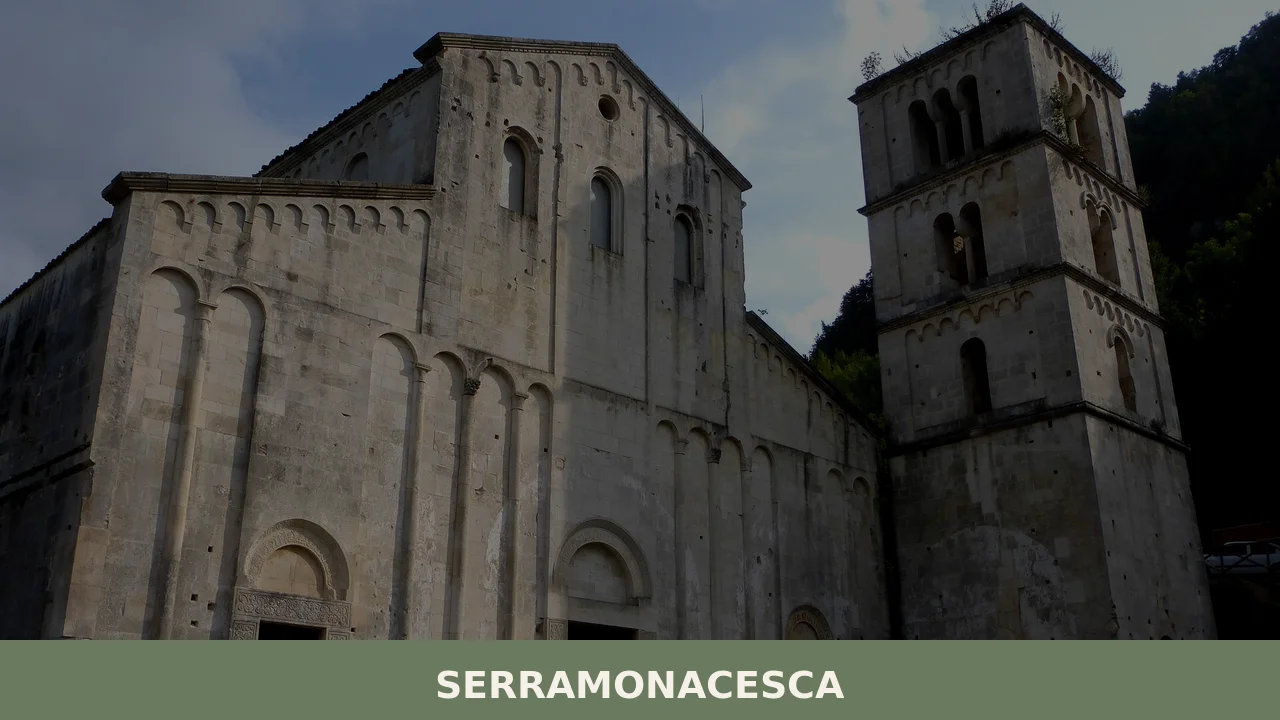
The Abbey of San Liberatore a Maiella is built from the pale limestone that characterises Maiella construction, with walls that absorb and hold the mountain light in a particular way at different hours of the day.
Its origins connect directly to the Benedictine expansion from Montecassino into the central Apennines during the early medieval period, making it one of the oldest documented religious structures in the province of Pescara. Standing inside the complex, a visitor reads the logic of monastic architecture: the organisation of space around enclosure, self-sufficiency, and permanence.
The abbey is the primary reason most visitors travel to Serramonacesca and repays close examination of its stonework and proportions.
Hermitage of Saint Onofrio
The Hermitage of Saint Onofrio occupies a position on the Maiella slope where the terrain itself becomes part of the structure — the rock face serves as both wall and ceiling in sections of the complex.
Saint Onofrio was an early Christian hermit whose cult spread widely across the Apennines, and hermitages dedicated to him typically chose sites of extreme natural seclusion, often at significant elevation. This example at Serramonacesca follows that pattern: the approach requires physical effort, and the site rewards visitors with a direct sense of how deliberate the choice of location was. The relationship between the carved stone and the constructed elements is worth examining carefully on site.
The Polegra Tower
The Polegra Tower rises above the ridge line and once served as a surveillance and signalling point for the territory below. Medieval defensive towers of this type in the Apennine zone of Abruzzo were typically built between the eleventh and thirteenth centuries, when control of mountain passes and valley routes carried direct economic and military consequences. The tower’s positioning is deliberate: from its base, the sightlines cover a substantial portion of the surrounding landscape, making clear why this specific point on the ridge was chosen for fortification.
It is worth climbing up to the tower’s perimeter to understand the strategic geometry of the site in relation to the valley floor.
Castel Menardo
Castel Menardo represents the feudal-military layer of Serramonacesca’s built history, distinct in character from the religious architecture of the abbey and hermitage.
Castle structures of this category across the province of Pescara were frequently reused, modified, and contested across multiple centuries of changing political authority — Norman, Swabian, Angevin, and later Aragonese overlords each left traces on the fortified sites of this Apennine corridor. The fabric of Castel Menardo reflects that accumulation of interventions. Visitors examining the masonry find evidence of different construction phases, a legible record of who held the site and when they felt the need to reinforce it.
Rock-cut tombs of San Liberatore
Cut directly into the limestone near the abbey complex, the rock-cut tombs of San Liberatore are among the most direct pieces of physical evidence for the long continuity of occupation at this site. Rock-cut burial was practised across the central and southern Apennines from late antiquity through the early medieval period, and the tombs here are consistent with that documented tradition. Each tomb was shaped by hand tools working against the natural grain of the stone, a labour-intensive process that indicates a community with both the resources and the motivation to invest in permanent burial infrastructure.
The scale and grouping of the tombs suggest organised community burial rather than individual or isolated interment.
Rock-cut complex of San Liberatore
Separate from the tombs, the broader rock-cut complex of San Liberatore extends the archaeological reading of the site considerably.
Complexes of this kind — combining carved chambers, channels, and partially constructed elements — are documented across the Maiella and the wider Apennine zone, where soft limestone allowed communities to cut directly into the hillside for shelter, storage, and religious use. The San Liberatore complex at Serramonacesca represents a substantial investment of labour over what was likely a long period of use. For visitors with an interest in pre-Romanesque and early medieval material culture in Abruzzo, this site provides tangible contact with a type of human presence that is rarely visible at ground level in more heavily developed towns.
Local food and typical products of Serramonacesca
The food culture of the province of Pescara draws on two distinct territorial traditions: the Adriatic coast, with its fish-based cuisine, and the Apennine interior, where agriculture and livestock farming shaped the diet over many centuries.
Serramonacesca belongs firmly to the interior tradition. At this elevation and distance from the coast, the larder has historically been defined by what the mountain produces: sheep, pigs, grain, pulses, foraged herbs, and locally pressed olive oil. The cuisine of this part of Abruzzo is not decorative — it is the direct result of altitude, seasonality, and the practical need to preserve food through long winters.
Among the dishes typical of the Maiella interior, arrosticini — small skewers of mutton or castrated sheep, grilled over a long narrow charcoal brazier called a canala — are the most widely recognised outside Abruzzo.
The technique requires the meat to be cut in cubes of approximately 1 cm, threaded tightly, and cooked quickly over high direct heat without added fat.
Pasta alla chitarra, a square-section egg pasta cut by pressing a sheet of dough through a frame strung with steel wires, is the standard first course across the province, typically served with a lamb ragù slow-cooked with tomato, rosemary, and chilli. Pallotte cace e ove — balls of aged pecorino and egg, fried and finished in tomato sauce — represent the resourceful use of dairy in an economy where meat was rationed by season and occasion.
Sheep farming in this part of the Maiella has historically produced local pecorino cheeses aged in natural cellars, though no specific certified designation (DOP or IGP) has been recorded for products exclusive to Serramonacesca in the available sources. The broader Abruzzo pecorino tradition, however, is well documented across the province of Pescara, and visitors to the village and its surroundings will find locally produced cheeses at farm outlets and small producers in the area.
Olive oil from the Maiella foothills is another product with a long local presence, produced from olive groves that extend up the lower slopes before the tree line.
For those interested in sourcing local products directly, the best opportunity in Abruzzo’s mountain villages is typically the autumn season, when harvest festivals and local markets concentrate the year’s production in one place.
The weeks between late September and early November bring the olive harvest and the first cold-weather slaughter cycle, both of which generate fresh products that are otherwise available only preserved. Visiting in this window also means encountering the village at its most active, when the agricultural calendar gives the community a practical rhythm that has not changed substantially over generations.
Festivals, events and traditions of Serramonacesca
The sources available for Serramonacesca do not document specific patron saint festivals with confirmed dates, named food fairs, or formally recorded annual events in sufficient detail to describe their precise structure. What the historical and geographical context of the village does confirm is that the Abbey of San Liberatore a Maiella functions as a focal point for religious observance in the area, and that the Benedictine calendar has historically shaped the liturgical year of communities associated with the abbey.
Visitors interested in religious events connected to the abbey complex should consult the municipal website or local parish directly for current-year programming, as schedules are subject to change.
The broader Abruzzo region has a well-documented tradition of sagre — local food and agricultural festivals tied to a specific product or harvest — concentrated in the summer and autumn months.
While no specific sagra exclusive to Serramonacesca is recorded in the available sources, the village’s position within the Maiella territory means it sits within easy reach of several such events organised by neighbouring comuni across the province of Pescara. The rock-cut sites and the abbey also attract organised visits from archaeological and heritage groups, particularly in spring and early autumn when conditions on the Maiella are most accessible.
When to visit Serramonacesca, Italy and how to get there
The best period to visit Serramonacesca and the surrounding Maiella territory runs from late April through June and again from mid-September through October. Spring brings the hillside vegetation into full growth, which makes the approach to the hermitage and the open-air rock-cut complexes particularly clear and accessible.
Autumn offers lower temperatures than the coastal areas of Abruzzo, good visibility across the massif, and the agricultural activity that animates small Apennine villages in this season.
Summer in the mountain interior can be hot by midday but is considerably cooler than the Adriatic coast, making it a reasonable period for those who find coastal Abruzzo in July and August too crowded. Winter closes some of the higher access routes and is not the recommended season for visiting the outdoor sites.
Serramonacesca is located in the province of Pescara, approximately 30 km (18.6 mi) southeast of the city of Pescara. If you arrive by car, the most practical approach is via the A25 motorway (Autostrada dei Parchi), exiting at Scafa and then following the provincial roads toward the Maiella foothills. The drive from Pescara takes approximately 40 minutes depending on conditions.
Pescara Central railway station (Trenitalia serves Pescara with connections from Rome, which lies approximately 200 km (124 mi) to the southwest, a journey of roughly 2 hours by fast train to Pescara) is the nearest major rail hub, from which a car rental or taxi is necessary to reach Serramonacesca, as public transport connections to the village are limited.
The nearest airport is Pescara International Airport (Aeroporto d’Abruzzo), approximately 28 km (17.4 mi) from the village. From Rome, Serramonacesca is accessible as a day trip by car — the total drive from the capital takes approximately 2 hours 15 minutes via the A24 and A25 motorways.
International visitors should be aware that English is not widely spoken in smaller shops and farm outlets in this area, and carrying cash in Euros is practical, as card payment terminals are not universal in rural Abruzzo comuni.
Visitors who plan to combine Serramonacesca with other sites in the Maiella area will find that the village of Pennadomo, situated further south in the Abruzzo interior, shares a comparable medieval character and offers additional rock-cut heritage that complements what can be seen at the San Liberatore complex.
For those approaching from the Pescara direction, the route also passes within reasonable distance of Montefino, a hilltop village in the Pescara province that adds a different topographic and architectural note to an Abruzzo itinerary based in the interior.
Travellers extending their time in the region might also consider Gioia dei Marsi, a village in the Marsica subregion of Abruzzo that shares the broader historical context of Apennine settlement and provides access to the Fucino basin area, a contrasting landscape within the same region.
Frequently asked questions about Serramonacesca
What is the best time to visit Serramonacesca?
Late spring and early autumn offer the most comfortable conditions for visiting Serramonacesca. May and June bring mild temperatures ideal for exploring the abbey, hermitage, and rock-cut sites on foot. The feast of the patron saint Antonio di Padova falls on 13 June, when the village observes its main religious celebration — a good moment to experience local tradition alongside the monuments. September and October are equally pleasant, with cooler air and fewer visitors. Summer midday heat at 280 m elevation is manageable but worth planning around when visiting exposed sites like the Polegra Tower.
What are the historical origins of Serramonacesca?
The village name combines serra — a topographic term for a long ridge — and monacesca, derived from the Latin monachus, meaning monk. Its origins are tied to the Benedictine expansion from Montecassino into the central Apennines during the early medieval period. The Abbey of San Liberatore a Maiella is the oldest documented structure on the site. Over subsequent centuries, feudal military structures such as Castel Menardo and the Polegra Tower were added, reflecting the Norman, Swabian, and Angevin political transitions that shaped this part of the province of Pescara.
What to see in Serramonacesca? Main monuments and landmarks
Six historical sites are concentrated within a small area: the Abbey of San Liberatore a Maiella (a Benedictine foundation linked to Montecassino), the Hermitage of Saint Onofrio (carved into the Maiella rock face), the Polegra Tower (a medieval surveillance tower on the ridge), Castel Menardo (a feudal castle with visible multi-period masonry), the rock-cut tombs of San Liberatore (hand-cut limestone burials from late antiquity through the early medieval period), and the broader rock-cut complex of San Liberatore. All six can be covered in a single full day.
What are the main natural or scenic attractions of Serramonacesca?
Serramonacesca sits at the edge of the Maiella massif, one of the most significant natural areas in central Italy and part of the Majella National Park. The surrounding landscape of pale limestone slopes, Apennine ridges, and forested hillsides forms the direct backdrop to the village's historical sites. The approach to the Hermitage of Saint Onofrio involves a walk into the natural terrain of the Maiella flank, combining heritage visit with direct contact with the mountain environment that shaped the area's monastic and civil history.
Where to take the best photos in Serramonacesca?
The Abbey of San Liberatore a Maiella offers the most photogenic stonework in the village, with its pale Maiella limestone walls changing tone depending on the time of day — early morning and late afternoon light are particularly effective. The Polegra Tower, positioned on the ridge, provides elevated views over the surrounding valley and is worth photographing both as a subject and from its base looking outward. The rock face sections of the Hermitage of Saint Onofrio, where carved stone meets constructed architecture, offer a distinctive visual document of the site's character.
Are there museums, churches or historic buildings to visit in Serramonacesca?
The Abbey of San Liberatore a Maiella is the primary historic building in the area, a Benedictine foundation with documented origins in the early medieval period and architectural fabric that repays close examination. Castel Menardo functions as a layered record of feudal construction across multiple centuries of political change. The Hermitage of Saint Onofrio is a rock-cut religious complex carved into the Maiella hillside. Specific opening hours and admission fees for these sites are not centrally listed; local enquiry through the municipality or pro loco of Serramonacesca is recommended before visiting.
What can you do in Serramonacesca? Activities and experiences
The village is suited to heritage-focused walking between its six historical sites, all reachable on foot or with short drives. The approach to the Hermitage of Saint Onofrio involves a uphill walk through Maiella terrain. The proximity to the Majella National Park opens further hiking options in the surrounding mountain area. Food and wine experiences centre on the interior Abruzzo tradition: arrosticini, pasta alla chitarra with lamb ragù, and locally produced pecorino are the reference points for any food-focused visit to this part of the province of Pescara.
Who is Serramonacesca suitable for?
Serramonacesca is best suited to travellers with a specific interest in medieval religious architecture, early Christian archaeology, and Apennine heritage. The concentration of six distinct historical sites in a small area makes it particularly rewarding for history-focused visitors and those exploring the broader Maiella territory. Hikers and nature travellers will find the Majella National Park context relevant. Families with older children curious about rock-cut tombs and hermitage architecture will find the sites engaging. It is not a beach or nightlife destination — its appeal is quiet, layered, and tied to the physical character of the mountain landscape.
What to eat in Serramonacesca? Local products and specialties
Serramonacesca belongs to the Apennine interior food tradition of the province of Pescara. Arrosticini — small mutton skewers grilled over a narrow charcoal brazier — are the most recognisable local preparation. Pasta alla chitarra, a square-section egg pasta cut on a wire-strung frame, is the standard first course, typically served with slow-cooked lamb ragù. Pallotte cace e ove — fried balls of aged pecorino and egg finished in tomato sauce — reflect the dairy-centred resourcefulness of mountain cooking. Locally produced pecorino, aged in natural cellars, is consistent with the documented sheep-farming tradition of the Maiella interior.
📷 Photo Gallery — Serramonacesca
Getting there
Via Guglielmo Marconi, 65025 Serramonacesca (PE)
Nearby Villages near Serramonacesca
In Abruzzo More villages to discover
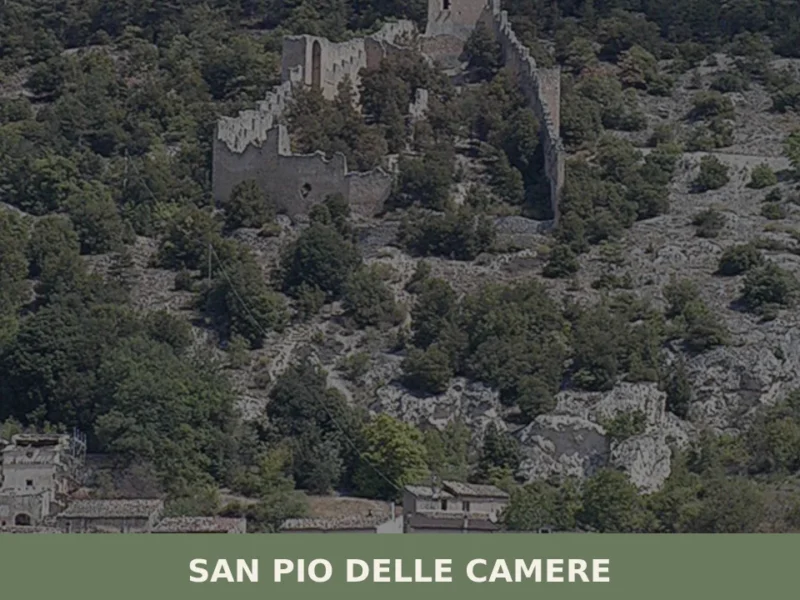
San Pio delle Camere
 Mountain
What to see in San Pio delle Camere, Abruzzo, Italy: explore 5 top attractions including a medieval castle and Peltuinum ruins. Discover this L'Aquila village.
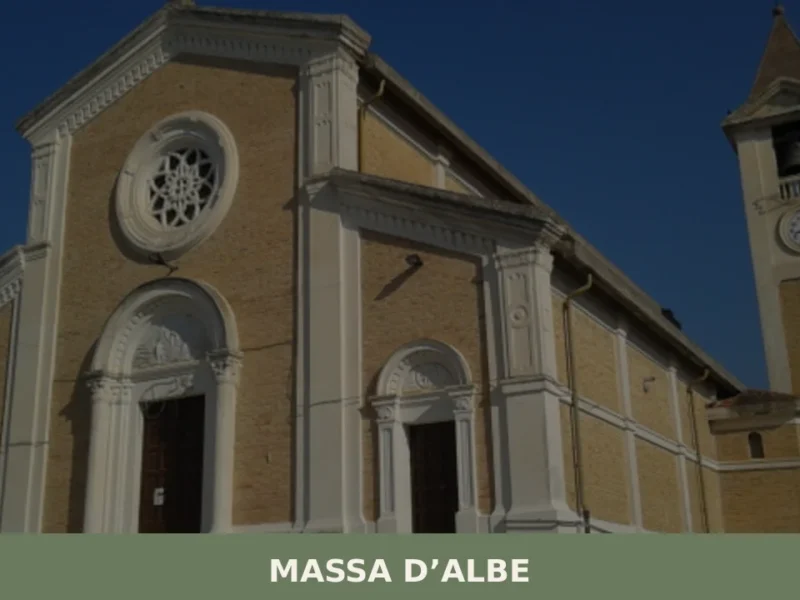
Massa d’Albe
Mountain
What to see in Massa d'Albe: 5 attractions including Roman ruins, medieval churches and views over Fucino. Complete guide to visiting this Abruzzo village.
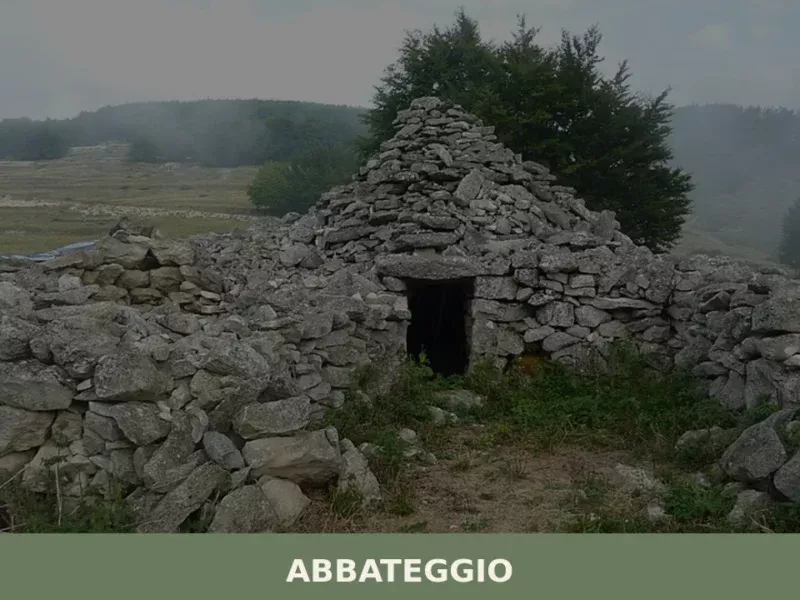
Abbateggio
Hills
With just 359 registered inhabitants, Abbateggio is one of the least populated municipalities in the province of Pescara, situated at 450 metres above sea level on the eastern slope of the Majella. Asking what to see in Abbateggio means preparing for an itinerary that covers sacred architecture built in Majella stone, farro and olive oil […]
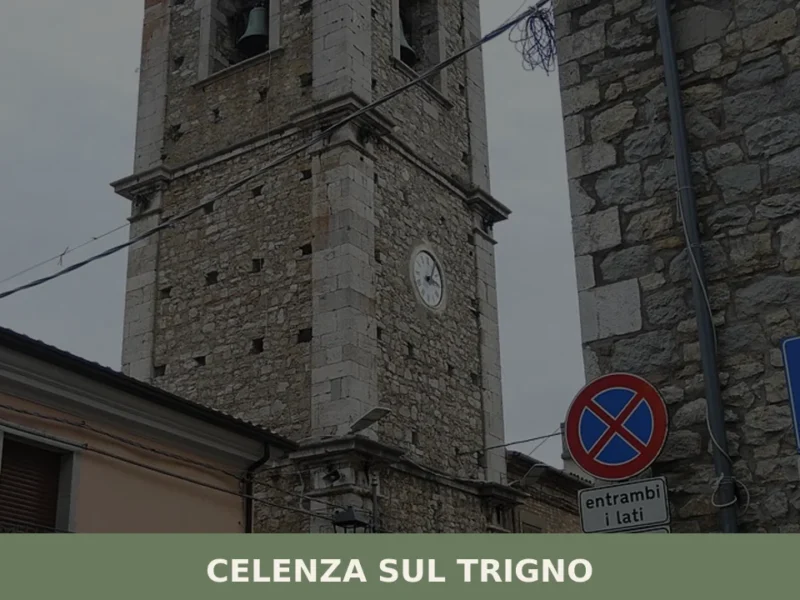
Celenza sul Trigno
Mountain
At 646 metres above sea level, with 781 registered residents, Celenza sul Trigno occupies a ridge separating the Trigno river valley from the Treste stream, in the province of Chieti. The village appears in medieval documents as a Norman possession, and its urban layout preserves the concentric plan typical of 12th-century fortified settlements. Anyone wondering […]
Civitella Casanova
Hills
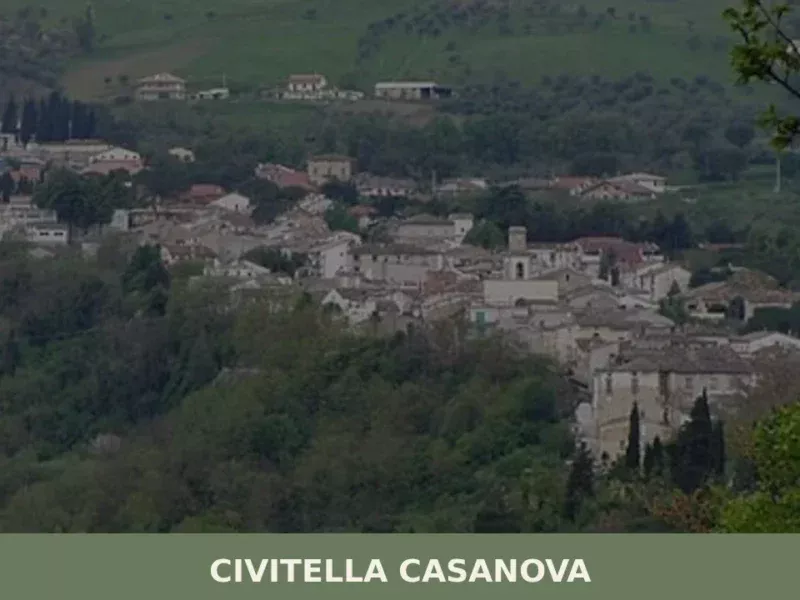
At 400 meters above sea level, in the hilly heart of the province of Pescara, lies Civitella Casanova. This village, whose historical presence is attested since Roman times, offers a territorial context where geology and human activity have shaped a distinctive landscape. For those wondering about what to see in civitella casanova, the journey through […]
Villetta Barrea
 Lake
Mountain
Lake
Mountain
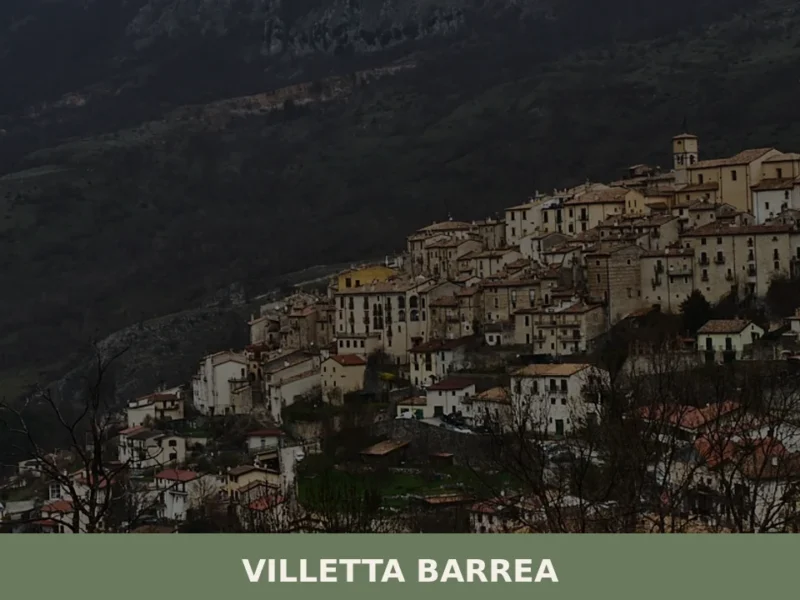
What to see in Villetta Barrea, Italy: Explore its 990 m altitude, the National Park of Abruzzo, Lazio and Molise, and the historic Church of San Vincenzo Ferreri. Discover this mountain village.
Magliano de’ Marsi
Mountain
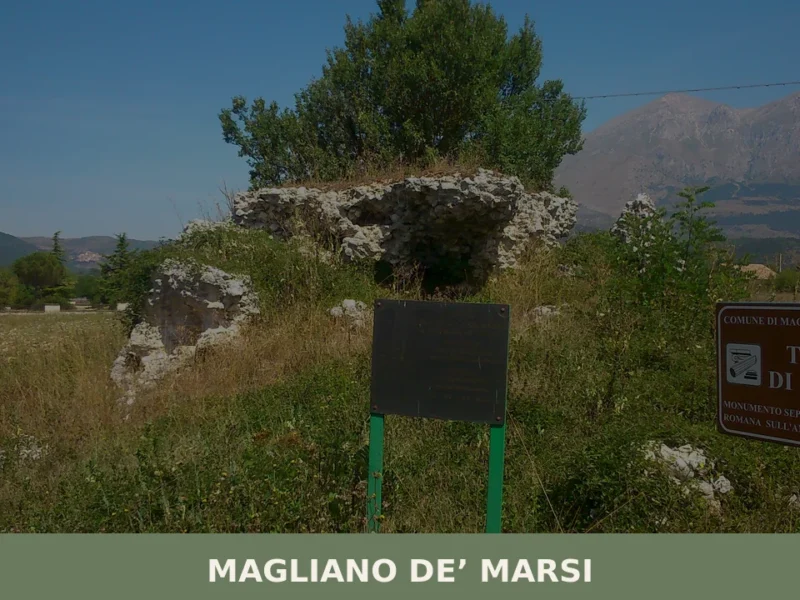
Magliano de’ Marsi has 3,739 inhabitants and extends along the western slope of the Fucino Plain, in the province of L’Aquila, at an altitude of approximately 720 metres. The town lies along the route that once connected Rome to the Adriatic coast through the Marsica basin, and its urban layout still bears the marks of […]
Montereale
Mountain
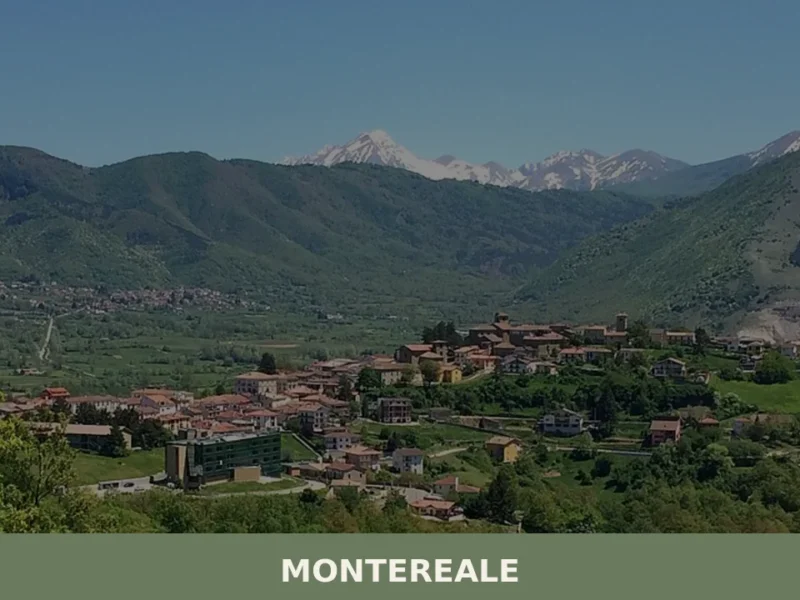
What to see in Montereale in Abruzzo: Romanesque churches, medieval walls, mountain cuisine and Laga trails. Complete guide to the village at 948 m.
Nocciano
Hills
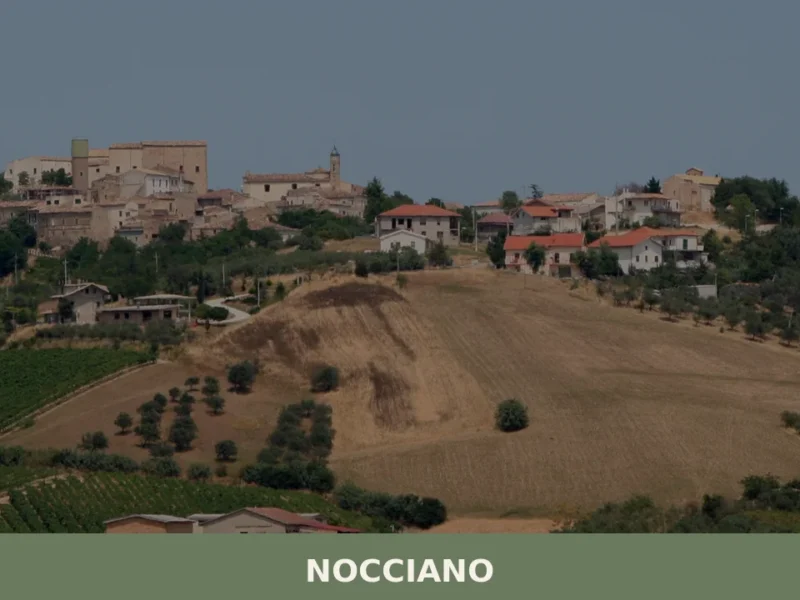
What to see in Nocciano? Discover the 5 must-see attractions of this historic village in Abruzzo, from the Castle to the old town. Plan your visit!
Luco dei Marsi
Mountain
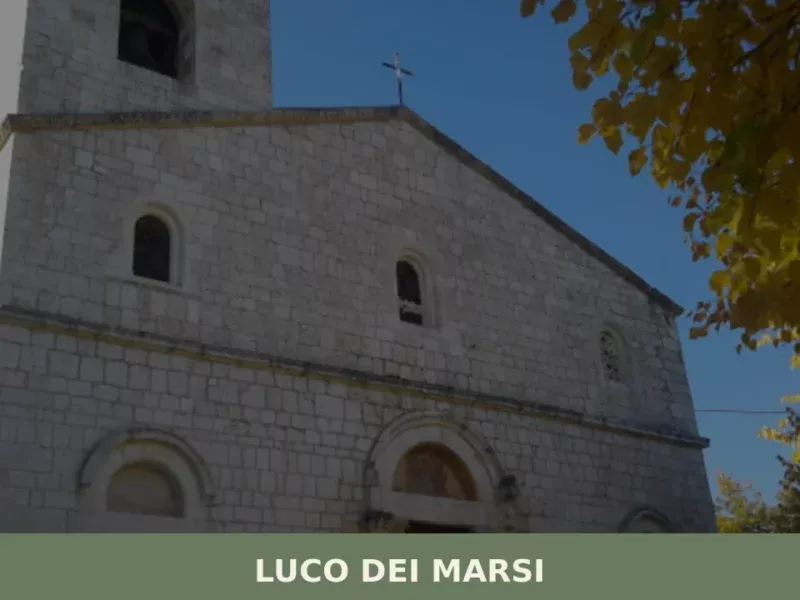
At 680 metres above sea level, on the eastern edge of what until 1875 was the surface of Lake Fucino — the largest lake in peninsular Italy, drained by Prince Alessandro Torlonia — stands Luco dei Marsi, a municipality of 5,857 inhabitants in the province of L’Aquila. The plain that today stretches as far as […]



🏡 Know Serramonacesca better than we do?
If you’re a local or have been there, your knowledge matters: add what’s missing or fix a detail on this page.