


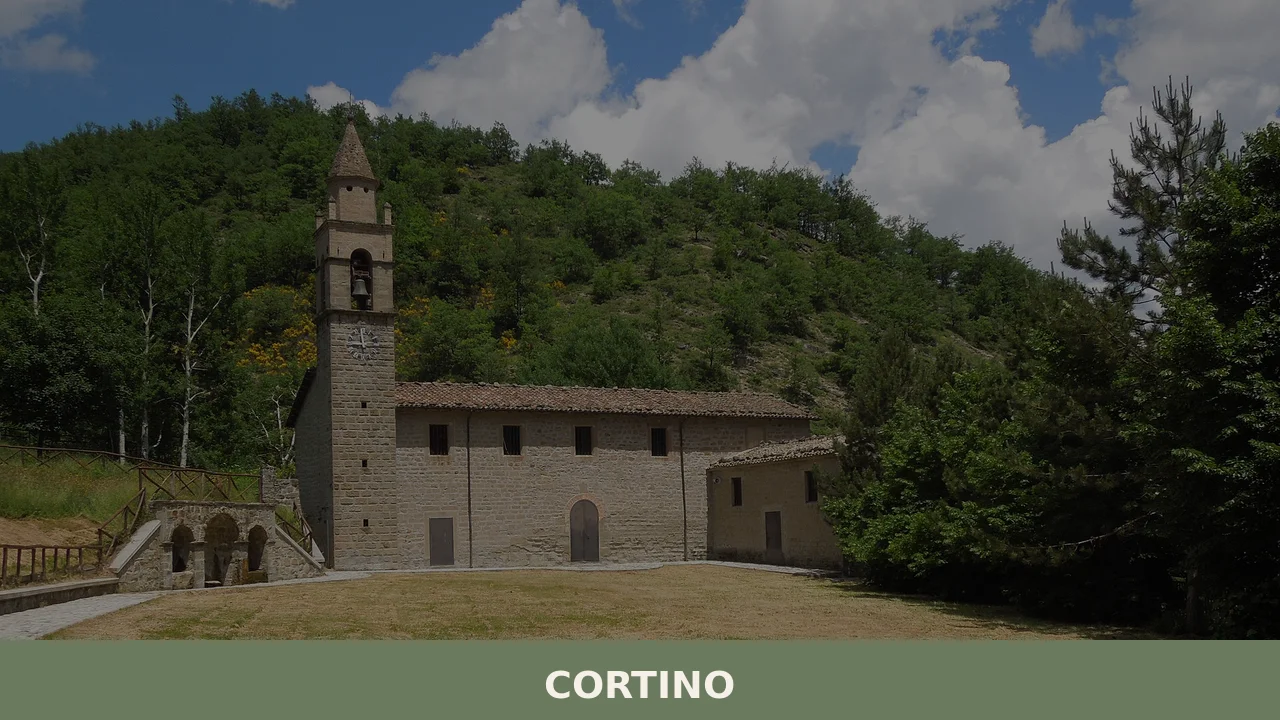
Cortino
 Mountain
Explore Cortino, a charming mountain village in Abruzzo, Italy. Discover its rich history, stunning landscapes, and authentic Italian culture off the beaten path.
Discover Cortino
With its 586 inhabitants recorded in the last census, Cortino stands out as one of the mountain towns in the province of Teramo, a human settlement at 982 meters of altitude on the foothills of the Abruzzo Apennines. For more details on its administration, you can consult the official website of the Municipality of Cortino.
The village, named after San Rocco, offers a glimpse into mountain life in an area where the natural element is predominant. For those wondering what to see in cortino, a visit here is not limited to mere observation, but invites an immersion into the slow pace of a place that preserves rituals and traditions, among essential architectures and views that open onto the surrounding peaks.
History and Origins of Cortino
Cortino’s origins are part of the historical context of Abruzzo’s mountain communities, often established in strategic positions for controlling passes or managing agricultural and pastoral resources. The toponym itself, “Cortino,” may derive from “corte,” indicating an ancient farm or a fortified rural settlement, common in the High Middle Ages. The area, already frequented in Roman times for transhumance and the exploitation of forest resources, saw a consolidation of settlements from the 10th-11th centuries, when the need for defense against raids and territorial reorganization led to
Frequently asked questions about Cortino
What is the best time to visit Cortino?
Cortino, nestled at 982 meters in the Abruzzo Apennines, offers distinct charms throughout the year. The best time largely depends on your interests. For hiking and enjoying the mild mountain climate, late spring to early autumn (May to October) is ideal, with lush landscapes and comfortable temperatures. Autumn also provides spectacular foliage. Winter transforms Cortino into a tranquil, often snow-covered retreat, perfect for those seeking quiet contemplation and scenic frosty views. While the patron saint San Rocco is celebrated, specific festival dates are not provided, so focus on seasonal activities.
What to see in Cortino? Main monuments and landmarks
A visit to Cortino is an immersion into authentic mountain life, rather than a checklist of grand monuments. The village itself, with its 'essential architectures,' offers picturesque glimpses into traditional Abruzzese settlements. Wander through its narrow streets to appreciate the slow pace and preserved rituals. Key points of interest include the main church, dedicated to San Rocco, the village's patron saint, which often serves as a focal point for community life. Beyond the architecture, the primary attraction lies in the 'views that open onto the surrounding peaks,' providing stunning panoramas of the Abruzzo Apennines.
What are the main natural or scenic attractions of Cortino?
Cortino's primary natural attractions stem from its position at 982 meters in the foothills of the Abruzzo Apennines, where the 'natural element is predominant.' Visitors can enjoy breathtaking panoramic views of the surrounding mountain ranges, offering stunning photographic opportunities and a sense of vastness. The area is ideal for gentle walks and more strenuous hikes through unspoiled landscapes, allowing for a deep immersion in nature. While specific named trails or reserves are not detailed, the entire environment invites exploration of the rich mountain flora and fauna.
Are there museums, churches or historic buildings to visit in Cortino?
Cortino, like many traditional Italian villages, centers around its spiritual and community life. The most prominent historic building is undoubtedly the parish church (Chiesa Parrocchiale), dedicated to San Rocco, the village's patron saint. This church, an example of 'essential architectures,' is a place of worship and a cultural landmark, reflecting the local traditions and history. While specific opening hours are not available, its exterior offers a glimpse into the village's architectural heritage. There are no documented museums in Cortino.
What can you do in Cortino? Activities and experiences
In Cortino, activities revolve around experiencing the authentic mountain lifestyle and the pervasive natural beauty. Hikers and nature enthusiasts will find numerous opportunities for walks and excursions amidst the Abruzzo Apennines, enjoying the fresh air and panoramic vistas. The village encourages an 'immersion into the slow pace,' inviting visitors to relax, unwind, and observe local traditions. It's an ideal place for mindful exploration, photography, and simply enjoying the tranquility away from urban bustle.
Who is Cortino suitable for? Families, couples, hikers, solo travelers?
Cortino is perfectly suited for travelers seeking an authentic and tranquil mountain experience. It appeals to nature lovers, hikers, and those who appreciate 'slow tourism,' desiring to immerse themselves in a place where the 'natural element is predominant' and a 'slow pace' of life is preserved. Families looking for a quiet retreat, couples seeking scenic beauty, and solo travelers wanting introspection amidst stunning landscapes will find Cortino an ideal destination. It's for anyone wishing to connect with genuine mountain traditions away from crowded tourist circuits.
Nearby Villages near Cortino
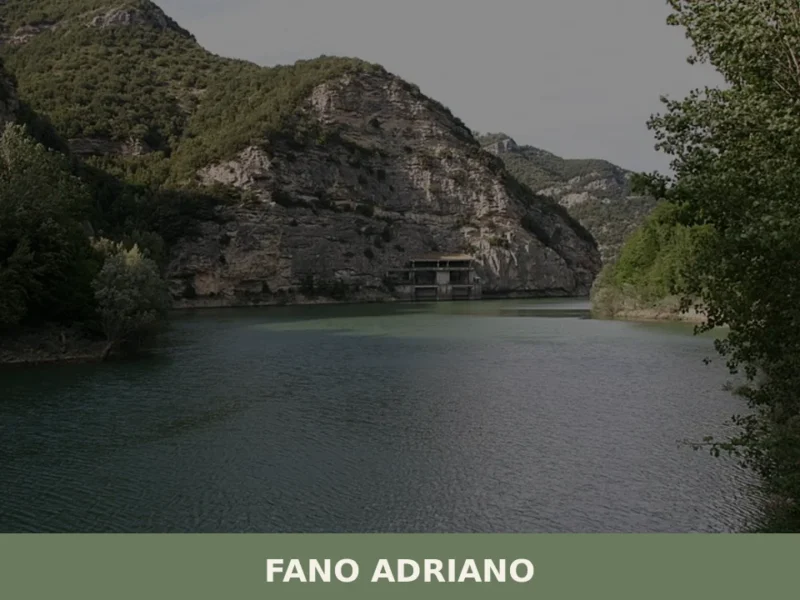
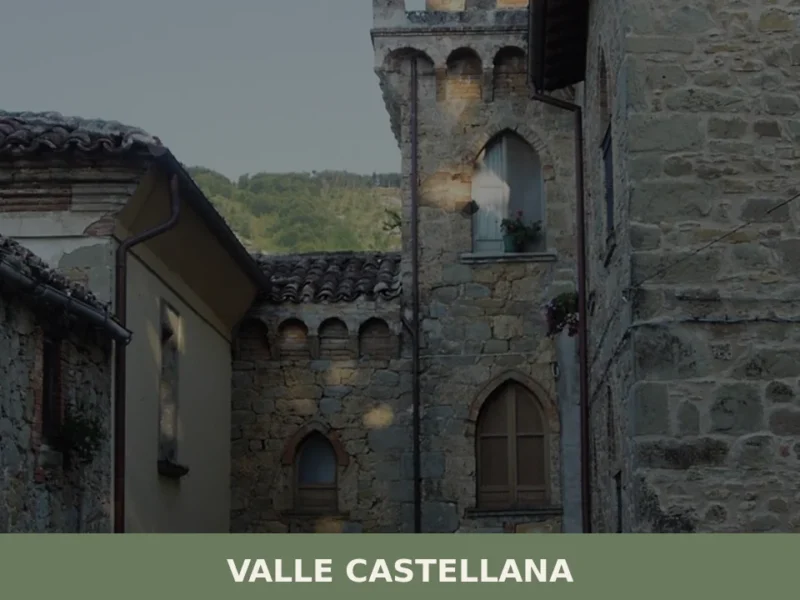
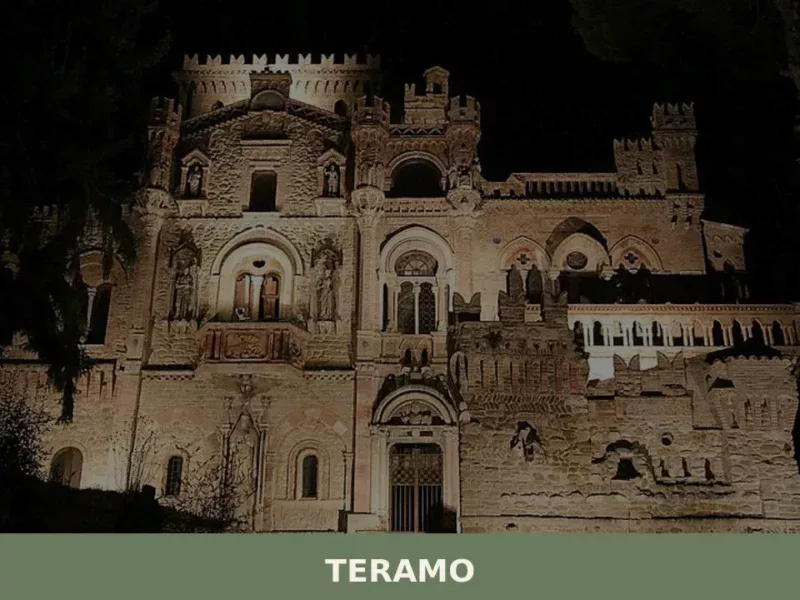
Nearby villages we are mapping:
- Capitignano Abruzzo 📍 20.4 km Coming soon
In Abruzzo More villages to discover
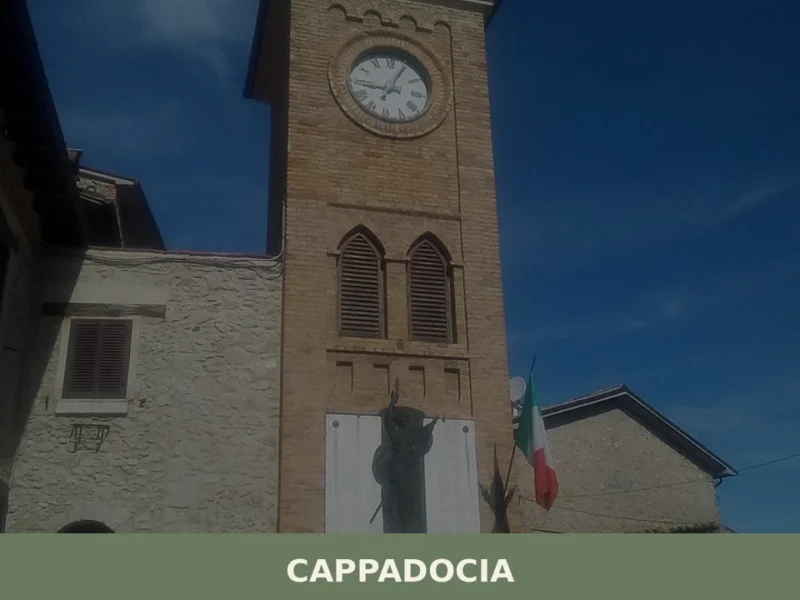
Cappadocia
Mountain
Cappadocia: discover historic churches and natural trails. Plan your visit today and experience the authenticity of this Abruzzo village.
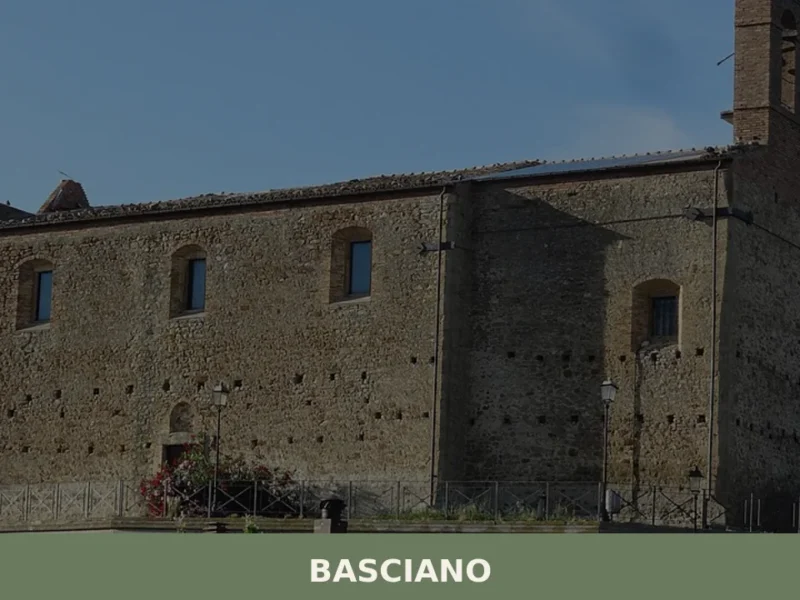
Basciano
 Hills
Hills
What to see in Basciano (Italy) at an altitude of 400m. Explore the historic church and medieval tower. Discover local traditions and festivals.
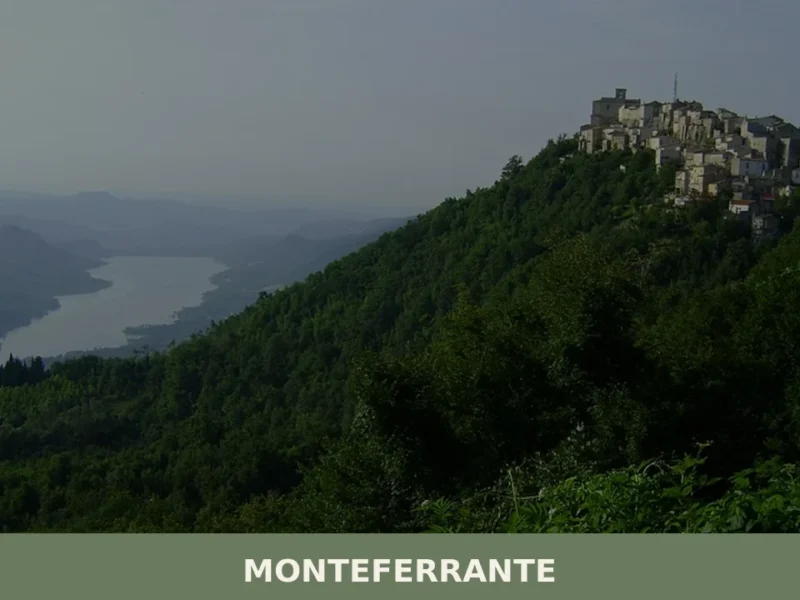
Monteferrante
Mountain
What to see in Monteferrante: discover the 5 main attractions of this mountain village, from the Church of St. John the Baptist to natural trails. Plan your trip!
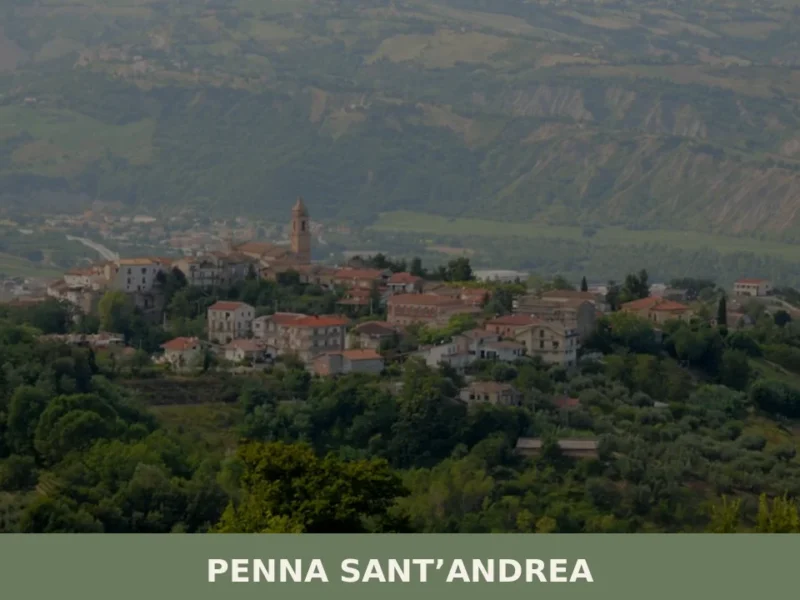
Penna Sant’Andrea
Hills
What to see in Penna Sant'Andrea? Discover the 5 must-see attractions of this village in Abruzzo. Plan your visit now!
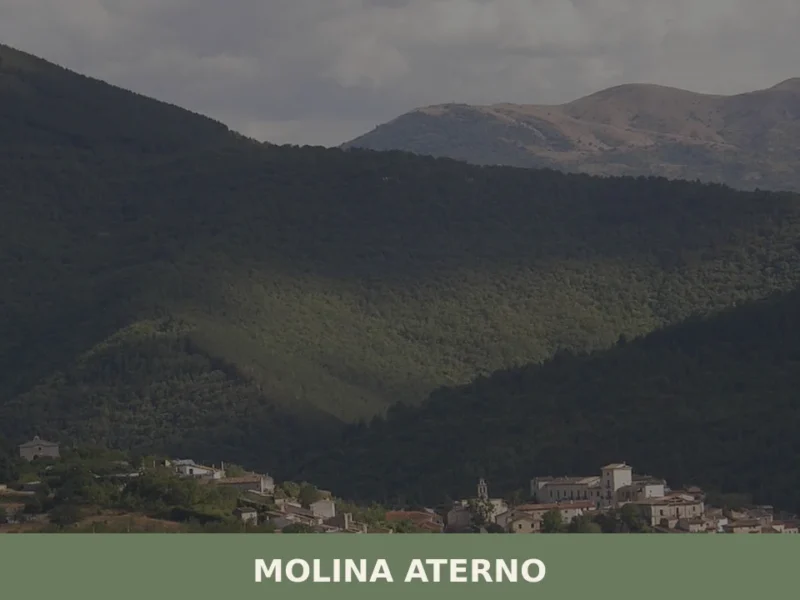
Molina Aterno
Mountain
What to see in Molina Aterno, Italy: 3 historic monuments, a 12th-century church and a baronial palace. Discover how to get there and when to visit Abruzzo.
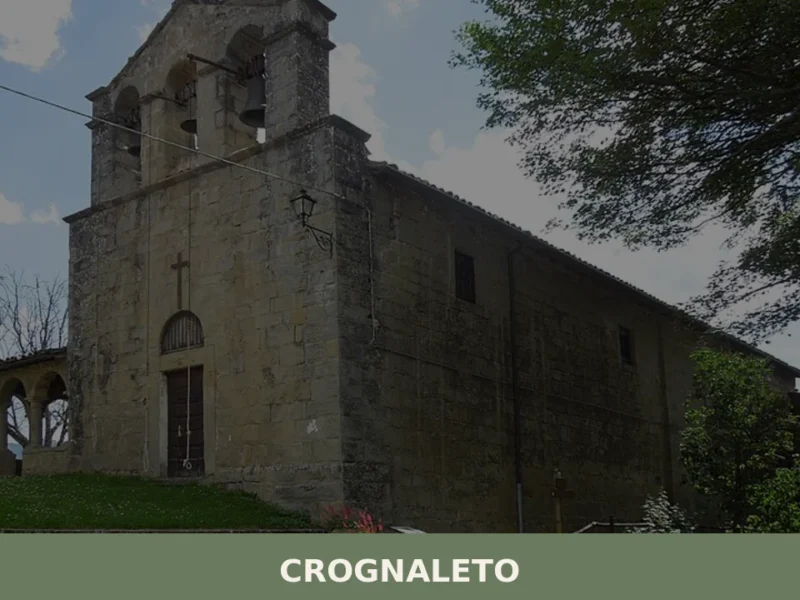
Crognaleto
Mountain
What to see in Crognaleto, Italy: Discover this 1,094m altitude village in Abruzzo. Explore the Monti della Laga and Gran Sasso National Park.
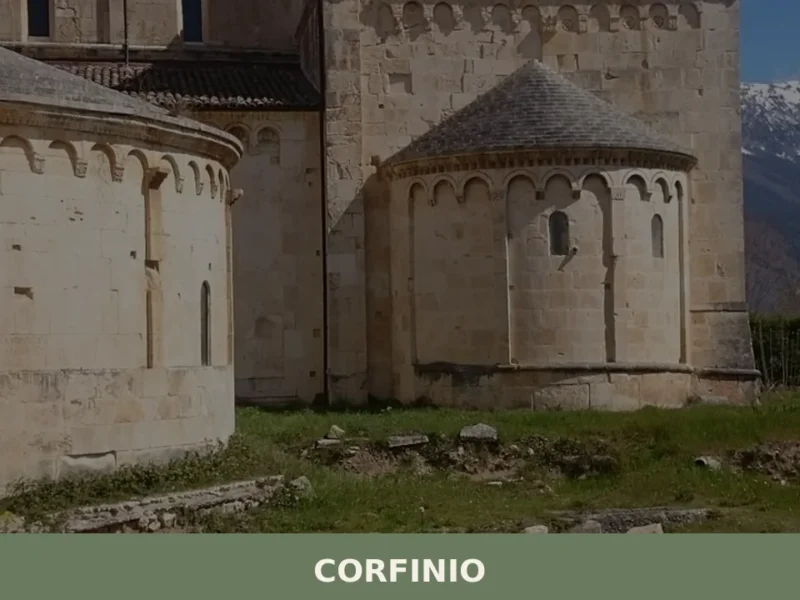
Corfinio
Hills
what to see in Corfinio, Italy: Explore this Abruzzese village at 346 m a.s.l., from its Roman past to the Museo Antonio De Nino. Discover Corfinio.
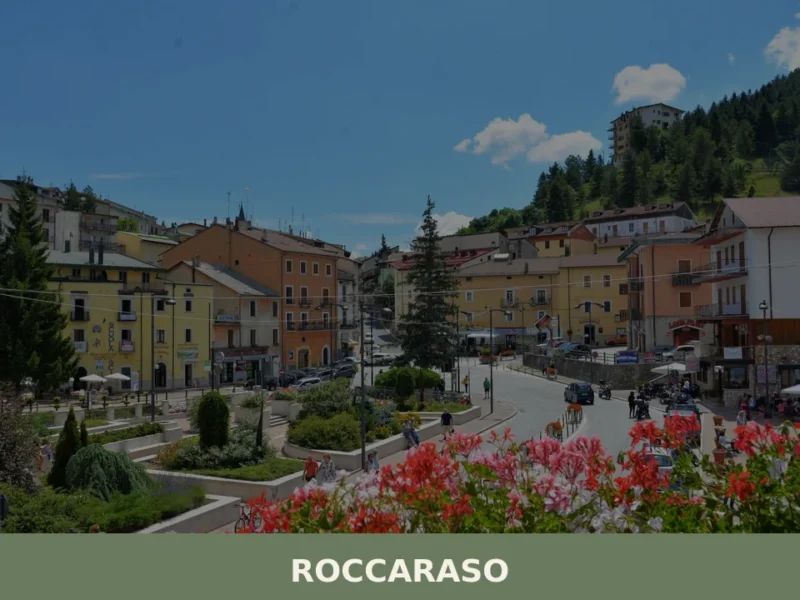
Roccaraso
Mountain
What to see in Roccaraso, Abruzzo, Italy: ski slopes at 1,236 m, the Church of Santa Maria Assunta, and the Alto Sangro ski area. Discover top attractions now.
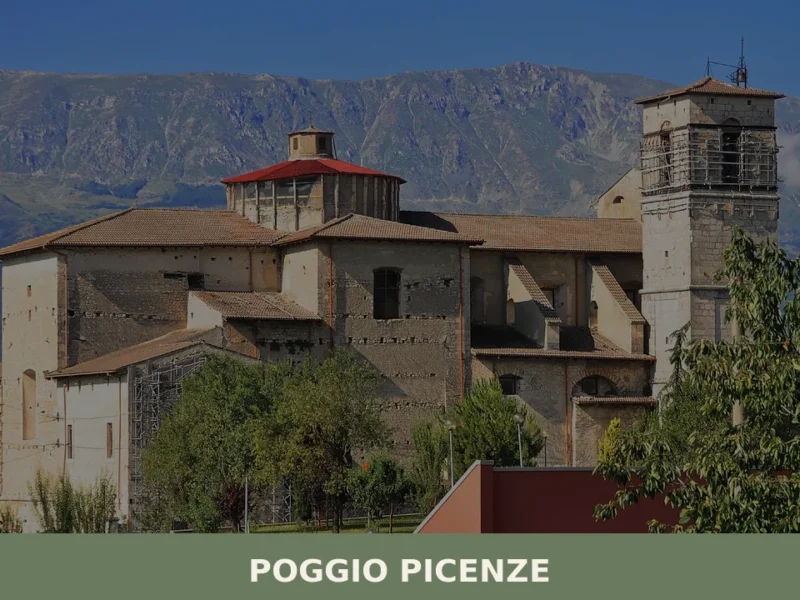
Poggio Picenze
Mountain
What to see in Poggio Picenze, Italy: explore 5 top attractions at 760 m altitude, the Blues festival, and San Felice feast. Discover Abruzzo's limestone village.
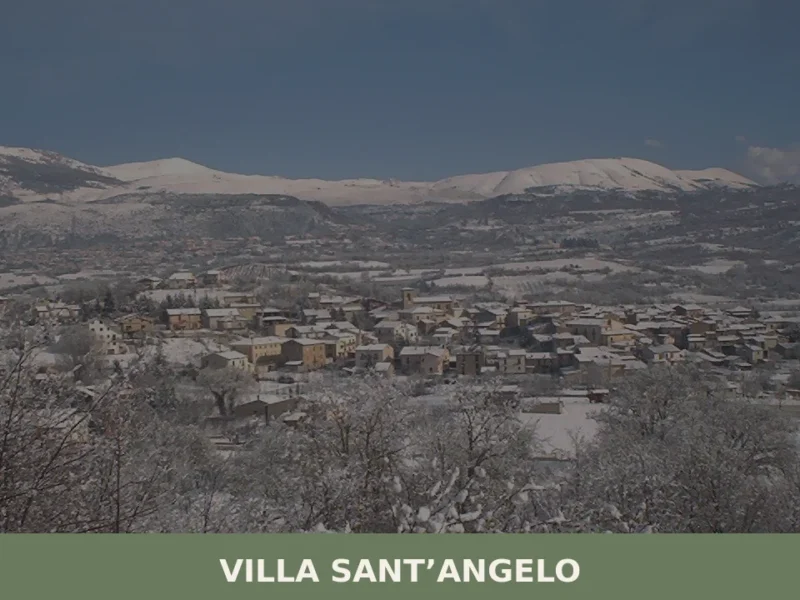
Villa Sant’Angelo
Mountain
What to see in Villa Santu2019Angelo? Discover 5 must-see attractions and the history of the ancient village. Plan your guided visit now!




🏡 Know Cortino better than we do?
If you’re a local or have been there, your knowledge matters: add what’s missing or fix a detail on this page.