


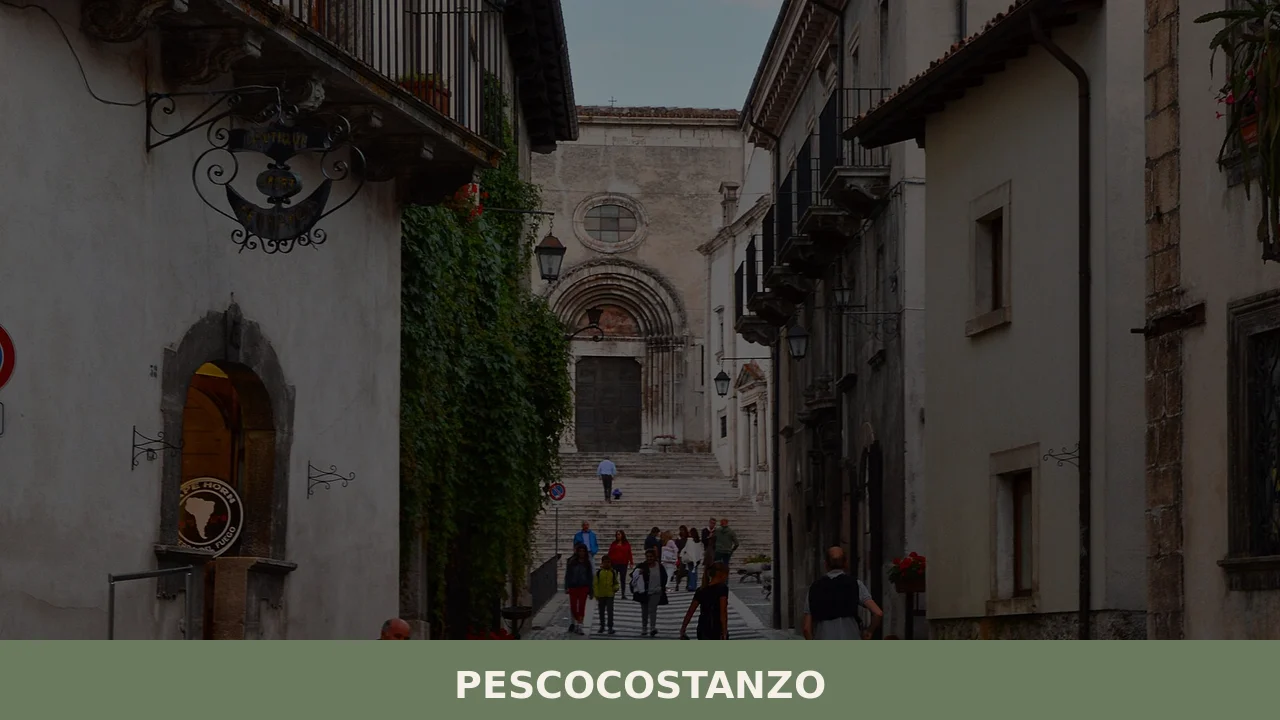
Pescocostanzo
 Mountain
what to see in pescocostanzo offers a blend of mountain beauty and historical charm in Italy. Discover its 1,138 inhabitants, the Maiella National Park, and the Basilica di Santa Maria del Colle. Explore Abruzzo’s heart.
Discover Pescocostanzo
The sounds of church bells resonate across the valley, a familiar rhythm in Pescocostanzo, a village distinguished by its well-preserved stone architecture and its elevation. As part of the Maiella National Park, the village is surrounded by a rich natural environment that draws visitors seeking both tranquility and outdoor activities.
Its inclusion among “I Borghi più belli d’Italia” (The most beautiful villages of Italy) further highlights its exceptional cultural and environmental value.
For those planning what to see in Pescocostanzo, this guide provides essential information for exploring a destination that combines historical charm with alpine allure. With a population of 1,138 inhabitants, Pescocostanzo offers distinct attractions such as the impressive Basilica di Santa Maria del Colle and its dedicated ski resort, making it a compelling spot for diverse travel interests. Visitors to Pescocostanzo find a place where cultural heritage and natural beauty converge, providing a memorable experience in the heart of Abruzzo.
History of Pescocostanzo
Pescocostanzo functions as a comune, an administrative division in Italy, situated within the Province of L’Aquila in the Abruzzo region. This structure means it operates with its own local governance, managing public services and preserving its distinct cultural identity within the broader regional framework. The village’s current population stands at 1,138 inhabitants, a figure that reflects the intimate scale typical of many historical settlements in the central Apennines.
The village has evolved into a recognized tourist destination, attracting visitors from across Italy due to its distinctive landscape and well-preserved environment.
This appeal is formally acknowledged by its designation as one of I Borghi più belli d’Italia, an association dedicated to preserving and promoting small Italian towns of significant historical and artistic interest. This status underscores Pescocostanzo’s commitment to maintaining its architectural integrity and cultural heritage, much like other notable Abruzzese villages such as Barisciano, which share a similar dedication to historical preservation.
Modern Pescocostanzo has also carved out a reputation as a winter sports hub, offering facilities for skiers and snowboarders at its own local ski resort. This seasonal attraction complements its year-round appeal as a destination for those appreciating natural beauty and historical ambiance. The village’s proximity to larger, well-known ski towns like Roccaraso and Rivisondoli further integrates it into a broader network of winter tourism in the Abruzzo region, enhancing its accessibility and appeal to a wider audience of travelers.
What to see in Pescocostanzo, Abruzzo: top attractions
Basilica di Santa Maria del Colle
The imposing stone facade of the Basilica di Santa Maria del Colle stands as a central architectural feature in Pescocostanzo, reflecting centuries of local craftsmanship and devotion.
This significant religious edifice is believed to have origins dating back to the 11th century, although its current appearance is largely the result of subsequent renovations and expansions, particularly during the Renaissance and Baroque periods. Visitors can observe intricate carvings and a robust bell tower, typical of Abruzzese religious architecture, which contributes to the village’s historical character. The basilica remains an active place of worship and a focal point for the community.
Hermitage of Saint Anthony
Perched in a secluded natural setting, the Hermitage of Saint Anthony offers a glimpse into the spiritual traditions of the region, providing a tranquil retreat from the village center. This hermitage, like many in the Apennine mountains, was historically chosen for its isolation, allowing for contemplation and devotion amidst nature. The path leading to it often involves a walk through varied terrain, providing views of the surrounding Maiella National Park. Visitors seeking a peaceful experience and a connection with the area’s religious past will find a quiet sanctuary here.
Hermitage of San Michele Arcangelo
The Hermitage of San Michele Arcangelo is another significant spiritual site near Pescocostanzo, often found in a dramatic natural location, carved into rock or situated on a high point.
Dedicated to Saint Michael the Archangel, a figure often associated with mountain sanctuaries, this hermitage provides a sense of ancient pilgrimage and reverence. Its remote location, typically accessible via a winding trail that ascends approximately 100 meters (328 ft) from the valley floor, rewards visitors with panoramic vistas of the surrounding landscape. Exploring this hermitage offers insight into centuries of religious practice and the enduring human connection to nature.
Maiella National Park
Pescocostanzo is situated directly within the boundaries of the Maiella National Park, an expansive protected area covering approximately 74,095 hectares (183,105 acres) of diverse ecosystems. The park is renowned for its rugged mountains, deep valleys, and rich biodiversity, making it a prime destination for nature enthusiasts. Activities such as hiking, bird watching, and exploring ancient shepherd trails are popular throughout the warmer months, offering opportunities to encounter local wildlife and flora.
The park’s varied terrain provides different levels of challenge, suitable for both casual walkers and experienced trekkers, with numerous marked paths.
Pescocostanzo Ski Resort and Surrounding Area
During the winter months, Pescocostanzo transforms into a destination for skiers and snowboarders, boasting its own ski resort that caters to various skill levels. The village itself sits at an elevation of 1,395 meters (4,577 ft), providing a natural base for winter sports activities. The proximity to more extensive ski domains such as Roccaraso and Rivisondoli, located just a few kilometers (miles) away, allows visitors to explore a broader range of slopes and facilities. The ski season typically runs from December to March, depending on snow conditions, offering consistent opportunities for winter recreation.
Local food and typical products of Pescocostanzo
While specific traditional dishes or certified products unique to Pescocostanzo are not detailed in the provided information, visitors to this Abruzzese village can anticipate regional culinary influences. The cuisine of Abruzzo, generally characterized by hearty mountain fare and pastoral traditions, often features ingredients such as lamb, sheep’s cheese, and local legumes.
These staples form the basis of many traditional recipes found across the region, reflecting the agricultural heritage and the availability of local produce from the surrounding landscape.
Therefore, while specific Pescocostanzo specialties cannot be named without invention, the broader Abruzzese gastronomic landscape offers a rich array of flavors. This regional cuisine often emphasizes simple, robust preparations that highlight the quality of fresh, seasonal ingredients. Travelers can expect to find dishes that celebrate the area’s strong connection to its land and its historical farming practices, providing a genuine taste of the central Italian mountains.
Festivals, events and traditions of Pescocostanzo
The provided sources do not detail specific annual festivals, patron saint celebrations, or traditional events unique to Pescocostanzo. As with many Italian villages, it is reasonable to anticipate local festivities that mark religious holidays or seasonal agricultural cycles, contributing to the community’s cultural life.
Such events typically involve processions, local music, and gatherings that reinforce communal bonds and celebrate shared heritage, though specifics for Pescocostanzo are not documented here.
These customary celebrations, while not explicitly mentioned for Pescocostanzo, are integral to the fabric of village life throughout Italy. They often provide opportunities for residents and visitors alike to experience local traditions, sample regional foods, and witness expressions of community pride. Without specific information, however, planning a visit around particular documented events in Pescocostanzo is not possible based on the available data.
When to visit Pescocostanzo, Italy and how to get there
Deciding when to visit Pescocostanzo, Italy, largely depends on the activities you wish to pursue, making it a versatile destination throughout the year. For those interested in winter sports, the period from December to March is ideal, as the village operates its own ski resort and is close to other major ski areas like Roccaraso. Beyond the winter season, the warmer months, particularly late spring and early autumn, offer the best time to visit Abruzzo for exploring the natural landscape of the Maiella National Park, with pleasant temperatures for hiking and enjoying the environment. The village’s serene atmosphere provides a compelling escape in any season.
Understanding how to get to Pescocostanzo is essential for planning your trip.
If you are arriving by car from a major city like Rome, the journey covers approximately 170 km (105 mi) and typically takes around 2 hours and 15 minutes, primarily via the A25 motorway (Autostrada dei Parchi). The nearest major train station is Sulmona, located about 40 km (25 mi) away, a drive of approximately 45 minutes; travelers can check Trenitalia for schedules. The closest airport is Abruzzo Airport (PSR) in Pescara, situated roughly 100 km (62 mi) from Pescocostanzo, with a driving time of about 1 hour and 15 minutes. For international visitors, English may be limited in smaller shops and carrying some Euros cash can be useful for local purchases.
For those considering a day trip from a nearest major city, Pescocostanzo is a viable option from Rome, offering a distinct change of scenery and pace from the capital. The relatively straightforward drive allows for a full day of exploration, whether it’s enjoying the historical center or the natural surroundings. The road network provides clear access, ensuring a smooth journey for visitors arriving by private vehicle. After visiting Pescocostanzo, travelers might also consider extending their exploration to other nearby Abruzzese villages, such as Montenerodomo, which shares a similar rugged beauty and historical context within the region.
📷 Photo Gallery — Pescocostanzo
Getting there
Piazza del Municipio, 67033 Pescocostanzo (AQ)
Nearby Villages near Pescocostanzo
In Abruzzo More villages to discover
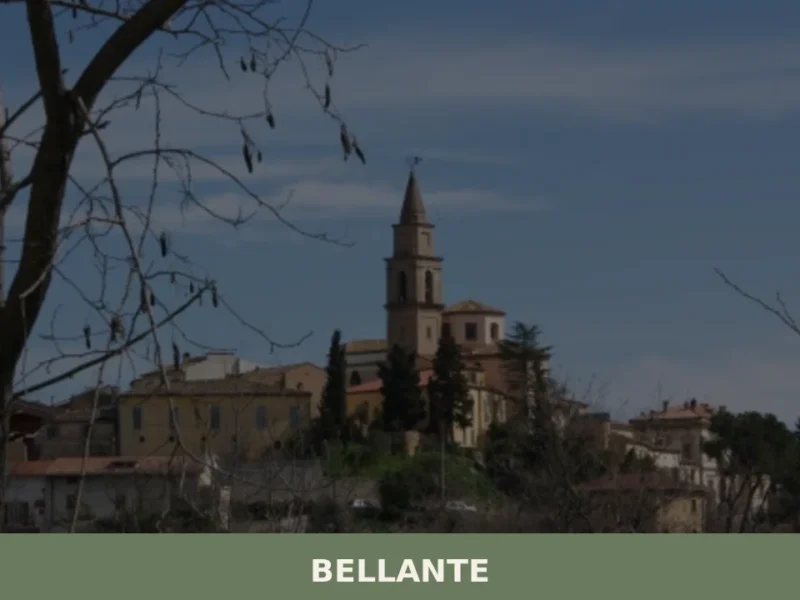
Bellante
 Hills
Hills
The road into Bellante rises through a sequence of switchbacks that open, at the last bend, onto a compact hilltop settlement in the Teramo hills of Abruzzo. Stone buildings press close against one another along the ridge, and the Torre Civica — the civic tower at the center of the old settlement — marks the […]
Fontecchio
Mountain
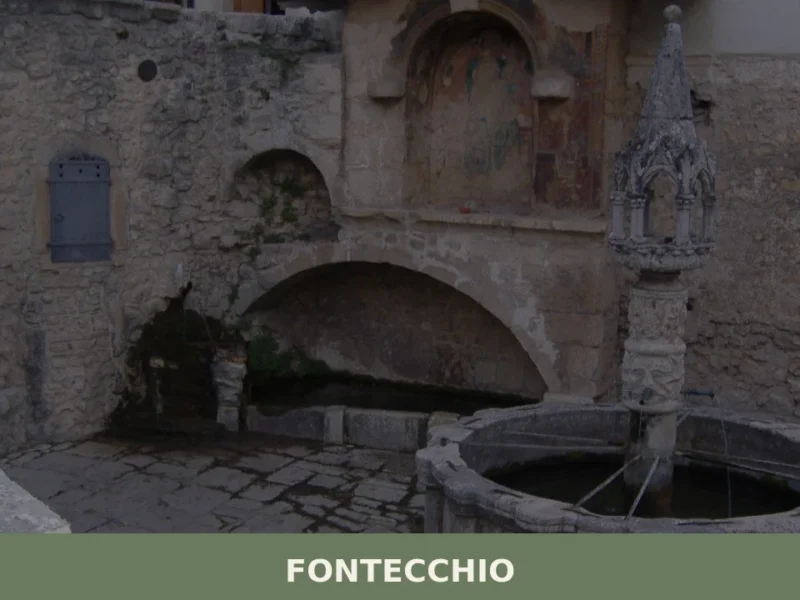
The fourteenth-century fountain with a fourteen-spouted stone basin, dated 1355, still marks the centre of Fontecchio’s main square — a village of 291 inhabitants at 668 metres above sea level in the middle Aterno Valley, province of L’Aquila. Anyone wondering what to see in Fontecchio should start right here, at this hydraulic structure that has […]
Castel di Ieri
Hills
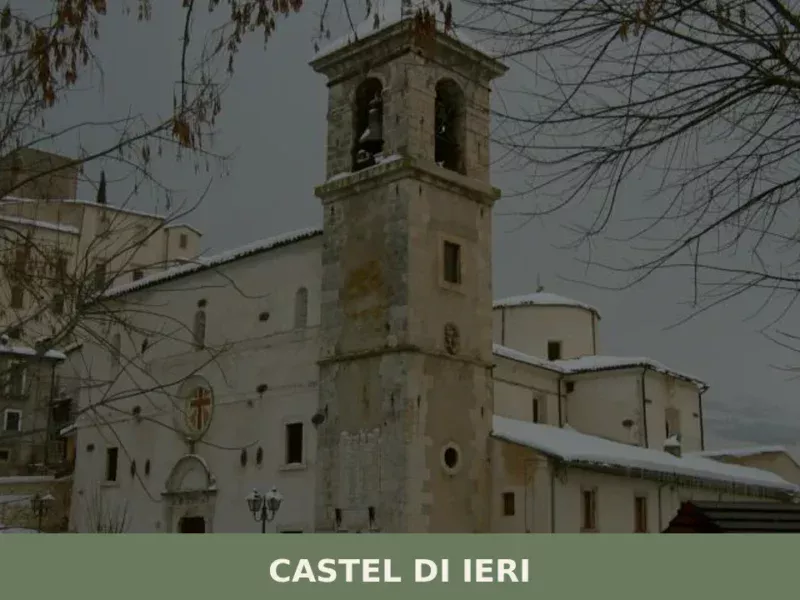
In Castel di Ieri, a village of 289 registered inhabitants at 519 metres above sea level in the Valle Subequana, the most significant feature lies underground: an Italic temple from the 1st century BC, unearthed during the 1980s, which redrew the archaeological map of inland Abruzzo. Anyone looking into what to see in Castel di […]
San Martino sulla Marrucina
Hills
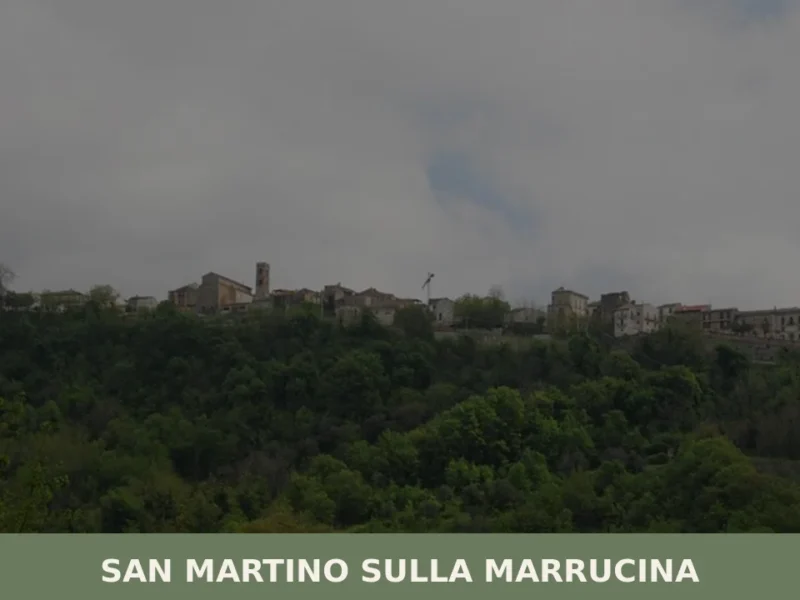
With its 868 inhabitants, San Martino sulla Marrucina presents itself as a small municipality in the province of Chieti, in the heart of Abruzzo. The village is a reference point for those seeking the tranquility and authenticity of the region’s rural centers, away from the most beaten tourist paths. In this article History and Origins […]
Chieti
Hills
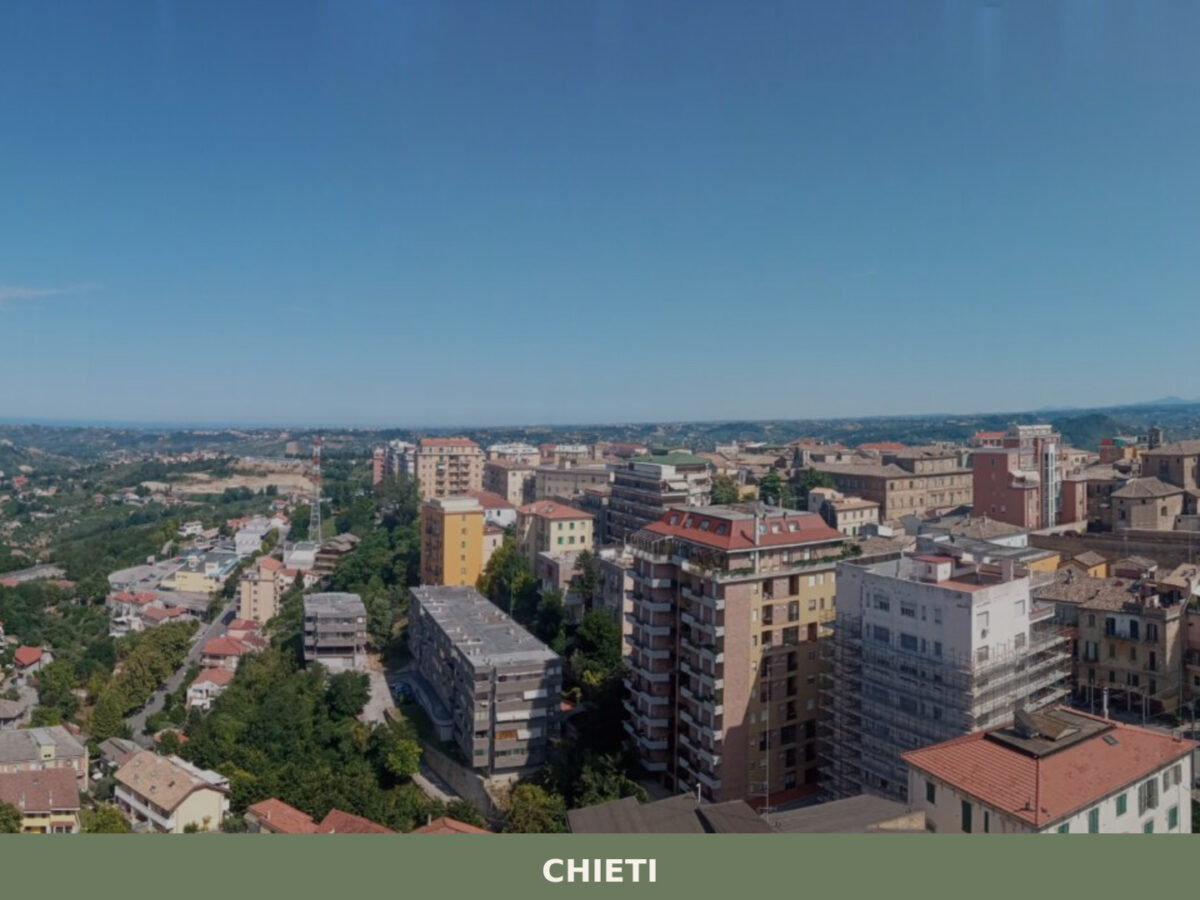
Chieti, an art city in Abruzzo: discover the National Archaeological Museum, Roman monuments and historic districts. Plan your visit with our guide.
Collepietro
Mountain
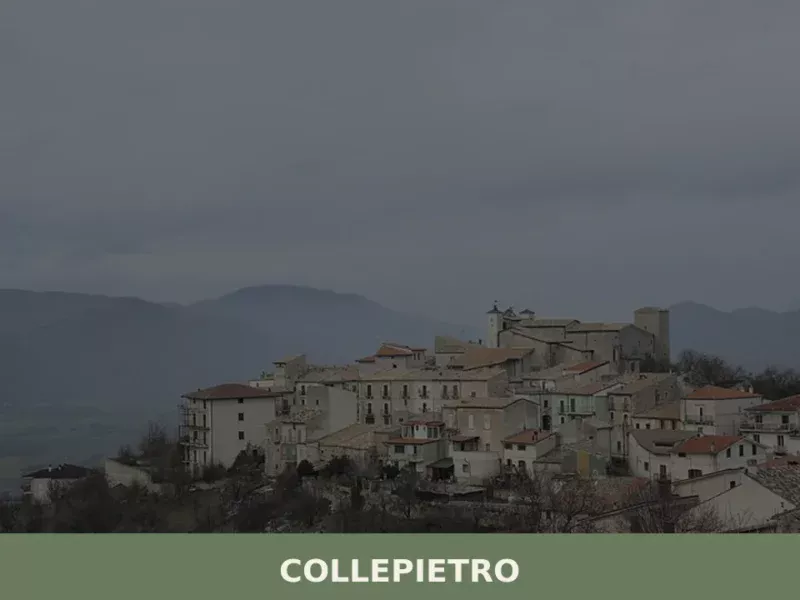
Collepietro has 226 inhabitants and sits at 849 metres above sea level on the eastern slope of the Gran Sasso, in the province of L’Aquila. The municipal territory extends along a ridge overlooking the Piana di Navelli, an area known for saffron cultivation. Those wondering what to see in Collepietro will find a compact settlement […]
Pietranico
Hills
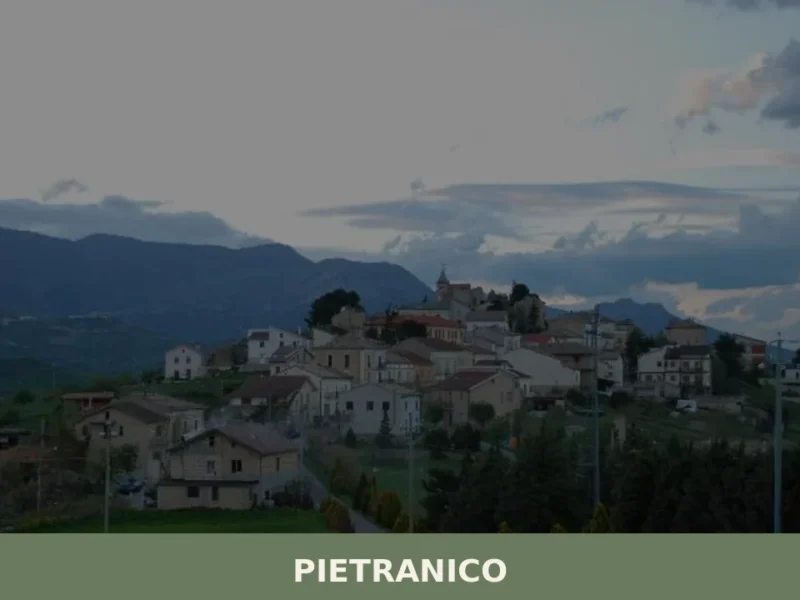
What to see in Pietranico, Abruzzo, Italy: 506 inhabitants, a medieval castle site, and wind-swept hilltop views. Discover top attractions and how to get there.
Introdacqua
Mountain
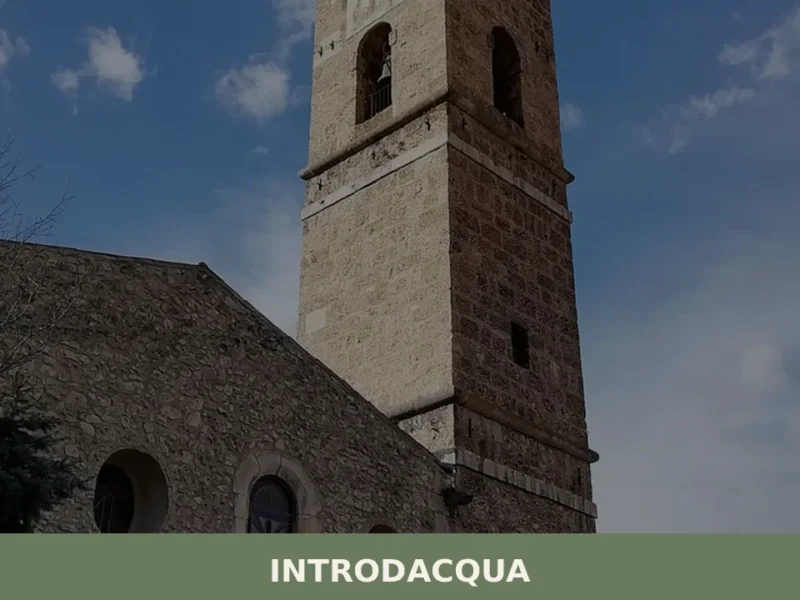
At 642 metres above sea level, at the exact point where three watercourses — the Gizio, the Nera and the San Callisto — converge in the Peligna valley, stands Introdacqua, whose Latin name Intro Acquas records this confluence of waters. The village has a current population of 2,117 and retains an urban layout reflecting at […]
Fara San Martino
Hills
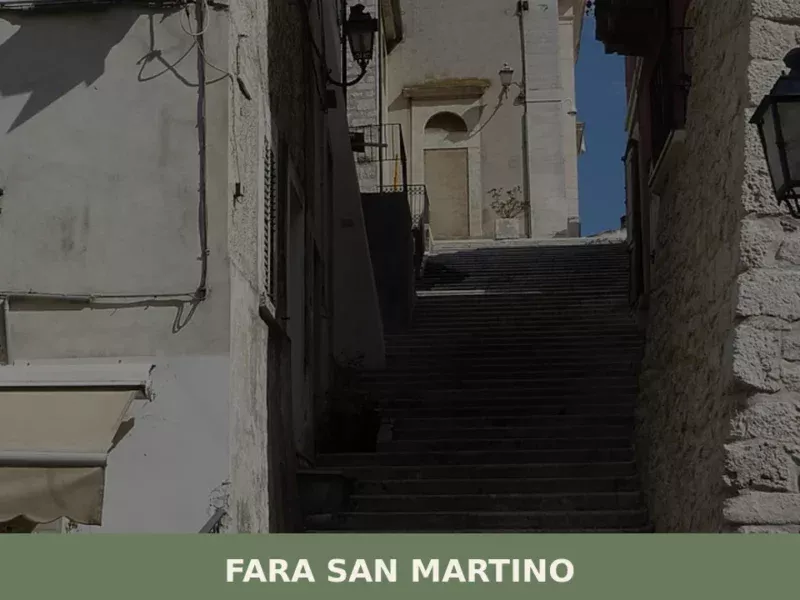
what to see in fara san martino, Italy. Explore its 440m altitude, the Abbey of San Martino in Valle, and its renowned pasta heritage. Discover Abruzzo now!
Castel Castagna
Hills
At 452 metres above sea level, on the eastern slope of the Gran Sasso, the municipality of Castel Castagna today counts 429 inhabitants spread between the main settlement and the hamlets scattered along the cultivated hillsides of the province of Teramo. Anyone wondering what to see in Castel Castagna will find answers in a territory […]






🏡 Know Pescocostanzo better than we do?
If you’re a local or have been there, your knowledge matters: add what’s missing or fix a detail on this page.