


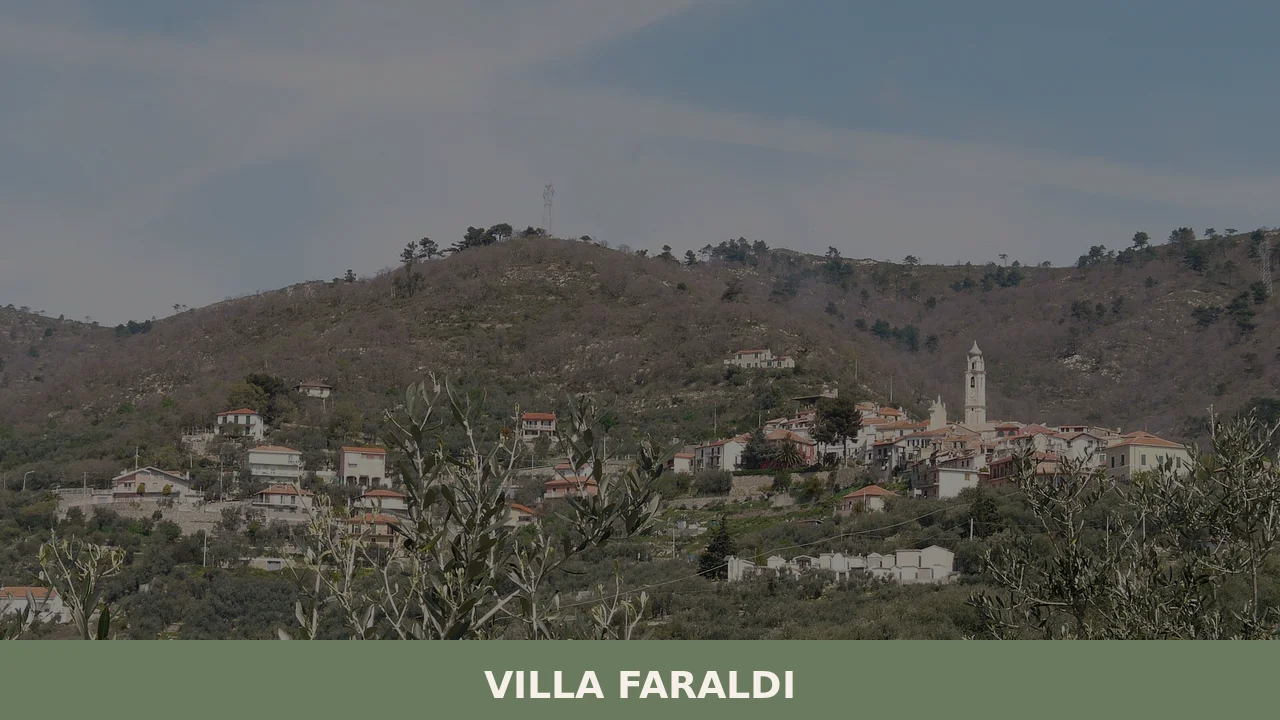
Villa Faraldi
 Hills
Hills
what to see in villa faraldi: Discover this Italian village of 452 inhabitants in Liguria. Explore historic alleys and scenic views. Read our guide to Villa Faraldi, Italy.
Discover Villa Faraldi
Located approximately 80 kilometres (50 mi) southwest of Genoa, the village of Villa Faraldi sits quietly in the Province of Imperia, Liguria. Its cluster of houses, home to 452 inhabitants, forms a distinct settlement against the backdrop of the Ligurian hills.
The air often carries the scent of olive groves and the distant murmur of the Ligurian Sea, providing a calm atmosphere distinct from the bustling coastal towns below.
For those wondering what to see in Villa Faraldi, this Ligurian municipality, with its 9.6 square kilometres (3.7 sq mi) area, offers a focused experience of traditional Italian village life.
Visitors to Villa Faraldi can explore its ancient pathways and discover the architectural details of its historic buildings, reflecting centuries of regional heritage. The Villa Faraldi highlights include its tranquil atmosphere and commanding views of the surrounding valleys, making it an ideal destination for those seeking quiet exploration.
History of Villa Faraldi
The history of Villa Faraldi, Liguria, is deeply intertwined with the broader narrative of the Imperia province, a region that has witnessed centuries of territorial shifts and cultural influences.
While specific founding dates for Villa Faraldi are not explicitly documented, its administrative status as a comune (municipality) indicates a long-standing local governance structure. The village’s strategic location, approximately 10 kilometres (6 mi) northeast of Imperia, would have played a role in its development, potentially as an agricultural outpost or a point of observation overlooking the coastal plain. Early settlements in Liguria often date back to Roman times or the medieval period, shaped by trade routes and defensive needs against various invading forces.
Demographic records provide a concrete snapshot of Villa Faraldi’s evolution in more recent times.
As of 31 December 2004, the municipality recorded a population of 466 residents, spread across its 9.6 square kilometres (3.7 sq mi) area. This figure indicates a slight decrease from its current population of 452 inhabitants, suggesting a demographic trend common in many smaller Italian villages over the past two decades.
The administrative boundaries of Villa Faraldi connect it to neighboring municipalities such as Andora, Diano San Pietro, San Bartolomeo al Mare, and Stellanello, forming a network of communities with shared historical and geographical ties within the Ligurian hinterland. This interconnectedness often meant shared resources and mutual defense in earlier eras.
The mention of Steria within the context of Villa Faraldi’s related information suggests its significance as a frazione, or hamlet, forming an integral part of the wider municipality. Such hamlets often retain distinct historical characteristics, perhaps centered around an ancient church or a fortified structure that once served the local community.
The broader Ligurian region, including areas like Castelvecchio di Rocca Barbena, has a history marked by feudal lords, maritime republics, and eventually unification into the Kingdom of Italy.
Understanding these regional dynamics helps to contextualize the historical fabric of Villa Faraldi, even in the absence of more detailed local chronicles, highlighting its participation in the larger Ligurian story.
What to see in Villa Faraldi, Liguria: top attractions
The Historic Village Core
For those interested in what to see in Villa Faraldi, the central core invites exploration through its narrow, winding alleys, known locally as carrugi, which are characteristic of Ligurian villages. These ancient pathways, often paved with local stone, reveal architectural elements that speak to centuries of habitation and development. Many buildings feature robust stone foundations and traditional plaster facades, sometimes adorned with faded frescoes or intricate ironwork on balconies.
A walk here offers a tangible connection to the village’s past, providing glimpses into daily life that has evolved over generations.
Parish Church of San Giorgio
While specific details are unconfirmed in available sources, a typical Italian comune like Villa Faraldi would feature a central parish church, often dedicated to a patron saint, serving as a spiritual and communal focal point.
These churches commonly display a mix of architectural styles, perhaps originating from a medieval foundation with later Baroque or Renaissance modifications. Such a structure would likely possess a bell tower, its chimes marking the hours across the valley, and an interior decorated with religious art and artifacts accumulated over hundreds of years. Visitors can observe the architectural nuances and the quiet devotion embedded within these sacred spaces.
Panoramic Viewpoints
Given its elevated position within the Ligurian hinterland, Villa Faraldi naturally offers several points from which to appreciate the expansive surrounding landscape. From various vantage points, one can observe the terraced olive groves that cascade down the hillsides and the distant shimmer of the Ligurian Sea.
These views provide a sense of the region’s geography, stretching from the nearby coastal towns like San Bartolomeo al Mare to the rugged inland valleys.
The elevation, though not explicitly stated for a specific point, contributes significantly to the visual experience, allowing visitors to grasp the scale of the landscape and the village’s place within it. These spots are perfect for quiet contemplation and photography, especially during the softer light of early morning or late afternoon.
The Hamlet of Steria
Mentioned as a related place, Steria likely represents a distinct hamlet or frazione within the municipality of Villa Faraldi, contributing to its overall area of 9.6 square kilometres (3.7 sq mi). Hamlets like Steria often preserve an even older, more rustic character than the main village, with ancient farmhouses and small chapels dotting the landscape.
Exploring Steria could involve walking along paths that connect it to the main village, offering a different perspective on local rural life and the agricultural practices that have sustained the community for centuries.
Such an excursion provides an opportunity to delve deeper into the localized history and traditional architecture that define the smaller settlements of the Ligurian interior, much like the smaller communities found near Giustenice in the same region.
The Municipal Square and Public Spaces
Every Italian comune, regardless of its population of 452 inhabitants, features a central public square, often serving as the heart of village life. This square in Villa Faraldi would be the gathering point for residents, a space for local markets or communal events. Surrounding it, one might find the municipal building (palazzo comunale) and other essential services. The architecture around these squares typically reflects a blend of functional and aesthetic considerations, with buildings dating back several decades or even centuries.
Observing the daily rhythm of life in such a space offers insights into the community’s social structure and its enduring traditions, providing a genuine sense of local character.
Local food and typical products of Villa Faraldi
The gastronomic tradition of Villa Faraldi, like much of Liguria, is deeply rooted in the region’s unique geography, blending influences from both the mountains and the sea.
For those considering what to see in Villa Faraldi, its culinary offerings provide another lens through which to understand its heritage, emphasizing fresh, local ingredients. The fertile hillsides, particularly around the Imperia province, are renowned for their olive groves, producing high-quality extra virgin olive oil that forms the base of countless local dishes. This essential ingredient, alongside fresh herbs like basil and oregano, defines the clean, vibrant flavors of Ligurian cuisine, distinct from other Italian regions.
Among the typical dishes of the Ligurian tradition, which would undoubtedly be enjoyed in Villa Faraldi, one finds preparations that highlight the quality of local produce. The iconic Pesto Genovese, a vibrant sauce made from basil, pine nuts, garlic, Parmesan, Pecorino Sardo, and olive oil, is a staple, often served with trofie or trenette pasta.
Another beloved dish is Focaccia Ligure, a flatbread drizzled with olive oil and often sprinkled with coarse salt, typically enjoyed for breakfast or as a snack.
Seafood preparations are also prominent, with dishes like Cappon Magro, an elaborate seafood and vegetable salad, or simple grilled fish seasoned with local herbs and olive oil, reflecting the region’s strong maritime connections. These dishes emphasize the fresh, seasonal ingredients available in the area.
While specific certified products (such as DOP or IGP designations) directly associated with the municipality of Villa Faraldi are not explicitly detailed in the provided sources, the wider Ligurian region boasts several renowned certifications. The most prominent among these is Riviera Ligure DOP (Denominazione di Origine Protetta) for extra virgin olive oil, which covers a broad area including the Province of Imperia.
This certification ensures that the oil is produced using specific olive varieties, primarily Taggiasca olives, and adheres to strict quality standards.
Other regional specialties, though not necessarily certified for Villa Faraldi itself, include various types of Ligurian wines and artisanal cheeses. Visitors can expect to find these high-quality regional products available in local shops and restaurants throughout the area surrounding Villa Faraldi, reflecting the broader culinary landscape of Liguria.
Festivals, events and traditions of Villa Faraldi
Specific details regarding annual festivals, public events, or unique traditions held within Villa Faraldi are not outlined in the available sources. However, as with many communities in Italy, particularly those with a strong historical and religious identity, it is customary for a village to celebrate its patron saint’s day. These celebrations, known as feste patronali, typically involve religious processions, communal meals, and sometimes musical performances or small markets in the main square.
Such events serve as important occasions for community gathering and the preservation of local customs. The absence of specific dates means visitors should inquire locally upon arrival to discover any current festivities.
Beyond religious observances, many Ligurian villages also host seasonal events tied to agricultural cycles, such as olive harvests or grape festivals, or local food festivals, known as sagre.
These sagre often focus on a particular local product, offering tastings and traditional dishes prepared on site. While no specific sagre are confirmed for Villa Faraldi, such events are a common feature of the broader region, reflecting a deep connection to the land and its produce. Visitors exploring the area might encounter similar community-driven events in nearby villages like Borghetto di Vara, which also celebrate their local heritage through such gatherings.
These traditions underscore the enduring cultural fabric of Liguria.
When to visit Villa Faraldi, Italy and how to get there
The best time to visit Liguria, and consequently Villa Faraldi, largely depends on a traveler’s priorities, though spring (April to June) and early autumn (September to October) are generally considered ideal. For those planning what to see in Villa Faraldi, these months offer a mild and pleasant climate with fewer crowds than the peak summer season, making it perfect for exploring the village’s alleys and enjoying the panoramic views without excessive heat. Summer (July and August) is warm and sunny, suitable for combining village exploration with trips to the nearby Ligurian coast for swimming. Winters are generally mild, providing a peaceful atmosphere for quiet retreats, though some services might operate on reduced hours.
Villa Faraldi is situated approximately 80 kilometres (50 mi) southwest of Genoa and about 10 kilometres (6 mi) northeast of Imperia, making it accessible for a day trip from either city or as part of a longer Ligurian itinerary.
For those arriving by car, the A10 motorway (Autostrada dei Fiori) is the primary route. The most convenient exit would likely be Andora or Imperia Est, from which local roads lead up to the village.
The terrain around Villa Faraldi is typical of the Ligurian hinterland, featuring winding, sometimes steep, roads; therefore, visitors should be prepared for some uphill walking within the village itself. While not overly challenging, comfortable footwear is advisable for exploring the ancient pathways. Public transport options to smaller villages like Villa Faraldi can be limited, so a car often offers the most flexibility.
The nearest major train station is in Imperia, approximately 10 kilometres (6 mi) away, which is served by regional and intercity trains along the Ligurian coast. From Imperia, local bus services or a taxi would be required to reach Villa Faraldi, though schedules should be checked in advance. The closest international airport is Genoa Cristoforo Colombo Airport (GIA), situated about 80 kilometres (50 mi) northeast, offering connections to various European cities.
From the airport, travelers can rent a car or take a train to Imperia.
For international visitors, it is worth noting that English may be limited in smaller local shops and restaurants, so having a few basic Italian phrases or a translation app can be helpful. Carrying some Euros cash for small purchases is also a practical tip, as not all establishments might accept card payments.
Visitors exploring Villa Faraldi and the surrounding Ligurian countryside might also consider a detour to Vobbia, another Ligurian village that shares a similar regional heritage. While considering what to see in Villa Faraldi offers a focused experience, extending one’s journey to other localities provides a broader understanding of the diverse landscapes and traditions that characterize this Italian region. Such trips allow for a deeper appreciation of the subtle differences and shared histories within Liguria’s many small communities.
Frequently asked questions about Villa Faraldi
What is the best time to visit Villa Faraldi?
Spring (April–June) and early autumn (September–October) offer the most pleasant conditions for visiting Villa Faraldi, with mild temperatures ideal for exploring the hilltop village and surrounding olive groves. Summer brings warmer weather and the highlight of the local calendar: the Festa di San Lorenzo, celebrated on 10 August in honour of the village's patron saint. This late-summer feast is the most significant communal event of the year. Avoid mid-August if you prefer a quieter visit, as the period around the patron feast can be livelier than usual.
What to see in Villa Faraldi? Main monuments and landmarks
Villa Faraldi's main draws are its historic village core, characterised by narrow carrugi (traditional Ligurian alleys) paved in local stone, and the hamlet of Steria, a frazione within the municipality that retains a rustic, ancient character with old farmhouses and small rural chapels. The central municipal square serves as the social heart of the village. At 336 metres above sea level, the elevated position also offers commanding views toward the Ligurian coast and surrounding terraced hillsides. No admission fees apply to explore the village streets and public spaces.
What are the main natural or scenic attractions of Villa Faraldi?
Sitting at 336 metres in the Ligurian hinterland of the Province of Imperia, Villa Faraldi is surrounded by terraced olive groves — predominantly Taggiasca olive trees — and wooded hills. The landscape offers clear views toward the Ligurian Sea and the coastal town of San Bartolomeo al Mare. The municipality covers 9.6 square kilometres of inland terrain, with rural paths connecting the main village to the hamlet of Steria, making the area suitable for easy walks through typical Mediterranean hill scenery.
Where to take the best photos in Villa Faraldi?
The best photography spots in Villa Faraldi are its elevated panoramic viewpoints overlooking the terraced olive groves and the distant Ligurian Sea. The traditional carrugi — narrow stone-paved alleys winding through the historic village core — offer atmospheric architectural shots typical of the Ligurian hinterland. Early morning and late afternoon light enhance both the coastal views and the warm tones of the stone buildings. The rural path toward the hamlet of Steria also provides scenic countryside perspectives across the valley.
What can you do in Villa Faraldi? Activities and experiences
Villa Faraldi lends itself to slow, immersive tourism. Visitors can walk the historic carrugi of the village centre, explore the rural hamlet of Steria on foot, and enjoy panoramic views over olive groves and the Ligurian Sea. The surrounding hillsides are ideal for gentle countryside walks. The area's olive culture — centred on the Taggiasca olive — makes agritourism and olive oil tasting experiences a natural draw. The Festa di San Lorenzo on 10 August offers a chance to witness authentic local tradition and community celebration.
Who is Villa Faraldi suitable for? Families, couples, hikers, solo travelers?
Villa Faraldi is best suited to couples seeking a quiet, authentic Italian retreat, independent travellers interested in rural Ligurian culture, and slow-travel enthusiasts drawn to hilltop village life away from the crowded coast. With a population of just 446 and a peaceful atmosphere, it appeals to those who value tranquillity over tourist infrastructure. Gentle walks to Steria and around the olive groves make it accessible for families with older children. It is less suited to visitors seeking beaches, nightlife, or extensive tourist facilities.
What to eat in Villa Faraldi? Local products and specialties
The cuisine of Villa Faraldi reflects the broader Ligurian tradition of the Imperia hinterland. The dominant local product is extra virgin olive oil made from Taggiasca olives, protected under the Riviera Ligure DOP designation — one of Italy's most prized olive oils, with a mild, delicate flavour. Classic Ligurian dishes to seek out include trofie al pesto (with Pesto Genovese), focaccia Ligure drizzled in local olive oil, and fresh pasta with herb-based sauces. Simple preparations that let the quality of local oil and seasonal ingredients shine are the hallmark of the area's table.
📷 Photo Gallery — Villa Faraldi
Getting there
Via Felice Cascione, 18010 Villa Faraldi (IM)
Nearby Villages near Villa Faraldi
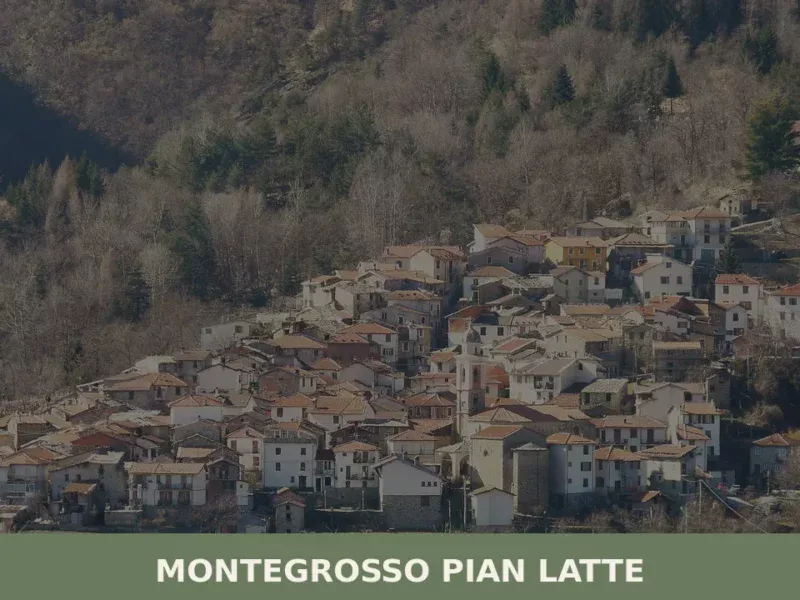
In Liguria More villages to discover
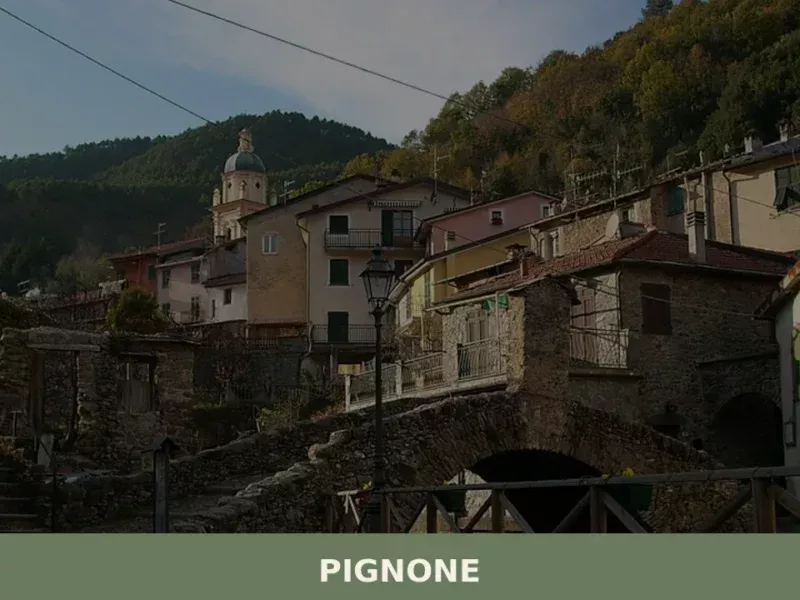
Pignone
Hills
what to see in pignone provides a glimpse into Ligurian life. With a population of 654, discover its location near La Spezia, Italy and its administrative divisions. Explore its quiet charm.
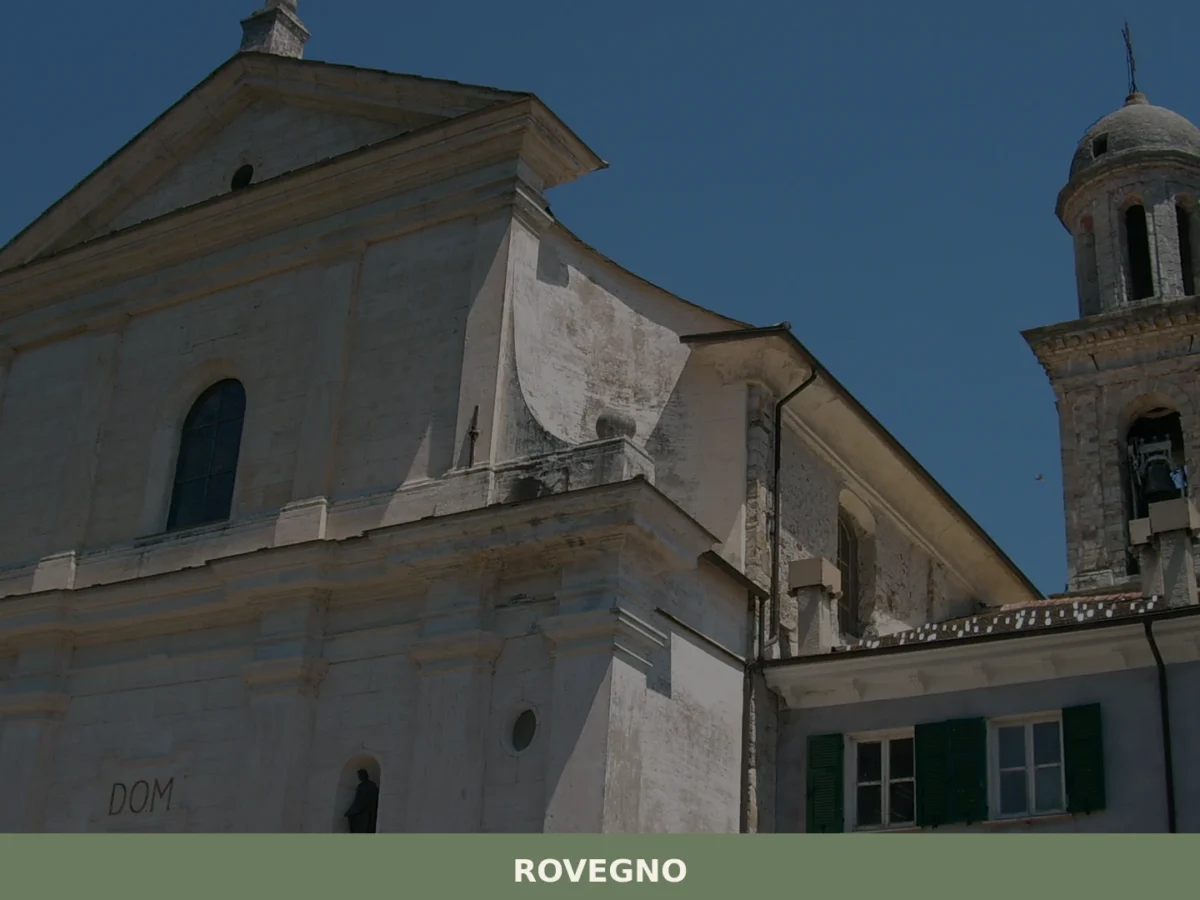
Rovegno
 Mountain
What to see in Rovegno, Italy: Explore the Val Trebbia, 35 km (22 mi) from Genoa. Discover its valley landscape and the surrounding municipalities. Read our guide.
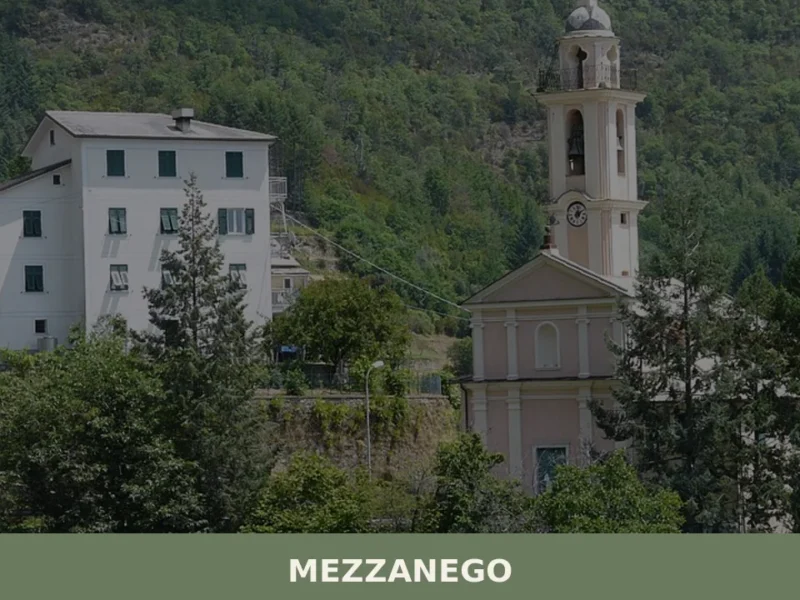
Mezzanego
 Plains
What to see in Mezzanego? Discover the 5 main attractions, from historic churches to the Slate Museum. Plan your trip and visit this Ligurian village.
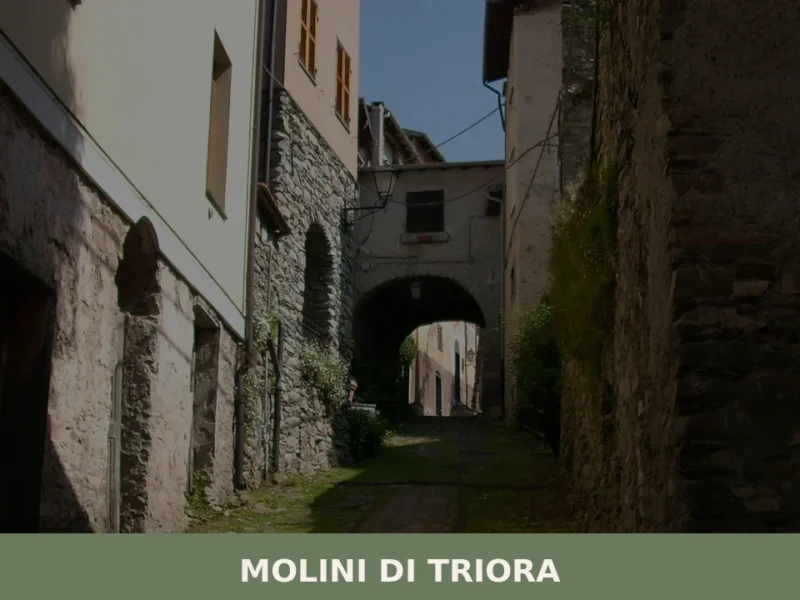
Molini di Triora
Hills
What to see in Molini di Triora, Italy: a village at 460 m in Liguria. Discover top attractions, local food, festivals and how to get there. Read the guide.
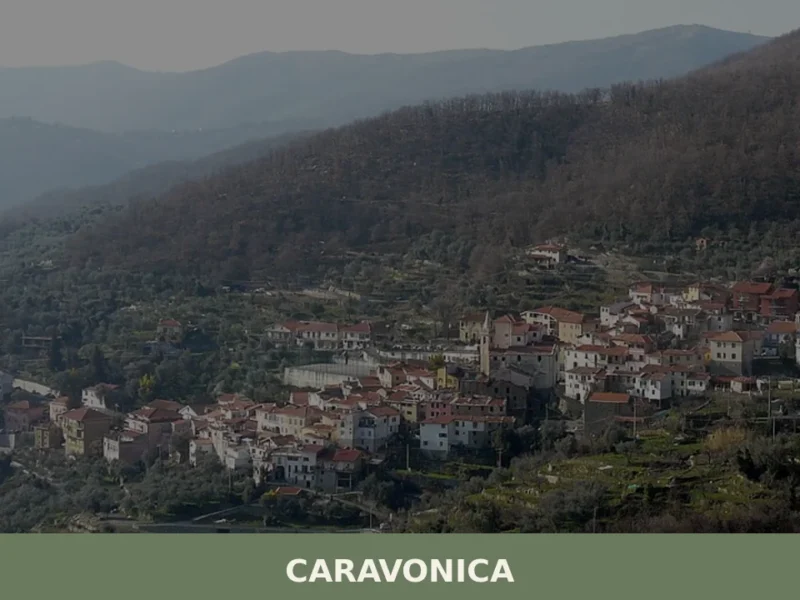
Caravonica
Hills
The scent of wild rosemary drifts on the morning air, carried by a breeze that has travelled from the Ligurian Sea and across the terraced olive groves. Morning light, still soft, begins to illuminate the ochre and terracotta facades of Caravonica “”, a village clinging to a hillside in the Imperia province. At 360 meters […]
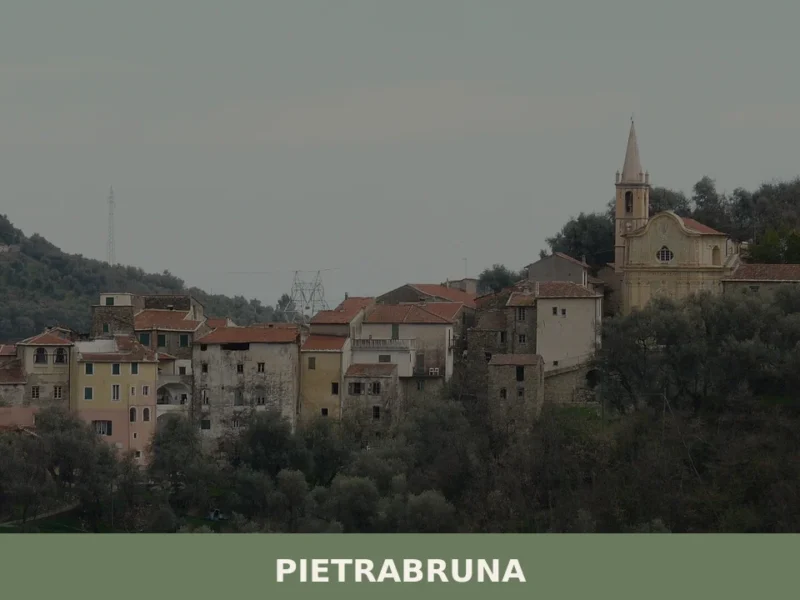
Pietrabruna
 Sea
Sea
What to see in Pietrabruna, Italy: 546 inhabitants, 100 km from Genoa. Discover medieval architecture, Ligurian olive oil and local festivals. Full travel guide.
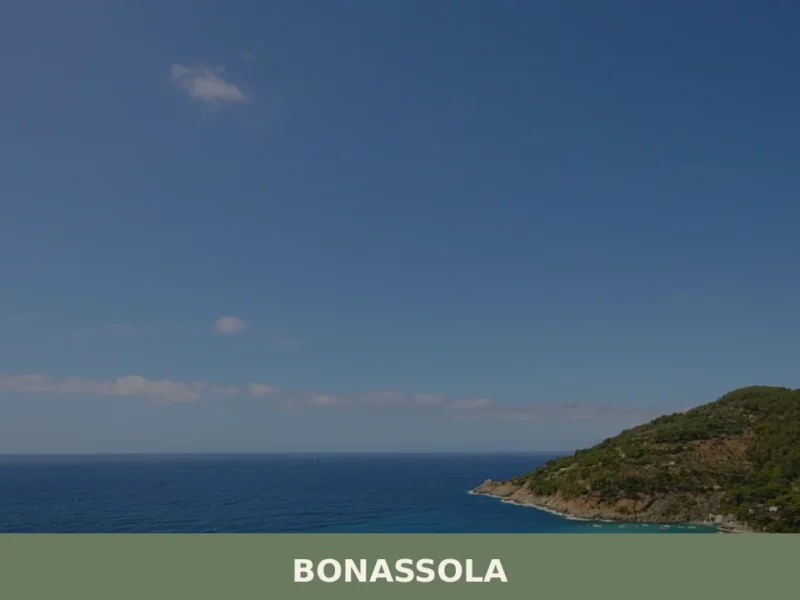
Bonassola
Sea
Bonassola’s single-track railway station, opened in 1874 as part of the Genoa–La Spezia line, brought the first outsiders to a coastal settlement that had survived for centuries on olive oil, wine, and anchovies. Today this compact village of 794 inhabitants sits at six metres above sea level along the Riviera di Levante, its beach one […]

Arenzano
Sea
What to see in Arenzano, Liguria, Italy: explore a 16th-century patrician villa, a Saracens' Tower, and a coastal sanctuary. Population 11,445. Discover it all.
Montalto Ligure
Hills
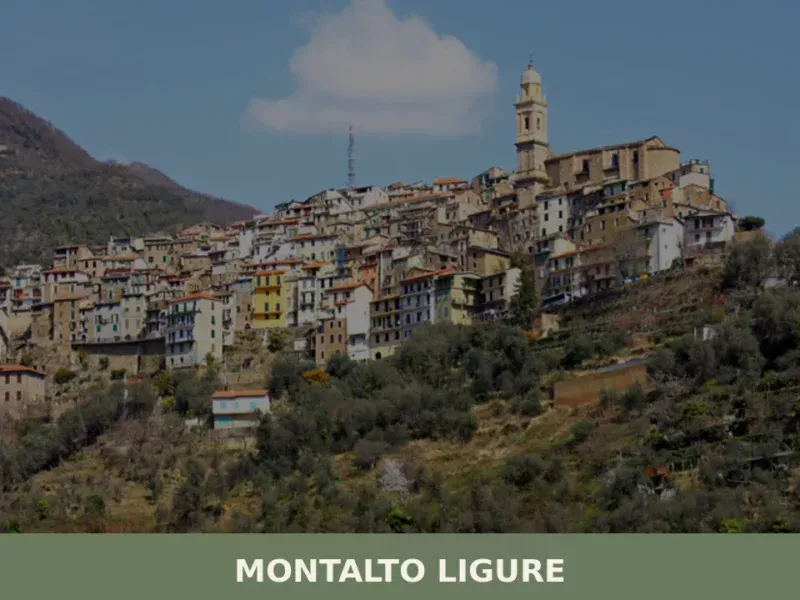
What to see in Montalto Ligure, Italy: Explore its 13.9 km² former territory and administrative history. Discover its unification in 2018.
Plodio
Mountain
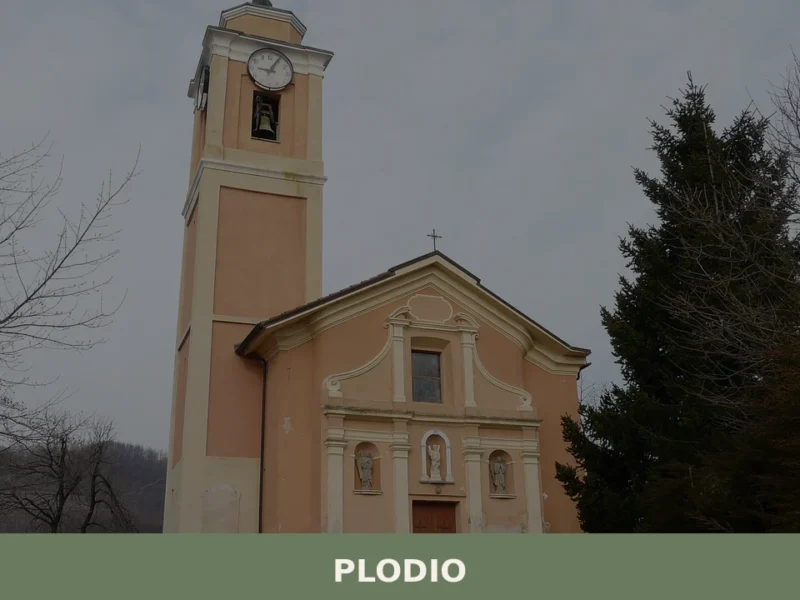
What to see in Plodio, Liguria, Italy: explore Val Bormida, Col di Cadibona and local traditions in a village of 640 inhabitants. Discover the full travel guide.


🏡 Know Villa Faraldi better than we do?
If you’re a local or have been there, your knowledge matters: add what’s missing or fix a detail on this page.