


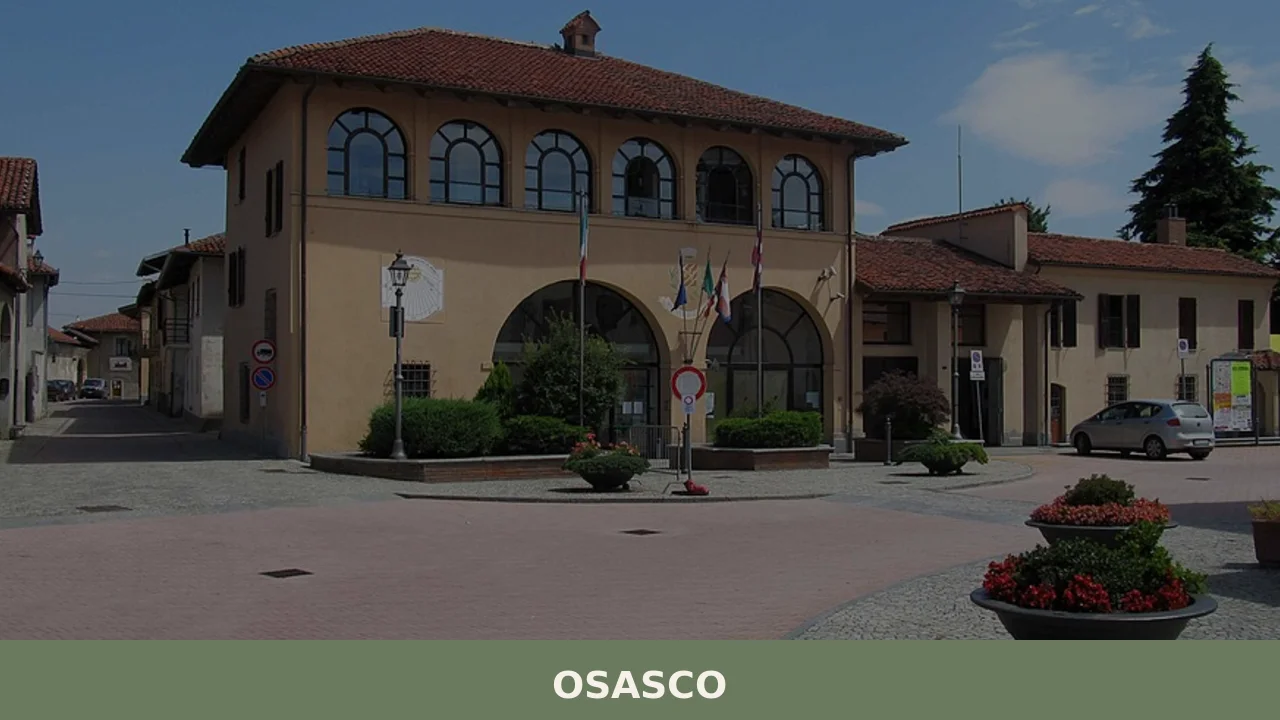
Osasco
 Plains
Osasco is a comune of 1,161 inhabitants in the Metropolitan City of Turin, sitting in the Piemonte region of northwestern Italy. Known in the local Piedmontese language as Osasch, the village occupies a modest position in the hills and plains south of Turin, one of dozens of small agricultural and residential communes that form the […]
Discover Osasco
Osasco is a comune of 1,161 inhabitants in the Metropolitan City of Turin, sitting in the Piemonte region of northwestern Italy. Known in the local Piedmontese language as Osasch, the village occupies a modest position in the hills and plains south of Turin, one of dozens of small agricultural and residential communes that form the quiet fabric of this province. For those exploring what to see in Osasco and the surrounding territory, the village offers a window into the everyday Piedmontese countryside — unpretentious, rooted in its land, and worth understanding on its own terms.
History of Osasco
The name Osasco itself reflects the layered linguistic history of Piemonte, where Latin, Lombard, and Occitan influences have all left marks on place names over the medieval and early modern periods. The Piedmontese form Osasch is a phonetic adaptation that follows the well-documented patterns of the regional dialect, which remains alive in written and spoken form across this part of Italy. The village developed as part of the network of rural settlements that characterised the lowland and foothill territories of the Turin metropolitan area, an administrative unit formally established in 2015 when the Province of Turin was reorganised into a metropolitan city.
Throughout the medieval period, this part of Piemonte fell under the influence of the House of Savoy, which progressively consolidated control over much of the northwestern Italian peninsula from their base in Turin. Small communes like Osasco functioned as agricultural units within this feudal structure, contributing grain, livestock, and labour to the broader territorial economy. The territory’s proximity to Turin — the historic Savoy capital — meant that it was never entirely isolated from the administrative and cultural currents that passed through the region, even as it retained its essentially rural character.
By the 19th century, with the unification of Italy and the administrative reorganisation that followed, Osasco was formally incorporated into the provincial structure centred on Turin. The population of approximately 1,161 residents reflects a pattern common to many small Piedmontese comuni: a relatively stable community that neither expanded dramatically during Italy’s postwar industrialisation nor entirely emptied out. The presence of the metropolitan city of Turin as the governing authority today connects Osasco to one of Italy’s most important industrial and cultural centres, just a short distance to the north.
What to see in Osasco: 5 must-visit attractions
The Parish Church
At the centre of the village stands the parish church, a feature common to every Piedmontese comune and typically the oldest continuously maintained structure in any settlement of this size. In the case of Osasco, the church serves as the architectural anchor of the village core, its bell tower visible from the surrounding agricultural land and its interior reflecting the devotional art and furnishings accumulated over several centuries of local religious life.
The Village Centre and Historic Core
The historic nucleus of Osasco follows the compact urban form typical of small Piedmontese settlements, where farmhouses, civic buildings, and residential structures are grouped around a central square or along a main street. Stone and brick construction predominates, with some buildings showing the characteristic external staircases and arched ground-floor openings associated with rural Piedmontese architecture from the 17th and 18th centuries.
The Surrounding Agricultural Landscape
The countryside immediately surrounding Osasco is an integral part of what to see in Osasco. The flat to gently rolling terrain of this part of the Turin metropolitan area is characterised by cereal crops, vineyards, and scattered farmsteads. This is the working agricultural landscape of Piemonte as it has existed for centuries, largely unaltered in its basic organisation even as farming methods have modernised.
Local Rural Architecture and Cascine
The cascina — the large, enclosed Piedmontese farmstead — is one of the most distinctive building types of the Po plain and its surrounding hills. Around Osasco, examples of these courtyard farms, some dating to the 18th century, can be observed from public roads. Their characteristic four-sided layout, with residential quarters, stabling, and storage under a single enclosed perimeter, reflects a rational agricultural organisation developed over generations.
The Wider Foothill and Hill Territory
The broader territory between Osasco and the foothills of the Alps offers a landscape that changes noticeably with the seasons: snow-capped peaks visible in winter and early spring, fields of wheat and maize in summer, and the amber tones of harvested land in autumn. This layered view — from village to plain to mountain — is one of the defining visual experiences of the Turin metropolitan area.
Local food and typical products
The food culture of Osasco is inseparable from that of Piemonte more broadly, one of Italy’s most rigorously defined regional cuisines. The surrounding province of Turin produces ingredients found at the heart of Piedmontese cooking: tajarin (thin egg pasta), bagna cauda (a warm dip of anchovies, garlic, and olive oil consumed communally), and braised meats cooked in local Barbera or Dolcetto wines. The vitello tonnato — cold veal with a tuna-based sauce — is a dish of this territory that has spread far beyond the region. For those exploring the area, Visit Piemonte provides practical guidance on local food producers, markets, and restaurants across the metropolitan city of Turin.
The farms around Osasco and the wider Turin plain contribute to the network of Piedmontese agricultural production that includes several DOP and IGP designations. Locally produced cheeses, salumi, and seasonal vegetables are available through local markets and, in many cases, directly from agricultural producers. Agriturismo establishments in the area typically offer meals based on what is grown or raised on-site, providing the most direct connection between the landscape and the plate. The autumn season in particular brings the white truffle — centred on the market at Alba — within reasonable reach of visitors based in this part of the province.
Best time to visit Osasco
Spring and early autumn are the most practical seasons for visiting Osasco and this part of the Turin metropolitan area. April through June brings mild temperatures, green fields, and the full range of agricultural activity visible across the plain. September and October offer the harvest period — a time when local markets are at their most active and the connection between landscape and food is most tangible. Summer temperatures on the Piedmontese plain can be high, occasionally exceeding 35°C in July and August, and the flatlands lose some of their visual interest when crops have been gathered. Winter is cold, with the Alps providing a dramatic backdrop on clear days, but visitor infrastructure in small villages like Osasco is limited in the colder months.
How to get to Osasco
Osasco is located in the Metropolitan City of Turin, making Turin — with its international airport and extensive rail connections — the natural point of entry for most visitors.
- By air: Turin Airport (Torino Caselle, TRN) is the nearest international airport. It is served by several European carriers and connects to major Italian hubs. From the airport, Osasco is reachable by car in under an hour depending on the precise route and traffic conditions. Alternatively, Turin Airport offers connections to the city centre by bus and rail, from which onward travel by car is straightforward.
- By train: Turin’s main rail hub, Torino Porta Nuova, is well served by Trenitalia and Italo services from Milan (approximately 45–60 minutes), Genoa, and other major Italian cities. From Turin, local trains and road connections reach the surrounding comuni.
- By car: The A6 (Turin–Savona) and A55 motorways provide access to the southern and western parts of the Turin metropolitan area. The specific exit and route will depend on the traveller’s starting point, but Turin city centre serves as a reliable orientation hub, lying to the north of Osasco.
- By road from Milan: Approximately 140 km via the A4 motorway to Turin, then south toward the village — roughly 1.5 hours in normal traffic conditions.
Where to stay in Osasco
Osasco itself is a small residential comune of just over 1,100 inhabitants, and as such, its own accommodation offer is limited. Visitors exploring this part of the Turin metropolitan area typically base themselves either in Turin city centre — which offers the full range of hotel categories, from international chains to small independent hotels — or in one of the slightly larger towns in the surrounding area that offer agriturismo and bed-and-breakfast options. Staying in Turin allows easy day-trip access to Osasco and the surrounding villages while giving access to the city’s museums, restaurants, and rail connections.
For those who prefer a rural base, agriturismo establishments scattered across the plains and low hills of the Turin province offer accommodation directly within working farm environments. These typically provide rooms or small apartments, often with meals prepared from on-site produce. Booking through the Metropolitan City of Turin’s official portal or regional tourism platforms will provide the most current and verified listings for the area. Weekend bookings should be made in advance during the spring and autumn harvest seasons, when rural accommodation in Piemonte fills quickly.
More villages to discover in Piemonte
The Metropolitan City of Turin and its surrounding provinces contain a remarkable range of smaller comuni, each with its own character rooted in geography and local history. To the northeast, Brosso sits in the Canavese area at a notably higher altitude, offering a different perspective on Piedmontese rural life — one shaped by the mountains rather than the plain. Further east, Azeglio occupies a position near the glacial lakes of the Canavese, a landscape that contrasts sharply with the open agricultural terrain around Osasco.
Beyond the immediate metropolitan area, Piemonte’s network of historic comuni extends in every direction. Monteu da Po lies along the Po river corridor, where the great river defines both landscape and historical settlement patterns. To the east, the provincial capital of Vercelli anchors a flat, rice-growing territory that looks quite different from the Turin plain, yet is deeply embedded in the same Piedmontese cultural and agricultural tradition. Together, these villages and towns trace a portrait of a region far more varied in its geography and character than a single visit could fully reveal.
In Piedmont More villages to discover
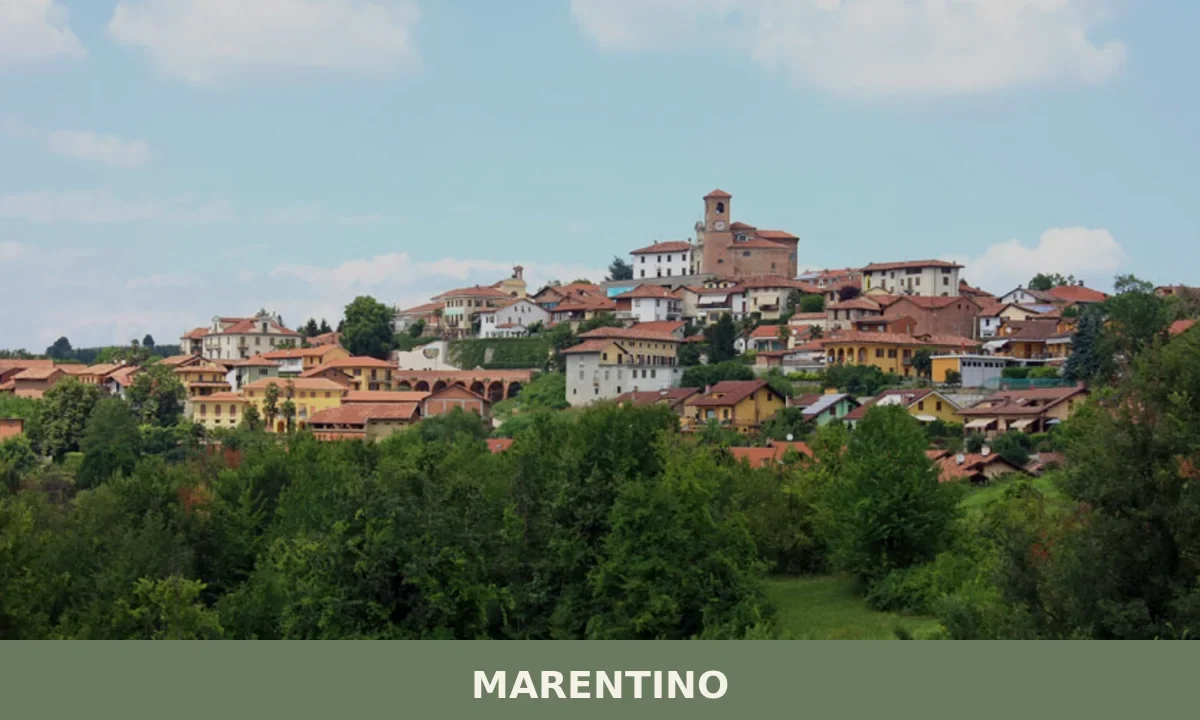
Marentino
 Hills
Hills
Three ancient boroughs, six historic churches and a Romanesque monument listed since 1888 make Marentino a compact but layered destination east of Turin.

Beinasco
Plains
Beinasco traces its roots to a Roman frontier post. Discover how this small town survived plague, warfare and transformation to anchor modern metropolitan Turin.
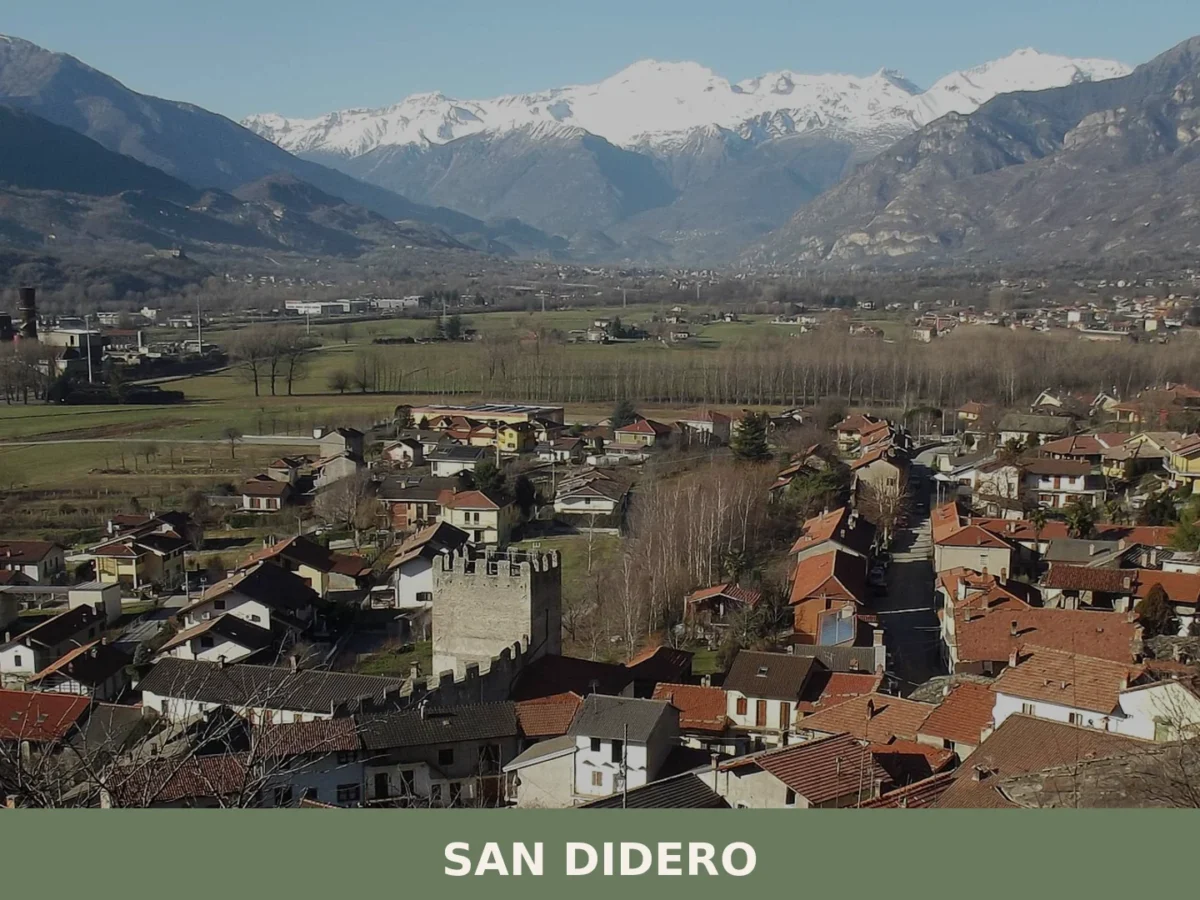
San Didero
 Mountain
Population 497. A small Alpine comune with Roman-era roots, a medieval church and a restored casaforte on the Via Francigena pilgrimage route.
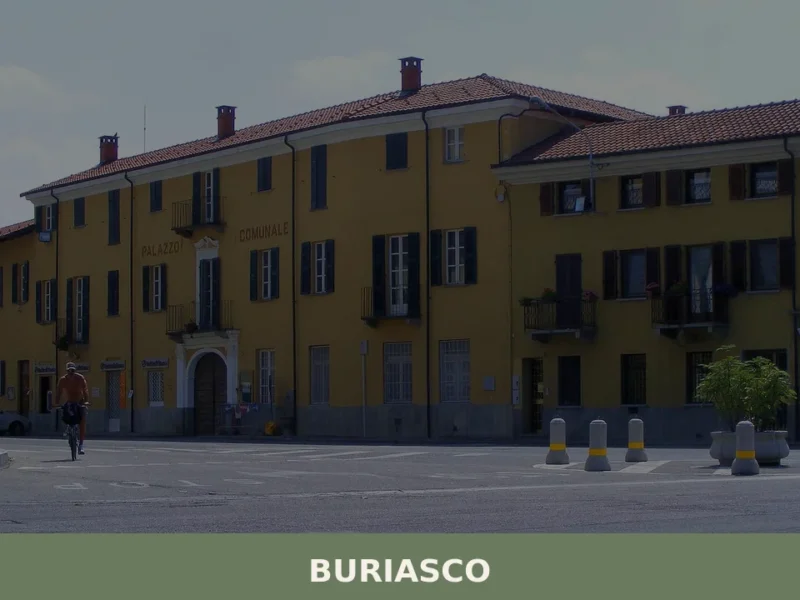
Buriasco
Hills
What to see in Buriasco, Italy: 5 top attractions, local food, festivals and how to get to this 301 m village near Turin. Discover Buriasco, Piemonte.
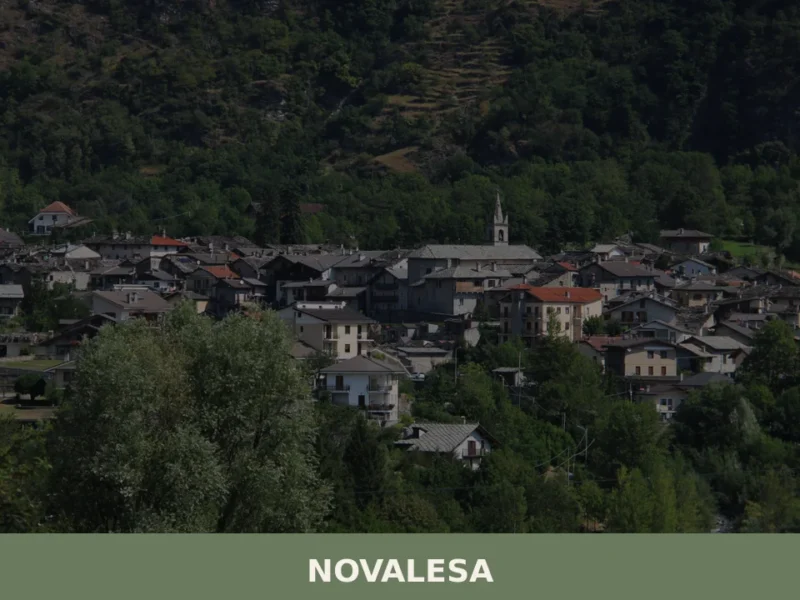
Novalesa
Mountain
Scopri Novalesa, affascinante borgo medievale del Piemonte: storia, abbazia e paesaggi mozzafiato in Valle di Susa. Visita questo gioiello nascosto!
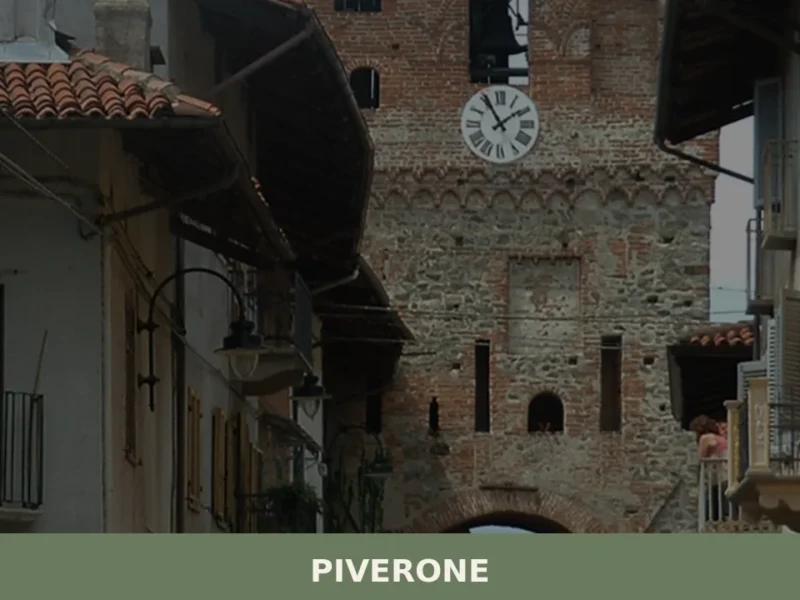
Piverone
Hills
Piverone is a comune of 1,225 inhabitants in the Metropolitan City of Turin, sitting in the Canavese district of Piemonte at the foot of the Monferrato hills. Its Piedmontese name, Pivron, pronounced /pɪw’rʊŋ/, signals a linguistic heritage rooted deep in the region’s Franco-Provençal and Occitan-influenced dialects. For anyone researching what to see in Piverone, the […]
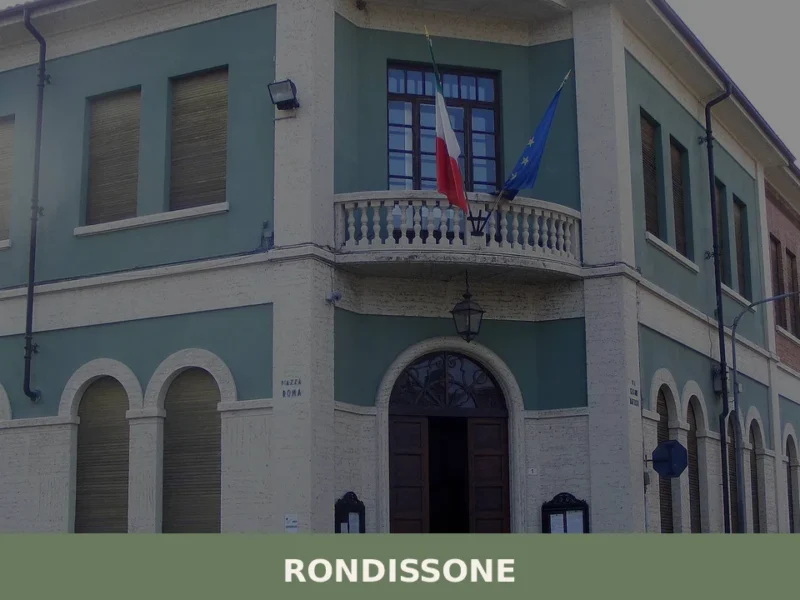
Rondissone
Plains
Discover what to see in Rondissone, a Po plain comune near Turin inside the Parco Fluviale del Po torinese. History, food, travel tips and more.
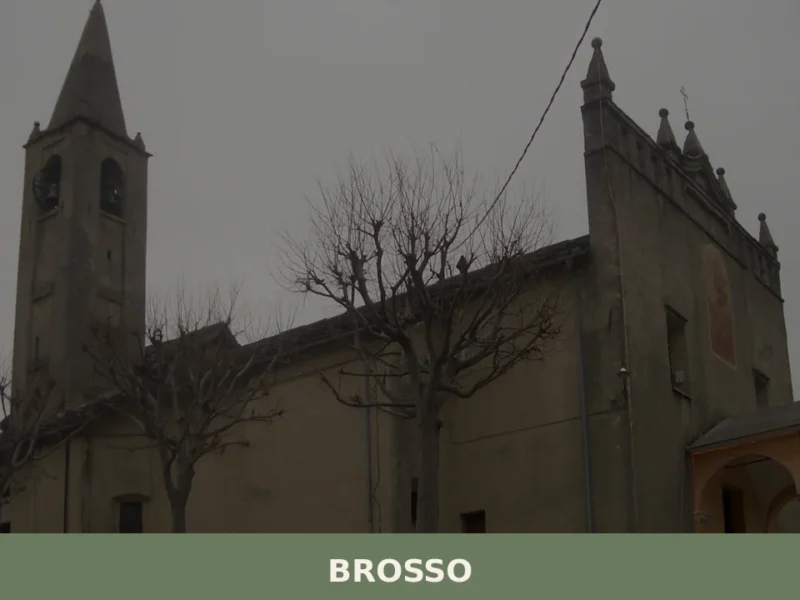
Brosso
Mountain
Brosso has a population of 391 and sits at 797 metres above sea level in the Valli del Canavese, in the province of Turin, on the south-eastern slopes of the Serra di Ivrea. The area was historically defined by mining activity — particularly iron and copper extraction — a practice that left lasting physical marks […]
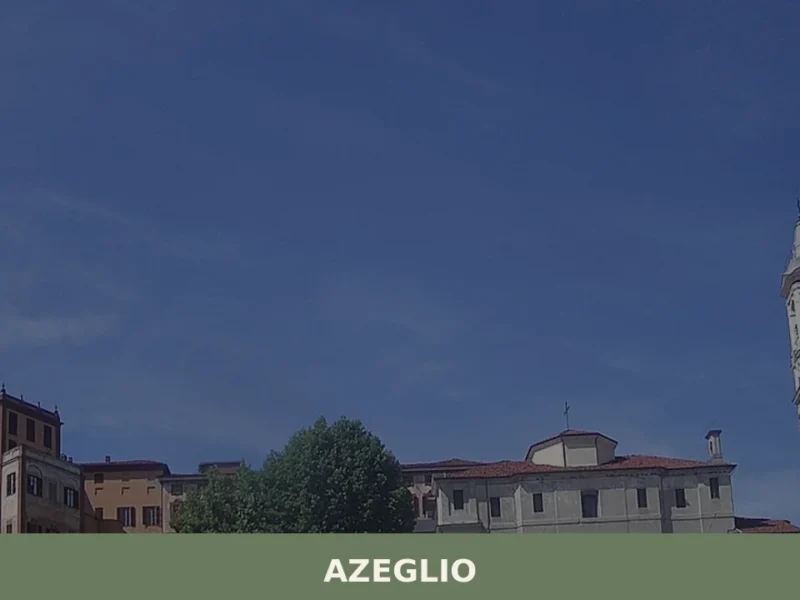
Azeglio
Hills
Azeglio, a small Piedmontese village on Lake Viverone: history, what to see and how to get there. Discover everything to plan your visit.

Riva presso Chieri
Plains
A village of 4,700 inhabitants shaped by plague, fire and noble patronage. Visit for 18th-century churches, a noble palazzo, and the sanctuary tied to miraculous escape.


🏡 Know Osasco better than we do?
If you’re a local or have been there, your knowledge matters: add what’s missing or fix a detail on this page.