


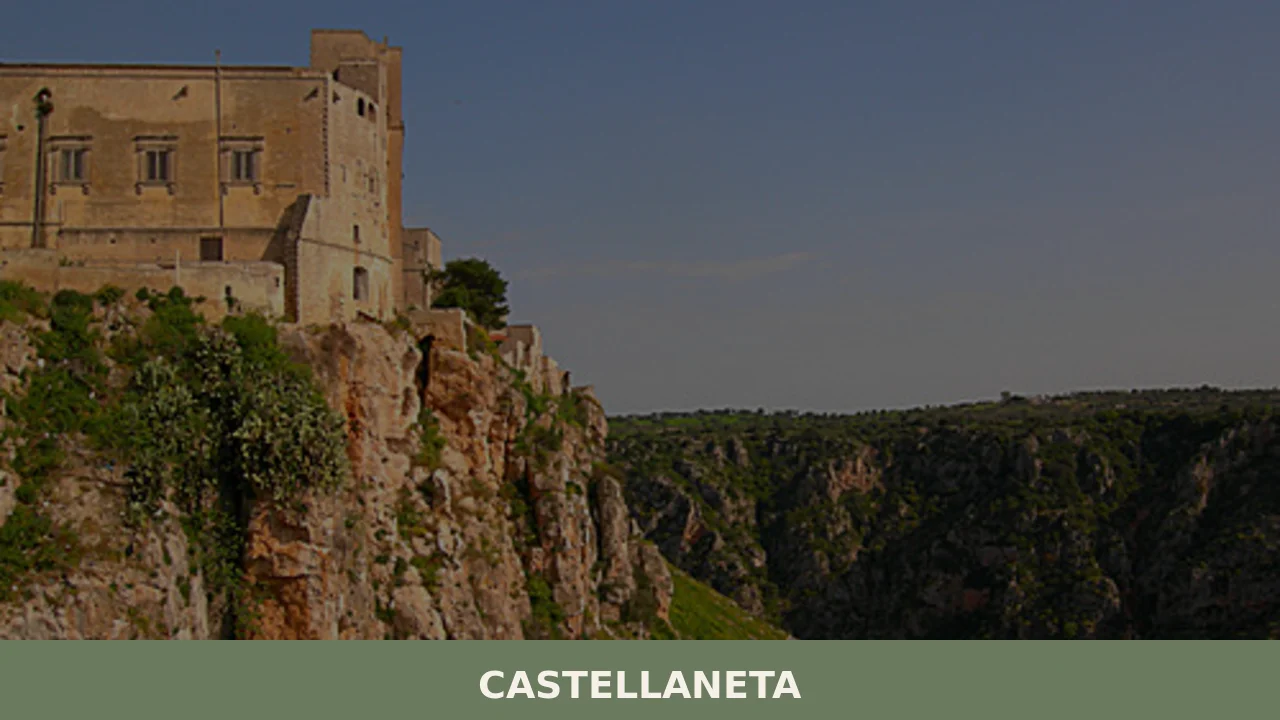
Castellaneta
 Sea
Sea
Castellaneta, a comune of around 15,784 inhabitants in the province of Taranto, sits above a dramatic ravine system carved into the Apulian plateau — a geological fact that has determined the town’s layout, its defensive logic, and the views that define it today. Visitors drawn to this corner of southern Puglia often arrive expecting little […]
Discover Castellaneta
Castellaneta, a comune of around 15,784 inhabitants in the province of Taranto, sits above a dramatic ravine system carved into the Apulian plateau — a geological fact that has determined the town’s layout, its defensive logic, and the views that define it today. Visitors drawn to this corner of southern Puglia often arrive expecting little and leave with a much clearer understanding of how geology and medieval settlement patterns intersect. Knowing what to see in Castellaneta means starting not with a church or a piazza, but with the land itself.
History of Castellaneta
The earliest documented evidence of settlement in the Castellaneta area points to pre-Roman occupation, with the territory showing signs of Peucetian and later Roman presence. The town’s current name is believed to derive from the Latin castellum, indicating a fortified enclosure — a reference to the defensive structures that would have occupied the ridge above the ravines. By the early medieval period, the site had developed into a recognisable inhabited centre, strategically positioned at the edge of the Murge plateau where the land drops sharply toward the Ionian coastal plain.
During the Norman period, Castellaneta became the seat of a diocese — the Diocese of Castellaneta, which was formally established in the eleventh century. This ecclesiastical status gave the town considerable administrative and religious significance within the broader network of southern Italian Norman domains. The diocese itself would persist through various unions and reforms over the centuries, eventually merging with the Diocese of Taranto in 1818 under the reorganisation of the Catholic Church in the Kingdom of the Two Sicilies following the Napoleonic disruptions. The presence of a cathedral — the Cattedrale di Santa Maria Assunta — is the direct architectural consequence of that long episcopal history.
Castellaneta holds a particular place in cultural history as the birthplace of Rodolfo Valentino, born Rodolfo Alfonso Raffaello Pierre Filibert Guglielmi on 6 May 1895. Valentino emigrated to the United States and became one of the most recognisable figures of the silent film era, his fame spanning Hollywood productions such as The Sheik (1921) and Blood and Sand (1922). His connection to Castellaneta is commemorated in the town itself, and the local civic memory of this figure has shaped how the comune presents itself to the wider world. It is a biographical fact verifiable through official records and among the more concrete and specific details distinguishing this town from its neighbours in the Taranto province.
What to see in Castellaneta: 5 must-visit attractions
Cattedrale di Santa Maria Assunta
The cathedral stands on the highest ground of the old town, its origins rooted in the Norman diocese established in the eleventh century. The current structure reflects successive interventions across the medieval and baroque periods. Its facade and interior preserve elements from different architectural campaigns, making it a legible record of the town’s ecclesiastical continuity across roughly nine hundred years.
The Gravine (Ravines)
The ravines cutting through the limestone plateau directly below the town centre are Castellaneta’s most geologically significant feature. Formed over millennia by erosion, these canyon-like formations — locally called gravine — drop sharply from the inhabited ridge. Rock-cut cave dwellings and ancient rupestrian chapels are visible within the ravine walls, a pattern of habitation shared across the broader Gravine di Puglia Natural Park.
Museo Rodolfo Valentino
Dedicated to the town’s most internationally famous native, this museum documents the life and career of Rodolfo Valentino through archival materials, photographs, and period objects. Valentino was born on 6 May 1895 in a house in Castellaneta’s historic centre. The museum functions as the primary institutional point of reference for his biography and for understanding his transition from an obscure southern Italian town to 1920s Hollywood stardom.
Historic Centre and Belvedere
The old town’s street plan follows the logic of a ridge settlement, with narrow lanes running parallel to the ravine edge. The belvedere — the panoramic terrace overlooking the gravine — offers an unobstructed view down into the canyon system and across toward the Ionian coastal plain. This vantage point makes the relationship between the town’s elevation, roughly 250 metres above sea level, and the surrounding landscape immediately legible.
Palazzo Marchesale
The feudal palace occupying part of the historic centre reflects the town’s history under various noble families who held control of the territory during the Angevin and subsequent Spanish periods of southern Italian governance. The structure, typical of Apulian feudal architecture in its scale and position relative to the urban fabric, has undergone transformations across the centuries and today stands as one of the more substantial civil buildings in the old town.
Local food and typical products
The Taranto province, within which Castellaneta sits, is dominated by an agricultural economy centred on olive oil, durum wheat, and legumes. The olive cultivars of this part of Puglia — particularly varieties associated with the broader Terre d’Otranto and Collina di Brindisi production zones — yield oils with marked bitterness and low acidity, characteristic of late-harvested Apulian olives. Bread made from locally milled durum wheat semolina, along with pasta formats such as orecchiette and cavatelli, form the backbone of the local table. Pulses — chickpeas, fava beans, and lentils — appear frequently in both everyday cooking and more formal preparations, often combined with wild greens gathered from the surrounding countryside.
For visitors eating in and around Castellaneta, the options range from family-run trattorie in the town centre to agriturismo operations in the surrounding countryside, several of which serve meals based on their own farm production. The Regione Puglia maintains updated listings of local food producers and certified agriturismo establishments across the province, which can be a practical resource when planning meals in the area. Markets held in the town and the surrounding comuni are the most direct route to local produce, including fresh ricotta, aged pecorino, and seasonal vegetables from the plateau gardens.
Best time to visit Castellaneta
The Apulian climate means that Castellaneta experiences hot, dry summers — July and August temperatures regularly exceed 35°C on the plateau — and mild, sometimes rainy winters. The most comfortable periods for walking the old town and exploring the gravine on foot are April through June and September through October, when temperatures sit between 18°C and 28°C and the light is consistent without being punishing. The annual commemorations linked to Rodolfo Valentino, typically held in the summer period, draw visitors with a specific interest in early cinema history and can give the town a noticeably different energy during those days.
Spring is the most rewarding season for anyone interested in the natural landscape of the Gravine di Puglia area: the ravine walls are green, wildflowers appear along the plateau edges, and the footpaths through the park are accessible without the heat that makes mid-summer walking difficult. The Parco Naturale Regionale Terra delle Gravine provides trail information and seasonal access details for visitors planning to walk the ravine systems around Castellaneta and the neighbouring comuni.
How to get to Castellaneta
Castellaneta is located in the province of Taranto, in the southern part of Puglia. The town is reachable by road, rail, and — with a connecting transfer — by air.
- By car: From the A14 (Autostrada Adriatica), the nearest practical exit is Taranto, from which Castellaneta is approximately 40 kilometres inland via the SS7 (Via Appia) and connecting provincial roads. The drive from Taranto takes roughly 45 minutes depending on route and traffic.
- By train: Castellaneta has a railway station on the Taranto–Reggio Calabria line, served by Trenitalia regional services. From Taranto station, the journey takes approximately 30–40 minutes. The station sits at the foot of the hill below the town centre, requiring either a taxi or a short uphill drive to reach the historic centre.
- By air: The nearest major airport is Brindisi (Aeroporto del Salento), approximately 90 kilometres from Castellaneta. Bari Karol Wojtyła Airport is approximately 100 kilometres to the north. Both airports are connected to Taranto by shuttle or car hire, from which onward travel to Castellaneta is straightforward. Journey time from either airport by car is roughly 60–75 minutes.
- From Taranto city: Taranto is the provincial capital and the most practical base for logistics. The Comune di Castellaneta provides local administrative contacts and can be a point of reference for specific access information.
Where to stay in Castellaneta
Accommodation options in and around Castellaneta reflect the town’s scale and rural character. Within the historic centre, small bed and breakfast establishments and holiday apartments occupy renovated buildings in the old town, placing guests within walking distance of the cathedral, the belvedere, and the ravine viewpoints. This is the most practical base for visitors focused on the town itself, particularly if arriving without a car, as the historic centre is compact and walkable.
The surrounding countryside offers agriturismo accommodation — farmhouse stays that typically combine rooms with meals based on the farm’s own production. These are better suited to visitors with a car, as the farmsteads are distributed across the plateau and rarely accessible on foot from the town. Castellaneta Marina, on the Ionian coast roughly 25 kilometres from the town centre, expands the accommodation offer considerably during the summer season, with holiday villages and rental properties oriented toward beach tourism. Visitors whose primary interest is the historic town itself will find the inland options more convenient and the coastal properties more relevant as a base for a broader stay in the Taranto coastal zone. Booking through the major platforms in advance is advisable for the spring and summer periods, when the area sees increased regional tourism.
More villages to discover in Puglia
The broader Puglia region contains a varied set of smaller comuni that share some of Castellaneta’s characteristics — deep historical roots, ravine or plateau landscapes, and a population scale that keeps daily life oriented around the town centre rather than mass tourism infrastructure. Gravina in Puglia, to the north in the Bari province, offers perhaps the most dramatic comparison: its own ravine system and rupestrian churches make it a compelling counterpart to Castellaneta for anyone interested in the gravine landscape as a recurring feature of this part of southern Italy. Similarly, the smaller comune of Martignano, in the Lecce province, illustrates how distinct Puglia’s internal sub-regions remain in terms of architecture, dialect, and cultural reference.
Further north, the agricultural comuni of the Bari hinterland carry their own layered histories. Capurso, a town with a documented Marian sanctuary and a position within the greater Bari metropolitan area, shows how religious geography and civic life remain intertwined across the region. For visitors willing to cross into the Foggia province, San Marco la Catola represents a different register entirely — a smaller, more isolated settlement in the Apennine foothills where the Apulian landscape gives way to the more austere terrain of the interior south. Together, these villages sketch a more complete picture of what Puglia is beyond its coastal and baroque headline destinations.
Frequently asked questions about Castellaneta
What is the best time to visit Castellaneta?
The most comfortable periods to visit Castellaneta are spring (April-June) and early autumn (September-October), when temperatures are pleasant, ranging from 18°C to 28°C. This is ideal for exploring the historic centre and hiking the gravine, which are lush with wildflowers in spring. Visitors interested in local traditions can experience the patronal feast of San Francesco di Paola on the second Sunday of May, or the feast of San Nicola di Bari on December 6th. Summer (July-August) can be very hot, though it hosts Rodolfo Valentino commemorations.
What are the historical origins of Castellaneta?
Castellaneta's history dates back to pre-Roman times, with evidence of Peucetian and Roman settlements. Its name is believed to derive from the Latin 'castellum', signifying a fortified enclosure. The town gained significant importance in the 11th century when it became the seat of a Norman diocese, influencing its administrative and religious development. This ecclesiastical status led to the construction of the Cattedrale di Santa Maria Assunta. Castellaneta is also notably the birthplace of the silent film icon Rodolfo Valentino, born in 1895.
What to see in Castellaneta? Main monuments and landmarks
In Castellaneta, key sights include the Cattedrale di Santa Maria Assunta, a historic cathedral reflecting Norman, medieval, and baroque architectural styles. Explore the dramatic Gravine, deep ravines featuring ancient rock-cut cave dwellings and rupestrian chapels, part of the Gravine di Puglia Natural Park. Visit the Museo Rodolfo Valentino, dedicated to the town's famous silent film star. Wander through the Historic Centre to the Belvedere, a panoramic terrace offering stunning views over the gravine and the Ionian coastal plain. Don't miss the historic Palazzo Marchesale, a prominent feudal palace.
What are the main natural or scenic attractions of Castellaneta?
The most striking natural attractions in Castellaneta are its dramatic Gravine, a system of deep limestone ravines that shape the landscape. These canyon-like formations are part of the Gravine di Puglia Natural Park, offering unique geological insights and opportunities for hiking. Within the ravine walls, visitors can spot ancient rock-cut cave dwellings and rupestrian chapels. The Belvedere in the historic centre provides an exceptional panoramic terrace with breathtaking views down into the gravine system and across towards the distant Ionian coastal plain.
Where to take the best photos in Castellaneta?
For the most captivating photos in Castellaneta, the Belvedere in the historic centre is a must-visit. This panoramic terrace offers spectacular views down into the dramatic Gravine and across to the Ionian coastal plain, especially picturesque during sunrise or sunset. The narrow, winding lanes of the historic centre provide charming opportunities for street photography, capturing the town's medieval character. The Cattedrale di Santa Maria Assunta, with its blend of architectural styles, also makes for an excellent subject, particularly when framed against the clear Apulian sky.
Are there museums, churches or historic buildings to visit in Castellaneta?
Yes, Castellaneta offers several significant cultural and historical sites. The Cattedrale di Santa Maria Assunta, located on the highest ground of the old town, showcases a rich architectural history spanning from its Norman origins through the baroque period. The Museo Rodolfo Valentino is dedicated to the town's most famous native, offering a comprehensive look at the silent film star's life and career through archival materials. Additionally, the Palazzo Marchesale, a substantial feudal palace, stands as a testament to centuries of noble governance within the historic centre.
What can you do in Castellaneta? Activities and experiences
In Castellaneta, visitors can immerse themselves in a blend of cultural and natural activities. Explore the historic centre's medieval lanes, culminating in panoramic views from the Belvedere. Hike through the stunning Gravine di Puglia Natural Park, discovering ancient cave dwellings and rupestrian chapels. Indulge in authentic Apulian food and wine experiences at family-run trattorie or local agriturismi, sampling regional specialties. During the summer, visitors can experience events commemorating Rodolfo Valentino, adding a unique cultural dimension to their visit to this charming village.
Who is Castellaneta suitable for? Families, couples, hikers, solo travelers?
Castellaneta is ideal for travelers seeking an authentic Apulian experience away from mass tourism. It particularly appeals to history and culture enthusiasts interested in its Norman past and the legacy of Rodolfo Valentino. Nature lovers and hikers will appreciate the dramatic gravine system and opportunities for exploration within the Gravine di Puglia Natural Park. Foodies can savour local culinary traditions at trattorie and agriturismi. Its tranquil atmosphere makes it suitable for couples, solo travelers, and families looking for a relaxed base to explore the Taranto province and its geological wonders.
What to eat in Castellaneta? Local products and specialties
Castellaneta's cuisine is deeply rooted in the agricultural traditions of the Taranto province. Key specialties include robust olive oil from local cultivars, artisanal bread made from durum wheat semolina, and fresh pasta like orecchiette and cavatelli. Legumes such as chickpeas, fava beans, and lentils, often combined with wild greens, are staples in local dishes. Visitors should also sample fresh ricotta and aged pecorino cheese, often found at local markets. Dining at family-run trattorie or agriturismi provides the best opportunity to taste these authentic Apulian flavors.
📷 Photo Gallery — Castellaneta
Getting there
Largo Principe di Napoli, 74011 Castellaneta
Nearby Villages near Castellaneta
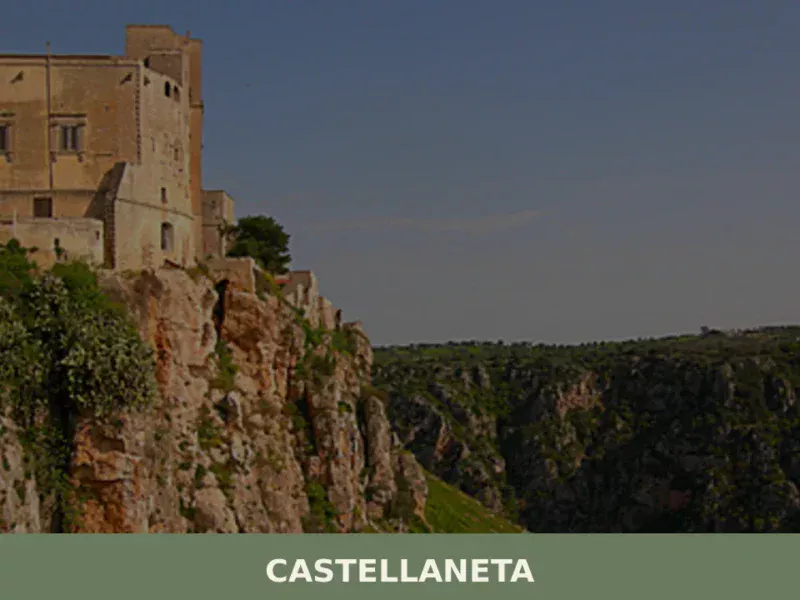
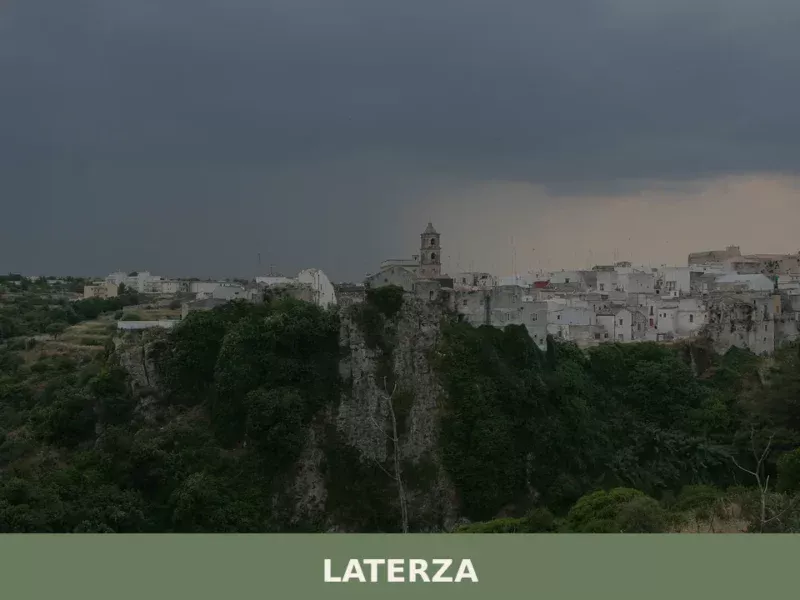
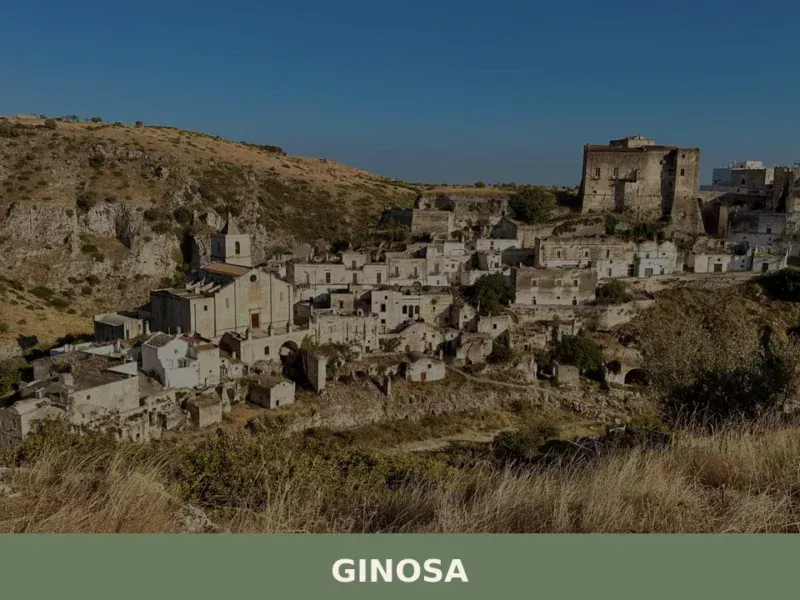
In Apulia More villages to discover
San Paolo di Civitate
 Plains
A ridge-top village above the Tavoliere plain in Foggia province, San Paolo di Civitate holds Roman ruins, Norman battlefield history, and an unhurried agricultural life.
Candela
 Hills
Hills
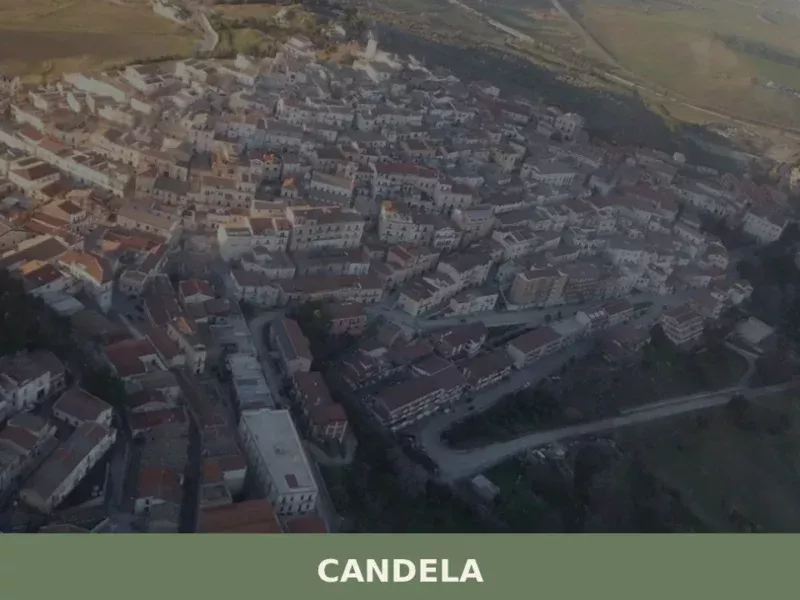
What to see in Candela, Puglia, Italy: explore a hilltop village at 474 m with Roman-era roots, the Feast of San Rocco and local wheat traditions. Discover it now.
San Ferdinando di Puglia
Plains
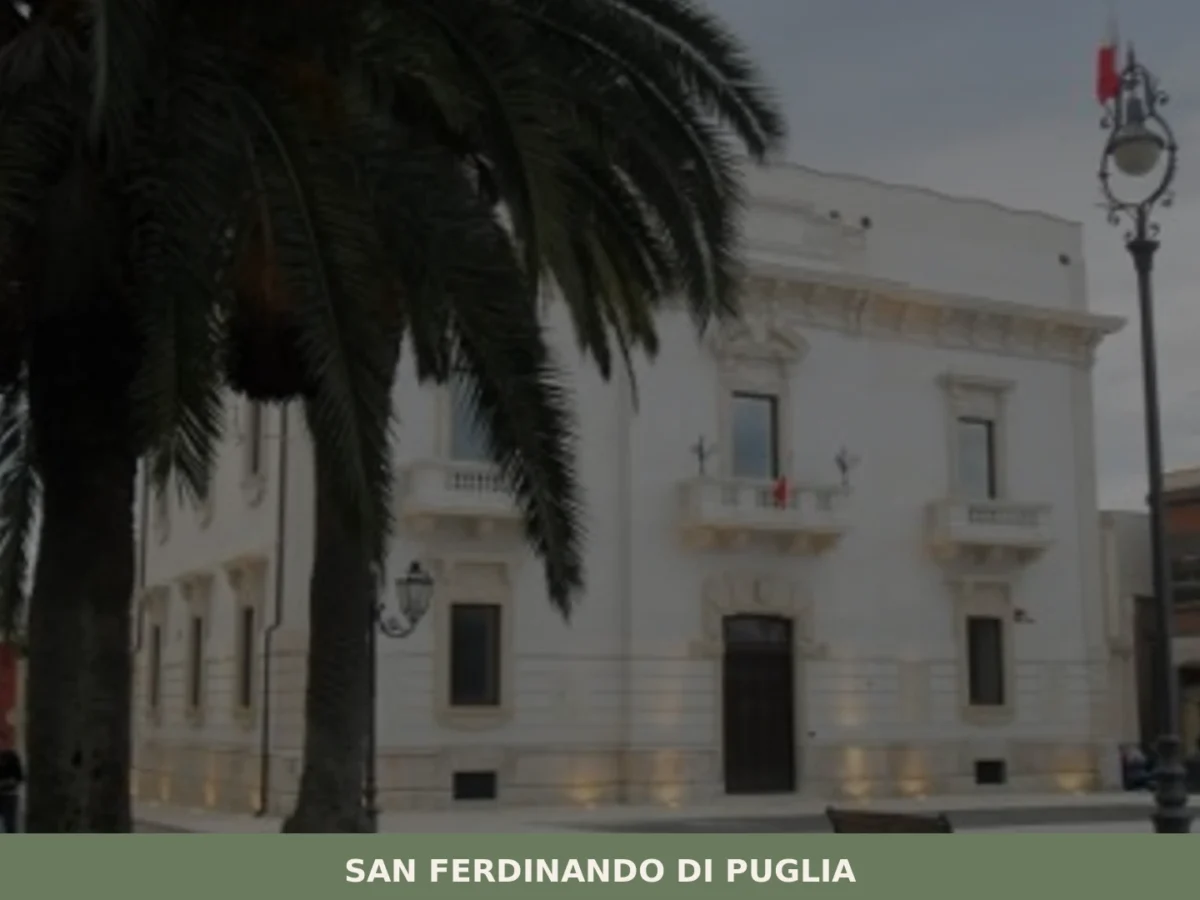
What to see in San Ferdinando di Puglia: 5 must-visit attractions, from the historic centre to the churches. Discover the complete guide and plan your visit.
Adelfia
Plains
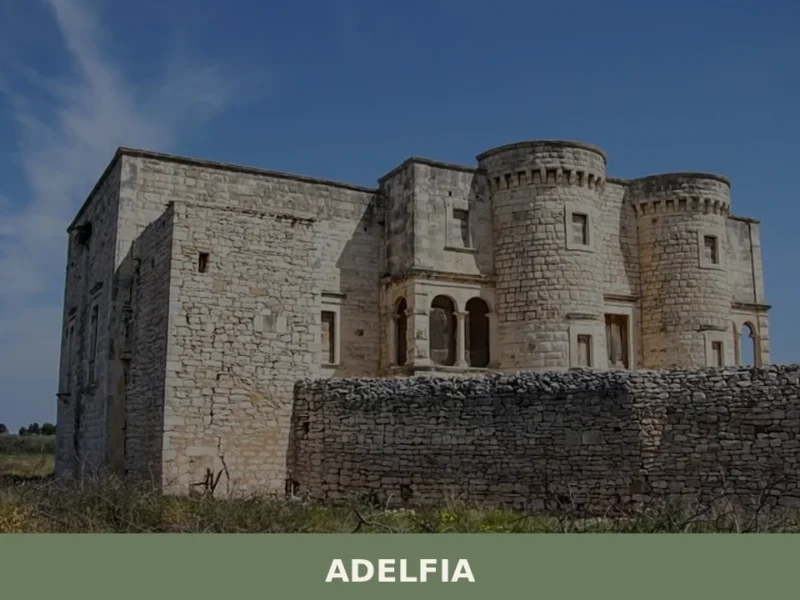
In 1927, a royal decree unified two separate municipalities — Canneto di Bari and Montrone — into a single administrative entity given the name Adelfia, from the Greek adelphós, meaning brother. It was a political gesture that encapsulated centuries of coexistence between two settlements separated by less than a kilometre of countryside, yet each fiercely […]
San Donaci
Plains
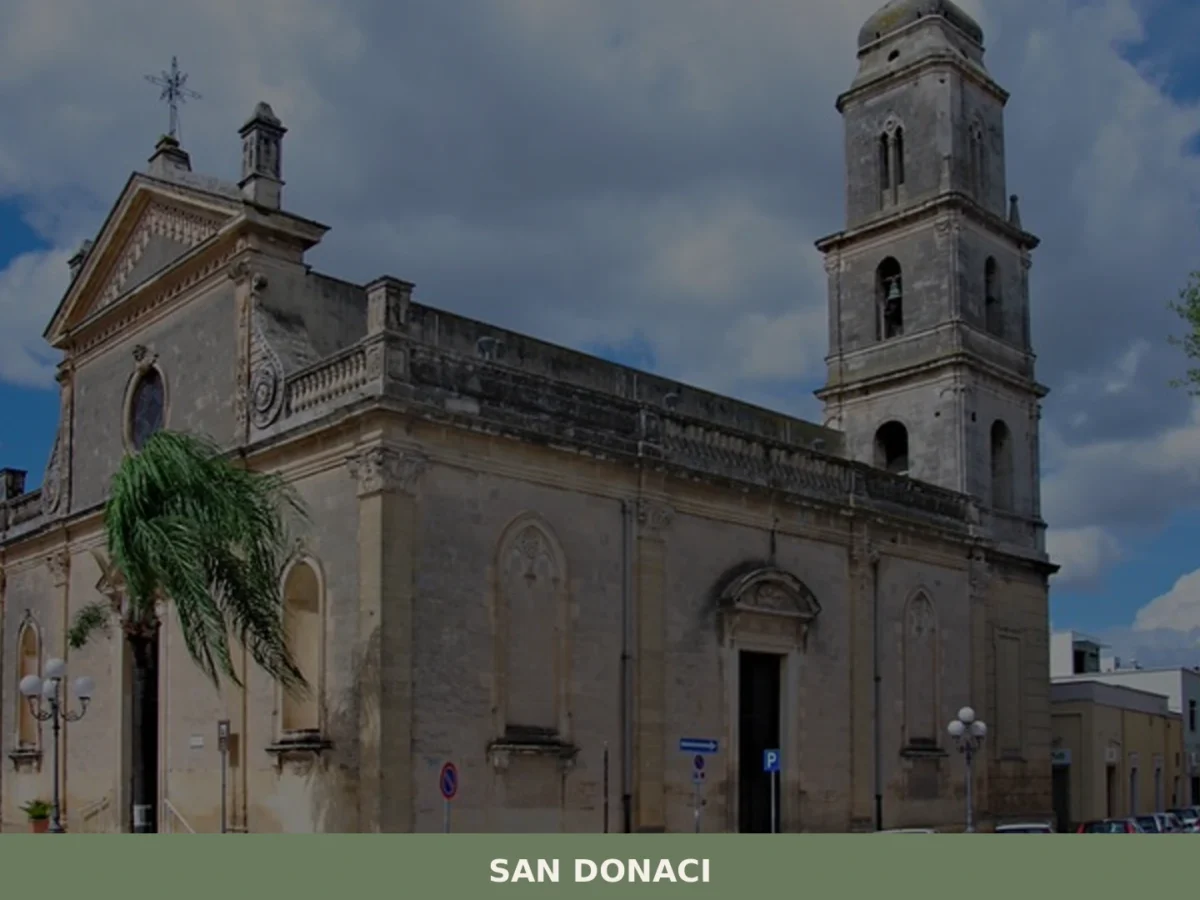
What to see in San Donaci? Discover the 5 must-see attractions of this Puglian village. Plan your perfect visit with our complete guide!
Cisternino
Hills
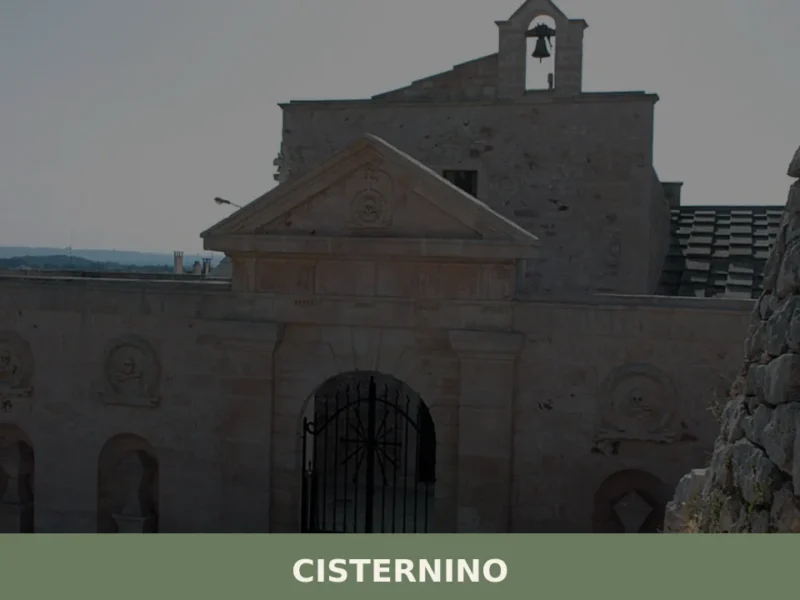
At 394 meters above sea level, in the heart of the Itria Valley, Cisternino features a compact urban layout, characterized by white lime buildings that line a network of narrow streets. This architecture, typical of Puglia’s “white village” style, reflects centuries of adaptation to the climate and terrain. Its elevated position offers a wide view […]
Accadia
 Mountain
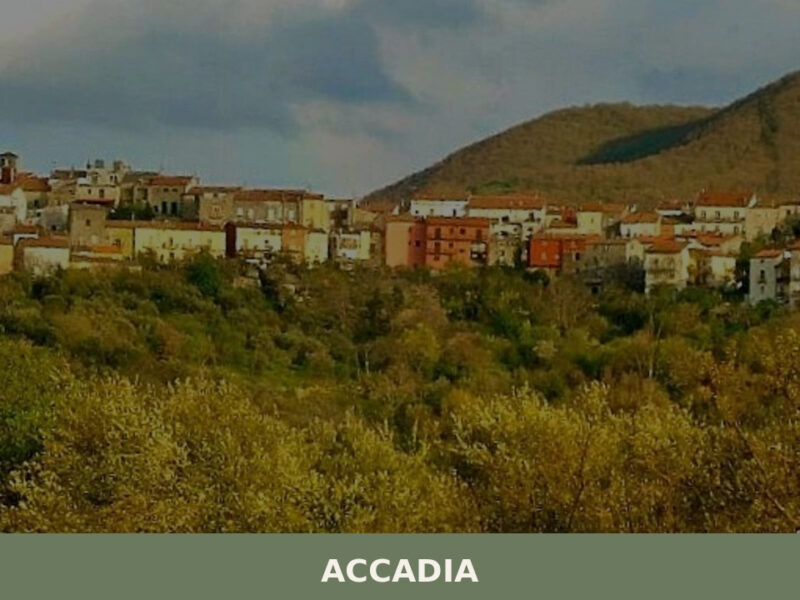
Perched at 650 metres above sea level on the western edge of Puglia’s Subappennino Dauno, the small village of Accadia feels like a secret whispered between mountains and sky. Home to just over 2,200 inhabitants, this ancient hilltop settlement in the province of Foggia rewards visitors with crumbling medieval ruins, sweeping panoramas, and a fierce […]
Cerignola
Plains
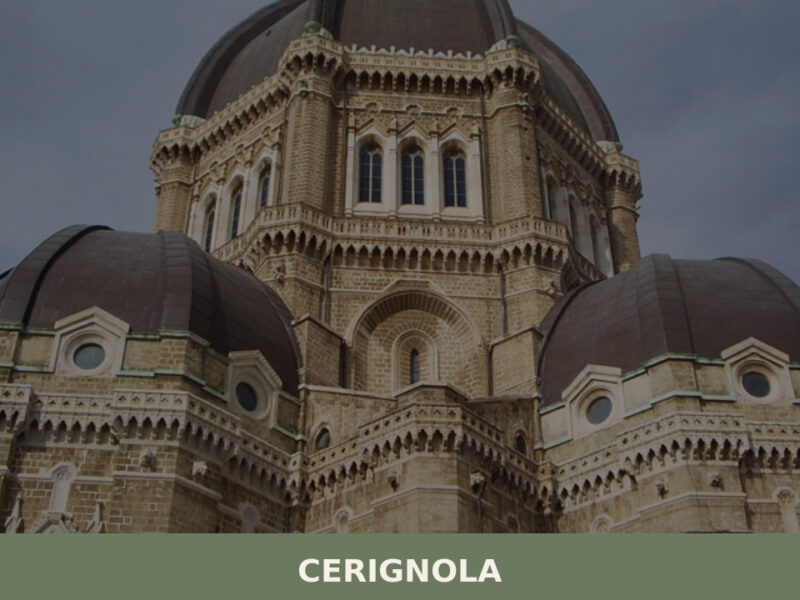
A complete guide to Cerignola in Puglia's Tavoliere plain — its medieval quarter, cathedral, Teutonic tower, renowned olives, and the deep agricultural heritage of the province of Foggia.
Cutrofiano
Plains
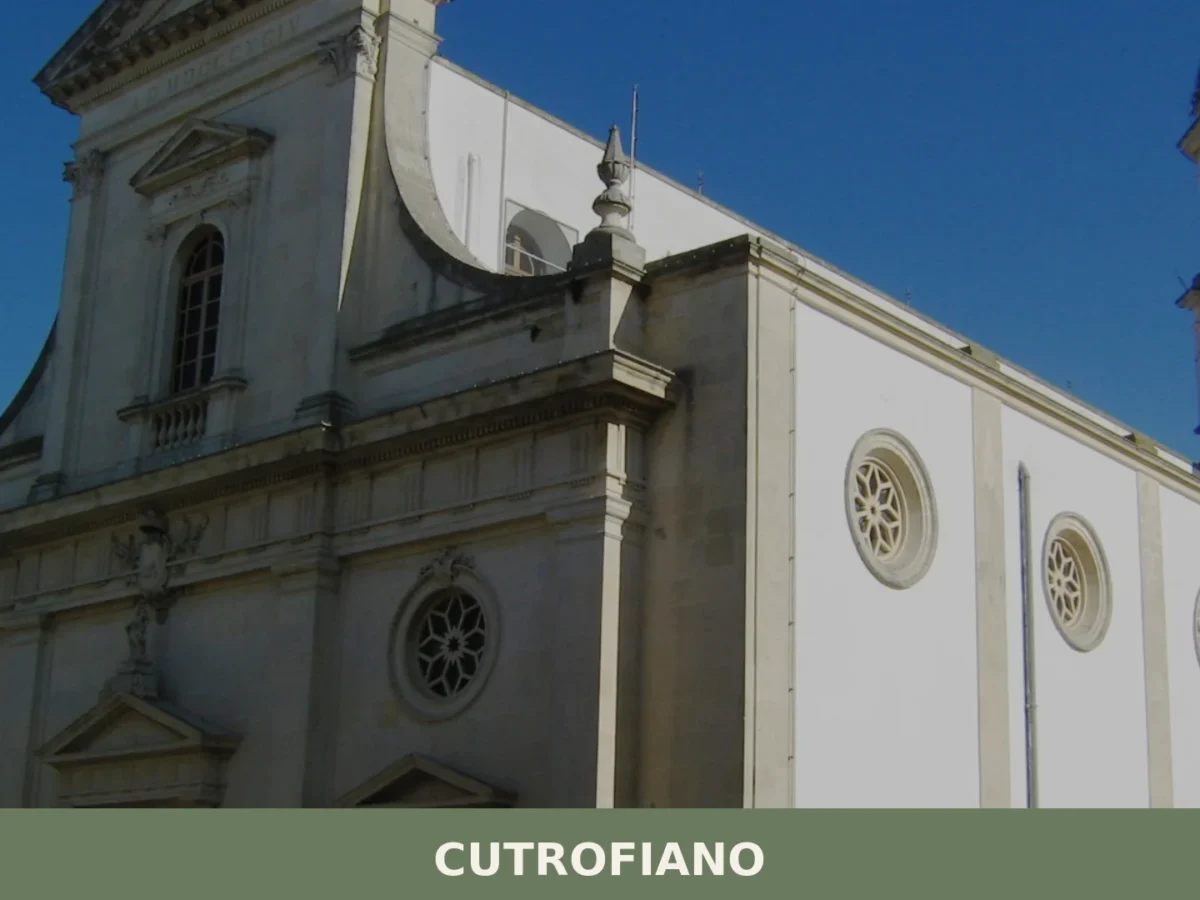
A rural comune of 8,657 souls at 85 metres altitude in southern Lecce province. Visit for medieval crypts, baroque architecture and the living memory of a once-thriving ceramic tradition.
Margherita di Savoia
Sea
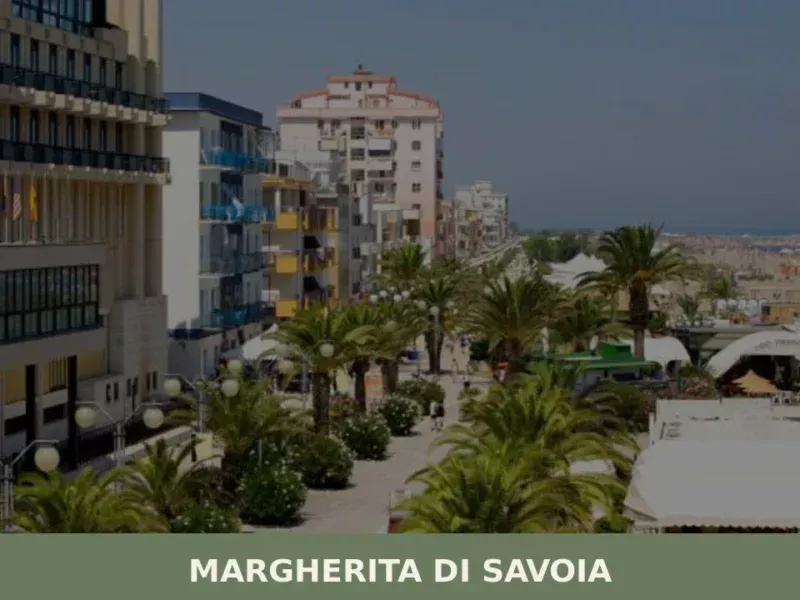
Discover what to see in Margherita di Savoia: Europe's largest salt flats, the historic Torre delle Saline, thermal baths and an Adriatic beach in Puglia.

🏡 Know Castellaneta better than we do?
If you’re a local or have been there, your knowledge matters: add what’s missing or fix a detail on this page.