


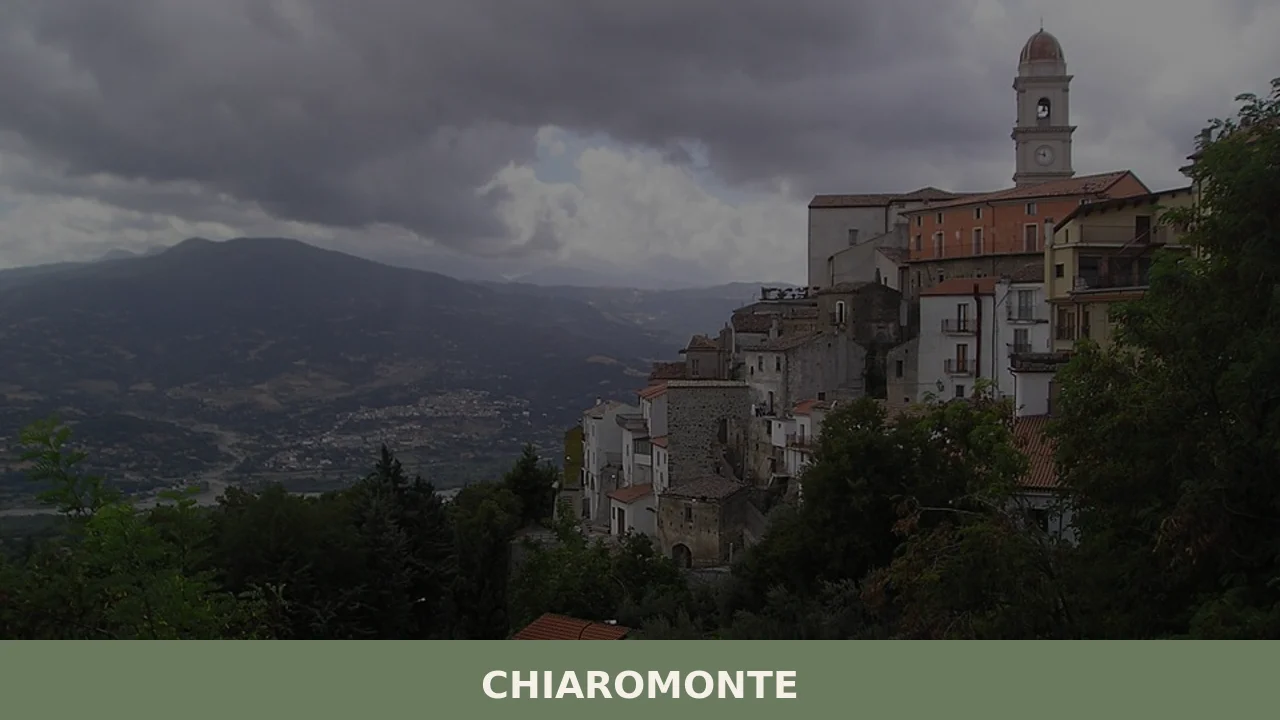
Chiaromonte
With a population of 1,964 inhabitants, Chiaromonte is located 794 meters above sea level in the province of Potenza. The village, whose presence has been documented since the medieval era, celebrates its patron, Saint John the Baptist, on June 24 and August 29. For those who venture into this mountain landscape, the desire to understand […]
Discover Chiaromonte
With a population of 1,964 inhabitants, Chiaromonte is located 794 meters above sea level in the province of Potenza. The village, whose presence has been documented since the medieval era, celebrates its patron, Saint John the Baptist, on June 24 and August 29. For those who venture into this mountain landscape, the desire to understand what to see in Chiaromonte translates into an exploration of its historical structures and its views of the surrounding area.
History and Origins of Chiaromonte
Chiaromonte’s roots lie in the medieval period, with the first attestations dating back to the 10th-11th centuries. The name itself, “Chiaromonte,” is thought to derive from “Clarus Mons” or “Chiaro Monte,” likely indicating the elevated and clearly visible position of the settlement. The village was an important strategic center under Norman rule, as evidenced by traces of fortifications and the core of the castle.
Over the centuries, Chiaromonte witnessed changes in ownership among various feudal families, including the Sanseverino, Del Balzo, and Carafa. Each lordship contributed to defining the urban and architectural layout of the place, leaving visible marks in the churches and palaces. Its position, at the border between different areas of influence, made it a crucial control point for transit routes in inland Basilicata.
The local economy, for a long time, was based on mountain agriculture and pastoralism, activities that shaped the surrounding area and community traditions. The village has maintained, through the centuries, a specific identity, linked to the terrain configuration and available resources.
what to see in chiaromonte: 5 Main Attractions
Chiaromonte Castle
Of Norman origin, the castle represents the historical core of the village. Although modified and transformed into a baronial palace over time, it still retains elements of its original defensive function. Its position on the hilltop offers an advantageous vantage point over the surrounding territory, once essential for strategic control.
Mother Church of San Giovanni Battista
Dedicated to the village’s patron saint, this church is the main religious building. Its architecture, the result of layers and alterations, features elements ranging from the medieval to the Baroque period. Inside, sacred artworks can be observed, attesting to local devotion and artistic history.
Convent of San Giovanni Battista
Founded in the 15th century, the Franciscan convent played a significant role in Chiaromonte’s spiritual and cultural life. The structure, with its cloister and annexed church, offers an example of Lucanian conventual architecture. For centuries, it served as a center for education and a point of reference for the community.
Chapel of Santa Maria la Nova
This small chapel, situated in a more isolated position relative to the inhabited center, is an ancient place of worship of particular interest. Its architectural simplicity and location evoke a sense of contemplation and connection to the religious practices most deeply rooted in the area.
Baronial Palace
Originally part of the castle complex, the Baronial Palace became the residence of the feudal lords. Its facade and interiors, despite having undergone various modifications, reflect the influence of the eras in which it was inhabited. It represents an example of significant civil architecture in the village.
Typical Cuisine and Local Products
Chiaromonte’s cuisine is an expression of Lucanian tradition, strongly linked to local produce and seasons. Among the most representative dishes are “lagane e ceci,” a homemade pasta cut into wide strips, accompanied by a flavorful chickpea sauce. Other typical preparations include fresh pasta like cavatelli or fusilli, often seasoned with pork or wild boar ragù, a resource of the mountain area.
Local products are the foundation of this gastronomy. Extra virgin olive oil, obtained from olive groves that define the foothill landscape, is an essential element. There are also cheeses, such as pecorino and caciocavallo, produced with milk from local farms, and cured meats, notably lucanica, a sausage with ancient origins. The Senise PGI Pepper, though not produced directly in Chiaromonte, is a fundamental ingredient in many regional recipes, including those of this area.
When to Visit Chiaromonte: The Best Time
The best time to visit Chiaromonte depends on the desired activities. The spring months, from April to June, offer a mild climate and lush nature, ideal for walking explorations or enjoying the views. Summer, particularly July and August, sees higher temperatures but tempered by the altitude, and is the period when the main festivities take place. The patron saint’s festival of San Giovanni Battista, celebrated on June 24 and with a second observance on August 29, represents a significant time to observe local traditions.
Autumn, from September to October, is characterized by warm colors and a cool climate, suitable for those seeking tranquility and for gastronomy enthusiasts, with the harvesting of local produce. The winter months, from November to March, can feature cold temperatures and snowfall, making the village a place for those who appreciate a more secluded and quiet mountain atmosphere.
How to Get to Chiaromonte
Reaching Chiaromonte requires a journey through the road arteries of Basilicata. For those coming from north or south, the point of reference is the A2 Autostrada del Mediterraneo (Salerno-Reggio Calabria). It is advisable to take the exit for Lauria Nord or Lauria Sud, then continuing along the SS Sinnica (SS 653) towards Valsinni/Senise, before taking the SP 13 and following signs for Chiaromonte.
The nearest train stations are Potenza or Ferrandina-Pisticci, from which it is necessary to continue by public bus or taxi. The reference airports are “Karol Wojtyła” in Bari (approximately 180 km) or Lamezia Terme Airport (approximately 160 km), both connected by car rental services or private transfers. The distance from Potenza is approximately 90 km, while from Matera it is approximately 120 km.
For further details on connections and to plan your trip, it is useful to consult the official website of the Municipality of Chiaromonte or the tourist information for the Basilicata Region.
Other Villages to Discover in Basilicata
Basilicata is a region rich in villages that, like Chiaromonte, preserve stories and traditions linked to their territory. Continuing the exploration of this inland part of the region, one can encounter places that offer complementary perspectives on mountain life and its cultural expressions. Each center tells a fragment of a larger mosaic, made of architectures, landscapes, and communities.
Among these, a short distance away, is Armento, a village that, like Chiaromonte, has ancient origins and a strong connection to local history and its events. Another example is Albano di Lucania, which offers further evidence of how settlements have adapted to the mountainous context, developing unique characteristics and their own identity.
In Basilicata More villages to discover
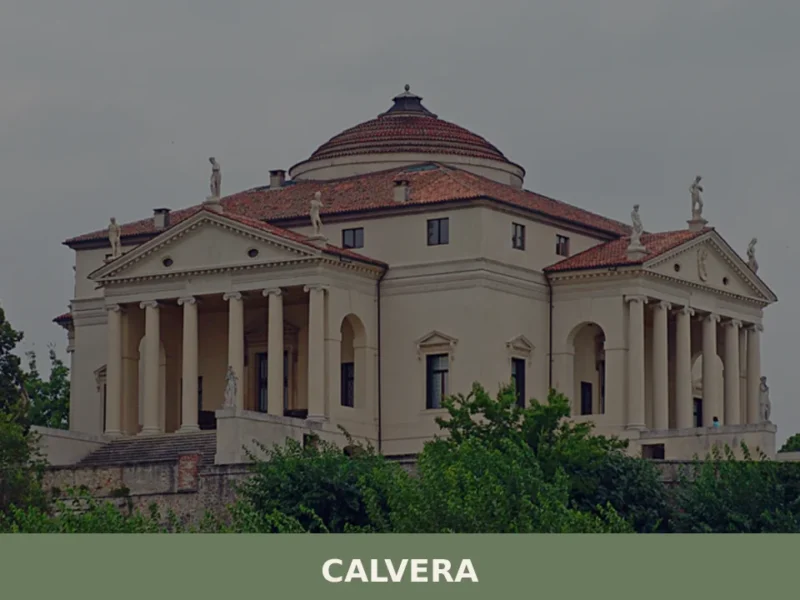
Calvera
The sharp clang of a church bell echoes across the valley, cutting through the crisp morning air as the first rays of sun ignite the ochre rooftops. Cobblestone paths, still cool from the night, wind past ancient stone houses, their windows often adorned with pots of geraniums. This is the quiet awakening of Calvera Basilicata, […]
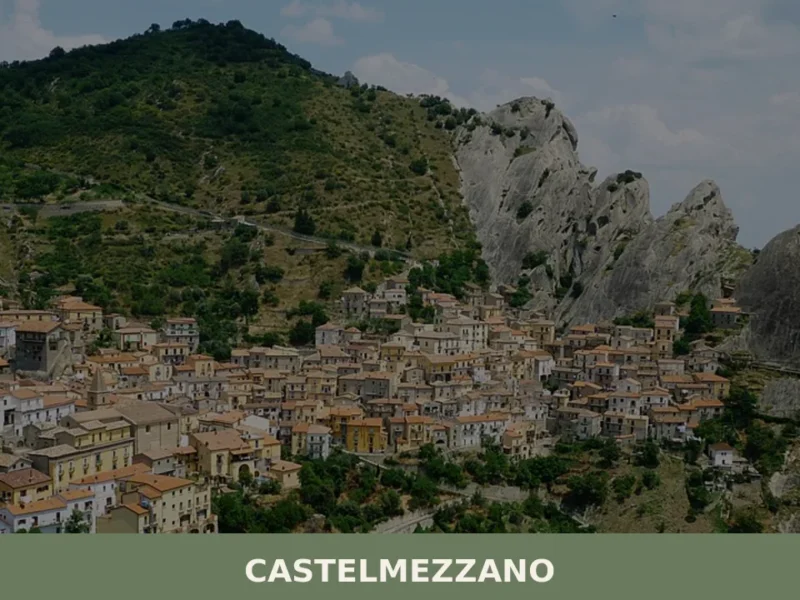
Castelmezzano
Castelmezzano, in Basilicata, has a population of 835 inhabitants and stands at 750 meters above sea level, in the province of Potenza. Its architecture unfolds among the rock formations of the Lucanian Dolomites, a mountain environment that defines the village’s character (for more information, consult the dedicated Wikipedia page). Probably founded in the Norman era, […]
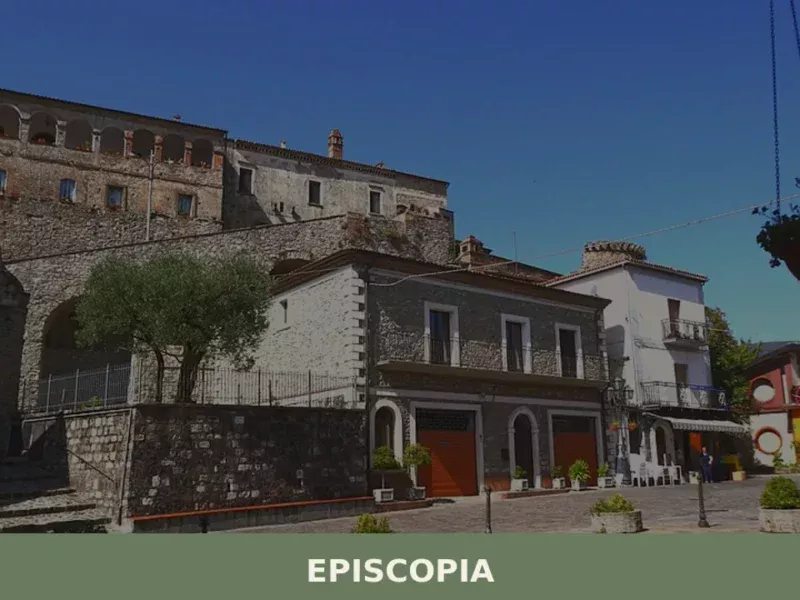
Episcopia
Episcopia, in Basilicata, stands at 530 meters above sea level, an altitude that influences its climate and its relationship with the surrounding landscape. Its name, of Greek origin, means “episcopal see,” suggesting an ecclesiastical importance established since the Byzantine era, a fact that traces its initial historical identity. For those wondering **what to see in […]






📝 Incorrect information or updates?
Help us keep the Chiaromonte page accurate and up to date.