


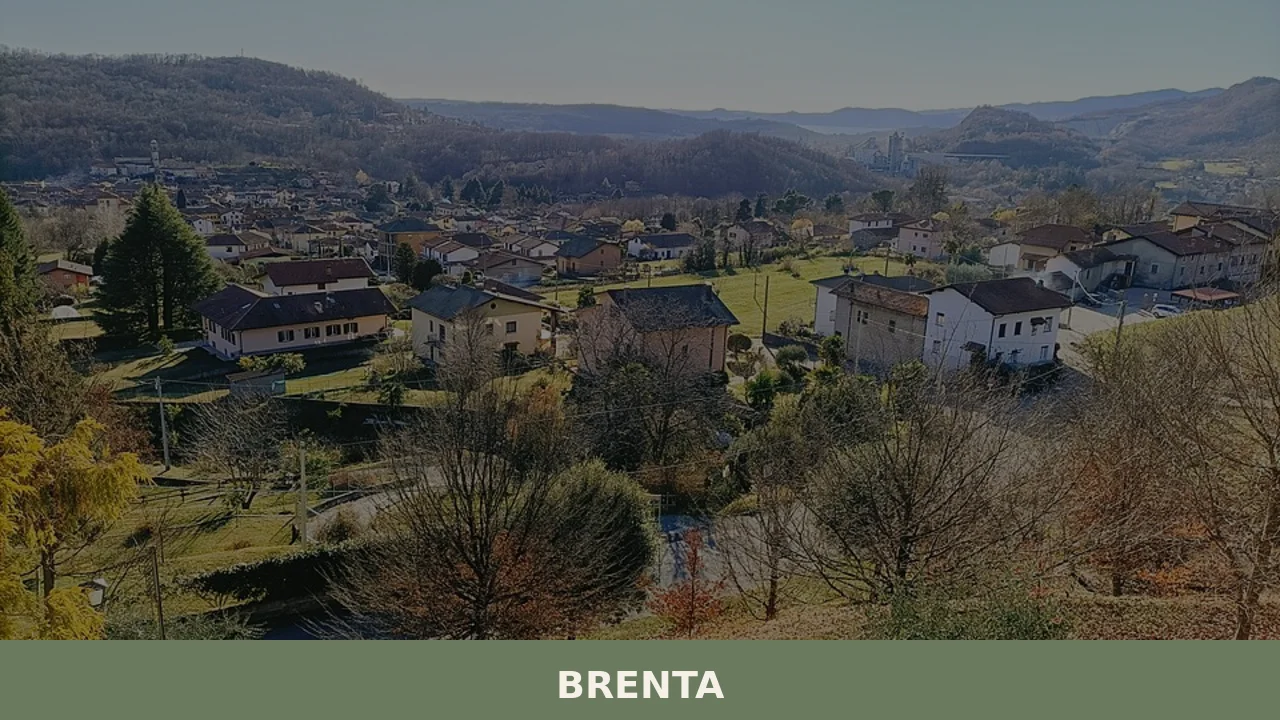
Brenta
 Hills
Hills
Brenta has 1,715 inhabitants and sits at 276 metres above sea level, on the hilly belt separating Lake Varese from the western Po Plain. The municipality, part of the province of Varese, comprises a central nucleus and agricultural hamlets spread across terrain that slopes gently southward. Anyone looking into what to see in Brenta will […]
Discover Brenta
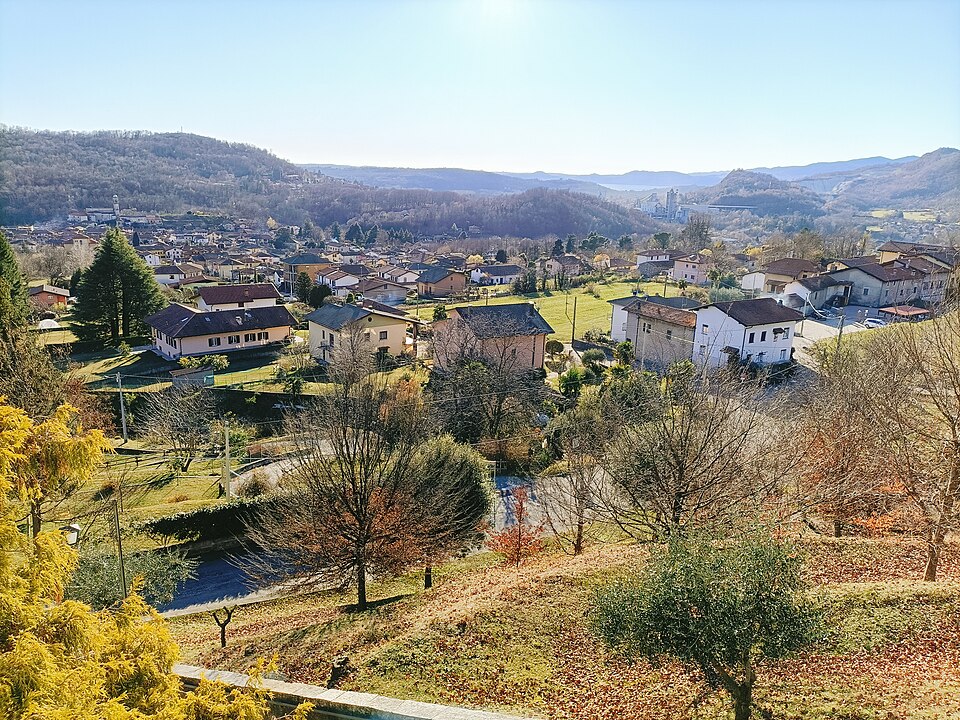
Brenta has 1,715 inhabitants and sits at 276 metres above sea level, on the hilly belt separating Lake Varese from the western Po Plain. The municipality, part of the province of Varese, comprises a central nucleus and agricultural hamlets spread across terrain that slopes gently southward. Anyone looking into what to see in Brenta will find a village whose urban layout preserves its original rural structure, with enclosed-courtyard farmsteads, a parish church remodelled over the centuries, and paths connecting the hamlets to the surrounding woods.
History and origins of Brenta
The place name “Brenta” most likely derives from a pre-Latin root related to the concept of “channel” or “watercourse,” a root shared with other locations across the Po Plain. Evidence of settlement in the area dates back to the Roman period, when the territory fell within the sphere of influence of Mediolanum. The name appears in medieval documents from the 10th–11th century, a period when the village gravitated around the feudal structures of Seprio, the vast Lombard county that controlled much of what is now the Varese area.
During the Middle Ages, Brenta followed the political fortunes of the Duchy of Milan, passing under Visconti and then Sforza control. The agricultural vocation of the territory — cereals, mulberry trees for silkworm farming, small-scale livestock — remained constant throughout the centuries of Spanish and Austrian rule. In the 18th-century Theresian cadastre, the municipality was already recorded in its fundamental components. With Italian Unification, Brenta became part of the province of Como, before being assigned to the newly established province of Varese in 1927, under the administrative reorganisation of the Fascist period.
The 20th century brought gradual transformation: industrialisation in the Varese area attracted labour, but Brenta maintained a predominantly residential and agricultural profile. Even today, the ratio of built-up land to cultivated or wooded areas remains in favour of the latter — a fact that distinguishes the municipality from the more urbanised centres of the Varese belt.
What to see in Brenta: 5 main attractions
1. Church of Saints Vitus, Modestus and Crescentia
The parish church, dedicated to the patron saints — whose feast day falls on 15 June — has a sober façade with elements attributable to 18th- and 19th-century interventions. The single-nave interior contains lateral marble altars and liturgical furnishings that document local devotion across at least three centuries of layered additions. The bell tower, visible from several points around the village, serves as a topographical reference for anyone travelling along the municipal roads.
2. Enclosed-courtyard farmsteads of the old centre
The old nucleus of Brenta retains several Lombard farmsteads with the classic enclosed-courtyard layout: an arched entrance gate, a paved internal courtyard, and first-floor loggias with wrought-iron or wooden balustrades. Some date to the 17th–18th century and preserve the original arrangement of stable, hayloft and main dwelling positioned around the sides of the courtyard. This is vernacular architecture, not monumental, but precisely for that reason it documents everyday rural life better than any palazzo.
3. Hill paths towards Lake Varese
From Brenta, unpaved tracks and footpaths climb towards the hills to the north, in the direction of the Lake Varese basin. The elevation gains are modest — rarely exceeding 150 metres — and the terrain passes through mixed woodland of oaks, chestnuts and black locusts. These routes, once connecting paths between hamlets, are now used by walkers and cyclists. In autumn, the leaf canopy creates a continuous vault above the shadier stretches.
4. The rural hamlet territory
The hamlets that make up the municipality of Brenta are linked by secondary roads flanked by dry-stone walls and box hedges. Each hamlet preserves its own nucleus with a fountain, a washhouse — where still legible — and a small oratory. Exploring them on foot or by bicycle allows you to observe the gradual transition from built environment to cultivated countryside, with rows of mulberry trees that recall the era when silkworm farming was a significant economic activity across the entire Varese district.
5. The agrarian landscape of the Varese plain
The municipal territory, classified as plain, in reality has a slightly undulating profile that creates unexpected perspectives. Cultivated fields, alternating with small wooded plots, form an agricultural mosaic whose functional logic remains legible. From the highest points of the municipality, on clear days, you can make out the Varese pre-Alps to the north and the flat expanse stretching southward. This is a working landscape, not one designed for tourist contemplation, and it should be read with that understanding.
What to see in Brenta and surroundings: cuisine and local products
The table in Brenta reflects the gastronomic tradition of the Varese plain and, more broadly, of western Lombardy. Dishes found in local trattorias include risottos — prepared with rice grown in the paddies of the lower Lombard plain, often in the variant with luganega sausage or saffron — and polenta served with semi-cooked cow’s milk cheeses. Slow-braised beef, cooked in red wine, is a recurring winter preparation. In autumn, mushrooms and chestnuts from the hill woods appear on menus.
Among the products of the Varese territory, acacia and chestnut honey produced by local beekeepers stands out, as does Formaggella del Luinese DOP, a semi-soft goat’s cheese typical of the province. Extra virgin olive oil from the Lombard lakes — produced in limited quantities but with DOP recognition — represents another agri-food resource of the Varese area. The proximity of Lake Varese once brought freshwater fish to local tables, a tradition now diminished but not entirely gone.
When to visit Brenta: the best time
The patron feast of Saints Vitus, Modestus and Crescentia, celebrated on 15 June, is the occasion of greatest community gathering. On that day the parish organises religious services and the village comes alive with local initiatives. Spring, from April to June, offers the best conditions for walking the hill paths: moderate temperatures, vegetation in full growth, and long days. Autumn, between October and November, has the advantage of the mixed woodland’s colours and the availability of seasonal produce — chestnuts, mushrooms, late-harvest honey.
Winter on the Varese plain brings frequent fog and temperatures that drop below zero on the coldest nights. Summer can be humid and hot, with heat peaks typical of the western Po Plain, only partially mitigated by the hilly elevation. For those planning to visit the village with the aim of walking and observing the agricultural landscape, the intermediate seasons remain the most sensible choice. The official website of the Municipality publishes updates on any events and local festivals organised throughout the year.
Other villages to discover in Lombardy
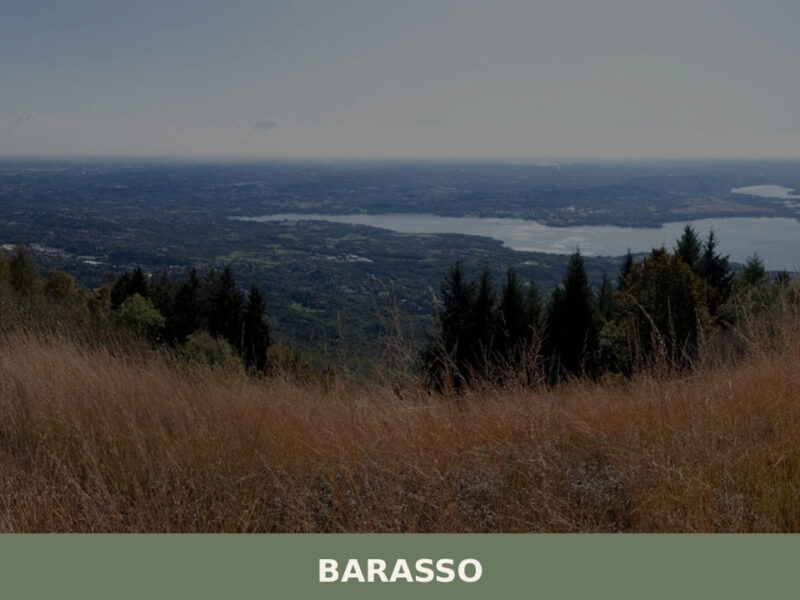
The territory of the province of Varese is home to numerous smaller centres that share with Brenta the same rural and hilly character. A few kilometres away, Barasso extends along the slopes overlooking Lake Varese, with a settlement pattern that alternates compact nuclei with wooded areas. Visiting it in combination with Brenta allows you to observe how two neighbouring municipalities have developed different urban responses to the same geographical context: Barasso more oriented towards the lakeside slope, Brenta more tied to the plain belt.
Expanding the exploration radius, Lombardy offers a dense network of villages that deserve attention not for the spectacular nature of their monuments, but for the coherence between landscape, architecture and land use. Setting out from Brenta and heading north, you encounter the pre-Alpine reliefs; heading south, the irrigated plain. In both directions, each municipality presents a local variation on the same theme: the relationship between human communities and territorial resources. Brenta, with its 1,715 inhabitants and its still-recognisable agricultural structure, is a concrete starting point for this kind of reading of the Lombard landscape.
Frequently asked questions about Brenta
What is the best time to visit Brenta?
Spring (April to June) is the ideal season for walking the hill paths: temperatures are mild, vegetation is lush, and daylight hours are long. Autumn (October–November) offers woodland colours and seasonal produce such as chestnuts, mushrooms, and late-harvest honey. The patron feast of Saints Vitus, Modestus and Crescentia on 15 June is the village's main community event, with religious ceremonies and local initiatives. Avoid midsummer for walking, as the Varese plain can be humid and hot, and winter brings frequent fog and near-zero temperatures.
What are the historical origins of Brenta?
The place name derives from a pre-Latin root meaning 'channel' or 'watercourse.' Roman-era settlement traces exist in the area, which fell within the sphere of Mediolanum. Brenta appears in medieval documents from the 10th–11th century, when it belonged to the county of Seprio. It later passed under Visconti and Sforza rule, and was recorded in the 18th-century Theresian cadastre. After Unification it joined the province of Como, then was reassigned to the newly created province of Varese in 1927.
What to see in Brenta? Main monuments and landmarks
The parish Church of Saints Vitus, Modestus and Crescentia features an 18th–19th-century façade, a single-nave interior with marble altars, and a bell tower visible from across the village. The old centre preserves 17th–18th-century Lombard enclosed-courtyard farmsteads with arched entrance gates, paved courtyards, and first-floor loggias. The rural hamlets each retain a fountain, washhouse, and small oratory. No admission charges apply to the exterior; church interior access follows standard parish opening hours.
What are the main natural or scenic attractions of Brenta?
Brenta sits on the hilly belt between Lake Varese and the western Po Plain at 276 metres. Unpaved footpaths and tracks climb northward through mixed woodland of oaks, chestnuts, and black locusts, with modest elevation gains rarely exceeding 150 metres — suitable for walkers and cyclists. The agricultural landscape of the municipal territory, with cultivated fields alternating with wooded plots, offers open views toward the Varese pre-Alps to the north and the flat plain to the south on clear days.
Where to take the best photos in Brenta?
The highest points of the municipal territory offer views of the Varese pre-Alps to the north and the irrigated plain stretching southward. The old centre's enclosed-courtyard farmsteads provide strong architectural subjects, particularly their arched entrance gates and wrought-iron loggias. In autumn, the hill paths through mixed woodland create a photogenic canopy of colour. The bell tower of the parish church serves as a visual landmark and framing reference from multiple points along the village roads.
Are there museums, churches or historic buildings to visit in Brenta?
The main historic building is the parish Church of Saints Vitus, Modestus and Crescentia, with a layered interior documenting at least three centuries of liturgical furnishings and marble altars. The enclosed-courtyard farmsteads scattered across the old centre represent the most coherent ensemble of vernacular historic architecture, some dating to the 17th–18th century. Each hamlet also preserves a small oratory. No dedicated museums have been documented for the municipality. Church access follows standard parish hours.
What can you do in Brenta? Activities and experiences
Walking and cycling are the principal activities, using the network of unpaved hill paths that link Brenta's hamlets and climb toward the Lake Varese basin. The routes pass through mixed woodland and alongside dry-stone walls and mulberry rows, allowing direct observation of the agricultural landscape. The patron feast on 15 June provides a cultural and community experience. Autumn visits can combine walking with foraging-season gastronomy: chestnuts, mushrooms, and local honey are all characteristic of the area in October–November.
Who is Brenta suitable for? Families, couples, hikers, solo travelers?
Brenta suits walkers and cyclists seeking quiet, non-strenuous routes through a well-preserved Lombard rural landscape. The modest elevation gains and unpaved paths are accessible to families with older children and to couples looking for a slow-travel experience away from mass tourism. History and architecture enthusiasts will appreciate the vernacular farmstead ensemble and stratified parish church. It is less suitable for visitors expecting museums, nightlife, or lakeside facilities. Solo travellers with an interest in agricultural landscape and local food culture will find it rewarding.
What to eat in Brenta? Local products and specialties
The local table draws on the Varese plain tradition: risotto with luganega sausage or saffron, polenta paired with semi-cooked cow's milk cheeses, and slow-braised beef cooked in red wine. Autumn menus feature mushrooms and chestnuts from the surrounding hills. Documented area products include Formaggella del Luinese DOP, a semi-soft goat's cheese from the province of Varese, and acacia and chestnut honey from local beekeepers. Extra virgin olive oil from the Lombard lakes, produced in limited quantities, carries DOP recognition and is available in the wider Varese area.
📷 Photo Gallery — Brenta
Nearby Villages near Brenta
In Lombardy More villages to discover
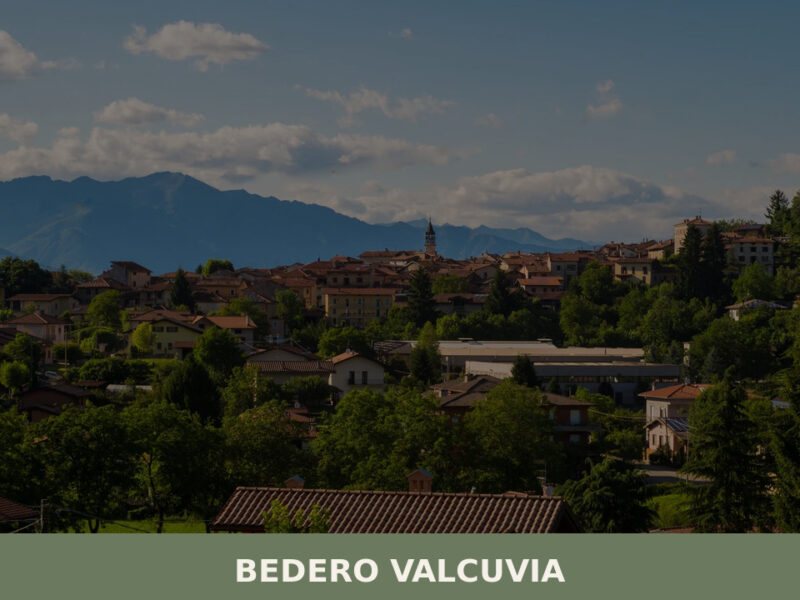
Bedero Valcuvia
 Plains
Morning light reaches Bedero Valcuvia in stages — first the bell tower of the parish church, then the stone walls along Via Roma, and finally the gardens where fig trees press against iron railings. The village holds 680 residents in the broad green trough of the Valcuvia, a valley running between Lake Maggiore and Lake […]
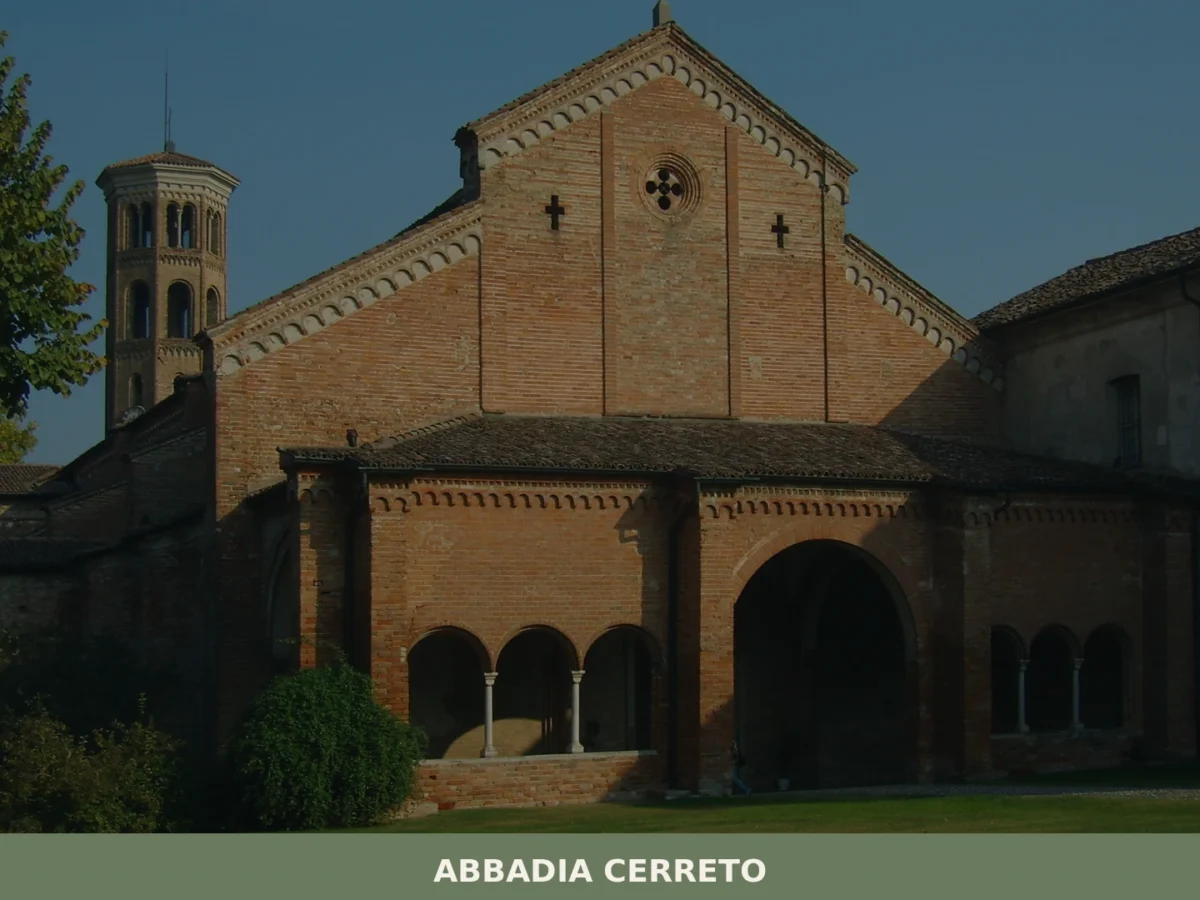
Abbadia Cerreto
Plains
Discover what to see in Abbadia Cerreto, a 280-person Lombard village in the province of Lodi with Cistercian roots and Po Valley landscapes.
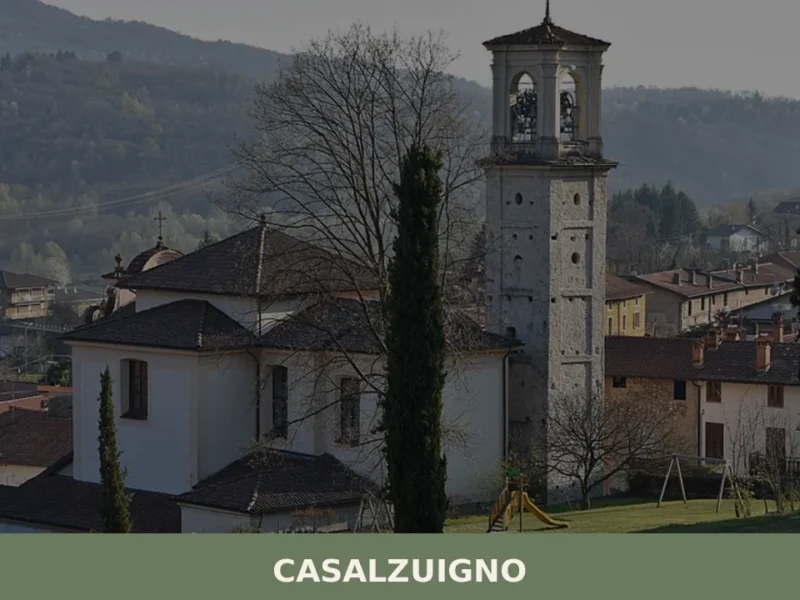
Casalzuigno
Hills
Cosa vedere a Casalzuigno: borgo a 350m nel Varesotto con Villa della Porta Bozzolo (FAI), chiesa di San Vittore e Parco Campo dei Fiori. Guida completa.
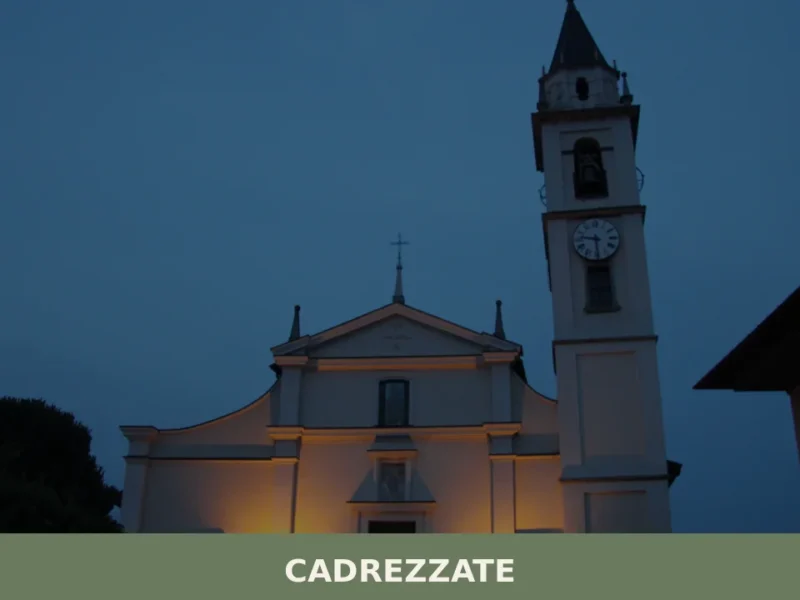
Cadrezzate
Hills
 Lake
Lake
Cosa vedere a Cadrezzate: borgo a 281m sul Lago di Monate, 1.854 abitanti. Lago limpido, chiesa patronale, sentieri collinari e cucina varesina. Guida completa.

Cassano Magnago
Hills
Over 21,000 residents and a documented history stretching back to 1152. Cassano Magnago rewards visitors with a medieval castle, four ancient churches and a rich civic past.
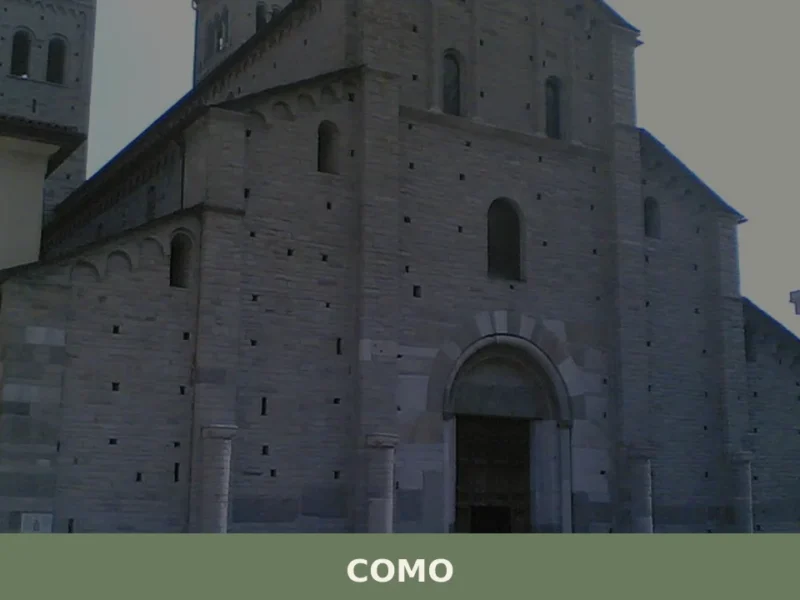
Como
Hills
Lake
what to see in como? Explore this city of 83,184 inhabitants. Discover its historic Duomo, Lake Como's beauty, and local cuisine. Read our guide.
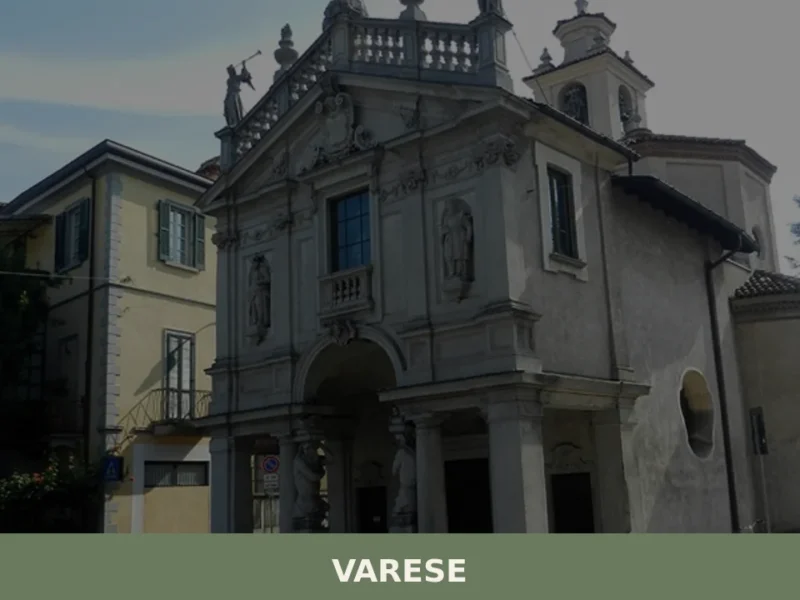
Varese
Hills
Lake
Varese, a Lombard city with a population of 78,409 inhabitants, stands at 382 m above sea level and is distinguished by its strategic position between lakes and pre-Alps. This locality, capital of the eponymous province, offers a rich historical and natural heritage that attracts numerous visitors every year. In this article History and Origins of […]
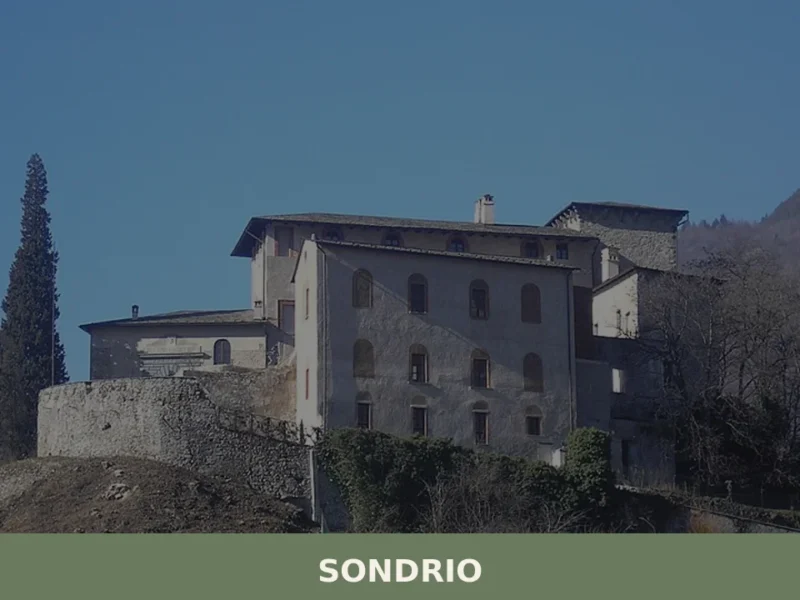
Sondrio
Hills
What to see in Sondrio? Located at 298m altitude, discover Castello Masegra and the Collegiata dei Santi Gervasio e Protasio. Explore this Valtellina capital.
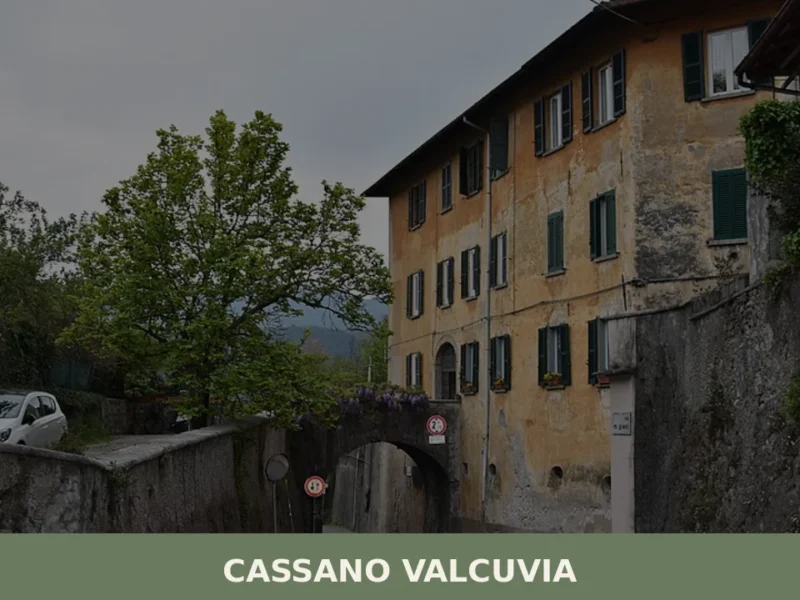
Cassano Valcuvia
Hills
What to see in Cassano Valcuvia: discover this village of 660 inhabitants amidst history and nature. Explore its historic center and hillside trails.

Mornago
Hills
4,838 residents and three historic fractions give Mornago a layered identity, from Roman land tenure to a rare motorcycle manufactory born in 1925.
🏡 Know Brenta better than we do?
If you’re a local or have been there, your knowledge matters: add what’s missing or fix a detail on this page.