


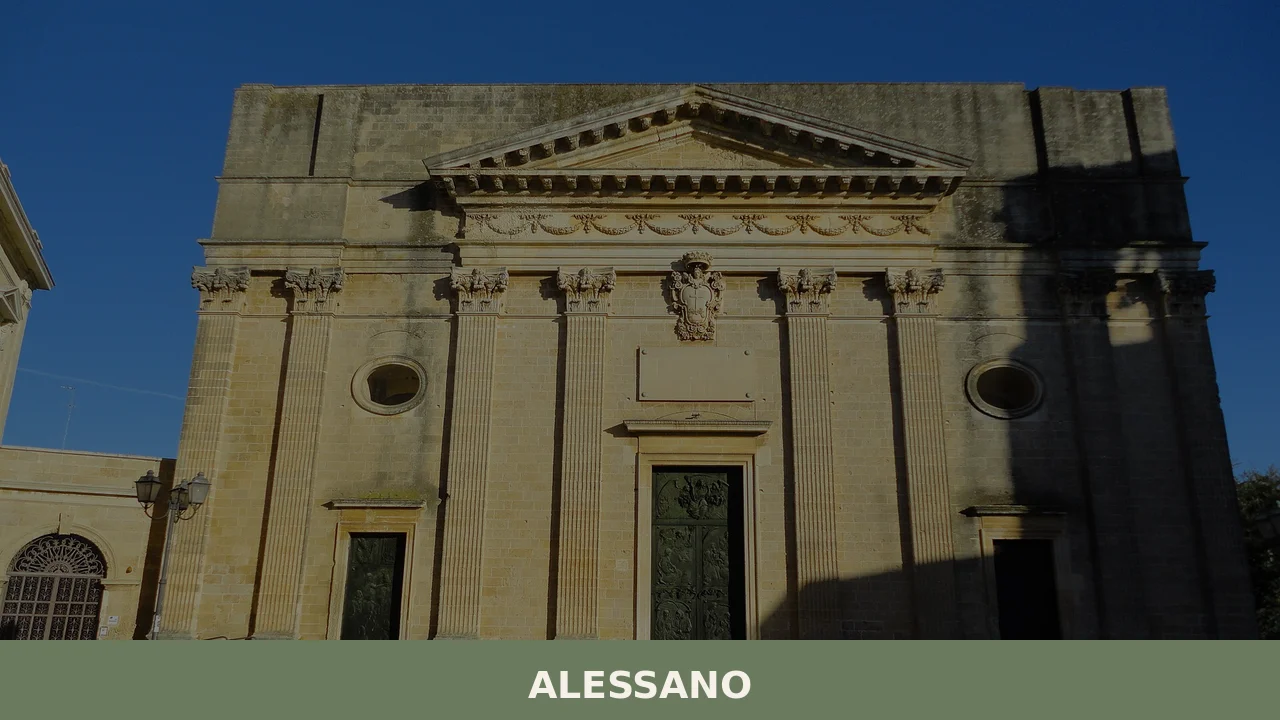
Alessano
 Sea
Sea
Until 1818, Alessano was the seat of its own diocese — a fact that explains the density of sacred architecture concentrated in a village of fewer than 6,000 inhabitants. Located in the basso Salento, the southernmost stretch of Puglia’s heel, the comune includes the hamlet of Montesardo and the coastal locality of Marina di Novaglie. […]
Discover Alessano
Until 1818, Alessano was the seat of its own diocese — a fact that explains the density of sacred architecture concentrated in a village of fewer than 6,000 inhabitants. Located in the basso Salento, the southernmost stretch of Puglia’s heel, the comune includes the hamlet of Montesardo and the coastal locality of Marina di Novaglie. For anyone asking what to see in Alessano, the answer begins with ecclesiastical stone and expands outward toward cliffs, olive groves and the particular silence of a place that once governed the entire Cape of Leuca.
History of Alessano
Alessano’s prominence in lower Salento was not accidental — it was institutional. For several centuries, the town served as the seat of the Diocese of Alessano, an episcopal see that was only suppressed in 1818, when it was merged into the Diocese of Ugento following the Napoleonic reorganisation of southern Italy’s ecclesiastical map. That long tenure as a religious administrative centre left a visible imprint: multiple churches, a cathedral, and the kind of civic architecture that accumulates around power. The town was simultaneously a county capital, a contea, whose feudal lords exercised jurisdiction over a wide stretch of the Capo di Leuca territory.
The feudal history of Alessano is inseparable from the names of the noble families who controlled it across the medieval and early modern periods. The county changed hands between powerful dynasties that shaped the built environment of the town centre. Its role as a capoluogo — an administrative and ecclesiastical hub — meant that roads, markets and judicial functions were organised around Alessano in a way that subordinated smaller surrounding settlements to it. This concentration of authority explains why the historic centre retains a more complex urban layering than its current population size might suggest.
In 2016, Alessano was admitted to the Borghi Autentici d’Italia association, a national network that recognises villages engaged in sustainable local development and the preservation of cultural identity. This recognition followed the town’s existing membership of the Unione dei Comuni Terra di Leuca, the inter-municipal body coordinating governance across the cape. Both affiliations reflect a deliberate effort to position Alessano not as a relic of its former administrative importance, but as a living municipality with a defined territorial role in the modern Salento landscape.
What to see in Alessano: 5 must-visit attractions
The Cathedral of Santa Maria Assunta
The main church of Alessano, formerly the cathedral of the suppressed diocese, stands as the most direct architectural consequence of the town’s ecclesiastical history. Its fabric accumulated across several building phases through the medieval and baroque periods, and its interior preserves altars, canvases and decorative elements commissioned during the centuries when it served a bishop’s seat rather than a parish alone.
The Church of San Francesco d’Assisi
This Franciscan church, associated with the historic convent complex in the town centre, represents the mendicant religious presence that complemented episcopal authority in post-medieval Alessano. The structure reflects the characteristically plain external volumes of Franciscan architecture in the Salento, with decorative detail concentrated at the portal and around the interior altars.
The Historic Centre and Palazzo Tafuri
Walking through the old town reveals the layered stone fabric of a former county capital. Palazzo Tafuri is among the civil buildings that reflect the aristocratic residential investment of Alessano’s feudal era. The building’s facade, with its Lecce-stone detailing, illustrates the local baroque vocabulary common to the Salento peninsula’s noble residences from the seventeenth and eighteenth centuries.
Marina di Novaglie
Alessano’s coastal locality, Marina di Novaglie, sits on the Adriatic side of the Cape of Leuca, where the coastline breaks into a series of sea caves and rock inlets known locally as grotte. This stretch of water is accessible by small boat and, during summer months, by organised coastal excursions. The geology here is karstic limestone, producing dramatic cliff formations at water level.
Montesardo and its Tower
The hamlet of Montesardo, administratively part of the comune of Alessano, is anchored visually by a medieval watchtower — part of the coastal defence network built across the Salento to monitor maritime approaches. These towers, constructed primarily in the sixteenth century under Spanish viceregal administration, were positioned within line-of-sight of one another to relay warning signals along the coast.
Local food and typical products
The food culture of Alessano belongs to the broader culinary tradition of the basso Salento, where the cooking is structured around legumes, wild greens and durum wheat rather than meat-heavy preparations. Ciceri e tria — a dish of chickpeas combined with both boiled and fried pasta strips — is one of the emblematic preparations of this territory, and versions of it appear on tables from Lecce southward to the cape. Friselle, the twice-baked wheat or barley rings softened with water and dressed with local tomatoes and olive oil, function both as a staple and as a daily ritual. The olive oil produced across the Lecce province, much of it from centuries-old trees of the Ogliarola Salentina and Cellina di Nardò varieties, carries DOP recognition under the Terra d’Otranto designation and is the foundational fat in virtually every dish in the local repertoire.
For dining, the immediate territory around Alessano and the Capo di Leuca offers a range of small family-run restaurants and agriturismi that source ingredients locally — in particular during summer when the coastal trade brings more visitors to the area. The village itself is small enough that the most reliable eating happens either in the agriturismo circuit in the surrounding countryside or in the modest trattorie of the historic centre, where fixed-price lunch menus tend to reflect the seasonal availability of local produce more honestly than à la carte options aimed at summer tourism.
Best time to visit Alessano
The Cape of Leuca has one of the most southerly climates in mainland Italy — summers are long, dry and consistently warm from June through September, with sea temperatures at Marina di Novaglie reaching their peak in August. That said, July and August bring the highest visitor concentrations to the coastal localities, and parking and access to the sea caves becomes significantly more competitive. For those whose interest is primarily in the historic centre and the sacred architecture — the core of what to see in Alessano — the months of April, May and October offer cooler temperatures, quieter streets and better light for observing the detail of Lecce-stone facades. The municipality of Alessano organises local festivals tied to the Catholic calendar, particularly around the feast days of patron saints in summer, which provide a genuine window into the town’s civic and religious life.
Winter in the lower Salento is mild by northern European standards — rarely freezing, with daytime temperatures often reaching 12–15°C — but many coastal businesses close between November and March, making the area quiet to the point of emptiness along the shore. For visitors willing to travel in the shoulder seasons, the reward is access to a landscape and a historic centre that operate on their own rhythm rather than on the demands of tourism infrastructure.
How to get to Alessano
Alessano sits in the extreme south of the Salento peninsula, approximately 45 kilometres south of Lecce and roughly 15 kilometres from Santa Maria di Leuca, the southernmost point of the Italian peninsula’s heel. The practical logistics of arrival are as follows:
- By air: The nearest airport is Brindisi Airport (Papola Casale), approximately 90 kilometres to the north. Bari Karol Wojtyła Airport is roughly 200 kilometres away and better suited for visitors arriving from the north or combining Puglia with other regions.
- By train: The nearest railway station with regular connections is Lecce, served by Trenitalia on the main Adriatic and Apennine lines. From Lecce, onward travel to the Capo di Leuca area is best handled by car or by the local Sud Est railway network, which serves several towns in the lower Salento, though not Alessano directly.
- By car: From Lecce, take the SS16 or the SS274 southward toward Capo di Leuca. Alessano is signed off the SS274. The drive from Lecce takes approximately 50–60 minutes depending on traffic through the intervening towns. From Brindisi, allow around 90 minutes.
- By motorway: The A14 Bologna–Taranto motorway connects to the Salento via the tangenziale of Taranto; from Taranto, the SS7ter leads southeast toward Lecce and onward to the lower Salento. There is no motorway that reaches directly into the cape — the final approach is always on state or provincial roads.
A hire car is strongly recommended for exploring this part of Puglia. Public transport connections between the smaller comuni of the Capo di Leuca, including Alessano, are infrequent and not reliably timed for day-trip logistics from Lecce.
Where to stay in Alessano
Accommodation in and around Alessano divides broadly into two categories: the small B&Bs and rooms-for-rent concentrated in and around the historic centre, and the agriturismo properties scattered across the olive-grove countryside between the village and the coast. The agriturismi tend to offer the more comfortable infrastructure — private pools, larger rooms, on-site dining — and are particularly well-suited to visitors spending several days exploring the entire Cape of Leuca territory rather than focusing on Alessano alone. The coastal locality of Marina di Novaglie adds a third option in summer months, with holiday apartments and small guesthouses operating seasonally along the shore.
For those whose primary interest is the historic centre and the town’s architectural fabric, staying in the village itself — even in a modest B&B — allows evening access to the piazza and the churches after the day-trippers have gone, which changes the experience considerably. When booking, it is worth checking whether the property is open year-round or only from Easter through September, as many smaller operations in this part of the Salento close entirely in winter. Advance booking is essential from late June through August, when demand from Italian and northern European visitors outpaces the available rooms.
More villages to discover in Puglia
The territory of Puglia rewards methodical exploration, and Alessano sits at one extreme — geographical and historical — of a region that stretches from the Tavoliere plains in the north to the cliffs of the cape in the south. Visitors who have spent time in the lower Salento and want to understand the northern bookend of the region should consider the medieval hill town of Orsara di Puglia, a place where Swabian and Lombard history sits visibly in the stonework, or the baroque procession town of Putignano, in the Valle d’Itria, whose annual carnival is among the oldest in Italy. Both offer a counterpoint to the flat coastal landscape of the cape.
Within the broader logic of Puglia’s lesser-known comuni, two further villages merit attention. Lesina, on the Gargano coast to the north, occupies a narrow strip between a lagoon and the Adriatic and represents a wholly different face of the region — one shaped by water, fish and a flat-horizon geography that contrasts sharply with the karstic limestone of the Salento. Closer to Alessano in spirit and in territory, Bagnolo del Salento is a small centro storico in the Lecce province whose scale and pace offer a useful reference point for understanding how the smallest Salentine comuni function as living settlements rather than museum pieces.
Frequently asked questions about Alessano
When is the patron saint festival of Alessano celebrated?
Alessano's patron saint is Trifone Martire, and the town's main religious and civic celebration takes place on the last Monday of July. This summer feast is one of the most authentic opportunities to experience the town's living traditions, with processions and local gatherings that reflect the deep Catholic roots of a community that served as an episcopal seat for several centuries.
Is Alessano a member of any recognised Italian village network?
Yes. Since 2016, Alessano has been a member of the Borghi Autentici d'Italia association, a national network that selects municipalities committed to sustainable local development and the active preservation of cultural identity. The town also belongs to the Unione dei Comuni Terra di Leuca, the inter-municipal body that coordinates governance and territorial planning across the Capo di Leuca area.
Can Alessano be visited as a day trip from Lecce?
Yes, but a hire car is essential. Alessano lies approximately 45 kilometres south of Lecce, a drive of around 50 to 60 minutes via the SS274. Public transport connections are infrequent and poorly timed for day-trip logistics. A comfortable day trip can combine the historic centre and its churches with a visit to Marina di Novaglie on the Adriatic coast and the hamlet of Montesardo, without requiring an overnight stay.
What is the Diocesi di Alessano and why does it matter for understanding the village?
The Diocese of Alessano was an independent Catholic episcopal see that existed for several centuries until 1818, when Napoleonic reorganisation led to its merger with the Diocese of Ugento. Its long existence as a bishop's seat directly explains why Alessano contains an unusually dense concentration of sacred architecture — including a former cathedral — for a village of fewer than 6,000 inhabitants. The diocese's suppression marked the end of Alessano's role as a major ecclesiastical centre in the lower Salento.
📷 Photo Gallery — Alessano
Nearby Villages near Alessano
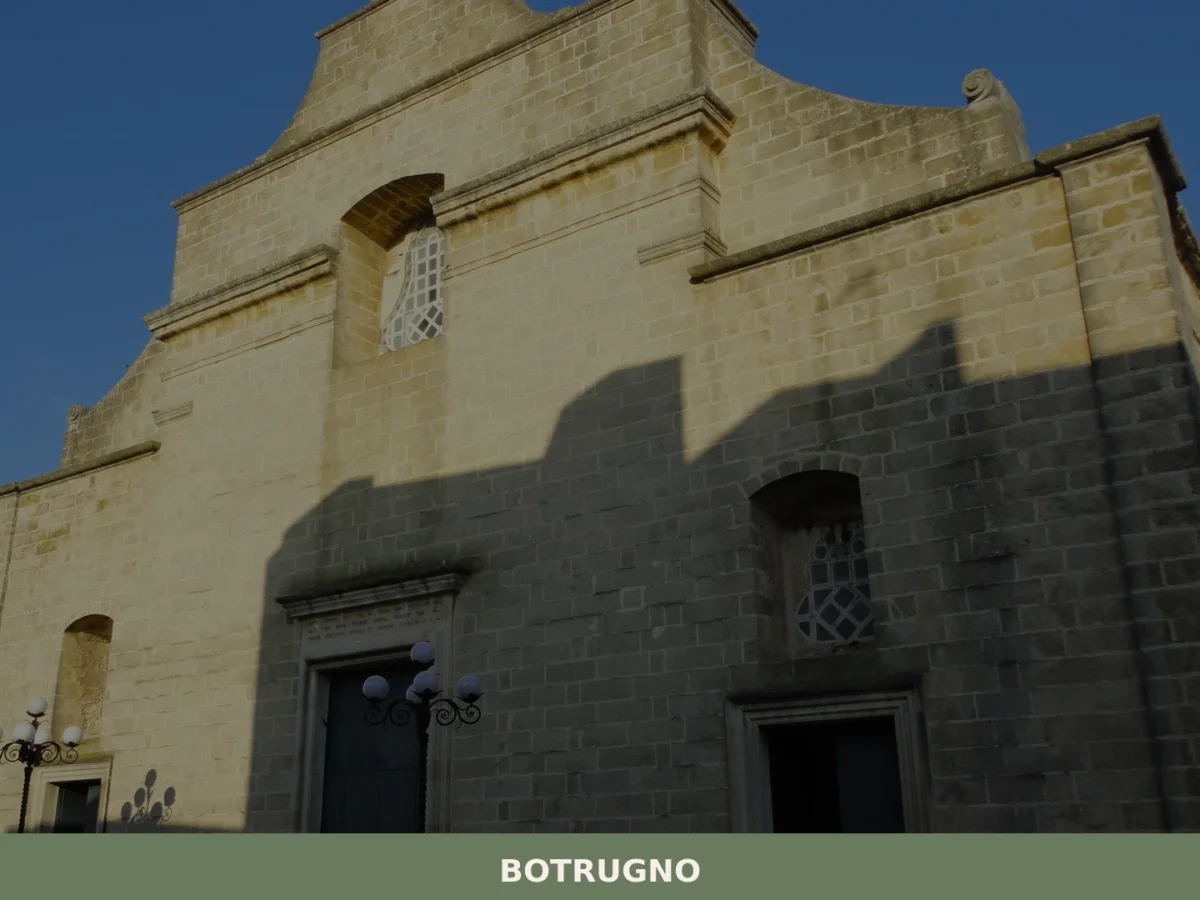
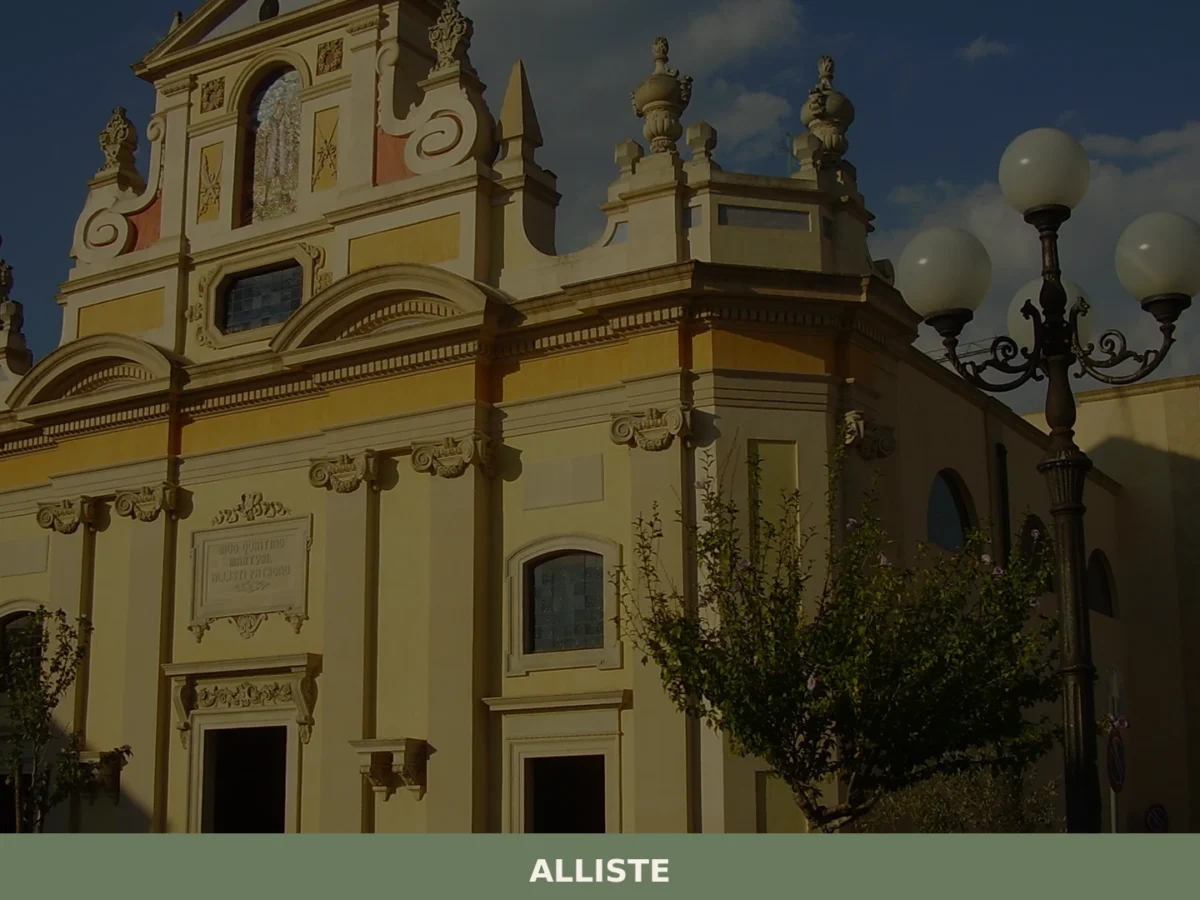
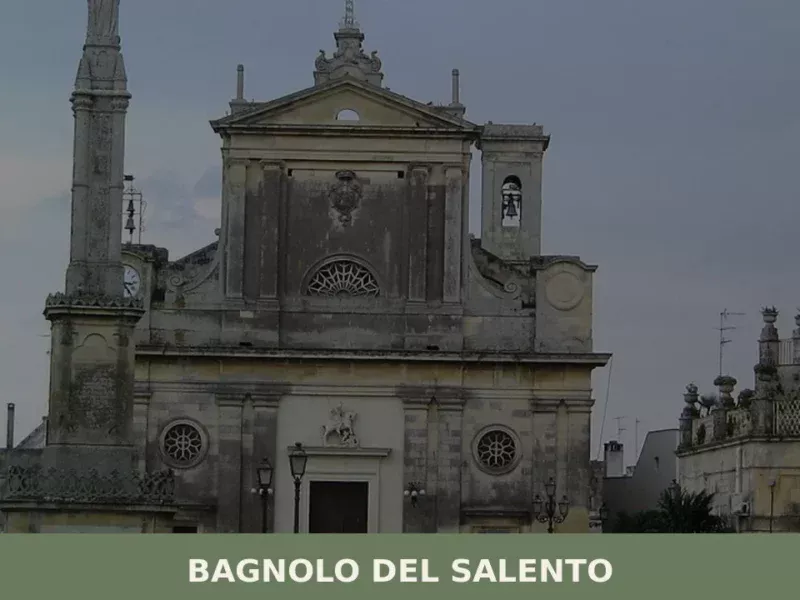
In Apulia More villages to discover
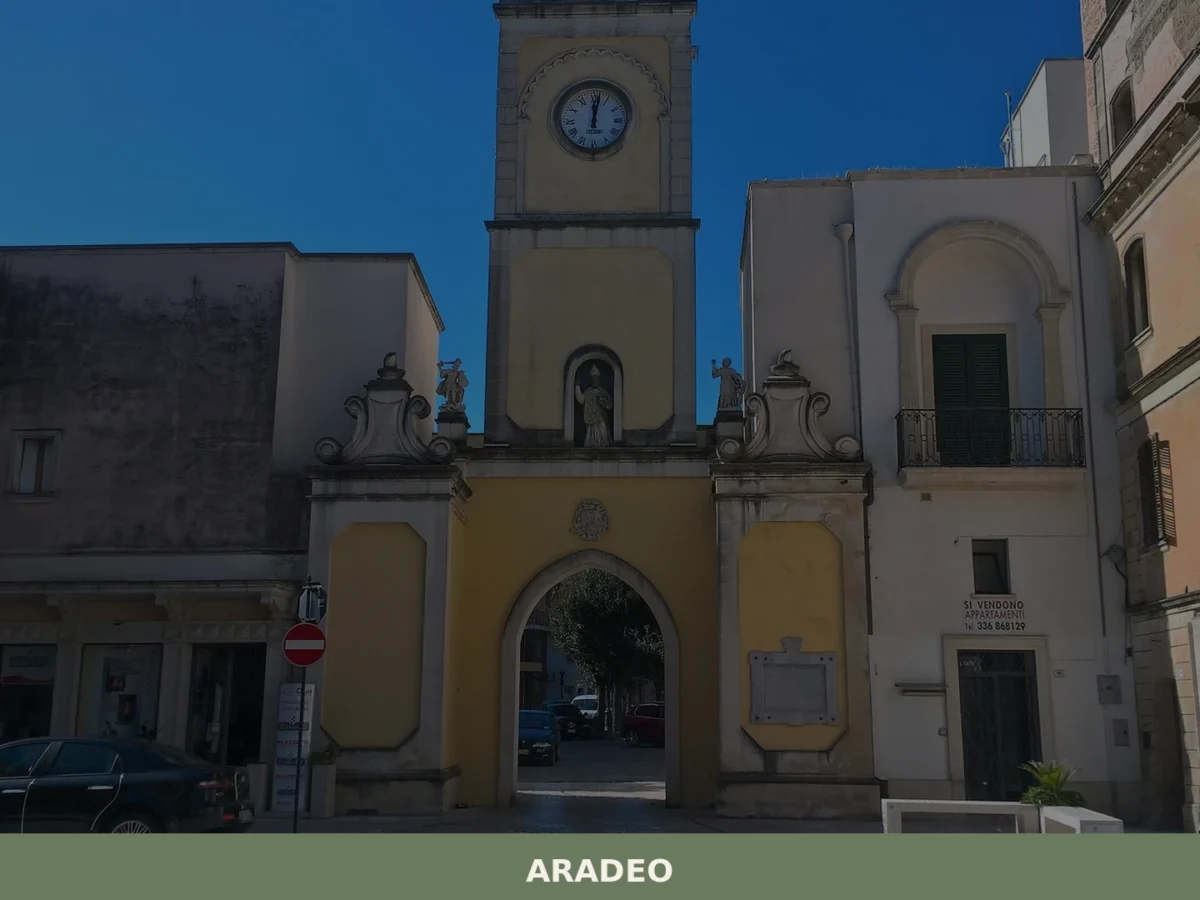
Aradeo
 Plains
Discover what to see in Aradeo, a Borghi Autentici village in central Salento, Puglia. Historic centre, olive groves, local food and practical travel tips.
San Pietro Vernotico
Sea
What to see in San Pietro Vernotico, Italy? Discover its 14th-century Torre Quadrata and the historic Chiesa Matrice. Explore this village, 36 m above sea level, for its rich past.
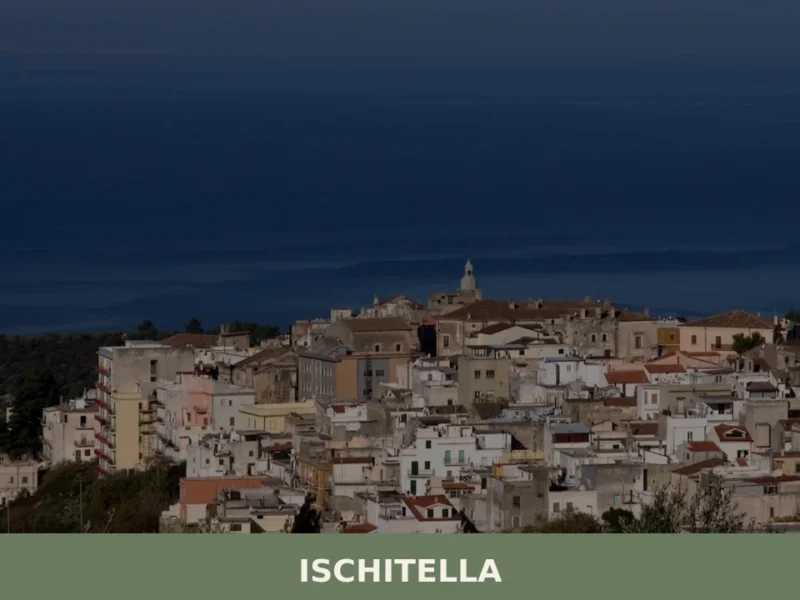
Ischitella
 Lake
Sea
Lake
Sea
A ridge-top village on the Gargano promontory, Ischitella offers Norman walls, Baroque churches, ancient olive groves, and access to the Foresta Umbra.
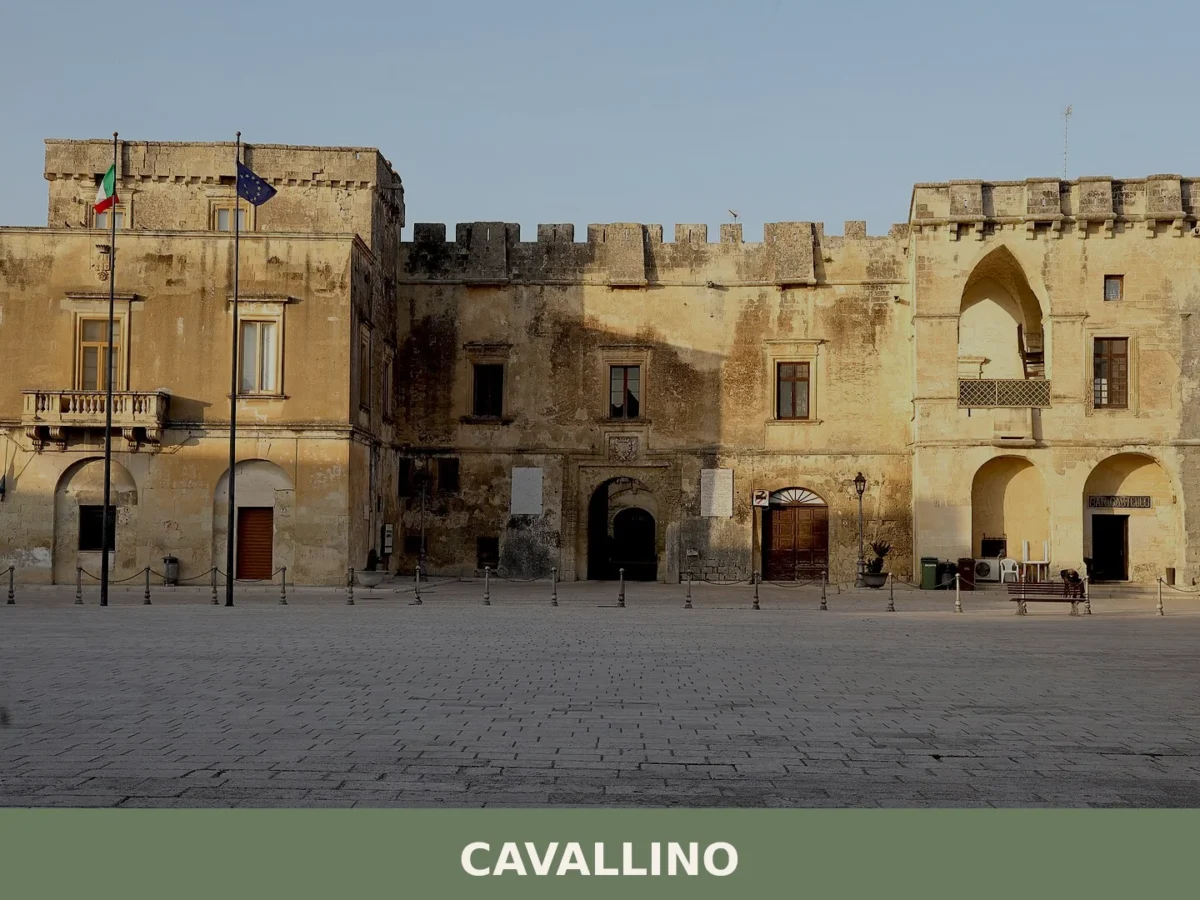
Cavallino
Plains
A village of 13,000 inhabitants where Messapic foundations meet Baroque stone. Visit the Dominican church, the feudal castle and a 1633 public well.

Spinazzola
 Mountain
What to see in Spinazzola, Puglia, Italy: birthplace of a Pope and a Jesuit sinologist, 70 km from Bari. Discover top attractions, local food and travel tips.
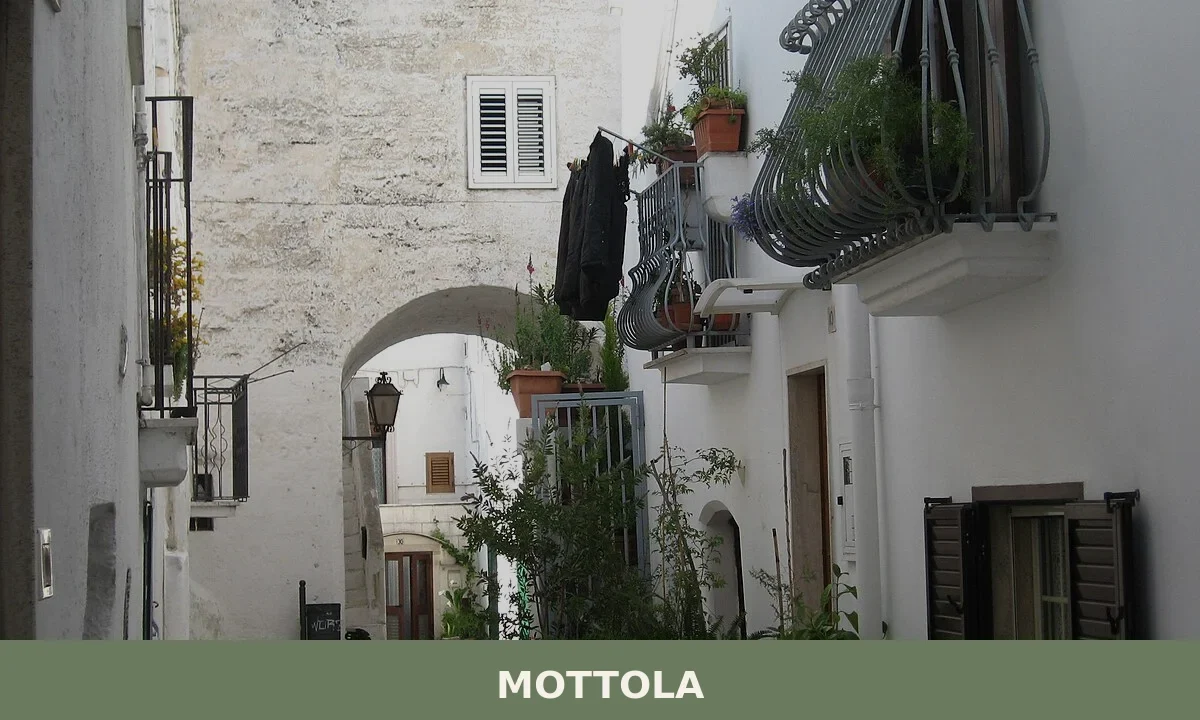
Mottola
 Hills
Hills
A hillside comune of 15,125 residents in Taranto province, Mottola rises 387 metres above sea level with panoramic views of the Ionian Sea and a landscape of ravines dotted with rupestrian churches and Byzantine caves.
Panni
Mountain
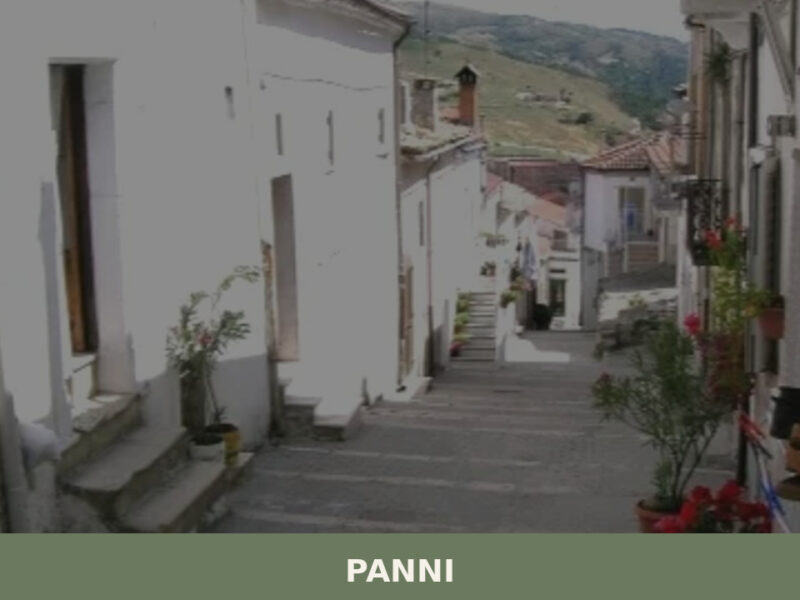
Panni stands at 801 metres in the Daunian Sub-Apennines, a wind-swept village of 693 people in the province of Foggia. A guide to its history, sights, and food.
Andria
Plains
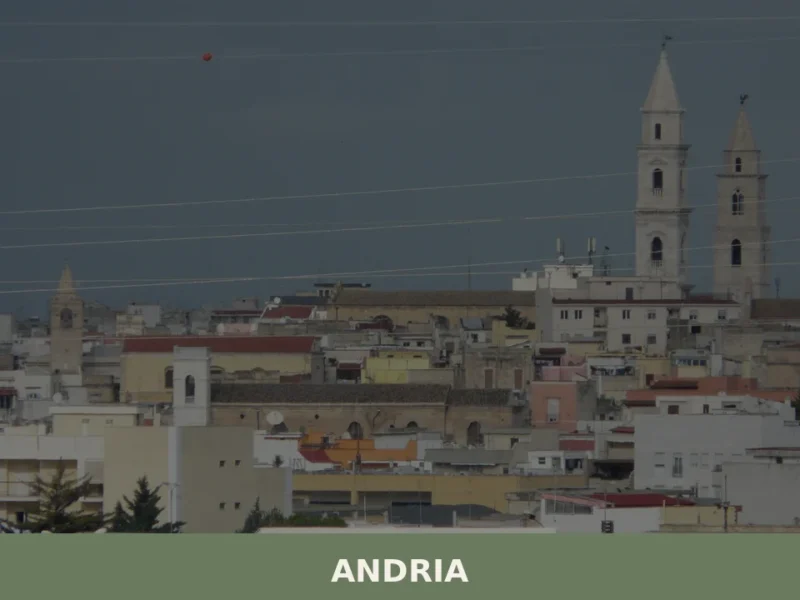
What to see in Andria, Puglia, Italy: explore Castel del Monte UNESCO site, the Cathedral crypt, and local products. Population 97,146. Discover the complete guide.
Ordona
Plains
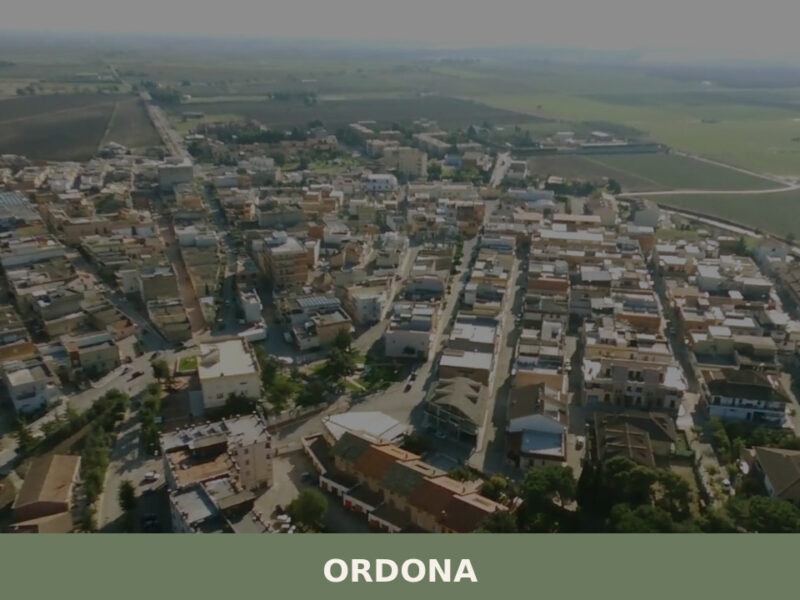
Ordona sits on the Tavoliere plain near Foggia, above the ancient Daunian-Roman city of Herdonia. A guide to its archaeology, food, and surroundings.
Apricena
Plains
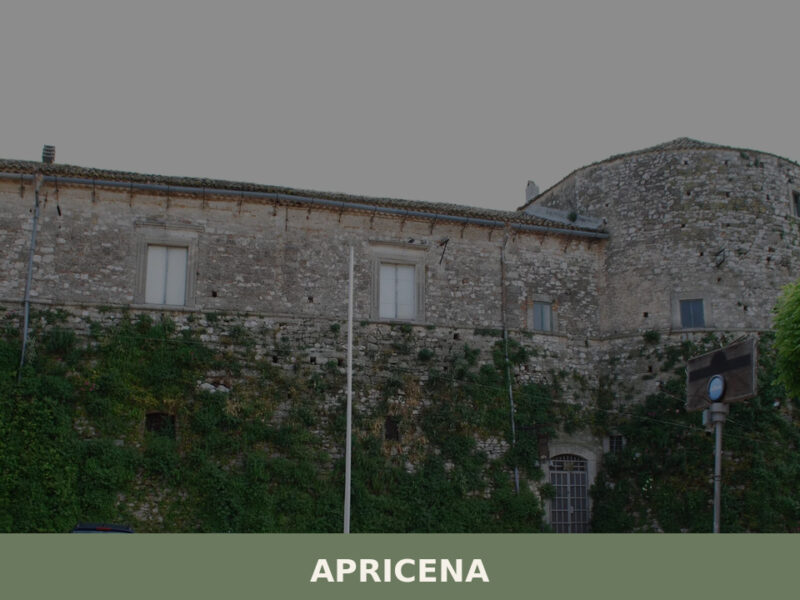
Discover Apricena, a stone-quarrying town in Puglia's Gargano area. Explore medieval heritage, local cuisine, and authentic Southern Italian charm.

🏡 Know Alessano better than we do?
If you’re a local or have been there, your knowledge matters: add what’s missing or fix a detail on this page.