


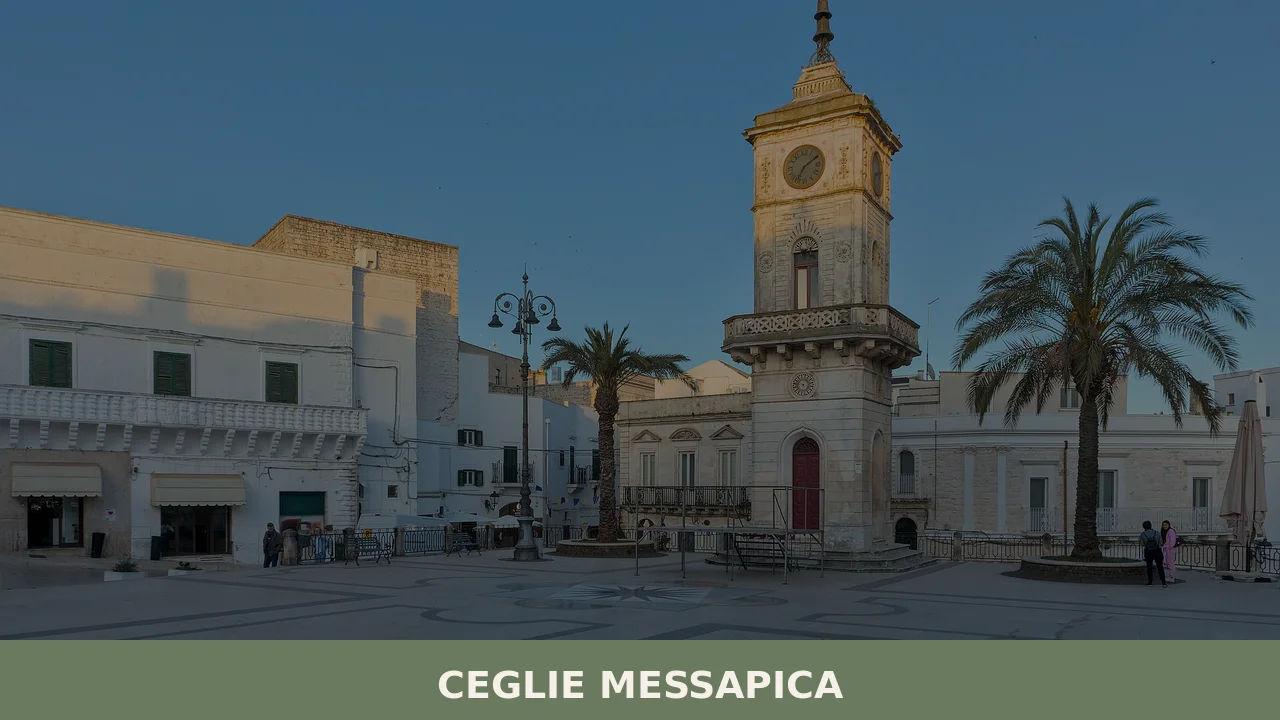
Ceglie Messapica
 Sea
Sea
Discover what to see in Ceglie Messapica: the Ducal Castle, medieval chianche streets, ancient olive groves, karst caves and Puglia’s finest local food.
Discover Ceglie Messapica
Ceglie Messapica stands on a low hill in the Valle d’Itria, in the province of Brindisi, on a site that was already an urban centre before Roman expansion reached this corner of Puglia. The ancient Messapian city of Kailia occupied this same elevation — its acropolis the forerunner of the medieval quarter that visitors walk today. With a population of around 18,000, the town is no village in the sleepy sense: it is a working agricultural and gastronomic centre, and knowing what to see in Ceglie Messapica means reading both its stone layers and its living culture.
History of Ceglie Messapica
The Messapians, an Italic people who inhabited the heel of the Italian peninsula before Roman colonisation, established Kailia on the hill now occupied by the old town. This pre-Roman identity is not merely ceremonial: the name Messapica, formally appended to the municipality’s official title in 1988 after a period during which the town was known as Ceglie Messapico (a designation held between 1864 and 1988), was adopted precisely to acknowledge that deep Messapian stratum. The shift from Messapico to Messapica was the correction of a grammatical error in the earlier name, restoring the feminine form consistent with the Italian toponym.
Through the medieval period, control of Ceglie passed through a succession of feudal lords characteristic of southern Italian history under Norman, Swabian, Angevin and Aragonese dominion. The castle at the centre of the old town — the Castello Ducale — is the architectural record of this feudal tenure. Built and modified across several centuries, it served first as a military stronghold and later as a noble residence, a transition that mirrors the broader pacification of the Apulian interior under successive dynastic administrations. The surrounding white-washed historic centre, with its chianche — the flat limestone slabs used for paving — and its narrow stone-flagged lanes, consolidates around this nucleus.
The rural territory of Ceglie Messapica carries its own historical weight. The landscape outside the town is defined by centuries-old olive groves, dry-stone trulli and fortified farmhouses known as masserie, along with karst cave systems that were used as shelters and cult sites long before organised settlement. This agricultural structure — centred on olive cultivation and animal husbandry — remained the economic backbone of the municipality well into the twentieth century and continues to define both its landscape and its food culture. The town’s contemporary reputation as one of Puglia’s most serious gastronomic destinations grew directly from this agrarian base.
What to see in Ceglie Messapica: 5 must-visit attractions
1. Castello Ducale
The Ducal Castle occupies the highest point of the medieval quarter, its cylindrical towers visible from across the surrounding plain. Originally a Norman-era fortification, it was expanded and reconfigured under successive feudal administrations. Today it functions as the seat of the municipal government, and parts of the structure are accessible during civic events and guided visits.
2. The Historic Centre and its Chianche
The old town is paved with chianche, the flat limestone slabs quarried locally and used throughout the Valle d’Itria. The streets — narrow, whitewashed, and oriented to create shade — converge on small piazzas framed by baroque doorways and low vaulted passages. Walking this quarter means moving through a continuous sequence of medieval urban planning built directly over the Messapian acropolis.
3. Chiesa Madre di San Rocco
The main parish church dedicated to San Rocco anchors the upper part of the historic centre. Its facade and interior incorporate decorative elements from different construction phases, reflecting the layered religious history of the community. The church remains an active place of worship and the focal point of the town’s most important annual festival in August.
4. The Countryside: Trulli, Masserie and Karst Caves
Beyond the town limits, the territory presents a dense concentration of trulli — the conical dry-stone structures found across this part of Puglia — alongside fortified masserie dating from the sixteenth and seventeenth centuries. Several karst cave systems in the municipal area were used in pre-historic and early historical periods; some remain open for organised visits.
5. The Olive Groves
The olive trees in the Ceglie Messapica countryside include specimens estimated to be several centuries old, with gnarled trunks of exceptional girth. These are working groves, not ornamental planting: the municipality lies within the production zone of the Terra d’Otranto DOP olive oil, and pressing continues at local mills each autumn. Visitors arriving between October and December can follow the harvest cycle in real time.
Local food and typical products
Ceglie Messapica has a documented culinary identity built on a short list of local ingredients used with precision. The town’s most cited speciality is the cegliese or dolce di Ceglie — a small filled pastry made with almonds, cooked grape must, and bitter chocolate, enclosed in a shortcrust shell. It appears at every formal occasion and is produced by local pastry makers year-round. Beyond this, the kitchen relies on the same materials that define the Apulian interior: dried legumes, hand-rolled pasta including orecchiette and troccoli, wild greens gathered from the surrounding fields, and lamb and kid from local farms. Olive oil from the century-old groves is both a cooking fat and a condiment in its own right.
The gastronomic reputation of the town has attracted serious restaurant investment, and Ceglie Messapica is recognised by the Michelin Guide for establishments operating within its boundaries — a concentration unusual for a municipality of this size. Visitors should also look for masserie in the surrounding countryside that combine accommodation with table service based on their own agricultural production: these offer the most direct connection between the landscape and what appears on the plate.
Best time to visit Ceglie Messapica
The most comfortable periods for visiting are late spring — April through early June — and early autumn, from September into October. In May and June the countryside is fully green, temperatures in the hill zone remain moderate, and the tourist pressure that builds on the Adriatic coast has not yet reached the interior. September brings the olive harvest into its early stages and the grape must used in traditional pastry-making is freshly available. The town’s principal religious festival, dedicated to San Rocco, takes place in August and draws a significant number of returning emigrants and regional visitors: the historic centre becomes genuinely crowded, which is worth factoring into any planning. Summer temperatures in this part of Puglia regularly exceed 35°C, and the stone-paved lanes of the old town retain heat into the evening.
For visitors specifically interested in food culture, October and November offer the olive pressing season, when local mills operate continuously and fresh-pressed oil — intensely green, peppery, and sharp — can be tasted and purchased directly. The official municipality website publishes updates on local events and festivals in the period leading up to each season.
How to get to Ceglie Messapica
Ceglie Messapica sits roughly at the centre of the Valle d’Itria triangle, approximately 30 kilometres north-west of Brindisi and around 50 kilometres south-east of Bari. The nearest international airports are Brindisi (Aeroporto del Salento) and Bari (Aeroporto Karol Wojtyla); Brindisi is the more convenient entry point, with a drive of around 35–40 minutes by car. By rail, the nearest stations with regular connections are Francavilla Fontana and Ostuni, both on the Brindisi–Taranto and Brindisi–Lecce lines respectively; from either station, a car or taxi is necessary to reach Ceglie Messapica, as no direct rail service serves the town itself.
- By car from Brindisi: approximately 30 km, via the SP55 or SS581, around 35 minutes
- By car from Bari: approximately 80 km via the SS16 and SS581, around 1 hour 10 minutes
- By car from Taranto: approximately 45 km via the SS581, around 40 minutes
- Nearest rail station: Francavilla Fontana (Ferrovie del Sud Est), approximately 12 km
- Nearest airport: Brindisi (Aeroporto del Salento), approximately 35 km
A private car is strongly recommended for exploring the surrounding countryside, where the masserie, trulli and olive groves are spread across rural roads not served by public transport.
Where to stay in Ceglie Messapica
Accommodation falls into two distinct categories that suit different travel styles. Within the historic centre, small bed-and-breakfast establishments and guesthouses occupy converted stone buildings — some with original vaulted ceilings — and offer immediate access to the old town’s restaurants and evening movement. These tend to have limited parking, so arriving by car requires some planning. The old town itself is the most practical base for anyone focused on the town’s gastronomic scene or its architecture.
The surrounding countryside offers a different proposition entirely: converted masserie operating as agriturismi range from simple farm stays with home cooking to more sophisticated properties with pools and independent apartments. These are better suited to visitors who want to spend time in the rural landscape and are comfortable driving back roads in the evening. Booking ahead is essential in August and advisable from late June through early September; outside high summer, availability is generally good, and rates are considerably lower. Searching by the municipality name on mainstream accommodation platforms will surface the current range, but direct contact with individual masserie often yields more flexible arrangements.
More villages to discover in Puglia
The province of Bari and the broader Apulian interior offer several towns that share Ceglie Messapica’s combination of medieval urban fabric and agricultural landscape. Sannicandro di Bari, in the metropolitan area of Bari, presents a similarly compact historic centre built over earlier settlement layers, with the olive-grove countryside of the Murge plateau as its backdrop. Further north, Andria in the Barletta-Andria-Trani province anchors the northern Murge and is the closest town to Castel del Monte, the octagonal Hohenstaufen castle that defines this part of Puglia’s historical imagination.
On the Adriatic coast and the Gargano promontory, the geography shifts dramatically but the attention to local food and medieval urban form remains consistent. Vico del Gargano, surrounded by the forests of the Gargano National Park, is known both for its citrus groves and its well-preserved medieval street pattern. In the Salento, the southernmost tip of the region, Palmariggi offers a smaller-scale encounter with the limestone architecture and Messapian territorial history that Ceglie Messapica shares — a reminder that the Messapian cultural zone extended across much of what is now the province of Lecce and beyond.
Frequently asked questions about Ceglie Messapica
What is the best time to visit Ceglie Messapica?
The ideal times to visit Ceglie Messapica are late spring (April to early June) and early autumn (September to October). In May and June, the countryside is lush, temperatures are mild, and tourist crowds are lower. Early autumn offers the start of the olive harvest and fresh grape must for local pastries. The town's patron saint, Sant'Antonio di Padova, is celebrated on June 13th. While August hosts the main San Rocco festival, the town can be very crowded and temperatures often exceed 35°C. For food enthusiasts, October and November provide the unique experience of the olive pressing season, with fresh oil tasting.
What are the historical origins of Ceglie Messapica?
Ceglie Messapica boasts deep historical roots, originating as the ancient Messapian city of Kailia, established on the same hill where the modern town stands. This pre-Roman identity is so significant that 'Messapica' was officially appended to its name in 1988 to honor its heritage. Following the Messapian era, the town experienced centuries of feudal rule under various dominions including Norman, Swabian, Angevin, and Aragonese, a history still visible in the architecture of the Castello Ducale and the layout of its historic centre.
What to see in Ceglie Messapica? Main monuments and landmarks
Visitors to Ceglie Messapica should explore the Castello Ducale, which sits at the highest point of the medieval quarter and serves as the municipal seat; parts are accessible during civic events and guided tours. Wander through the Historic Centre, characterized by its narrow, whitewashed lanes paved with 'chianche' limestone slabs, converging on charming piazzas. The Chiesa Madre di San Rocco, a significant religious landmark, is an active place of worship and the heart of the August festival. Don't miss the surrounding countryside, dotted with ancient olive groves, traditional trulli, fortified masserie, and fascinating karst caves, some open for organized visits.
What are the main natural or scenic attractions of Ceglie Messapica?
The primary natural attractions of Ceglie Messapica lie in its distinctive rural landscape, characteristic of the Valle d'Itria. The countryside is a mosaic of centuries-old olive groves with gnarled, ancient trees, alongside iconic dry-stone trulli and fortified masserie. Several karst cave systems exist in the municipal area, some of which were used in prehistoric times and are now open for organized visits, offering a glimpse into the region's geological and early human history.
Where to take the best photos in Ceglie Messapica?
For stunning photographs in Ceglie Messapica, focus on the historic centre with its enchanting whitewashed lanes, traditional 'chianche' paving, and charming baroque doorways that frame picturesque views. The Castello Ducale, visible from across the surrounding plain, offers an impressive subject, especially when capturing its cylindrical towers against the sky. Additionally, the rolling countryside provides endless opportunities, with its ancient, gnarled olive groves, the distinctive conical trulli, and the stately fortified masserie, all characteristic elements of the Valle d'Itria landscape.
Are there museums, churches or historic buildings to visit in Ceglie Messapica?
Yes, Ceglie Messapica offers several significant historic buildings to visit. The Castello Ducale, a former Norman fortification and noble residence, now houses the municipal government, with certain sections accessible during civic events and guided tours. The Chiesa Madre di San Rocco, the main parish church, is an active place of worship that showcases layered religious history through its architectural elements. While there isn't a dedicated museum mentioned, the entire historic centre, with its medieval urban planning and 'chianche' pavements, functions as an open-air historical experience.
What can you do in Ceglie Messapica? Activities and experiences
In Ceglie Messapica, you can immerse yourself in its rich gastronomic scene, sampling local specialties like the 'dolce di Ceglie' and dining at Michelin-recognized restaurants or agriturismi. Explore the historic centre's charming lanes and the impressive Castello Ducale. Venture into the surrounding countryside to discover ancient olive groves, iconic trulli, and fortified masserie, with some karst caves open for visits. During October and November, experience the olive pressing season. Attend local festivals, including the patron saint celebration for Sant'Antonio di Padova on June 13th, or the larger San Rocco festival in August.
Who is Ceglie Messapica suitable for? Families, couples, hikers, solo travelers?
Ceglie Messapica is ideal for food enthusiasts and history buffs, offering a renowned gastronomic scene with Michelin-recognized restaurants and a rich Messapian and medieval past. It suits couples seeking a romantic escape within its charming historic centre and families looking for authentic rural experiences at surrounding masserie with pools. Those interested in slow travel and exploring the Valle d'Itria's unique landscape of trulli and olive groves will find it perfect. While not directly on the coast, its strategic location makes it an excellent base for day trips to the Adriatic beaches, appealing to visitors who appreciate a blend of culture, cuisine, and countryside exploration.
What to eat in Ceglie Messapica? Local products and specialties
Ceglie Messapica is a celebrated gastronomic destination, famous for its unique culinary identity. The absolute must-try specialty is the 'cegliese' or 'dolce di Ceglie,' a small, exquisite pastry made with local almonds, cooked grape must, and bitter chocolate, encased in a shortcrust shell. Beyond this, the local cuisine features hand-rolled pastas like orecchiette and troccoli, robust dishes with dried legumes, wild greens foraged from the fields, and succulent lamb and kid from local farms. The high-quality olive oil, produced from centuries-old groves and falling under the Terra d'Otranto DOP, is a fundamental condiment and ingredient.
Nearby Villages near Ceglie Messapica
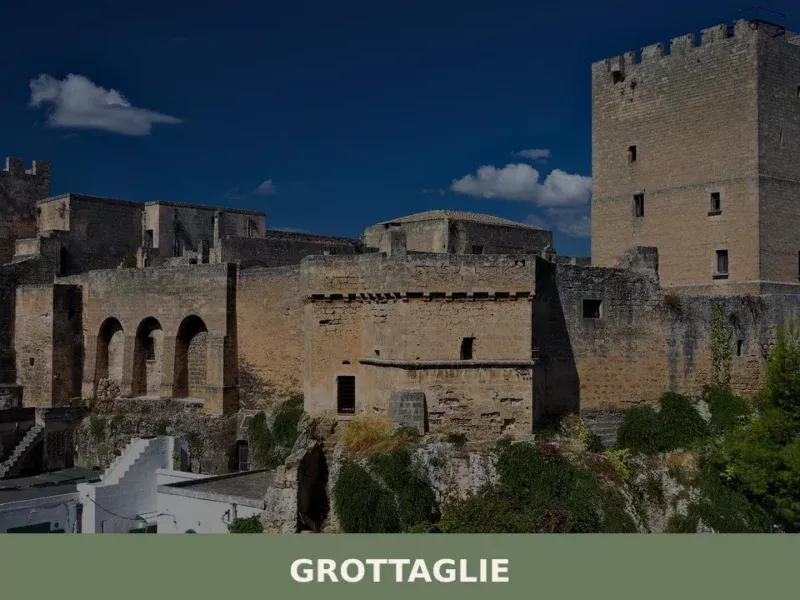
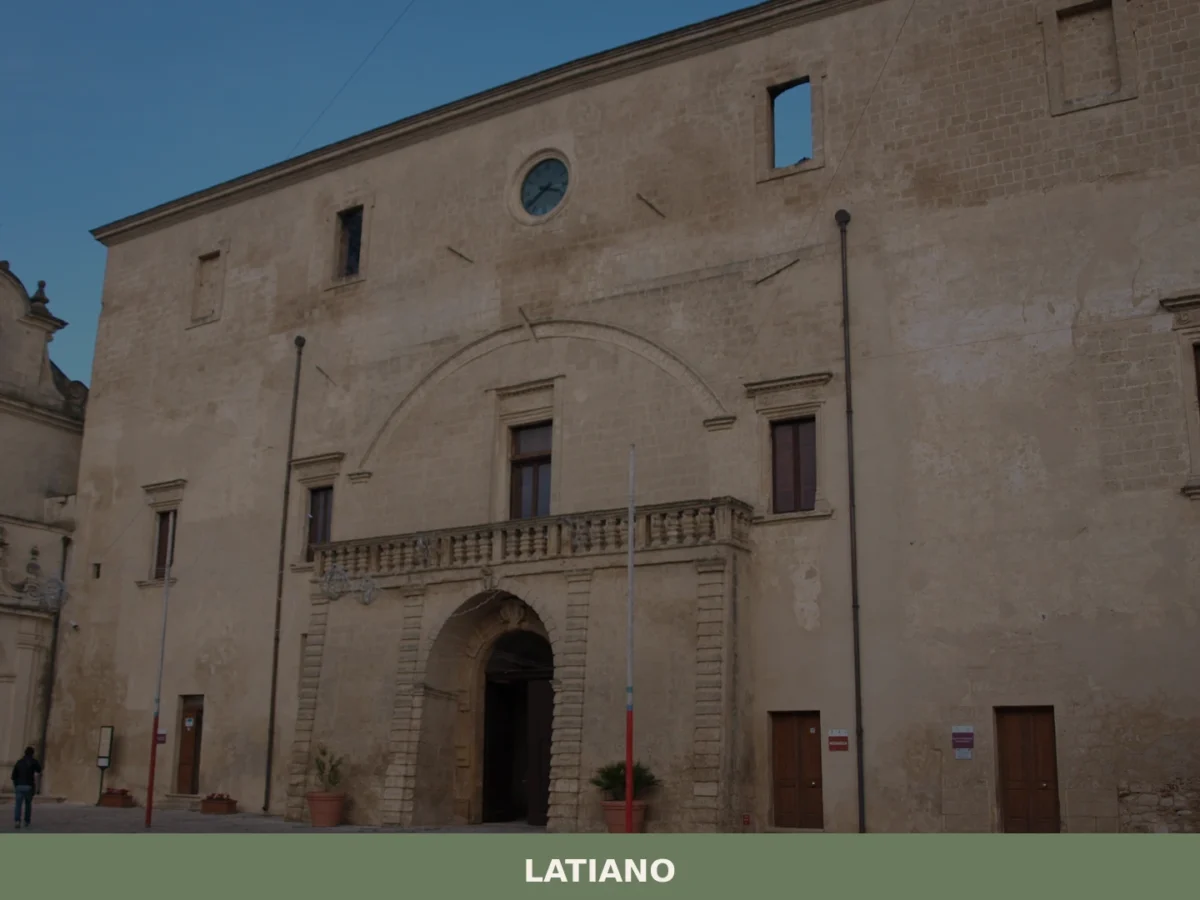
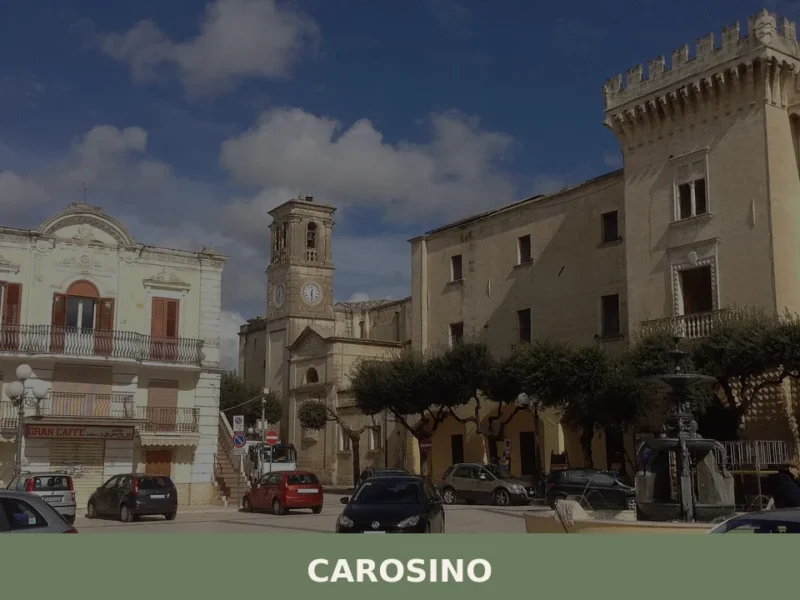
In Apulia More villages to discover
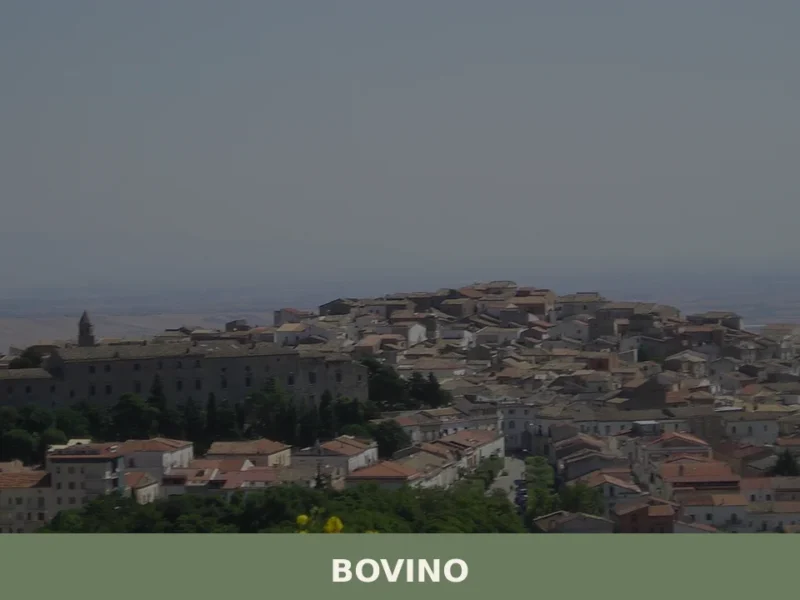
Bovino
 Mountain
What to See in Bovino: discover 5 must-see attractions and savor the taste of Acquasale. Visit the historic village and the magnificent Ducal Castle.
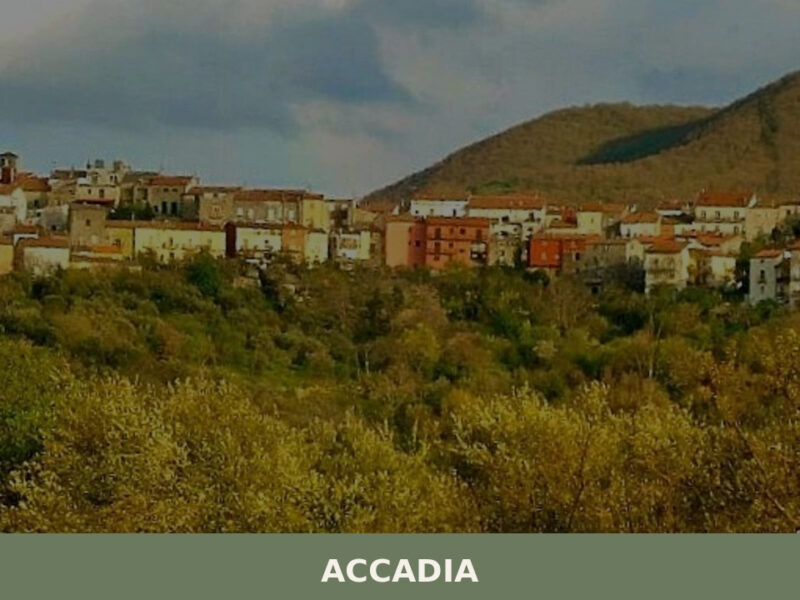
Accadia
Mountain
Perched at 650 metres above sea level on the western edge of Puglia’s Subappennino Dauno, the small village of Accadia feels like a secret whispered between mountains and sky. Home to just over 2,200 inhabitants, this ancient hilltop settlement in the province of Foggia rewards visitors with crumbling medieval ruins, sweeping panoramas, and a fierce […]
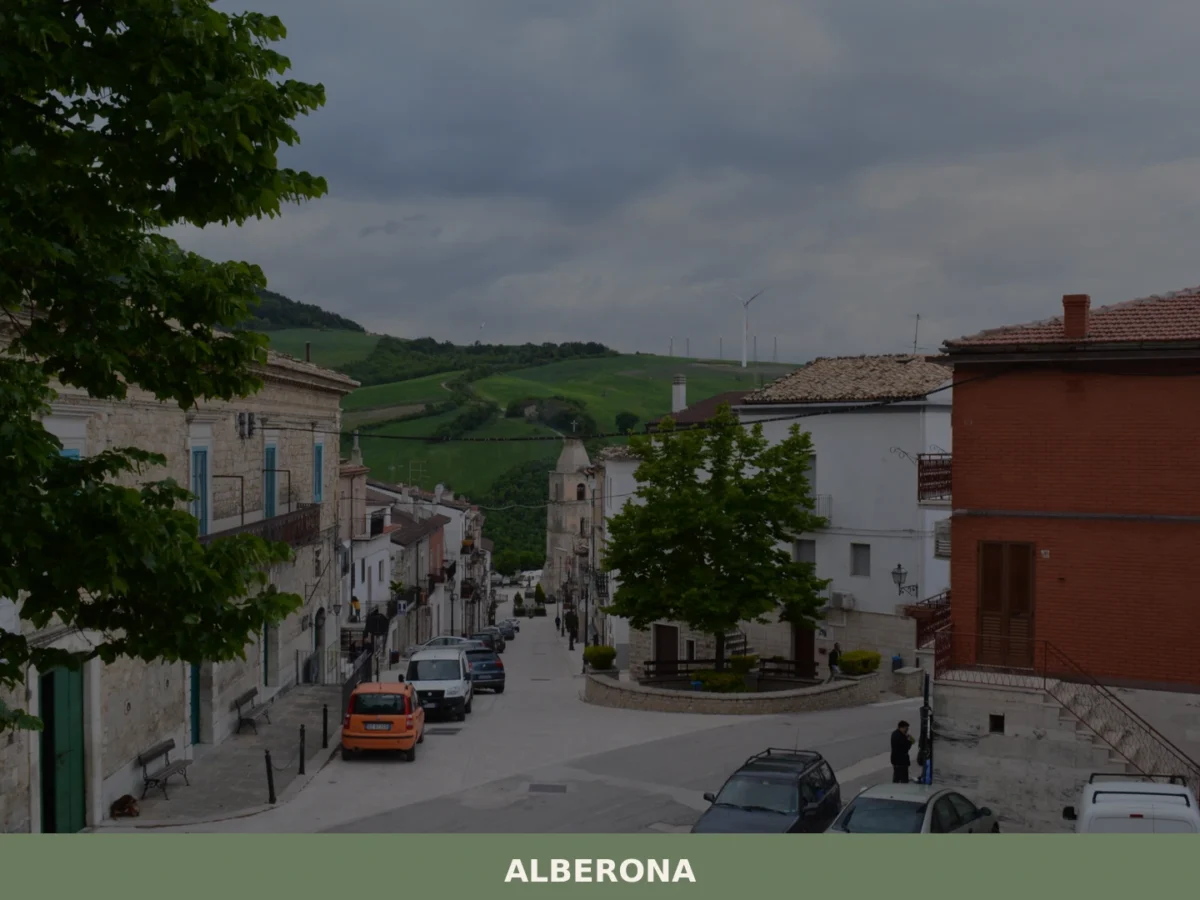
Alberona
Mountain
What to see in Alberona, Italy? Discover this upland village at 732 m (2,303 ft) a.s.l., one of I Borghi più belli d'Italia. Explore its historic core and traditional architecture.
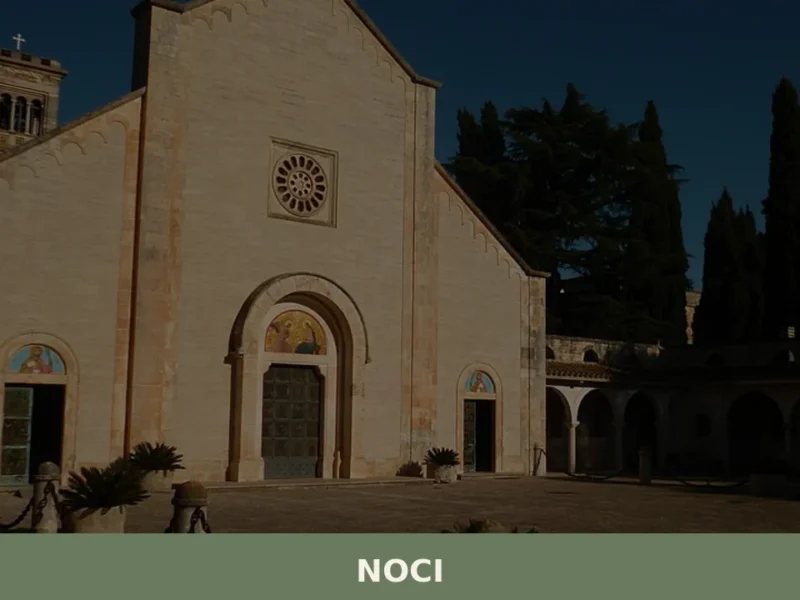
Noci
 Hills
Hills
What to see in Noci, a village at 420 m on the Murge plateau. 5 attractions, medieval gnostre, Acquasale PAT, sagre and patron feasts. Plan your visit now.
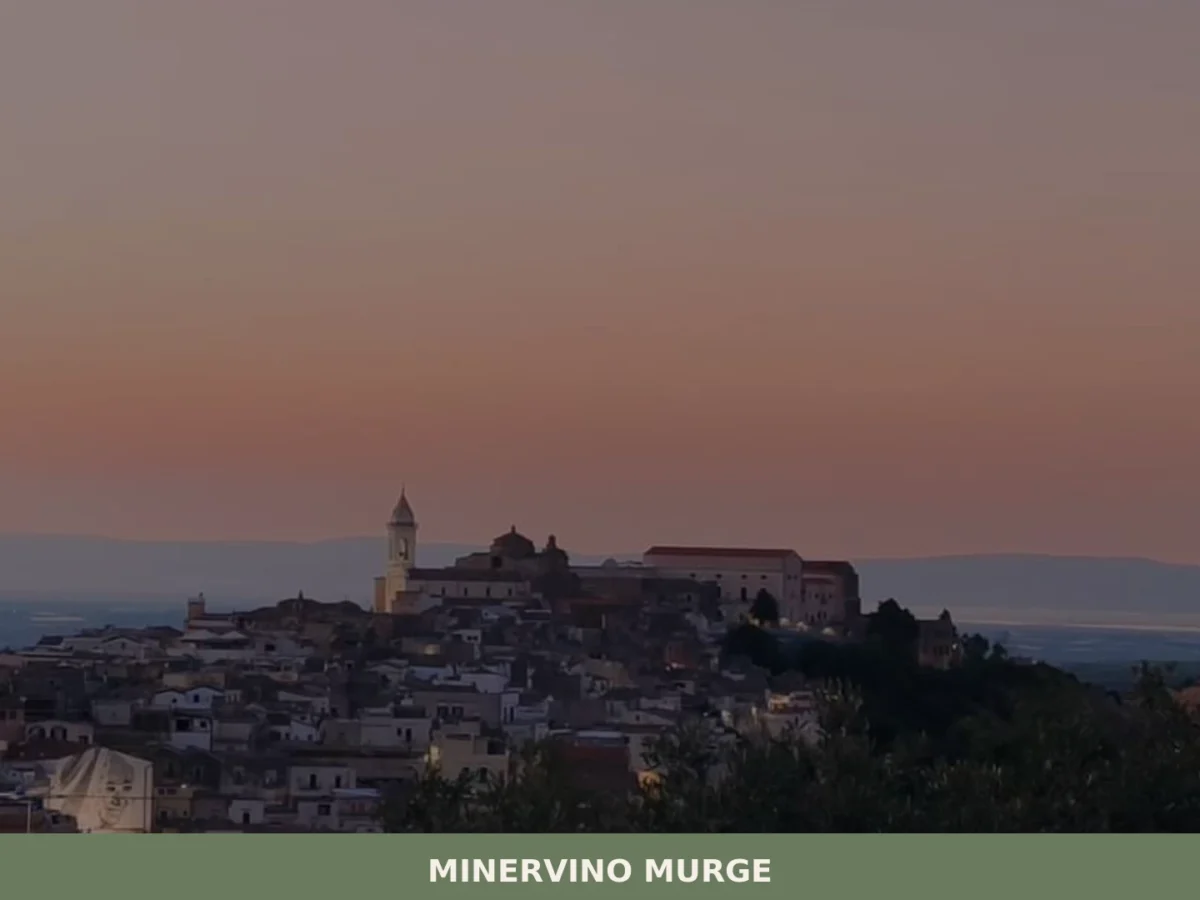
Minervino Murge
Hills
Discover what to see in Minervino Murge, Puglia: Alta Murgia national park, historic centre, drove roads, local food and practical travel tips.
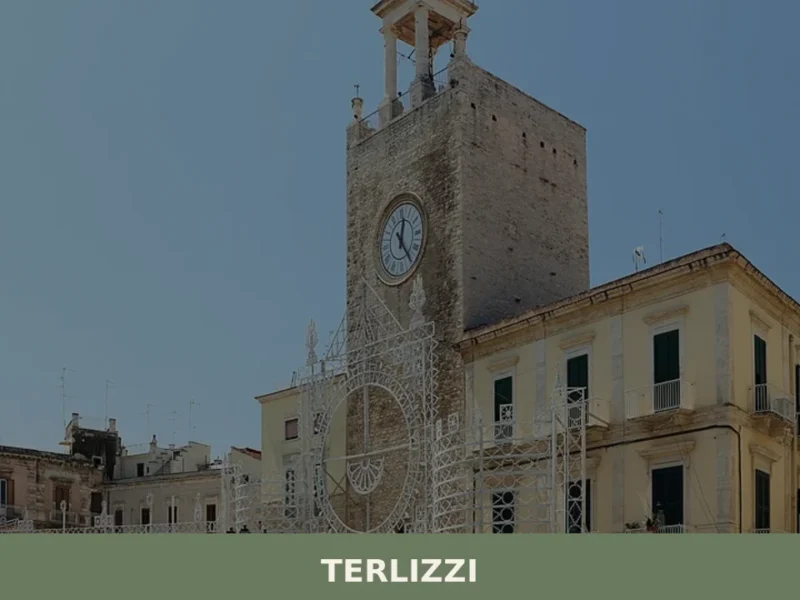
Terlizzi
 Plains
What to see in Terlizzi: discover the 5 top attractions, from the Cathedral to the Clock Tower. Plan your visit and taste the local specialities.
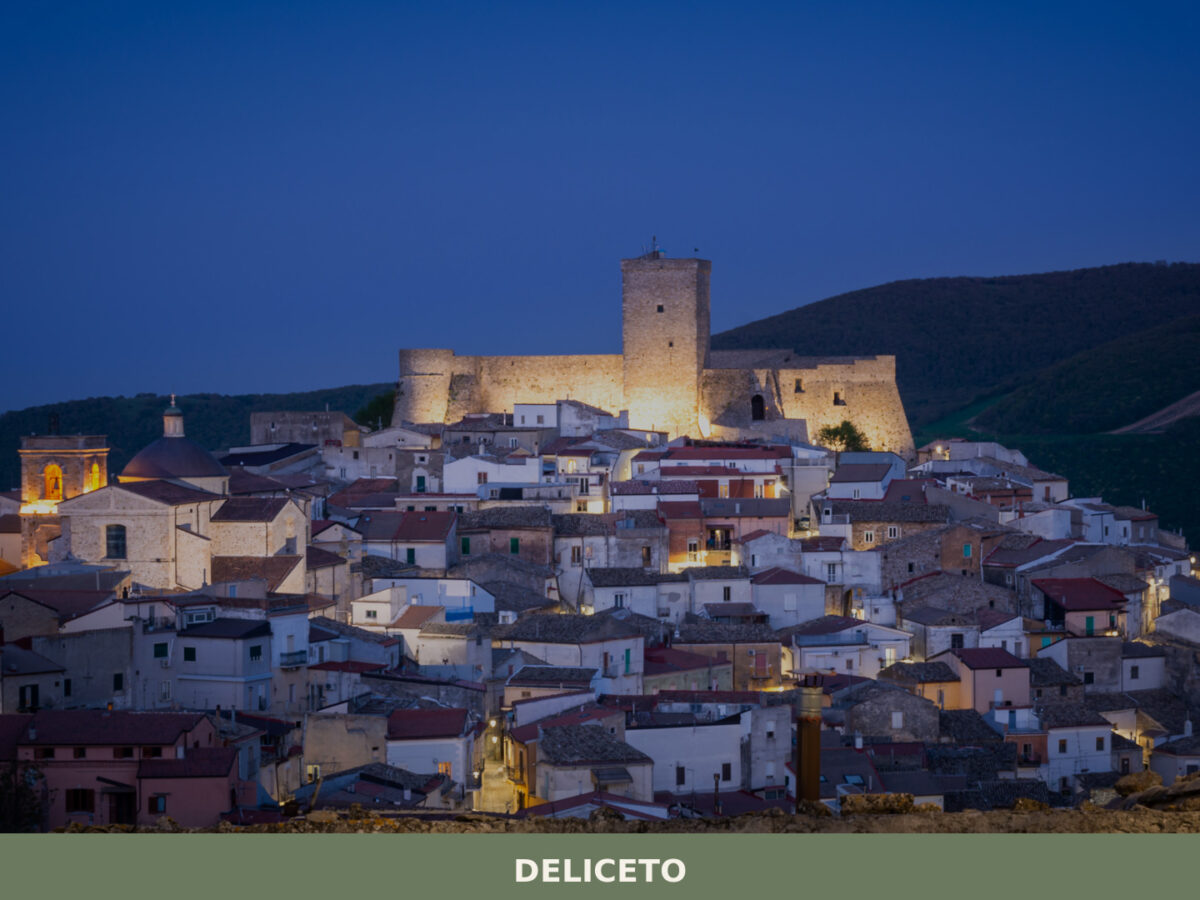
Deliceto
Hills
Deliceto rises at 575 metres on a ridge of the Subappennino Dauno, commanding the Tavoliere plain. A Norman castle, layered churches, and a stone-built historic centre define this compact Puglia hill village.
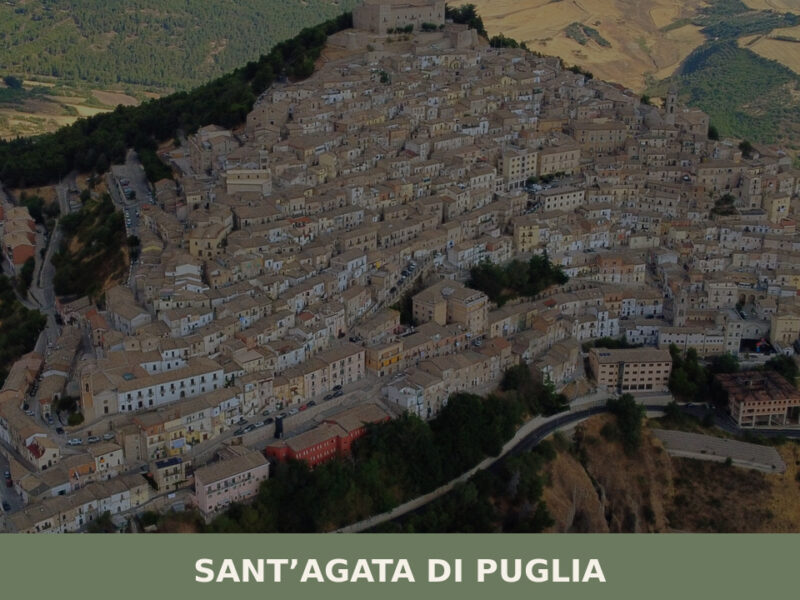
Sant’Agata di Puglia
Mountain
A ridge-top village at 794 metres in the Daunia hills, Sant'Agata di Puglia rewards slow exploration with its Norman castle, stepped stone alleyways, and mountain cooking.
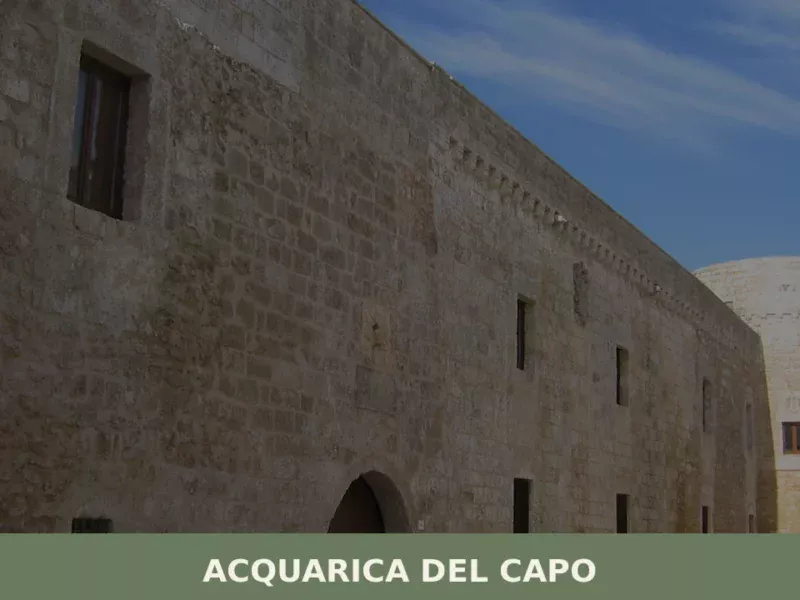
Acquarica del Capo
Plains
Acquarica del Capo existed as an independent municipality in the province of Lecce for decades before a formal merger on 15 May 2019 united it with neighbouring Presicce to form the new comune of Presicce-Acquarica. That administrative change did nothing to alter the physical village, which sits in the Capo di Leuca territory at the […]
Faggiano
Plains
Discover what to see in Faggiano, a Taranto province comune in Puglia: history, food, best time to visit, and how to get there.
🏡 Know Ceglie Messapica better than we do?
If you’re a local or have been there, your knowledge matters: add what’s missing or fix a detail on this page.